Blog Archives

The Best and Top 20 Kosher Mevushal wines of 2024
If you have ever wondered what Kosher wine or the Mevushal process is, I made a post these many years ago and nothing has changed about those facts, because Kosher wine is Kosher wine! The Mevushal process has evolved a bit over the years, but the premise is still the same, and the best craftsman in this space are Hagafen Cellars and Herzog Wine Cellars.
Royal Wine Europe does a good job as well, though from time to time, the white wines do not show as well after they go through the Mevushal process. The red wines are indeed done very well.
The whole premise for Mevushal wine is really a U.S. concept. Europe and much of Israel do not care for or need the wine to be Mevushal to serve at restaurants or events. The USA Rabbinic leaders think that there are too many issues and potential concerns at events and restaurants – given the vast number of servers being non-Jewish. As such, they demand Mevushal wines be served at the events. I have been to events where the pourers were all Shomer Shabbat Jews and that is what they do in Europe and Israel, but those are far and few between, here in the USA.
Overall, the 20 Mevushal wines scored higher than my previous post of 2023 options. These top Mevushal wines scored between 92 and 93! The vast majority of these wines come from the Mevushal leader, Herzog, and Hagafen, from the 2021 and 2023 California vintages. This year we have more quality Mevushal wines and we can mainly thank Cali for that!
Last year we introduced the 2021 Covenant Cabernet Sauvignon, Black Label. This year we have its third iteration with the 2023 Covenant Cabernet Sauvignon, Black Label. Not only is it the Mevushal Wine of the Year but it is also a darn good cup of wine! Bravo!
Mevushal – done incorrectly absolutely does cause damage to wine, and I have had many a “cooked” Mevushal wine. However, Herzog and Hagafen do not have these issues. Royal Europe does a good job, but not as well as the previously mentioned wineries. The Covenant Mevushal Cabernet Sauvignon and the Pinot Noir (started in 2023) can be added to that growing list of trustworthy Mevushal Wine Producers.
Also, we do not have examples of Mevushal wines that scored 95 points, again, this is not a cause and effect but rather the issue that people do not yet have Mevushal Pontet-Canet! Mind you, as I stated before, it is not from a lack of desire, on behalf of Royal Wines, they would boil anything to be able to sell more Mevushal wines. Still, so far, of the top wines that I have scored, the highest-scored Mevushal wine is now the 2021 Herzog Cabernet Sauvignon, Alexander Valley, Special Reserve. Besides that bottle, we now have Covenant and the 2022 Royal French wines. Time will tell if we ever get a Mevushal wine with that kind of quality.
More and more wines are Mevushal to meet the needs of restaurants and caterers that want high-end Mevushal wines for their venues and events. The theme of the wines here is mostly Hagafen or Herzog with some smattering of European names as well.
Here is my list of the top 20 Mevushal wines that are available here in the USA. They are listed by score and after that in no particular order. The wine notes follow below – the explanation of my “scores” can be found here and the explanation for QPR scores can be found here:
2023 Covenant Cabernet Sauvignon, Black Label, Sonoma County, CA (M) – Score: 93 (QPR: WINNER)
WOW! This is the third Mevushal (Black Label) Covenant Cabernet Sauvignon, and it is lovely! I am also getting used to the amalgamated corks, and I am happy.
The nose of this wine is lovely, controlled, ripe, California, creamy, and rich. It shows iron shaving, minerality, rich smoke, tar, anise, black pepper, ripe black and red fruit, lovely pop, and dirt. Bravo. This is the best Mevushal one so far.
The mouth of this full-bodied wine is lovely, showing great acidity, nice mouthfeel, creamy and rich, but with good pop, blackberry, plum, cassis, beautiful minerality, graphite, nice smoke, mouth-draping tannin, rich and layered. This is an impressive showing for a Mevushal wine, showing power, plush mouthfeel, finesse, almost elegant (though with all this power it is tough), some sweet oak, but it is not in your face, and nice dirt. Bravo!
The finish is long, dirty, ripe, balanced, with sweet tobacco, milk chocolate, graphite, and lovely tannin/acidity. Bravo!!! Drink until 2034. (tasted January 2025) (in San Jose, CA) (ABV = 14.8%)

Hotel Wine tastings – the final tastings from my trip to Paris – Late May 2024
As stated in my previous post, I was in Paris in Late May, with Avi Davidowitz from Kosher Wine Unfiltered. The number of boxes in our room was not nearly as insane as two years ago. That was a tower of boxes. Still, we had a lot of wines to taste through and some good wines to talk about.
Two years ago, we had some 80 wines, this May we were at 60 wines. There was one wine that Avi missed and there are a couple of wines I think were bad bottles, so I will not post them, so I guess it comes to some 58 or so bottles.
Half of these wines were tasted blind and the rest were not. Let me make this simple, unless we can find someone to pay to help us manage the tastings, tasting blind, and then gathering all the metadata and the forms, and sheets, it is just INSANE! We really need to get a helper, who understands English enough and can handle sheets and the such, in Paris and wherever else we taste wines. Until then, we will have to give up on tasting blind.
The wines were tasted in classic region/style order, whites, reds from Burgundy, Rhone-like areas, Bordeaux/Blend wines, and I think that is it.
Barbera, Rhone, Burgundy, Provence, Loire, and Germany
These were some of the blind wines we tasted. I honestly grabbed bottles shaped in anything other than Bordeaux and we did the tasting blind. It was eclectic and we retasted them twice, so they got their chance. There were two wines in the lineup that were off, and they were removed from the scoring. Otherwise, the wines fell into what I expected, with the real find being the Rhone from Ventoux. The German red wine was nice while the white wine, we tasted later, was a total loss.
There were a total of 13 wines on this flight and one of them was a bad bottle, so we have 12 wines scored below. Six of the 12 were from Taieb Wines. Yoni and his family continue to make well-priced wines and garner QPR WINNER scores. This tasting was no exception, with two WINNER for the Burgundies and other QPR WINNER scores for other wines we tasted in the hotel.
I have posted often about Taieb wines and if you want to read the full background read the first post I made here.
There were four Burgundies made by kosher Taieb in 2022 and we received three of them for tasting. The notes on these wines changed a bit but the scores were consistent. We also got some Loire Valley wines and they showed well as well. There was a Burgundy from Ribeauville that I had already tasted but needed to have Avi taste it, so I made sure to make that happen.
The real find was the Rhone from Ventoux, I have no idea who made the wine, maybe the winery did, but it is a nice wine. I have no idea why it sat around until now, nor do I know why the 2016 wine we tasted later sat around until now!
White and Sparking Wines
We tasted through a lot of white wines and sparkling wines. The Sparkling wines came from Taieb and they were nice to WINNER. The Elvi Vina Encina were both solid and the Herenza White are lovely WINNER wines. I have no idea why the Herenza Whites do not sell in the USA, no idea! Folks buy a few and try.
On a slight rant, I will start with the positives, thankfully, we have more kosher white wine available now than ever before, PERIOD! However, what is clear is that the kosher-buying public has made Sauvignon Blanc and Chardonnay their next Cabernet Sauvignon! I am happy you are all starting to enjoy white wines – finally! But good Lord, there are OTHER white wines out there! As stated, I am firmly on the ABC train, outside of a few Cali and France. Sauvignon Blanc is a wonderful grape and please ignore EVERYTHING that Avi says to the contrary, it is not his fault, he has issues with good wine!
Now, all I see is that white wines that are not Chardonnay or Sauvignon Blanc linger on physical or virtual shelves. Thankfully, most of you get Riesling, almost. But that is it! You guys killed the only good Albarino from Ramon Cardova because you all refused to buy it! The Herenza is the same, and this wine is 30 to 40 percent Sauvignon Blanc! OK, I’ll give up and stop my rant here! TRY OTHER white wines – please!
There was a new Sancerre and the new 2023 Domaine Lebrun Pouilly-Fume and they were nice. The 2023 Domaine Lebrun Pouilly-Fume is truly exceptional, it keeps up with the great 2021. Though I would be drinking the 2021 already! This one will be good for a few years.
Also, Avi brought an Israeli white wine! Yes! The 2021 Recanati Sauvignon Blanc, Odem Vineyards, Atelier! Lovely wine, and further proof that what Israel needs is good white wine!
The rest of them are wines that you can try and see if you like.
Italy, Spain, and Bordeaux
OK, half of the wines we tasted fall into these two categories and they garnered 8 QPR WINNER scores. Once again, Taieb had many GREAT to WINNER scores here along with some new Italian wines. There was one SHOCKER from Luzzatto, who until now have been really uninspiring wines. However, the 2019 Luzzatto Barolo is a clear WINNER, and yes, it is Mevushal. It started out very slow but with time, it came out of its shell, and showed nicely!
Avi brought the 2022 El Orador Rioja, Rioja Alta from Israel, and that also started very slowly, but it came out of its shell as well. We then tasted three Elvi red wines, which I had last year after Avi had already left. Those were the 2021 Elvi Clos Mesorah, the 2020 Elvi EL26, and the 2019 Elvi Adar. I had the 2019 Elvi Adar in Israel, and the EL26 at home.
The rest of what mattered was a mix of Bordeaux wines ranging from 2016 to 2023. Yes, we tasted a 2016 Chateau Croque Michotte! Why it was not released until now is beyond me. Sadly, I think that wine was oxidized. I have no idea if it was the wine or the bottle. I tried to get another and no matter the emails/WhatsApp chats I could not get another one to try.
The 2023 Baron David and the 2023 Palais de L’Ombriere were solid wines that are available now in Paris and ones I would pick up for a nice Shabbat! Two great wines from Taieb.
Then we had three mid-level quality wines from the 2022 Bordeaux vintage. If these wines prove to be the flag-bearer for that vaunted vintage I may come around and have as much faith as Avi does. Avi believes every vintage is innocent until proven guilty, sadly, I see things differently. I guess, I see wine as uninteresting until the glass proves me wrong.
The three QPR WINNER wines were the 2022 Chateau Tour Perey, 2022 Chateau La Fleur Perey, and the
2022 Chateau Tour Seran. We had issues with the 2022 Chateau Rollan de By. One bottle was bad and one bottle was OK to bad. At this point, if you buy it, I would not hold it for long, if at all. Buy it, open it, and enjoy!
We also tasted a 2012 Chateau Cru DuCasse, a wine I had not tasted for two years and it was on crazy sale at Winess.com. This was a wine that Avi had not yet tasted, as I tasted it back in June of 2021 when Paris was just coming to life from under the cloud of Covid. It had evolved a fair amount and was deeply closed at the start. Another crazy closeout wine I saw at Winess was the 2020 Chateau Taillefer Pavillon de Taillefer. It was selling for 40 or so dollars. I tasted that wine last year May 2023, a trip Avi missed, so I wanted him to taste the wine.
We tasted the white and rose wines from Cantina Giuliano and they are fine, I am sure some people will like them more than I did.
The one wine that Avi was not around for was the 2023 Cave D’Esclans Whispering Angel. It reminded me of the 2021. A solid showing.
Where can you buy these wines?
The Taieb wines will find their way to the USA through a menagerie of importers. Those include Liquid Kosher, Kosher Wine, and Victor Wines which I continue to be baffled at where these wines actually sell, outside of Florida! The Elvi wines are in the USA already. The Cantina Giuliano wines are in the USA already. The 2020 Chateau Haut Brisson is already in the USA, the other Corcos wines, I am not sure.
The Mercier wines will find their way here once the previous vintages are sold. As for the rest of the wines, I have no idea!
Thoughts on this tasting
OK, so overall, this tasting was solid! This was better than previous tastings because the 2021 vintage is mostly played out, unlike other hotel wine tastings. Still, Kosher plonk exists in spades in all regions of the world! The USA may have the largest availability to them, but Paris is not far behind! I am still not buying into the 2022 hype but as stated before, I will reserve happiness until I taste good wine!
Regarding other wines from France that people will ask me about, the answer is we tried. We sent out emails and got initial responses and then all follow-up emails went into the Spam Bucket. Sometimes, I wonder if French people hate us Americans! Anyway, the winning lineup, which always is the heading photo for the hotel wine-tasting posts, was solid, and wines I would drink! Sadly, that winning lineup photo is nowhere because I got really sick at the end of the week. I barely made it into Shabbat. I slept it off all Shabbat.
Before I forget – Avi took all the pictures from this trip so if you dislike them, blame him. If you love them disregard the previous sentence! Thanks, buddy!! I was flat out and Avi was trying to get out for his flight back to Israel. Sorry buddy I could not help.
Finally, 90% of the the deliveries were to the hotel this time, my man Ari Cohen, AKA El-Presidente of Bakus Wines, was totally AWOL this trip! I think the more I go to Paris the less I get to see him – maybe I am finally becoming a Parisian! Thanks as always! Thanks for all the help as always buddy!
The wine notes follow below in the order that they were tasted. The explanation of my “scores” can be found here and the explanation for QPR scores can be found here:

2022 Jean-Philippe Marchand Aloxe Corton, Sous Chaillots, Aloxe Corton – Score: 92.5 (QPR: WINNER)
The nose of this wine is quite nice with darker plum, raspberry, cherry, and sweet spices, along with sweet herbs, floral notes, lavender, dark smoke, and minerality. The mouth of this medium-plus-bodied wine feels rich, layered, and smokey, dirty, with nice mushroom, forest floor, nice funk, lovely minerality, plum, ripe raspberry, dark cherry, herbal, with nice tannin, and great acidity. The finish is long, tannic, herbal, and funky, but also richer, a bit rounder, but tannic, tart, and refreshing, Bravo! Drink until 2032. (tasted May 2024) (in Paris, France) (ABV = 13%) (tasted Blind)

A tasting of Taieb JP Marchand Burgundies, a massive Domaine Roses Camille vertical, two Taieb Bordeaux verticals, and more!
I am sorry for the long title, I really could not succinctly summarize the tasting I had last week with Neal and Andrew Breskin in not-so-sunny San Diego. Neal and I flew in from different parts of the country on a no so warm Monday morning, I picked up Neal at the airport, and we made our way to Andrew Breskin’s home, the proprietor and founder of Liquid Kosher.
I had been bugging Andrew that it was time to meet again for a tasting of the new 2021 Jean-Philippe Marchand Burgundies. I had tasted them with Avi Davidowitz in Paris, but as I said in that post, I was hoping to taste them again with the opportunity to see if they evolve with a bit of time, after opening. While I liked them in Paris, I was wondering if they would evolve with a bit more time. As stated in that post, we both flew home the next day and we did not have the chance to see them evolve over a day or so.
Thankfully, my calendar worked out, and we arrived on the day of Rosh Chodesh Shevat. The morning started with me picking up some breakfast at this lovely, but expensive bakery in La Jolla called Parisien Gourmandises. Before I continue with the story, please visit this place, when/if you are in the San Diego area. I do not like to say I am a picky eater, however, my opinions of food/food establishments, when traveling can be a bit coarse. I have recently been in Florida and Paris for different wine tastings and this bakery had better croissants and flaky dough pastries than either the bakeries in Paris or the wonderful bakery in Fort Lauderdale called Moran Patisserie Bakery. The people, food, and overall ambiance are really impressive, and aside from the actual location (a small room inside a potpourri store – you have to be there to understand), the food is worth the price of admission. Now on to the rest of the story!
I then picked up Neal at the airport, as stated above, and 20 minutes later we were ensconced under the shade of lemon trees and tasting wonderful wines.
The schedule was open-ended and after a lovely cup of coffee and Parisien Gourmandises pastries, we were ready to settle down for a day of wine tasting.
Pre-Dinner tasting


We started the tasting with two Champagne, one of them was simple enough and lacking in bubbles while the other one was nice and very accessible. The first one was N.V. Louis de Vignezac, Cuvee Special, Brut and the second was N.V. Champagne Charles de Ponthieu.
After those two aperitifs, it was time for some Burgundy! We started with the 2019 Jean-Philippe Marchand Meursault followed by the 2021 Jean-Philippe Marchand Meursault. Having the opportunity to taste the two of them side-by-side was quite a treat! I had not tasted the 2019 Meursault in 2 years. I had it with Andrew and Gabriel Geller later in 2021 as well, but I have less of a memory of that time.
We then started in on all of the 2021 Jean-Philippe Marchand red Burgundies and they were an exact match to the wines I had in Paris in late November 2022. They are all lovely wines with a floral approach. Even the 2017 and 2019 Gevrey Chambertin that we had later that night followed that approach. The Gevrey has more weight but overall their approach is more for the ethereal Pinot Noir than the full-bodied one.
Once we had tasted the Pinot Noir we had the opportunity to taste some soon-to-be-released Domaine Roses Camille wines, including 2016, 2017, and 2018 vintages. To be fair, I am never a fan, interested in tasting unreleased wines as they may change before being bottled. Thankfully, the 2016 and 2017 vintages are already bottled, while 2018 was a tank sample.
All the Domaine Roses Camille wines were exceptional but as I stated before I wanted the opportunity to taste them again the following day. So after our initial tasting of the wines, Andrew got some plastic Ziplock bags and bagged me some 30 ml of each wine and labeled each bag to boot! This assured me two things, I will have wine to taste the next day, as the wines were open for the dinner that was fast approaching, and I knew what each wine was, the following day!
The bags worked like a charm, Andrew placed them in a box and moved them to the garage where they stayed until the following morning – bravo my man!
Dinner – AKA SoCal RCC Jan 2023


After all the wines were tasted and bagged it was time to focus on dinner. Andrew had already started on the beautiful ribs and was getting the rib roast prepared. It was about that time that I looked at the rib fat/sauce and I started skimming off the obvious fat and then worked on cooking it down a bit and thickening it with some simple starch slurry.
After that, Andrew started cooking some nice Gnocchi and then pan-seared them. I helped a bit with this and the potatoes. I laugh because there is this Italian chef who lives in Australia (Vincenzo Prosperi of Vincenzos Plate) that loves to rant about other chefs who do things that are not exactly Italian! LOL, he tore apart some chefs for doing this very thing, but honestly, I found them very enjoyable!
Soon after Neal and I finished helping here and there the guests started to arrive. The first was Elan Adivi, who works with Jeff’s Sausage and he came armed with a basket full of sausage, charcuterie, and rectangle pie crusts. He made some pretty good pizzas and he topped them with the only green things that graced any of our plates, some arugula, though to be honest, no one went hungry that night!
The evening started with some lovely sushi and the Champagnes we tasted earlier along with some 2019 La Chablisienne, which was a nice enough Mevushal Chablis.
After the Sushi, it was red meat and wine all the way, which is the only way an RCC should be! The Ribs and the Rib Roast were just awesome, and my sauce reduction was not bad either! The Pizzas turned out quite nicely, as well. There was also some very interesting beef jerky, but I did not catch where they were sourced from, I think Andrew had them flown in from Holy Jerky in Five Towns, the stuff was solid!
First I tried the Burgundies again, as well I wanted to see if they had evolved over a few hours, but nothing had changed much. Next, I enjoyed tasting the three Gevrey Chambertin from Jean-Philippe Marchand. Much like the 2019 Jean-Philippe Marchand Meursault I had not tasted the 2017 or 2019 Jean-Philippe Marchand Gevrey Chambertin for many a year.
Of the three, at their current place, I would still go for the new 2021 Gevrey, which is quite surprising to me but also makes me happy to see that there were some good wines from the 2021 vintage.
I then tasted the two mini-verticals of Chateau Castelbruck, Margaux, and Chateau Haut-Breton Larigaudiere. We had 2018, 2019, and 2020 vintages of the Chateau Castelbruck, and Chateau Haut-Breton Larigaudiere. The two wine verticals had not evolved very far from what I had over the past three years. Some wines evolve over a short period, and while these did change slightly from previous tastings, the evolution was more about which fruit emerged ahead of another rather than moving into a drinking window or showing tertiary notes.
Domaine Roses Camille Vertical


Unlike the smaller Chateau Castelbruck, and Chateau Haut-Breton Larigaudiere verticals the Domaine Roses Camille was larger and therefore one that showed a more obvious effect in the years past.
Each of 2011, 2012, and 2014 vintages had clearly evolved with the 2011 vintage almost entering a drinking window. The younger wine (2015) followed the same script as the Taieb Bordeaux and did not change much, if anything, at this point. The even younger wines were all new to me so they may have evolved since being bottled but I would not know.
It was great getting to taste these wines all side by side and seeing the impact of a season on the same vineyard. AKA, Horizontal tasting 101!
After the DRC work, I tried the famous 1997 Chateau de Fesles Bonnezeaux, it had clearly passed its prime but it was nice enough indeed! If you have any still, drink NOW!! I also tried some Montelobos Mezcal Pechuga – it was smoked with kosher Turkey Breast!!! LOL!! Yeah, it was fun! There were some 1999 and 2001 Chateau Guiraud passed around but I missed them and that is fine, I know them well.
It was great hanging out with Shimon Weiss from Shirah Winery and Alex Rubin (a winemaker helping the guys), and I first met Alex on my way to Josh’s wedding in the plane jetway! Life is such a small world! If any of this sounds familiar, in some manner, you have a great memory! Indeed, in August of 2012 found me, along with the aforementioned Shimon Weiss, and Jonathan Hajdu with the same awesome hosts getting together for an awesome event! It was a lunch to truly remember!
Second Tasting
Noon, the next day, I crashed at Andrew’s place, once again, and I tasted through the Burgundies from the plastic bags some had indeed evolved and improved, but none took a step backward.
Once I was done tasting through the wines I bid my adieu and made my way to the airport! The sad fact is that if you have no status you get what you pay for! I was done a few hours before my flight home, but I flew down using Southwest and I have no status with them, so changing a ticket the day of, would have cost me an arm and leg, so I sat in the terminal and waited for my plane. Of course, the plane was eventually delayed, but my plane was so empty they had to distribute us across the plane – so yeah, I was fine! It is all about perspective – right?
My thanks to Andrew and Shauna Breskin for hosting the tasting and for putting up with me and everyone else who crashed their home for more than 24 hours! Also, I used many of Andrew’s lovely pictures – thank you, sir!!! The notes speak for themselves.
The wine notes follow below, in the order, they were tasted – the explanation of my “scores” can be found here and the explanation for QPR scores can be found here:
N.V. Louis de Vignezac Cuvee Special, Brut, Champagne – Score: 89 (QPR: EVEN)
The nose of this wine is very yeasty, with baked goods, lemon/lime, and green apple. The mouth o this medium-bodied wine is ok but uni-dimensional, with nice minerals, green/yellow apple, and lime, but not much more than the acid and the fruit to grab you. The mousse is ok, not bracing and not attacking, but the acidity is great. The finish is long, and tart, with pear, apple, and lime. Drink now. (tasted January 2023) (in San Diego, CA) (ABV = 12.5%)
N.V. Champagne Charles de Ponthieu, Champagne – Score: 91 (QPR: GREAT)
The nose of this wine is screaming with bright fruit, rich minerality, slate, rock, baked goods, pear, and apple. The mouth of this medium-bodied wine is fresh, with great fruit focus, a lovely small bubble mousse, pear, apple, lime, baked apple pie, and lovely yeast, with floral notes. The finish is long, fruity, balanced, tart, lovely, refreshing, and focused. Nice! Drink now! (tasted January 2023) (in San Diego, CA) (ABV = 12.5%)
2019 La Chablisienne Chablis, Cuvee Casher, Chablis (M) – Score: 90 (QPR: EVEN)
The nose of this wine is nice enough with nice minerality, smoke, and saline, pear, and apple. The mouth of this medium-bodied wine is ok, a bit cooked, funky, and fruity, with apple, pear, and lemon/lime. The finish is long, cooked, and flinty, nice! Drink UP! (tasted January 2023) (in San Diego, CA) (ABV = 12.5%)

Another round of QPR (Quality to Price Ratio) Hits and Misses, Eight QPR WINNERS – October 2022
I hope you all had a wonderful Jewish Holiday season! We are now back to the grind and I have a bunch of wines that need to be posted. As usual, my QPR posts are a hodgepodge of wines but thankfully we have some nice QPR (Quality to Price Ratio) wines.
QPR (Quality to Price Ratio) Wines
It has been two months since my last QPR (Quality to Price Ratio) post and many people have been emailing me about some unique wines I have tasted and some lovely wines that are worth writing about.
Thankfully, no matter how much garbage and pain I subject myself to, we are still blessed with quite a few wonderful QPR wines out there. This post includes some nice wines and some OK wines with the usual majority of uninteresting to bad wines.
The story of 2021 Israel whites and roses is very unfortunate, it started with a bang. Matar and a couple of others showed very well. Sadly, after that, every other white and rose wine from Israel was not as impressive. They all show middling work and product, very disappointing indeed. Thankfully, this round has one Israeli WINNER and it is from the 2021 vintage.
We have a nice list of QPR WINNERS:
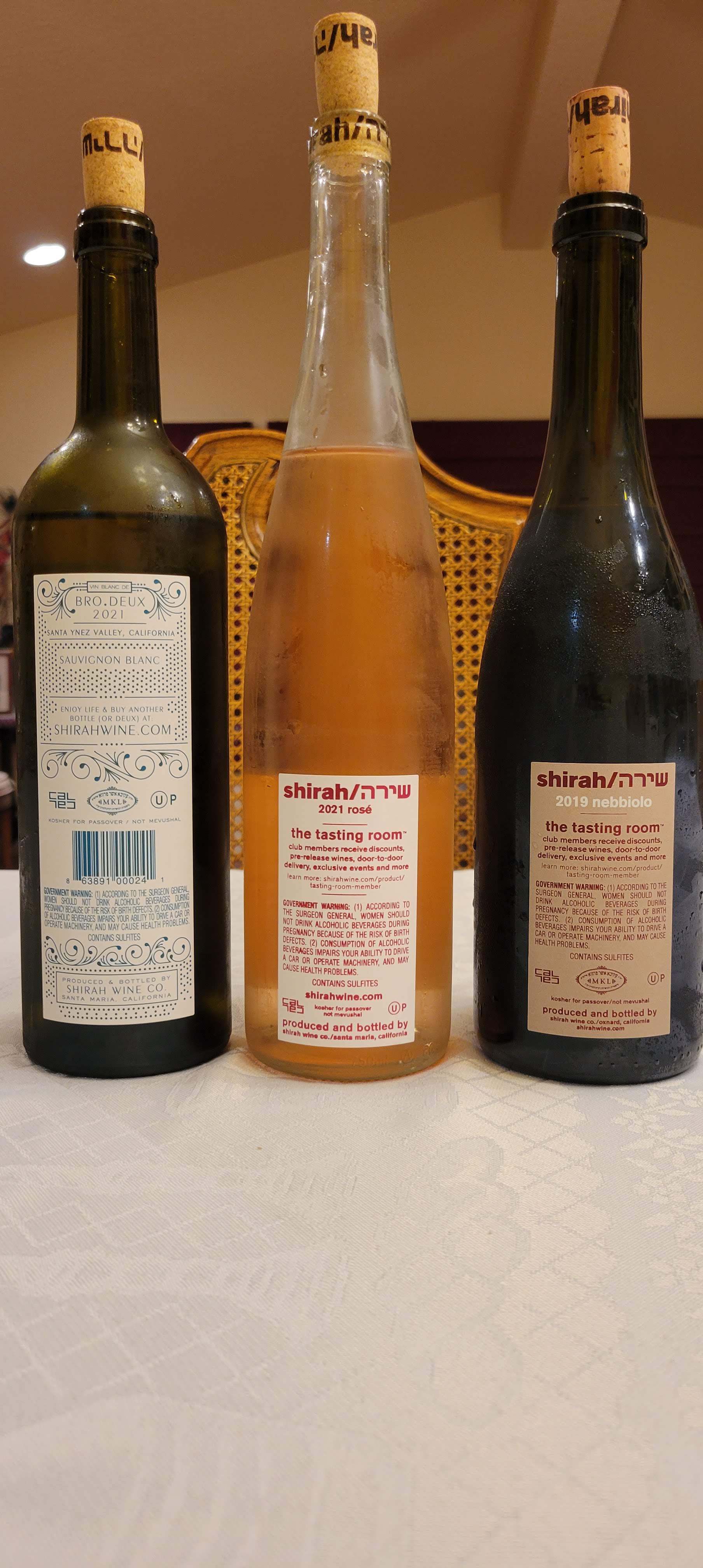
- 2021 Shirah Rose, Central Coast, CA (A nice solid rose)
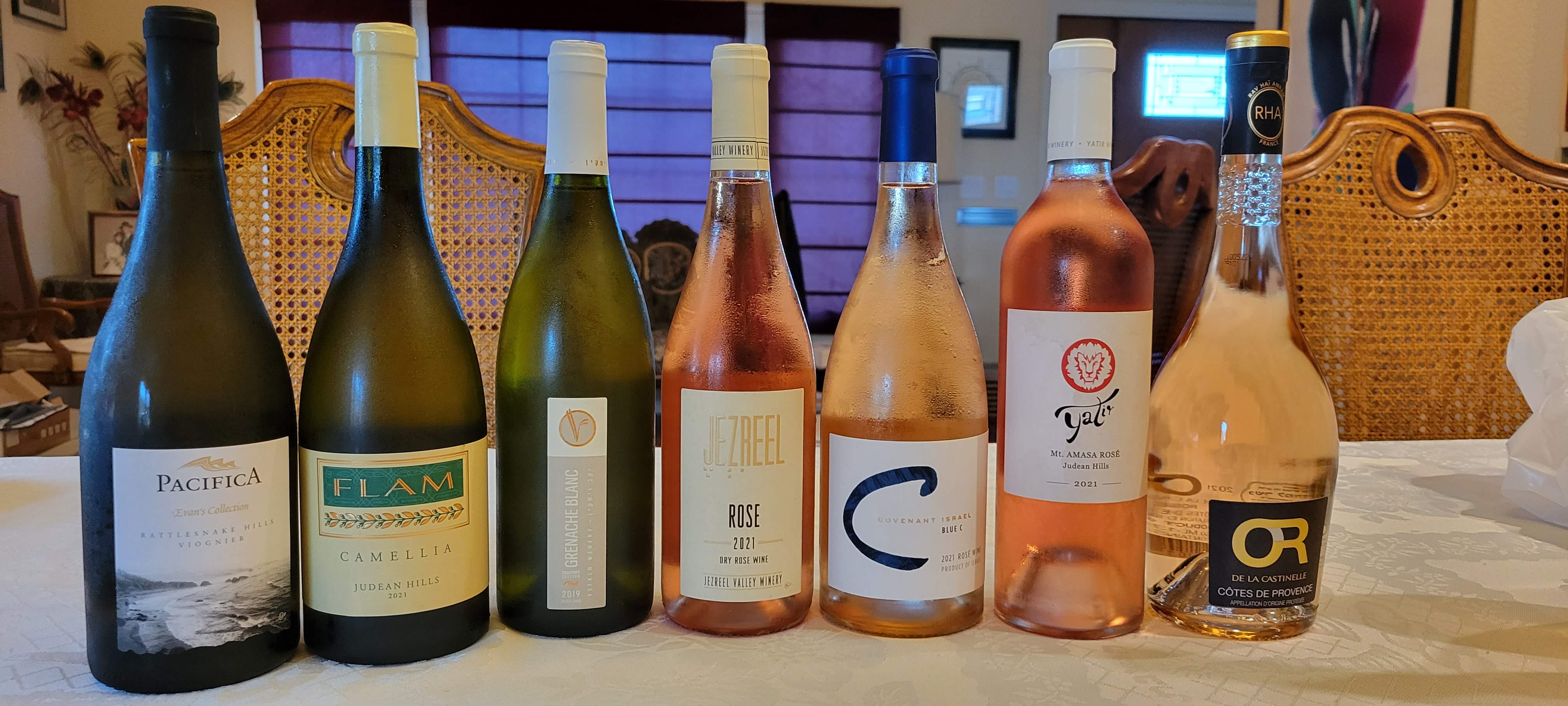
- 2021 Covenant Israel Rose, Blue C, Israel (lovely color and great acidity)
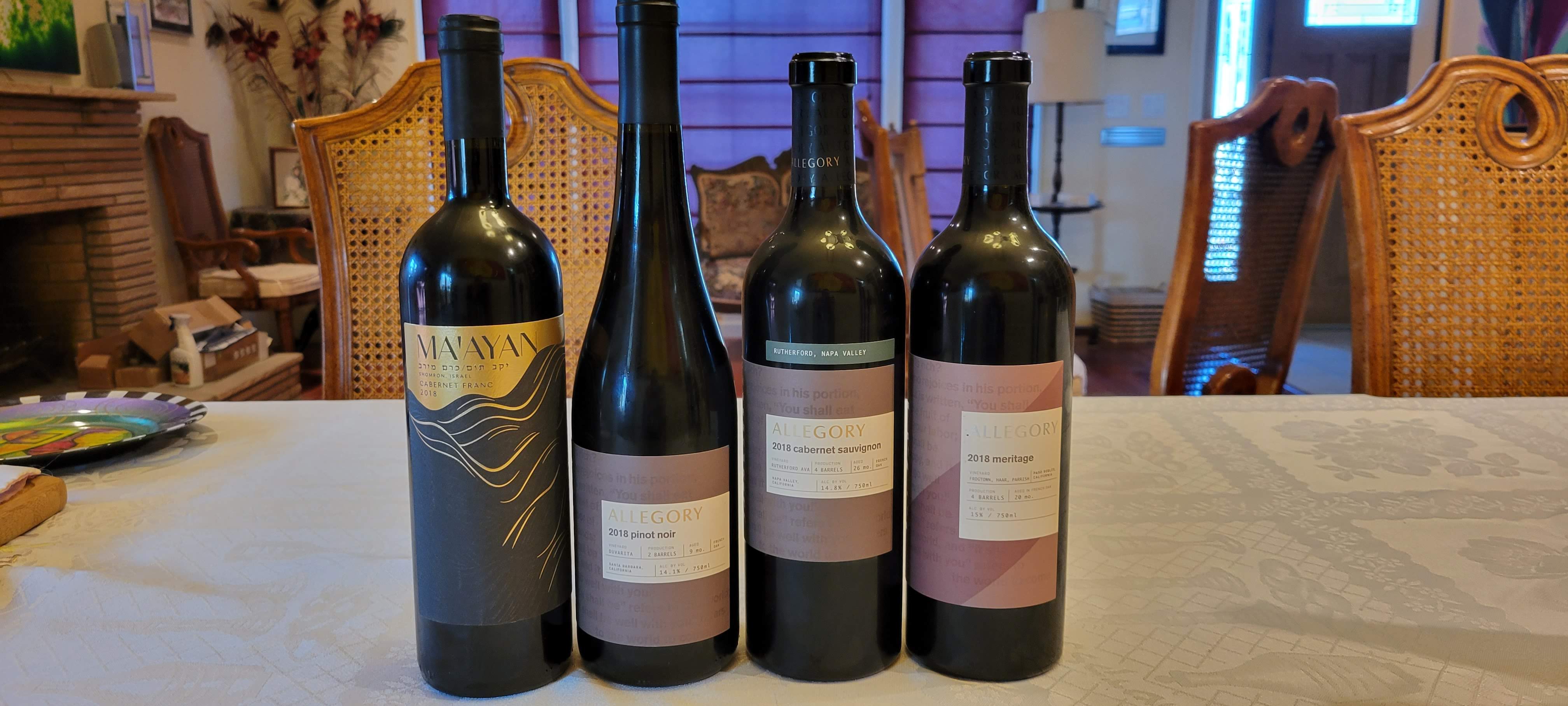
- 2018 Allegory Pinot Noir, Duvarita Vineyard, Santa Barbara, CA (Another nice Pinot from Cali)
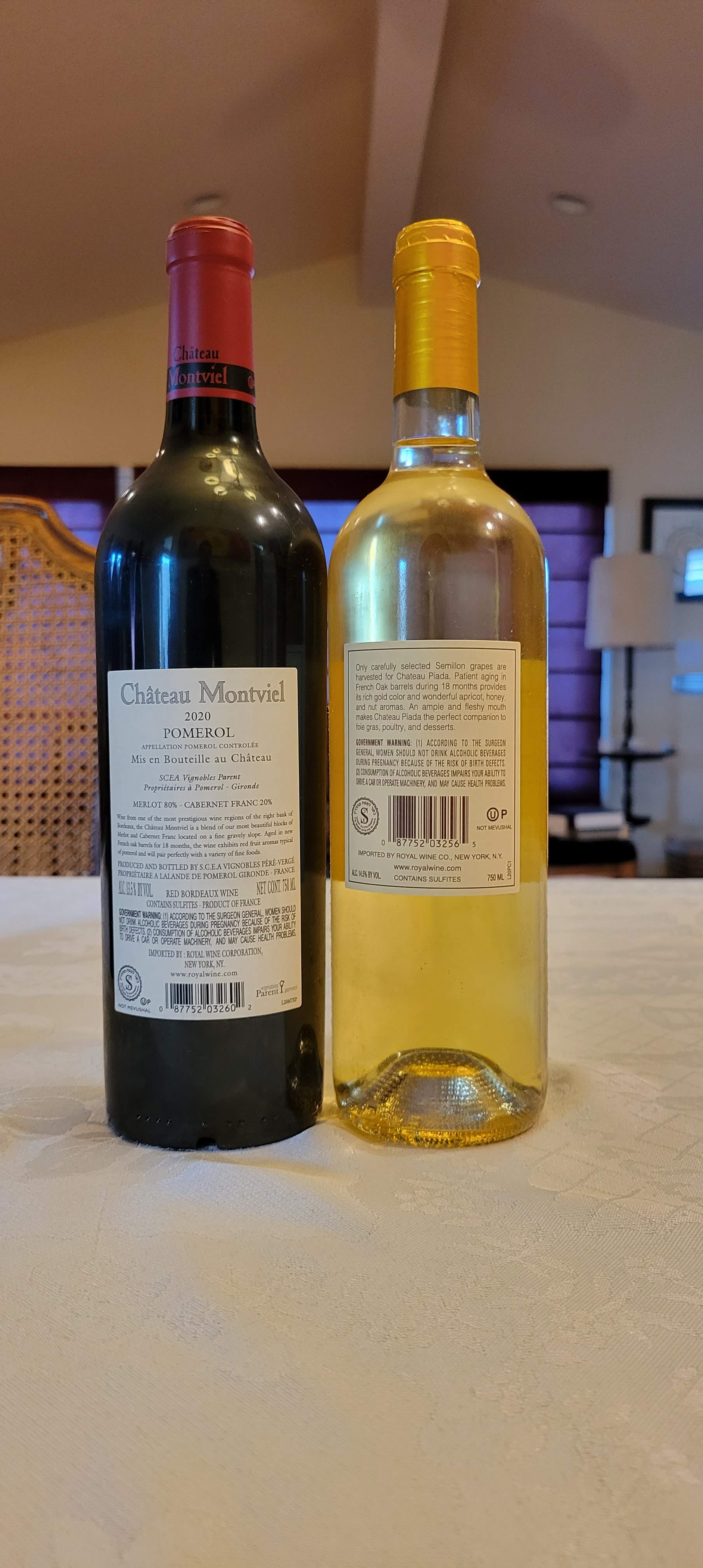
- 2020 Chateau Montviel, Pomerol (Perennial winner)
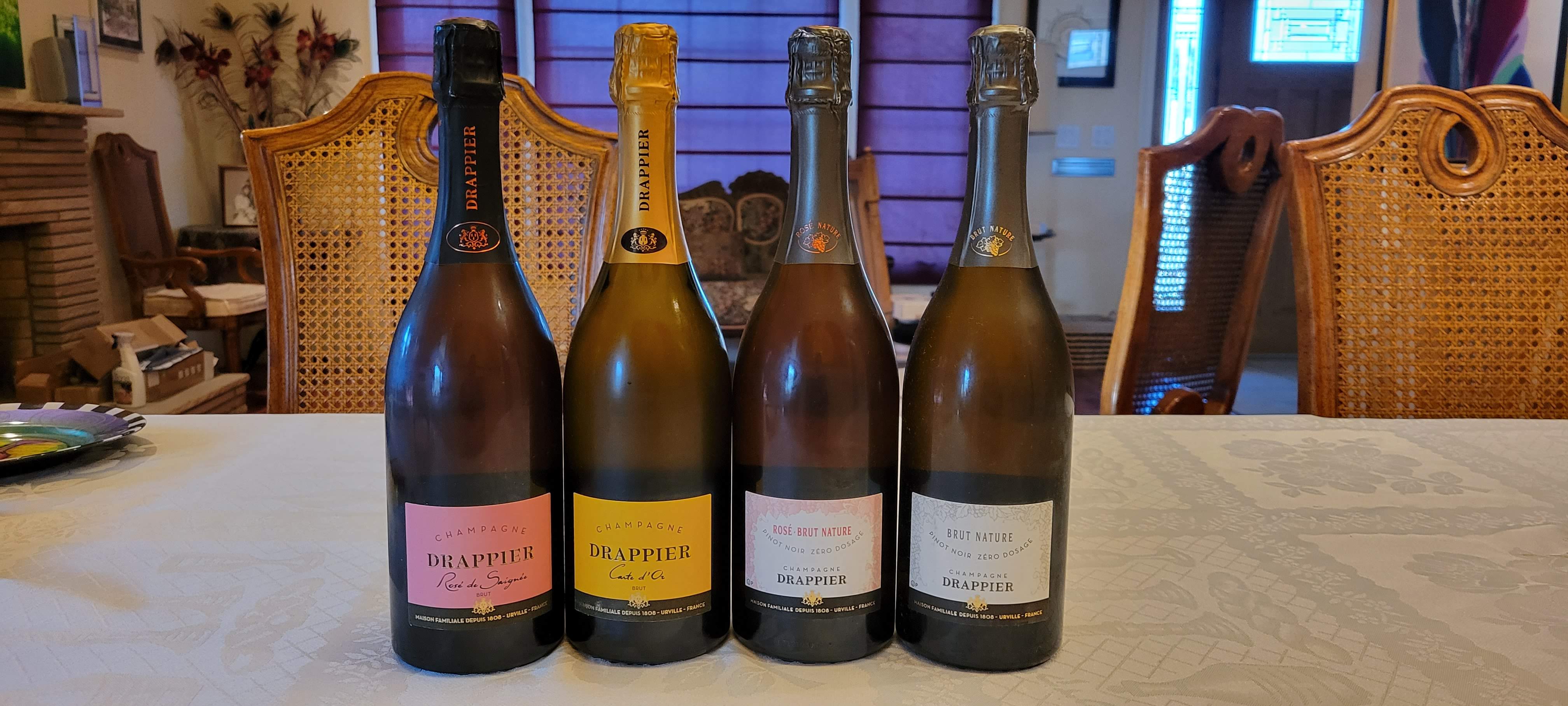
- N.V. Drappier Carte d’Or, Champagne (Best of the 4 Drappier Champagne)
- N.V. Drappier Brut Nature, Zero Dosage, Champagne (Lovely but drink now!)
- 2020 Chateau Piada, Sauternes (Not their best but solid)
- N.V. Drappier Rose de Saignee, Champagne (Nice brut rose, hard to find outside of Yarden)
There were also a few wines that are a slight step behind with a GREAT or GOOD QPR score:
- 2021 Shirah Bro.Deux, Blanc, Santa Ynez Valley, CA (A nice wine just missing a bit)
- 2021 Yatir Mount Amasa Rose, Judean Hills (Not bad)
- 2021 Or de la Castinelle Rose, Cotes de Provence (Another solid vintage for this new rose)
- 2021 Vitkin Israeli Journey, Red, Israel (Simple but nice)
- 2021 Laufer Tokaji Late Harvest, Tokaji – Simple but balanced
- 2018 Allegory Cabernet Sauvignon, Rutherford (too ripe for me but good)
- 2019 Vitkin Grenache Blanc, Galilee (A step back on this vintage sadly)
- 2018 Ma’ayan Cabernet Franc, Shomron (A lovely wine just too Israeli for me)
There are a few wines that got a QPR Score of EVEN – meaning expensive or average:
- 2019 Shirah Nebbiolo, Paso Robles, CA (A bit too ripe for my tastes)
- 2021 Flam Camellia, Judean Hills (Less interesting than previous vintages)
- 2018 Allegory Meritage, Paso Robles, CA (weakest of the Allegory wines)
- 2021 Laufer Tokaji Ice Wine, Tokaji (Not enough acidity to make it work)
The others are essentially either OK wines that are too expensive, duds, or total failures:
- 2021 Jezreel Valley Rose, Sharon (Not very good)
- 2020 Yatir Darom, Red, Israel (Just trying too hard with so little)
- N.V. Drappier Rose, Brut Nature, Champagne (Not a good idea IMHO)
Wine sets that I tasted
This tasting includes three sets of wines.
- Shirah Rose and white wines
- Allegory and Ma’ayan wines (from The Cellar wine store in Lakewood)
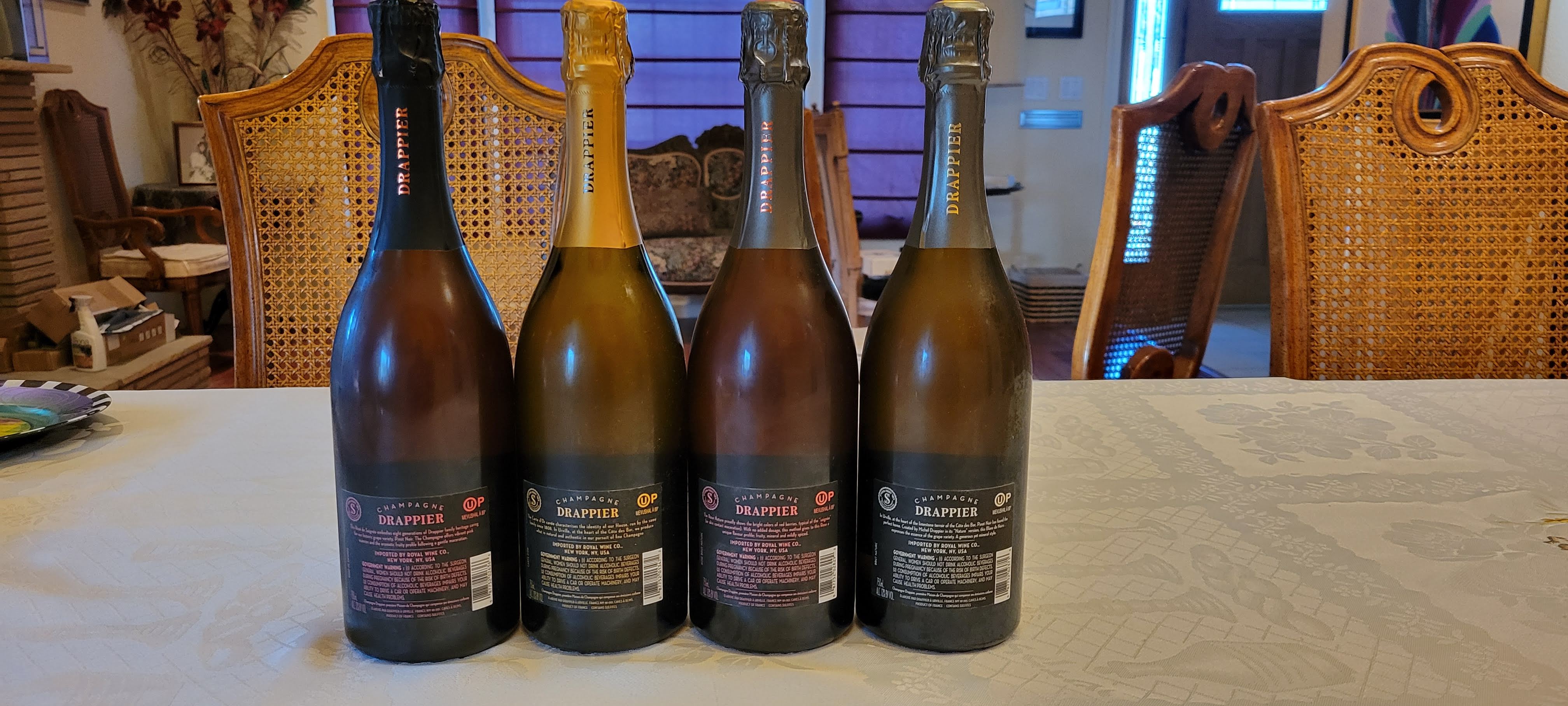
- Four newly disgorged Drappier Champagne
- The rest of the assorted wines I tasted over the last 1+ months. I tasted more but I am waiting to post them later.
Some things that made me stand up and take notice (AKA QPR WINNERS):
The largest WINNER group of the sets of wines I had came from the Drappier Champagnes. Three of them were dead on and the fourth, the brut nature rose, is just a bad idea, IMHO.
The other two sets are all made by the Weiss brothers from Shirah wines. The Shirah Wines are made under the Shirah brand and the Allegory wines are Cali wines made for the Cellar wine store in Lakewood.
The Shirah Rose and the Allegory Pinot Noir, two wines made by the Weiss brothers are solid to lovely wines.
Covenant keeps popping out lovely wines and the 2021 Israeli Rose is another example of what care brings you!
The other two wines are the 2020 Piada and Montviel, two more WINNERS for Royal Wines. The Montviel is sheer joy and the highest-scoring wine of this post while the Piada, while nice enough, is a step back from previous vintages.
Other wines of note (AKA QPR GREAT or GOOD):
This group is not a group of wines I would buy and some are not even wines I would drink if given the chance. They are Ok wines but there are far better options out there. The one that did surprise me was the 2018 Ma’ayan Cabernet Franc, Shomron. It is a wine that was close and nice but still too Israeli for me.
Wines that are either good but too expensive or average (AKA EVEN):
This list is also boring, the only real wine to call out, is the 2021 Laufer Tokaji Ice Wine. It should have been a better wine but the wine is a mess, it is all over the place and lacks acidity, sad.
The rest of the wines are not interesting to me and are on this list because of either quality or price.
Wines that are either OK but far too expensive or bad wines (AKA POOR/BAD):
This round this list is just duds and I will just leave you to peruse the names and scores down below.
Roundup
Overall another nice list of QPR WINNERS. I can always look at these kinds of lists and say there are only 7 or 8 wines I would want to buy from this entire list, but that would be a defeatist attitude. The correct way to classify this list is we have 7 or 8 more wines available to us and in the end, as I have stated many times now, I cannot buy all the WINNER wines even if I wanted to. There are just too many good wines out there and that is what we should be focused on!
The wine notes follow below – the explanation of my “scores” can be found here and the explanation for QPR scores can be found here:



2020 Chateau Montviel, Pomerol – Score: 93 (QPR: WINNER)
This wine is a blend of 80% Merlot and 20% Cabernet Franc. The nose of this wine is incredible, this is what I dream about when I smell wine, dirt, earth, smoke, loam, elegance, fruit, and mushroom, yum!!! The mouth of this full-bodied wine is balanced and soft, it comes at you in layers, showing raspberry, plum, rich loam, earth, sweet spices, and forest floor, all wrapped in a silky and elegant plush mouthfeel, with lovely acidity. It is a silky seductress. The finish is long, green, herbal, dirty, loam, and more forest floor that really comes out, with sweet tobacco, dry meat, and lovely green notes. Bravo!!! Drink from 2025 until 2034. (tasted September 2022) (in San Jose, CA) (ABV = 13.5%)

Two Kosher Champagnes I have tried recently – Feb 2022
This post will be quick but I also want to talk about sparkling wines. As I have posted a few times, people think of sparkling wines around either the Jewish New Year or the Gregorian New Year. However, Sparkling wine is great all year round! It is one of the few white wines that you can truly enjoy with a steak! It can literally be enjoyed throughout the meal and is one of the very few wines you can enjoy with a salad made with a vinegar vinaigrette. All great reasons to enjoy Sparkling wines more often! When I am in Israel and I go to a restaurant and I want to enjoy some wine and there is no Netofa or Vitkin I always go for Yarden Sparkling wines and am 100% happy no matter what I am enjoying.
I will not go into all the aspects of Sparkling wines and my feelings about all things Brut Nature/Zero Dosage, etc. You can read all about that and much more, like how Champagne is made here in this long post.
Now, on to the new wines at hand. I tasted two Champagnes over the past few weeks – one from Bonnet-Ponson and one from Barons de Rothschild. To be honest I have not been a fan of previous vintages from Barons de Rothschild. I do not know if it is the Mevushal process or the Champagne itself, but it often feels rushed, short, and lacking much in style. This tasted fresh, alive, and enjoyable, all around. Sadly, Rothschild does not use a disgorgement date like others so there is no easy way to see which batch you may be buying.
That leads me to the new Bonnet-Ponson Champagne, Extra-Brut which is very cool! Now, fear not this is not another Zero Dosage wine, we have all lived that and we can move on. This is a lovely, elegant, and refreshing Champagne that has a very fine attack of mousse, while also being quite citrusy and alive. The mouth is full and long and it is underpinned by lovely minerality and fruit. It is not as weighty as previous vintages but what I love the most is the elegance. Note – the wine is fine but there are fewer bubbles in the glass after a minute or so than I normally like. So, beware that I do not think this wine will last very long.
The wine notes follow below – the explanation of my “scores” can be found here and the explanation for QPR scores can be found here:


N.V. Bonnet-Ponson Champagne, Extra-Brut, Champagne – Score: 91.5 (QPR: WINNER)
WOW, this is unique, fun, and may well be the perfect balance of what we need in the Champagne kosher market. Look, we have said it over and over, Yarden has the grip on QPR forever until someone removes them from the king of kosher wine bubbles – period! However, as you can see, they are gone from the market, for now. I never place price, availability, or access in a wine quality score, so do not think what I stated affects the score, but in the world of Champagne, this is cool! We have had too many Brut-Nature, Zero-Dosage Champagne wines die on us over the past many years. This Champagne is extra dry, but it still has a sweet dosage, and that should hold it for a few years, I HOPE! Now, to the notes!
The nose on this wine is classic low ABV Champagne, tart citrus, apple, quince, green notes, but now you get to truly enjoy and appreciate the nuance of Champagne, what comes out is the yeast, lovely baked goods, wrapping a bushel of green and yellow stone fruit, floral peony notes, roasted almonds, white pepper, and baked Pear/apple pie. The mouth on this medium-bodied sparkling is layered, tart, acidic, and rich, while not being a beast like Yarden, but far more subtle, a wine geek’s joy, toasted apple, bruised pear, buttered brioche, wrapping Asian pear, with rich saline, great minerality, but what hits you is the tiny mousse bubbles that enrich and enliven the palate, a truly refreshing and joyous mouthful. This is not a wine for those looking for a full-bodied and rich sparkling wine, this is a balanced, well-made, and elegant wine that is mineral-driven, and quite fun! The finish is long, green, tart, and refreshing, with slate, tannin, yeast, and acid lingering long.
Personally, while this wine is a lovely wine it loses its bubbles fairly quickly, so while I love it, I would not hold on to it for too long. Drink until 2024. (tasted February 2022) (in San Jose, CA) (ABV = 12%)
N.V. Barons de Rothschild Brut Champagne, Champagne (M) – Score: 91 (QPR: EVEN)
The nose on this wine is the best one I have had yet with tart and bright fruit notes, citrus, lemongrass, baked apple pie, quince, yeast, and lovely minerality. The mouth on this medium-bodied wine brings to mind freshly baked and then toasted quince brioche with grapefruit, yeasty notes, with a lovely small-mousse mouthfeel, all wrapped in a very nice mineral-based and refreshing approach. The finish is long, tart, refreshing and bright, with slate, rock, and tart fruit lingering long. Nice! Drink now. (tasted February 2022) (in San Jose, CA) (ABV = 12%)

Wines I tasted over the past few weeks with five QPR WINNERS
My trip to Paris in November and in June showed me terroir is not enough to make good wine. There are endless shelves of useless wines, at equally high prices, just like here in the USA. Thankfully, there were a few good ones and those will be outlined over the next weeks.
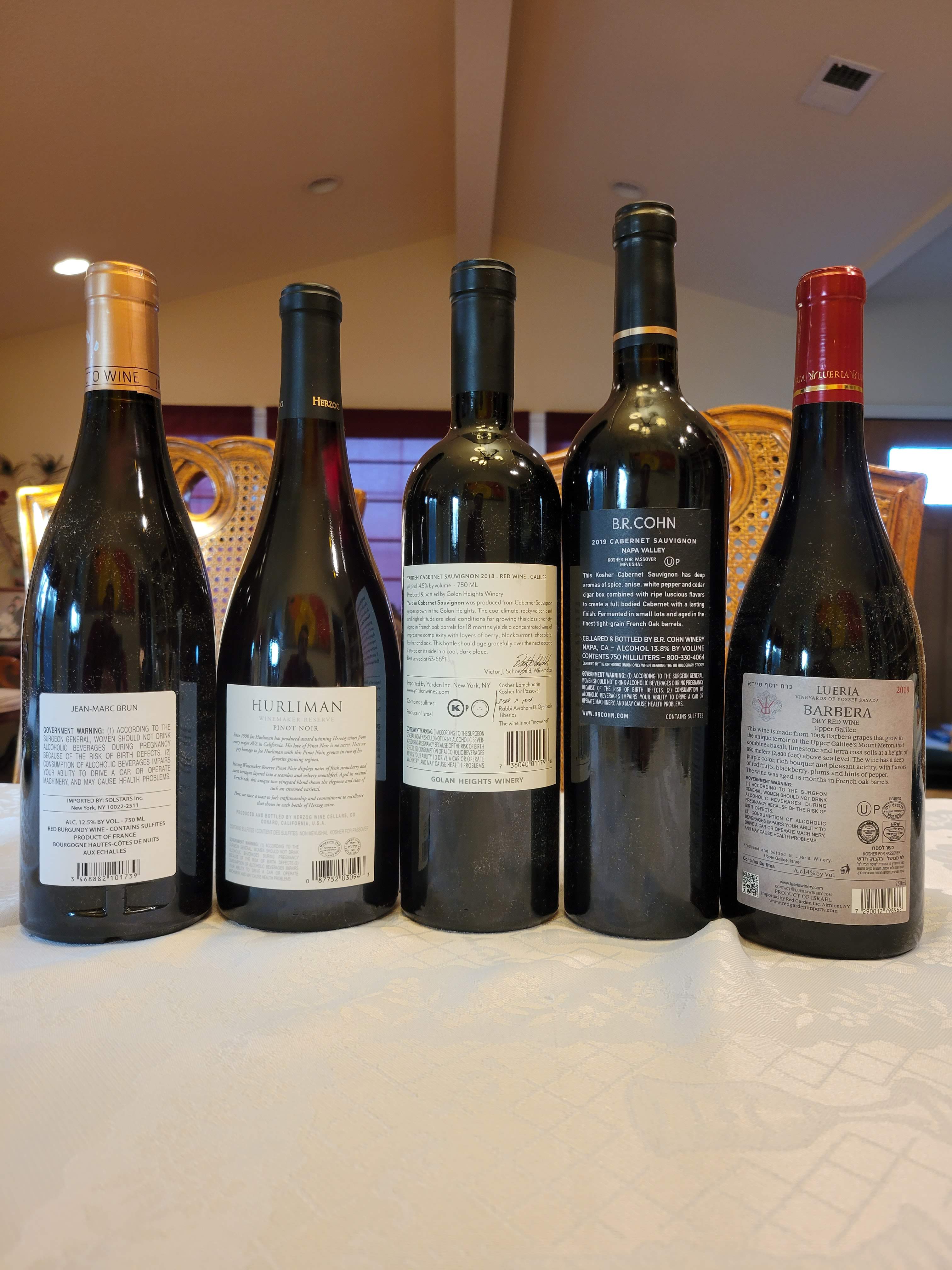
However, I wanted to catch up on a few wines that people have been asking about. The new Yarden wines are all the rave. People are crowing about them, and while they are not classic Israeli Date juice, they are not very interesting at all. I opened a lovely 2018 Baron Herzog Zinfandel, and that was far more interesting, refreshing, and enjoyable, than the 2018 Yarden Cabernet Sauvignon.
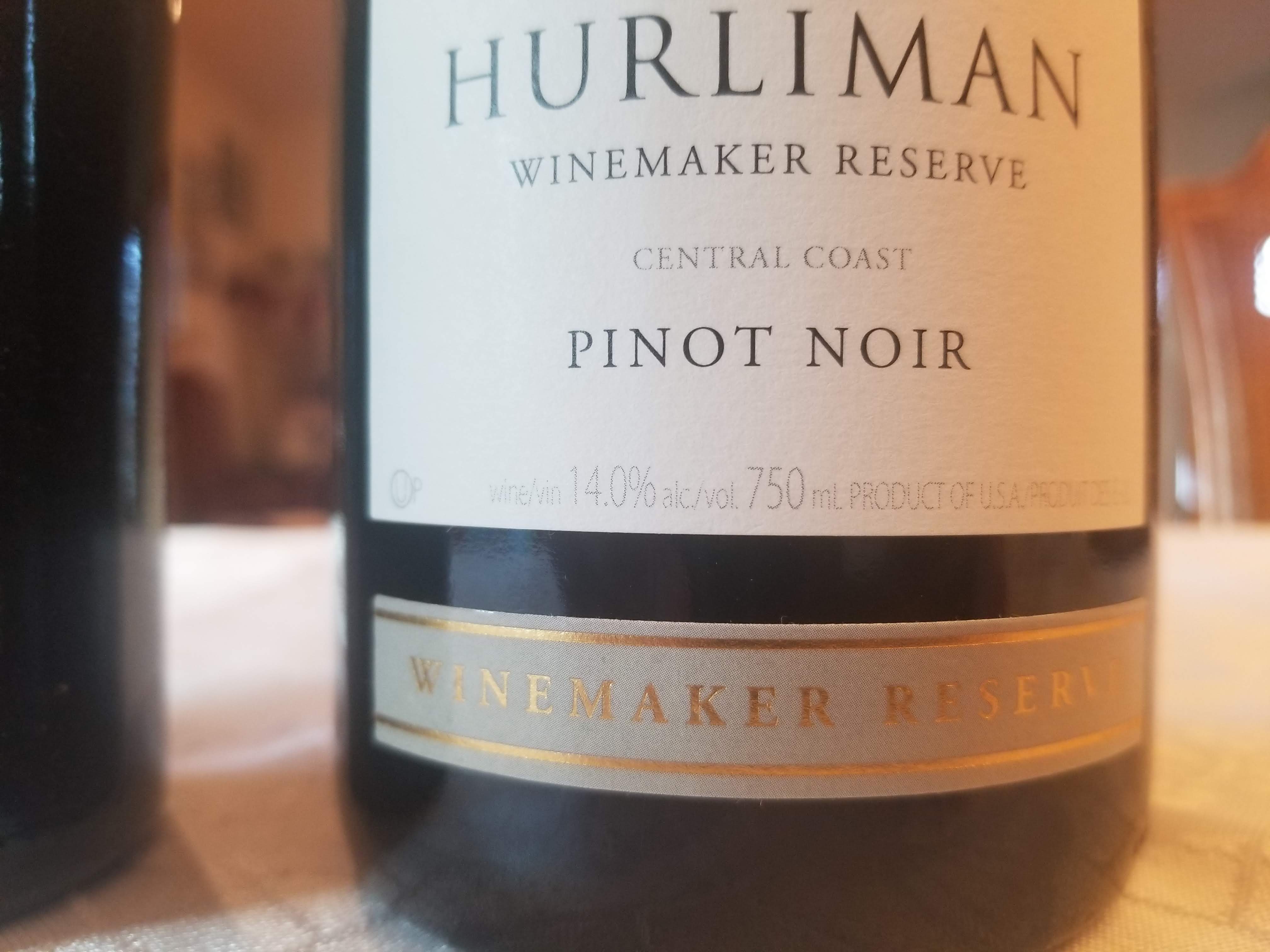
There were also two lovely wines from California. First was the return of a kosher B.R. Cohn wine, this time it is not the Trestle Glen wine but a nice Cabernet Sauvignon, nonetheless. It was balanced, well made, and far more enjoyable than the Yarden, any day. Finally, I enjoyed the N.V. Hurliman Pinot Noir. It is a lovely wine made in honor of Joe Hurliman, head winemaker at Herzog Wine Cellars.
Finally, I need to once again highlight how much I like the 2020 Sheldrake Riesling, Dry, Finger Lakes, NY. It is a lovely wine, that may well be the most refreshing and enjoyable wine out there, at this moment. NO, I did not say the best wine out there. I said, refreshing and enjoyable. Some wines are elegant, unique, layered, and expressive, like the epic 2019 Chateau Pontet can’t or the almost equally impressive 2019 Chateau LaGrange. But, not every wine experience is about Pontet Canet. There are times where I want an enjoyable white wine to have during Shabbat lunch. In that case, I will either reach for sparkling wine or an acid-driven but equally refreshing white wine. Ari Lockspeiser’s 2020 Sheldrake Riesling is lovely and meets all of those requirements, nicely done buddy!
The wine notes follow below – the explanation of my “scores” can be found here and the explanation for QPR scores can be found here:

2020 Sheldrake Point Riesling, Dry, Finger Lakes, NY – Score: 91.5 (QPR: WINNER)
This is the first year that Ari Wines has made this wine and it is a true joy! First, I love the fact that he makes clear what dryness the wine has. The wine label shows an RS (Residual Sugar of 0.7 which is a bit more than I would have liked but still not within the average person’s opinion of what is “dry”. Officially, 0.5% is off-dry, but that is crazy precise, to most people below .10% you are dry, but everyone has their opinions. Finally, IMHO, this wine is not the best Riesling I have this year, nor is it the most complex wine of this year. However, and this is of great importance, this wine may well be the most refreshing wine I have tasted this year! That could well be because of either the lovely acidity, the low ABV (Alcohol By Volume), or because I love Riesling!
From open until empty this wine is always ready, enjoyable, and fun! The nose on this wine is lovely, showing notes I crave with intense honeysuckle, peach, tart citrus, honeyed notes of apple and pear, more floral notes, spices, and great minerality! The mouth on this medium-bodied wine is where this wine goes into solid WINNER status, it starts with a wave of acid, followed by a wave of balanced mouthfeel, with a weight that is lovely, not oily, but lovely, with ripe peach, tart tangerine, crab-apple like nectarine, and intense acidity. The finish is long, ripe, yet layered and expressive, with an acidic backbone, mineral, flint, rock, and intensity of mineral that makes this wine a true joy! Bravo! Drink until 2024. (tasted Novemeber 2021) (in San Jose, CA) (ABV = 11.10%)

Kosher Sparkling wines for the end of 2020 – WINNERS from Drappier and Yarden
With 2020 coming to a close, I am posting the top sparkling wines, but to be clear, I drink sparkling wine all year round! We have been blessed recently with Yarden selling their Gilgal Sparkling wine for under 20 dollars a bottle! Honestly, there is no better deal out there and that is why they were the wines of the year last year! Yarden continues to impress with their 2014 entries and they are the sparkling wine producers to beat, for anyone entering this market.
How is Sparkling wine made?
There are many options – but the vast majority of sparkling wines fall into three categories:
- Le Méthode Champenoise (Méthode Traditionnelle)
- Methode Ancestrale
- The Charmat Method
Le Méthode Champenoise (Méthode Traditionnelle)
So, what is Champagne and how do we get all those cool bubbles? Well, it all starts with a grape of some sort, in most cases, Chardonnay, but we will get back to the other varietals further down. For now, like all wine on planet earth, Champagne starts with a grape. It is picked (often early to lower alcohol and increase acidity), then crushed, pressed, and allowed/encouraged to go through primary fermentation, exactly like all white wines on planet earth. At this point, most houses ferment the base wine in metal tanks or barrels. Some still use wood, but they are the minority.
Of course, like much of France (Bordeaux, Burgundy, Champagne), especially in Champagne, the wine can be chaptalized after racking, until an 11% ABV. Now before the heat waves that have covered much of this earth (call it what you wish), Bordeaux and Champagne prayed to hit their desired mark of ABV, and therefore they used to add sugar to bring up the ripeness on their fruit. Nowadays, Champagne is picking earlier and earlier, and Chaptalization is not a common thing anymore, as mother nature is taking care of the fruit’s ripeness all on her own!
Once the wine has been fermented the next question arises, should they let the base wine go through a wine’s second natural fermentation called Malolactic Fermentation? Most allow the fermentation to take place and require it, a fact that is easy nowadays with controlled winery environments, though some do not like it at all. Finally, the barrels/tanks are blended or in the rare case, kept aside as a Vintage Champagne, meaning the base wine used in it, is sourced from one vintage and not a blend of a few vintages.
So, at this point what we have is base wine, and while it may be an OK wine, it is far from what the final product will be like. Most base wines are nice enough, but it would be like licking on a lemon, these wines are highly acidic, and not normally well balanced at that point.
The next step is to bottle the wine, with yeast and basic rock sugar, which causes a second fermentation. The actual amount of the two added ingredients is a house secret. The wines are closed with a simple beer bottle cap. You will notice that ALL wines made in this manner have a lip around the top of the bottle, where the cap is attached to. Again, if the year is exceptional then the wine becomes vintage champagne and is aged for at least three years. If the vintage is normal then the bottle’s content is a blend of a few vintages and is aged for at least one and a half years.
All the while during this second fermentation process, the wine is aged and the wine becomes more complex from the yeast. The yeast breaks down as it eats the rock sugar, adding the effervescence, and while the yeast breaks down, it adds a lovely mouthfeel and rich complexity. This process is known as autolysis, releasing molecules that are slowly transformed as they interact with those in the wine.
The process is a dual transformational process. First, the yeasts are broken down, but if that occurred in a 100% hermetically sealed environment, we would have SERIOUS issues, like HS (Hydrogen Sulfide) and mercaptan (think nasty rotten eggs). Oxygen is a two-edged sword, with too much a wine oxidizes, and with too little, you get HS and nasty foul egg smell. So, the cap that covers the Champagne bottles as they rest for 18 months to 3 years in these cool racks, actually allow for a certain amount of oxygen to flow through, the caps are not hermetic seals. The special stoppers, AKA caps, allow the wine to mature on the lees, with a very slow feed of oxygen coming through, thereby allowing the wine to mature at a rate that is best for it. You can mature them quicker, with a different cap, but you would lose the value of a wine sitting long on the lees.
According to Wikipedia, the effects of autolysis on wine contribute to a creamy mouthfeel that may make a wine seem to have a fuller body. The release of enzymes inhibits oxidation which improves some of the aging potentials of the wine. The mannoproteins improve the overall stability of the proteins in the wine by reducing the number of tartrates that are precipitated out. They may also bind with the tannins in the wine to reduce the perception of bitterness or astringency in the wine. The increased production of amino acids leads to the development of several flavors associated with premium Champagne including aromas of biscuits or bread dough, nuttiness, and acacia. As the wine ages further, more complex notes may develop from the effects of autolysis.
Finally, it is at this stage, after the bottles have matured their proper time, based upon their label (blend or Vintage), we get to the final stage of Champagne, remuage (or “riddling” in English) and Dosage. To get rid of the lees (the dead yeast cells and other particulates), the bottles are hand or machine manipulated to convince the lees to move towards the cap. Then the neck of the bottle is frozen, and the cap is removed, the lees come flying out in a frozen format, and then the bottle is recapped with the famous champagne cork, but not before it is dosed with more sugar. This very last step is the reason for this post, but let’s leave that till further down in the post, for now, let’s talk varietals and color/style.
Color/style and Varietals
So, we have covered the how part of Champagne (well almost more on Dosage below), and now we need to talk color and grapes. The base grapes for Champagne are Pinot Meunier, and Pinot Noir, and Chardonnay. There are very few houses that also use Arbane, Petit Meslier, Pinot blanc, Pinot Gris. Champagne, like the rest of France’s wine industry, is controlled by the AOC (appellation d’origine contrôlée).
So, for Blanc de Blancs Chardonnay, which is white from white, Chardonnay is the only grape allowed. Meaning, that the juice from Chardonnay is 100% of a BdB Champagne, or in rare occasions from Pinot blanc (such as La Bolorée from Cedric Bouchard).
For Blanc de Noirs, the Champagne is made from either Pinot Noir or Pinot Meunier, or a blend of the two. Finally, for Rose Champagne, it can be a blend of the three grapes.
Late Disgorgement
This has been all the rave recently, LD or Late Disgorgement. All this means is that the house or winery (outside of Champagne) kept the bottles capped for a longer time. So the 2007 Yarden Blanc de Blancs was sold in 2014 or so. It is a lovely wine and recently Yarden released a 2007 LD Yarden Blanc de Blancs. It is the same wine, just held longer in capped format (another 4 years or so), and then recently they disgorged the wine, more on that below, and put in the dosage and the Champagne style cork and released it now. Essentially, for all intent and purpose, Yarden aged the Sparkling wine 4 more years and released it later on. The interesting thing will be to taste the two wines (the LD and normal 2007 Yarden BdB and see how 4 extra years of lying on lees helped/hindered/or did nothing). I will be doing that soon enough.
Read the rest of this entry
Guter Wein (Shlomo Corcos) Wine Tasting
The day after the Bokobsa tasting I sat down with Shlomo Corcos (Guter Wein) and Yoel Kassabi from YayinKosher to taste some of the recent wines from Corcos. Corcos has been the mashgiach behind many wines, including Falesco and some IDS wines, along with his own Guter Wein wines.
It was a short tasting, but there were some interesting and unique wines. Including a 7-year-old rose along with a newly bottled Champagne. The French wines were made at Michel Gonet, including the lovely Champagne and 4 Bordeaux wines. I was joined by a few of the French forum members, including Ari Cohen, Ben Sitruk, and Elie Dayan.
My many thanks to Mr. Corcos and to Yoel Kassabi for setting up the meeting, sharing his wines with us, and for taking time out of his incredibly busy schedule to meet with us. The wine notes follow below – the explanation of my “scores” can be found here:


2016 Champagne Michel Gonet, Les 2 Terroirs – Score: 91
Lovely nose of baked apple, yeast, with loads of mineral, pear, and pepper, and asparagus. The mouth on this medium-bodied wine is nice, well made, crazy acidity, with lovely yeast, baked and almost buttery ripe apple pie, with great minerality, lemon curd, with crazy grapefruit, rich salinity, and piercing focus, Bravo! The finish is super long, green, with crazy citrus, saline, lemongrass, and crazy tart clementine, lovely! Drink until 2022. Read the rest of this entry

The last round of winners and some more losers for 2019
So, I tasted a bunch of these at the KFWE in Miami and I spent my entire time there tasting through wines that made me cry. I mean they were so painful, all I could write was NO. Some I wrote nice and some I wrote good stuff. Overall, the Israeli wines were undrinkable and so painful that I had to go back to the French table just to clean my palate. It continues to make me sad to see such potential thrown out to meet the absolute lowest common denominator – fruity, loud, and brash wines.
Sadly, Cellar Capcanes continues its downward spiral. The 2018 Capcanes Peraj Petita is not very good at all. Far better than 2017 or 2016, but that is not saying much. So sad, to see such a storied franchise being thrown away for what I can only guess is the need for a new winemaker to make her mark.
Domaine Netofa continues to crush it and thank goodness it is selling well here in the USA, so that means I can stop schlepping Netofa from Israel! The 2015 Chateau Tour Seran was also lovely while the Chateau Rollan de By was OK, while the 2015 Chateau Haut Condissas showed far better than it did in France. The 2018 Pacifica Riesling, Evan’s Collection was nice but it was less of a WOW than the 2017 vintage, at least so far anyway.
At the tasting, the 2017 whites and 2018 roses were all dead, please stop buying them. Heck, even many of the simpler 2018 whites were painful.
So, here are my last notes before the year-end roundup and best of posts that I will hopefully post soon! These wines are a mix of wines I tasted at the KFWE Miami and other wines I tasted over the past month or so since my return from France. I wanted to keep this simple, so the wine notes follow below – the explanation of my “scores” can be found here:


2018 Capcanes Peraj Petita – Score: 87
This wine is a blend of 50% Grenache, 20% Tempranillo, 15% Merlot, and 15% Syrah. This wine is ripe really ripe, with dark blackberry, with loads of dark brooding fruit, floral notes, and herb, and heather. The mouth on this medium-bodied wine is sweet, ripe, and date-like, with dark cherry, sweet candied raspberry, smoke, candied black fruit, and sweet notes galore. The toast, earth, sweet fruit, and smoke finish long. Move on.
2018 Capcanes Peraj Petita – Score: 89 (Mevushal)
This wine is a blend of 50% Grenache, 20% Tempranillo, 15% Merlot, and 15% Syrah. This wine is far better than the not-Mevushal version. This wine is actually showing less ripe, with dark blackberry, with loads of red fruit, floral notes, and herb, and oak. The mouth on this medium-bodied wine is much less sweet, with dark cherry, sweet raspberry, smoke, candied black fruit, with nice tannin, and good acidity. The finish is long, slightly green, smoky, and herbal, with toast and red fruit. Very interesting how the mevushal is less ripe, go figure. Drink now.
2018 Domaine Netofa Latour, White – Score: 92+ (Super QPR)
Wow, what a lovely wine, this wine is 100% Chenin Blanc aged 10 months in oak barrels. The nose on this wine is pure heaven, but it is slow to open, once it does, the wine is lovely with loads of floral notes, yellow flowers, orange blossom, rosehip, and lovely white fruit, pear, peach, and smoke/toast. The mouth on this medium-bodied wine is lovely, with great acidity, clear and present, with layers of sweet and dry fruit, with candied and toasted almonds, hazelnuts, with hay and straw, followed by floral notes, tart melon, lemongrass, citrus galore, yellow apple, quince, baked apple, and dry grass and earth, lovely! The finish is long, dry, tart, and butterscotch-laden, with toast, smoke, ginger, and marzipan, Bravo!! Drink from 2021 until 2025.
2018 Pacifica Riesling, Evan’s Collection – Score: 90 (QPR)
This is a drier wine than the 2017 vintage but it lacks the petrol level and funk of 2017, still a nice wine.The nose on this wine is almost dry, with lovely notes of floral notes and loads of melon, sweet fruits, and stone fruit. The mouth on this medium-bodied wine is nice with lovely pith, hints of saline, with hints of petrol, dry flowers, with lovely peach, guava, and loads of citrus and mineral. The finish is long, dry, with hints of sweet notes, funk, and pith that is fun. Nice. Drink by 2022. Read the rest of this entry

Tasting of Royal’s 2017 and some 2018 French wines in France
This is my third year tasting wines with Menahem Israelievitch in Paris and it is the first one that is not related to my visit to Bordeaux three years ago, almost to the date of this tasting (give or take two weeks). Three years ago, I was given the opportunity to taste many of the 2015 and 2016 wines from the barrel at each of the wineries in Bordeaux.
The 2014 vintage to me, was crazy fun because it is less ripe than the 2015 or 2016 vintages. They were also FAR cheaper. Then you had the 2015 wines which were more expensive and far riper than the 2014 vintage. This 2016 vintage is the best of both worlds, but it comes at a crazy high price. I warned you at that time, during the epic post of my visit to Bordeaux with Mr. Israelievitch, that you better start saving your money, sadly nothing has changed about that. The REAL shocker price-wise of the 2016 vintage was Chateau Malartic, which rose to almost 150 or more a bottle! That was close to double the 2014 vintage.
In a previous post about the most recent French wines (at that time in 2017) that were arriving on the market – I already spoke about pricing and supply, so there is no need to talk that over again in this post.

While the 2015 and 2016 vintages were ripe, the 2017 vintage is not like that at all. The 2017 vintage in Bordeaux, though this is a massive simplification and generalization of the 2017 vintage, was overall less ripe than the 2015/16 vintages and maybe even in some cases a drop less than the 2014 vintage. The 2017 vintage flowered early and then the frost came, which killed off a fair amount of the fruit from the vines (Grapevines are self-pollinating and as such the flowers are an all-or-nothing situation in regards to yield). Quality itself is not affected by the early frost which froze the flowers, while the rest of the season was mostly OK, except for the late rains that diluted some of the acidity, again this is an overall generalization, with varying degrees of difference between the Chateaus.
The Mevushal push, from Royal wines, is continuing for the USA labels. More wines are being made Mevushal and while I wonder if this is good overall for myself, it makes sense for Royal wines, which in the end, I guess is what matters to them. Will this be an issue? In the past, I have found that the mevushal work of Mr. Israelievitch is top-notch, and really just ages the wine rather than ruining it.
The Mevushal wines from France for the 2017 vintage will be, the 2017 Barons Edmond et Benjamin de Rothschild, Haut-Medoc, 2017 Chateau Greysac, 2017 Chateau Chateau de Parsac, 2017 Les Lauriers, Des Domaines Edmond de Rothschild, 2017 Chateau Le Crock, 2017 Cuvee Hautes Terres, Chateau Fourcas Dupre, along with the whites wines, the 2018 Bourgogne Les Truffieres, Chardonnay, the 2018 Les Marronniers, Chablis, and the 2018 Chateau Les Riganes, Blanc.
Now does mevushal impede the long-term viability of aging in regards to the wine? Well, that too is not something that we have scientific proof on. I have tasted a mevushal 1999 Herzog Special Edition and it was aging beautifully! So, would I buy the mevushal versions of the wines I tasted below – absolutely! Would I age them? Yes, I would hold them for slightly fewer years.
Other than the mevushal aspect, there are no differences between the European version of the wines and the USA version of the wines. While that sounds obvious, I am just stating it here. The wines will be shipped now and the temperature issues that clearly affected Israel’s wines of old, have not been a factor here.
Tasting in Paris
I landed in Paris, got showered and the such, and then made my way to lunch with Menahem Israelievitch. This year I was not alone in my tasting, I was joined by Avi Davidowitz from the Kosher Wine Unfiltered blog. After lunch, we went to a lovely home to do the tasting. The wines were all laid out in the order for the tasting, and one by one we went through the 30 wines. There was one missing wine, the 2018 Chateau Genlaire, Bordeaux Superieur and two of the wines were bad, I did taste them later in the week and they are listed here as if I tasted them at the tasting.
My many thanks to Menahem Israelievitch for going out of his way to help me to taste all the current French wines from Royal Wines before they were publicly released. The labels on the pictures may not all have a kosher symbol, but that was because they rushed some of the bottles to Mr. Israelievitch before they were properly labeled with supervision symbols attached. My many thanks to Mr. Israelievitch, Royal Europe, and Royal Wines for making this tasting possible in the first place, and secondly, for taking the time to taste the wines with me.
The wine notes follow below – the explanation of my “scores” can be found here:


2018 Les Marronniers Chablis – Score: 93 (QPR madness) (Mevushal)
This wine is made with native yeasts and as little manipulation as possible. The nose on this wine is beautiful with orange blossom, yellow apple, and rosehip, with lemon curd, and yeasty and creamy notes. This is so much better than the 2016 or 2017 vintage, this is so much fun! The mouth on this medium-bodied wine is crazy fun, intense acidity, incredible salinity, piercing, almost painful, with lovely layers of lemon, grapefruit, with quince, and pie crust, with Anjou pear, and quince. The finish is long, crazy long, almost oily, mostly creamy, with baked pear and apple, cinnamon, nutmeg, and loads of mineral, with slate, rock, and saline. Bravo!! Drink until 2023 maybe 2024.
2018 Les Marronniers Chablis, Premier Cru, Cote de Jouan – Score: 92 to 93 (QPR)
The nose on this wine is closed, but it shows lovely notes of mineral, slate, blossom water, and loads of citrus, with apple, and smoke. The mouth on this medium-bodied wine is rich, layered, and impressive, with a rich oily mouthfeel, showing a lovely weight, with yellow apple, tart citrus, Asian Pear, and beautiful acidity that is well integrated with a strong mineral core, showing Orange pith, with tart citrus and slate and yellow plum, with saline, and more earth and hints of nectarines and orange. Lovely! Drink from 2020 to 2024 may be longer. Read the rest of this entry

 Wine Musings Blog