Blog Archives

Easy drinking white wines for 2020 – better than I expected
Well, the roses from the 2019 vintage, so far, are not inspiring, and initially, I thought the same for the white wines, thankfully, as I tasted through the last 15 bottles of wines things shifted. There is a reason why I have been pushing Price in relation to its quality, AKA QPR (Quality to Price Relationship).
For this tasting, I tasted more than 70 wines, however, I posted only some 49 wine notes here. Rest assured, the others were either not worthy or I did not have detailed enough notes to make it here on this post.
Interestingly, initially, I had zero hope for the white wines, much as I felt about the roses. However, all of this is data-driven and other than my wines notes, the rest is all prices defined by the USA market. The more, I tasted, the more I felt that there are options in the simple white wine category. I was really ready to give up hope, but thankfully, folks like Shirah, Kos Yeshuos, and other Europen wines really pulled their weight. Sadly, of the top 27 wines, there were a total of 11 from 2019. Of them, only two were from Israel. The rest hailed from California, France, and New Zealand. In the end, so far, the vast majority of the Israeli white wines I have tasted from 2019 are also highly uninspiring.
With that said, the median price for the wine category of non-aging white wines is going up! There lies in my over-arching issue, prices keep going up!! The median price for non-aging white wines, here in the USA, is now 24 dollars! Seriously!! COME ON!! This is crazy! As the kids say, total Cray Cray! Turned around, the total number of wines below the median price of 24 dollars that received a 90 or higher was 12, and many of those are our QPR WINNERS. Overall, 2019 is still a dud in Israel, of those that have made their way to the USA, and Califonia is saving the day, so far.
All the wines here are scored both quantitatively, AKA using my classic wine score described here, and using the newly revised QPR score described here. So, yes, there will be more of the QPR discussion that will arise from this post. Thankfully, we have a good number of wines, 7 from my count, that received the QPR score of WINNER, sadly, they are mostly from 2018. Therefore, I repeat again, I am highly unimpressed with how many 2019 white wines I had and how many are subpar. Please be careful with the ones you buy.
Finally, in order of price, the first of the 7 QPR WINNER wines come in at wine #38, sorted by price! That means there are loads of other wines far less interesting than the 2018 Ramon Cardova Albarino, the most expensive of the 7 WINNER QPR wines. This is the kind of data that makes me scream. This is what needs to change! Wineries are willing to produce wines that are more expensive and less interesting, than more than HALF of the wine I tasted! This is what needs to change, kosher wine has gotten out of control, price-wise.
Do yourself a favor, check the price, you do it for everything else you buy! Check the wine, check the price, and then decide!
The wine note follows below – the explanation of my “scores” can be found here and the explanation for QPR scores can be found here:


2018 Ramon Cardova Albarino, Rias Baixas – Score: 92 (QPR: WINNER)
This wine is in the 2nd quintile of quality scoring and it is just below the median price line, so this wine SHOULD get a score of GREAT for QPR. However, it is ALSO one of the few white wines that score at least a 91, and that has a price that is below the median price line, so this wine gets the coveted score of WINNER for QPR. Bravo!!!
The 2018 vintage of this Albarino, in its second vintage, shows less tropical and ripe than the first vintage, 2017. This bottle also had the thermal active label, and it shows up when the bottle is at the proper drinking temperature. My only REAL and serious complaint is the cork, why would Royal waste the money and my money of a real cork? Use a Diam or any other amalgamated cork, like almost everyone else is. I really hope I do not hit a bad cork for the wines I have.
The nose on this wine is better than the 2017 vintage, Lovely nose of rich mineral, with loads of straw, with which salinity, and lovely peach and dry pear, with honeysuckle, gooseberry, along with green notes galore. Lovely! The mouth on this lovely green and acid-driven wine has a more oily mouthfeel than the 2017 vintage, showing rich salinity, green olives, with lovely dry quince, green apples, more peach, green apple, but also with lovely lime and grapefruit, no sense of guava or melon-like on the 2017 vintage, with a tinge of orange notes. The overall mouth is lovely and it comes at you in layers. The finish is long, green, with gooseberry, tart fruit, with an incredible freshness, and orange pith, slate, rock, and incredible acidity lingering long. Incredible!! Bravo!! Drink until 2022.
2018 Hagafen Dry Riesling – Score: 91 (Mevushal) (QPR: WINNER)
This wine is in the 2nd quintile of quality scoring and it is below the Median price line, so this wine gets a GREAT score for QPR. However, it is ALSO one of the few white wines that score at least a 91, and that has a price that is below the median price line, so this wine gets the coveted score of WINNER for QPR. Bravo!!!
The nose on this wine is tropical and sweet fruit-focused, with pineapple, guava, melon, peach, but now THANKFULLY the petrol is in full gear, and it commands your attention, with the tropical fruit still very present, along with some nice mineral. The mouth on this medium-bodied wine is fun, tart, nice acidity, with more petrol funk, showing nice balance, with good acidity, still, the mouth is sweet and ripe, the petrol and tart notes help, with green apple, tart grapefruit, tart stone fruit, and slate galore, with waxy notes, and tart pineapple. The finish is long, green, with intense mineral, slate, flint, and lovely petrol that gives way to nice acidity, and hints of tannin. The wine has indeed come around and now petrol is more present and the hole in the middle is gone. Drink until 2024. Read the rest of this entry

The last round of winners and some more losers for 2019
So, I tasted a bunch of these at the KFWE in Miami and I spent my entire time there tasting through wines that made me cry. I mean they were so painful, all I could write was NO. Some I wrote nice and some I wrote good stuff. Overall, the Israeli wines were undrinkable and so painful that I had to go back to the French table just to clean my palate. It continues to make me sad to see such potential thrown out to meet the absolute lowest common denominator – fruity, loud, and brash wines.
Sadly, Cellar Capcanes continues its downward spiral. The 2018 Capcanes Peraj Petita is not very good at all. Far better than 2017 or 2016, but that is not saying much. So sad, to see such a storied franchise being thrown away for what I can only guess is the need for a new winemaker to make her mark.
Domaine Netofa continues to crush it and thank goodness it is selling well here in the USA, so that means I can stop schlepping Netofa from Israel! The 2015 Chateau Tour Seran was also lovely while the Chateau Rollan de By was OK, while the 2015 Chateau Haut Condissas showed far better than it did in France. The 2018 Pacifica Riesling, Evan’s Collection was nice but it was less of a WOW than the 2017 vintage, at least so far anyway.
At the tasting, the 2017 whites and 2018 roses were all dead, please stop buying them. Heck, even many of the simpler 2018 whites were painful.
So, here are my last notes before the year-end roundup and best of posts that I will hopefully post soon! These wines are a mix of wines I tasted at the KFWE Miami and other wines I tasted over the past month or so since my return from France. I wanted to keep this simple, so the wine notes follow below – the explanation of my “scores” can be found here:


2018 Capcanes Peraj Petita – Score: 87
This wine is a blend of 50% Grenache, 20% Tempranillo, 15% Merlot, and 15% Syrah. This wine is ripe really ripe, with dark blackberry, with loads of dark brooding fruit, floral notes, and herb, and heather. The mouth on this medium-bodied wine is sweet, ripe, and date-like, with dark cherry, sweet candied raspberry, smoke, candied black fruit, and sweet notes galore. The toast, earth, sweet fruit, and smoke finish long. Move on.
2018 Capcanes Peraj Petita – Score: 89 (Mevushal)
This wine is a blend of 50% Grenache, 20% Tempranillo, 15% Merlot, and 15% Syrah. This wine is far better than the not-Mevushal version. This wine is actually showing less ripe, with dark blackberry, with loads of red fruit, floral notes, and herb, and oak. The mouth on this medium-bodied wine is much less sweet, with dark cherry, sweet raspberry, smoke, candied black fruit, with nice tannin, and good acidity. The finish is long, slightly green, smoky, and herbal, with toast and red fruit. Very interesting how the mevushal is less ripe, go figure. Drink now.
2018 Domaine Netofa Latour, White – Score: 92+ (Super QPR)
Wow, what a lovely wine, this wine is 100% Chenin Blanc aged 10 months in oak barrels. The nose on this wine is pure heaven, but it is slow to open, once it does, the wine is lovely with loads of floral notes, yellow flowers, orange blossom, rosehip, and lovely white fruit, pear, peach, and smoke/toast. The mouth on this medium-bodied wine is lovely, with great acidity, clear and present, with layers of sweet and dry fruit, with candied and toasted almonds, hazelnuts, with hay and straw, followed by floral notes, tart melon, lemongrass, citrus galore, yellow apple, quince, baked apple, and dry grass and earth, lovely! The finish is long, dry, tart, and butterscotch-laden, with toast, smoke, ginger, and marzipan, Bravo!! Drink from 2021 until 2025.
2018 Pacifica Riesling, Evan’s Collection – Score: 90 (QPR)
This is a drier wine than the 2017 vintage but it lacks the petrol level and funk of 2017, still a nice wine.The nose on this wine is almost dry, with lovely notes of floral notes and loads of melon, sweet fruits, and stone fruit. The mouth on this medium-bodied wine is nice with lovely pith, hints of saline, with hints of petrol, dry flowers, with lovely peach, guava, and loads of citrus and mineral. The finish is long, dry, with hints of sweet notes, funk, and pith that is fun. Nice. Drink by 2022. Read the rest of this entry

Kos Yeshuos Winery’s new U.S. releases for 2020
A couple days ago, Josh Rynderman, “The California Kid“, and Chana, “The Joburg Girl”, came by and we tasted this year’s new wines. As, I stated in last year’s post, doing this dual-hemisphere winemaking is a real drag on life. Besides the crazy flying, you never really feel at home, where is home? I could never find myself living that kind of life, but Josh and Chana both find joy in this life and wine – one underpinned by the art of winemaking and the passion that drives it.
To see more about the story and life of Kos Yeshuos and the Ryndermans, you can read my post here about last year’s wines, and this post about the wines made under ESSA Wine Co.
2019 vintage in Northern California
This vintage Josh tried some brand new varietals for him and honestly, a new varietal for the kosher wine world, from what I know anyway. There is the 2019 Falanghina, which to me is the only kosher wine from that varietal. It is a crazy acid bomb and two days later it is still an acid bomb, though the mouth rounds out well underneath that bed of acidity.
Besides that, the Viognier has returned, but it is an oaked version this time. I am crazy for white wines, and Viognier has been a passion, but the oaked ones, while nice in their oaky peach perfume, lacked what Josh got out of last year’s oak-free Viognier. Who knows, maybe this will come around, but for me, while this wine is absolutely solid, it is a slight step back from last year’s yumminess.
Finally, there are two new oaked wines as well. The blend called The Joburg Girl, which is a nod to Chana, and it is a really fun wine. The oak does not take over and the acidity really shines. The final one is the Pinot Gris, which was macerated for a few days. Now, this is not an Orange wine, though it does show some of the nuttiness and sherry-like notes, far in the background, that you find in the longer macerated wines, like Yaacov Oryah’s masterpieces. For those that fear that kind of wine, I stress, the note is far in the background, and I pick it up having cut my teeth now, on a few years of enjoying Oryahs wines. It is perfectly balanced and one that you will truly enjoy.
If you look at the image below you can see the impact of oak and extended maceration on the wines. The lightest color belongs to the Falanghina, which was unoaked and had little to no maceration. The next one, the Viognier in 2019 had oak aging, while the next two, in degrees, had both oak aging and extended maceration, on account of the Pinot Gris is a large part of The Joburg Girl. It is truly fascinating to see the color progression on such young wines. Read the rest of this entry
Four Gates Winery’s January 2020 new releases
Disclaimer – do not blame me for posting this AFTER Benyo sold his wines. That was not MY choice. I was asked to wait on my post until after the sale of the wines this year. Also, Four gates Winery and Benyamin Cantz (which are one the same), never saw or knew my notes until I posted them today.
As you all know, I am a huge fan of Four Gates Winery, and yes he is a dear friend. So, as is my custom, as many ask me what wines I like of the new releases, here are my notes on the new wines.
I have written many times about Four Gates Winery and its winemaker/Vigneron Benyamin Cantz. Read the post and all the subsequent posts about Four Gates wine releases, especially this post of Four Gates – that truly describes the lore of Four Gates Winery.
Other than maybe Yarden and Yatir (which are off my buying lists – other than their whites and bubblies), very few if any release wines later than Four Gates. The slowest releaser may well be Domaine Roses Camille.
Four Gates grapes versus bought grapes
It has been stated that great wine starts in the vineyard, and when it comes to Four gates wine, it is so true. I have enjoyed the 1996 and 1997 versions of Benyamin’s wines and it is because of his care and control that he has for his vineyard. That said, the Cabernet Sauvignon grapes he receives from the Monte Bello Ridge shows the same care and love in the wines we have enjoyed since 2009.
I have immense faith in Benyo’s wines that are sourced from his vineyard and from the Monte Bello Ridge vineyard. The other wines, that he creates from other sources, are sometimes wonderful, like the 2010 Four Gates Syrah that I tasted recently, and I would have sworn it was a Rhone wine, crazy minerality, acid, and backbone, with fruit NOT taking center stage, though ever so evident, the way is meant to be! Others, while lovely on release may well not be the everlasting kind of Four Gates wines.
The new wines
This year we have the return of 2017 Petit Sirah, along with a new 2017 Malbec, and blend called Mazal, it is Non-Vintage. There is the return of the 2018 Chardonnay but in a far drier format. Along with a new entry a 2015 Ayala Claret wine.
The rest of the wines are the normal suspects, but this year’s crop, like last year, is really impressive. First, you have the return of the 2016 Four Gates Cabernet Franc, followed by the 2016 Four Gates Pinot Noir, 2015 Four Gates Merlot, 2015 Four Gates Merlot, La Rochelle, and the 2014 Four Gates Frere Robaire. Read the rest of this entry

A wonderful day spent with Gabriel and Yael Geller
On another recent business trip, I spent a day with Gabriel and Yael Geller. My many thanks to my friends for hosting me for the day. The food was awesome, smoked ribs, and roasted chuck, and a game of blind tastings that was really wonderful. The wines we tasted blind were mostly 100% HORRIBLE but the last one we enjoyed was why I just stated that it was wonderful, because GG was so kind to pour a bottle of the 2002 Smith Haute Lafitte a wine I had not tasted till that moment. It was beyond wonderful – thanks so much, buddy!!!
We also took a tour around Teaneck, NJ’s Kosher takeout establishments and they were all horrible. Sorry. There was nothing good to report here. However, the wine shop where we bought a vast number of horrible wines was very nice. The wine shop is called Filler’up. The owner is called Mendy Mark and he was very kind and helpful in finding all the new wines that I have not yet tasted. Sadly, 95% of those wines were horrible but that is not Mendy’s fault there is far too much horrible plonk in the Kosher wine world.
So, if you are in the Teaneck area definitely swing by Filler’up they have a great selection and the staff is very nice. However, do not buy takeout food from around there that stuff is really bad.
Ok, thankfully, the takeout food was just a test of the quick food in the area, not really food we had that evening. If I had an image of the smoked ribs it would have been the post’s featured image, the animal was black bark heaven, with loads of spice and smoke. Do not forget breakfast and lunch before that which was also beautifully served and with such panache, my many thanks again!
I bought a bunch of wines and they were all duds other than one very nice French Mevushal wine that came in a 375ml format, but it also comes in 750ml format, but it is not available at any of the common shops that I can buy from. If someone finds it at a place that ships and does not charge an arm and leg, please tell me, more on the best of the tasting below, other than, of course, the EPIC 2002 Chateau Smith Haute Lafitte.
GG did a blind tasting and they were all bad to horrible, again, other than the 2002 SHL. To be fair, I did not take long notes for wines that were undrinkable. I have listed the blind and non-blind tasted wines below in different sections. Many thanks to Gabriel and Yael Geller for hosting me and for sharing his time, wonderful culinary feats, home, and wines with me. The wine notes follow below – the explanation of my “scores” can be found here:


2018 Route Victor Cabernet Sauvignon, California – Score: NA
The nose on this wine is bulk in nature, candied fruit, cherry, and cheap. The mouth on this wine is cheap, far too acidic, and a lack of body, cherry, acid, and vegetables. Move on
2016 Padre Bendicho, Yecla – Score: NA
This wine is a blend of 70% Cabernet Sauvignon and 30% Mourvedre. This wine is 100% PURE date juice, in all the glorious ways it can be! Read the rest of this entry

The latest crop of Kosher QPR wines and some losers
It has not been long since I last posted a new list of QPR (Quality to Price Ratio) Kosher wines. But I am always looking for more winners, and I am sure some of these will be on the QPR wine list of 2019.
To me, Terra di Seta continues to prove that Italian wines can go mano-a-mano with the rest of the kosher wine world. They continue to excel in delivering QPR wines and they continue to prove that you can create impressive to great wines for less than 40 dollars. I have yet to taste the 2015 Terra di Seta Riserva and sadly I was not a fan of the ALWAYS QPR worthy 2017 Terra di Seta Chianti Classico. The 2017 Elvi Rioja Semi, another perennial QPR winner was not my cup of tea but the 2018 vintage is a ripe wine, Mevushal, but still nice and QPR winner.
Another of those QPR superstars, in the sparkling wine world, is, of course, the Yarden Winery. Gamla is their second label behind the Yarden label, but when it comes to bubbly, the Gamla label is always well accepted. Of course, the stupid spat between Yarden Winery and Royal Wine means that we have a single wine called Gamla in Israel and Gilgal here. Why? Because these two wine businesses cannot make nice long enough to come to their senses and figure out a way to be civil with each other. I am so surprised that this is still going on today. The Gamla label, a wine made by originally by Carmel in Israel for this label in the USA, and now who knows who makes it, either way, it is not a wine worthy of this bickering, but sadly, here we are.
Now, back to the wine, I wrote about the new Gilgal Brut back in January, and the wine has moved beyond its insane acid lemon trip and it is now rounding out a bit, with some added complexity and richness.
Domaine Netofa was always on my QPR list, but sadly that was just for Israel, but thankfully Royal and Kosherwine.com have combined to bring the entire line back to the USA! I hear it is going well so get on these before they disappear!
Now, I also wanted to add a list of losers as people have been asking me what I thought of some of the newer wines and here is my response, so I have a QPR list and a NOT so QPR list.
I wanted to keep this simple, so the wine notes follow below – the explanation of my “scores” can be found here:
2017 Domaine Netofa, Red – Score: 91 (QPR Superstar)
This wine is now exclusively imported by Kosherwine.com and I hope they are selling well. This has really stabilized now. It is a bit fruity still, but it also has some nice old-school style and swagger. The nose on this wine is nice and smoky, with great control and roasted animal. The fruit is blue and black and lovely. The mouth on this medium-bodied wine is layered and with nice blueberry, blackcurrant, great acid, and great control showing earth, raspberry, root beer, that give way to spice, vanilla, and loads of dirt. The finish is ribbons of mineral, charcoal, graphite and bitter coffee, Solid!! Drink by 2021.
2017 Domaine Netofa Latour, White – Score: 91 to 92 (QPR)
Crazy Oak nose with yellow pear and apple, quince and rich saline with hay and dry herb. The mouth on this medium-bodied wine is crazy good, layered, extracted and richly round, but tart, and saline bomb, with lovely tension and rich herb, and lovely sweet spices and sweet Oak. The finish off long, green, with vanilla, herb, and mint, and lemongrass, with tart lemon curd and spices. Drink by 2023.
2017 Domaine Netofa Latour, Red – Score: 91 (QPR)
The 2017 vintage is less austere than 2016, it is more accessible now and will still hold. The nose on this wine is really nice with rich black currant, blackberry, and blue notes that give way to smoke, Oak, toasty notes, and lovely tar. The mouth on this medium-bodied wine is super tart and really bright, with great acid, blackberry, blueberry, black currant, with garrigue, sweet but well-balanced note, with mouth-coating elegance and layers of concentrated fruit and earthy notes, with chocolate and sweet spices. The finish is long, bright, tobacco, mineral, pencil shavings, with tar, and root beer. Lovely! Drink now until 2022. (To be released soon I think)
2016 Domaine Netofa Latour, Red – Score: 92 (Crazy QPR)
This wine is a blend of 65% Syrah and 35% Mourvedre. The nose on this wine is lovely, ripe and balanced, with sweet oak, blueberry, boysenberry, with bright fruit, and loads of dirt. This wine is really still very young, showing great potential, with incredible tannin, great acid, rich layers of blue and black fruit with great aging potential, loads of chocolate and rich spice, dark fruit, and herb, all wrapped in a plush yet elegant mouthfeel. The finish is less green than past vintages, showing a more ripe fruit profile, but still clearly balanced, with foliage, tobacco, mint, and sweet spices and herbs. Bravo!! Drink from 2020 till 2024.
2018 Ramon Cardova Albarino, Rias Baixas – Score: 92 (QPR Superstar)
The 2018 vintage of this Albarino, in its second vintage, shows less tropical and ripe than the first vintage, 2017. This bottle also had the thermal active label, and it shows up when the bottle is at the proper drinking temperature. My only REAL and serious complaint is the cork, why would Royal waste the money and my money of a real cork? Use a Diam or any other amalgamated cork, like almost everyone else is. I really hope I do not hit a bad cork for the wines I have.
The nose on this wine is better than the 2017 vintage, Lovely nose of rich mineral, with loads of straw, with which salinity, and lovely peach and dry pear, with honeysuckle, gooseberry, along with green notes galore. Lovely! The mouth on this lovely green and acid-driven wine, has a more oily mouthfeel than the 2017 vintage, showing rich salinity, green olives, with lovely dry quince, green apples, more peach, green apple, but also with lovely lime and grapefruit, no sense of guava or melon-like on the 2017 vintage, with a tinge of orange notes. The overall mouth is lovely and it comes at you in layers. The finish is long, green, with gooseberry, tart fruit, with an incredible freshness, and orange pith, slate, rock, and incredible acidity lingering long. Incredible!! Bravo!! Drink until 2022. Read the rest of this entry

My recent visit with Yaacov Oryah and the white and orange wine factory
Anyone who has enjoyed an old white wine from Yaacov Oryah’s mind and hands can understand my choice of title. As long as you were not born in this century, of course (OMG, do not bring up the abomination that was the remake).
Yaacov Oryah has had many wineries that he has worked for, made wines for others, and/or consulted with. The official list that I know of is Asif Winery, Midbar Winery, Yaakov Oryah, Ella Valley, and now Psagot, where he is the head winemaker.
For the longest time, as long as I have known the man when we first met at Midar Winery in 2013, I have been struck by his passion, drive, and single-mindedness in creating great white wines in Israel.
Yes, Mr. Oryah can make fine red wines, like the 2011 Yaacov Oryah Iberian Dream, Gran Reserva, and Reserva, the Claro wines he makes for a restaurant called Claro, and others. Still, what I really crave and admire are the white and orange wines.
I have already spoken at length about Mr. Oryah here so I will concentrate on the 2019 releases. Also, if you think that the names of Yaacov Oryah wines are a bit whimsical, then good for you! You are starting to get a glimpse into the operation that is Yaacov Oryah Winery, a blend of whimsical genius, alchemy, great winemaking, and downright unique color all wrapped into a unique lineup of wines that define Mr. Oryah himself.
Orange wine factory
Mr. Oryah keeps saying that the white wines on the market today are a stripped down version of what a white wine should be. Sure, Europe has superstar white wines that can last decades, but that requires unique soil, fruit, terroir, and of course, history. In Israel, where the only thing that really sells well is date juice, that kind of wine is a dream. Still, Mr. Oryah thinks that he can create wines that are still quite unique indeed.
I have had the 2009 Midbar Semillon, and though the tasting in 2016 did not show well, that wine continues to blow me away in tasting after tasting. A Semillon that is 10 years old, and may now finally be reaching its limits. It is not a white wine covered in oak makeup, it is a wine that is pure and truly professional. It is what Mr. Oryah thinks can be done in Israel with white varietals. Yet, each and every year he makes more and more crazy wines. Each one is a data point for a growing list of wines that he sees as potential suitors for the wines he dreams of building.
Until he creates the perfect wine, the wines and data points he is building along the way, are getting better and better. The map and path he is building are not pointing towards another mass produced winery. The data points point towards a more precise and surgically built winery. Where plots or even rows of vines may well define the data point for his dream wine.
Factory of the future
When I heard that Mr. Oryah was creating 10 Orange wines (only 9 are publically available, the other is for a restaurant), four white wines (the varietal Semillon is for a later date), and one rose wine, I thought – I need to taste these!
So, Avi Davidowitz of Kosher Wine Unfiltered, and I made our way to the only real place to taste wine in Jerusalem, the Red and White Wine Bar. Yes, I have spoken about Mark and the bar before. It is still kitty-corner from the beautiful Mamilla hotel (8 Shlomo HaMelech Street at the corner of Yanai Street). Mark is still the ever present and mindful host, and while we tasted through 20+ wines, Mark was there with us through every wine, with food, heady music, with an uncanny ability to feel the room and timing throughout it all. I really feel horrible that I never had the time to go back to the bar and hang with Mark for an evening and watch him ply his trade, teaching the world about the world of Kosher Wine while serving great food and playing really fun music. Hopefully, next time!
I have spoken about orange wines in the past. Orange wine is simply the process of leaving white grapes to ferment on their skins, like red wine. To Mr. Oryah it is the truest expression of a white varietal and one that Israel can use now to create great white wines, while it searches for more data points on the path for Israel’s white varietals of the future. He calls the wine line Alpha Omega (AO) because it is greek for A to Z, to represent that this wine has it all, skin, pulp, and seed, not juice white juice, like most white wines are made.
The skins add more than just a bit of color, they add a huge amount of natural phenolics, along with tannin (yes tannin in white wine), and then it adds a few extracurricular notes, that some could find challenging. Notes that are defined as nuts and other aspects of reduction or oxidation. The point though is that the Alpha Omega line is a showcase of control and experimentation. Many of the wines show the proper and incredible next step beyond white wines we all know. The rich and layered complexity that skins add without some of the extracurricular notes. Some of the wines show those notes and many will find them wonderful, like myself, but in all, it is a show of control, experimentation, and more dots on the plot to a richer future. Read the rest of this entry

Blue Smoke dinner and the London KFWE 2019, posh events in a growing kosher wine and food market
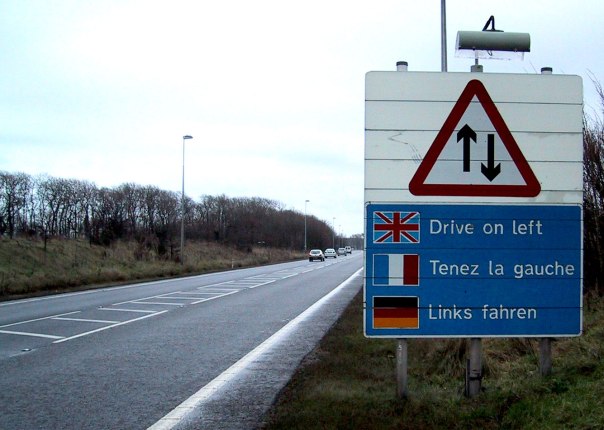
As I said to me old and new found friends in London, I will miss the people, I will miss their kindness and their civility, but they can keep the weather and their inability to drive on the correct side of the road!
Well anyway, back to wine and food! As stated in my previous post, this was the first year I tried going to more than two KFWE events around the world. I arrived in Paris on Monday, Went to the Bokobsa Sieva tasting, and then on Tuesday, I took the train to London. I arrived in the afternoon and I then got a short rest before heading to a crazy dinner at Andrew Krausz’s house, the master chef of BlueSmoke.
I first met Andrew, and his sidekick, Mordechai, on the hilltop of Four Gates Winery, some 20 months ago! The wines we enjoyed there are listed here. But beyond the wines, one quickly got a sense for the Jewish community of Hendon, London. I must say, I still have nightmares from the dump of a hotel that we stayed at in Golders Green, a large Jewish community kitty-corner to Hendon. Hendon reminds me of everything that is great about London. The people are really nice, the community is tightknit, and they are a bit more aware of the outside world than say Golders Green. That said, I have heard wonderful things about the Golders Green community, I just need to exercise the nightmares of my past. Anyway, enough of my nightmare! The next time you need a nice hotel in Hendon area, Pillar Hotel! Solid, kept up nicely, kosher, and the folks are really nice.
Blue Smoke and Andrew Krausz


Take a quick read of this article to get a sense of Andrew and the work he puts into Blue Smoke and the joy people are getting from it. The dinner at Andrew’s was insane, to say the least, and there were many winemakers there that we would be seeing again the following evening at London’s KFWE! The courses were highlighted by cured more than smoked but streaked with bits of smoke throughout. The dinner started with gravlax and pickled beetroot. The pickled beetroot was straight crack! It was infused for 6 months! I hope this starts to give an understanding to the participants of the level of effort that was made to put this event together. The care and love for the task at hand by Andrew and his family! Yes, the family, were incredible! They have to live with the madness that fed people like me. From what I could tell, they are happy travelers on the road of food madness that is paved by Blue Smoke, but I am sure the 25 or so people invading their home on a weeknight, and the days and weeks of preparations leading up to that day, may not have been a path so easily traveled. Also, please understand that we would see Andrew for a few seconds as he explained the dish and then he disappeared into the same black hole from which he miraculously reappeared from over and over again. That black hole, the cavernous sized kitchen, was packed with humanity and hands coordinated by Andrew to push out 25 dishes over and over again throughout the evening. Read the rest of this entry

2019 Bokobsa Sieva Wine tasting just outside of Paris


So, let’s start from the beginning. As I posted here, about the coming wine events of 2019, there were many options for you to get out and taste great wines almost across the globe. Well, recently, as you know well I have been focusing more on Europe, so I was in Paris later last year again to taste the new 2016 Bordeaux, and now I wanted to return to Bokobsa’s tasting, which is not officially part of the KFWE franchise. Avi Davidowitz, of kosher wine unfiltered, did every KFWE this year, Tel Aviv on the 4th of February, London on the 6th of February, and then on to NYC and L.A. I decided that I did not need to go to Sommelier this year and instead just focused on Bokobsa’s tasting which was on the same day as the KFWE Tel Aviv in Israel.
As I return home, Paris and London KFWE, NYC KFWE, and L.A.’s KFWE are in the rearview mirror. I will be posting on them separately, so I start with Bokobsa Paris.
To start the Bokobsa Tasting, from the company known in France as Sieva, happened in Paris (well not exactly Paris, more on the very outskirts of Paris to be exact) on Monday, Feb 4th, on the stunning grounds of the Pavillon des Princes in the 16th district. I arrived early and after taking a bunch of pictures I just relaxed and waited for the event to start. One of the issues from the tasting in past years was the wine glasses, but this year, Bokobsa had lovely glasses to truly appreciate the wines.
The ambiance and space were both far improved from the previous location, which was the basement of the Intercontinental Hotel in Paris. The table layout was far improved, it was truly a lovely event. The food was a bit mediocre, with it being essentially cold food, like Sushi and elegant salads on crackers, though they had warm chicken further along into the event.


The wines and the setting were the clear stars of the event, and with the lovely glasses, the wines did shine. My main issue with that some of the wines were the old and not showing well, which degrades the very purpose of a show/tasting like this. For example, they poured a 2013 Covenant Sauvignon Blanc and a myriad of older roses that were far over the hill and not showing well. Though at the same time, they poured some lovely Covenant Cabernet Sauvignon and Lavan, along with many of the top Royal Wines from France and Spain, and the new Champagne from Rothschild. There were a few older vintages of the French Royal wines that I do not remember now that were out of place, but they were still showing well. Read the rest of this entry

 Wine Musings Blog