Blog Archives

Another round of QPR (Quality to Price Ratio) Hits and Misses, 21 QPR WINNERS – June 2025
I have been behind in posting. However, I am back in the swing of things, and after this post, I owe you a post on the new Royal Wines in Paris. Then an IDS post – with some CRAZY wines, and finally the Hotel wrap-up with some REAL SHOCKERS (in a good way) and of course some massive failures (AKA Classic Paris Hotel tasting).
This post is not as long as my last QPR (Quality to Price Ratio) post, but it still weighs in at 86 wines. The last one I did was in December 2024. That one had around 90 wines, and 17 of them garnered a QPR WINNER score. The latest post with the largest number of wines winning a QPR Score of WINNER was the May 2023 post, with 19 wines garnering a QPR score of WINNER. This one tops them all, in regards to QPR scores, with 21 wines winning the WINNER QPR score.
QPR (Quality to Price Ratio) Wines
It has been six or so months since my last QPR (Quality to Price Ratio) post, and many people have been emailing me about unique wines I have tasted and lovely wines that are worth writing about.
Thankfully, no matter how much garbage and pain I subject myself to, we are still blessed with several excellent QPR wines.
Throughout the year, I post many QPR posts for almost all of the main categories. I will continue down this road until I find a better way to categorize and track QPR WINNERS wines. People are still asking me what a QPR (Quality to Price Ratio) Wine is and what the score of WINNER denotes. Once again, those are explained here in this post.
Some things that made me stand up and take notice (AKA QPR WINNERS):
There are many wines here, as stated, and I have been behind on this. So, these wine notes are coming from a collection of times. Some of them are the actual notes from the KFWE events in February that I posted about in March. Some of these wine notes are from personal tastings. Finally, some of these wine notes are from group tastings with friends.
Terra di Seta
Terra di Seta has returned to that special place where its wines are TOP-Tier QPR WINNERS. The 2020 Terra di Seta Chianti Classico Riserva was just lovely! Follow that with the even more affordable, yet lovely, 2022 Terra di Seta Classico. Bravo guys! Here is a slight sneak peek. I tasted an even better terra di Seta in Paris, but that is still three posts away!
Kosherwine.com Wines
I tasted two wines from KW: the 2003 Clos de Menuts and the 2015 Chateau Lavagnac. I found both of them were lovely, though some other people told me I was lucky. Clearly, these wines are on the edge, as my notes state, and they may be good or may not. However, I found the Menuts to be truly enjoyable. Hoping you all have success.
There were more French/European wines from KW that I bought, but they were less interesting.
However, there were two Sleight of Hand (wines made by Ari Lockspeiser) wines that I think KW sells exclusively, and they were both solid. Fruity, with enough brightness to pull it together.
Hajdu Wines
I bought and tasted all the Hajdu current releases, and while I found the white wines WINNERS, more on that below, the red wines are not my cup of tea. They show more fruit and power than I wish for in my cup, but I am sure there are many who will love these wines!
Alex Rubin Wines
Like the Hajdu wines, I bought all of the current releases, and again, the red wines are Cali wines, and the white wines are incredible. The 2023 Arinto is a BLOCKBUSTER and should be sold out already. His Riesling, which was macerated, is also a solid wine that I posted back here. Still, his red wines are more controlled than other Cali producers and I think many people would appreciate them.
Covenant Wines
Jeff, Jonathan, and the gang continue to impress, with no breaks so far. The latest wines I tasted were the 2024 Covenant Rose, the 2024 Mensch Zinfandel, the 2022 Covenant Syrah Bien Nacido Vineyard, and the 2024 Mensch Roussanne.
The Rose is lovely, with no bitter notes, a thing I hate in rose wines. The balance and fruit are there as well. Further proof that even in a weak vintage, the Covenant team delivers value and quality! Great work, guys!
The 2024 Mensch Zinfandel is a Zin that I would buy. Zin used to be my favorite fruit, but that blew off quickly as the wines started getting unruly and unbalanced. Still, if you can create a wine like Covenant did in 2024, my hat’s off to you!!
The 2022 Covenant Syrah Bien Nacido Vineyard is another solid wine, garnering a 92 score and showing the power of California. It was a hot season, and while I found the wine lovely, it is a slight step behind the 2021 vintage, which may well be the best Syrah I have had out of California!
Finally, the Roussanne is solid enough; it is a bit too fruity, but overall, a solid quaff. Keep up the GREAT work, guys!
White Wine WINNERS:
Of the 21 WINNERS, 11 are White or rosé wines! We are getting better in this space, year after year!
I must START with one of the best white wines I have had recently, that is not a Sauvignon Blanc, Riesling, Semillon, or Chardonnay, and that is the 2023 Alex Rubin Arinto. This wine has not undergone maceration, although the mouthfeel suggests it may have had a touch. The wine overall is rich, layered, fruity, intensely acidic, refreshing, and a NO BRAINER BUY! Bravo Alex!
Herzog has two Chenin Blancs, and I posted about them back in September of last year. I tasted the Mevushal one in Oxnard, as the non-Mevushal one was not yet released. The wine does show the oak now, but I found those notes recede over time and show fun wines. These will require some patience, but you will be rewarded.
The 2023 O’Dwyers Creek Sauvignon Blanc continues its torrid run on the kosher wine market! There has yet to be a bad vintage, and while I know of people who are too snooty for the tropical notes, you guys ALL know who they are; these wines hit on all levels for me. This vintage is more steely, more citrus-driven, while still showing enough tropical notes to make me interested. Nice!
The two Hajdu white wines were lovely, the Vermentino and the Proprietary White (a new thing) showed well.
The Otter & Fox (a wine by David Edelman) showed quite nicely! Fruity, balanced, and controlled.
Israeli WINNERS
Yes, there were some good wines from Israel, and they were all Rose or Whites. The 2024 Puzzle Rose is lovely! As was the 2023 Dalton Sauvignon Blanc, Family Collection, the 2024 Netofa Latour Tzahov, White, and the 2024 Dalton Sauvignon Blanc, Fume. Solid choices to enjoy this Summer.
The outlier is the 2023 Matar Cumulus. The 2022 vintage was Shmita so I have no idea what that one tasted like, but the 2021 and the 2023 vintages were both QPR WINNERS! Good for them!
Two Outlier Wines
Every so often, the Vieux Chateau Chambeau Reserve has a good wine! I have tasted three of these wines, which were good, and the rest were not. They are a classic, Mevushal French wine, Russian Roulette. The 2015 was a solid wine, though not the reserve. 2018 was a WINNER under the Reserve label, and it happened again in 2022. The 2022 Vieux Chateau Chambeau Reserve, Lussac Saint-Emilion, has the same score and almost the same notes – perhaps they require a hot vintage to make the wine work; I have no idea.
The other outlier is the 2023 Quinta do Cerrado da Porta Troviscal Tinto, Reserva, Lisboa. Andrew Breskin, of Liquid Kosher, asked me to taste it, and thanks to him, the winery sent the wines to my hotel. I tasted them here in the USA, after they rested for a long time. I sent one or two to him as well, so we both enjoyed this WINNER. I am not sure if they want to export the wine. The notes indicate how much I enjoyed this wine, as does the score; however, it’s essential to understand that the price of this wine in Europe is incredibly affordable.
Read the rest of this entry
Incredible & Fresh new wines from Elvi Wines & Clos Mesorah in Montsant & Priorat – Dec 2024
In late November 2021, I flew to Barcelona to see Moises & Anne Cohen, and we tasted through almost every wine that they produced, minus a few. Well, fast forward to December 2024, and this time, Avi Davidowitz of Kosher Wine Unfiltered came with me! This trip was meant to be more about where the winery has come over the past 20 years than another full-tasting, though we did lots of tasting!
I have written many times about Elvi Wines, the first post I wrote about Moises and ElviWines can be found here. Truthfully, nothing has changed about that post in regards to Elvi Wines other than the labels and a few wines being dropped to streamline the marketing of the wines. My next main post on Elvi Wines was when I visited the winery with my wife. Before, in between, and after, I have consistently posted their wines in my QPR posts, wines of the year, and so on. Why? Because they make exceptional wines at reasonable prices and have a great selection of varietals under many labels. The labels have evolved, and some wines have been dropped, but overall, since I met Moises one day in San Francisco, tasting through the wines and listening to the story, the dream, nothing much has changed. Throughout it all, we have been blessed to watch the trajectory of the winery. It continues evolving, creating wonderful wines for a reasonable price while proving that Cabernet Sauvignon is not the only red wine that you can sell to the kosher wine buyer.
It is still more challenging to sell wines as diverse and different as Elvi does. There is no Cabernet, and there is no Merlot at Elvi (outside of the La Mancha wines). Sure they used to find their way into the EL26 blend (but that ended in 2017), but overall, Elvi is an expression of Spain – not an expression of the kosher wine palate. Elvi typifies Spain to the kosher buyer more than any other option and it has continued to excel in doing it. Sadly, we have seen Capcanes, which is a 5-minute drive from Clos Mesorah, take a significant step backward. They also showed Spain’s potential as a new-world wine in old-world clothing. Sadly, they have drunk from the same fountain of fruit that so many Israeli wineries have, and they have lost their way. Thankfully, Elvi Wines, Clos Mesorah, Herenza, and Vina Encina continue to execute great wines and improve and grow with new vineyards and winery plans.
Talking about new vineyards and expansion – that is what brought us to Priorat on a beautiful day in December 2024. Avi’s plane landed two hours after mine, but eventually, we found a way to meet up and then made our way to the Hertz rental desk, and off we went. Renting a car was so much better than taking the train or Uber, and it is the only way I will do it in the future. Getting OUT of the rental parking lot/area was insane, but things were fine after we were on the road. By now, Avi has already posted his take on this trip on his blog – Kosher Wine Unfiltered, but I have no desire to read that until AFTER I post this. So, if there are contradicting stories or statements, just know that mine are the truth!
Elvi Wines and Priorat
I think that people continue to see Clos Mesorah as the be-all wine for Elvi Wines, and while that may be true – on the outside – what they are missing is that Montsant essentially contains Priorat. In other words, Clos Mesorah (a winery and vineyard within Montsant) and EL26 (wine from Priorat vineyards) are twins. When the non-kosher world looks at Spain, the first region they talk about is Priorat, before they speak about Montsant, Cava, and others. Why? Because, not long ago, Priorat was almost dead. The entire story can be read on Wikipedia, and a shortened version can be read here on Jason Wilson’s recent post about Priorat wines. The takeaway is that while the region was almost dead in the late 1970s, it came storming back in the 1980s and became the darling of Spain in the 1990s. Of course, once again, Robert Parker was the person who “found” Priorat and the 100-point scores went to the most bombastic of wines.
At this point, one cannot talk about Priorat without talking about how it feels like Burgundy. Of course, not in regards to the grapes or even the wine styles, though many MWs have been tricked into thinking Grenache was a Pinot Noir. They share many characteristics, like their thin skins and light color. However, what is very interesting about Priorat is the incredible terroir, the magical steep slopes of mysterious Llicorella soil—reddish and black slate with quartz and mica particles that reflect and conserve the heat, along with clay, which holds water during the hot, dry summers. Here, Garnacha and Carignan thrive (again, Jason’s words). However, what is happening now in Priorat is that massive conglomerates are thrashing all over themselves to get a foothold into Priorat. The issue is there is just not much land out there. Priorat does not define itself by hectares or acres; it defines itself by vines. Each parcel is tiny, and they are owned by families dating far back in time. The more you read and study about the beauty and history of Priorat, the more you need to see it!
This and many other reasons brought Avi and I to Spain. I was lucky to drive up into the hills of the original Priorat vineyard, used to make EL26, with my wife in 2015, almost 10 years before this latest visit. I remember the drive up that mountain and trying to walk on it. It felt like the first time I tried walking around on a small boat in choppy waters. The experience is one you will not soon forget. The vines growing in, through, and around the magical Llicorella is just a sight to behold. The vines are literally crawling through rock, searching desperately for water. Once you taste your first EL26, you have some thoughts. Depending on the vintage, it is ordinarily HOT, ripe, almost candied; the heat of Spain is driven deep into the soul of that wine. However, given time, the heat and ripeness do calm, and the wine comes into its own. Still, this is not a wine that comes in below 14.5% ABV. Sometimes, this wine can hit 15.5% ABV. It is the nature of the beast and it is the nature of Priorat. It is this intense fruit, heat, and aging potential that captured the imagination of Robert Parker back in the early 1990s. You can get wines like the 2018 EL26, which may have been the best vintage until recently, and then you can get wines like what I had during this trip, and you start to think that there is something here, notwithstanding the incredible heat and elevated ABV.
Read the rest of this entry
The Top and Best 28 QPR Kosher Wine WINNERS of 2023
In May 2020 I wanted to drive home the need for QPR (Quality to Price Ratio) wines. So I set out to create what I thought a QPR metric should be! Gone were arbitrary price ranges and such. Instead, I let the market define what the QPR price range should be. I did this by grouping the wines by their type (white, red, rose, sparkling, and dessert) and then further refined the grouping by age-ability within the white and red wines. This gave me the following groups:
- Drink “soon” White Wine (Simple whites)
- Rose Wine (always drink soon)
- Drink “soon” Red Wine (Simple reds)
- Mid-range aging Reds (4 to 11 years)
- High-end Red wines (11 and more years)
- High-end White wines (7 and more years)
- Sparkling Wine (No need here for extra differentiation)
- Dessert Wine
I then made the mistake of trying to create an Orange wine range/group – that was a HUGE mistake. Again, the wines themselves were not the issue, the issue revolved around trying to group such a small sample set into its group. They will go into their respective white wine category, next year.
Throughout the year, I posted many QPR posts, for almost all of the main categories. I will continue down this road until I find a better way to categorize and track wines that are QPR WINNERS. Talk about WINNERS, that secondary QPR score was a 2.1 revision to my QPR scoring, and that is explained in this post. All the wines listed here are QPR WINNERS from my tastings in 2023.
Let us discuss the approach
I have heard from a few of you. I do not understand your QPR (Quality to Price Ratio) scoring. So, let us take another shot at this! Every time a customer comes into a shop or goes online to buy kosher wine they have a choice of a few thousand wines, online, or many hundreds in a store. The question is how does a buyer differentiate one wine from the next?
If they like Terra di Seta wines, as I do, and it costs 30 dollars then he/she will compare other wines to that wine, in regards to the wine and the price. That is the same for any wine they like and any wine they are looking at buying. Price matters! Now, the real question is how can you compare two wines to each other. Any two wines in the world of kosher wines? What characteristics can you use to compare them?
Let us say they like the 2018 Elvi Wines Clos Mesorah, the 2022 wine of the year (AKA best-priced QPR wine). It is a red wine from Montsant, Spain. OK, what other wine can you compare with it? You can compare other Montsant kosher wines, like the Cellar Capcanes wines. However, the Cellar Capcanes wines have an issue – they have been poor for many years! As the ratio states it is QUALITY to price! Quality is primary; once you have a good wine, you can attempt to compare it with similarly good wines.
OK, so we need equal or comparably equal quality and that is it??? So, let us say there exists a rose from Montsant that scores the same quality score as Clos Mesorah are they comparable? What about a white wine – same? Can/should compare them? I will tell you that no one would act in such a manner. People will compare similar items. OK, so are we then forced to compare Montsant wines with Montsant wines – again I will tell you no! People will compare like-scored red wines with like-scored red wines. Further, there are literally SIX Monstant Kosher red wines on the market. How can one compare six wines to each other? It has no value.
OK, but what is “like” – that is the body of work that my QPR approach works to answer. If you agree that people will attempt to compare items that are similar in nature but not locale, region, or price, what is that characteristic that they will use to compare two arbitrary kosher wines? Price IS NOT the answer.
So, let us recap – we have two similarly scored wines (AKA quality) but they are very different in many ways. Let us look at three of the wines below, two of which are from the greater Medoc region:
- 2020 Chateau Clarke, Baron Edmond de Rothschild, Listrac-Medoc – Score: 92.5 (QPR: WINNER)
Drink from 2025 until 2032. - 2020 Chateau Fourcas Dupre, Listrac – Medoc – Score: 92.5 (QPR: WINNER)
Drink from 2024 until 2035. - 2019 Chateau Royaumont, Lalande de Pomerol – Score: 92.5 (QPR: WINNER)
Drink from 2024 until 2032.
These wines priced were between 38 dollars to 55 dollars. The question you need to ask is are they comparable? I would state they are and I would further state that wine buyers compare them every time they read my lists and other lists that like these wines. Again, the primary requirement is quality – and these all scored the same quality score.
So, next, would you at least compare two Listrac-Medoc wines to each other? The Chateau Fourcas Dupre and the Chateau Clarke? I would say yes for sure. Well, why is the Royaumont any different? They are very different wines, of course, but in the end, what do oenophiles buy such wines for?? To store them and share them at a later date, meaning that wine buyers classify wines by regions but ultimately they classify them by their ability to age gracefully or not! This means some wines age beautifully and many are good to enjoy in the coming years.
So, now you see the logic to the categories I use to compare wines – this is the list once again:
- Drink “soon” White Wine (Simple whites)
- Rose Wine (always drink soon)
- Drink “soon” Red Wine (Simple reds)
- Mid-range aging Reds (4 to 11 years)
- High-end Red wines (11 and more years)
- High-end White wines (7 and more years)
- Sparkling Wine (No need here for extra differentiation)
- Dessert Wine
Essentially, ignoring sparkling, rose, and dessert wines, there is white wine and red wine. Each of those two major categories is broken into their age-ability. Red wines have three age ranges while white wine has two. Then there are the other three aforementioned groups, rose, sparkling, and dessert wines.
Once you have scored a wine – IRRELEVANT to the price – this is KEY you are then required to place that wine into one of the 8 categories listed above. Once you have done that any wine in that category is available for comparison. Using the median approach wines are stacked and ranked by their price, within that category, and some rise above others, by having an equal or better quality for a lower or equal price. Please read more about this here and here.
The Summary
Before we get to the list of the best QPR wines for this past year – I wanted to give some raw stats. I tasted more than 1200 wines this past year. In actuality, it is probably far more, I just did NOT care to write notes on hundreds more because all it would have said was NO. I made sure to taste all the Israeli wines at three KFWE and almost none of them were worthy of a wine note. The pain was all I remember. In the end, of the actual number of wines I noted, 155 of them were scored with a QPR score of WINNER.
I have stated it over and over again now, there is no way we can buy all the good wines out there unless you have a local warehouse to store them and you drink two or more bottles a day. That is the great news about Kosher Wine today! I hope we have not yet hit peak QPR Winner. Remember, this INCLUDES the 2021 Bordeaux season which was a total failure on all accounts.
This year, the list came to a total of 28 names, and none had to dip below 93 in the scores, which is a large number and better scores overall than last year, but again, the pool from where they are culled continues to grow, and the diamonds in the rough are getting harder and harder to find. There are 28 or so QPR WINNER who scored 93 this year but not in a single area.
The 4 regions that encompass the 28 WINNERS are in order of size, France (11), USA (9), Italy (5), and Spain (3). Within France, it is not all Bordeaux! You have 6 from Bordeaux, Sancerre, Alcase, Burgundy, Languedoc, and Chateauneuf du Pape.
Of the 28 WINNER, 5 of them are white and 23 are red. However, at the lower price and quality QPR WINNERS (think 20 dollars 91 scoring wines), you will find that white wines are the majority!
This year there are no cross-WINNER scores. Meaning, a WINNER in Europe but not the USA. Many of the wines that are WINNER are not available in Europe, but I do not denote that.
Sadly, there were no new Sparkling or Rose wines to make it to the score of 93 and to meet its counterpart pricing. To me this is a HUGE issue in the kosher wine market! The kosher wine market has lifted up one of the previous sad wine categories, white wine! Which is HUGE! Sadly, we have not moved from there. We have a dominating red and white kosher wine scene. What is lacking sorely, is quality, sparkling wines! The rose wines will never reach the upper echelons, at least in the Kosher wine markets! But Sparkling wines – there is real demand there and sadly the products being sold are pathetic!
Maybe, Avi Davidowitz, from Kosher Wine Unfiltered, can create a list like that for Israel, this year, a bunch of wines became available there, and a proper QPR list would be worthwhile!
The wines on the list this year are all available here in the USA, and in Europe, and a few can be found in Israel, as well. The wine notes follow below – the explanation of my “scores” can be found here and the explanation for QPR scores can be found here:
2018 Elvi Wines Herenza Rioja, Reserva, Rioja – Score: 94+ (QPR: WINNER)
I crave this in wine – balance, complexity, elegance, and all bottled for a price that makes it a WINNER! The nose of this wine is beautiful, balanced, and complex, showing a drop hotter than in 2017, but still bold, rich, and expressive, with soy sauce, umami, rich mushroom, loam, spices, blue and red fruit, and sweet star anise, lovely!
The mouth on this medium-plus-bodied wine is lovely, balanced, juicy, elegant, herbal, smoky, and dirty, with intense acidity, juicy and ripe boysenberry, plum, spiced raspberry, and sweet spices that give way to a mouth-draping tannin structure, plush, nicely extracted, elegant, with soy sauce, sweet nutmeg, and cinnamon, beautiful. The finish is long, and balanced, with leather, root beer, sweet baking spices, cloves, cinnamon, sweet cedar, milk chocolate, soy sauce, and lovely acidity that brings this wine all together. Bravo!! Another smash! Drink from 2025 until 2032. (tasted May 2023) (in Paris, France) (ABV = 14.5.%)
2021 Herzog Cabernet Sauvignon, Special Reserve, Alexander Valley, Alexander Valley, CA (M) – Score: 94 (QPR: WINNER)
This may well be one of the best Alexander Valley wines in the past 10 years, better than 2014, just impressive. The 2021 vintage has been a blessing for California. The nose of this wine is ripe, it is even riper after a few hours as well, showing notes of ripe and juicy boysenberry, squid ink, black fruit, anise, white pepper, cocoa liqueur, sweet oak, milk chocolate, smoke, and nice minerality. The mouth of this ripe but balanced full-bodied wine has nice acidity, blackberry, ripe and juicy boysenberry, plush, rich, concentrated, extracted, and elegant, all at the same time, with nice tension, sweet oak, milk chocolate, elegant and draping tannin, and a plushness that helps to balance the extraction, with salinity and lovely minerality. The finish is long, ripe, extracted, balanced, and earthy, with nice loam, and smoke but the finish shines with its ribbons of graphite, saline, and tense tannin that lingers long. Bravo!! Drink until 2034. (tasted December 2023) (in San Jose, CA) (ABV = 14.5%)
2021 Chateau Olivier Blanc, Grand Cru Classe, Pessac-Leognan – Score: 94 (QPR: WINNER)
The nose of this wine is stunning, captivating, redolent, and elegant, with rich fruit, grapefruit, minerality, saline, dry grass, gooseberry, and passion fruit, a beautiful wine that hits the mark! BRAVO! The mouth of this medium-plus-bodied wine is stunning, layered, complex, plush, and concentrated with rich acidity, minerality, slate, flint, and saline wrapping the gooseberry, grapefruit, peach, orange peel, and passion fruit, showing an impressive complexity. The finish is long, mineral-driven, dense, weighty, and plush, with rich salinity, flint, wet rock, and slate, and extremely refreshing and mouthwatering. BRAVO!!! Drink by 2027. (tasted November 2023) (in Paris, France) (ABV = 13.5%)

With a heavy heart – we must try to push on…
In my last post, I was clear that Israeli wine is the best option for us to support Israel. In many ways that is still the case, as it supports our brothers and sisters who are in desperate need of support in Israel. With only one airline flying to Israel, and hundreds of thousands of men and women on the front lines or in supporting roles, the economy of Israel is suffering. The families of those brave protectors are bearing the brunt of the load to support and manage their own lives. The entire country seems to be both at a standstill and also thriving to keep their country moving. It feels from afar like a story of two lives. Those in the war or near it and those who know people in the war. Companies are trying to stay afloat with their employees on the front or supporting them. My brother was there and the stories are gut-wrenching.
From afar, we see the stories of the war, we see the terror and the suffering, we see the strength and resilience. What we continue to see is a story of the Jewish people, sadness and strength, happiness and sadness. One of my dearest friends lost his father half a world away just a day after his grandson was born in Israel. How does a person even come to grips with that? How does a family get their heads around such a tragedy and such happiness? Getting a ticket into Israel last minute is not as easy as it used to be and yet the airport is practically empty. The pictures of Lod Airport are both depressing and yet exhilarating as those who come are always bringing more and more support to those who are suffering.
I am not posting this to be depressing, my purpose is to show that while I am reeling from the suffering and sadness, I am also living a world away. The readers, mostly, are also a world away. While I still feel that posting anything would seem like a slight to those who are suffering, we can bifurcate our lives as Jews. We can feel the suffering and we can also feel the happiness that one gets from friends and family. So, with a heavy heart, I will start to catch up on the hundreds of notes that people have been asking for. I am not proud of myself at this moment, I still feel I am letting people down, but I also feel that I am helping others. With that, let’s try to put some words together about the wines.
I am months behind on posting
At this point, I am 6 to 7 months behind – which is a world away from where I want to be. Most of that is still on me and the last two months. I wish I could try to give some of these wines a bit more background but I am also very cognizant of the number of posts I need to do to get anywhere near where I want to be. So, to be blunt, these next few posts will essentially be without a theme. I will throw in a couple of Winery-themed posts, here and there. They will essentially be wine note dumps, in order of the tasting dates. There are many great wines in each of these upcoming dumps but they will still be just that. I will order them as always, in regards to their scores, the QPR scores will not be an ordering mechanism.
The sad part, aside from the world within which we live at this moment, is that I never got to do a Rose post this year. Rose wines will be posted over these next posts. My overall take on the 2022 roses is that they improved from the past vintages but the overall appetite for them from the public is waning, it feels like 2021 was the peak Rose and we are now on the downhill, the end of fad. Time will tell.
Read the rest of this entry
Paris tasting of Royal Wines 2022 Roses and whites with some very special 2021 Reds as well – May 2023
Well, this is getting up later than I wished, but that is life (earlier than last year, but only by a few days, I sense a theme here). Life, lots of hiking, shul, and so much more, got in the way. All good, just wine and my blog had to be put on the back burner for a bit. Thankfully, I am ready to post more often now.
So, here is the story, I landed in Paris, went to the hotel, and got some much-needed sleep. I was hoping to hang with the gang in Paris, but it was Lag Ba’Omer, and well, all the folks with families were unavailable as such, it was a quick burger and some sleep!
On this trip, I did not go hunting for loads of roses and whites and most of them were sent to my hotel or Ari Cohen in advance. At this point, the hotel knows me as the wine writer, I arrive, they give me my wines without even asking, it is a well-oiled machine at this point!
The next morning, I made my way to the lovely home of Menahem Israelievitch, Managing Director and Winemaker at Royal Wine Europe. At the tasting, we enjoyed many lovely wines, and you can read the notes below, I want to point out a few thoughts on them.
- The non-Mevushal versions of the roses I have had so far from Royal are much better. Mevushal does not work well for roses, at least from how Royal Europe is doing it.
- Many of the roses I have listed below were the non-Mevushal versions that sell in Europe. The ones here in the USA are mostly Mevushal and I did NOT taste those, except for ONE. You will see below the notes for wines I tasted side-by-side, Mevushal and non-Mevushal, the Sainte B Rose, and read the notes.
- The 2022 vintage for non-mevushal white and rose returns them close to the good old days!
- There are no 2021 red Burgundy wines – but there is new stuff coming in 2022.
- I came too early to taste the oak-influenced, higher-end Chateau Roubine Inspire and Lion & Dragon wines. Otherwise, I believe I was able to taste everything this time around – my sincere thanks to Mr. Israelievitch for his incredible effort in procuring these wines from all the wineries.
- There are 12 QPR (Quality to Price) WINNERS here – BRAVO to Menachem and team and bravo to the 2022 vintage!! Some of these WINNER are not coming to the USA but the majority are!
- Finally, there are many new roses here because of the lack of Roses from Israel, given 2022 is a Shmita year.
In closing, all of these wines will get here eventually, other than the non-mevushal versions of the Roses. I cannot say that for the vast majority of wines, I will be posting over the next weeks. So many wines made in France either live and die in France and Europe, as a whole, or are made JUST for Israel. This new phenomenon started with Shaked, and others have joined in. Either way, lots of French wine is not sold in France and lots of French wine never leaves the country – just the fascinating life of French wine. Most of it is made by very small producers or ones with horrible distribution, and as such, they are very difficult to find. Thankfully, as I stated all of these wines and a few of the Bokobsa wines, a post coming soon, should be available in the USA.
My thanks to Menahem Israelievitch and Royal Wines for hosting me and letting us taste the wonderful wines. The wine notes follow below – the explanation of my “scores” can be found here and the explanation for QPR scores can be found here. The wine notes are in the order the wines were tasted:


2022 Les Marronniers Petit Chablis, Petit Chablis (M) – Score: 88 (QPR: GOOD)
The nose of this wine is lovely, with intense minerality, bright apple, peach blossom, peach, and quince. The mouth of this medium-bodied wine is lovely, with bracing acidity, peach, baked apple, tart, mouth-filling, lavender, and lovely smoke. The finish is long, tart, mouth-filling, and refreshing, with saline, ocean spray, more floral notes, fresh tart fruit, and smoke. Drink Now. (tasted May 2023) (in Paris, France) (ABV = 13%)
2022 Domaine de Virvane Chablis, Chablis (M) – Score: 91 (QPR: GREAT)
The nose of this wine is a classic Chablis, bright, with screaming mineral, flint, smoke, matchstick, yellow apple, apple blossom, pear, and Asian pear.
The mouth of this medium-bodied wine is nice, tart, balanced, and refreshing, a wine that pulls you in with saline, smoke, Asian pear, yellow apple, screaming acidity, tart, ripe quince, and good precision.
The finish is long, tart, and smoky, with saline, flint, and lovely balanced fruit, really nice with good fruit focus, and precise mineral, a lovely expression of Chablis. Drink Now. (tasted May 2023) (in Paris, France) (ABV = 12.5%)
2022 Les Marronniers Chablis, Chablis (M) – Score: 87 (QPR: GOOD)
The nose of this wine starts a bit closed but with time opens to show intense minerality, sea spray, saline, olives, green apple blossom, and nice pear. Lovely!
The mouth of this medium-plus-bodied wine is a bit more extracted, tart, elegant, and more focused, with great precision, showing tart green apple, yellow plum, hints of wood, Asian pear, and rich smoke, lovely!
The finish is long, tart, and smoky, but I wish it had more acidity. Drink until 2025. (tasted May 2023) (in Paris, France) (ABV = 12.5%)
2021 Domaine du Chateau Philippe le Hardi Mercurey, Roc Blanc, Mercurey – Score: 92 (QPR: WINNER)
This is a lovely expression of oaked Chardonnay, with ripe pear, apple, flint, acacia flower, smoked nuts, almonds, cinnamon, and red peppers. The mouth of this medium to full-bodied wine is lovely, showing white pepper, cinnamon, smoke, green apple, smoked duck, ripe plum, Asian pear, lovely tart fruit, and intense minerality, with bracing acidity, mouthcoating tannin, and lovely precision and fruit focus, a fun wine indeed. The finish is long, tart, green, herbal, smoky, and fruity, with intense flint, saline, and mouthfeel, that is refreshing and exciting. Bravo! Drink until 2027. (tasted May 2023) (in Paris, France) (ABV = 12.5%)
The top 25 QPR Kosher wine WINNERS of 2021
This past year I wanted to drive home the need for QPR (Quality to Price Ratio) wines. So I set out to create what I thought a QPR metric should be! Gone were arbitrary price ranges and such. Instead, I let the market define what the QPR price range should be. I did this by grouping the wines by their type (white, red, rose, sparkling, and dessert) and then further refined the grouping by age-ability within the white and red wines. This gave me the following groups:
- Drink “soon” White Wine (Simple whites)
- Rose Wine (always drink soon)
- Drink “soon” Red Wine (Simple reds)
- Mid-range aging Reds (4 to 11 years)
- High-end Red wines (11 and more years)
- High-end White wines (7 and more years)
- Sparkling Wine (No need here for extra differentiation)
- Dessert Wine
I then made the mistake of trying to create an Orange wine range/group – that was a HUGE mistake. Again, the wines themselves were not the issue, the issue revolved around trying to group such a small sample set into its group. They will go into their respective white wine category, next year.
Throughout the year, I posted many QPR posts, for almost all of the main categories. I will continue down this road until I find a better way to categorize and track wines that are QPR WINNERS. Talk about WINNERS, that secondary QPR score was a 2.1 revision to my QPR scoring, and that is explained in this post. All the wines listed here are QPR WINNERS from my tastings in 2021.
This year, the list came to a total of 25 names, and none had to dip below 91 in the scores, which is a large number and better scores overall than last year, but again, the pool from where they are culled continues to grow, and the diamonds in the rough are getting harder and harder to find.
I have added a few new things this year. The first is QPR for France, the prices for many wines there, are dirt cheap! Maybe, Avi Davidowitz, from kosher wine unfiltered, can create a list like that for Israel, this year, a bunch of wines became available there, and a proper QPR list would be worthwhile!
Shoutout to a GREAT wine that is just sitting around!
I am sorry to get on my soapbox before we get to the top QPR wines of 2021. But I have to ask what is wrong with the 2018 Vitkin Grenache Blanc??? Yes, it is a bit expensive, but it is also one of the best white wine on the market currently, hailing from Israel. It is incredible – funky, acidic, rich, and expressive – please folks – try the bottle and then once you find out how awesome it is, buy some!! As always, I get nothing for promoting/suggesting a wine, NOTHING, I am simply reminding folks – great wines still hail from Israel!
The wines on the list this year are all available here in the USA, in Europe, and a few can be found in Israel, as well. The wine notes follow below – the explanation of my “scores” can be found here and the explanation for QPR scores can be found here:
The 2021 Red QPR kosher WINNER
The 2017 Clos Mesorah is lovely! It is available in the USA and elsewhere. I tasted the 2018 and 2019 as well, and they are lovely, but I will taste them again on the release here in the USA.
2017 Clos Mesorah, Montsant – Score: 94 (QPR: WINNER)
This is a super elegant, floral, and feminine wine, bravo!! The nose on this wine is beautiful, showing floral notes of violet, white flowers, with blueberry, black fruit, smoke, roasted duck, earth, and loads of smoke, dirt, and loam. The mouth on this full-bodied wine is so elegant, layered, concentrated, earthy, fruity, smoky, and richly extracted, with boysenberry, lovely green olives, blackberry, dark cherry, plum, smoke, earth, loam, and lovely sweet cedar, with green notes, sweet tobacco, sweet basil, and lovely acid. The finish is long, green, with draping elegant tannin, showing a bit more acid than even 2019, sweet smoking tobacco, dark chocolate, white pepper, and anise. Bravo!! Drink from 2025 until 2035. (tasted November 2021) (in Montsant, Spain) (ABV = 14.5%)
The 2021 White QPR kosher WINNERS
These two wines were available before but I fear the 2019 Netofa Latour, White is sold out, and the 2020 vintage is not as good as the 2019 vintage. The 2018 Tel Qasser, White is lovely and available.
2019 Netofa Latour, White – Score: 93 (QPR: WINNER)
The nose on this wine is pure heaven, incredible, refined oak, with a refined approach to the fruit, straw, earth, pear, white apple, and smoke, with creme brulee, awesome! The mouth on this medium-bodied wine is truly impressive, with layers of acidity, elegance, sweet oak, with oak tannin, but the creme brulee and smoke are beautiful, with green notes, pear, tart guava, and sweet apple brioche, wow! The finish is long, green, tart, with sweet fruit, mineral, slate, and more freshly baked goods. Bravo! Drink from 2023 until 2030. (tasted January 2021)
2018 Netofa Tel Qasser, White – Score: 92+ (QPR: WINNER)
The 2018 vintage shows far more of the classic Roussanne reductive aspects than 2017 does today, but it is also far richer, deeper in intensity, and approachable, but I would let this lie. The nose on this wine, like 2017 starts closed, yes, it is open, but please there is so much more here, it is just covered in marzipan, almonds, walnuts, oak, smoke, orange, orange blossom, with rich salinity, big bold and bright fruit hiding, and lovely spice. The mouth on this full-bodied wine is incredible, just WOW, and that is with 10 minutes of air, this wine will improve with a couple of years, but I do see how approachable this wine can feel, and if you want to go ahead, but it will be better in a few years, with layers upon layers of smoke, ripe controlled fruit, with ripe peach, apricot, melon, incredible nutty notes, lovely tannin, green olives, wrapped in an unctuous and oily mouthfeel that feels like being wrapped in a sushi roll of oak, smoke, fruit, and nori – WOW! The finish is so long, I AM VERY HAPPY it was my last wine of the tasting, this is crazy, so incredible, with lingering notes that last forever of almonds, walnuts, nuts, smoke, grip, orange blossom, orange, tannin, acid, rock, hay, and more acid, incredible! BRAVO!! BRAVO to the master! Drink from 2023 until 2027. (tasted March 2021)
Rest of the top QPR Winners (in no particular order)
2019 Chateau LaGrange Grand Cru Classe En 1855, Saint-Julien – Score: 94+ (QPR: GREAT)
WOW, what wine for a 12.5% ABV wine, come on, the next time someone says I need to wait for the phenolics to talk with me, the answer is this wine! This wine is a blend of 80% cabernet Sauvignon, 18% Merlot, & 2% Petit Verdot.
The nose on this wine is lovely and perfumed with rich minerality, dense loam, graphite, smoke, roasted animal, clay, black and red fruit, all wrapped in more dirt, tar, and licorice, wow!
The mouth on this medium-plus bodied wine is beautiful, the acid is perfect, balanced and tart, elegant and layered, with lovely raspberry, plum, dark currants, hints of blue fruit, with ripe cassis, scraping mineral, dirt, loam, roasted herbs, menthol, with sweet vanilla, and lovely licorice.
The finish is long, with draping tannin, scraping mineral, and lovely tar, loam, nice leather, and rich garrigue, really lovely! Drink from 2031 until 2042. (tasted November 2021) (in Paris, France) (ABV = 12.5%)

Final Tasting from my trip to Paris – June 2021
As stated in my previous post, I was in Paris in June, and while it took forever to post these notes, I am happy to finally be getting to them at this point. I must start by thanking Ari Cohen, yet again, because all the wines tasted here, other than the wines from Elvi, were managed by Ari. The total number of boxes in my hotel room, still makes me laugh!
Moises Cohen from Elvi Wines sent me the Elvi wines tasted below while the rest of the wines either I or Ari bought.
As I stated, in my previous post, I kept to my hotel room for much of the trip. Even vaccinated, I was worried, and am still worried, as such I kept to myself, where possible. Almost all the wines below were tasted alone in my room other than the last few wines which were tasted at IDS’ offices.
Magrez wines continue to be a horrible mess
Besides the 2017 Chateau Fombrauge, Blanc, which was an oxidized disaster, I also tasted five more Magrez wines and they all continue to be a shadow of what the 2014 vintage was for this winery. Truly unfortunate for all of us kosher wine drinkers.
Memorias del Rambam
These were also not very impressive. I had them over a few days and they never turned the corner. They stayed very much a ripe ball of oak and fruit, classic parker style. The Yunikko was interesting, without the oak overpowering the wine, it has potential, but it also never came together.
Elvi Wines
I got the chance to enjoy the 2016 Elvi Wines Herenza Reserva and it is quite a joy. It should be coming to the USA soon, definitely a wine worth stocking up on!
Languedoc & Savoie Wines
Overall not a bad batch of wines though there is a clear WINNER in the 2019 Château de Marmorières Les Amandiers, La Clape, Languedoc. WOW!! if that was available in the USA, for that price, I would drink it every week!! Much like the Maison Sarela White, I enjoyed in Paris as well. The 2020 Jean Perrier & Fils Pure, Savoie was nice, much better than the Blanc which was not useful!
Overall, IMHO, the 2019 Château de Marmorières Les Amandiers, La Clape, Languedoc is such a WINNER it is a shame it is not here in the USA. Again, I understand import prices, extra layers of costs, so I doubt it makes sense here in the USA. But, for all of those in Paris/Europe – BUY IT!
Various Bordeaux Wines
This group was a total loser, other than the Cru Ducasse family of wines and the two Taieb wines. The two Taieb wines were nice and documented here. The rest were a total mess.
The 2012 Château Cru Ducasse, Haut Médoc and the 2012 Chateau Moutinot, Saint-Estephe are two more WINENRS and they were incredible! The price and the quality – WOW! The 2012 Château Cru Ducasse was imported into the USA a long time ago and then it disappeared. It is available in Paris/Europe – BUY IT!! WOW!!
Wines enjoyed at IDS’ Office
Ari gathered all the wines we tasted that day and Ben Uzman from Les Vins IDS shared a bottle of the 2020 Chateau Sainte Marguerite Cuvee Symphonie Blanc, Cotes de Provence. That is a lovely wine, a bit expensive, but a lovely wine indeed!
Besides the lovely Vermentino, we had the complete set of kosher Chateau Trianon that is for sale, at this time. The early 2017 vintage – the petite was not very good. However, the 2018 and 2019 vintages were lovely!
Thoughts on this tasting
Overall, these wines were unimpressive, but wow did we find some real sleepers! The 2019 Château de Marmorières Les Amandiers is a no-brainer for those in France/Europe. The Elvi is coming here soon, and the Trianon while lovely, is not yet been imported, and when it does, I doubt the price will stay near where it is today to stay a WINNER.
Overall, many great WINNER wines will stay in Europe or may come here to the USA but will not be WINNERs here. Still, again, for those in Europe/UK – enjoy! Thanks again to Ari and IDS for their help!
The wine notes follow below – the explanation of my “scores” can be found here and the explanation for QPR scores can be found here:

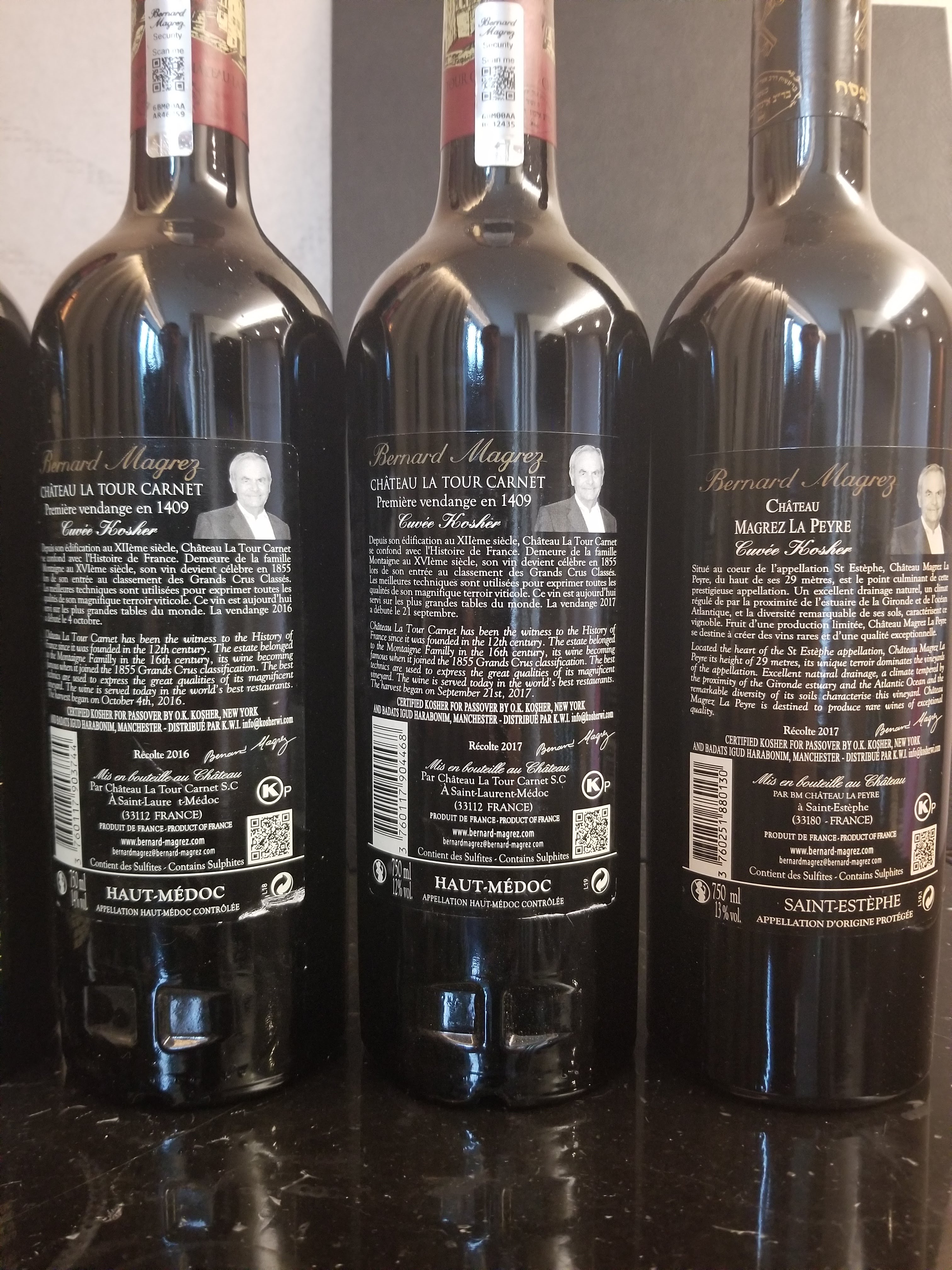

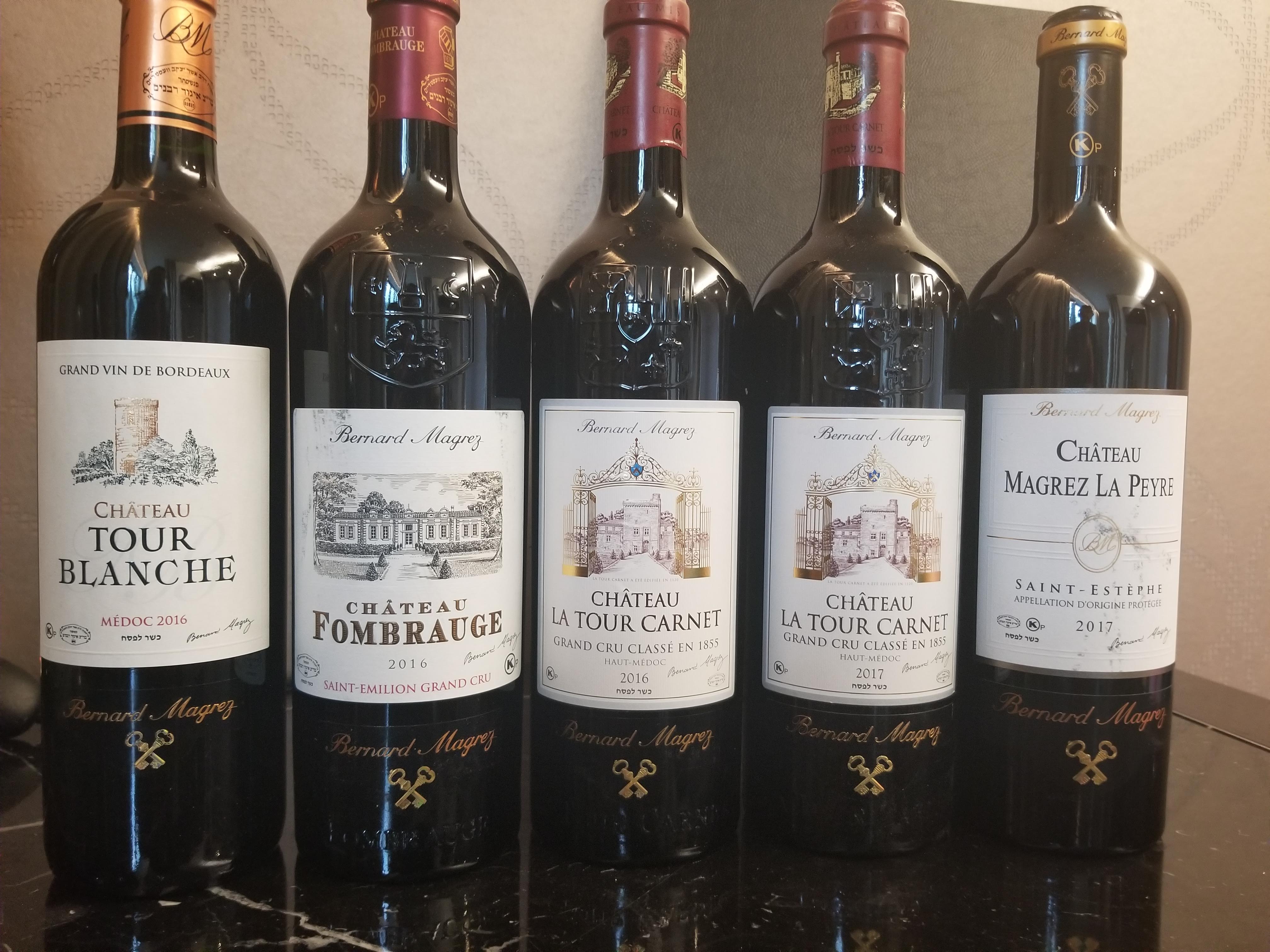
2016 Chateau Tour Blanche, Medoc – Score: 80 (QPR: BAD)
The nose on this wine is flat as is the mouth, it is not a fruit bomb, it is just boring. The nose on this wine shows black and red fruit, a bit of dirt, heat, and loam. The mouth on this medium-bodied wine is flat, it has no acid, it is lifeless, and not interesting. Next! Drink now. (tasted June 2021)
2016 Chateau La Tour Carnet, Grand Cru Classe en 1855, Haut-Medoc – Score: 89.5 (QPR: POOR)
This wine is far less fruity than the 2015 vintage, showing notes of deep loam, fresh dirt, sweet oak, sweet dill, milk chocolate, nice green notes, foliage, smoke, anise, tar, and ripe fruit, interesting. The mouth on this full-bodied wine is ripe, but controlled, with proper acidity, elegance, layers of big bold blackberry, blueberry, raspberry, with lovely mouth-draping tannin, dark chocolate, rich saline, lovely graphite, all wrapped in a rich plush mouthfeel, dense yet balanced with sweet oak, sweet tobacco, and nice mineral. The finish is long, sweet, balanced, with green notes, bell pepper, foliage, leather, rich earth, and lovely clean fruit on the long finish. Drink from 2024 until 2030. (tasted June 2021)
2016 Chateau Fombrauge, Saint-Emilion Grand Cru – Score: 86 (QPR: BAD)
This wine, much like the Tour Blanche, is empty, it is not unbalanced or a fruit bomb, rather it is none of the above and free of anything that will grab my attention. The nose on this wine is red and black, with green notes, sweet oak, and anise. The mouth on this medium-bodied wine is empty, free of acidity, life, or fruit, it has a bit but all I get is oak, sweet fruit, and smoke. The finish is long, with mouth-draping tannin, sweet fruit, leather, and more sweet oak on the long finish. Drink by 2027 (tasted June 2021)
2017 Chateau La Tour Carnet Grand Cru Classe en 1855, Haut-Medoc – Score: 85 (QPR: POOR)
WOW, I am confused the 2015 vintage was overripe, the 2016 vintage was balanced, now the 2017 vintage is lifeless with hints of ripe fruit in the far background, like what??? The nose on this wine is empty, hints of ripe black fruit, overripe blue fruit, sweet oak, sweet dill, and not much else. The mouth on this medium-bodied wine is ripe, with mouth-draping tannin, and not much else, blackberry, raspberry, all trying to cover up the glaring hole in the middle, with not enough acid to get this all around. The finish is a bit short, with more milk chocolate, smoke, green notes, and leather. Drink until 2027. (tasted June 2021)
2017 Chateau Magrez la Peyre, Saint-Estephe – Score: 83 (QPR: BAD)
Another Magrez and another wine without any life, I guess 2017 Magrez = empty lifeless wines. The nose on this wine is ripe, unbalanced, and empty, again, with notes of milk chocolate, sweet oak, ripe black fruit, a bit of earth, and that is it. The mouth on this medium-bodied wine is empty, it has nice mouth-draping tannin, it has no holes, but it has no acid, and it lacks life, the fruit is nowhere, with a bit of blackberry, raspberry, and green notes. The finish is long, green, red, and ripe, with milk chocolate, leather, sweet spices, more oak, and good mineral. Drink until 2027. (tasted June 2021)

More simple white, red, and rose Kosher wines, with some mid-range reds – with more WINNERS
As I close out the QPR posts for each of the wine categories, I forgot a few of the simple white wines – so here is a post of them. Please look at the past simple white wines post for more on QPR and the simple white wine category. Again, QPR (Quality to Price Ratio) is where kosher wine needs to go. QPR means well-priced wines. Still, people do not get QPR. To me, QPR WINNER is what I describe and explain here. The overall revised QPR methodology is described here (and linked from the WINNER post as well).
One more reminder, “Simple” white wines is a wine that will not age more than seven or so years. So, please no hate mail! There are many WINNERS here, enjoy! I also threw in a few roses with one WINNER, but it is a 2019 Rose, and 2020 roses are about to be released, so drink up those 2019 roses already. I also tasted a few reds, with the 2017 Les Lauriers de Rothschild getting a slightly higher score.
The clear WINNER of this tasting is the 2019 Chateau Lacaussade, Vieilles Vignes, Saint-Martin. That along with the 2018 Koenig Riesling, which I like more now than I did a year ago. Also, the 2017 Les Lauriers de Rothschild. The 2017 Les Lauriers de Rothschild, Montagne Saint-Emilion was a winner in my previous post, I just slightly raised the score on it.
The wine note follows below – the explanation of my “scores” can be found here and the explanation for QPR scores can be found here:
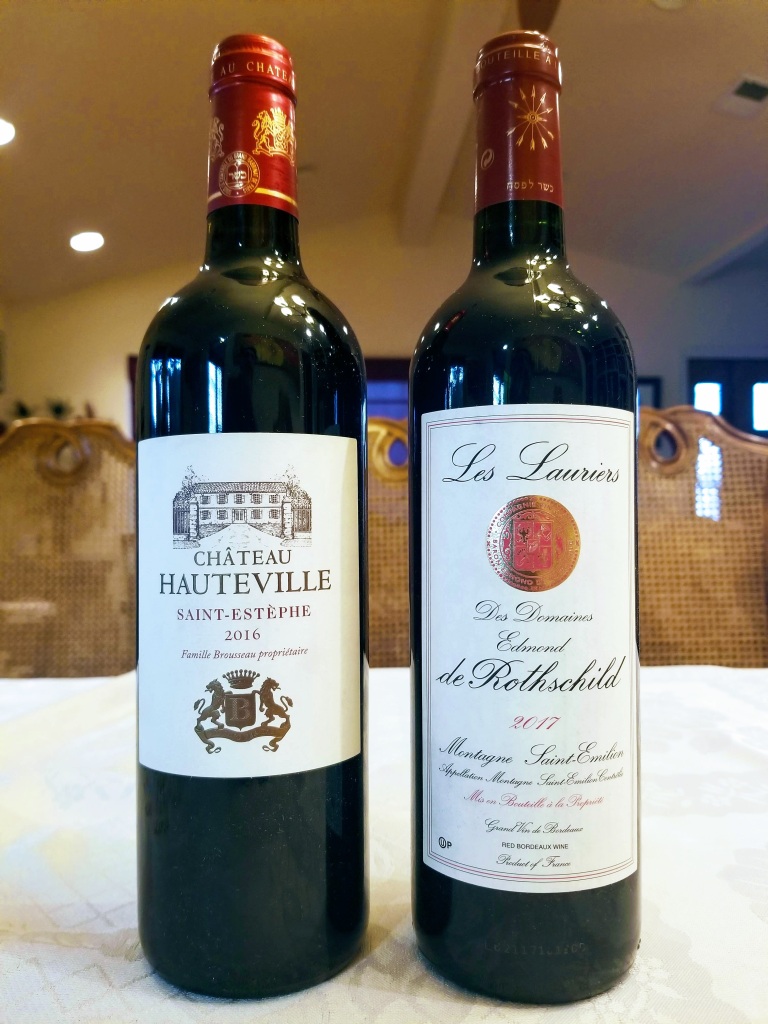



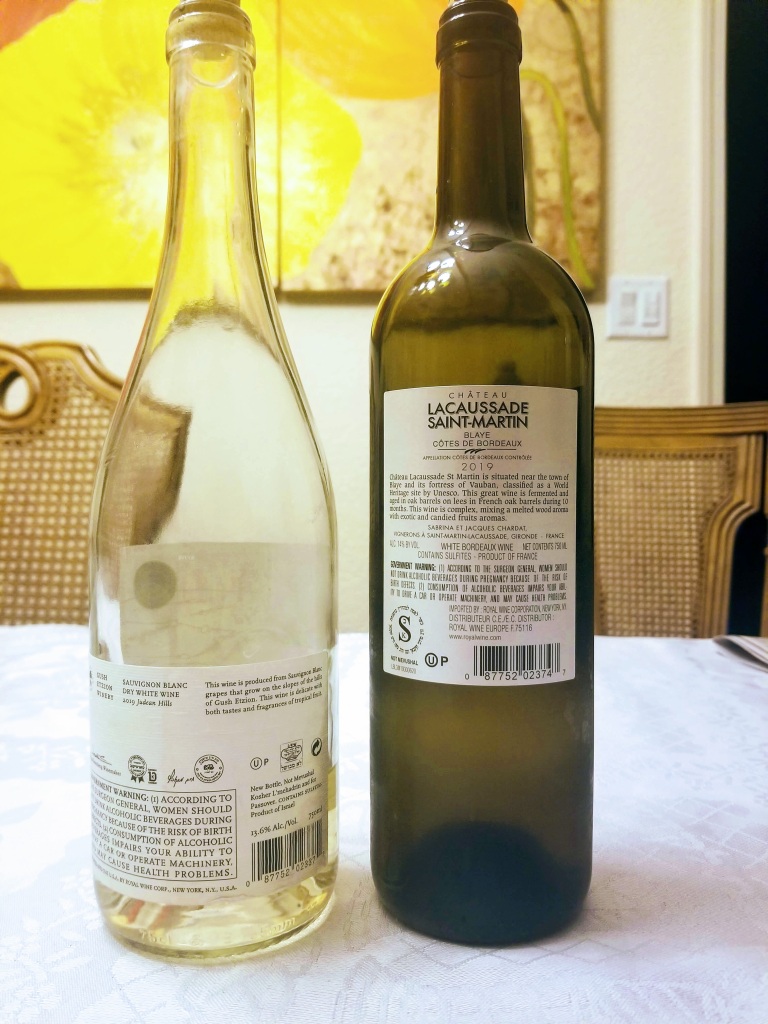

ROSE Wines (DRINK them now – if you must)
2019 Rubis Roc Rose – Score: 91 (QPR: WINNER)
This wine is a blend of 50% Cinsault and 50% Cabernet Sauvignon. This is a weighty and food-required style rose than a refreshing rose. The nose of this wine is fresh and alive, with meaty notes, showing red and blue fruit notes, with nice citrus, with good attack and herbs. The mouth on this medium-bodied wine is solid, a drop less acid than I would like, but still very good with hot peppers, green notes, blue fruit, raspberry, dried lime/lemon, with mineral, and nice spice. The finish is long, green, and enjoyable, with good structure and nice minerality, nice! Drink now. (tasted Oct 2020)
2019 Yaacov Oryah Pretty as the Moon Rose– Score: 89+ (QPR: POOR)
This rose is a blend of 45% Syrah, 40% Grenache, and 15% Petite Sirah. The nose on this wine is divine – a lovely nose of floral violet, loads of rosehip, followed by a bit of nice funk, dried and tart cranberry, along with loads of mineral, this smells like what I want from a Provence wine, with dried/tart red fruit, a bit of reductive oxidation, and green notes as well. The mouth on this medium-bodied wine is nice but the acidity is where the wine fails, it has acidity, but the wine’s profile, which has nice fruity and refreshing characteristics lacks the punch of bright acidity to bring it all together, still, showing mineral, and lovely red fruit, with tart strawberry, lovely green/tart apple, quince, watermelon, hints of passion fruit, and loads of mineral. The finish is long, complex enough, with slate, graphite, more flowers, and lovely freshness, WOW! Bravo! Drink now! (tasted Oct 2020)

Blue Smoke dinner and the London KFWE 2019, posh events in a growing kosher wine and food market
As I said to me old and new found friends in London, I will miss the people, I will miss their kindness and their civility, but they can keep the weather and their inability to drive on the correct side of the road!
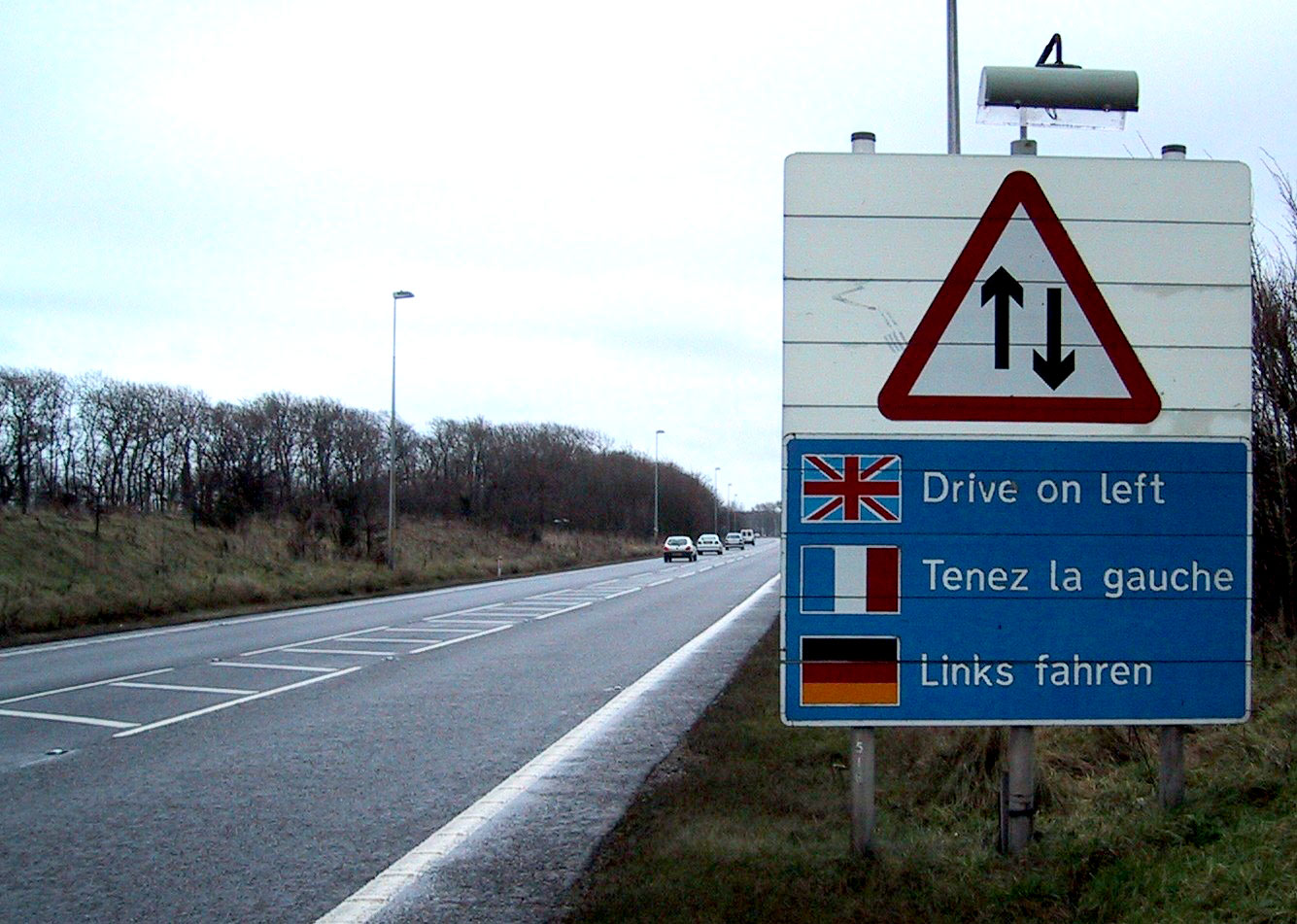
Well anyway, back to wine and food! As stated in my previous post, this was the first year I tried going to more than two KFWE events around the world. I arrived in Paris on Monday, Went to the Bokobsa Sieva tasting, and then on Tuesday, I took the train to London. I arrived in the afternoon and I then got a short rest before heading to a crazy dinner at Andrew Krausz’s house, the master chef of BlueSmoke.
I first met Andrew, and his sidekick, Mordechai, on the hilltop of Four Gates Winery, some 20 months ago! The wines we enjoyed there are listed here. But beyond the wines, one quickly got a sense for the Jewish community of Hendon, London. I must say, I still have nightmares from the dump of a hotel that we stayed at in Golders Green, a large Jewish community kitty-corner to Hendon. Hendon reminds me of everything that is great about London. The people are really nice, the community is tightknit, and they are a bit more aware of the outside world than say Golders Green. That said, I have heard wonderful things about the Golders Green community, I just need to exercise the nightmares of my past. Anyway, enough of my nightmare! The next time you need a nice hotel in Hendon area, Pillar Hotel! Solid, kept up nicely, kosher, and the folks are really nice.
Blue Smoke and Andrew Krausz


Take a quick read of this article to get a sense of Andrew and the work he puts into Blue Smoke and the joy people are getting from it. The dinner at Andrew’s was insane, to say the least, and there were many winemakers there that we would be seeing again the following evening at London’s KFWE! The courses were highlighted by cured more than smoked but streaked with bits of smoke throughout. The dinner started with gravlax and pickled beetroot. The pickled beetroot was straight crack! It was infused for 6 months! I hope this starts to give an understanding to the participants of the level of effort that was made to put this event together. The care and love for the task at hand by Andrew and his family! Yes, the family, were incredible! They have to live with the madness that fed people like me. From what I could tell, they are happy travelers on the road of food madness that is paved by Blue Smoke, but I am sure the 25 or so people invading their home on a weeknight, and the days and weeks of preparations leading up to that day, may not have been a path so easily traveled. Also, please understand that we would see Andrew for a few seconds as he explained the dish and then he disappeared into the same black hole from which he miraculously reappeared from over and over again. That black hole, the cavernous sized kitchen, was packed with humanity and hands coordinated by Andrew to push out 25 dishes over and over again throughout the evening. Read the rest of this entry

A few new and old wines this past Shabbat. 2017 Petit Guiraud, Sauternes, 2010 Terra di Seta Chianti Classico, Reserva, and 2007 Tzora Vineyards Misty Hills were the winners
This past Shabbat we had some friends over and I opened many a wine, 13 to be exact. There were a few new wines, including the new 2017 Petit Giuraud, the 2nd of three wines that will be released from Chateau Giuraud. The first one was the G of Guiraud, which is a lovely dry wine. The second was the Petit Guigaurd, a Sauternes which has recently been released, and IMHO is better than the 2016 Chateau Piada. The third will be the 2016 Chateau Guiraud, which will be the first release since the 2001 vintage was released many years ago.
Besides, the Petit Guiraud, there was a 2nd tasting of the 2016 Matar Cabernet Sauvignon. We last tasted it in Israel, and it did not show well. Here it did not show well, but it showed better. It was less fruit-forward and absurdly ripe than at the tasting in Jerusalem.
The real winner of the evening, IMHO, was the 2010 Terra di Seta along with the 2007 Tzora Vineyards Misty Hills. It was a lovely wine and shows what Israel can produce when it wants to build wines for the future and not wines for the present alone.
My many thanks to all the folks who shared the dinner with me, and may we all be blessed to enjoy more meals together!
The wine notes follow below – the explanation of my “scores” can be found here:


2014 Roc des Moulins – Score: 88
Classic nose of the cheap Bordeaux Superieur wines, mushroom, dark cherry, rose, earth, and simple notes. At open this wine is very simple, not much complexity, but has solid acid, and nice fruit. With time, it opens nicely, to show a more complex mouth, still clunky and simple, with more cherry fruit, dark currant, and herb galore, along with saline, and mounds of bitter herbs, with tobacco, and forest floor. Nice. Drink by 2021.
2014 Chateau Roquettes, Saint-Emilion Grand Cru – Score: NA
We opened this wine before Shabbat, and it tasted like the notes below. We then tasted it at the Shabbat table, and it was oxidized. The cork is fine. I am not sure if this is an issue of bottle variation or just a bad bottle.
The nose on this wine is super closed and tight to start, with mounds of tobacco, smoke, herb, red fruit, and nice mushroom, showing lovely dark and red ripe fruit. The mouth on this full bodied wine is lovely, with lovely and rich extraction, with still ripping tannin, that is rich and layered, with concentrated fruit, dark plum, forest berry, with dark raspberry, and rich earth, mushroom, and lovely terroir, and nice sweet oak. The finish is long and rich, and layered, with rich minerality, lovely saline, forest floor, foliage, with graphite, tobacco, and saline. Bravo!!
2010 Terra di Seta Chianti Classico, Reserva – Score: 92
Wow, the nose on this wine is coffee, toffee, and heavy smoke, with crazy oak, and red fruit galore, hidden in the background, is dark red fruit, and lovely brightness. The mouth on this medium bodied wine is rich and layered, and really alive, with tart fruit, showing raspberry, cherry, and lovely herb, showing rich tobacco, herb, with mint, oregano, with lovely mouth draping tannin and rich mushroom, with wet forest floor, and great chocolate. The finish is long, and green, and herbaceous, with lovely dirt, and green notes. Drink by 2022. Read the rest of this entry

 Wine Musings Blog