Blog Archives

A Royal Wine tasting in NYC featuring some serious QPR WINNERS!
Last week, I found myself in the JFK/Queens area for the first time in my life for longer than a few hours. I was there for the wonderful Bar Mitzvah of my Nephew, and it was a great time to meet up with my family and friends. Most of the time, JFK is a way in or a way OUT of NYC. This time, it was the gateway for my entire trip, and I would not be surprised if that continues in some proportion going forward.
Anyway, while I was there, I took it upon myself to buy my own wines because the timing was too tight and I could not get to NJ and get back. I was in NY for essentially three days, and I worked two of them. So, yeah, it was fun and hectic, and YES, the best part was Shabbat and the Bar Mitzvah, but I made sure to taste some wines.
Wine Tasting
Zev Steinberg was kind enough to pick up the phone and call me – we seem to have issues when typing over WhatsApp – a story for another time! After a short conversation, I worked the phones, WhatsApp, and many other communication tools, and thankfully, I was able to corral the wines I thought were possible. The shocker would be a bit later in the evening!
My job was to get all the new wines that Royal had brought in from France and from South Africa. So, I got:
- 2025 ESSA Altira
- 2024 Baron de Mamour Chenin Blanc
- 2024 Baron de Mamour Pouilly-Fume
- 2024 Baron de Mamour Pinot Noir
- 2022 Marchesi Fumeanelli Terso Vento Bianco
- 2021 Cascina Minot Langhe Nebbiolo
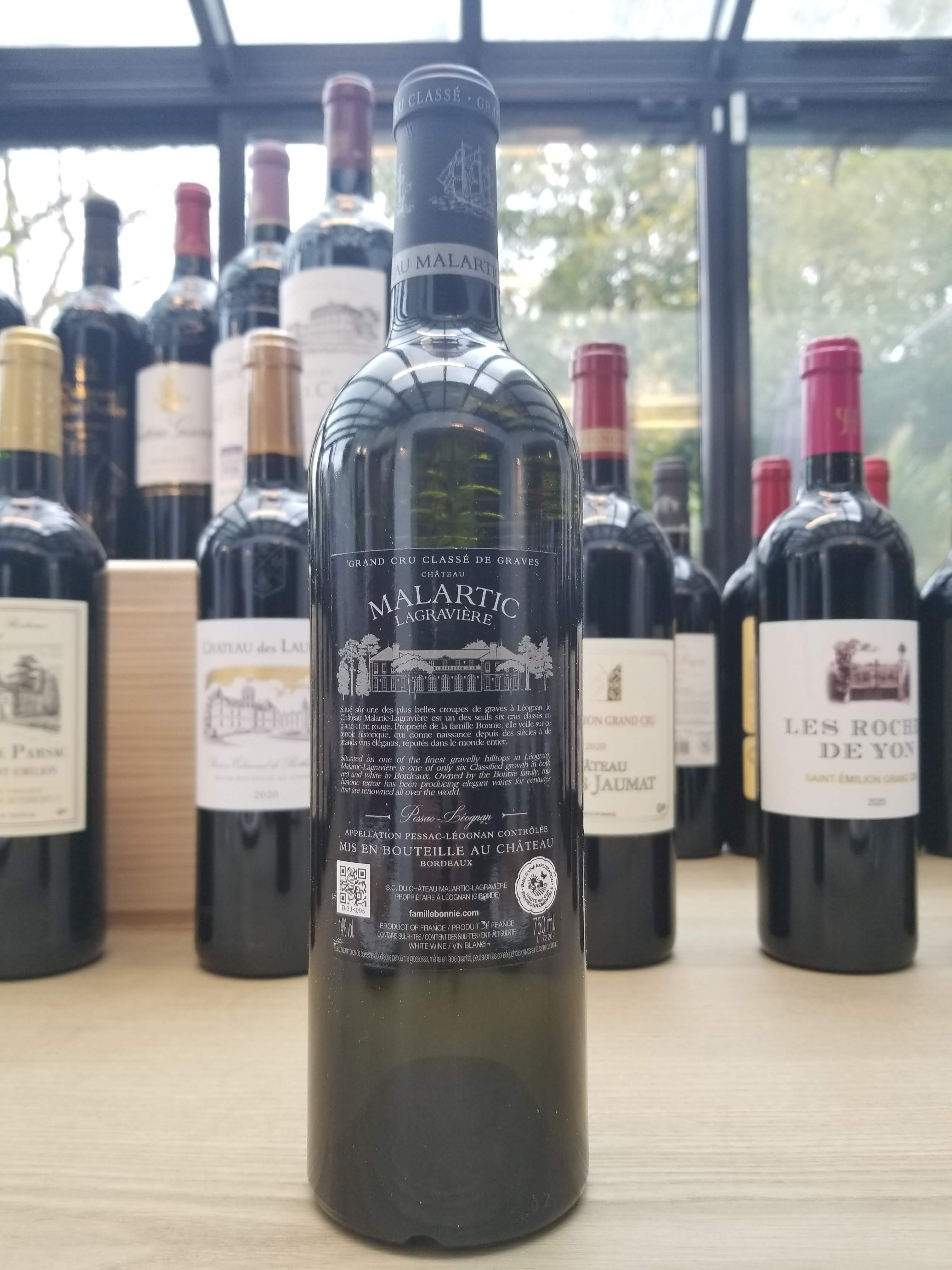
- 2023 Le Comte de Malartic Blanc
- 2023 Chateau Malartic Blanc
I tried to get the Gazin Blanc, but it slipped through my fingers. In the end, I was able to get what I could from Midwood Wine Merchants. I am not promoting things here for the sake of a dollar. It was very challenging to obtain the Baron de Mamour wines, which had just been released, along with the rest of the Malartic white wines (there are three), and the two Italian wines. My tight schedule and insane timing meant I had to PUSH people/stores to try to get the wines from Royal, and thankfully, the Midwood guys came through! Midwood also sent me a bottle of 2023 Herzog Cabernet Sauvignon, Aera, North Coast.
Zev brought the 2023 Chateau Gazin Rocquencourt Blanc, and ALL the Arnaud Burgundies, more on that in a bit, and a VERY special wine – the 2021 L’interdit de Valandraud! Just a crazy wine indeed! Very unique, and while many think it is a 100% Cabernet Franc wine, in reality, it is a blend. It shares the distinction of being my highest-scoring 2021 Bordeaux wine, along with the 2021 Chateau Marquis d’Alesme Becker and the 2021 Chateau La Gaffeliere.
Finally, MS brought a lovely bottle of the 2019 Domaine Roses Louise, Pomerol. Then Zev brought out a bottle of the 2020 Echo de Roses Camille, Pomerol! It was quite the evening!
Arnaud Baillot Burgundies
Arnaud Baillot has been making wines since 2017, when he bought his first vineyard. That soon expanded when he bought even more plots, and slowly he expanded to many more regions with Burgundy. He is one of those up-and-coming, rising stars within the region, and it is great that we are getting more Kosher Burgundy options.
In the first Kosher vintage from Arnaud Baillot, Royal made five red Burgundies: Bourgogne Hautes-Cotes-de-Beaune, Monthelie, Savigny-les-Beaune, Beaune Premier Cru, and Volnay. What was very interesting was the opportunity to taste a red Monthelie; we have already tasted a kosher White Monthelie. The Savigny-les-Beaune is also new in Kosher. The other sub-regions have existing and successful iterations of those grapes.
I really need to shout out Zev and Royal for making these wines available to us! Thanks!
Tasting
I have kept names out of this post, other than Zev, because he works in the business, and that is fair game. The others are regular folks like me. That being said, the host for the event was terrific – and I thank him for the wonderful home, atmosphere, and good nature. Anyone who hosts me for a tasting understands that things need to be orderly and professional, to whatever extent it can be. This host went beyond, and I really appreciate that! That being said, good lord was it a long tasting, but it was a TON OF FUN!
Well, with that, I will let the wine notes talk for themselves. We did retaste the wines twice, but it is not the same as tasting the wine over a day. For example, the Chateau Malartic Blanc really came into its own after a few hours. In some ways, other wines moved in the wrong direction after a few hours as well. All of this is compiled, and the final scores reflect the final state of the wines we tasted.
The wine notes are listed below in the order in which they were tasted. The explanation of my “scores” can be found here , and the explanation for QPR scores can be found here:
2025 ESSA Altira, Elgin – Score: 91 (QPR: WINNER)
The nose of this wine is lovely, bright, effusive, with white peach, grapefruit, saline, smoke, and lovely brightness. The mouth of this medium-bodied wine is lovely; the acidity is off the charts, the complexity is not as pronounced as in previous vintages, and the notes of peach, grapefruit, and melon are on point, with lovely tension and a deeply refreshing finish. The finish is long, tart, refreshing, and fruity, with lovely saline and a lovely bite. Drink by 2027. (tasted August 2025) (in New York, NY) (ABV = 13.5%)
2024 Baron de Mamour Chenin Blanc, IGP Val de Loire (M) – Score: 91+ (QPR: WINNER)
The nose of this wine is classic with Chenin notes of smoke, grass, straw, hay, and yellow peach, very nice, but a bit simple. The mouth of this medium-bodied wine has excellent acidity, great attack, good fruit, nice hay, smoke, and lovely gooseberry, grapefruit, honeysuckle, and honeyed peach – lovely! The finish is long, dry, with ripe fruit, smoke, and hay, lovely! Drink by 2027. (tasted August 2025) (in New York, NY) (ABV = 11.5%)
2024 Baron de Mamour Pouilly-Fume, Pouilly-Fume (M) – Score: 92+ (QPR: WINNER)
The nose of this wine is lovely, classic Pouilly Fume, crazy good, with rich smoke, flint, intense minerality, ripe fruit, intense citrus notes, good nectarines, honeysuckle, orange, and funk. The mouth of this medium-bodied wine is smoky, tart, and acidic, with incredible honeysuckle, grapefruit, orange, nectarines, great smoke, funk, and crazy acidity. Bravo! The finish is long, tart, smoky, with intense minerality, flint, and rock. Bravo! Drink by 2028. (tasted August 2025) (in New York, NY) (ABV = 13%)

The Top and Best 34 QPR Kosher Wine WINNERS of 2024
In May 2020 I wanted to drive home the need for QPR (Quality to Price Ratio) wines. So I set out to create what I thought a QPR metric should be! Gone were arbitrary price ranges and such. Instead, I let the market define what the QPR price range should be. I did this by grouping the wines by their type (white, red, rose, sparkling, and dessert) and then further refined the grouping by age-ability within the white and red wines. This gave me the following groups:
- Drink “soon” White Wine (Simple whites)
- Rose Wine (always drink soon)
- Drink “soon” Red Wine (Simple reds)
- Mid-range aging Reds (4 to 11 years)
- High-end Red wines (11 and more years)
- High-end White wines (7 and more years)
- Sparkling Wine (No need here for extra differentiation)
- Dessert Wine
I then made the mistake of trying to create an Orange wine range/group – that was a HUGE mistake. Again, the wines themselves were not the issue, the issue revolved around trying to group such a small sample set into its group. They will go into their respective white wine category, next year.
Throughout the year, I posted many QPR posts, for almost all of the main categories. I will continue down this road until I find a better way to categorize and track wines that are QPR WINNERS. Talk about WINNERS, that secondary QPR score was a 2.1 revision to my QPR scoring, and that is explained in this post. All the wines listed here are QPR WINNERS from my tastings in 2023.
Let us discuss the approach
I have heard from a few of you. I do not understand your QPR (Quality to Price Ratio) scoring. So, let us take another shot at this! Every time a customer comes into a shop or goes online to buy kosher wine, they have a choice of a few thousand wines, online, or many hundreds in a store. The question is how does a buyer differentiate one wine from the next?
If they like Terra di Seta wines, as I do, and it costs 30 dollars, then he/she will compare other wines to that wine, in regards to the wine and the price. That is the same for any wine they like and any wine they are looking at buying. Price matters! Now, the real question is how can you compare two wines to each other. Any two wines in the world of kosher wines? What characteristics can you use to compare them?
Let us say they like the 2022 Elvi Wines Clos Mesorah. It is a red wine from Montsant, Spain. OK, what other wine can you compare with it? You can compare other Montsant kosher wines, like the Cellar Capcanes wines. However, the Cellar Capcanes wines have an issue – they have been poor for many years! As the ratio states it is QUALITY to price! Quality is primary; once you have a good wine, you can compare it with similarly good wines.
OK, so we need equal or comparably equal quality and that is it??? So, let us say there exists a rose from Montsant that scores the same quality score as Clos Mesorah, are they comparable (by the way no such wine exists!)? What about a white wine – same? Can/should someone compare them? The answer is no, of course. People will compare similar items. OK, are we then forced to compare ONLY Montsant wines with Montsant wines? Of course not, that is NOT how people think. People will compare like-scored red wines with like-scored red wines. Further, there are literally SIX Monstant Kosher red wines on the market. How can one compare six wines to each other? It has no value.
So, the question remains how do we compare two wines? What criteria can we use to compare them? The first step is for us to agree that people will compare wines that are similar in style, but not in locale, region, or price. So what is that characteristic that they will use to compare two arbitrary kosher wines? Price IS NOT the answer.
So, let us recap – we have two similarly scored wines (AKA quality) but they are very different in many ways. Let us look at three of the wines below, two of which are from the greater Medoc region:
- 2022 Chateau d’Agassac Cru Bourgeois, Haut-Medoc – Score: 93+ (QPR: WINNER)
Drink until 2038 - 2022 Chateau Fourcas Dupre, Listrac-Medoc – Score: 93 (QPR: WINNER)
Drink from 2034 until 2040 - 2022 Chateau Royaumont, Lalande de Pomerol – Score: 93 (QPR: WINNER)
Drink from 2030 until 2038
These wines sell for between 38 dollars and 60 dollars. So, are these wines comparable? I would state they are, and further state that wine buyers compare them every time they read my lists and other lists that like these wines. Again, the primary requirement is quality – these all scored roughly the same quality score.
So, next, would you at least compare two Medoc wines to each other? The Chateau Fourcas Dupre and the Chateau d’Agassac? I would say yes for sure. Well, why is the Royaumont any different? Of course, they are very distinct wines, but in the end, what do oenophiles buy such wines for?? To store them and share them at a later date, meaning that wine buyers classify wines by regions, but ultimately they classify them by their ability to age gracefully or not! This means some wines age beautifully, and many will be good to enjoy in the coming years.
So, now you see the logic to the categories I use to compare wines – this is the list once again:
- Drink “soon” White Wine (Simple whites)
- Rose Wine (always drink soon)
- Drink “soon” Red Wine (Simple reds)
- Mid-range aging Reds (4 to 11 years)
- High-end Red wines (11 and more years)
- High-end White wines (7 and more years)
- Sparkling Wine (No need here for extra differentiation)
- Dessert Wine
Essentially, ignoring sparkling, rose, and dessert wines, there is white wine and red wine. Each of those two major categories is broken into their age-ability. Red wines have three age ranges while white wine has two. Then there are the other three aforementioned groups, rose, sparkling, and dessert wines.
Once you have scored a wine – IRRELEVANT to the price – this is KEY, you must place that wine into one of the 8 categories listed above. Once you have done that, any wine in that category is available for comparison. Using the median approach, wines are stacked and ranked by their price, within that category, and some rise above others, by having an equal or better quality for a lower or equal price. Please read more about this here and here.
The Summary
Before we get to the list of the best QPR wines for this past year, I wanted to give you some raw stats. I tasted more than 1200 wines this past year. In actuality, it is probably far more, I just did NOT care to write notes on hundreds more because all it would have said was NO. I made sure to taste all the Israeli wines at three KFWE, and while some were worthy of notes, none garnered these scores. The pain was all I remember. In the end, 188 wines were scored with a QPR score of WINNER, for the blog year 2024.
I have stated it over and over again now, there is no way we can buy all the good wines out there unless you have a local warehouse to store them and you drink two or more bottles a day. That is the excellent news about Kosher Wine today! I hope we have not yet hit peak QPR WINNER Wine.
This year, the list came to a total of 34 names, and none had to dip below 93 in the scores, which is a large number and better scores overall than last year, but again, the pool from where they are culled continues to grow, and the diamonds in the rough are getting harder and harder to find. This year, there are 34 or so QPR WINNERS who scored 93 this year but not in a single area.
The 4 regions that encompass the 34 WINNERS are in order of size, France (27), Spain (4), USA (2), and Hungary (1). Within France, it is not all Bordeaux! There are wines from Bordeaux, Burgundy, and Chateauneuf du Pape.
Of the 34 WINNER, 4 of them are white, 28 are red, and 2 are sweet. However, at the lower price and quality QPR WINNERS (think 20 dollars 91 scoring wines), you will find that white wines are the majority!
This year we have 9 wines that are a WINNER in Europe and the rest of the world and NOT in the USA.
- The 2020 Chateau Haut Brisson) is because of pricing here in the USA.
- The 2023 Domaine Raymond Usseglio & Fils Chateauneuf du Pape, Blanc is not the same here in the USA as it is in Europe. I have no idea what happened to it but the quality is vastly different.
- The 2021 Tokaj-Hetszolo Tokaji Aszu 6 Puttonyos is because of pricing here in the USA.
- The 2020 Chateau Haut Brisson is because of pricing here in the USA.
- The 2022 Chateau Royaumont is because the wine is Mevushal here and not as good, though still a WINNER, but not at the same quality.
- The 2022 Les Roches De Yon-Figeac is because the wine is Mevushal here and not as good.
- The 2022 Chateau Gazin Rocquencourt is because the wine is Mevushal here and not as good.
- The 2022 Chevalier de Lascombes is because the wine is Mevushal here and not as good.
- The 2022 Château Olivier Grand Cru Classe is because of pricing here in the USA.
- The 2022 Chateau Haut-Marbuzet is not available at all here in the USA.
Sadly, there were no new Sparkling or Rose wines to make it to the score of 93 and to meet its counterpart pricing. To me this is a HUGE issue in the kosher wine market! The kosher wine market has lifted up one of the previous sad wine categories, white wine! Which is HUGE! Sadly, we have not moved from there. We have a dominating red and white kosher wine scene. What is lacking sorely, is quality, sparkling wines! The rose wines will never reach the upper echelons, at least in the Kosher wine markets! However, there is actual demand for sparkling wines, and sadly, the products being sold are nice, but the prices are too high, or the quality is too low.
Maybe, Avi Davidowitz, from Kosher Wine Unfiltered, can create a list like that for Israel, this year, a bunch of wines became available there, and a proper QPR list would be worthwhile!
The wines on the list this year are all available here in the USA, and in Europe, and a few can be found in Israel, as well. The wine notes follow below – the explanation of my “scores” can be found here and the explanation for QPR scores can be found here:
2022 Elvi Wines Clos Mesorah Garnatxa, Montsant – Score: 95 (QPR: WINNER)
The nose of this wine is lovely. It pops with intense brightness, followed by a massive attack of ripe but controlled fruit, dense minerality, rich salinity, intense graphite, lovely cloves, cinnamon, warm spices, loam, dirt, earth, lovely raspberry, strawberry, and ripe/bright red berries. WOW! With time, the wine becomes even more complex, showing floral notes, ripe fruit, and lovely sweet spices. Bravo!
The mouth of this medium-bodied wine is so elegant, complex, and singular in grape, and there is nowhere to hide in this bottle; it is complex, lithe, rich, and layered but intensely refreshing. This wine is the Pinot Noir of the Rhone and Spain; there is nowhere to hide, and yet the wine is so impressive. This wine is pure black magic; it is ripe, lithe, tart, acidic, elegant, and dirty, all in the same glass, and yet this is a wine that does not exist in Kosher. Sure, there are lovely blends, but a wine this ripe that is also elegant, lithe, and smoky, you want to drink it all!
The mouth is lovely, ripe, layered, elegant, and toasty, with sweet spices, lovely raspberry, and strawberry, nice umami, really fun, expressive, and captivating; it is so unique and special, with umami, and mouth-drawing elegance, WOW! Bravo! The finish is long, dirty, earthy, smoky, and umami-dense, with great graphite and ripe, mouth-draining tannin. Dirt, minerality, graphite, ripe and tart red fruit, and intense acidity linger long. Drink from 2030 until 2036. (tasted December 2024) (in Clos Mesorah, Spain) (ABV = 15%)

The Best and Top 25 Kosher Wines of 2024, including the Wine of the Year, Winery of the Year, the Best Wine of the Year, the Best Mevushal Wines of the Year, and Best QPR Wine of the Year Awards
First, I must start this by saying I am sorry for this being two months late. The late tasting of the 2022 wines in Paris pushed all the dates forward. Such is life! It was worth tasting those wines in their correct place. As stated below, I love at KFWE, but it is not a place to taste wines for a blog or a post. It is a place to taste wine and know if I should taste it in the correct setting. It is an excellent filter to help fine-tune the wines to sit down with.
Like last year, I wanted to make this post short and sweet – so the criteria are simple. I could care less about price, color, or where it was made. All that matters is that it is/was available this year sometime to the public at large, that I tasted it in a reliable environment, not just at a tasting, and that it scored a 94 or higher. PLEASE NOTE the improved quality of the top wines this year! This is the best year – that I have posted about – in regards to scoring. All 25 wines are 94 or above. The closest we had before was the 2021 blog year, which had a fair number of 93+ scored wines.
We are returning with the “Wine of the Year,” “Best Wine of the Year,” “Winery of the Year,” “Best White Wine of the Year,” “Best QPR Wine of the Year”, along with the – “Best Mevushal Wine of the Year.” Wine of the Year goes to a wine that distinguished itself in ways that are beyond the normal. It needs to be a wine that is readily available, incredible in style and flavor, and it needs to be reasonable in price. It may be the QPR wine of the year, or sometimes it will be a wine that has distinguished itself for other reasons. The wines of the year are a type of wine that is severely unappreciated, though ones that have had a crazy renaissance over the past two years. The Best Wine of the Year goes to a wine well worthy of the title.
The Mevushal wine of the year is something I dread. I understand the need for a wine that can be enjoyed at restaurants and events. Still, when we start seeing Château Gazin Rocquencourt and Chevalier de Lascombes go Mevushal – we know we have a problem. As I have stated in the past, if this is what needs to happen, then please sell both options as many do with Peraj Petita/Capcanes, Psagot wines, and many others. Still, it is a wine; as such, it needs a best-of-the-year moniker, so we do it again!
This past year, I tasted more wines than I have ever, in the past. Now, to be clear, I tasted thousands of Israeli (and other) wines but did not write notes on them. At this point, I refuse to post notes that demean the Israeli wine situation. I understand that goes against my long-term stance, but the situation there also goes against any logical or even human stance. As such, if the wine is good, I post. Otherwise, I am not adding value. I still think, long-term, Israel needs to change its winemaking style. However, as long as folks buy the wines, they will stay as they are. Enough said.
I spent a fair amount of time tasting all the US, French, Southern Hemisphere, and European wines I could get my hands on, and I feel that is where I added the most value, IMHO. For those who like the Israeli wine style – other writers/bloggers can point you in some direction. Thankfully, the 2022 vintage did pull up the overall quality from Europe, so we have some good options.
There are wines from the 2018 and 2020 Bordeaux vintages that snuck in, along with many from the 2022 vintage. Also, there are wines from around the United States and Europe. There are even a couple from the 2021 Bordeaux vintage. This proves wrong the idea that all of the 2021 vintage was a waste of time.
Now, separately, I love red wines, but white wines – done correctly, are a whole other story! Sadly, in regards to whites, we still had no new wines from Germany, still. Thankfully, we have some fantastic entries from ESSA, Domaine de Chevalier, Marciano Estates, Chateau de Rayne Vigneau, Domaine Raymond Usseglio & Fils, Chateau Gazin Rocquencourt, and Le Nardian. Some of these wines that scored well were ONLY the French versions. The USA versions of Chateau Gazin Rocquencourt are Mevushal and the Domaine Raymond Usseglio & Fils – it is a very different animal than what I tasted/enjoyed in Paris. However, they all scored a 93 or lower, and I do not see the point in putting a white wine in – just to cover that base. Therefore, this year, I am going with the “white” 2021 Tokaj-Hetszolo Tokaji Aszu 6 Puttonyos, Tokaj. I hope to post a roundup soon of the top white wines out there like I did last year.
The wines on the list this year are all available here in the USA, and in Europe, and a few can be found in Israel, as well. The wine notes follow below – the explanation of my “scores” can be found here and the explanation for QPR scores can be found here:
The 2024 Kosher Winery of the Year
This award continues to get harder and harder each year. The sad, cold, hard truth is that there are too few great kosher wineries. When I started this award some five years ago, I thought it would only get easier. Sadly, there are a few truths that limit my ability to give out this award.
First, as much as we have been blessed with great Kosher European wines in the past 6 years, most of those blessings come under the auspices of single-run kosher wines. Chateau Leoville Poyferre, Château Smith Haut Lafitte, you name it, are all based upon kosher runs. What we have in Europe, kosher-winery-wise, is Terra di Seta, Cantina Giuliano, and Elvi Wines (including Clos Mesorah), Domaine Roses Camille, which only became 100% kosher in 2020. Still, for all intent and purpose, Domaine Roses Camille has been producing the vast majority of their wines in kosher since 2011.
The requirements to receive this award are simple, the winery must be kosher, not a kosher-run, the quality must be consistent, and the wines must be readily available. The last requirement is the main reason why Four Gates Winery has yet to win the award, but at this point, it is only a matter of time, as kosher wine availability is becoming less of an issue overall, given the sheer number of cult-like kosher wineries that exist today. Also, I may be forced to start playing with percentages instead of wholly kosher wineries if the people understand what I mean.
This year’s winner starts to break down one of my unspoken laws. Never give awards to one of your best friends, but Josh and Chana Rynderman have forced my hands. No, they have not done so physically or even by voice; it is all in their work. This award is worthy on so many levels. I have written about ESSA Wine before, as well as Kos Yeshuos Winery. Both are worthy of this award, and one could not exist without the other.
It is crazy to think that Kos Yeshuos started “unofficially” in 2015! I was not even scoring wines with numbers back then! Ten years ago, Kos Yeshuos made a lovely Vin Gris from Cabernet Sauvignon, and the game was afoot! From there, he made wine for sale in 2016, the first “official” vintage of Kos Yeshuos, with two reds, a Syrah and a Grenache (I had just turned over to numerical scores and started to dabble with QPR). The 2016 Syrah was excellent last year!
Read the rest of this entry
Paris tasting of Royal Wine’s 2022 and 2023 Bordeaux and other French wines – January 2025
Let us start with some facts; Avi Davidowitz, from the Kosher Wine Unfiltered blog, and I were in Paris together this past week. We were there to taste as many Kosher Bordeaux wines from the 2022 and 2023 vintages as humanly possible. We arrived on a Monday and by Noon, we were knee-deep into a plethora of Bordeaux wines. As is typical, the trip started with a massive tasting of Royal Wine’s latest releases, followed by two more organized tastings, and many tastings we did in our hotel room, as usual.
The first wine tasting that Avi Davidowitz and I organized during our trip to Paris was with Menahem Israelievitch, the Managing director and Winemaker of Royal Wine Europe, in his lovely home.
The 2022 Vintage in Bordeaux
So, the 2022 vintage is one that I will openly say surprised me. Until this trip, I had found the 2022 Bordeaux to be a ripe mess. Yes, there were a few exceptions, but the majority of wines, until that week, were a mess. However, even after the week of wonderful wines, I finally realized my issue, there is a difference between a good wine and a wine I want to drink. In this post and the rest of the 2022 Bordeaux wine posts (with more yet still untasted), the theme will be ripeness. Now, ripeness can be managed with good acidity, but at 15.5% ABV or 15% ABV, you may say that the wine is too ripe. However, that is not true. There are examples on this blog of wines we have tasted at that ABV that are actually refreshing!
Some of the wine notes you read below will state those words, the magic refreshing word. The wines, without that word, are still wonderful, and wines I may buy, but there is a sense of weight to those wines that I wonder about. How will they manage themselves in 15 years?
Let us talk about the age-ability of these 2022 Bordeaux wines. They are 100% UNDRINKABLE at this time. PERIOD. Sure, for tasting sake, we can taste them, but they are either horribly closed, horribly fat (meaning showing absurd fruit), or just so large and clumsy that they are not enjoyable at this time. So, when you look at the drinking windows, do not be shocked to see 30-year windows. The Leoville Poyferre, Pontet Canet, and even the Moulin Riche are wines that will cost you dearly now and in the future. These are wines that you will need to put away for 20+ years. In my opinion, these are not wines that will get to their tertiary dream state before a long time. These are wines that will require a very long and patient approach before you will get that payoff. For many of us on this earth, I wonder if I want to buy a wine that will not meet that plateau before I am pretty old. Ignoring mortality or the desire to enjoy wines like that at an advanced age – it is also the knowledge that the space in your cellar is locked away for these wines, and you really are not going to touch them for an extended period.
With all that said, sorry for the tangent; these are very special wines that should deserve some thought on how/where you will age and preserve them, given the long drinking windows. Now, I hear all of you. What about 2015, 2016, and the like? Are they not also akin to this? The answer is NO! Those vintages were balanced and, as such, will come around soon enough. Still, it has been 10 years now, and they are not ready, and they will not be ready for some time. I guess I am just projecting my thoughts here regarding what I can buy, store, and dream about enjoying in 20+ years.
Finally, unlike the 2021 vintage, these wines are not green. Maybe they have roasted herbs, but that is more oak, and they rarely show vegetal notes.
How do I see the 2022 vintage in comparison to other recent vintages? I say the quality and personal interest I have in buying these wines are behind the 2019, 2016, and 2014 but ahead of the 2015, 2018, and so on.
Looking through this list of wine notes below for the 2022 vintage and the ones coming for the other wines we tasted from this vintage, you will see a pattern, good scores, and many QPR WINNERS. Mr. Israelievitch and the team did an excellent job with the 2022 vintage. As you will see soon, there are many wines here. This is an outlier vintage BOTH regarding the number of labels made by Royal and others and the ripeness of the wines. I am not sure, but this feels like the largest number of French labels made by Royal in a single year. That does not even include the dual label (Mevushal and non-Mevushal issue/situation). Even if you look at Bordeaux alone, it has to be the largest, in my opinion. So, when you compare this vintage’s number of QPR WINNER scores, it is unfair. A more interesting thing is to look at the percentage of QPR WINNER to wines. Something I hope to explore.
The truly great vintage, for me, was the 2019 vintage, as I stated many times already, but even there, the 2019 vintage only had 13 QPR WINNER. It was the most balanced vintage so far, outside of 2014 and some of 2015. Of course, PLEASE be clear, I speak of kosher wines. I am sure many think 2020 was the perfect vintage in Bordeaux. However, IMHO, and I think I have tasted every kosher wine made from Bordeaux over the past 8 years; 2019, 2014, and some of 2015 were the winners. Still, the 2022 vintage takes the award for the most QPR WINNER wines produced by Royal Wines, 28! That is an incredible number! I state again that the 2022 vintage is incredible; it shocked me, and the ripeness is my issue. I crave balance, both in my life and in the and in the wines I drink. I think that most will find these wines enjoyable, and they will fly off the shelves, even given the more significant number of wines made.
To me, the 2014 vintage was crazy fun because it is less ripe than the 2015 or 2016 vintage. They were also FAR cheaper. Then you had the 2015 wines, which were more expensive and far riper than the 2014 vintage. This 2016 vintage is the best of both worlds but comes at a crazy high price. During the epic post of my visit to Bordeaux with Mr. Israelievitch, I warned you at that time that you better start saving your money; sadly, nothing has changed about that. The REAL shocker price-wise of the 2016 vintage was Chateau Malartic, which rose to almost 150 or more a bottle! That was close to double the 2014 vintage.
The 2022 vintage is more expensive than the 2021 vintage, which was more expensive than the 2020 vintage. The “deals” were from the 2019 vintage and the upcoming 2023 vintage. In between, the prices went up and up and up! The real Chutzpah was 2021. It was not a good vintage and yet Bordeaux raised their prices! The 2022 vintage is just one of those generational vintages, to those that crave massive fruit, and as such, garnered so many high scores during “En Primeur week” that they had to raise prices, yet again.
In a previous post about the most recent French wines (at that time in 2017) that were arriving on the market, I already discussed pricing and supply, so there is no need to discuss that again in this post.
Read the rest of this entry
My top 25 kosher wines of 2022, including the Wine of the Year, Winery of the Year, the Best Wine of the Year, and the Best Mevushal wines of the year awards
Like last year, I wanted to make this post short and sweet – so the criteria are simple. I could care less about price, color, or where it was made. All that matters is that it is/was available this year sometime to the public at large and that I tasted it in a reliable environment, not just at a tasting, and that it scored a 93 or higher.
We are returning with the “wine of the year”, “best wine of the year” “Winery of the Year”, and “Best White wine of the year”, along with a last year’s new addition the – “Best Mevushal wine of the year”. Wine of the year goes to a wine that distinguished itself in ways that are beyond the normal. It needs to be a wine that is easily available, incredible in style and flavor, and it needs to be reasonable in price. It may be the QPR wine of the year or sometimes it will be a wine that so distinguished itself for other reasons. The wines of the year are a type of wine that is severely unappreciated, though ones that have had a crazy renaissance, over the past two years. The Best Wine of the year goes to a wine well worthy of the title.
The Mevushal wine of the year is something I dread. I understand the need for a wine that can be enjoyed at restaurants and events, but when we start seeing Château Gazin Rocquencourt and Chevalier de Lascombes go Mevushal – we know we have a problem. As I have stated in the past, if this is what needs to happen, then please sell both options as many do with Peraj Petita/Capcanes, Psagot wines, and many others. Still, it is a wine and as such, it needs a best-of-the-year moniker, so we do it once again!
This past year, I tasted more wines than I have ever, in the past. Now to be clear here, I did not taste many Israeli wines as they have proven to me over and over again, even with the much-ballyhooed 2018 vintage that they are not worth my spending my money on. Still, I did taste a large number of Israeli wines both in my home and at KFWE events. I spent a fair amount of time tasting all the French and European wines I could get my hands on and I feel that is where I added the most value, IMHO. For those that like the Israeli wine style – other writers/bloggers can point you in some direction. This past year, was a return to an above-average year but not as good as last year’s list because last year’s 2019 wines were incredible and precise.
Last year’s list was star-studded and was driven by the incredible 2019 vintage. This year’s list is solid and will highlight a few top 2020 wines, but the clear winner will highlight a 2019 wine that missed making last year’s list because it was released later.
There are also interesting wines below the wines of the year, think of them as runner-up wines of the year. There will be no rose wines on the list this year. If last year, I thought the roses were pure junk, this year, you can add another nail in the coffin of rose wines, IMHO. Last year’s list was stronger with some 123 WINNER wines, this year we had 95. Still, another overall solid year.
Royal Wines continues to impress with the wines they make or import. However, slowly, more lovely wines are being made from other sources though they are harder to find in the USA or outside of Europe.
Now, separately, I love red wines, but white wines – done correctly, are a whole other story! Sadly, in regards to whites, we had no new wines from Germany, still. Thankfully, we have some awesome entries, from the incredible 2020 Chateau Malartic Blanc to the lovely 2021 Covenant Solomon Blanc, to the beautiful 2021 Jean-Philippe Marchand Meursault.
Finally, this year is the year of the Clos! Between the awesome Wine of the Year – the 2018 Clos Mesorah and the Clos Lavaud from Domaine Roses Camille, the Winery of the year, long live the Clos!!!
The wines on the list this year are all available here in the USA, and in Europe, and a few can be found in Israel, as well. The wine notes follow below – the explanation of my “scores” can be found here and the explanation for QPR scores can be found here:
The 2022 Kosher Winery of the Year
This award continues to get harder and harder each year. The sad cold, hard truth is that there are too few great kosher wineries. When I started this award, some 4 years ago I thought it would only get easier. Sadly, there are a few truths that limit my ability to give out this award.
First, as much as we have been blessed with great Kosher European wines, in the past 6 years, most of those blessings come under the auspices of single-run kosher wines. Chateau Leoville Poyferre, Château Smith Haut Lafitte, you name it, are all based upon kosher runs. What we have in Europe, kosher-winery-wise, is Terra di Seta, Cantina Giuliano, and Elvi Wines (including Clos Mesorah). Along with this year’s winner, Domaine Roses Camille. Officially, Domaine Roses Camille only became 100% kosher in 2020, but for all intent and purpose, they have been producing the vast majority of their wines in kosher, since 2011.
The requirements to receive this award are simple, the winery must be kosher, not a kosher-run, the quality must be consistent, and the wines must be readily available. The last requirement is the main reason why Four Gates Winery has yet to win the award, but at this point, it is only a matter of time, as kosher wine availability is becoming less of an issue overall, given the sheer number of cult-like kosher wineries that exist today.
Domaine Roses Camille was one of those cult-like wineries at the start when they produced a stunning 2005 Pomerol. It hit that cult status when the late Daniel Rogov called it the best kosher wine he had ever had, at that point, anyway.
As always, my disclaimers. The U.S. importer of Domaine Roses Camille is Andrew Breskin, of Liquid Kosher, and a person I call a friend. This past week I spent two days with him tasting many a wine, that post will follow my year-in-review posts, along with the Four Gates Winery new releases post.
Domaine Roses Camille’s winemaker is Christophe Bardeau. I have had the honor of meeting him a few times and he always comes across as a kind and professional person. While the main two wines, Domaine Roses Camille and the Echo Roses Camille come from Pomerol, he also makes wines from other regions in Bordeaux, like the Clos Lavaud (Lalande de Pomerol), Chateau Moulin de la Clide (a wine that took on its cult-like status as it was sadly a one and done run), Chateau Marquisat de Binet, and others.
Now, to be clear, the Domaine Roses Camille, Echo Roses Camille, and Clos Lavaud – which are all in Pomerol are made in Domaine Roses Camille winery, the 2022 Winery of the year. The one-off Moulin de la Clide and the lovely Chateau Marquisat de Binet were/are made in those Chateaus. Christophe Bardeau made/makes all the other wines but I named them here for completeness.
Pomerol is a lovely location and the wines of Domaine Roses Camille continue to impress. The Clos Lavaud is a year-in-year-out QPR WINNER along with the Echo Roses Camille. They are both perennially great wines and wines we all are very lucky to have in the kosher wine market! The flagship wine, Domaine Roses Camille has never had a bad year, it is the model of consistency, and the only years it was not made kosher was during the lean years of the kosher wine market in France, 2007 – 2010 (inclusively). It does come in at a higher cost than other kosher Pomerol wines but the high-end quality of Domaine Roses Camille matches the prices and longevity potential of other high-end quality kosher wines that cost much more than the DRC does. Yeah, there, I slipped, we all call the Domaine Roses Camille, our kosher DRC, but yeah, we all know what the real DRC is and that is a different wine region and price, all together!
So, with mad props and great happiness, and hope for even more success, I say Bravo to Christophe Bardeau and Andrew Breskin for all the hard work and lovely wines. The quality of the wines that are here and will be coming, in the future (I tasted many of them over this past week), are impressive and I wish them only continued success!
Read the rest of this entry
Paris tasting of Royal’s 2020 and other French wines – November 2022
The second organized wine tasting that Avi Davidowitz, from the Kosher Wine Unfiltered blog, and I went to, during our last trip to Paris, in November 2022 was with with Menahem Israelievitch in his lovely home.
In June I made my way to Paris and I posted the Royal wines I tasted, they were mostly white, rose, and a few red wines as well. For the past many years, I have been tasting the new releases from Royal wines with Menahem Israelievitch. Two years ago, because of COVID, I tasted the 2018 vintage in my house. Thankfully, those days are over and things have mostly returned to normal.
Vintage-wise, I think 2020 is like a blend of 2016 and 2017. I say that because some of the wines are riper than I like and some are green like we saw in many 2017 wines. You will see here that some of the wines are overripe and some are very green, while others are in between. There are still WINNERS, but they are not as many big-hit WINNERS. Meaning, even the WINNERs are not getting big scores. It is just one of those vintages. I have very little hope for the 2021 vintage and even 2020 is not a vintage I will fully stock up on.
We were spoiled last year with the 2019 vintage for two reasons. First of all, the 2019 vintage was on par, if not a drop better than the 2014 vintage, which had the largest number of 95+ scored wines in a vintage, that was until 2019. 2019 eclipsed the 2014 vintage with higher scores and it had lower prices. No, not lower than the 2014 prices, but lower than the 2018 prices were. Now, the 2020 wines are not as good as the 2019 and they are all higher in price.
The 2014 vintage to me, was crazy fun because it is less ripe than the 2015 or 2016 vintages. They were also FAR cheaper. Then you had the 2015 wines which were more expensive and far riper than the 2014 vintage. This 2016 vintage is the best of both worlds, but it comes at a crazy high price. I warned you at that time, during the epic post of my visit to Bordeaux with Mr. Israelievitch, that you better start saving your money, sadly nothing has changed about that. The REAL shocker price-wise of the 2016 vintage was Chateau Malartic, which rose to almost 150 or more a bottle! That was close to double the 2014 vintage.
In a previous post about the most recent French wines (at that time in 2017) that were arriving on the market – I already spoke about pricing and supply, so there is no need to talk that over again in this post.
NOTE: Mr. Israelievitch did not have the 2019 Barons Edmond & Benjamin de Rothschild, Haut-Medoc nor the 2021 Chateau Roubine Rose, Inspire. Such is life! I tasted the Edmond at home and posted it here, sadly I have yet to taste the 2021 Roubine Inspire.
Mevushal Wine Push
The Mevushal push, from Royal wines, is continuing for the USA labels. More wines are being made in a Mevushal manner and while I wonder if this is good overall for myself, it makes sense for Royal wines, which in the end, I guess is what matters to them. Will this be an issue? In the past, I have found that the mevushal work of Mr. Israelievitch is top-notch, and just ages the wine rather than ruining it. Sadly, that trend has been failing in recent years, especially when it involves white and rose wines. More and more the mevushal white and rose wines have shown a huge difference between the two variations, mostly in regards to acidity. I have no idea why the flash affects the acidity but it has been clear to me and the worst/saddest example was the 2019 Gazin Rocquencourt, Blanc. The non-mevushal version is stunning while the mevushal version was not.
So, once again, as I have been doing for YEARS, I will again ask Royal to treat their own, personally made French wines, with the same courtesy that they show Binyamina, Psagot, Capcanes, Shiloh, and others. Why are you OK with importing BOTH the mevushal and non-mevushal versions of wines that are not worthy of the glass they are in but are more than happy to throw a blind eye to wines you personally produce? The French wines deserve better and again, I AM ASKING for you to import BOTH the mevushal and non-mevushal versions as you do for so many other brands.
The Mevushal wines from France for the 2019/2020/2021 vintages will be the
- 2020/2021 Les Marrionniers Chablis, Chablis
- 2020 Les Roches De Yon Figeac (this is the first time for the RYF)
- 2020/2021 Chateau Les Riganes, Bordeaux
- 2020/2021 Chateau Genlaire, Bordeaux Superieur
- 2019/2020 Des Barons Edmond & Benjamin de Rothschild Les Lauriers, Montagne Saint-Emilion
- 2019 Barons Edmond & Benjamin de Rothschild, Haut-Medoc
- 2019 Chateau Greysac, Medoc
- 2019 Chateau Le Crock, Saint-Estephe, Bordeaux
- 2019/2020 Chateau de Parsac
- 2020/2021 Chateau Les Riganes, Blanc
- 2019/2020 Chateau Mayne Guyon
- 2019 Chateau Tour Seran
Now does mevushal impede the long-term viability of aging in regards to the wine? Well, that too is not something that we have scientific proof on. I have tasted a mevushal 1999 Herzog Special Edition and it was aging beautifully! Same with the Chateau Le Crock, over the past few years. So, would I buy the mevushal versions of the wines I tasted below? The answer is yes! Would I age them? Yes, I would hold them for slightly fewer years. To me personally, it is very clear, if Royal had their way they would make the Pontet Canet Mevushal! Nothing to Royal is sacred and this will not stop with the list above, it will grow, proof is Chevalier and Gazin were made mevushal in 2019. There were rumors that they were going to make the 2020 Pavillon mevushal, thankfully that turned out to be a false alarm, for now.
Other than the mevushal aspect, there are no differences between the European version of the wines and the USA version of the wines. While that sounds obvious, I am just stating it here. The wines will be shipped now and the temperature issues that affected Israel’s wines of old, have not been a factor here.
The 2020 Pricing and access
I posted my 2019 notes, from the tasting we had last year, when most of the wines were already in the USA and pricing was well known. The prices are now known for the 2020 vintages as well and they are higher than the 2019 wines, of course, and they are higher than the 2018 wines as well!
The 2020 Chateau Pontet Canet and the 2020 Chateau Leoville Poyferre will be higher than they have ever been, though probably not as high as the 2020 Château Angelus Carillon de l’Angélus. Chateau Giscour is also going up in price as is the Chateau Malartic Blanc, so yeah, higher!
In terms of access – sure enough, all the Pontet Canet sold-out in one day from Royal and each store is being given tiny allocations. This leaves us begging for wine and paying 300+ a bottle at the door! Classic madness and FOMO. Such is life!
Tasting in Paris
It is always a joy and honor to do our yearly tasting with Menahem Israelievitch. His care, love, and true joy in sharing the wines he creates for Royal Wines, even with folks like us, is a true testament to his professionalism.
My many thanks to Menahem Israelievitch for going out of his way to help me to taste all the current French wines from Royal Wines before they were publicly released. It was truly an inopportune time for Mr. Israelievitch and his family to have the tasting and I truly thank him and his family and wish them only happiness and success in the coming years.
The wine notes follow below – the explanation of my “scores” can be found here and the explanation for QPR scores can be found here:

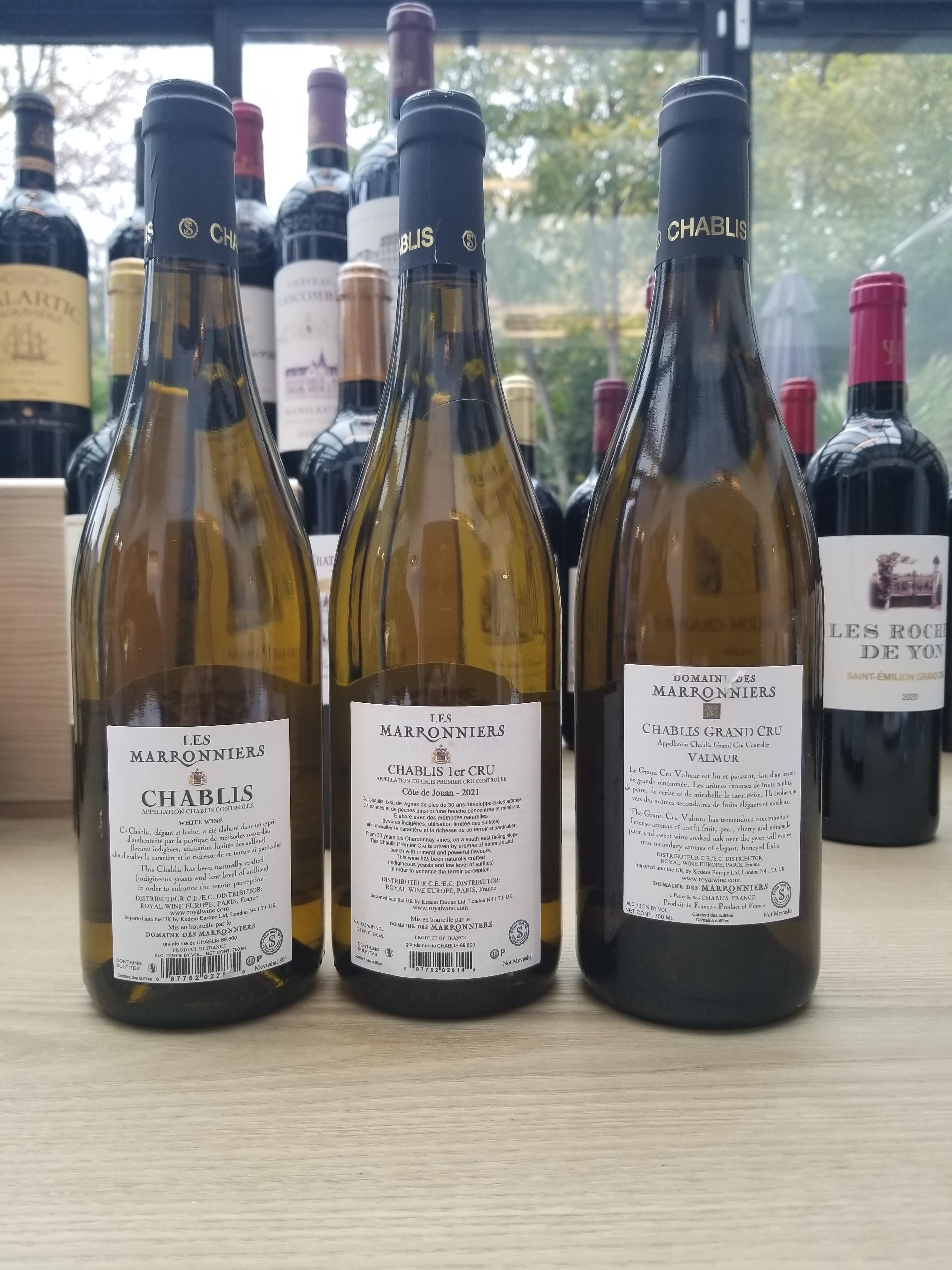
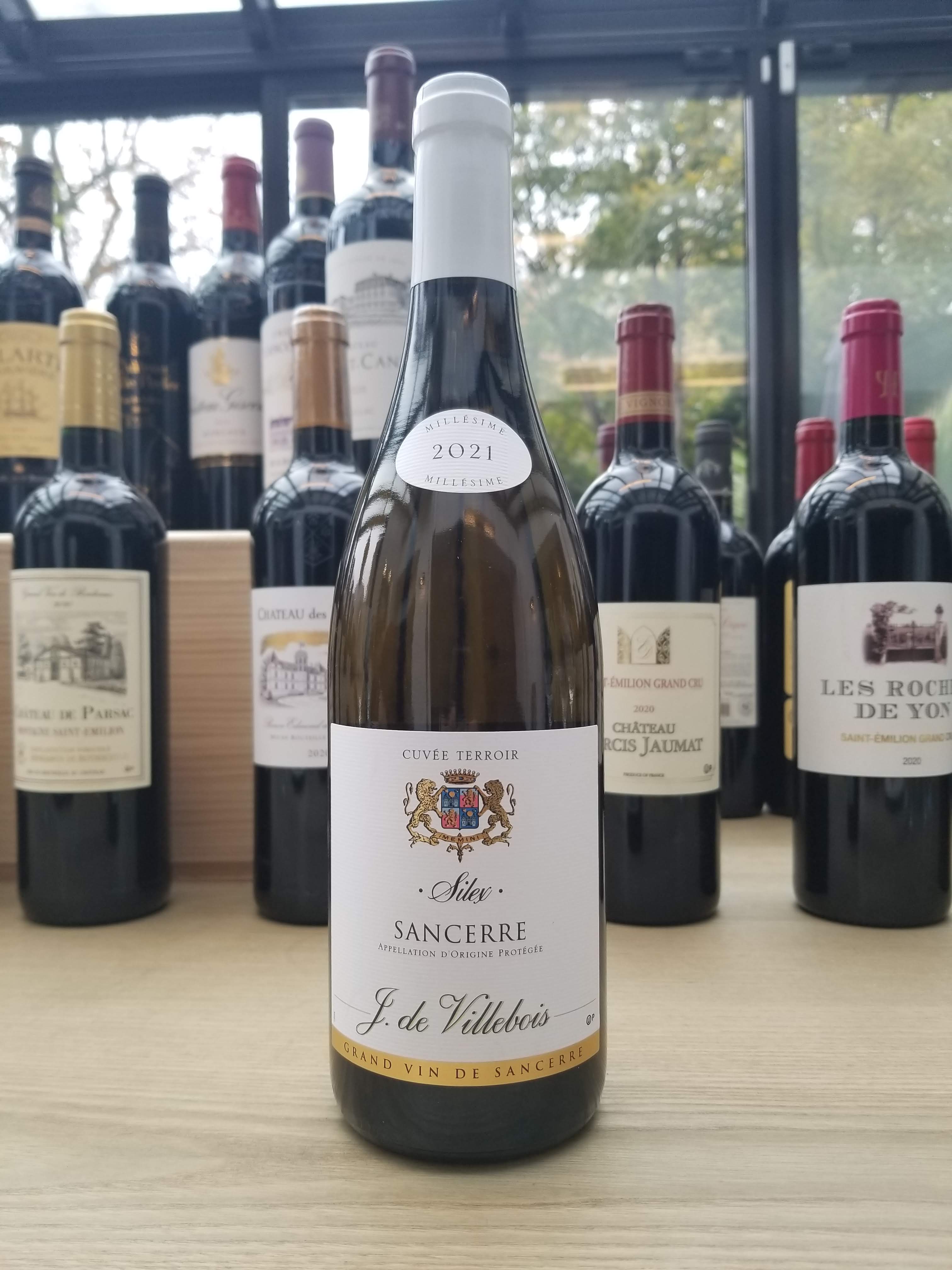

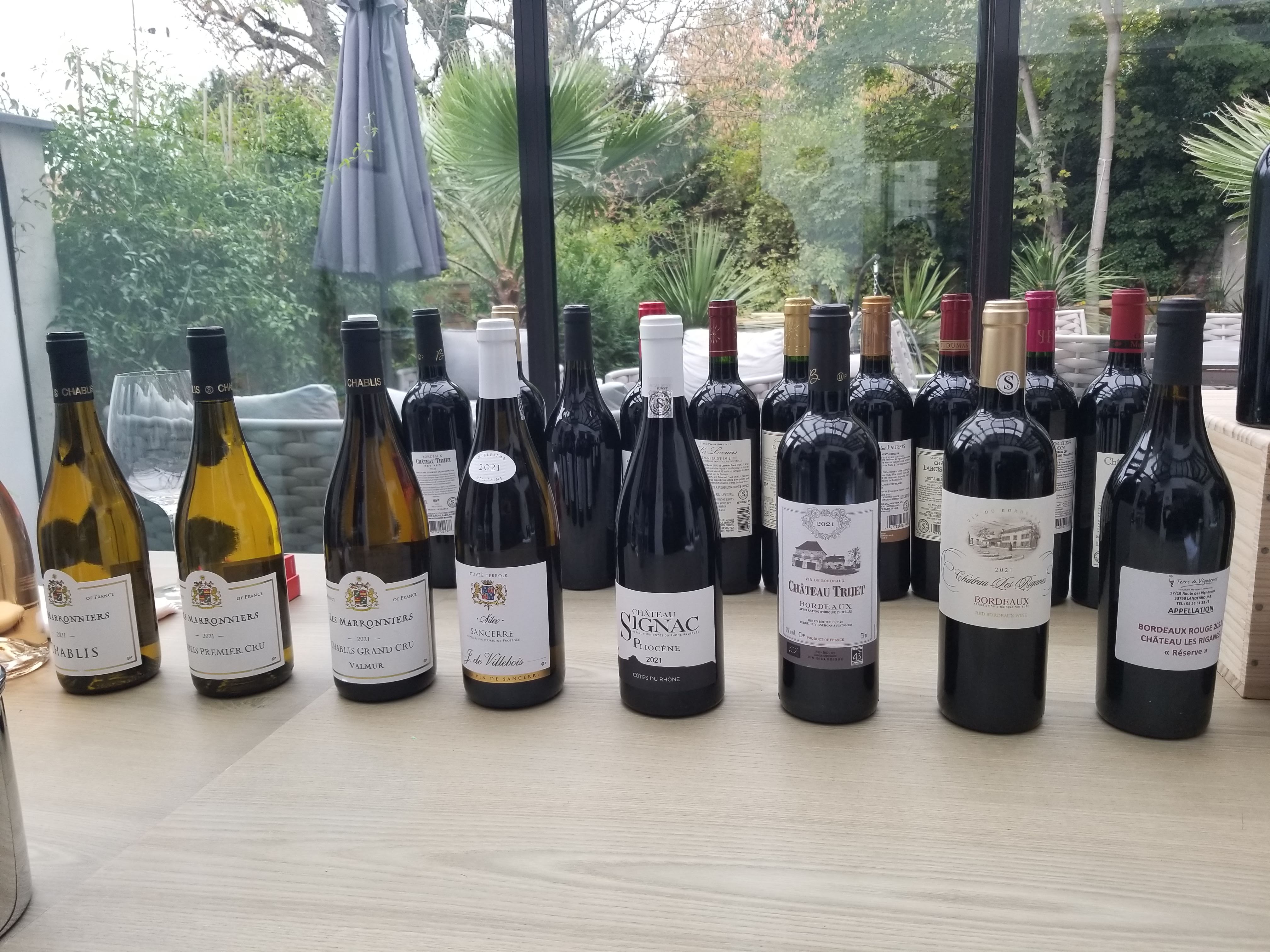
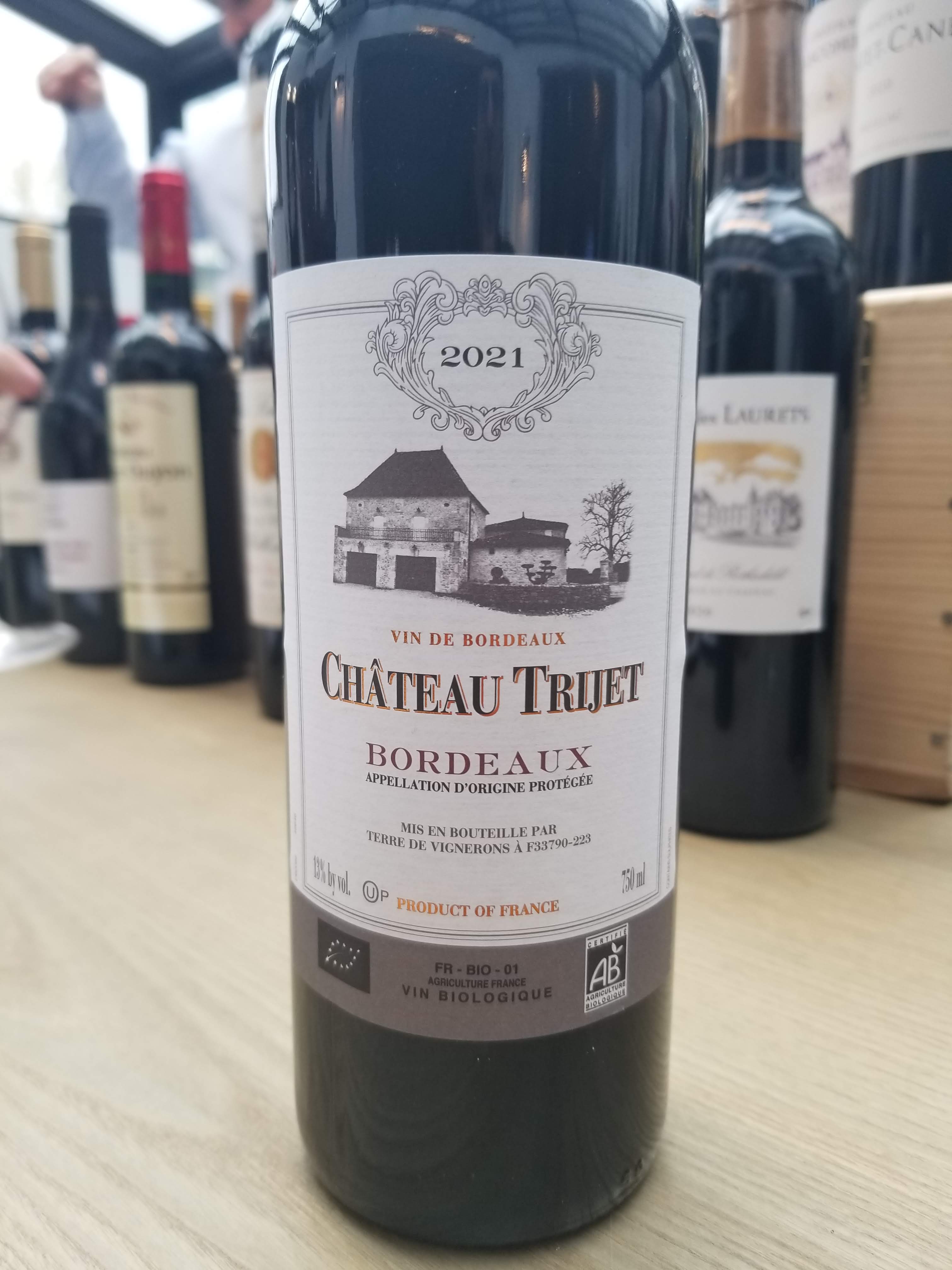


2021 Chateau Roubine Rose, Lion & Dragon, Cotes de Provence – Score: 91 (QPR: GREAT)
The nose of this rose is classic with strawberry and creme, rich salinity, peach, orange blossom, and lovely smoke. The mouth of this medium-plus-bodied wine is nicer than the previous vintage, the second vintage here is showing better than 2020, and has more balance as well, with good acidity, nice fruit focus, less oak influence, with nice peach, apricot, strawberry, good salinity, nice minerality, and smoke. The finish is long, smoky, tart, and refreshing, with good acidity and salinity, and flint. Nice! Drink now. (tasted November 2022) (in Paris, France) (ABV = 13%)

My top 25 kosher wines of 2021, including the Wine of the Year, Winery of the Year, the Best Wine of the Year, and the Best Mevushal wines of the year awards
Like last year, I wanted to make this post short and sweet – so the criteria are simple. I could care less about price, color, or where it was made. All that matters is that it is/was available this year sometime to the public at large and that I tasted it in a reliable environment, not just at a tasting, and that it was scored a 92 or higher. Also, there are a few lower-scoring wines here because of their uniqueness or really good QPR.
We are returning with the “wine of the year”, “best wine of the year” along with “Winery of the Year”, and “Best White wine of the year”, along with a new one – “Best Mevushal wine of the year”. Wine of the year goes to a wine that distinguished itself in ways that are beyond the normal. It needs to be a wine that is easily available, incredible in style and flavor, and it needs to be reasonable in price. It may be the QPR wine of the year or sometimes it will be a wine that so distinguished itself for other reasons. The wines of the year are a type of wine that is severely unappreciated, though ones that have had a crazy renaissance, over the past two years. The Best Wine of the year goes to a wine well worthy of the title.
The Mevushal wine of the year is something I personally dread. I understand the need for a wine that can be enjoyed at restaurants and events, but when we start seeing Château Gazin Rocquencourt and Chevalier de Lascombes go Mevushal – we know we have a problem. As I have stated in the past, if this is what needs to happen, then please sell both options as many do with Peraj Petita/Capcanes, Psagot wines, and many others. Still, it is a wine and as such, it needs a best-of-the-year moniker, so this will be the first year where we do it.
This past year, I tasted more wines than I have ever, in the past. Now to be clear here, I did not taste many Israeli wines as they have proven to me over and over again, even with the much-ballyhooed 2018 vintage that they are not worth me spending my money on. So, no I have not tasted as many Israeli wines as I have in the past, but overall, this is the largest number, for me. I spent a fair amount of time tasting all the French and European wines I could get my hands on and I feel that is where I added the most value, IMHO. For those that like the Israeli wine style – other writers/bloggers can point you in some direction.
IMHO, this past year brought the best wines I have seen in a long time.
IMHO, this past year brought the best wines I have seen in a long time. No, I do not just mean, the lovely 2019 Chateau Pontet Canet, but overall, the scores garnered this year are on keel with my top wines of 2017, which included the best wines from 2014 and 2015 vintages. Nothing has come close since that list, until this past year – so that really excites me as there are still a few wines from the 2019 vintage that I have yet to taste.
As I will talk about in my year in review post, 2014 will come out as the best vintage for the past decade in France. That is a hotly debated subject, but IMHO, in the world of kosher wine, there were FAR more best wine options in the 2014 vintage than any other vintage in the past decade. That may not be the case for non-kosher wines, but news flash, I do not drink non-kosher wines, or even taste them, and further this blog is about kosher wines. The 2018 vintage may well have some serious “best wine of the year” candidates, but sadly, not all of those wines are here and I could not travel to France to taste them all, as I do commonly. The 2019 vintage may have as many once we taste them all, but for now, the 2014 vintage across all wine producers has created a far more complete and consistent product than any of the years, up until 2019.
There are also interesting wines below the wines of the year, think of them as runner-up wines of the year. There will be no rose wines on the list this year. If last year, I thought the roses were pure junk, this year, you can add another nail in the coffin of rose wines, IMHO. Thankfully, the task of culling the bounty of great wines to come to these top wines was more a task of removing than adding. We are blessed with a bounty of good wines – similar to 2017. To highlight the last point, I scored 109 wines with a 92 or higher, and 66 of those were given the QPR score of WINNER (or WINNER in FRANCE).
The supreme bounty comes from the fact that Royal released the 2019 French wines a bit early! Throw in the incredible number of kosher European wines that are coming to the USA and being sold in Europe and this was truly a year of bounty for European kosher wines.
Now, separately, I love red wines, but white wines – done correctly, are a whole other story! Sadly, in regards to whites, we had no new wines from Germany, still. Thankfully, we have some awesome new entries, from the 2019 Chateau Malartic and the 2019 Château Gazin Rocquencourt (NON-Mevushal), and the new 2020 Meursault!
The wines on the list this year are all available here in the USA, in Europe, and a few can be found in Israel, as well. The wine notes follow below – the explanation of my “scores” can be found here and the explanation for QPR scores can be found here:
The 2021 kosher wine of the year – is new!
This is a new wine for the kosher wine market and it sits a bit above where I would like it, price-wise, but it is the best wine for a price that is still comfortable for the value. It is one of the rare wines that score a GREAT QPR – when priced above 100 dollars. Still, it fits right there to make it GREAT. There were so many to choose from this year – I am so happy to restate, but in the end, this award goes to a reasonably priced wine that garnered the highest score. The 2014 and 2015 Domain Roses Camille was an option, but the price pushed out of the competition. There was the 2017 Elvi Clos Mesorah, at a far better price than the LaGrange, but again, the LaGrange fit right in that space, barely above the Clos (quality-wise), and within the range of QPR. There was the 2018 Malartic and the 2017 Leoville, but they, like the DRC, were priced out. Finally, there was the 2019 Jean Luc et Paul Aegerter Nuits St. Georges 1er Cru, Les Vallerots, but that wine is almost impossible to find, sadly!
If there was a single QPR WINNER that blew me away – it would be the 2012 Château Cru Ducasse – in France, I can see no reason not to buy as much of this as humanly possible! Either way – the new Chateau LaGrange is a wonderful wine and one that is worthy of the 2021 wine of the year!
2019 Chateau LaGrange Grand Cru Classe En 1855, Saint-Julien – Score: 94+ (QPR: GREAT)
WOW, what wine for a 12.5% ABV wine, come on, the next time someone says I need to wait for the phenolics to talk with me, the answer is this wine! This wine is a blend of 80% cabernet Sauvignon, 18% Merlot, & 2% Petit Verdot.
The nose on this wine is lovely and perfumed with rich minerality, dense loam, graphite, smoke, roasted animal, clay, black and red fruit, all wrapped in more dirt, tar, and licorice, wow!
The mouth on this medium-plus bodied wine is beautiful, the acid is perfect, balanced and tart, elegant and layered, with lovely raspberry, plum, dark currants, hints of blue fruit, with ripe cassis, scraping mineral, dirt, loam, roasted herbs, menthol, with sweet vanilla, and lovely licorice.
The finish is long, with draping tannin, scraping mineral, and lovely tar, loam, nice leather, and rich garrigue, really lovely! Drink from 2031 until 2042. (tasted November 2021) (in Paris, France) (ABV = 12.5%)

Paris tasting of mostly Royal 2019 and 2020 Whites and Roses, with some Reds as well
Well, I can honestly say I never meant it to get this out of hand, I was meant to post this months ago! But, life, shul, and so much more, got in the way. All good, just wine, and my blog had to be put on the back-burner for a bit. Thankfully, I am ready to post more often now.
So, we return to the story, I landed in Paris, and bought lots of wines, and then had lunch with Ari Cohen and Simon Berdugo. I will get to the many wines I bought in the next few posts, God willing.
But let us start with the roses and whites I enjoyed in the company of Menahem Israelievitch. These wines are almost all here, except for the two reds that will get here eventually. My guess is that just like all shipping around the world is waiting on boats, maybe these wines are also being held up behind millions of iPhones, laptops. and Elmo toys. Please, do your Chanukkah shopping NOW, the supply of many items will be very limited in the next few months.
At the tasting, we enjoyed many lovely wines, and you can read the notes below, I want to point out a few thoughts on them.
- The high-end Chateau Roubine wines tasted FAR better and different in France – like VERY different! All I can say is that the score represents what I had in France, and I noted that the wines here taste different..
- The 2019 vintage is showing nicely for some parts of France and less so for others, time will tell how well it shows.
- Finally, the 2019 Chateau Malartic, Blanc is simply one of the best, if not the best white wine I have ever tasted, again, all I drink or taste is kosher. It is shockingly wonderful. Yes, there are the beautiful 2014 Von Hovel Auction Rieslings, I did not forget them, and they may well outlive the Malartic, who knows, but this wine is special!
In closing, all of these wines will get here eventually. I cannot say that for the vast majority of wines I will be posting over the next weeks. So many wines made in France either live and die in France and Europe, as a whole, or are made JUST for Israel. These new phenomena started with Shaked, and others have joined in. Either way, lots of French wine is not sold in France and lots of French wine never leaves the country – just the fascinating life of French wine. Most of it is made by very small producers or ones with horrible distribution, and as such, they are very difficult to find. Thankfully, as I stated all of these wines and many of Bokobsa wines, a post coming soon, should be available in the USA.
My thanks to Menahem Israelievitch and Royal Wines for hosting me and letting us taste the wonderful wines. The wine notes follow below – the explanation of my “scores” can be found here and the explanation for QPR scores can be found here:


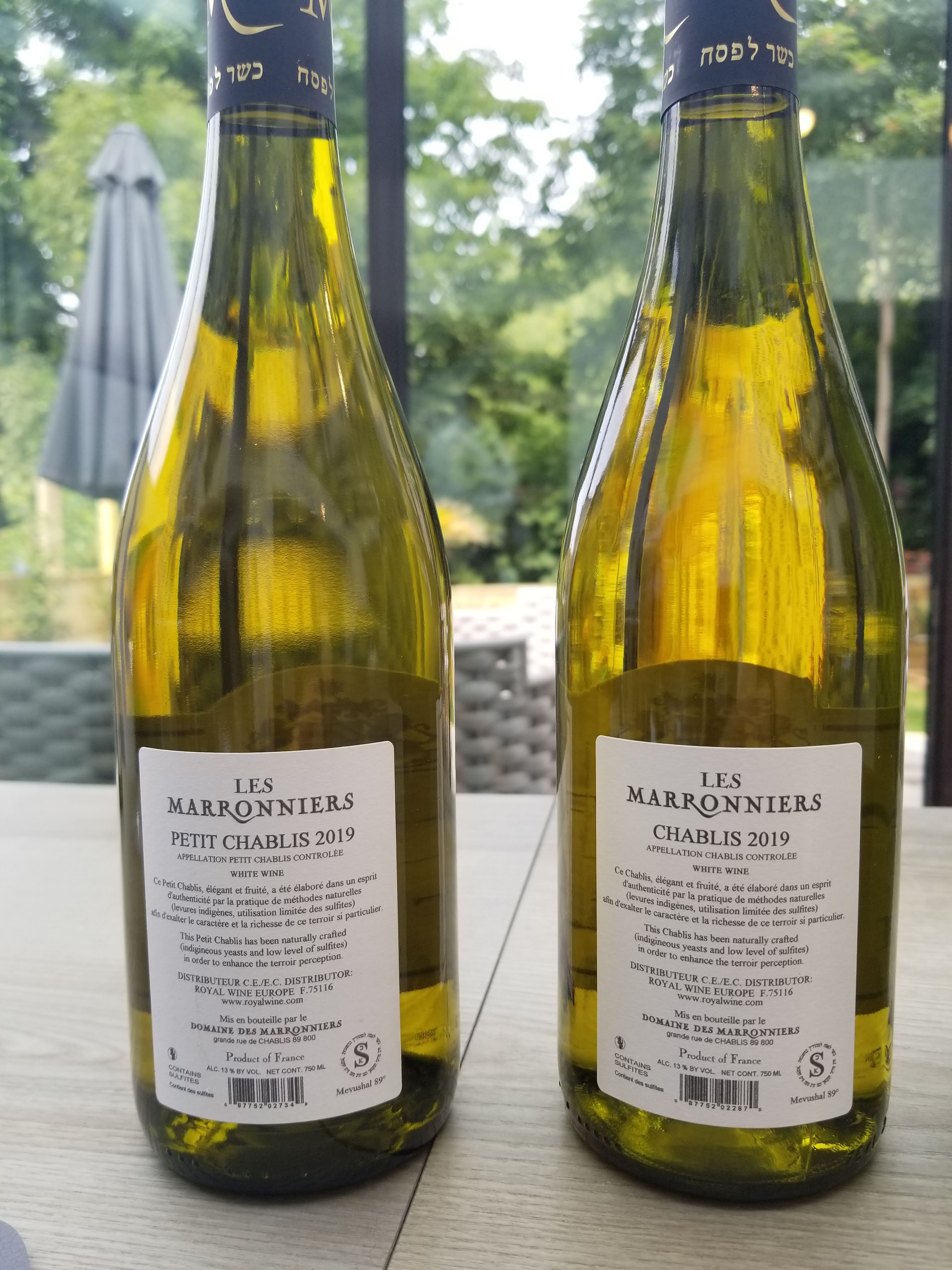
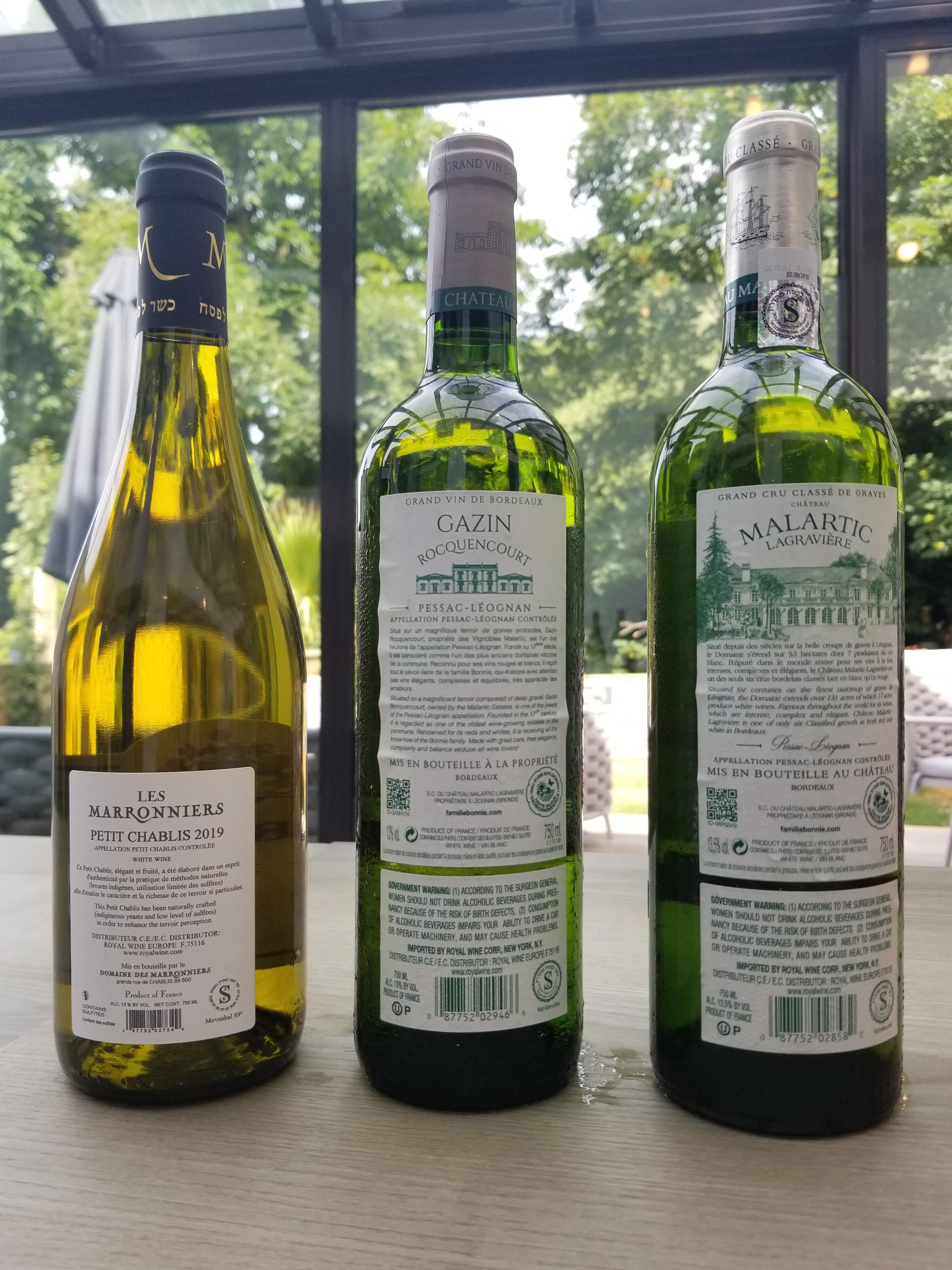


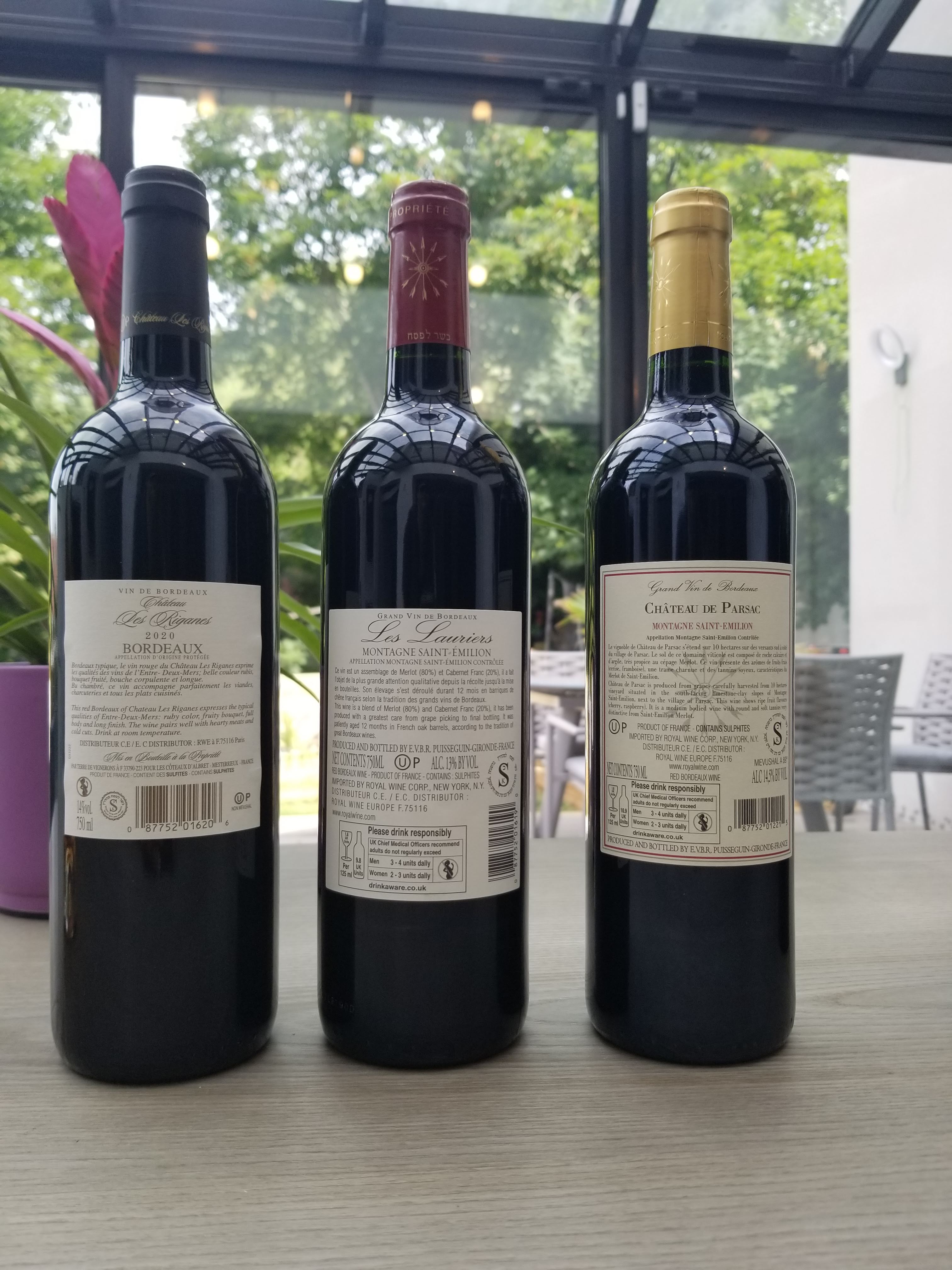
2019 Les Marrioners Petit Chablis (M) – Score: 90 (QPR: GOOD)
The nose on this wine is nice, tart, with floral notes of apple blossom, quince, mineral, slate, hay, straw, and smoke. The mouth on this medium-bodied wine is lovely, with great acidity, nice fruit focus, and a life to it that is quite refreshing. The mouth shows apple, quince, pear, hints of melon, blossom, orange pith, nectarines, and nice flint. The finish is long, green, with lemongrass, flint, and smoke, with acidity lingering long. Bravo!! Drink until 2023. (tasted June 2021)
2019 Les Marrionniers Chablis (M) – Score: 91 (QPR: GOOD)
The nose on this wine is quite nice with a rich focus that brings incredible minerality, rich saline, fruit that is more white and yellow with a clear precision that makes me smile. The mouth on this medium-bodied wine is rich, layered, and focused, with deep acidity and saline that brings the mouth together incredibly well, followed by rich apple, quince, peach, and mineral galore, the mouthfeel is oily and rich and really incredibly refreshing and also quite elegant, nice! The finish is super long, tart, green, with lemongrass, saline, slate, rock, and smoke, with grapefruit, lemon, and citrus galore. Bravo! Drink until 2024. (tasted June 2021)

Finishing my tasting of Royal Wine’s 2018 French wines in California
I know some of you are hoping for posts from my trip to France. However, I need to clean-up some missing posts, I have a lot of wine that needed to be posted and now I will do those quickly. After that I will start posting the wines I tasted in France.
So, back in November 2020, I did a tasting at my home to taste the 2018 wines from Royal, at least the ones that were here in the USA at that time. I will skip much of the text that I wrote then, but I will repost all the 2018 notes, to make it complete. Remember, all my notes have tasting dates on them.
In a previous post about the most recent French wines (at that time in 2017) that were arriving on the market – I already spoke about pricing and supply, so there is no need to talk that over again in this post.
While the 2015 and 2016 vintages were ripe, and the 2017 vintage was not ripe at all, the 2018 vintage makes the 2015 ripeness look tame! Now that is a very broad-stroke statement that cannot be used uniformly, but for the most part, go with it!
I see no reason to repeat what Decanter did – so please read this and I will repeat a few highlights below.
For a start, the drought came later in 2018,’ says Marchal, pointing out that early July saw less rain in 2016. ‘But when it came in 2018, it was more abrupt, with the green growth stopping across the whole region at pretty much the same time’. He sees it closer to 2009, but with more density to the fruit. … and high alcohols!
Alcohols will be highest on cooler soils that needed a long time to ripen, so the Côtes, the Satellites, and the cooler parts of St-Emilion have alcohols at 14.5-15%abv and more. I heard of one Cabernet Franc coming in at 16.5%abv, but that is an exception. In earlier-ripening areas, such as Pessac-Léognan and Pomerol, alcohols are likely to be more balanced at 13.5% or 14%abv, as they will have reached full phenolic ripeness earlier.
‘Pessac-Léognan did the best perhaps because it’s an early ripening site,’ said Marie-Laurence Porte of Enosens, ‘so they were able to get grapes in before over-concentration. If you had to wait for phenolic ripeness, that is where things could get difficult’.
The final averages per grape, according to Fabien Faget of Enosens, are Sauvignon Blanc 13.5%abv, Sémillon 12.5%abv, Merlot 14.5%abv, and Cabernet Sauvignon 14%abv’.
Final comments, disclaimer, and warnings
These wines are widely available in the USA, so support your local wine stores folks – they need your help! If you live in a wine-drinking desert, like California, support the online/shipping folks on the side of this blog. They are folks I buy from (as always – I NEVER get a bonus/kickback for your purchases)!
Again, I am just posting the 2018 reds and a couple of other wines that have changed in a good and bad way. My many thanks to Royal Wine for their help in procuring some of these wines. The wine notes follow below – the explanation of my “scores” can be found here:






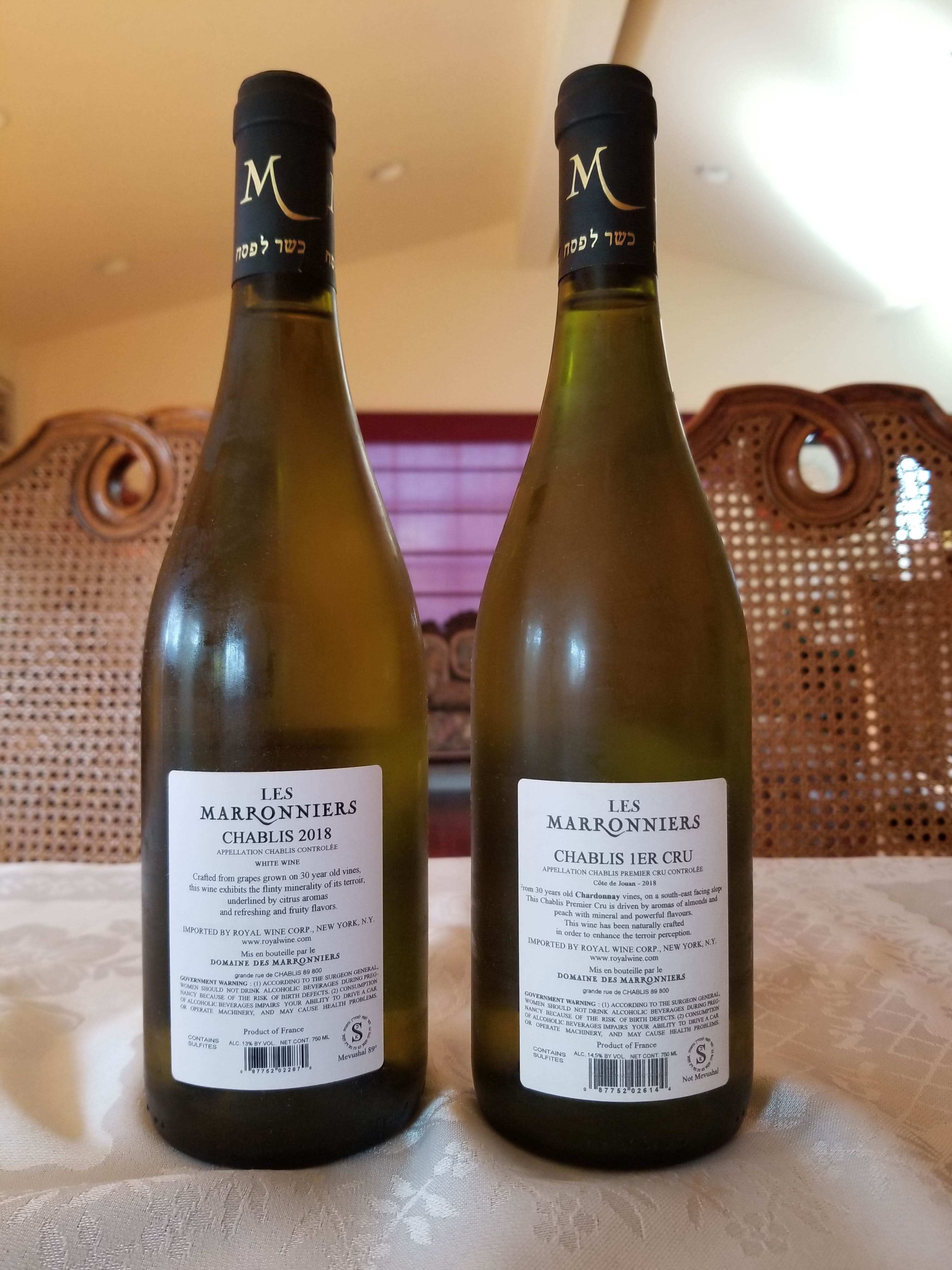
2018 Les Marronniers Chablis (M) – Score: 88 (QPR: EVEN)
Sadly, as I continue to watch this wine evolve I feel it is not a wine that I will stock up on. This and the 1er Cru, sadly. The reason is that the wine keeps losing acidity as it ages. We opened the wine on Friday afternoon, and even then it had turned, and by Shabbat morning the acidity was far removed from where it was on Friday and that feels further removed from my notes and memories.
This wine is made with native yeasts and as little manipulation as possible. The nose on this wine is beautiful with orange blossom, yellow apple, and rosehip, with lemon curd, and yeasty and creamy notes. The mouth was lovely in the past, at this point, it has moved even further. The mouth on this medium-bodied wine is not as acidic as in the past and it is time to drink, sweet Meyer lemon, quince, pie crust, with Anjou pear, and nice peach. The finish is a bit short, with baked pear and apple, cinnamon, nutmeg, some mineral, and now the fruit is showing sweeter. Drink now. (tasted March 2021)
2018 Les Marronniers Chablis, Premier Cru, Cote de Jouan – Score: 88 (QPR: POOR)
Sadly, as I continue to watch this wine evolve I feel it is not a wine that I will stock up on. This and the 1er Cru, sadly. The reason is that the wine keeps losing acidity as it ages. We opened the wine on Friday afternoon, and even then it had turned, and by Shabbat morning the acidity was far removed from where it was on Friday and that feels further removed from my notes and memories.
The nose on this wine still shows floral notes, starting with rosehip and yellow flowers, followed by some minerals, slate, blossom water, apple, and smoke. The mouth on this medium-bodied wine is where things have gone wrong, with a bit of weight at this time, yellow apple, some citrus, Asian Pear, nice peach/apricot, Orange pith, hints of nectarines and orange. Sadly, as I state above the acidity slows early and leaves in a few hours, so while I loved the wine at release, it is not for long holding. Drink now. (tasted March 2021)
Red Wines ordered by Vintage and QPR
2018 Chateau Le Crock, Saint-Estephe (M) – Score: 93 (QPR: WINNER)
The nose on this wine, is deep dark beautiful notes of black and red fruit, with rich salinity, mineral galore, with lovely tar, smoke, and what I crave from French wine – DIRT, DIRT, and more dirt! The nose is lovely, with green notes lurking in the background, and lovely licorice.
So, while I have been unhappy with the 2018 vintage so far, this wine returns my hope for the vintage, this wine is better than 2016, and that IS SAYING a lot!
This wine is a blend of 72% Cabernet Sauvignon, 22% Merlot, and 6% Cabernet Franc. The 2018 vintage has more Cab in it and it smells blacker than 2016 in many more ways than just that. Lovely wine! The blueberry of the past is gone and all you get is this intense earth, dirt, smoke, along with some shockingly beautiful violet, black and red fruit bonanza, with ripples of minerality through it – bravo and this is the Mevushal version!
The mouth on this full-bodied beast is impressive, with rich extraction, like in 2016, deeply concentrated, yet with lovely finesse and elegance, showing a richness that belies its youth, with blackberry, dark, yet controlled, plum, dark raspberry, earth, cherry, smoke, and a mouth draping elegance in the tannin structure that is impressive for its youth, with a lovely plushness, with deep furrows of graphite, saline, and rock. The finish is long, not so green, there is a few green notes, more in the way of tobacco than in the way of foliage, but here the finish is about the dirt, loam, forest floor, smoke, and dark chocolate, with hints of oak, with crazy acidity, leather, all wrapped in roasted herbs that linger long and forever. Bravo!!! This is the best Chateau Le Crock, I have ever tasted, at least in regards to the Mevushal version! Drink from 2025 until 2037. Incredible! (tasted Nov 2020)
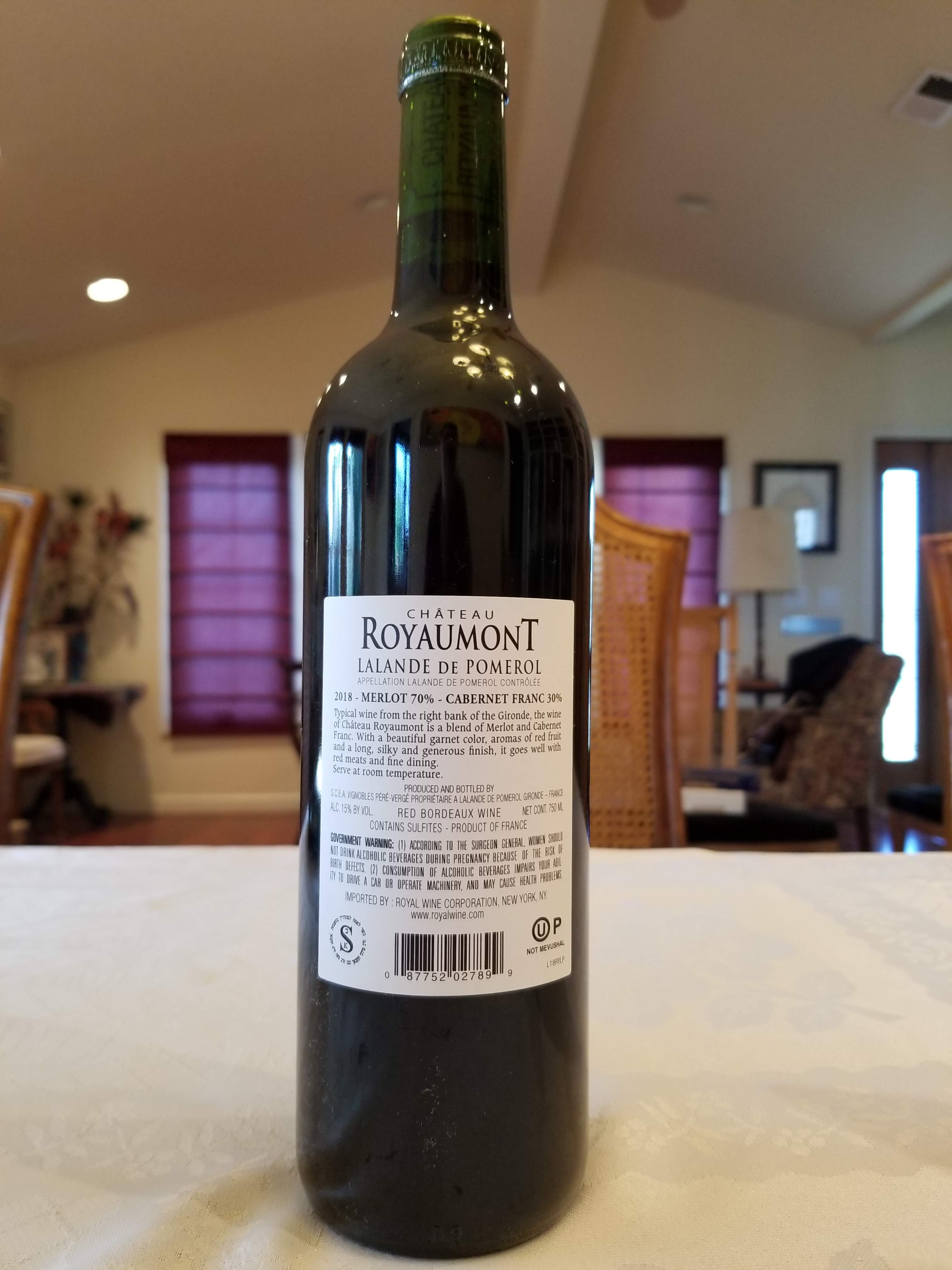
2018 Chateau Royaumont, Grand Vin Bordeaux – Score: 93 (QPR: WINNER)
This wine is a blend of 70% Merlot & 30% Cabernet Franc. The nose on this wine is balanced, though a bit ripe, with bright fruit, ripe plum, dark cherry, anise, menthol, tobacco, with green notes from the Cabernet Franc, foliage, smoke, and slightly burnt oak. The mouth on this full-bodied wine is well-balanced, with loads of fruit to start, layered, concentrated, plush, with screaming acid, black raspberry, plum, smoke, oak, rich fruit, nice saline, good dirt, earth, black pepper, with ripe fruit, and loads of mouth draping tannin. The finish is long, ripe, with loads of sweet chewing tobacco, dark chocolate almost milky, with more earth, graphite, and smoke galore. Nice! Drink from 2028 until 2034. (tasted May 2021)
2018 Chateau Fourcas Dupre, Listrac-Medoc – Score: 92+ (QPR: WINNER)
This wine is a blend of 44% each Cabernet Sauvignon and Merlot, with 10% Cabernet Franc and 2% Petit Verdot. The nose on this wine is ripe, scary ripe, but under a blanket of dirt, earth, smoke, more ripe fruit, mushroom, forest floor, and earth, wow! The mouth on this medium-bodied wine is lovely, rich, layered, elegant, but ripe, but the ripeness is balanced well by the acidity, with incredible dirt, along with floral notes, blackberry, currant, plum, and rich salinity, with dark chocolate, smoke, and rich loam, acid galore, and smoke. The finish is long, green, black, and mineral-driven, with loads of scrapping graphite, dirt, and foliage, wow! Bravo!! Drink from 2026 until 2033. (tasted January 2021)

Tasting of Royal Wine’s 2018 and some 2019 French wines in California
Well, it is official, 2020 continues to take, and though my annoyances are minor in comparison to the pain others are feeling, it still has impacted my routine, which I guess is the story of 2020. For the past three years, I have been tasting Royal’s latest wines with the man in France for Royal, Menahem Israelievitch. Sadly, this year, no matter how much I planned and tried, it is a no go. So, for the first time, in a long time, the tasting will be here in Cali and it will only be a small part of the 2018 and 2019 wines, such is life.
So, no there will not be a picture with all the wines, and some of the wines from last year are still not here right now! But, I will post here what I did taste so far, and my overall feeling of the 2018 and 2019 vintages.
In a previous post about the most recent French wines (at that time in 2017) that were arriving on the market – I already spoke about pricing and supply, so there is no need to talk that over again in this post.
While the 2015 and 2016 vintages were ripe, and the 2017 vintage was not ripe at all, the 2018 vintage makes the 2015 ripeness look tame! Now that is a very broad-stroke statement that cannot be used uniformly, but for the most part, go with it!
I see no reason to repeat what Decanter did – so please read this and I will repeat a few highlights below.
For a start, the drought came later in 2018,’ says Marchal, pointing out that early July saw less rain in 2016. ‘But when it came in 2018, it was more abrupt, with the green growth stopping across the whole region at pretty much the same time’. He sees it closer to 2009, but with more density to the fruit. … and high alcohols!
Alcohols will be highest on cooler soils that needed a long time to ripen, so the Côtes, the Satellites, and the cooler parts of St-Emilion have alcohols at 14.5-15%abv and more. I heard of one Cabernet Franc coming in at 16.5%abv, but that is an exception. In earlier-ripening areas, such as Pessac-Léognan and Pomerol, alcohols are likely to be more balanced at 13.5% or 14%abv, as they will have reached full phenolic ripeness earlier.
‘Pessac-Léognan did the best perhaps because it’s an early ripening site,’ said Marie-Laurence Porte of Enosens, ‘so they were able to get grapes in before over-concentration. If you had to wait for phenolic ripeness, that is where things could get difficult’.
The final averages per grape, according to Fabien Faget of Enosens, are Sauvignon Blanc 13.5%abv, Sémillon 12.5%abv, Merlot 14.5%abv, and Cabernet Sauvignon 14%abv’.
The Mevushal push, from Royal wines, is continuing for the USA labels, a fact I wonder about more and more. Look, if you are going to force Mevushal wine down our throats, why not import BOTH? If you look at the numbers for wines like we will taste in the post, the majority of the buyers are not restaurants or caterers. Sorry! No matter how much Royal Wines wants to fool itself into thinking. Throw in COVID and FORGET about this INSANITY, please! I beg of you!
There is no denying that it affects the wine, it does. I have tasted the Chateau Le Crock side by side, the Mevushal, and non-Mevushal and while I feel that Royal does a good job with the boiling, it is still affected. If you want to have Mevushal wines in the USA, then bring them BOTH in! Royal does this for Capcanes Peraj Petita and the undrinkable Edom and others in Israel. So what Royal is saying is – that could not sell the Chateau Le Crock numbers that they import into the USA without boiling it? Why else would they feel forced to boil it and import it if not otherwise? To me, it makes me sad, and in a way, it disrespects what Royal is trying to do to its French wine portfolio, IMHO. They should, at minimum, import both! Allow for the caterers and restaurants (like anyone needs that nowadays – HUH???) to have the Mevushal version and sell the non-mevushal version to us, as you do with Edom and Petita. There I have stated my peace, I am 100% sure I will be ignored – but I have tried!
The Mevushal wines from France for the 2018/2019 vintage will be, the 2018 Barons Edmond et Benjamin de Rothschild, Haut-Medoc, 2018 Chateau Greysac, 2018 Chateau Chateau de Parsac, 2018 Les Lauriers, Des Domaines Edmond de Rothschild, 2018 Chateau Le Crock, 2019 Chateau Les Riganes, Red, 2018 Chateau Genlaire, along with the whites wines, the 2019 Bourgogne Les Truffieres, Chardonnay, the 2019 Les Marronniers, Chablis, and the 2019 Chateau Les Riganes, Blanc.
Now does mevushal impede the long-term viability of aging in regards to the wine? Well, that too is not something that we have scientific proof of. I have tasted a mevushal 1999 Herzog Special Edition and it was aging beautifully! So, would I buy the mevushal versions of the wines I tasted below – yes! Would I age them? Yes, I would hold them for slightly fewer years.
Other than the mevushal aspect, there are no differences between the European version of the wines and the USA version of the wines. While that sounds obvious, I am just stating it here. The wines will be shipped now and the temperature issues that affected Israel’s wines of old, have not been a factor here.
The “other” wines not here yet or I have not had
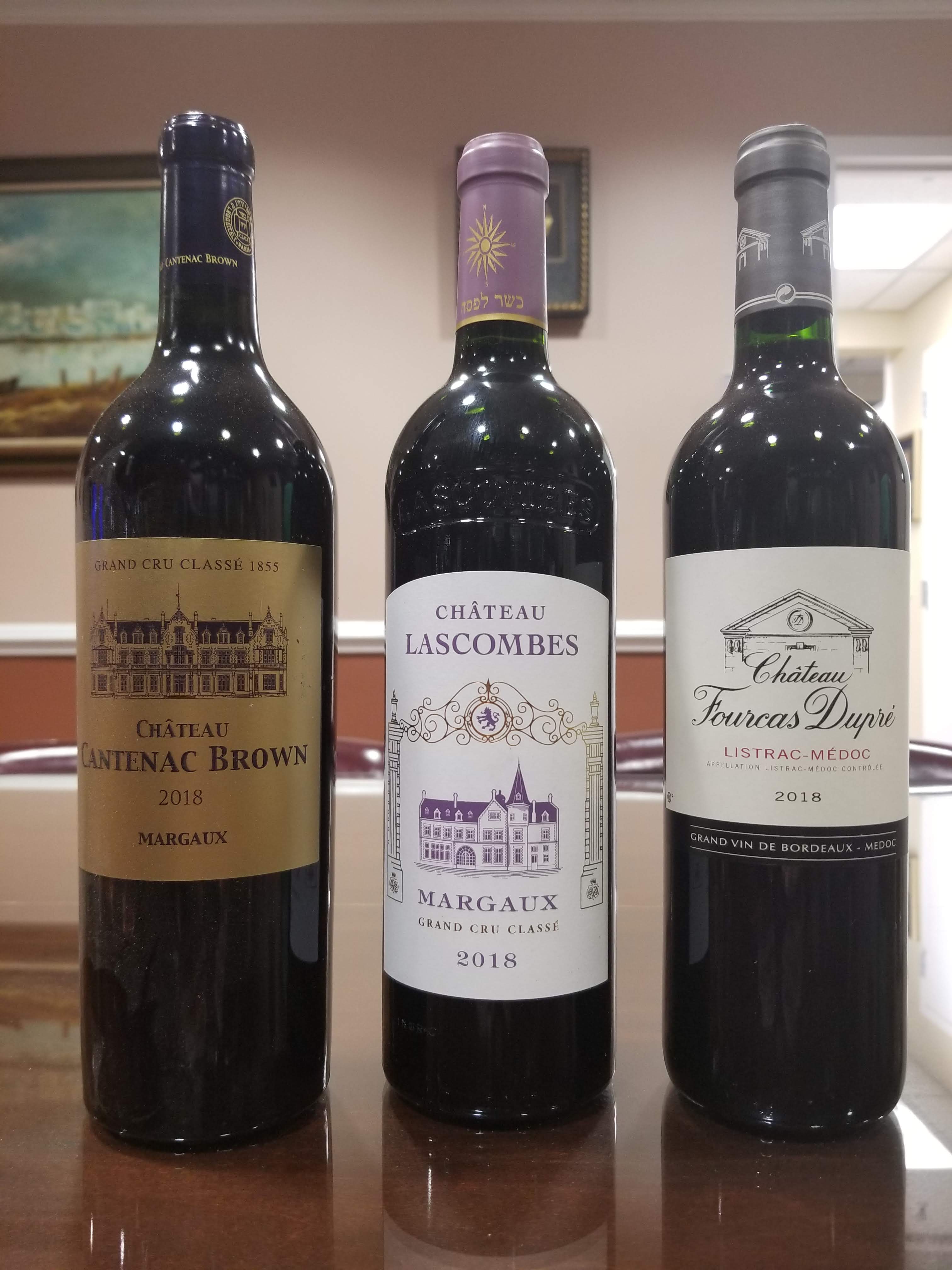
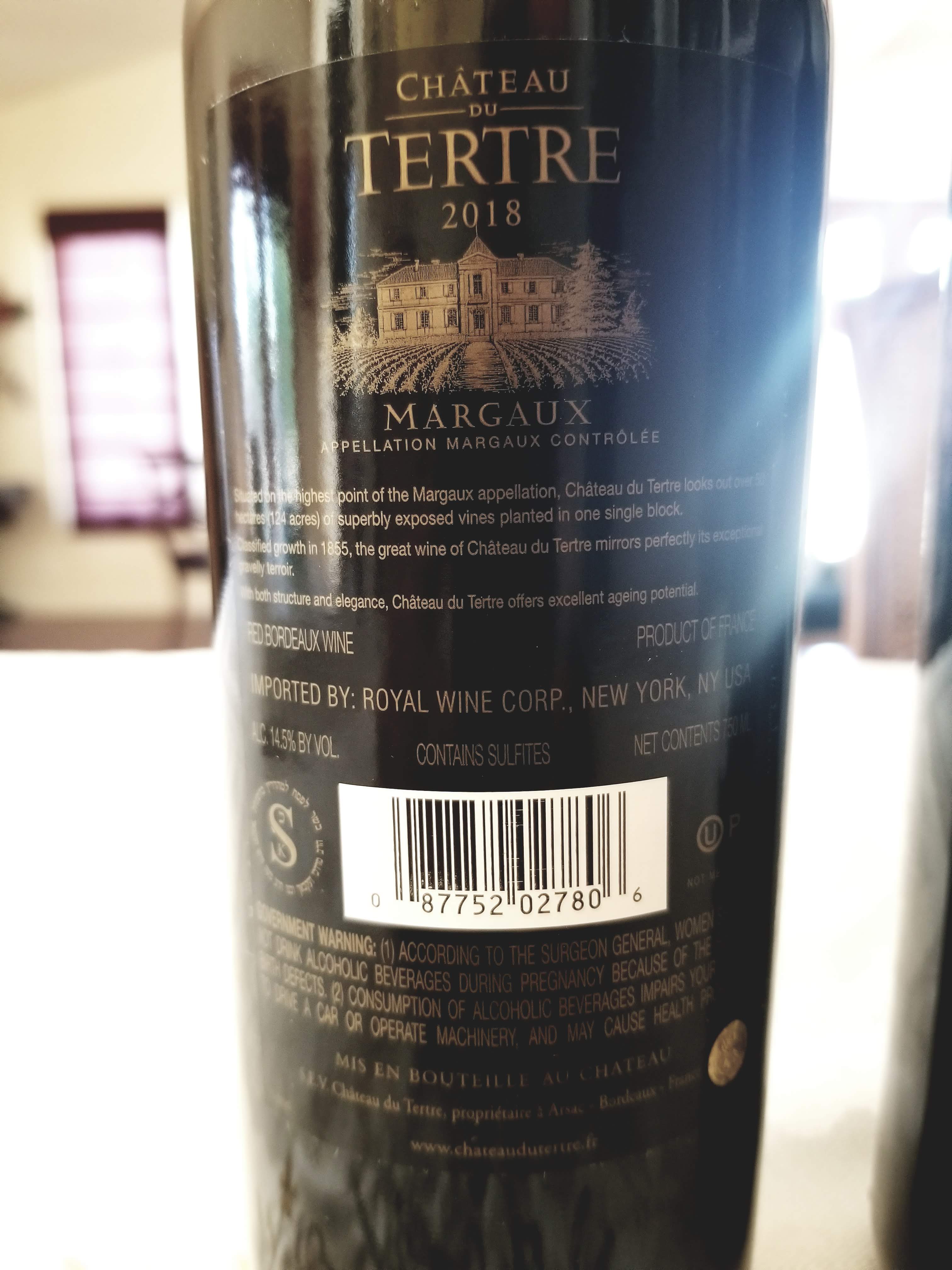
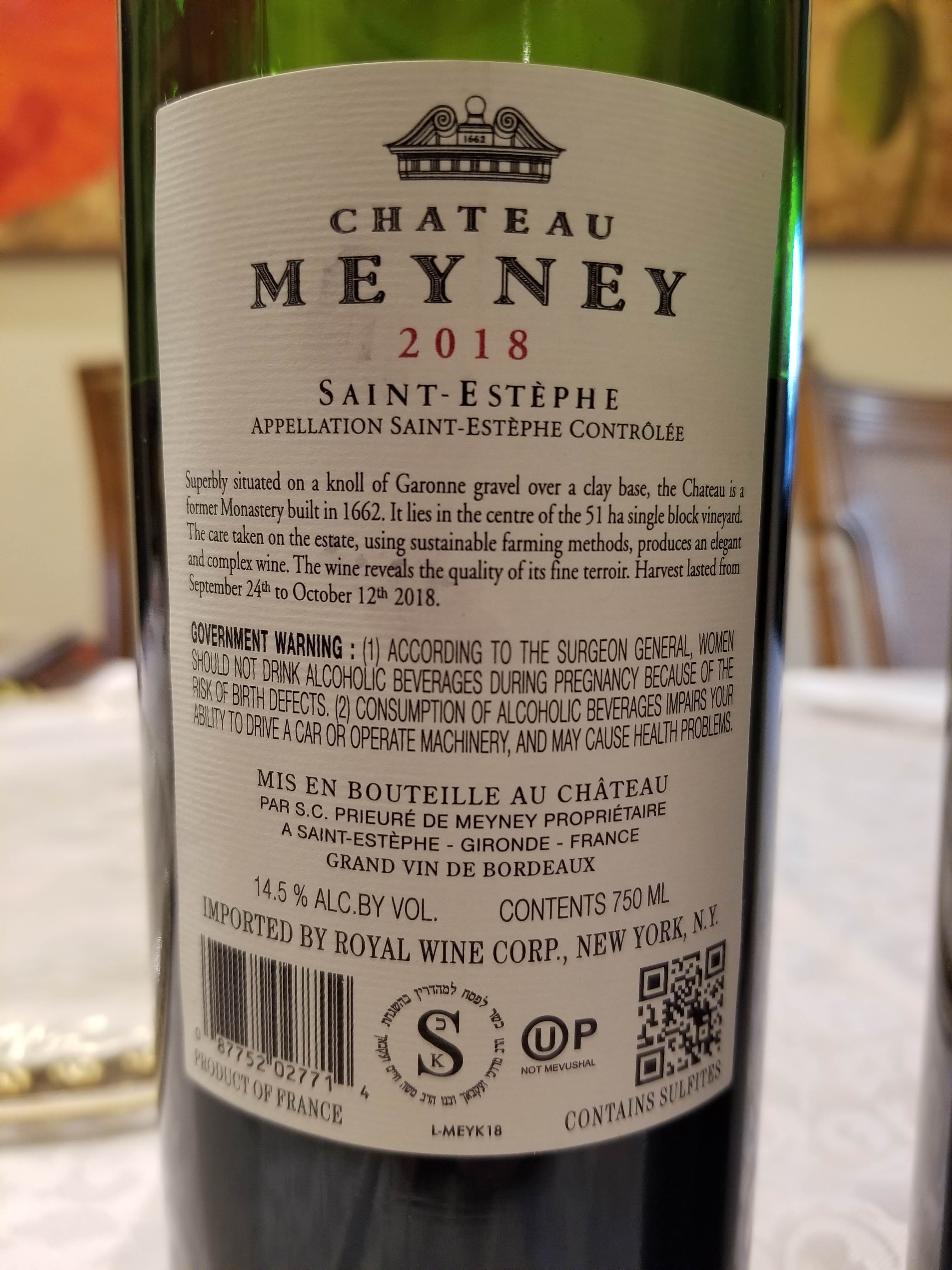
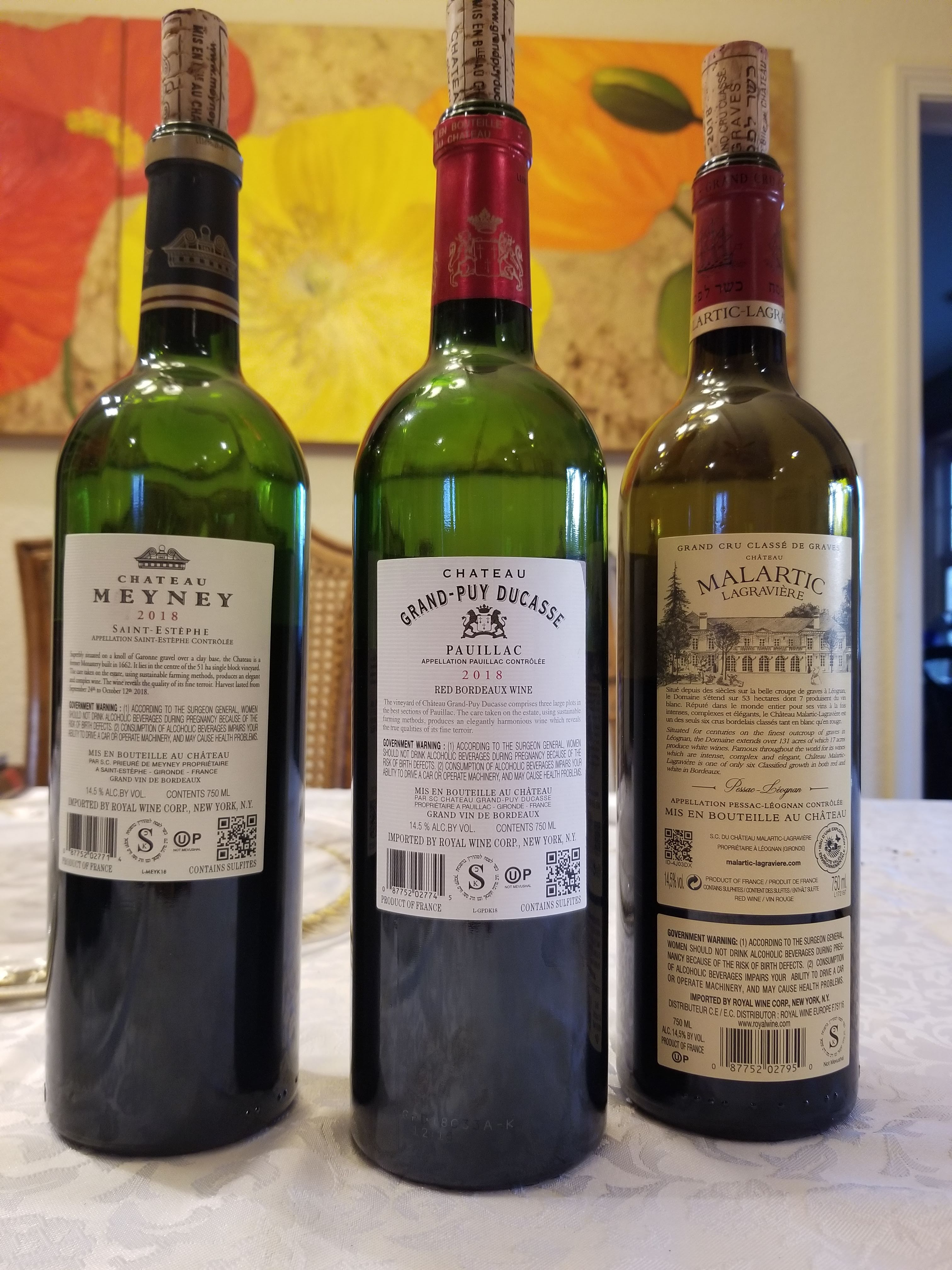
There is the just-released 2018 Château Cantenac Brown Margaux (will post that when I get it), along with these yet unreleased wines. The 2019 Chateau Gazin Blanc (2018 was/is INCREDIBLE), 2018 Chateau Fourcas Dupre, 2018 Château Meyney Saint Estèphe, 2018 Chateau Giscours, 2018 Chateau Lascombes, 2018 Chatyeau Tertre, and 2018 Chateau Royaumont.
I understand this is a sub-optimal situation and blog post. It does not cover Royal’s 2018/2019 European wine portfolio. Still, it covers what has been released (or very close to it), here in the USA, and hopefully, it will help you. One day soon, I hope and pray, things will return to some semblance of normalcy, and we will all travel around again. Until then, this is the best I can do. Stay safe!
Final comments, disclaimer, and warnings
First, there are a TON of QPR winners but there are also a LOT of good wines that I will be buying. Please NOTE vintages. The 20016 Haut Condissas is a disaster while the 2017 vintage is fantastic! So, please be careful!
These wines are widely available in the USA, so support your local wine stores folks – they need your help! If you live in a wine-drinking desert, like California, support the online/shipping folks on the side of this blog. They are folks I buy from (as always – I NEVER get a bonus/kickback for your purchases – NOT MY STYLE)!
Sadly, there was no plane trip, no hotels, no restaurants, nothing. So, no trip to talk about – just the wines and my lovely home! Stay safe all and here are the wines I have had so far. I have also posted many scores of 2015, 2016, 2017, and 2018 wines which are still for sale here in the USA. My many thanks to Royal Wine for their help in procuring some of these wines. The wine notes follow below – the explanation of my “scores” can be found here:




 Wine Musings Blog