Blog Archives

The start of 2020 roses and whites and six QPR WINNERS
I am going to keep this post real short. I am catching up on some wines that I have tasted over the past month or more. Sadly, most of these are a mess or just good enough. Thankfully, there were six QPR (Quality to Price) Winners. That included the 2017 Carmel Riesling, Kayoumi Vineyards. I have said this a few times, Rieslings need time! 2017 is no different. It needed time to come around and now it is a solid QPR WINNER.
Roses are slowly trickling in and on kosher wine sites, you can see as many as 20 2020 roses. Sadly, it takes time for them to get to me, so I will start my usual procession of rose wines in a subsequent post, as they get to me here in California. So far, like 2019, they are a mess, and they feel like a total waste of my money.
In the end, the QPR WINNERS are no surprise! The 2020 Covenant Sauvignon Blanc is a solid wine and one that has lovely control and acidity. Having a wine like this with all that mother nature threw at California in 2020, I say Bravo to Covenant Winery! There are two Netofa Latour QPR WINNERS and OMG they are absolute ROCK stars. Please do me a favor and GET THEM! They will move fast! The 2016 Terra di Seta Chianti Classico, Riserva is another absolute Rock Star! Finally, the last QPR WINNER was the new vintage of the Flechas Gran Malbec a lovely wine that is not ready yet but will be nice when it is.
There were a few wines that were not winners:
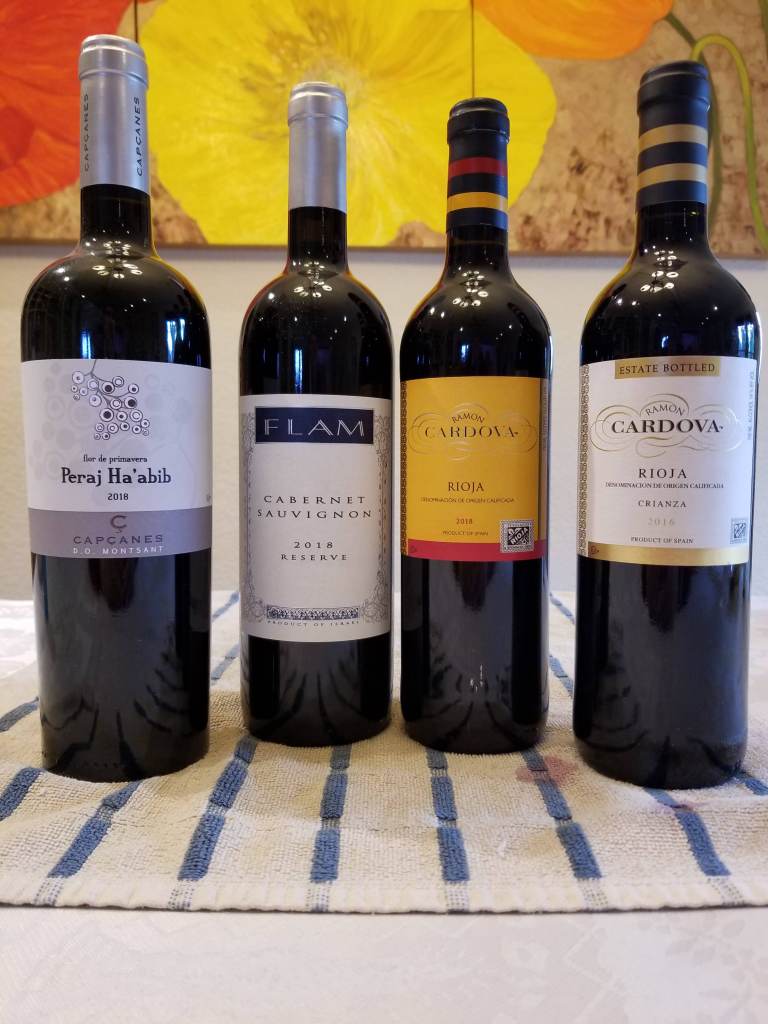
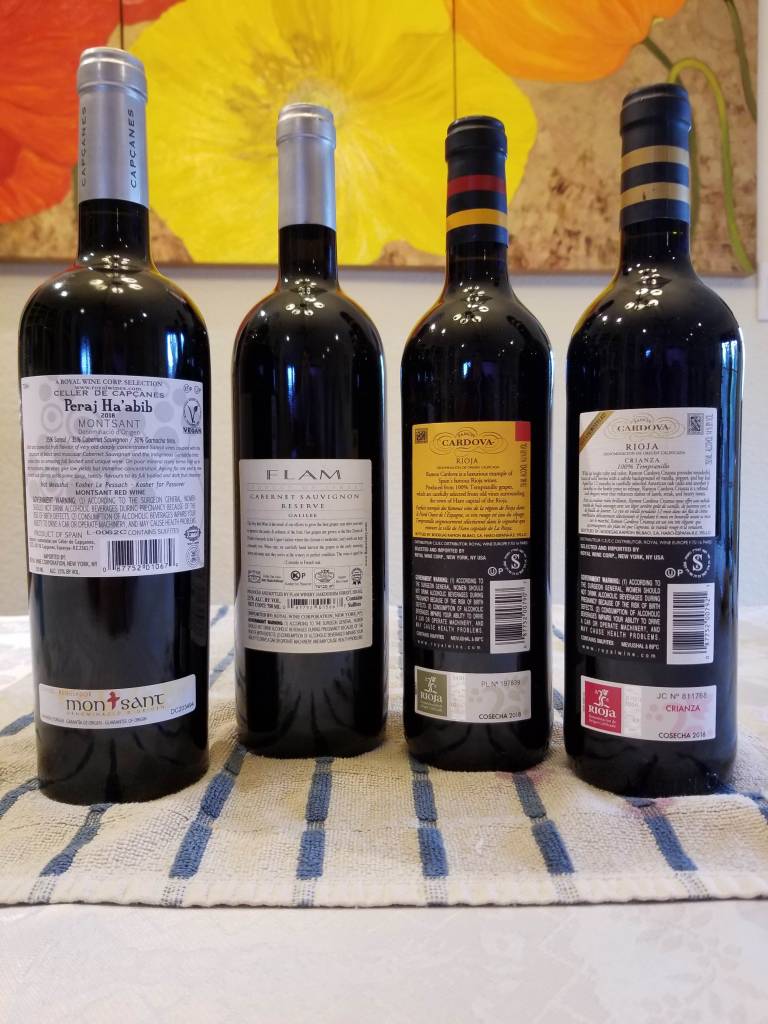
- The much-ballyhooed 2018 Capcanes Peraj Ha’abib. I had it and it was a mess to mess. It was ripe from the start and while that ripeness did calm a bit it never really came around and for the most part, it was just OK.
- I was not a fan of any of the Carmel Mediterranean Vats wines. The 2019 Mediterranean 2 Vats white wine was ok, but it felt to me like it has RS (Residual Sugar) and that does not fly with me at all.
- The 2017 Marciano Terra Gratia was shockingly ripe and is probably the most elegant Date-juice driven wine I have ever tasted. I could be convinced, at gunpoint, to enjoy that wine, based solely on its elegance.
- The 2018 Dalton Petite Sirah was nice enough, but for the price, and the overall quality, it was a miss for me.
- Sadly, the 2018 Koenig wines continue to not impress, other than the lovely Riesling
- I tasted a large number of Victor Wines and none of them were any good.
While these other wines were not WINNERS they were quite enjoyable:
- I got to taste the new 2018 Dampt Freres Bourgogne. It is a much better version than the 2017 vintage. Sadly, the wine will probably sell for a price that does not let it be a QPR WINNER. I hope future wines will be priced lower. The sad truth is that there are few good QPR WINNER wines in the simple red wine category. It is a very hard nut to crack both in regards to making good wine and keeping it at the QPR price for that category, which is 20 or so dollars, at this moment.
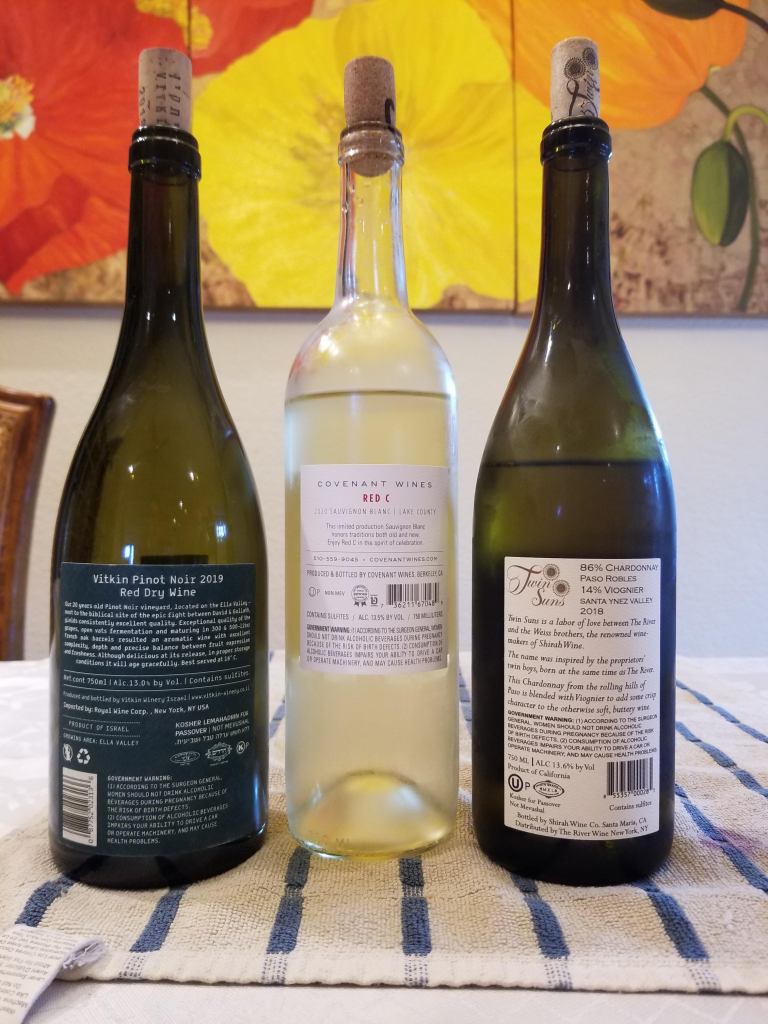
- There were two nice 2019 Vitkin Wines the 2019 Vitkin Pinot Noir and the 2019 Vitkin Israeli Journey. These wines are solid, both a 90 score, but the prices are still too high for such wines. They are both simple reds and they price above the 20 dollar price range for simple red wines. They punch MUCH higher in regards to quality. The median score for simple reds is 87, at this moment. Again, getting a red wine to score WINNER in the simple red wine category is really tough!
- The Twin Sun white and Rose wines have been doing a great job, which is no surprise, as the Weiss Brothers know how to make great white and Rose wines. The 2018 Twin Suns Chardonnay-Viognier is a nice wine and at a very good price! Nice!
- The famous Matar Sparkling wine was nice enough, but it is not nearly as good as the Yarden Sparkling wines and it is more expensive. The bottle is nice!
- I had the chance to taste the 2017 Chateau Leoville Poyferre again, under less than perfect conditions, NO NOT the KFWV bottle, and I have revised notes, but the score stays the same.
The wine notes follow below – the explanation of my “scores” can be found here:


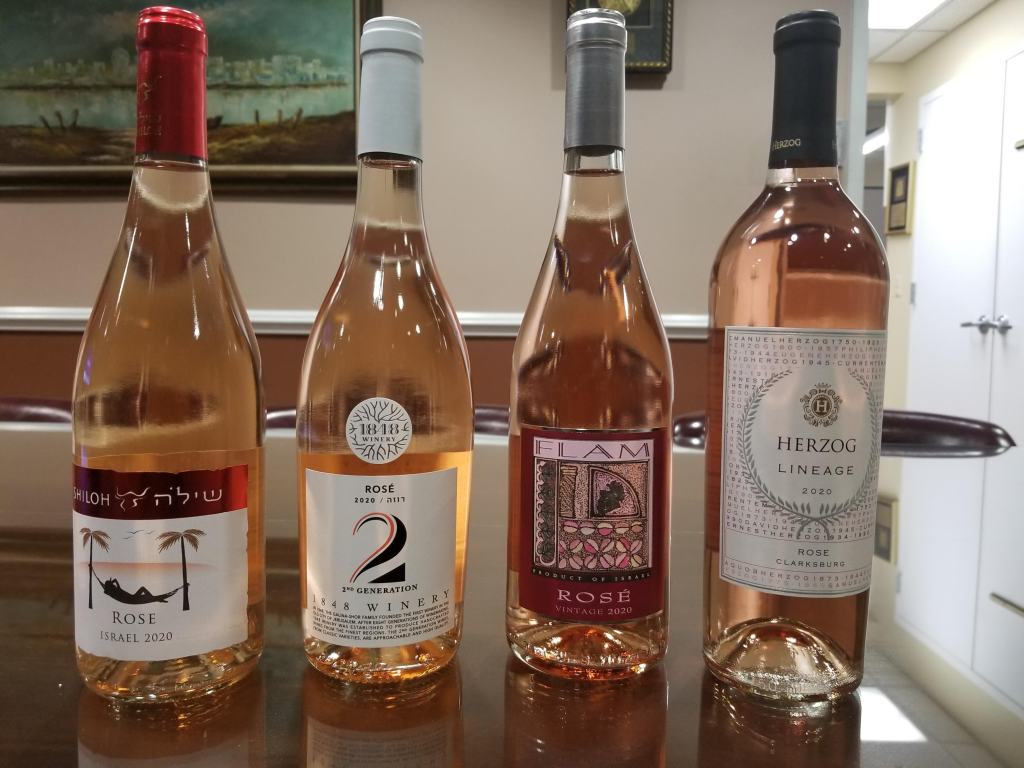
2020 Rose Wines
2020 Flam Rose – Score: 89+ (QPR: EVEN)
The nose on this wine is nice, with floral notes, with strawberry, flint, and red fruit. The mouth on this medium-bodied wine is nice, with good acid, nice mouthfeel, with a good fruit-focus, nice strawberry, currants, and good grapefruit. (tasted January 2021)
2020 1848 2nd Generation Rose – Score: 84 (QPR: EVEN)
The nose on this wine is nice enough with notes of rosehip, floral notes, citrus, and mineral The mouth on this medium-bodied wine is nice, with good acidity, and not much else, with more citrus, grapefruit, currants, and strawberry. The finish is long, acidic, and more currants and flowers. (tasted January 2021)
2020 Herzog Lineage Rose (M) – Score: 80 (QPR: NA)
Sadly, this is off-dry, it has sweet notes and not my thing. The nose on this wine has a Muscat feel, with floral notes, pineapple, cooked cabbage, and red fruit. The mouth on this medium-bodied wine has no acid, is sweet, ripe, guava, melon, and no citrus, no acid, tropical, and not much else. (tasted January 2021)
2020 Shiloh Rose (M) – Score: 73 (QPR: NA)
The nose on this wine is tropical and ripe, with hints of mineral, and citrus. The mouth on this wine is where it all goes bad, sweet, unbalanced, bitter, a mess. (tasted January 2021)
Wines ordered in score order
2016 Terra di Seta Chianti Classico, Riserva – Score: 93+ (QPR: WINNER)
This is one of the most balanced versions of the Riserva in a very long time. The Riserva is normally undrinkable for a few years, this one is far more accessible than any previous version – WOW! The nose on this wine is incredible, with mushroom, truffle, soy sauce, tar, with floral notes of violets, and earth, smoke, and rich dark fruit, WOW! The mouth on this full-bodied wine is incredible, tannic, gripping, earthy, smoky, and fruity, with lovely tart cherry, currant, plum, and ripe blackberry, with rich earth, loam, mushroom, intense saline, black olives, with intense acid, and mouth-drying and draping aggressive tannin, wow! The finish is long, black, green, and earthy, with umami, soy sauce again, with incredible floral notes, leather, tobacco, tar, and richness, wow! Bravo!! Drink from 2025 until 2033. (tasted January 2021)
2017 Chateau Leoville Poyferre, Saint-Julien – Score: 93+ (QPR: EVEN)
The nose is beautiful and well-controlled with crazy pencil shavings, rich black, and blue fruit, followed by tar, earth, smoke, and licorice. The mouth on this medium to full-bodied wine is closed to start with layers upon layers of currants, dark cherry, blackberry, with mouth draping tannin, crazy mineral, pencil shavings galore, with plush elegance that is plush, mouth-coating, yet the ripeness in the background is ripe and scary, but hedonistic and voluptuous, with layers of tar, earth, licorice, bell pepper, and loads of tannin galore, showing elegance and plushness, with clear hedonistic leanings and graphite/acid core that makes it all work. The finish is long, black, green, and tannic, with plush fruit and smoke, with tobacco, chocolate-covered coffee bean, and earth galore. Bravo!! Drink from 2028 until 2037 (tasted February 2021)

The top QPR Kosher wine WINNERS of 2020
This past year I wanted to drive home the need for QPR (Quality to Price Ratio) wines. So I set out to create what I thought a QPR metric should be! Gone were arbitrary price ranges and the such. Instead, I let the market define what the QPR price range should be. I did this by grouping the wines by their type (white, red, rose, sparkling, and dessert) and then further refined the grouping by age-ability within the white and red wines. This gave me the following groups:
- Drink “soon” White Wine (Simple whites)
- Rose Wine (always drink soon)
- Drink “soon” Red Wine (Simple reds)
- Mid-range aging Reds (4 to 11 years)
- High-end Red wines (11 and more years)
- High-end White wines (7 and more years)
- Sparkling Wine (No need here for extra differentiation)
- Dessert Wine
I then made the mistake of trying to create an Orange wine range/group – that was a HUGE mistake. Again, the wines themselves were not the issue, the issue revolved around trying to group such a small sample set into its group. They will go into their respective white wine category, next year.
Throughout the year, I posted many QPR posts, for almost all of the main categories. I will continue down this road until I find a better way to categorize and track wines that are QPR WINNERS. Talk about WINNERS, that secondary QPR score was a 2.1 revision to my QPR scoring, and that is explained in this post. All the wines listed here are QPR WINNERS from my tastings in 2020.
This year, the list came to a total of 25 names, and none had to dip below 91 in the scores, which is a large number and better scores overall than last year, but again, the pool from where they are culled continues to grow, and the diamonds in the rough are getting harder and harder to find.
I have added a few new things this year. The first is QPR for France, the prices for many wines there, are dirt cheap! Maybe, Avi Davidowitz, from kosher wine unfiltered, can create a list like that for Israel, this year, a bunch of wines became available there, and a proper QPR list would be worthwhile!
Shoutout to TWO GREAT wines that are just sitting around!
I am sorry to get on my soapbox before we get to the top QPR wines of 2020. But I have to ask what is wrong with Les Roches de Yon-Figeac? What is wrong with Albarino?
The 2016 Les Roches de Yon-Figeac is sitting around and no one is buying it! WHY??? It sits around and there is no real better option, IMHO, at this price point, currently. Yet, the wines sit! The crazy part is that the 2016 Les Roches is lovely, but 2017 is even better!!! The 2016 vintage has been here in the USA for years already! The price is perfect, 36 or 37 dollars for an impressive wine that can be enjoyed now, if you decant it well or age for 12 more years!
What about the Albarino wines? There is the cheap but wonderful 2018 Ramon Cardova Albarino, along with the 2018 Herzog Albarino, Special Reserve, at 2x the price. They are wonderful wines and they too sit on the sidelines! Horrible Sauvignon Blanc and Chardonnay wines sellout but these far better white options sit around. It is great that some of you have been enjoying Riesling, Grenache Blanc, and other varieties, but COME ON FOLKS – try other white wines – PLEASE!!
Finally, some of these wines are hard to find and they may have different siblings – but they are worth the effort. The wine notes follow below – the explanation of my “scores” can be found here:
The 2020 White QPR kosher WINNERS
The Dampt Grand Cru from 2018 was the white wine of the year and the 2017 Dampt is the white Co-QPR white wine of the year. The other Co-QPR white wine of the year is the lovely 2019 Pescaja Terre Alfieri Arneis Solei. It is almost as unique as the 2013 Eccelenza, Bianco Umbria, which was crazy cool. These wines are worth the effort to find them, IMHO!
2019 Pescaja Terre Alfieri Arneis Solei – Score: 92+ (QPR: WINNER)
WOW! this is Arneis fruit, but to me, it is Sauvignon Blanc all the way, but where it departs from classic SB is the pear and almond which should tell you that something is either very wrong or this is not SB, which in case, is the latter, this is not Sauvignon Blanc! If anything this is more a perfect blend of Sauvignon Blanc and Viognier, incredible!
PSA – This wine needs to be CHILLED – LIKE Champagne chilled, PLEASE!
The nose on this wine is truly redolent and super-expressive, if this is lost on you, please do not buy the wine, leave it for others who can appreciate it! This wine does indeed have notes of gooseberry, and cat pee, and lovely green notes, but it also has loads of floral notes, showing violet, rose, salted almond, chamomile, white flowers, and sweet ripe pear, and grapefruit. The mouth on this medium-bodied white wine is INCREDIBLE, nuts, with layers upon layers of incredible fruit, sure it has a drop of RS, but who cares! The mouth is layered with ripe pear, peach, apricot, ripe pomelo, with incredible honeysuckle, followed by honey, honeyed and spiced Citron, and incredible mineral, slate, spice, nutmeg, freshly-cut grass, straw, hay, and lovely roasted almond on the super longer lingering finish – WOW!! This is fun! Drink until 2024. (tasted August 2020)
2017 Dampt Freres Chablis, Premier Cru, Cote de Lechet – Score: 93 (QPR: WINNER)
OK, so, 2017 is the year for Chablis, and of what I had from Dampt Freres, two years ago, a few showed quite well. Those were Petit and a more minor vineyard. This wine is the 2017 Premier Cru and what a wine it is! My goodness, this is what Chardonnay, unoaked of course, ie meant to smell and taste like. It is pure mineral and fruit, with loads of dirt, smoke, and flint – a true joy – BRAVO!!!
The nose on this lovely wine is purely mineral notes, sure there is apple, peach, apricot, and some other white fruit, but who cares, what shines here is the mineral attack, shist, rock, flint, along with lovely white flowers, almonds, and hints of mushroom – I WANT THIS! The mouth on this medium-bodied wine is lovely, layers upon layers, come at you, with non-stop attack of mineral, fruit, earth, rich spices, and more mineral. The apricot, peach, yellow and green apple from the nose are present, as are hints of lychee, lovely Meyer lemon, and a tiny amount of crazy Kafir lime leaves and juice – WOW! The finish is so long, with incredible minerality, showing flint, rock, shist, and lovely straw, that brings the entire wine together – wow! A true joy – get this!! Drink until 2025. (tasted December 2020)

My top 25 kosher wines of 2020 including Wine of the Year, Winery of the Year, and the best Wine of the Year awards
Like last year, I wanted to make this post short and sweet – so the criteria are simple. I could care less about price, color, or where it was made. All that matters is that it is/was available this year sometime to the public at large and that I tasted it in a reliable environment, not just at a tasting, and that it was scored a 92 or higher. Also, there are a few lower scoring wines here because of their uniqueness or really good QPR.
We are returning with the “wine of the year”, “best wine of the year” along with categories I added last year, “Winery of the Year”, “Best White wine of the year”. Wine of the year goes to a wine that distinguished itself in ways that are beyond the normal. It needs to be a wine that is easily available, incredible in style and flavor, and it needs to be reasonable in price. It may be the QPR wine of the year or sometimes it will be a wine that so distinguished itself for other reasons. The wines of the year are a type of wine that is severely unappreciated, though ones that have had a crazy renaissance, over the past two years. The Best Wine of the year goes to a wine well worthy of the title.
This past year, I think I am pretty sure about my state on kosher wine overall. In the past, I had not yet tasted the pape Clement or other such wines. However, over the past year, those have been covered, and they were a serious letdown. As stated in the article, I truly believe the entire kosher production of the Megrez wines, following the EPIC 2014 vintage of the Pape Clement and others, to be below quality and seriously overpriced, and without value in every category, which is a true shame. The 2015 reds are all poor quality and the whites are not much better, in 2015 and 2016. The 2016 Pape Clement, while better, is a total ripoff for what it is. As I will talk about in my year in review post, 2014 will come out as the best vintage for the past decade in France. That is a hotly debated subject, but IMHO, in the world of kosher wine, there were FAR more best wine options in the 2014 vintage than any other vintage in the past decade. That may not be the case for non-kosher wines, but news flash, I do not drink non-kosher wines, or even taste them, and further this blog is about kosher wines. The 2018 vintage may well have some serious “best wine of the year” candidates, but sadly, not all of those wines are here and I could not travel to France to taste them all, as I do commonly.
There are also interesting wines below the wines of the year, think of them as runner-up wines of the year. There will be no rose wines on the list this year. If last year, I thought the roses were pure junk, this year, you can add another nail in the coffin of rose wines, IMHO. Thankfully, the task of culling the bounty of great wines to come to these top wines was more a task of removing then adding. We are blessed with a bounty of good wines – just not like a few years ago when that bounty included many 95 and 95+ scoring wines.
The supreme bounty comes from the fact that Royal released the 2018 French wines a bit early! Throw in the incredible number of kosher European wines that are coming to the USA and being sold in Europe and this was truly a year of bounty for European kosher wines.
Now, separately, I love red wines, but white wines – done correctly, are a whole other story! Sadly, in regards to whites, we had no new wines from Germany, still. Thankfully, we have some awesome new entries, from the 2017 and 2018 Dampt Freres Chablis, both Grand Cru and Premier Cru, and the new 2019 Meursault!
The wines on the list this year are all available here in the USA, in Europe, and a few can be found in Israel, as well.
Finally, some of these wines are hard to find and they may have different siblings – but they are worth the effort. The wine notes follow below – the explanation of my “scores” can be found here:
The 2020 kosher wine of the year – is a return to its greatness – the 2018 Elvi Wines EL26
Elvi EL26 is back! Back to the glory days and I have stocked up and sadly, it will sell out quickly, if it is not already sold out! Get a move on, there was not a huge production of this beauty!
So, why did EL26 win? Simple, it is a great wine, and then throw in its WINNER price, and this wine punches at two levels, at the same time! You can read more about this fantastic wine here, in my post about it. Enjoy!
2018 Elvi Wines EL26, Elite, Priorat – Score: 93 (QPR: WINNER)
This wine is a blend of 80% Garnacha (Grenache) and 20% Carignan. This wine is pure heaven, dirt, smoke, roasted animal, saline, mineral, juicy tart red, and blue fruit, with incredible precision and fruit focus – Bravo!
The nose on this wine is pure fun, showing tart red fruit, incredible fresh loam, and dirt, hints of mushroom, licorice, roasted animal, a whiff of oak, sage, rosemary, with dirt, and green notes. This wine is currently far more Bordeaux in style than that of a Spanish Priorat! The mouth on this medium-bodied wine is not overly extracted, but it is well extracted, with good mouth and fruit texture, with incredible acid, good fruit focus, showing dark cherry, plum, ripe and tart raspberry, strawberry, oak, vanilla, and garrigue, with green notes, and lovely mouth-draping tannin. The finish is long, green, yet ripe, with great control and precision, with lovely graphite, more roasted meat, scraping minerality, saline, rich smoking tobacco, and smoke, lots of char and smoke. Bravo! With time the wine opens more and shows its riper side, still very controlled, but the fun red and blue fruit become a bit fuller and richer in the mouth – quite an impressive wine! Drink from 2026 until 2036. (tasted December 2020)

Four Gates Winery’s January 2021 new releases
Disclaimer – do not blame me for posting this AFTER Benyo sold his wines. That was not MY choice. I was asked to wait on my post until after the sale of the wines this year. Also, Four gates Winery and Benyamin Cantz (which are one the same), never saw or knew my notes until I posted them today.
As you all know, I am a huge fan of Four Gates Winery, and yes he is a dear friend. So, as is my custom, as many ask me what wines I like of the new releases, here are my notes on the new wines.
I have written many times about Four Gates Winery and its winemaker/Vigneron Benyamin Cantz. Read the post and all the subsequent posts about Four Gates wine releases, especially this post of Four Gates – that truly describes the lore of Four Gates Winery.
Other than maybe Yarden and Yatir (which are off my buying lists – other than their whites and bubblies), very few if any release wines later than Four Gates. The slowest releaser may well be Domaine Roses Camille.
Four Gates grapes versus bought grapes
It has been stated that great wine starts in the vineyard, and when it comes to Four gates wine, it is so true. I have enjoyed the 1996 and 1997 versions of Benyamin’s wines and it is because of his care and control that he has for his vineyard. That said, the Cabernet Sauvignon grapes he receives from the Monte Bello Ridge shows the same care and love in the wines we have enjoyed since 2009.
I have immense faith in Benyo’s wines that are sourced from his vineyard and the Monte Bello Ridge vineyard. The other wines, that he creates from other sources, are sometimes wonderful, like the 2010 Four Gates Syrah that I tasted recently, and I would have sworn it was a Rhone wine, crazy minerality, acid, and backbone, with fruit NOT taking center stage, though ever so evident, the way is meant to be! Others, while lovely on release may well not be the everlasting kind of Four Gates wines.
The new wines
New in 2021 will be the 2018 Four Gates Negrette, a unique wine that was nice. Also, a Petit Verdot from Santa Clara Valley AVA, and another Malbec from the same vineyard as in 2017, in Santa Cruz but not from the Four Gates vineyards.
The rest of the wines are the normal suspects, but this year’s crop is a bit better than last year. First, you have the 2016 Four Gates Cabernet Sauvignon, followed by an N.V. Four Gates Pinot Noir, 2016 Four Gates Merlot, and two 2019 Chardonnay wines, both under the Four gates label.
Prices and Quantities
I have heard it over and over again. That I and others caused Benyo to raise his prices. First of all that is a flat-out lie. I never asked for higher prices, but when asked the value of his wines, the real answer I could give was more than 26 dollars.
Let us be clear, all of us that got used to 18/26 dollar prices and stocked up on his wines in those days should be happy. The fact that he raised prices, is a matter of basic price dynamics, and classic supply and demand. Four Gates has been seeing more demand for the wines while the quantity of what is being made is slowing down.
The law of Supply and Demand tells you that the prices will go up, even if I beg for lower prices.
Now Four Gates Winery is one of the few cult wineries in the kosher wine world that releases wines every year. Sure there have been crazy cult wines, like the 2005 and 2006 DRC wines, or some other such rarities. His wines are in a class of their own, especially when it is his grapes, and there is less of it out there.
Lastly, the fact that he sold out his year’s stock of wine in 7 minutes or so, tells you that his wines are in demand and that the prices will reflect that.
So, I am done with the discussion, and I hope you all got some of the wines. Sadly, all the wines we tasted were shiners, so there are no pictures.
The notes speak for themselves. This year I liked all the options for sale, in comparison to previous vintages. However, I did not get to taste one of the Chardonnay that was for sale (2019 Four Gates Chardonnay). The wine notes follow below – the explanation of my “scores” can be found here:
2019 Four Gates Chardonnay, Cuvee Riche, Estate Bottled, Santa Cruz Mountains, CA – Score: 92 (QPR: GOOD)
The nose on this wine is lovely, a classic Benyo Chard, rich melon, green apple, smoke, toast, creme Brulee, kiwi, citrus, and pie. The mouth on this medium-plus bodied wine is lovely, with great acidity, toast, and it feels sweeter than normal, yet still showing wonderfully controlled fruit, lovely creme brulee, citrus rind, rich baked apple/melon pie, with lemon and mineral. The finish is long, sweet, spicy, cloves, cinnamon, and toast. Nice! Drink from 2023 until 2028.
2018 Four Gates Petit Verdot, Santa Clara Valley, CA – Score: 91 (QPR: GOOD)
The nose on this wine is lovely with big, bold, and rich notes of boysenberry, dark currants, with loads of violets, very feminine, with rich baking spices, cumin, dirt, paraffin, and loam, very nice. The mouth on this medium-bodied wine is elegant, showing more of the feminine nose, with more blueberry, black plum, nice spices, good salinity, a lovely mouthfeel, and nice green notes that give way to more blue and black fruit. The finish is long, green, with more violet, floral notes, nice spices, and good oak. Nice Drink until 2025.

Herzog Wine cellar’s 2018 lineup is sensational – beyond just the Cabernet Sauvignons
Herzog Wine Cellars (which now go by herzogwine.com not herzogwinecellars.com, no idea why they dropped that and emails bounce all over the place, a better idea would have been simple web/MX record routing/forwarding – but enough tech talk) has been in the wine business, in California, since 1984. The days of San Martin, when I met Josh Goodman and his wife (PSA – be careful with how you pronounce her name) when they were in the San Jose Jewish community. In those days, San Jose was the closest thing to a community for them, that was close enough to San Martin, for them to live a Jewish life and work as cellar rat/master at Herzog Wine cellars. With time, the Herzog moved to Santa Maria, which was closer to the L.A. area and then they finally moved to the location they are today, in Oxnard, in 2005.
In the start, the head winemaker was Peter Stern, mostly as a part-time winemaker. In 1998, Joe Hurliman joined as the full-time winemaker at Herzog Wine and they have not looked back, thankfully! In that time, Joseph Herzog took over running the winery and Tierra Sur, the wonderful restaurant attached to the winery. Soon after moving into the Oxnard winery/facility, Herzog undertook multiple manners to interact with their customers. The first approach was the winery’s tasting room, which is still highly pivotal in attracting all members and customers into tasting Herzog wines. They also started with many wine clubs, with the most influential one being Eagle’s Landing. It has become the area where Mr. Hurliman can truly experiment, at smaller scales, than even the Special Edition series and craft wines that he would love to see become mainstream. Things like Santa Rita Pinot Noir, Templeton Pass Zinfandel (we need more of that kind of Zin being made!!), and Paso Robles Syrah. These are not new to the kosher world as much as they are good to see at the scale and care that Herzog can bring to these varietals and wines.
One cannot talk about Herzog without talking about a few very poignant points:
- Mevushal
- Cabernet Sauvignon
- Vineyards
- Ageability
- L.A. KFWE/IFWF/Tierra Sur – Todd Aarons
Mevushal Program
Herzog did not invent the Mevushal methodology in the new era of kosher wine, which was done by Hagafen Winery, but Herzog has been equal or slightly better than Hagafen as time has progressed. When you ask who does the best with Mevushal in wines – the answer is Hagafen and Herzog, there is no one else in their league. Royal Wines Europe does a nice job as well, but they are two peas in the same pod. Rollan de By does a very good job as well.
The next question you will consistently get is – does the Mevushal process hurt wine? The answer is complex and like everything in this world, it depends. It depends on the process you use, the varietals you “boil”, and for how long you do the process, and at what temperature. Long ago, people have stopped boiling wine – they moved to Flash pasteurization or Flash Detente, both in the kosher wine world and outside of it. The length of time and the temperature of the flash is one that is hotly debated in the Rabbinic kosher world, which is why you will see many put the temperature the wine was flashed at, on the wine bottle itself. Few wineries will flash Pinot Noir or Grenache as these wines are delicate and will not gain from the flash process. Herzog does flash their Lineage Pinot and it is not a wine for long holding so that works with what they are shooting for. Hagafen, flashes everything and as such, they do flash the Pinot and Pinot Prix, but IMHO it has been hurting the wines in recent vintages. Doing the Mevushal process to Cabernet Sauvignon is one that works and may well be the most prevalent of the varietals out there that go through the Mevushal process.
Cabernet Sauvignon
This leads us to the standing joke, in regards to Herzog Wine Cellars, that Herzog makes more Cabernet Sauvignon, in a single vintage, than almost any winery makes wine, across all labels. They are the Cab Kings like Oryah is the Orange wine Factory. My last count was 27 Cabernet sauvignons across all labels, which is a crazy number, but to be fair, they know what their customers want. No matter the price, style, makeup, or focus of the Cabernet Sauvignon, Herzog has a Cab for you and that has been their motto for as long as they have been at Oxnard, and maybe even a bit before in Santa Maria.
Vineyards
Herzog has done a very good job in both managing leases/relationships with vineyards – dating back to the early days of the 1990s. Chalk Hill and Alex Reserve are both examples of vineyards they have managed to lease and continue to do so for decades. This is not anything new in any way, but it was for kosher California wines in the 1990s. Hagafen Winery has had vineyards that they have leased or owned for long stretches’ of time as well. It is just a very impressive thing to have done back then.
They have quietly been buying vineyards all around California. It started in 2010 when they were forced to buy the land or lose their longtime relationship with Clarksburg grapes. Then in 2017, they bought 2 plots of land in lake County. Then in 2018, they bought the Herzog Ridge Vineyard in Napa Valley. The new 2018/2019 Forebearer wines (listed below) are from that vineyard.
Ageability
There are not many wineries today, in the kosher market, that have wines dating backing to 1996 that still blow my mind. yes, I continue to have my mind blown by 1997 Four Gates Merlot or Pinot Noir, and Yarden made some wines back then that were pretty good as well. However, to have made wine continuously, minus a few years here and there, I would have to say, the only ones that come to mind are Capcanes (until 2015), Herzog, and Four Gates. That is quite an impressive feat and one that helps me to buy their wines on an almost yearly basis.
L.A. KFWE/IFWF/Tierra Sur – Todd Aarons
Tierra Sur was a smash hit years before IFWF came to Los Angeles in 2008. Todd Aarons was running the ship and he could well have been the first kosher Chef-Driven restaurant, at least in the USA. There were a few in Paris in the late 1990s that were quite the thing. Still, Chef Aarons brought that flair, focus on ingredients, and presentation to a far-flung location, outside of L.A., but within driving distance, that made Tierra Sur world-famous for kosher and non-kosher consumers alike.
The IFWF (International Food and Wine Festival), the west coast’s KFWE was Herzog’s way of showing off the food over the wine. The 2007 KFWE, and many after it, was more focused on the wine and good for them! What Herzog has done for so long with the IFWF or the KFWE is to showcase what Los Angeles has over the east coast, at least at that time for sure, which was the weather and great food!
2018 Wines
Now on to the wines! The 2017 vintage was not kind to much of California and sadly it affected Herzog wines as well. I did like the 2017 Lineage Chardonnay and the 2017 Herzog Cabernet Sauvignon, Lake County, with the Clone Six showing some elegance from under the issues of the vintage. All of that is in the past and the 2018 vintage is another winner. These wines are rich and layered and truly a joy – I would not sit long on the sidelines, I would buy these ASAP before they all go away. So to those that ask me – why did you not warn me – you have been warned!
In the end, this vintage is a WINNER across the board. The Forebearers are nice wines but they are relatively expensive, in comparison to other Herzog options, from 2018. The Pinot Noir, Cabernet Sauvignon, Lineage, Reserve, even the Baron Herzog line have great deals and lovely wines. Overall, if I was standing in front of Joe Hurliman at KFWE, I would have said what I am oft to say – Bravo my good sir – BRAVO!
I will keep this short, so my many thanks to Joseph Herzog, David Whittemore, Joe Hurliman, and Alicia Wilbur for answering my many emails and calls. Be well to you all, California is getting even crazier – stay safe guys! The wine notes follow below – the explanation of my “scores” can be found here:
2018 and 2019 Forebearers Wines
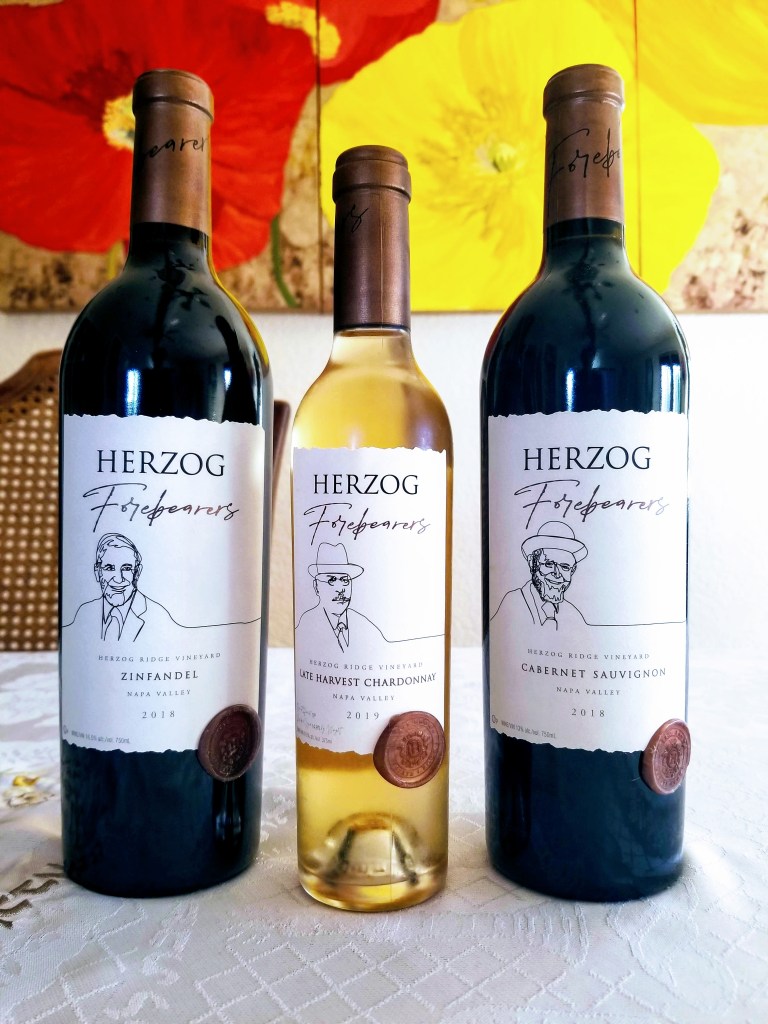

2018 Herzog Cabernet Sauvignon, Forebearers, Napa Valley (M) – Score: 92+ (QPR: POOR)
The wine is very slow to open, this wine needs time, so give it the respect it deserves. The nose on this wine is lovely, not one of those “Brilliance” fruit bombs, this is a lovely earthy, anise filled joy, with smoke, tar, fruit galore, but well-controlled, with loam, candied ginger, and more fruit. The mouth on this medium-bodied wine is oaky, it starts off with a clear focus of oak, and has a bit of a hole, but with time, as I said, this needs it, the hold fills in well, with a rich coat of mouth-draping tannin, earth, sweet dill, oak, blackberry, dark cherry, hints of plum, and currants, all wrapped in tannin and oak, very nice. The finish is plush, and tart, with good acidity, earth, more dill, sweet smoking tobacco, dark chocolate, and anise. Really nice, a wine to get and store away. Bravo!
With loads of time, this wine really starts to shine and I highly underestimated it, this wine is super young and needs time. I would wait 3 years to play with this again. Let this beast lie. Drink from 2024 until 2028 maybe longer. (tasted Nov 2020)

More simple white, red, and rose Kosher wines, with some mid-range reds – with more WINNERS
As I close out the QPR posts for each of the wine categories, I forgot a few of the simple white wines – so here is a post of them. Please look at the past simple white wines post for more on QPR and the simple white wine category. Again, QPR (Quality to Price Ratio) is where kosher wine needs to go. QPR means well-priced wines. Still, people do not get QPR. To me, QPR WINNER is what I describe and explain here. The overall revised QPR methodology is described here (and linked from the WINNER post as well).
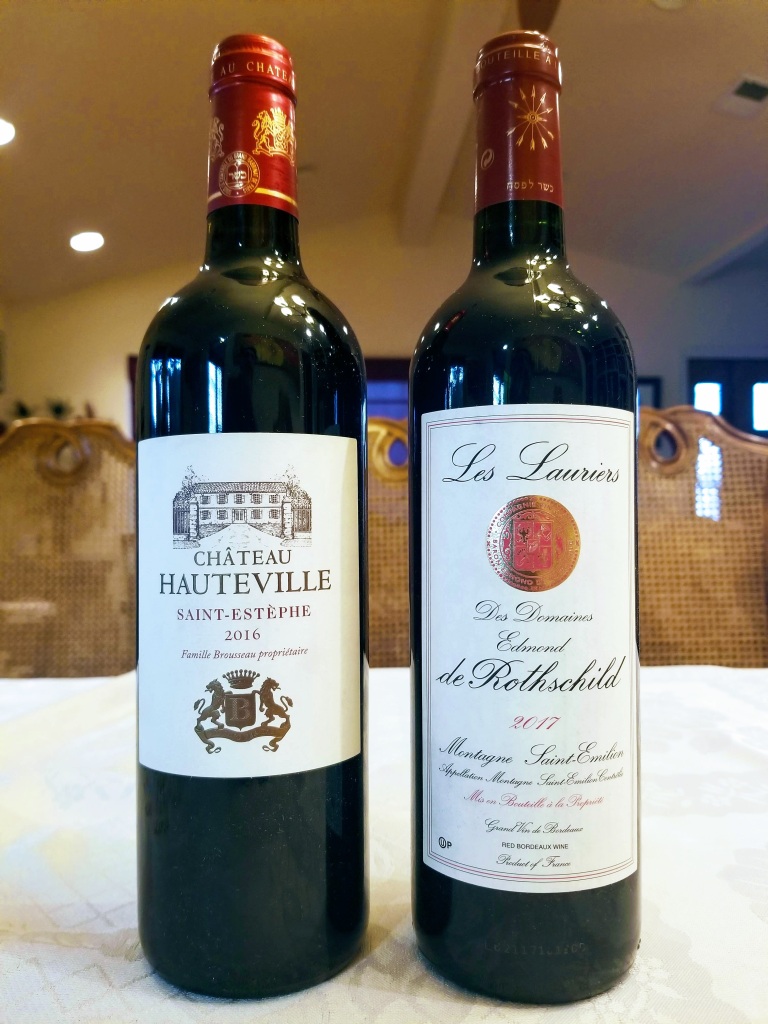
One more reminder, “Simple” white wines is a wine that will not age more than seven or so years. So, please no hate mail! There are many WINNERS here, enjoy! I also threw in a few roses with one WINNER, but it is a 2019 Rose, and 2020 roses are about to be released, so drink up those 2019 roses already. I also tasted a few reds, with the 2017 Les Lauriers de Rothschild getting a slightly higher score.
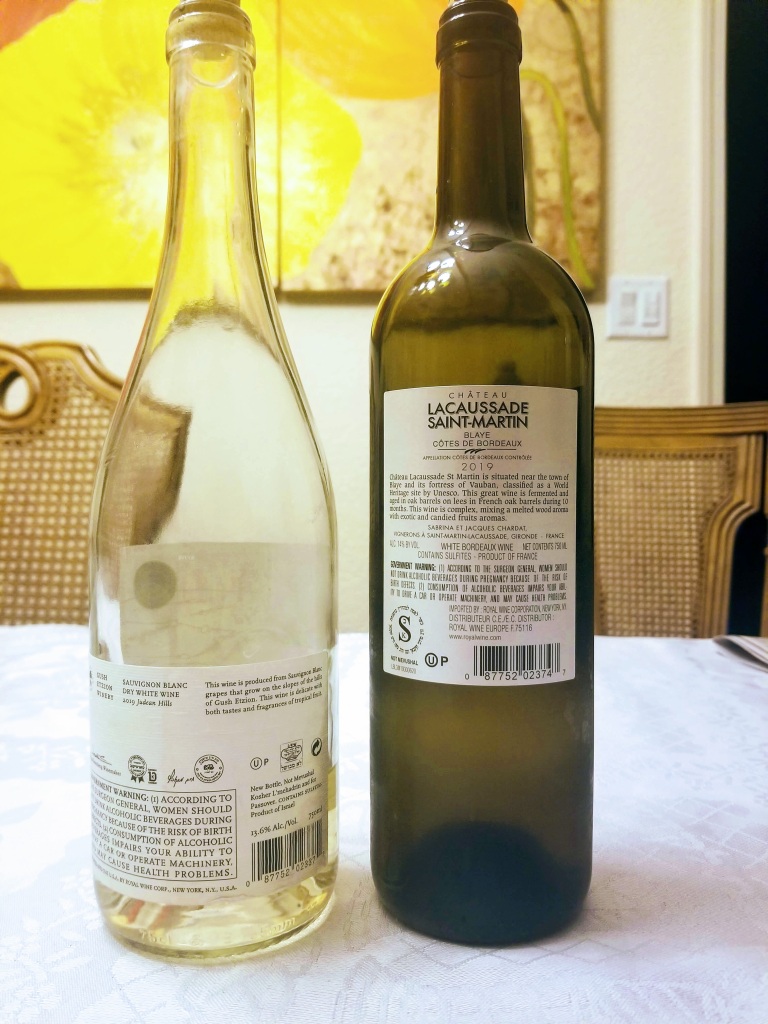
The clear WINNER of this tasting is the 2019 Chateau Lacaussade, Vieilles Vignes, Saint-Martin. That along with the 2018 Koenig Riesling, which I like more now than I did a year ago. Also, the 2017 Les Lauriers de Rothschild. The 2017 Les Lauriers de Rothschild, Montagne Saint-Emilion was a winner in my previous post, I just slightly raised the score on it.
The wine note follows below – the explanation of my “scores” can be found here and the explanation for QPR scores can be found here:




ROSE Wines (DRINK them now – if you must)
2019 Rubis Roc Rose – Score: 91 (QPR: WINNER)
This wine is a blend of 50% Cinsault and 50% Cabernet Sauvignon. This is a weighty and food-required style rose than a refreshing rose. The nose of this wine is fresh and alive, with meaty notes, showing red and blue fruit notes, with nice citrus, with good attack and herbs. The mouth on this medium-bodied wine is solid, a drop less acid than I would like, but still very good with hot peppers, green notes, blue fruit, raspberry, dried lime/lemon, with mineral, and nice spice. The finish is long, green, and enjoyable, with good structure and nice minerality, nice! Drink now. (tasted Oct 2020)
2019 Yaacov Oryah Pretty as the Moon Rose– Score: 89+ (QPR: POOR)
This rose is a blend of 45% Syrah, 40% Grenache, and 15% Petite Sirah. The nose on this wine is divine – a lovely nose of floral violet, loads of rosehip, followed by a bit of nice funk, dried and tart cranberry, along with loads of mineral, this smells like what I want from a Provence wine, with dried/tart red fruit, a bit of reductive oxidation, and green notes as well. The mouth on this medium-bodied wine is nice but the acidity is where the wine fails, it has acidity, but the wine’s profile, which has nice fruity and refreshing characteristics lacks the punch of bright acidity to bring it all together, still, showing mineral, and lovely red fruit, with tart strawberry, lovely green/tart apple, quince, watermelon, hints of passion fruit, and loads of mineral. The finish is long, complex enough, with slate, graphite, more flowers, and lovely freshness, WOW! Bravo! Drink now! (tasted Oct 2020)

Kosher Mid-Range aging red wines may well be the sweet spot for the kosher wine market – lots of WINNERS.
We are working our way through the QPR 2.1 and 2.0 wine categories and so far, outside of simple white wines, there has not been a lot of love or WINNERS to talk about. However, things start to change with the 2nd red wine category.
These wines are drinkable now but will improve a bit with time. They are not the undrinkable wine category, which will be next, but rather these wines are good now and may garner some of those tertiary notes we all love so much, with a bit of time in the bottle. These kinds of wines are normally more expensive, but this is where the QPR (Quality to Price ratio) sweet spot exists, IMHO.
As explained in my last post, the wine categorization is impacted by what I think the wine will last. Meaning that a poor wine will not be more enjoyable in 5 years if it is a painful date juice now. Nor will the wine be more ageable depending on the price of the wine. The length of time wine can live in the bottle is not scientific in any manner, it is subjective, much like the wine’s score, still, it is based upon this that the wines are judged for their QPR.
Mid-range aging Reds (4 to 11 years) – cellar saviors
As I have stated enough times now, the fact that a wine can “live” for 10 or so years, tells you that the wine is good to start with, or at least professionally made. Still, the next level up, High-end Red wines (11 and more years), come at a much higher price range. Yes, there are sweet spot wines there as well, but there are more here in the mid-range options. Also, these are the wines that will save your cellar. Look, I like wines like the 2019 Chateau Les Riganes, or the 2017 Chateau Mayne Guyon just fine! But when you want something with a bit more polish or elegance and you do not want to raid your high-end wines early, THIS IS the category to go to!
If you want that next level is quality but not the next level in price, per se, this is the category to hit. Here you will find wines like the 2017 Chateau Greysac, Medoc, the 2015 Louis Blanc Crozes-Hermitage, and the 2018 Terra di Seta Chianti Classico, which all scored 92 or higher and are all priced at 30 dollars or lower. While I would say these wines will improve with more time, they can at least be enjoyed now, without robbing the cradle of wine like 2015, 2017, or 2018 Chateau Fourcas Dupre.
On a Facebook post, I and many others were asked over and over about this wine or that wine, wines that were still far too young to be appreciated now. My response was the same over and over, stop opening bottles so early! I opened a bottle of 2007 Four Gates Cabernet Franc, 2 weeks ago, it was an absolute joy but also, a wine that was so young it was truly a crime! STOP opening wines early folks. Let the wines come to you! This wine category is where you will find the richer, more complex options, for a higher price than the Simple reds, but still at a lower price point overall than the higher-end reds. There are 20+ WINNERS here, between USA and France, BUY them and SAVE YOUR CELLAR!!!
Shirah Wines Post
If one takes even a cursory look at this post and the wine notes below, the predominant winery/producer you will find is Shirah Wines. I got all the current wines in May of this year. It took me a bit of time to finally post them. As I stated last year, in my year in review, California had indeed turned its direction towards riper fruit and wines. Shirah contacted me and I bought the current wines to make 100% sure that my notes were in line with my comments, you can make your mind up from the notes.
I will stress THREE points here AGAIN, as I have done over a long time already:
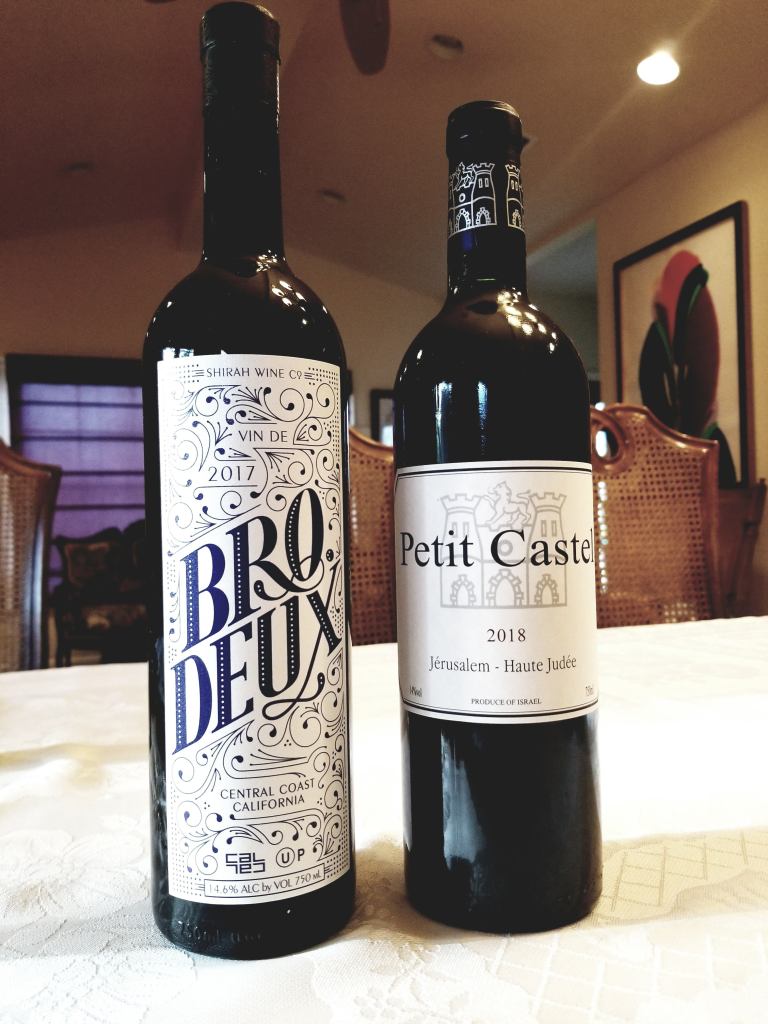
- I crave the 2010 (AKA NV) /2012/2013/2014 Bro.Deux and the 2013 Syrah, and I FONDLY remember the old days of the One-Two Punch. Those were and still are VERY different wines than what is being sold now. I have had all of them recently and still have some bottles. They are wonderful, but they are not what the 2016 or 2017 Bro.Deux is like today.
- I strongly believe in Shirah Wines, I think the wines they produce are professionally made and are perfect for the bigger/flashier/riper palate that is the cornerstone of today’s kosher wine-buying public. They are just not the wines I want.
- Finally, there has been a clear and very big shift in the palate of the wines being made in California, today. Even Four Gates wines are getting riper. The issue here is all about balance. If I feel fruit is overripe and sticking out, to a point where I do not enjoy the wine, but rather think about the ripe fruit, I will move on. I understand this is a subjective way of seeing wine. I get that, and that is what makes wine so fascinating. Like all of art, it is not what is true or false as much as it is what one likes or dislikes.
WINNERS and other demarcations
As stated above, some wines will be winners in France/Europe and others will be WINNERS in the USA. I do not know the pricing in Israel or the wines or really anything about Israel for the last year+. Maybe Avi Davidowitz of Kosher Wine Unfiltered can make a post or two on this subject! HINT HINT!
Also, there are strange prices, distributions, and edge cases throughout Europe, and as such what is a good price in Paris may not be in London. Worse is wine in Belgium may be a better price than in Paris or London. The idea of “Europe” being a single country for commerce is a MASSIVE sham in the kosher wine market, in Europe anyway. In the USA it is equally messy, in regards to pricing throughout the states, L.A.’s wine prices are either non-existent (because there is no wine) or it is sky-high. I have seen better prices for California wines in NYC than in California! Like what now??? So, yeah, pricing is not as crisp, all the time, as I make it out to be here with my QPR posts, but I do the very best I can.
So, WINNER means USA (sorry this is a USA dominant blog), WINNER (F) means a WINNER in France. I will denote as well, in the wine post if the wine is only available in France or Europe, which is the same for me here, as London is the main outlier and it is not part of Europe anymore – sorry London! Enjoy the train!!! On a total aside, I did love taking the train from London to Paris, a few days AFTER they left the union! Moving on now.
So, without too much more delay – let’s get to it! Here is the list of cellar saviors and mid-level red wines. There are many WINNERS for buyers here in the USA and those in France! The wine notes follow below – the explanation of my “scores” can be found here:
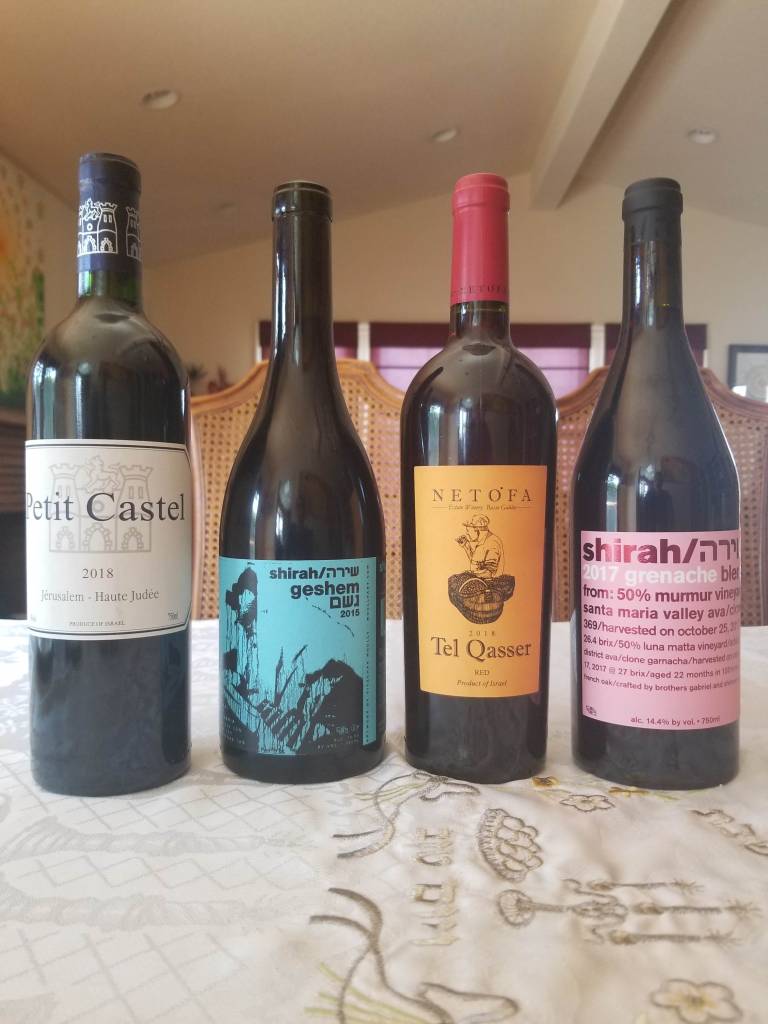


2018 Terra di Seta Chianti Classico – Score: 92 to 93 (QPR: WINNER)
This is a fantastic wine, and with my new QPR scoring it is still is not as expensive as the median and its score is also above the median, so it is a GREAT QPR. This is a no brainer GREAT QPR wine and will sell out quickly BUY NOW!
This wine is incredible, it is better than the 2016 vintage and much better than 2017. It is even a bit better than the massively epic 2015 vintage. Bravo Daniella and Maria!!!
The nose on this wine is ripe, but the balance on it is incredible, the fruitiness exists but it hides behind a redolent garden of fresh mushroom, grass, dirt, loam, and lovely earth, with hints of barnyard, forest floor, and dark fruit, with balsamic vinegar, and roasted herbs galore. The mouth on this medium to full-bodied wine is incredible, layered, rich, extracted, and so balanced, with incredible acidity, intense saline, dark sour cherry, coffee, all balanced and plush, with rich blackberry, cherry, strawberry, salami, with lovely mouth draping tannin, with minerality, graphite galore, and a lovely tannin structure. The finish is long, green, and ripe but perfectly balanced, with lovely acidity, roasted coffee, graphite, scarping mineral, loads of smoke, and sweet tobacco on the long finish. Bravo!! Drink until 2027 maybe longer.
2017 Tassi Aqua Bona Toscana Rosso, Bettina Cuvee – Score: 92 (QPR: BAD)
This wine is meant to be bottled under the D.O.C.G. Rosso di Montepulciano, but because of some strange requirements that were not met to meet the body’s requirements it only has the I.G.T. Toscano Rosso moniker.
This wine producer/winery is quite famous in the non-kosher world. The wine is made from 100% Sangiovese.
The nose on this wine starts with a crazy cedar box, followed by a mound of fresh Cuban Cigar tobacco, followed by loads of anise, licorice, smoked meat, followed by black and red fruit, foliage, forest floor, and more sweet cedar/oak. The mouth on this medium-bodied to full-bodied wine is not as extracted as I expected though this wine is richly expressive with loads of smoke, earth, rich tannin, nice green notes from what I can imagine is what I would get from whole-cluster and stems fermentation, with loads of rich spice, heady roasted herbs, and lovely blackberry, dark cherry, rich umami notes of balsamic and mushroom, with loads of mineral, graphite, and rich fruit-structure and focus with lovely elegance and control. The finish is long, rich, layered, and smoky, with nice control, lovely acidity, and smoke, roasted herbs, smoked meats, and soy sauce followed by more cigar smoke, and freshly tilled earth. Nice!!! Drink from 2021 until 2026.

Sadly, simple kosher red wines are uninteresting and have poor QPR scores, for the most part
So, ask me what is the weakest wine category in the kosher wine market? The answer is simple, the simple red wine. Simple red wine is defined here in my QPR (Quality to Price Ratio) post as a red wine that would not last four years. In other words, a wine made to enjoy upon release and hold for a year or two max.
The sad fact is that there are hundreds of wines in this category and they are all poor quality wines. Remember, QPR scores are not controlled by me at all, but rather by the market forces and prices the market forces on the wines. So, a wine that I score a 91 (which is 100% subjective and up to me), like the 2019 Chateau Riganes or the 2018 Herzog Cabernet Sauvignon, Lineage cannot be given a QPR score by what I feel in my gut, or I think.
The QPR (Quality to Price Ratio) score of BAD/POOR/EVEN/GOOD/GREAT (WINNER) is defined by the wine’s category, in combination with the price of the wine compared against the price of its peers in that category. So, once you realize the Chateau Riganes is a simple red wine and that its price is 14 dollars, on average, and then you compare it against the other wines in this category, you quickly realize it has a GREAT QPR score and is a QPR WINNER. The median price for wines in the simple red wine category goes from 13 dollars to as high as 60 dollars and the wine scores go from 58 up to 91. Essentially an abysmal wine category with 100+ wines I have tasted recently and all but 22 of them score below a 90, with just six WINNERS (though some of those are just in France/Europe). So, the Riganes, with a score of 91 for 14 dollars, again on average, shows this wine is below the median price of its peers (20 dollars) and above the median score of its peers (87). So, for 14 dollars, you can get a simple red wine that is better than the vast majority of other red wines in the same category and for cheaper – the very definition of a GREAT/WINNER QPR wine.
If there was ONE take away from the work I have been doing into QPR, that I guess I did not see coming until I did all the work and wrote it all down into a spreadsheet, would be that wines that have a long drinking window also get higher scores and cost more, on average. All that sounds logical but it was not until I wrote it all up that it was glaringly obvious! The high-end kosher wine category’s median wine score is 92! Again, that makes sense as I would not give a wine like the 2017 Raziel a long drinking window. Mind you that wine may well be “alive” in ten years but it would not be a wine I would think about drinking at that time. The ripeness on it would be so overwhelming that it would turn me off more at that time than it does now. That can also be said for the 2016 Chateau Leydet-Valentin, Saint-Emilion, Grand Cru. It will be around for more than almost ANY simple red wine will live, but it will not be enjoyable, to me. So, the drinking window is very short, which places it into a simple red wine category.
It is an interesting byproduct of choosing the vector to compare wines against each other, outside of price, of course. I will keep an eye on it, but for now, the wine category vector that I think gets me the “best” sample size, per wine category option, is the drinking window. This means we will have strange outliers on both sides for sure.
Trying other categories, like wine region or varietal or style will not work – they are not apple to apple. By using the wine’s drinking window we get far more evenly distributed sample sizes and variation in the actual wines.
Finally, many wines are NOT on this list, BECAUSE, this list is of wines that drink NOW to soon. For instance, the 2018 Terra di Seta Chianti Classico, is a GREAT wine and is a QPR WINNER, but it is not on this list. It is not on the next list I will publish either (mid-level red wines). It is on the long aging red wines. It is sub 20 dollars and is a wine everyone should stock up on. Same for the 2015 Terra di Seta Chianti Classico, Riserva, and the 2015 Assai. That is why the price is not the arbiter for what defines a good QPR wine, nor is it based upon a winery, country, region, varietal, and style.
Sadly, the takeaway here is that this wine category is not very interesting. Still, there are a couple of options and six WINNERS, overall, spread across countries, so I guess we should be thankful for that, at least. The wine notes follow below – the explanation of my “scores” can be found here:
2019 Chateau Les Riganes (M) – Score: 91 (QPR: WINNER)
YES!!! The curse is broken! The odd year 2019 vintage is good! Finally! The nose on this wine is fun dirt, earth, bramble, green notes, followed by fun red and black fruit, all coming together into an intoxicating aroma. This is not a top-flight wine, but it is, once again, a very good QPR wine and a sure WINNER.
The mouth on this medium-bodied wine is not layered, but it has enough complexity and elegance to make this work, with a good attack of dark red fruit, with dark currant, dark cherry, hints of blackberry, followed by loads of dirt, mineral, graphite, and a very nice mouth-draping tannin structure, with fun dirt, loam, and loads of foliage. The finish is long, green, and red, with lovely graphite, draping tannin, green olives, and green notes lingering long with tobacco, oregano, and Tarragon. Bravo! Drink until 2024.

Two wines with no added sulfites (just do not call them Sulfite-free wines)
OK, so let’s start this whole discussion once again with a massive disclaimer – I am not a food scientist or a chemist, but I know what the USDA says about wines, so let’s go with that!
As with other USDA organic products, organic wine is made without using prohibited substances or genetic engineering (see Allowed and Prohibited Substances). It undergoes the same rigorous requirements of USDA organic certification as other products throughout its lifecycle (see Five Steps to Organic Certification). And, in addition to being overseen by the USDA National Organic Program, it has to meet the requirements of the Alcohol and Tobacco Tax and Trade Bureau, especially for sulfite labeling requirements.
Before a wine can be sold as organic, both the growing of the grapes and their conversion to the wine must be certified. This includes making sure grapes are grown without synthetic fertilizers and in a manner that protects the environment and preserves the soil. Other agricultural ingredients that go into the wine, such as yeast, also have to be certified organic. Any non-agricultural ingredients must be specifically allowed on the National List of Allowed and Prohibited Substances (see Allowed and Prohibited Substances) and can’t exceed 5% of the total product. And, while wine naturally produces some sulfur dioxide (sulfites), they can’t be added to organic wine. Sulfites are commonly added to wines to stop the fermentation process or preserve the flavor profile.
Wines that are sold as “made with organic grapes” have different requirements than organic wine. When a wine is labeled as being made with organic grapes 100% of those grapes used must be certified organic. Yeast and any other agricultural ingredients aren’t required to be organic but have to be produced without excluded methods (like genetic engineering). As for non-agricultural ingredients, these have to be specifically allowed on the National List. Finally, sulfites may be added to wines that carry the “made with organic grapes” label—up to 100 parts per million.
So, that clears things up, scientifically, for the USA! Meaning that for you to say you have an organic wine in the USA on a US wine label, you cannot add sulfites and the grapes must have been grown organically. All good.
Let’s look at other countries – this is where things become a bit murkier. The biggest of them is Europe and they allow the “small” addition of sulfites to organic wine and those rules went into effect in 2012.
In contrast, the new EU rules for “organic wine” allow a maximum of 100 parts per million for red wine (compared to 150 for conventional reds) and 150 parts per million for whites and rosés (compared to 200 for their conventional counterparts). Sweet wines are allotted an extra 30 parts per million as more sulfites are typically needed to prevent residual sugar from fermenting in the bottle. Canada allows up to 100 parts per million in its organic wines.
In saying that, organic wine does contain half the maximum legal limit of sulphur dioxide (220) – a common preservative in wine that is used to inhibit or kill unwanted yeasts and bacteria, and the main culprit for those shocking hangovers, the next day.
The maximum allowable limit of “pres 220” in Australian wine is 300 parts per million (ppm). For Australian certified organic wine, it’s 150 ppm. To give a little context, most dry wines usually won’t exceed 200 ppm, and dried fruits can contain anywhere between 500 and 3000 ppm. If you are overly sensitive to sulphur, then drinking organic wines can be a “healthier” choice and will usually make the next day’s declarations of a sober future a lot less necessary.
I could find no real laws in regards to Israeli wine production – please send me more info – if you can find – ACTUAL Israeli laws regarding Organic wine production requirements – thanks!
Organic kosher wine options
Now that we have covered the gamut of wine rules and regulations in regards to organic and no-sulfite added wines, by definition, on a label, we can look at the kosher wine options that exist, sadly there are few.
It all started with Four Gates Winery making wine from Organic CCOF grapes, in 1997. After that, we had some wine from Yarden Odem Winery that used Organic grapes as well, but the label kept getting into trouble with the USDA – as there was no way to state “using Organic Grapes” in those days.
We had the first TRULY organic winery in the Bashan Winery until they closed and we had the lovely Harkham wines from Australia, but they are really hard to find here in the USA now, and they would not get the USDA Organic wine label, as they do throw in a sparingly small amount of sulfites. My guess is, they sell perfectly well in Australia, so why bother with shipping.
So, where does that leave us now – actively, outside of Four Gates and Yarden Odem Chardonnay that are not organic wines, but rather a wine made with organic grapes?
We have three options today:
- Herzog Wine cellar’s brand new 2019 Herzog Cabernet Sauvignon, Variation Be-leaf. It is the 1st wine made in the USA that deserves the USDA organic wine label, and widely available now.
- Elima from Or Haganuz – was the first no-sulfite added wine that was mass-produced and marketed here in the USA and it is still widely available. It is not made with organic grapes.
- Camuna Wines from Camuna Wine Cellars has wines that – though not “officially” organic wine were made in a natural manner and with minimal intervention. Like added sulfites. Sadly, it does not look like they made any new wines recently.
I would suppose the real question what is the market out there for such wines in the kosher wine world? In the non-kosher wine world, the market for natural wines is massive and Alice Feiring and others are the drivers for this change.
Maybe now with two large companies producing Organic kosher wines – the market will grow, time will tell.
Where is the USDA Organic label?
As we have described above – the USDA label requires nothing more than organic grapes and no added sulfites. So, when Herzog released their 2019 Herzog Cabernet Sauvignon Be-Leaf I was wondering why the label did not have the USDA Organic certification?
Sadly, the requirements to meet the USDA label versus actually getting the label are not in the same ballpark. While, the requirements are not complicated, getting a third party to the winery to observe and validate the requirements and then validating it with the USDA makes for such an arduous task that Herzog chose the CCOF route, the same route that Four Gates uses – for just Organic grapes. Since the CCOF route was taken and they wanted to denote the organic nature of the wine – without the USDA organic label, the TTB (Alcohol and Tobacco Tax and Trade Bureau) required the label have more additions to make it all good. All in all, a classic example of what is wrong with bureaucracy. Take a simple-ish idea and complicate so horrible that the outcome – is more complicated than where we started! Bravo TTB and USDA!!
Either way, the outcome is more options for the kosher market, notwithstanding the complications and headaches for all!
Wine Notes:
The wine note follows below – the explanation of my “scores” can be found here and the explanation for QPR scores can be found here:

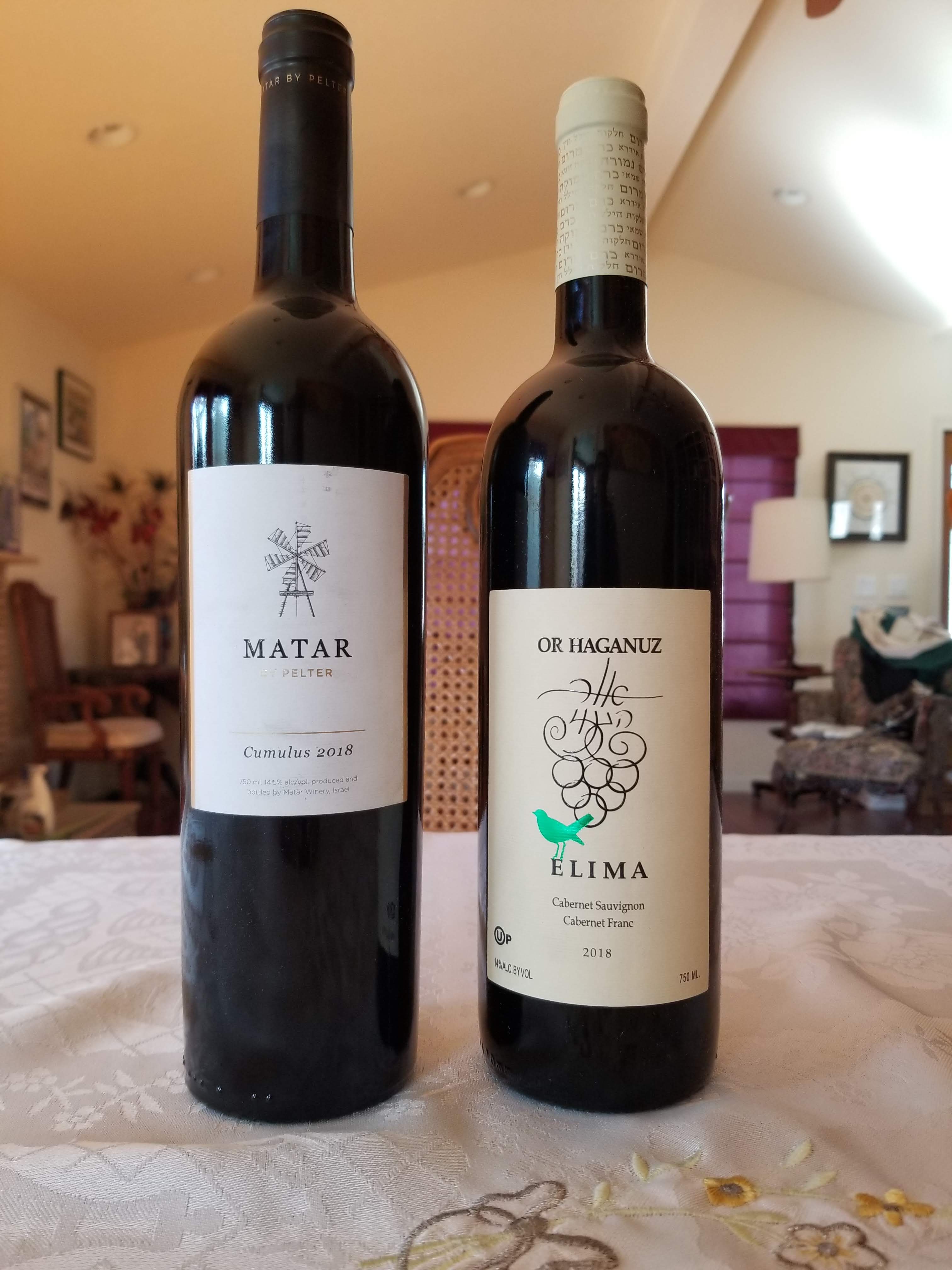
2019 Herzog Cabernet Sauvignon, Variation Be-leaf (M) – Score: 88
This is not the first wine to use organic grapes, Four Gates has used CCOF grapes for as long as it has been around, 1997. As described above, an organic wine means that the wine is, of course, using Organic grapes (CCOF Organic as Herzog is a California winery) and there were no sulfites added at all. As I have posted many times when I talk about the only other no-sulfite-added wine, the Or Haganuz Elima, that all wine has sulfites. All wine has sulfites naturally. Still, Herzog added no sulfites to this wine and as such, it could have garnered the USDA Organic certification if it were not such a huge hassle.
Finally, come on guys, wines like this deserve a DIAM cork, enough already! Heck other wines with bigger price points and “theoretical” lifespans use DIAM, even Château Guiraud uses DIAM cork, for the Grand Vin – come on guys – MOVE ON!
This is the second time I have had this wine and it is finally calming down. The nose is still very fruity, not overly ripe, but the fruit is very present, with notes of blueberry, black fruit, licorice, red fruit, and more dense fruit that has not had a chance to calm down and integrate. The mouth on this medium-bodied wine is fun, it shows lovely boysenberry, dark cherry, cassis, and draping sweet tannin, with nice menthol, mineral, and pencil shavings, with an ever-present ripeness that is not going to go away. The finish is a pith attack, with loads of almond, citrus pith, and sweet/ripe fruit that lingers long with a good minerality and tannin structure that will keep this no-sulfite added wine fine for a couple of years. Drink by 2022.
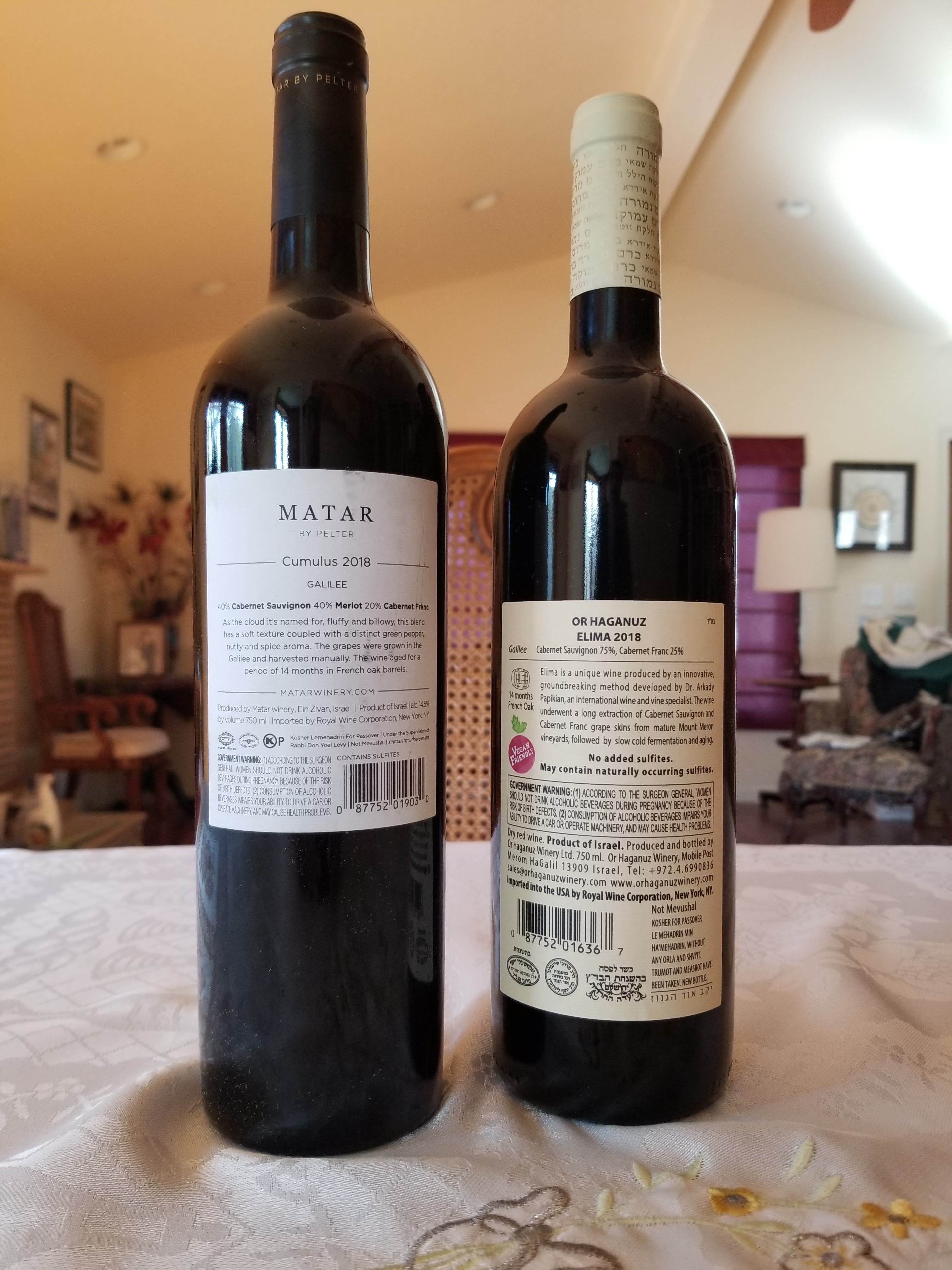
2018 Or Haganuz Elima – Score: 82
This wine has no added sulfites and it is a blend of 75% Cabernet Sauvignon and 25% Cabernet Franc. The nose on this wine is ripe and at 14% ABV, on the label, I think it is a bit higher, with heat and alcoholic aromas, sweet oak, cassis, black fruit, and red fruit in the background. The mouth on this full-bodied wine is ripe and uncontrolled, sadly, with clear leanings of overripe fruit, blackberry, candied cherry, overripe currants, and loads of oak and smoke, with nice enough tannin and more oak. The finish is long, sweet, oaky, and sweet, with sweet chewing tobacco galore and a hint of graphite. Drink until 2023.

KFWE London takes a giant step forward with things still to fix
As always, I start my posts by thanking God and my wife for allowing me to go and taste wines around the world. With the Coronavirus (COVID-19) going strong around the world, I was sure the planes would be emptier, but they were not. Thankfully, I flew and returned home, safely, Shomer Petayim Hashem. Now, on to show.
This year, I flew to London, and was in London for less than 24 hours, before, going on a train to Paris, where I stayed until after Shabbat, then I flew to NYC for KFWE there, then to LA, for KFWE there and then on home. Our plane to London came after the storms that terrorized Europe. First came Ciara on Feb 9th, a week before KFWE, but then came Dennis, the Sunday before KFWE, which was on Monday. What a beast that was, look at these videos, intense flooding! Ciara was so crazy that it blew a British Airways 747 825 MPH! The flight from NYC to LHR took under 5 hours, the fastest on record! I have a few snapshots on my flight going 700 MPH but come on, we were getting the leftovers of Denni’s fury or help, depending on how you see it and understanding the context of where you were at that moment.
Sadly, Dennis was so destructive, it did not stop at London or Paris, it continues throughout Europe. Sadly, that meant that wineries from Italy and Spain were not able to attend the KFWE. So Elvi Wines’s Moises Cohen and David Cohen were not able to make it, and nor was Eli Gauthier from Cantina Giuliano.
Overall thoughts of the new wines
Throughout the travels, I really did not find any new wine that I would kvell about. I STRESS NEW wine. Sure, there are many great wines, but they were wines I had already tasted. I did taste a few very special wines in Paris, that is another three posts from now. Other than that, all the roses I tasted from 2019 carried forth the flaws of 2018, flat, boring, and maybe showing a bit more acid, but who really cares. If there was ONE takeaway, from all the KFWE and other tastings like Bokobsa, and tastings I did in private, it would be that 2019 roses are a HARD pass from Israel and USA so far. The thankful note goes to Royal Europe for bringing back the rose love with the 2019 Chateau Roubine, La Vie! Also, Bravo to the unbottled Costa Rosato from Cantina Giuliano, sadly Eli was not there, because of the storms, but the rose showed very well, more of a Gris than a rose, and lovely. The other takeaway I had from all of the KFWE was that 2017 was a VERY hard year for California. It shows in every 2017 red and white wine, that I have tasted so far, except for the 2017 Herzog Chardonnay, Lineage, which is lovely, and which was on my QPR of the year list. The 2017 vintage, throughout the world, actually sucked. Spain had hail and other issues, Israel was a mess, California had two HUGE heat waves hit it and many lost their fruit, along with the smoke taint from the fires, and France had the freeze that culled many vineyards, while also just being an average vintage for Bordeaux and Burgundy. Yes, there were a few very nice wines from Bordeaux and Burgundy from 2017, but the vintage was no 2015 or 2016. On average 2017 in Bordeaux was no homerun. The 2017 California wines either taste overly ripe and fruity or they taste green and under-ripe. Either way, 2017, IMHO, is a vintage I will pass on from California, sadly.


Getting back on topic, the reason for coming to KFWE London was simply that I like London, it is a great city, and even if I am there for less than 24 hours, it is still fun to see the environment of what is becoming quite a kosher food and wine enclave. The issues I brought up on my post last year, being the distribution of kosher wines is still hanging over London. I spoke with many of the buyers that I know of in London, and they all agree, none of the enophiles buy their wines from a store. This issue is one I highlighted in my year in review, and it is one that needs to be answered long term.
KFWE London 2020
So, in my review last year of KFWE London 2019, I summed it up in one sentence:
So, in a single sentence to wrap up KFWE London 2019, an elegant hall and presentation, solid wines served, ok crowd control, poor implementation of the venue, glasses were OK and could be improved, and the food needs help.
This year things changed, well most of them anyway. Let us start with the good, the hall continues to be a huge highlight of the event, both the general hall and the VIP hall/rooms are quite beautiful. They are elegant and regal, all the ways you expect a London event to be held. The wines were solid again if you wanted to taste the new 2017 Royal wines, this was the ONLY KFWE event that had them all, ONLY! Sure, Menahem Israelievitch was nice to bring the 2017 Leoville Poyferre, by hand, from Paris, but if you wanted to taste the 2017 Chateau Giscours or the 2017 Les Roches de Yon Figeac, you were out of luck. Throw in the fact that ALL of the 2017 Herzog Wine Cellars Winery also had all of their 2017 wines there, along with the yet unlabeled 2016 Herzog Cabernet Sauvignon, Calistoga, Single Vineyard. Once again, Herzog Wine Cellars came to play and came with all their wines. Though it was an absolute miracle for Jospeh Herzog to have even made it to London, he too was disrupted by the storms, but he was there, with maybe an hour of sleep, promoting hos wines, Bravo Joseph!!

 Wine Musings Blog