Blog Archives

Another round of QPR (Quality to Price Ratio) Hits and Misses, Nine QPR WINNERS – May 2022
A side note before we get to the QPR list. I just returned, B”H, from Paris and I know many are interested in my notes from the trip, along with all the roses that are NOT on this list. So, for full disclosure, I will be posting the rose list next and then I will be getting to the wines I enjoyed and suffered in Paris. The good news, there are lots of wonderful wines from the Paris tastings and many will be making their way here. Sadly, the rose list is not that interesting at all. Now on to the QPR list, which will catch me up to almost all the wines before my Paris trip, other than the roses.
QPR (Quality to Price Ratio) Wines
It has been a few months since my last QPR (Quality to Price Ratio) post and many people have been emailing me about some unique wines I have tasted and some lovely wines that are worth writing about.
Thankfully, no matter how garbage and pain I subject myself to, we are still blessed with quite a few wonderful QPR wines out there. This post includes some nice wines and some OK wines with the usual majority of uninteresting to bad wines.
I had the fortune of going to Hagafen Wine Cellars with Neal and Elk and the 2018 and 2019 vintages continue to impress. The prices are a bit high but with the price of land and fruit in Napa Valley, the fires, the lack of water, and so much more, the price is what it is. Still, the two QPR winner wines were lovely as were the vast majority of all the wines we enjoyed.
I also had the chance to go to Marciano Estates Winery and the wines showed beautifully there as well. The same can be said about Marciano, in regards to the pricing, both at the price and the reasons for them, so read the notes and make up your minds.
The story of 2021 Israel whites and roses is very unfortunate, it started with a bang. Matar and a couple of others showed very well. Sadly, after that, every other white and rose wine from Israel was not as impressive. They all show middling work and product, very disappointing indeed.
We have a nice list of QPR WINNERS:
- 2019 Herzog Cabernet Sauvignon, Reserve, Alexander Valley, Sonoma, CA
- 2018 Hagafen Pinot Noir, Prix, Napa Valley, CA
- 2020 Domaine du Castel Blanc du Castel, Judean Hills
- 2020 Ramon Cardova Albarino, Rias Baixas
- 2021 Baron Edmund de Rothschild Rimapere, Marlborough
- 2021 Matar Sauvignon Blanc Semillon, Galilee
- 2021 Gush Etzion Sauvignon Blanc, Judean Hills
- 2021 Herzog Sauvignon Blanc, Lineage, Lake County, CA
- 2019 Hagafen Cabernet Franc, Napa Valley, CA
There were also a few wines that are a slight step behind with a GREAT or GOOD QPR score:
- 2018 Hagafen Syrah, Napa Valley, CA
- 2019 Hagafen Malbec, Napa Valley, CA
- 2019 Carmel Gewürztraminer, Late Harvest, Single Vineyards, Galilee
- 2021 Dalton Chardonnay, Unoaked, Galilee
- 2020 Pascal Bouchard Chablis, Chablis
- 2021 Tabor Sauvignon Blanc, Galilee
- 2020 Matar Chardonnay, Galilee
- 2015 Louis Blanc Crozes Hermitage, Vintage, Crozes Hermitage
- 2019 Koenig Riesling, Alsace
- 2019 Matar Stratus, Galilee
- 2021 Or Haganuz Blanc, Galille

The top 10 Kosher Mevushal wines of 2021
If you ever wondered what Kosher wine or the Mevushal process is, well I made a post these many years ago and nothing has changed about those facts, because kosher wine is kosher wine! The Mevushal process has evolved a bit over the years but the premise is still the same and the best craftsman in this space are Hagafen Cellars and Herzog Wine Cellars.
Royal Wine Europe does a good job as well, though from time to time, the white wines do not show as well after they go through the Mevushal process. The red wines are indeed done very well as I saw this past November 2021.
The whole premise for Mevushal wine is really a U.S. concept. Europe and much of Israel do not care for or need the wine to be Mevushal to serve at restaurants or events. The USA Rabbinic leaders think that there are too many issues and potential concerns at events and restaurants – given the vast number of servers being non-Jewish. As such, they demand Mevushal wines be served at the events. I have been to events where the pourers were all Shomer Shabbat Jews and that is what they do in Europe and Israel, but those are far and few between, here in the USA.
Overall, the 10 Mevushal wines below are not great, they are not bad, but not great. Now, this is not a cause and effect – meaning Mevushal does not ruin the wines. Mevushal – done incorrectly absolutely does cause damage to wine, and I have had many a “cooked” Mevushal wine. However, Herzog and Hagafen do not have these issues. Royal Europe, does a good job, but not as good as the previously mentioned wineries. Last year’s mevushal list would have had lovely wines as it would have included the 2018 Herzog wines! Also, we do not have examples of Mevushal wines that scored 95 points that are mevushal, again this is not a cause and effect but rather the issue that people do not yet Mevushal Pontet-Canet! Mind you, as I stated before, it is not from a lack of desire, on behalf of Royal Wines, they would boil anything to be able to sell more Mevushal wines. Still, so far, of the top wines that I have scored, the highest scored Mevushal wine is 2014, 2016, and 2018 Herzog Chalk Hill Cabernet Sauvignon.
More and more wines are being made Mevushal to meet the needs of restaurants and caterers that want high-end Mevushal wines for their venues and events. The theme of the wines here is mostly Hagafen or Herzog with some smattering of European names as well.
Here is my list of the top 10 Mevushal wines that are available here in the USA. They are listed by score and after that in no particular order. The wine notes follow below – the explanation of my “scores” can be found here and the explanation for QPR scores can be found here:
2019 Chateau Le Crock, Saint-Estephe, Bordeaux (M) – Score: 92+ (QPR: WINNER)
This wine is a blend of 59% Cabernet Sauvignon and 41% Merlot. While I liked the 2018 vintage some did not, but this is a nice wine either way.
The nose on this wine is perfectly balanced, with lovely fruit, loam, dirt, smoke, bright and ripe plum, black and red fruit, with ripe dried strawberry, Tisane tea, and rich mineral. The mouth on this medium to full-bodied wine is ripe, layered, beautifully controlled, with rich smoke, saline, lovely loam, beautiful graphite, pencil shaving, sweet oak, mouth-draping tannin, blackberry, dark plum, strawberry, elegance, and control, that gives way to some extraction, with sweet tobacco, and mineral. The finish is long, green, loam, dirty, rich, and yet elegant, with roasted meat, smoke, draping elegance, incredible richness without the show, really a wine to hold but one that can be enjoyed now. Drink from 2027 until 2036. If you must have it now decant for 2 hours. (tasted November 2021) (in Paris, France) (ABV = 13%)
2019 Herzog Cabernet Sauvignon, Special Reserve, Lake County (M) – Score: 92+ (QPR: WINNER)
This is a lovely wine, it reminds me of the 2017 lake County Cabernet Sauvignon, just a tad less ripe and more fruit-focused. The nose on this wine is lovely. This is a classic Cabernet Sauvignon, in all the right ways, screaming mineral, insane graphite, pencil shavings, with ripe green, black, and lovely red fruit, with tar, loads of roasted herb, and classic garrigue. The mouth on this full-bodied wine is softer than the 2017 vintage, with nice acidity in the middle, wrapped by intense tannin, nice extraction, blackberry, juicy raspberry, hints of boysenberry, and loads of minerality, all coming together quite nicely. The finish is long, green, mineral-driven, but black and blue, with leather, sweet spices, with mineral lingering long, sweet smoking tobacco, and juicy boysenberry staying long. Bravo!!! Drink from 2023 until 2030. (tasted April 2021)

A few good red wines along with too many misses – Jan/Feb 2022 Tasting
This is my second QPR (Quality to Price Ratio) WINNER Hit and Miss post of 2022 and while this started in January as a poor showing, I had two more wines in February that made the overall post much better. We started with one QPR WINNER and that grew to three WINNER by February. Still, the star of the show was the first QPR WINNER, the 2016 Terra di Seta Chianti Classico, Assai, Gran Selezione, Chianti Classico!
This post is filled with many more examples of what people are raving about from Israel, the 2018 red vintage, and all I can say is, yes they are not date juice! They are not uncontrolled madness, they are OK, they lack acidity and mostly they are copy and paste of each other with different fruit. Still, an improvement over other vintages. Essentially, much like the 2016 vintage, another highly vaunted vintage, which I described to my buddy EA as: “milk chocolate, either blue or black fruit, loads of cedar and tobacco – copy and paste wines”.
I wish it was better, even when God forces a winery to make good wine by keeping the temperatures at bay, they still make mediocre stuff. Such is life! Thankfully, we are blessed with Terra di Seta, aka TDS, which won my first ever winery of the year in 2019 and a winery that I have been touting for many years now! The newly released 2016 Terra di Seta Chianti Classico, Assai, Gran Selezione, is a stunning wine and maybe their best Assai so far!
The next two QPR WINNER are the 2019 Herzog Winery Cellars Cabernet Sauvignon, Alexander Valley, and the 2020 Chateau Signac Pliocene, Cotes du Rhone. I must say, the 2019 Herzog is shockingly ripe but the level of acidity it has really helped to tamp down the fruit and with time they all work together to make a harmonious wine. Still, it is ripe to start so leave this wine alone for many years. The 2020 Chateau Signac Pliocene, on the other hand, is lovely and ready to go. It is NOT as ripe as the 2018 vintage, but it is nice and very enjoyable for the next few years.
Finally, there is a repeat tasting of the 2019 Pavillon du Vieux Chantre, Puisseguin Saint-Emilion. As I stated in the Moises Taieb post, I needed to taste a few wines a second time and I am happy I did. The 2019 Pavillon du Vieux Chantre showed beautifully and just as I expected it to, after having tasted all the previous vintages. Thankfully, this wine is available in the USA in an easy-to-find location, from Andrew Breskin and Liquid Kosher.
The rest are OK, QPR score-wise, with only one wine garnering a score of GREAT, which is the 2017 Ma’ayan Asis Blend, these are relabeled wines from Tom Winery. The Tzora was nice but overpriced for what it gives.
I also tasted three 2019 Pinot Noirs and the clear winner, of those three, was the 2019 Goose Bay Pinot Noir, Small Batch. It is a lovely wine and one to enjoy over the next couple of years.
The wine notes follow below – the explanation of my “scores” can be found here and the explanation for QPR scores can be found here:
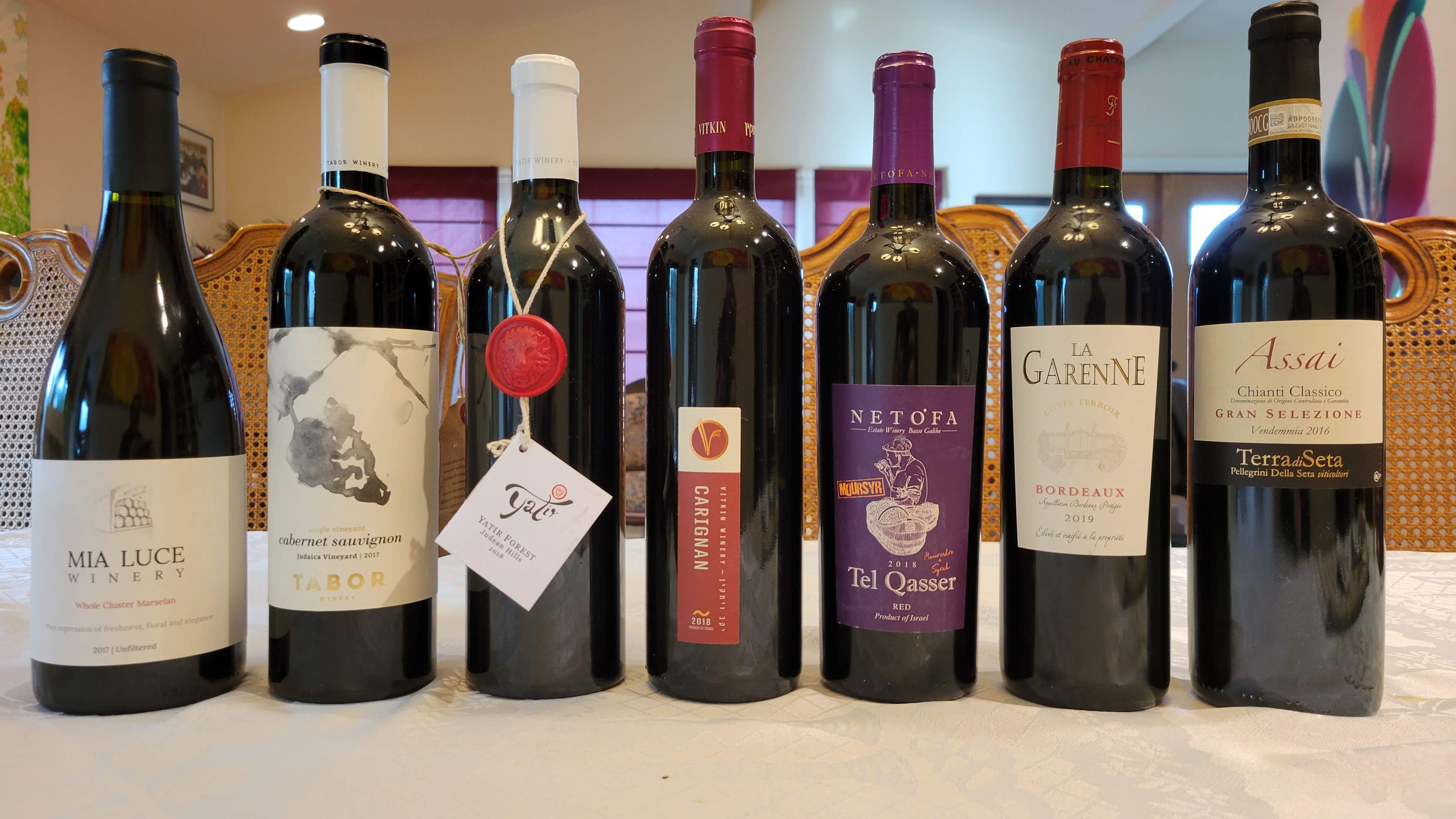


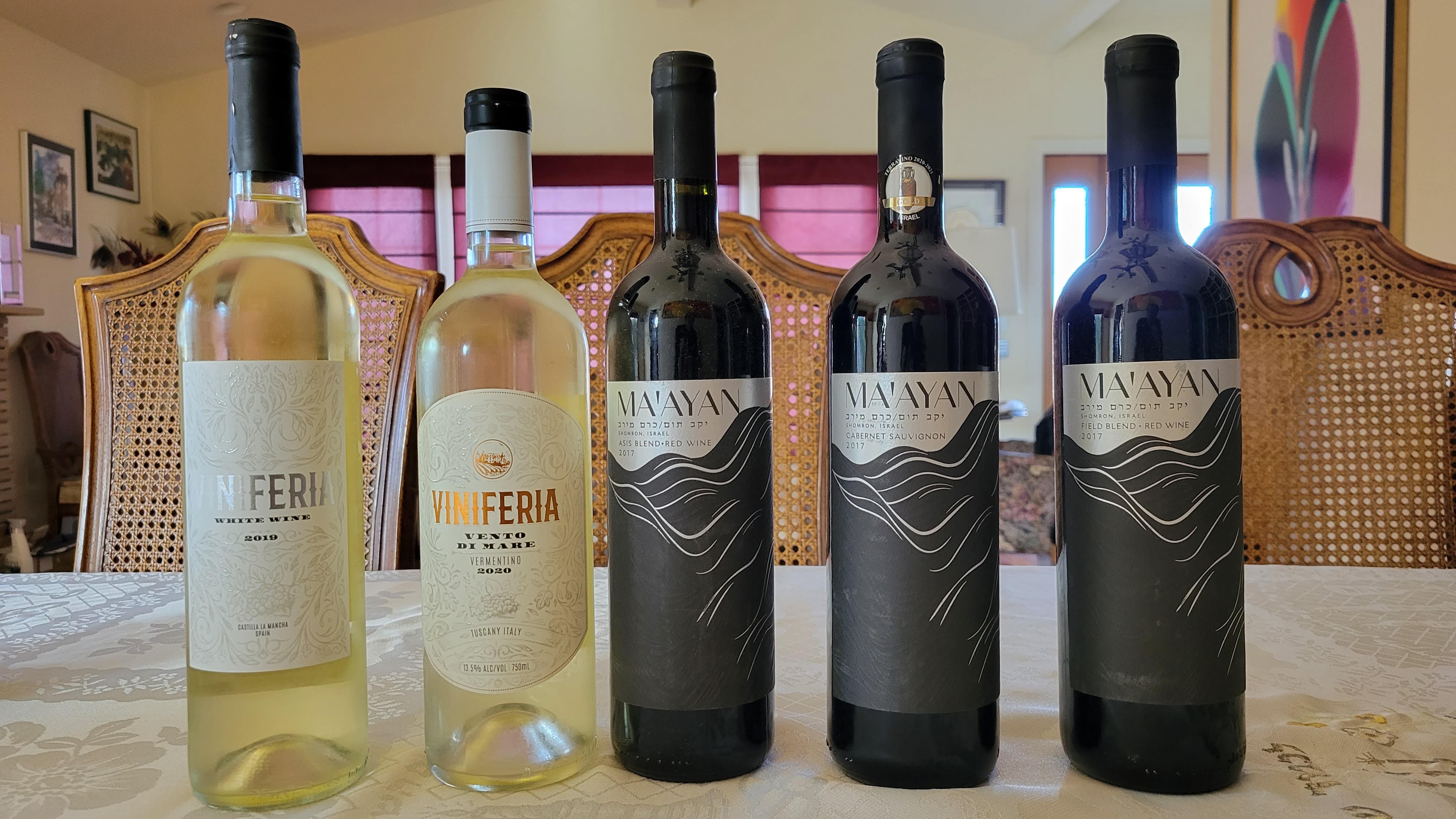
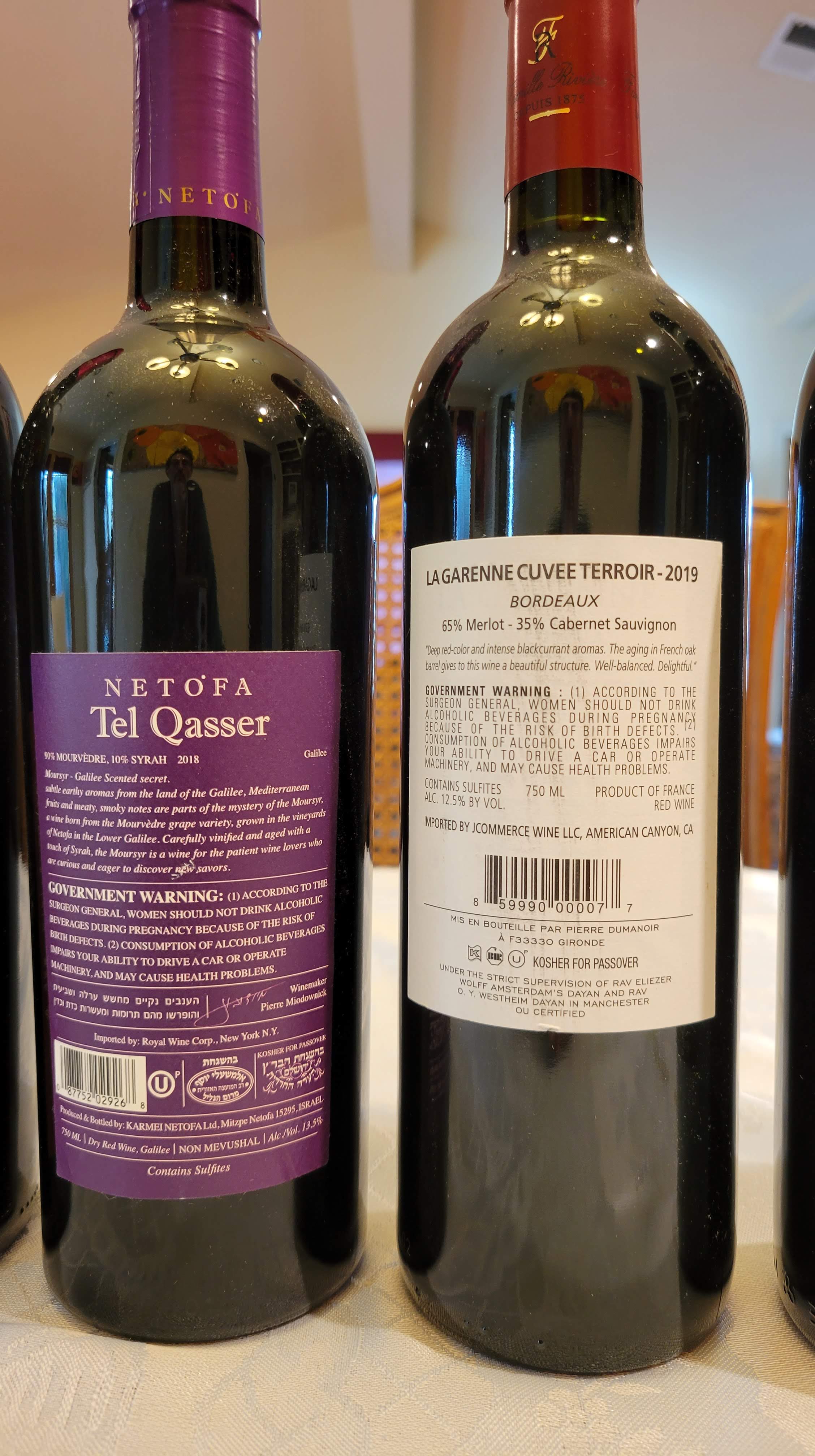
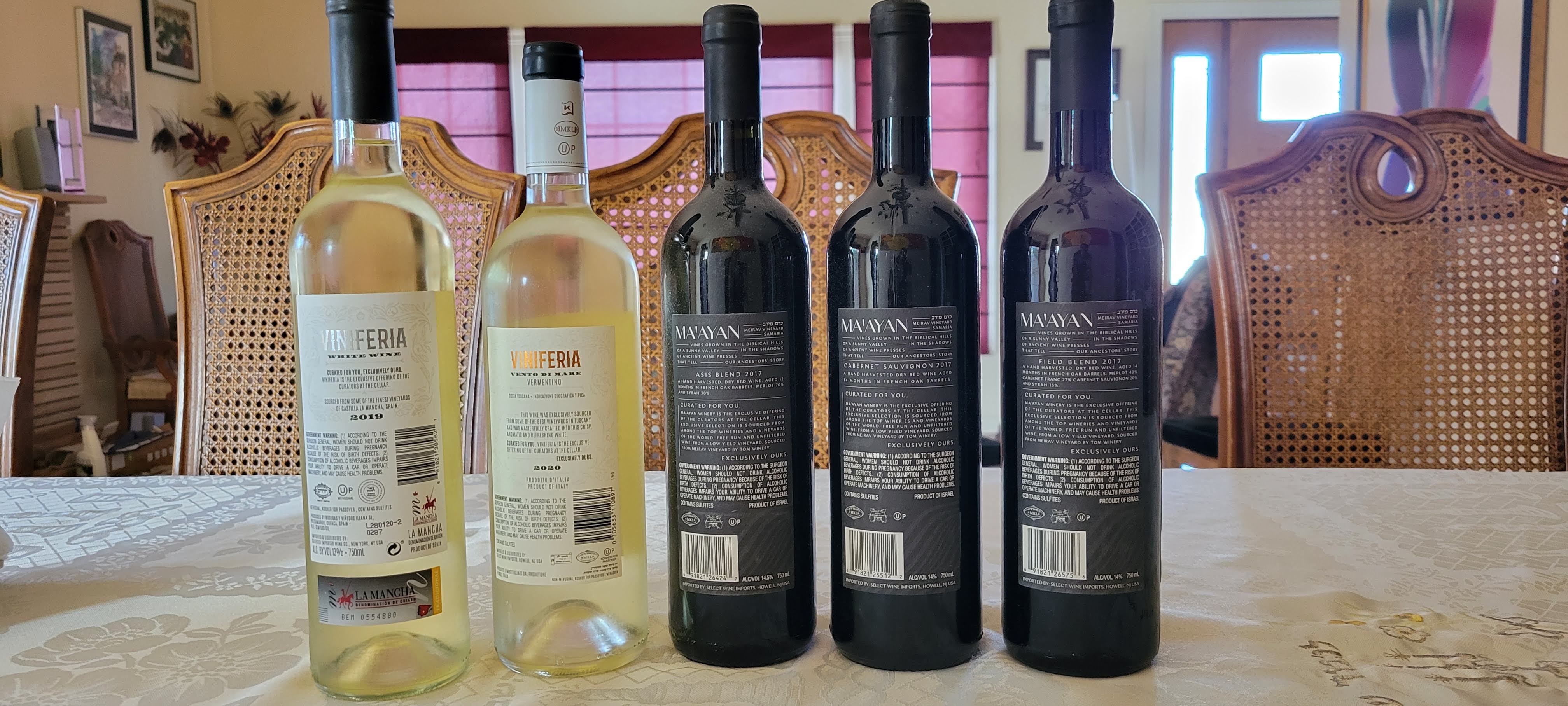
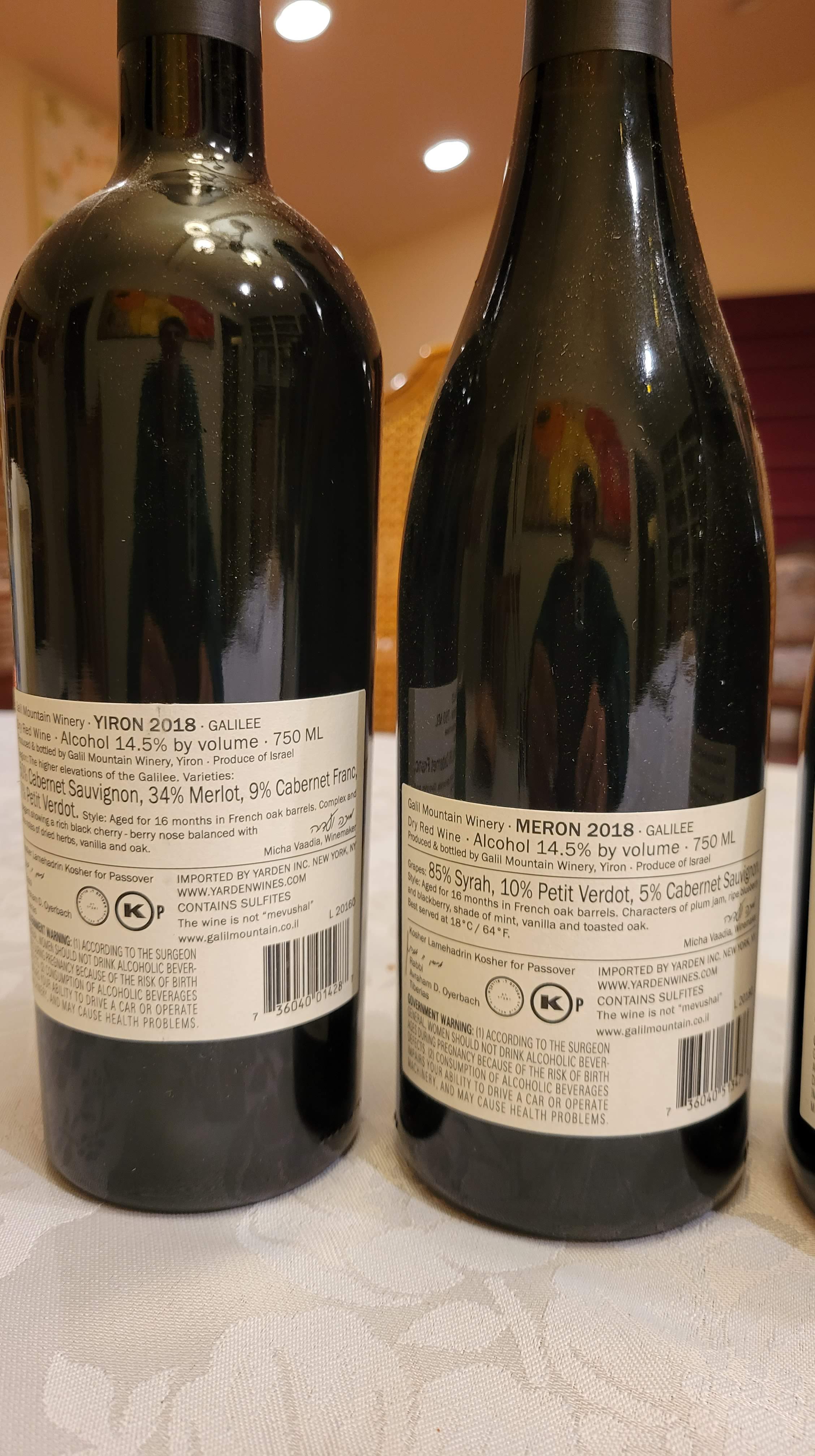
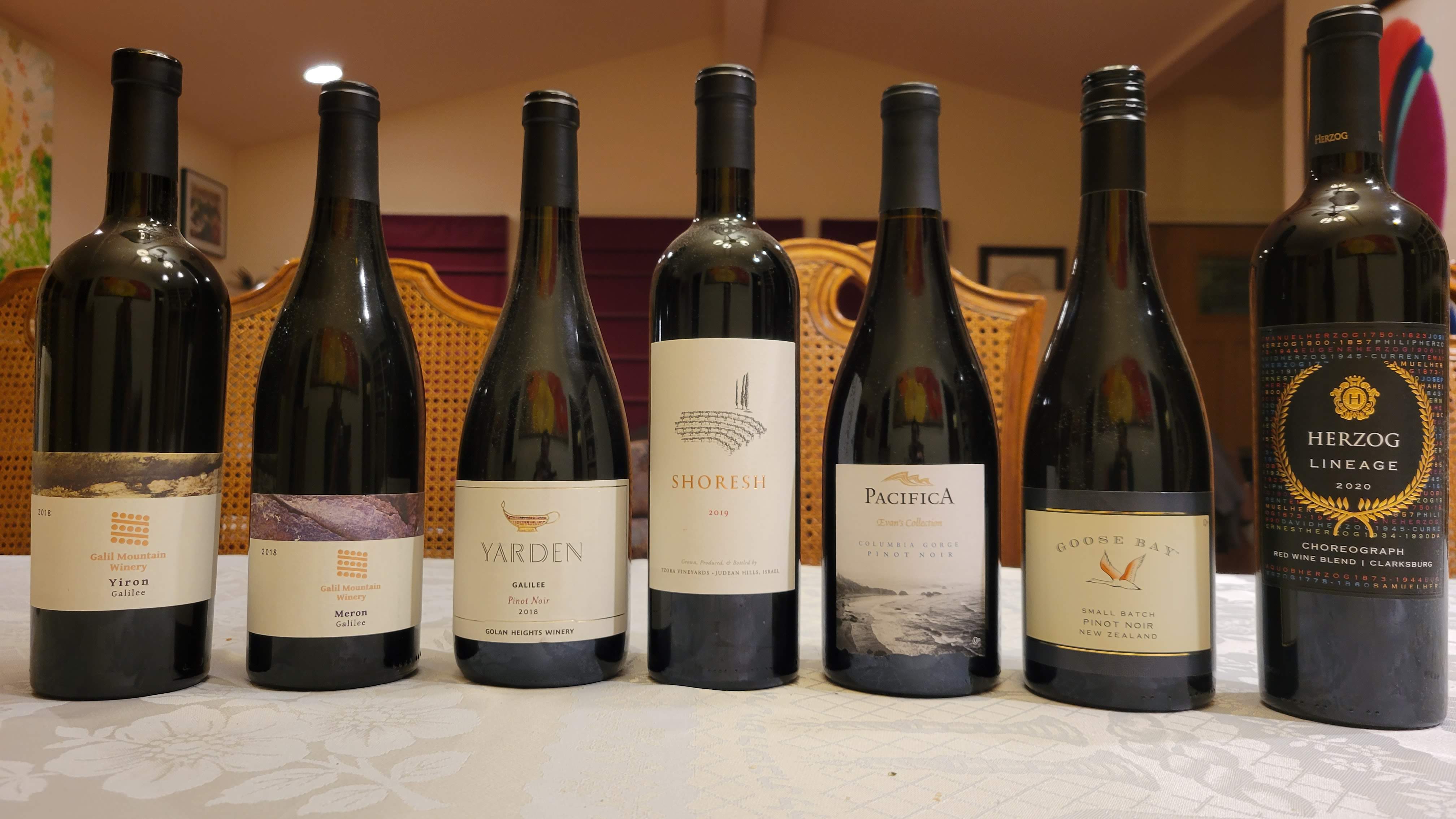
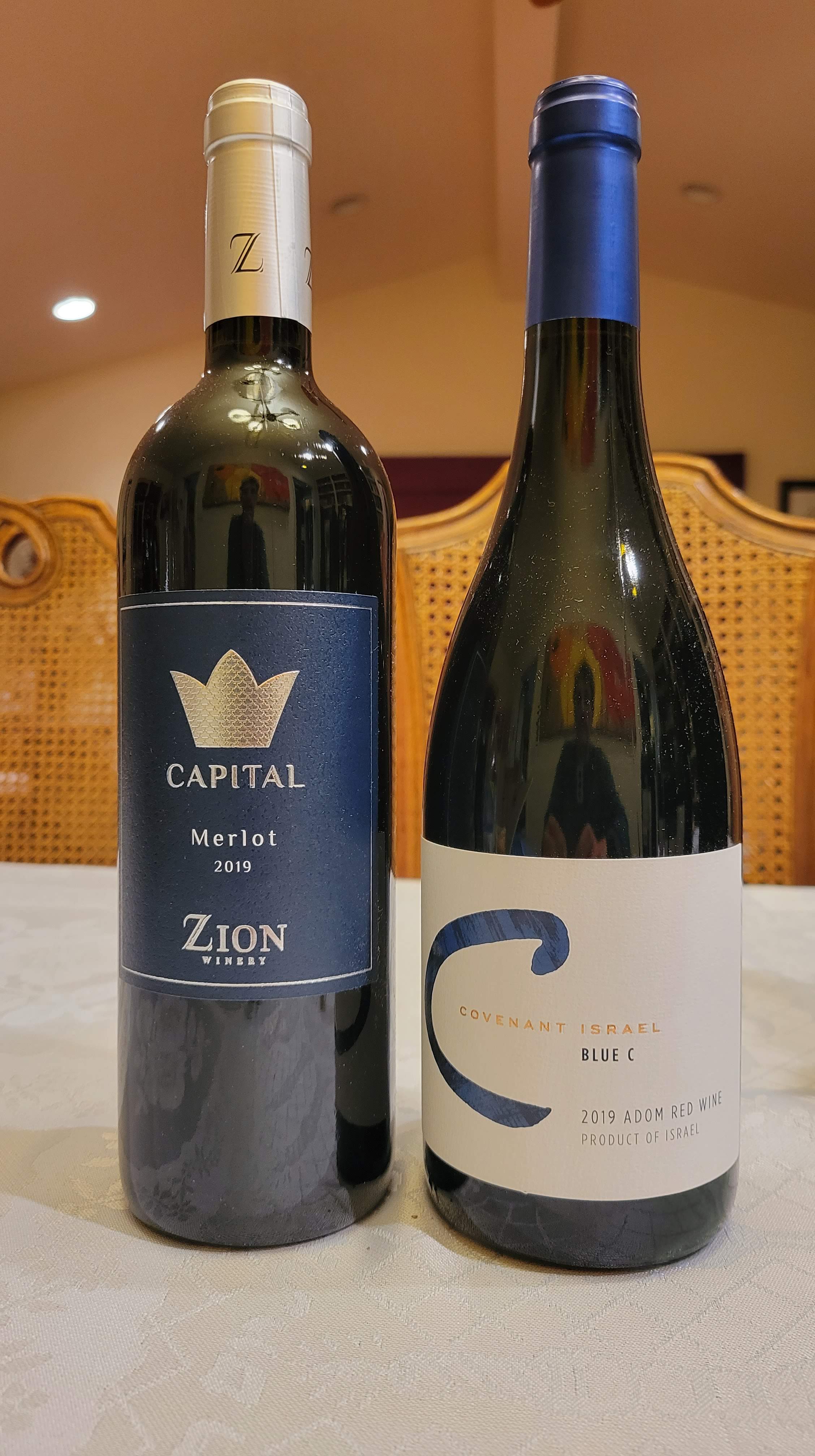
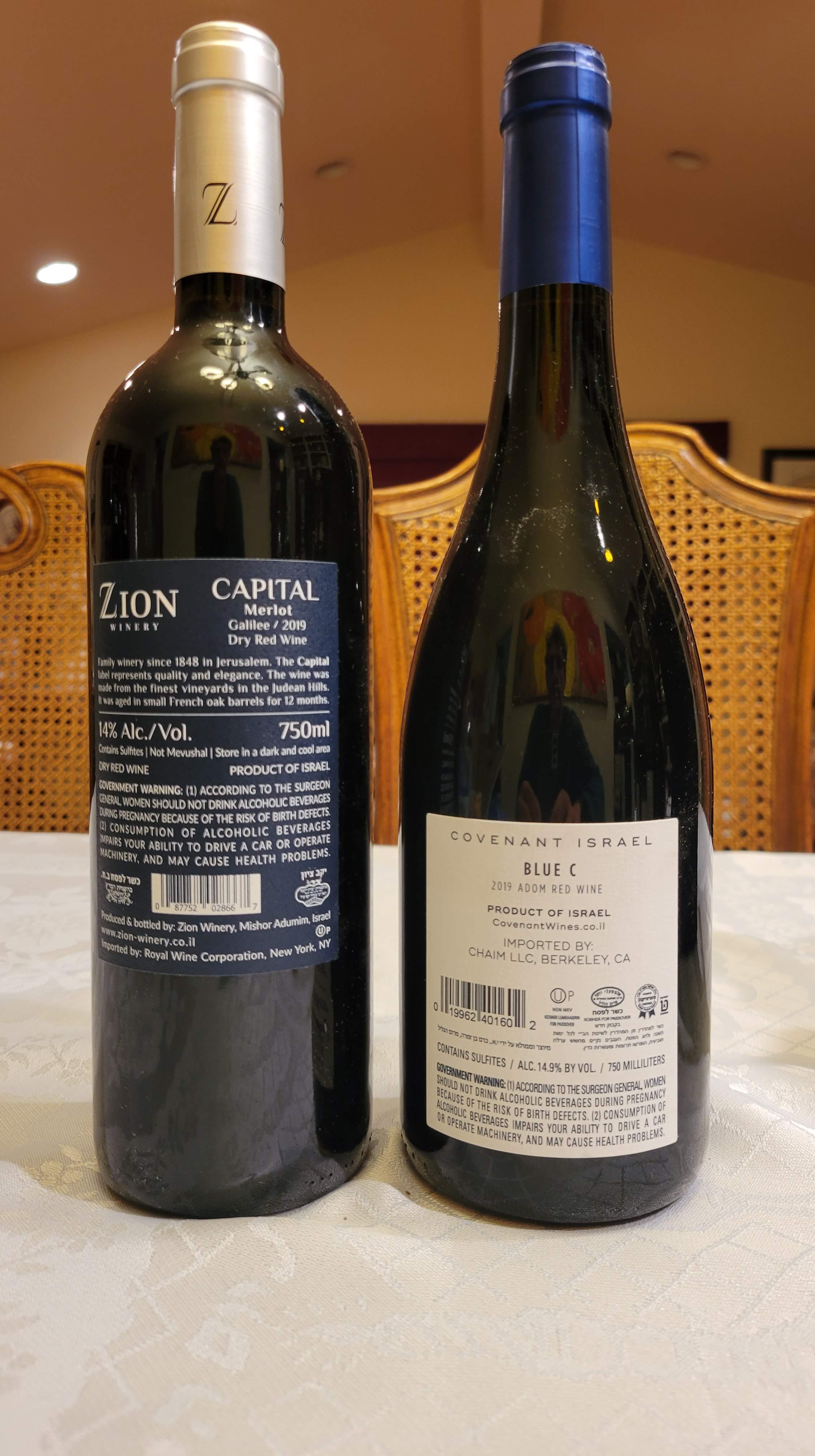
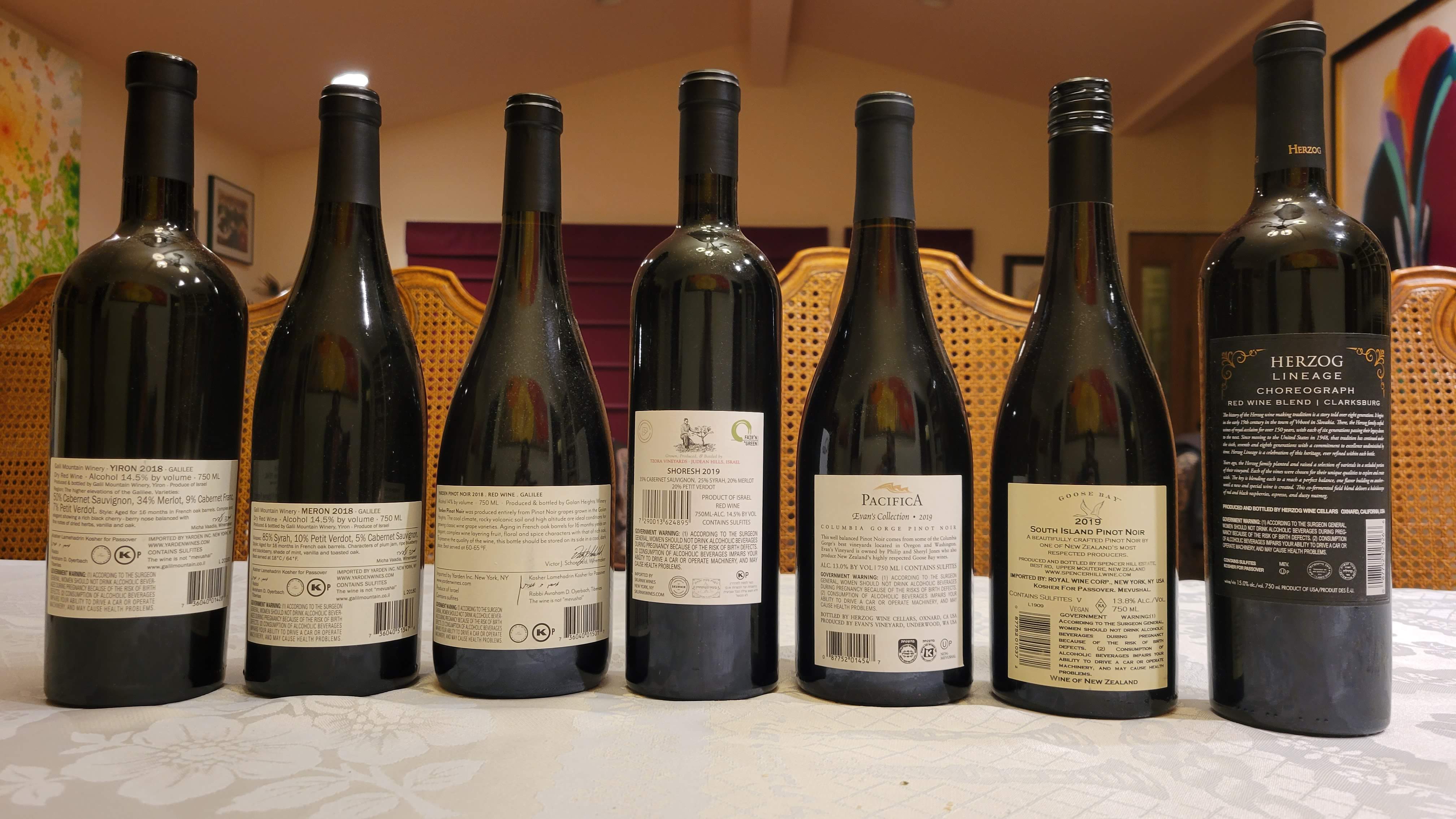

2016 Terra di Seta Chianti Classico, Assai, Gran Selezione, Chianti Classico – Score: 93.5 (QPR: WINNER)
This vintage of Assai is its best and this wine is 100% Glorious, rich, elegant, focused, balanced, fruity, but tart, refreshing and concentrated – WOW! BRAVO!!! The nose on this wine is pure heaven, it is soy sauce, funk, forest floor, mushroom, fruity, red and black fruit, tar, smoke, violet, very floral, wild herbs, and rich mineral. The mouth on this medium to full-bodied wine is ripe, concentrated, but well-controlled, with ripe plum, dark strawberry, candied raspberry compote, with menthol, licorice, baking spices, all wrapped in dense sweet oak and elegant draping tannins, just incredible! The finish is long, dense, dark, rich, layered, concentrated, yet perfectly balanced, with screaming acidity, rich espresso coffee, mushrooms, almost truffle, forest floor, mineral, charcoal, graphite, and star anise. WOW!!! Drink from 2026 until 2033. BRAVO!!! (tasted January 2022) (in San Jose, CA) (ABV = 15%)

Herzog Wine Cellars continues to impress with red wines from 2018, 2019, and now the 2020 vintages
In case you missed the last Herzog Wine Cellars post – please check that out here, I see no need to repeat all of the same content! That said – wow! The 2017 vintage was tough, it was tough for all of Cali, it was a bad vintage. Thankfully, 2017 is past us, and we have 2018 and 2019 looking mighty fine, given the scores/notes from the last post and the ones from this new tasting. Throw in ONE 2020 red wine, the 2020 Herzog Choreograph, which is fun, extremely well balanced, and literally what I wrote – fun!
The other wines in the tasting are from 2018 and 2019 and they garnered QPR (Quality to Price Ratio) WINNER, GREAT, GOOD, or EVEN scores. Still, the most impressive wines, from this tasting, came from the 2019 vintage, the 2019 Herzog Pinot Noir, Reserve, and the 2019 Herzog Cabernet Sauvignon, Special Reserve, Lake County. There were also two 2018 wines, the WINNING 2018 Herzog Merlot, Special Reserve, Alexander Valley, a return after almost 20 years of hiatus. Along with the 2018 Cabernet Sauvignon, Special Reserve, Napa Valley. The 2019 French and American Oak wines were not as good as in previous vintages. Also, the 2019 Lineage Pinot Noir was not as good as previous vintages, though I liked the Lineage Chardonnay.
I will keep this short, so my many thanks to Joseph Herzog, David Whittemore, Joe Hurliman, and Alicia Wilbur for answering my many emails and calls. Be well to you all, California is getting even crazier – stay safe guys! The wine notes follow below – the explanation of my “scores” can be found here:
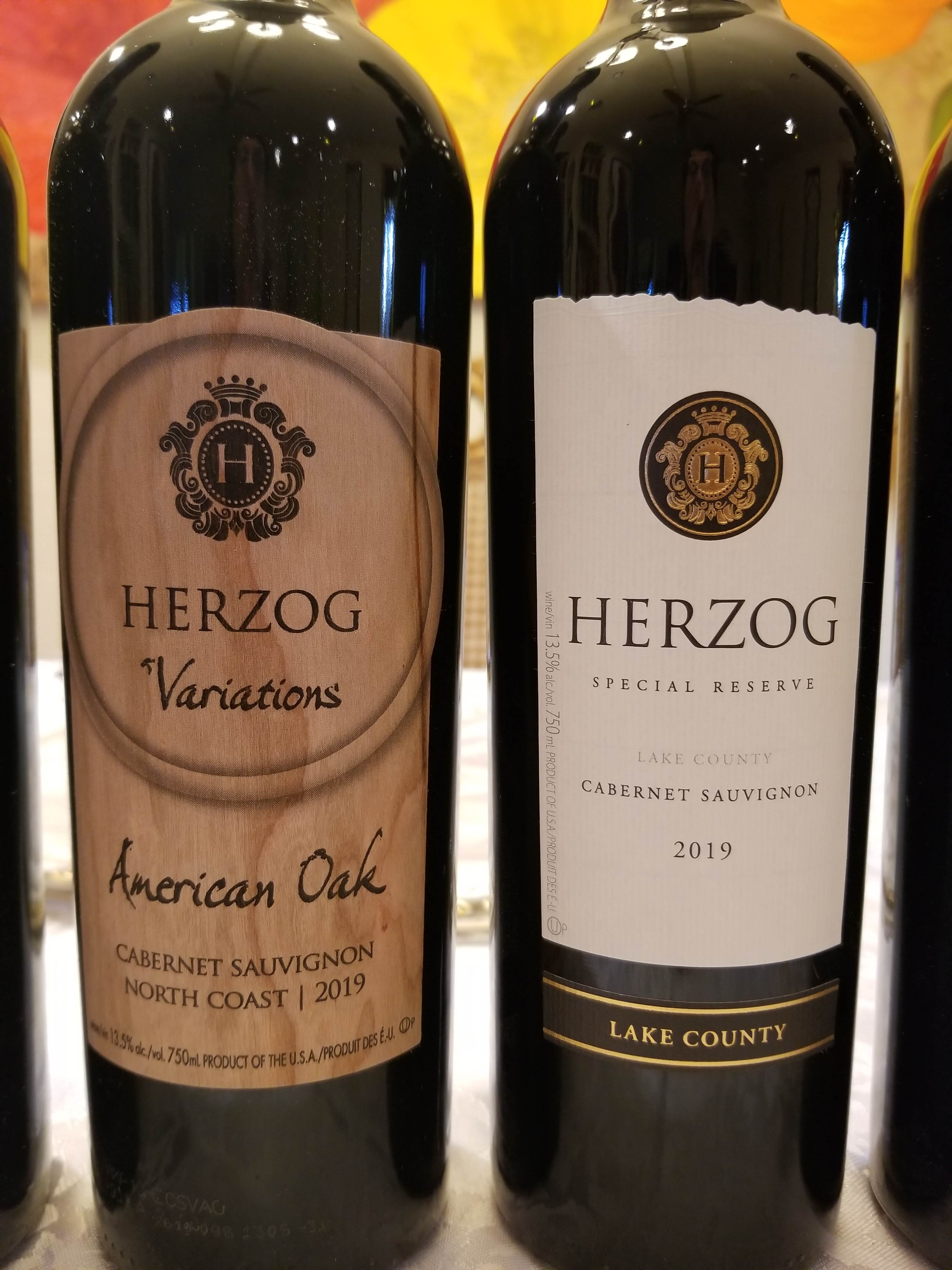
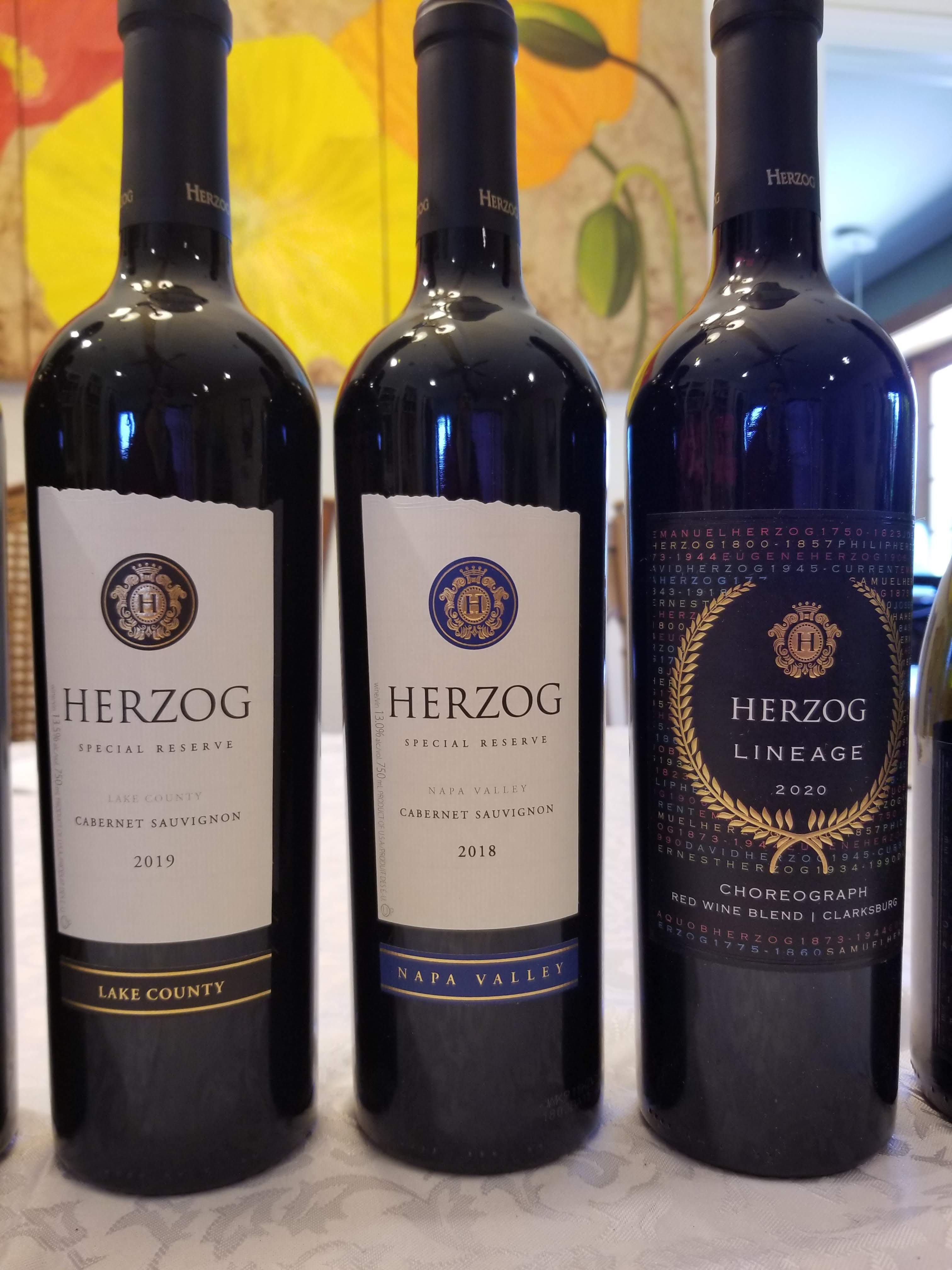
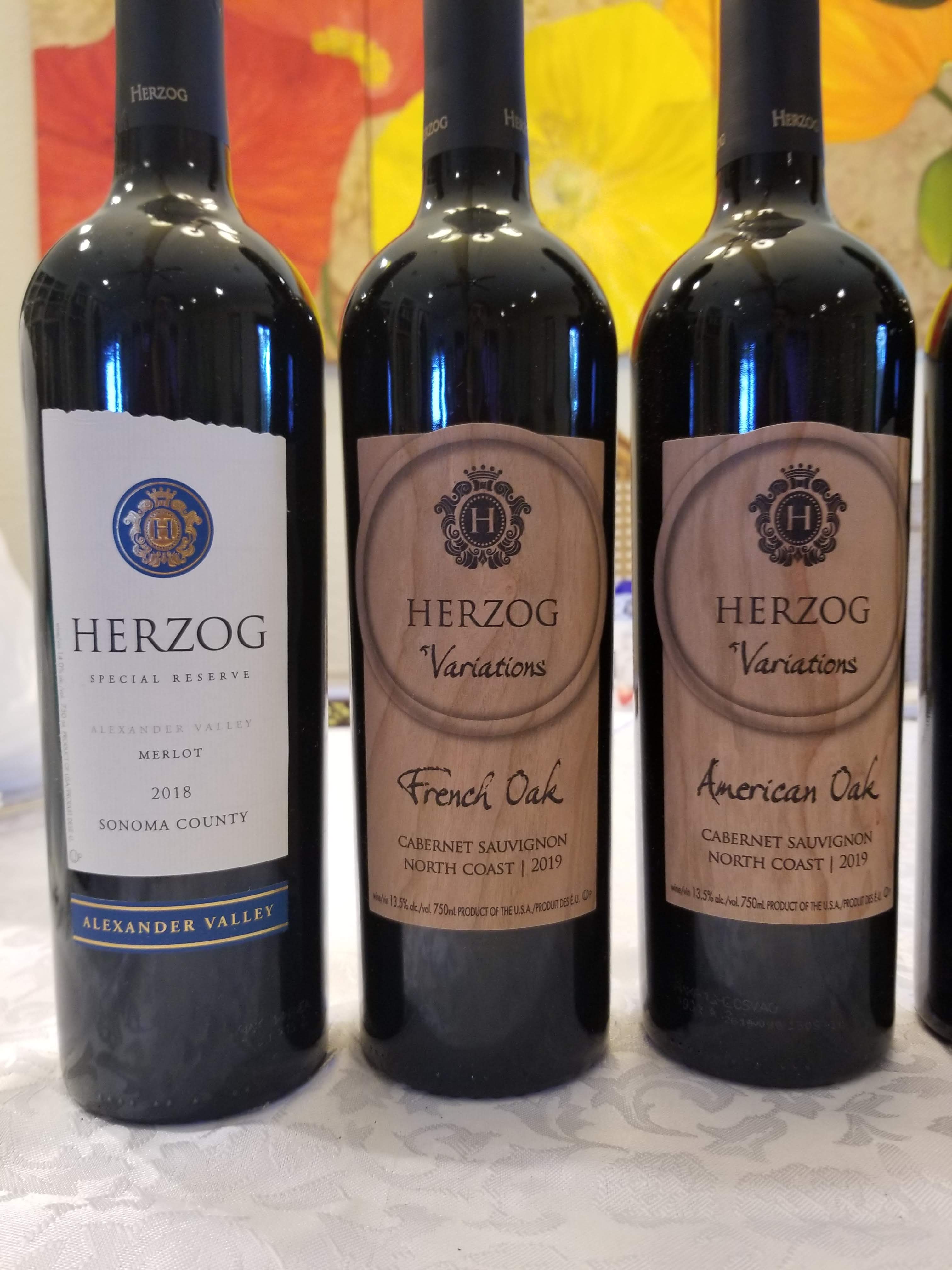
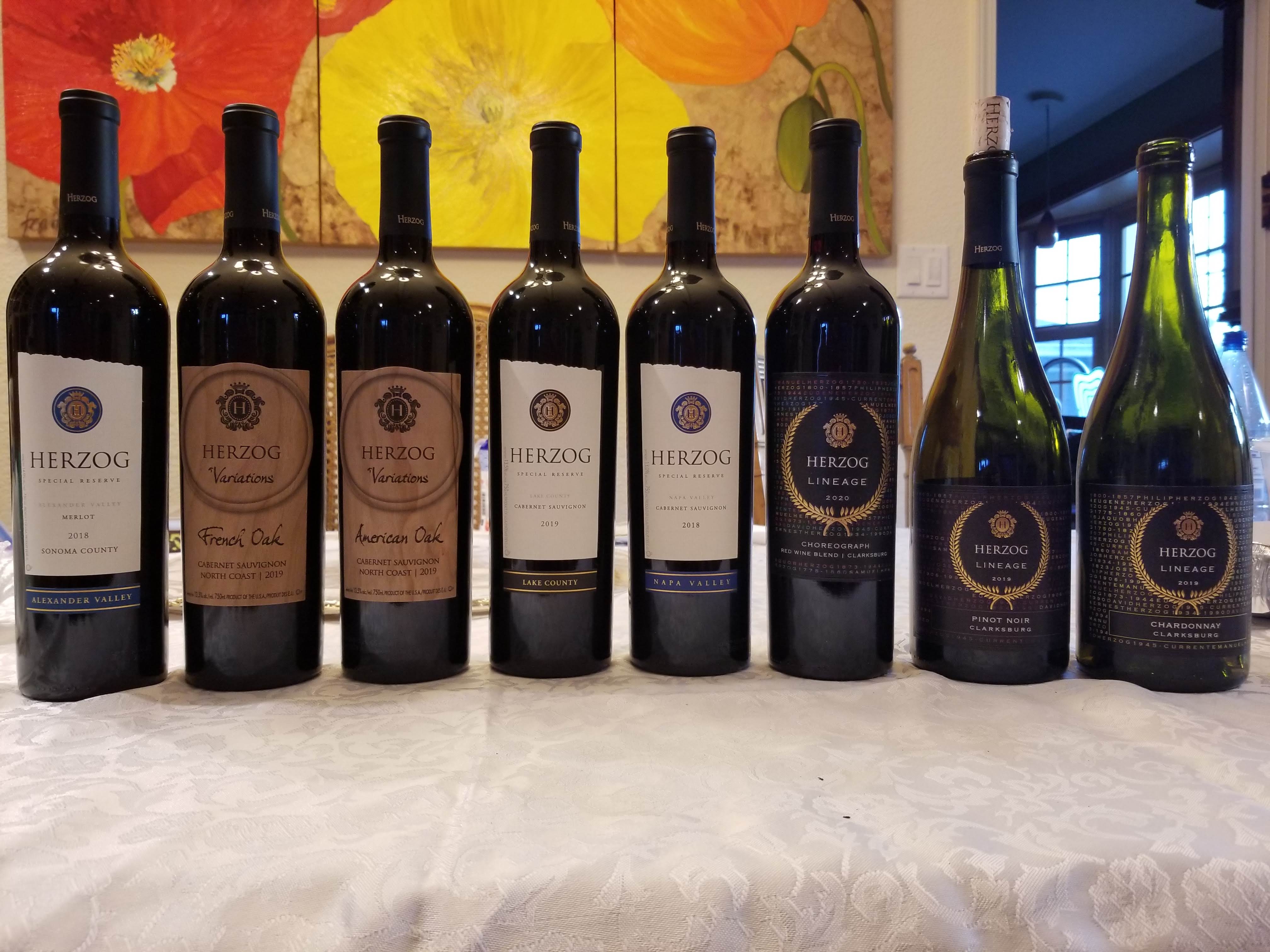
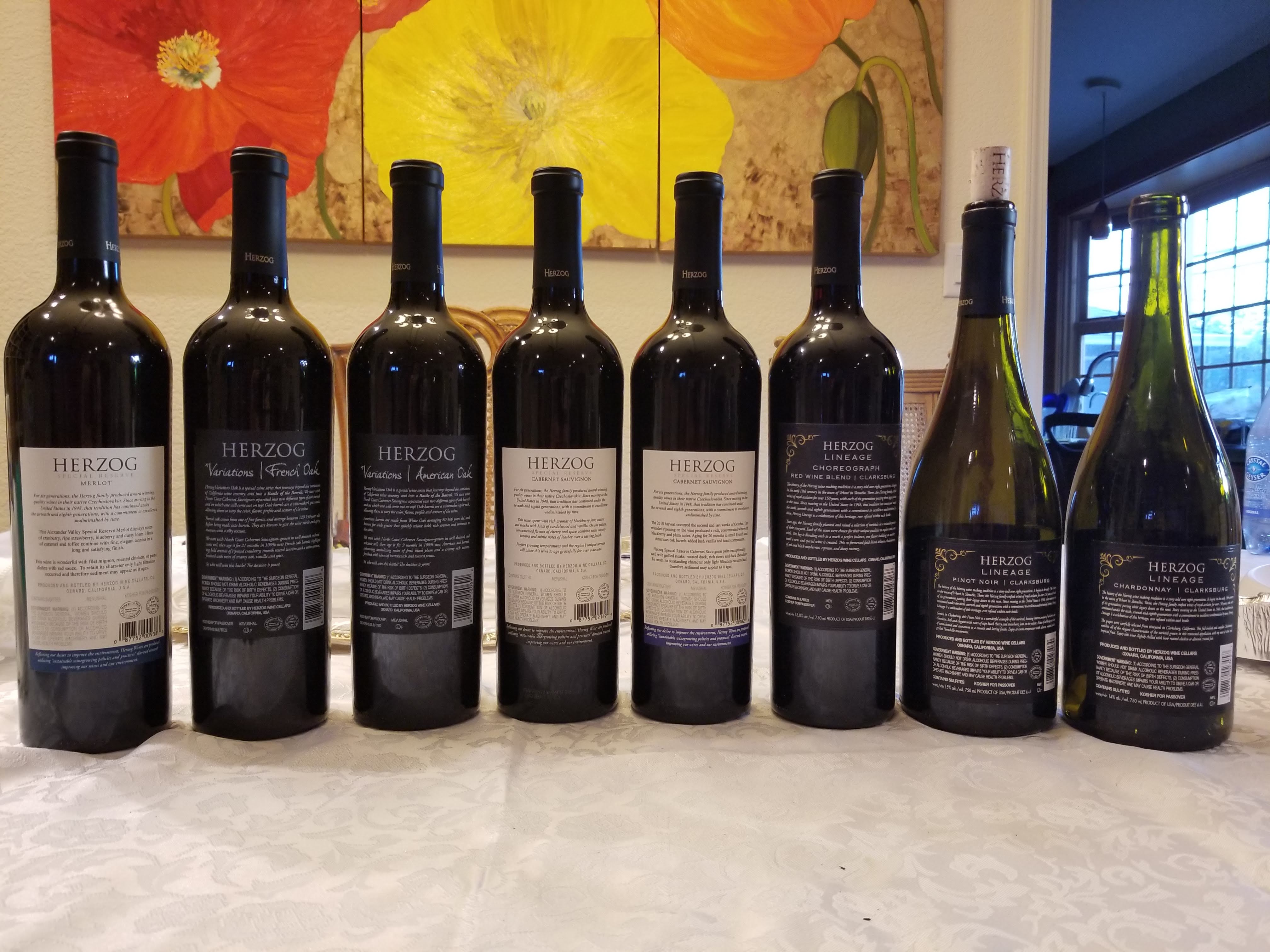
2018 Herzog Merlot, Special Reserve, Alexander Valley (M) – Score: 91 (QPR: WINNER)
This is the return of the Alexander Valley Merlot – Miles is dead (not in real life but you get the gist)! The nose on this wine calls to mind a Zinfandel more than a Merlot, which is helped by what I think is sweet American Oak, followed by hickory, sweet sugar/toffee notes, followed by blue and red fruit, licorice, with violet notes, and smoke. The mouth on this medium-bodied wine, to start shows more like Zinfandel than Merlot, with enough complexity to grab you, followed by fine tannins to start, but they grip and drape with time, strawberry, boysenberry, cranberry, and hints of pomegranate, with intense garrigue, sweet zin berry notes, and everything that makes me want to say this is a Zinfandel. The finish is long, green, red, smoky, and gripping with tannin, boysenberry, leather, and more violets. You see why I think this is a Zinfandel! With more time the wine does not change, in the end, it is a nice wine that does not taste like a Merlot to me. (tasted March 2021)

My top 25 kosher wines of 2020 including Wine of the Year, Winery of the Year, and the best Wine of the Year awards
Like last year, I wanted to make this post short and sweet – so the criteria are simple. I could care less about price, color, or where it was made. All that matters is that it is/was available this year sometime to the public at large and that I tasted it in a reliable environment, not just at a tasting, and that it was scored a 92 or higher. Also, there are a few lower scoring wines here because of their uniqueness or really good QPR.
We are returning with the “wine of the year”, “best wine of the year” along with categories I added last year, “Winery of the Year”, “Best White wine of the year”. Wine of the year goes to a wine that distinguished itself in ways that are beyond the normal. It needs to be a wine that is easily available, incredible in style and flavor, and it needs to be reasonable in price. It may be the QPR wine of the year or sometimes it will be a wine that so distinguished itself for other reasons. The wines of the year are a type of wine that is severely unappreciated, though ones that have had a crazy renaissance, over the past two years. The Best Wine of the year goes to a wine well worthy of the title.
This past year, I think I am pretty sure about my state on kosher wine overall. In the past, I had not yet tasted the pape Clement or other such wines. However, over the past year, those have been covered, and they were a serious letdown. As stated in the article, I truly believe the entire kosher production of the Megrez wines, following the EPIC 2014 vintage of the Pape Clement and others, to be below quality and seriously overpriced, and without value in every category, which is a true shame. The 2015 reds are all poor quality and the whites are not much better, in 2015 and 2016. The 2016 Pape Clement, while better, is a total ripoff for what it is. As I will talk about in my year in review post, 2014 will come out as the best vintage for the past decade in France. That is a hotly debated subject, but IMHO, in the world of kosher wine, there were FAR more best wine options in the 2014 vintage than any other vintage in the past decade. That may not be the case for non-kosher wines, but news flash, I do not drink non-kosher wines, or even taste them, and further this blog is about kosher wines. The 2018 vintage may well have some serious “best wine of the year” candidates, but sadly, not all of those wines are here and I could not travel to France to taste them all, as I do commonly.
There are also interesting wines below the wines of the year, think of them as runner-up wines of the year. There will be no rose wines on the list this year. If last year, I thought the roses were pure junk, this year, you can add another nail in the coffin of rose wines, IMHO. Thankfully, the task of culling the bounty of great wines to come to these top wines was more a task of removing then adding. We are blessed with a bounty of good wines – just not like a few years ago when that bounty included many 95 and 95+ scoring wines.
The supreme bounty comes from the fact that Royal released the 2018 French wines a bit early! Throw in the incredible number of kosher European wines that are coming to the USA and being sold in Europe and this was truly a year of bounty for European kosher wines.
Now, separately, I love red wines, but white wines – done correctly, are a whole other story! Sadly, in regards to whites, we had no new wines from Germany, still. Thankfully, we have some awesome new entries, from the 2017 and 2018 Dampt Freres Chablis, both Grand Cru and Premier Cru, and the new 2019 Meursault!
The wines on the list this year are all available here in the USA, in Europe, and a few can be found in Israel, as well.
Finally, some of these wines are hard to find and they may have different siblings – but they are worth the effort. The wine notes follow below – the explanation of my “scores” can be found here:
The 2020 kosher wine of the year – is a return to its greatness – the 2018 Elvi Wines EL26
Elvi EL26 is back! Back to the glory days and I have stocked up and sadly, it will sell out quickly, if it is not already sold out! Get a move on, there was not a huge production of this beauty!
So, why did EL26 win? Simple, it is a great wine, and then throw in its WINNER price, and this wine punches at two levels, at the same time! You can read more about this fantastic wine here, in my post about it. Enjoy!
2018 Elvi Wines EL26, Elite, Priorat – Score: 93 (QPR: WINNER)
This wine is a blend of 80% Garnacha (Grenache) and 20% Carignan. This wine is pure heaven, dirt, smoke, roasted animal, saline, mineral, juicy tart red, and blue fruit, with incredible precision and fruit focus – Bravo!
The nose on this wine is pure fun, showing tart red fruit, incredible fresh loam, and dirt, hints of mushroom, licorice, roasted animal, a whiff of oak, sage, rosemary, with dirt, and green notes. This wine is currently far more Bordeaux in style than that of a Spanish Priorat! The mouth on this medium-bodied wine is not overly extracted, but it is well extracted, with good mouth and fruit texture, with incredible acid, good fruit focus, showing dark cherry, plum, ripe and tart raspberry, strawberry, oak, vanilla, and garrigue, with green notes, and lovely mouth-draping tannin. The finish is long, green, yet ripe, with great control and precision, with lovely graphite, more roasted meat, scraping minerality, saline, rich smoking tobacco, and smoke, lots of char and smoke. Bravo! With time the wine opens more and shows its riper side, still very controlled, but the fun red and blue fruit become a bit fuller and richer in the mouth – quite an impressive wine! Drink from 2026 until 2036. (tasted December 2020)

Herzog Wine cellar’s 2018 lineup is sensational – beyond just the Cabernet Sauvignons
Herzog Wine Cellars (which now go by herzogwine.com not herzogwinecellars.com, no idea why they dropped that and emails bounce all over the place, a better idea would have been simple web/MX record routing/forwarding – but enough tech talk) has been in the wine business, in California, since 1984. The days of San Martin, when I met Josh Goodman and his wife (PSA – be careful with how you pronounce her name) when they were in the San Jose Jewish community. In those days, San Jose was the closest thing to a community for them, that was close enough to San Martin, for them to live a Jewish life and work as cellar rat/master at Herzog Wine cellars. With time, the Herzog moved to Santa Maria, which was closer to the L.A. area and then they finally moved to the location they are today, in Oxnard, in 2005.
In the start, the head winemaker was Peter Stern, mostly as a part-time winemaker. In 1998, Joe Hurliman joined as the full-time winemaker at Herzog Wine and they have not looked back, thankfully! In that time, Joseph Herzog took over running the winery and Tierra Sur, the wonderful restaurant attached to the winery. Soon after moving into the Oxnard winery/facility, Herzog undertook multiple manners to interact with their customers. The first approach was the winery’s tasting room, which is still highly pivotal in attracting all members and customers into tasting Herzog wines. They also started with many wine clubs, with the most influential one being Eagle’s Landing. It has become the area where Mr. Hurliman can truly experiment, at smaller scales, than even the Special Edition series and craft wines that he would love to see become mainstream. Things like Santa Rita Pinot Noir, Templeton Pass Zinfandel (we need more of that kind of Zin being made!!), and Paso Robles Syrah. These are not new to the kosher world as much as they are good to see at the scale and care that Herzog can bring to these varietals and wines.
One cannot talk about Herzog without talking about a few very poignant points:
- Mevushal
- Cabernet Sauvignon
- Vineyards
- Ageability
- L.A. KFWE/IFWF/Tierra Sur – Todd Aarons
Mevushal Program
Herzog did not invent the Mevushal methodology in the new era of kosher wine, which was done by Hagafen Winery, but Herzog has been equal or slightly better than Hagafen as time has progressed. When you ask who does the best with Mevushal in wines – the answer is Hagafen and Herzog, there is no one else in their league. Royal Wines Europe does a nice job as well, but they are two peas in the same pod. Rollan de By does a very good job as well.
The next question you will consistently get is – does the Mevushal process hurt wine? The answer is complex and like everything in this world, it depends. It depends on the process you use, the varietals you “boil”, and for how long you do the process, and at what temperature. Long ago, people have stopped boiling wine – they moved to Flash pasteurization or Flash Detente, both in the kosher wine world and outside of it. The length of time and the temperature of the flash is one that is hotly debated in the Rabbinic kosher world, which is why you will see many put the temperature the wine was flashed at, on the wine bottle itself. Few wineries will flash Pinot Noir or Grenache as these wines are delicate and will not gain from the flash process. Herzog does flash their Lineage Pinot and it is not a wine for long holding so that works with what they are shooting for. Hagafen, flashes everything and as such, they do flash the Pinot and Pinot Prix, but IMHO it has been hurting the wines in recent vintages. Doing the Mevushal process to Cabernet Sauvignon is one that works and may well be the most prevalent of the varietals out there that go through the Mevushal process.
Cabernet Sauvignon
This leads us to the standing joke, in regards to Herzog Wine Cellars, that Herzog makes more Cabernet Sauvignon, in a single vintage, than almost any winery makes wine, across all labels. They are the Cab Kings like Oryah is the Orange wine Factory. My last count was 27 Cabernet sauvignons across all labels, which is a crazy number, but to be fair, they know what their customers want. No matter the price, style, makeup, or focus of the Cabernet Sauvignon, Herzog has a Cab for you and that has been their motto for as long as they have been at Oxnard, and maybe even a bit before in Santa Maria.
Vineyards
Herzog has done a very good job in both managing leases/relationships with vineyards – dating back to the early days of the 1990s. Chalk Hill and Alex Reserve are both examples of vineyards they have managed to lease and continue to do so for decades. This is not anything new in any way, but it was for kosher California wines in the 1990s. Hagafen Winery has had vineyards that they have leased or owned for long stretches’ of time as well. It is just a very impressive thing to have done back then.
They have quietly been buying vineyards all around California. It started in 2010 when they were forced to buy the land or lose their longtime relationship with Clarksburg grapes. Then in 2017, they bought 2 plots of land in lake County. Then in 2018, they bought the Herzog Ridge Vineyard in Napa Valley. The new 2018/2019 Forebearer wines (listed below) are from that vineyard.
Ageability
There are not many wineries today, in the kosher market, that have wines dating backing to 1996 that still blow my mind. yes, I continue to have my mind blown by 1997 Four Gates Merlot or Pinot Noir, and Yarden made some wines back then that were pretty good as well. However, to have made wine continuously, minus a few years here and there, I would have to say, the only ones that come to mind are Capcanes (until 2015), Herzog, and Four Gates. That is quite an impressive feat and one that helps me to buy their wines on an almost yearly basis.
L.A. KFWE/IFWF/Tierra Sur – Todd Aarons
Tierra Sur was a smash hit years before IFWF came to Los Angeles in 2008. Todd Aarons was running the ship and he could well have been the first kosher Chef-Driven restaurant, at least in the USA. There were a few in Paris in the late 1990s that were quite the thing. Still, Chef Aarons brought that flair, focus on ingredients, and presentation to a far-flung location, outside of L.A., but within driving distance, that made Tierra Sur world-famous for kosher and non-kosher consumers alike.
The IFWF (International Food and Wine Festival), the west coast’s KFWE was Herzog’s way of showing off the food over the wine. The 2007 KFWE, and many after it, was more focused on the wine and good for them! What Herzog has done for so long with the IFWF or the KFWE is to showcase what Los Angeles has over the east coast, at least at that time for sure, which was the weather and great food!
2018 Wines
Now on to the wines! The 2017 vintage was not kind to much of California and sadly it affected Herzog wines as well. I did like the 2017 Lineage Chardonnay and the 2017 Herzog Cabernet Sauvignon, Lake County, with the Clone Six showing some elegance from under the issues of the vintage. All of that is in the past and the 2018 vintage is another winner. These wines are rich and layered and truly a joy – I would not sit long on the sidelines, I would buy these ASAP before they all go away. So to those that ask me – why did you not warn me – you have been warned!
In the end, this vintage is a WINNER across the board. The Forebearers are nice wines but they are relatively expensive, in comparison to other Herzog options, from 2018. The Pinot Noir, Cabernet Sauvignon, Lineage, Reserve, even the Baron Herzog line have great deals and lovely wines. Overall, if I was standing in front of Joe Hurliman at KFWE, I would have said what I am oft to say – Bravo my good sir – BRAVO!
I will keep this short, so my many thanks to Joseph Herzog, David Whittemore, Joe Hurliman, and Alicia Wilbur for answering my many emails and calls. Be well to you all, California is getting even crazier – stay safe guys! The wine notes follow below – the explanation of my “scores” can be found here:
2018 and 2019 Forebearers Wines
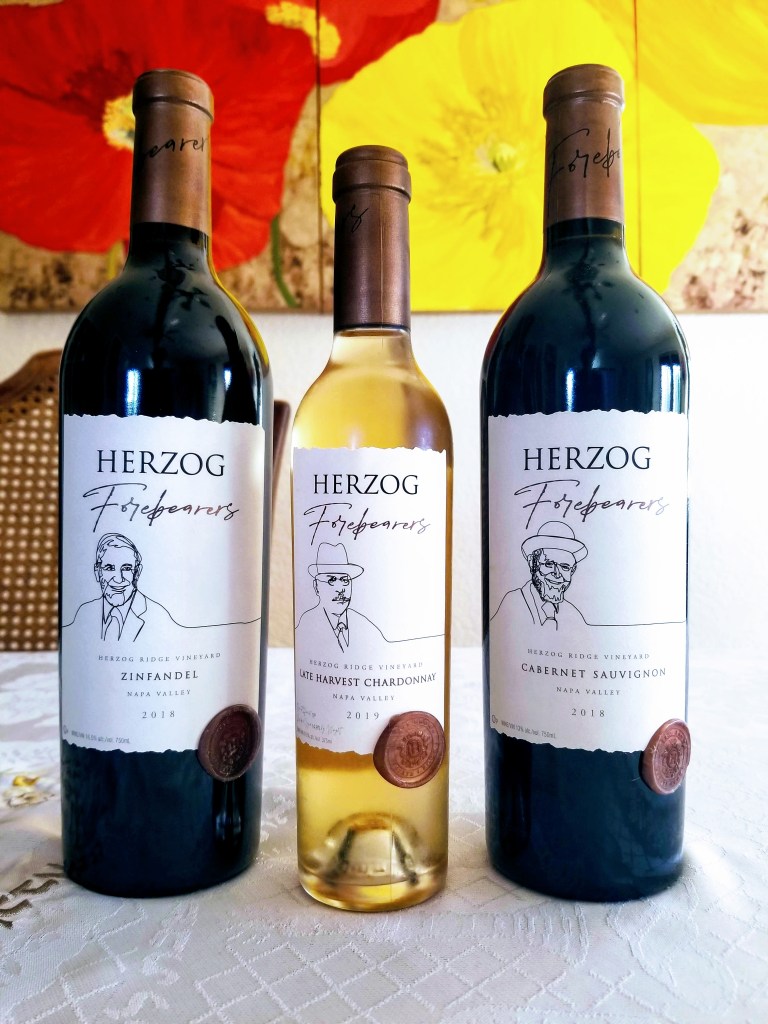

2018 Herzog Cabernet Sauvignon, Forebearers, Napa Valley (M) – Score: 92+ (QPR: POOR)
The wine is very slow to open, this wine needs time, so give it the respect it deserves. The nose on this wine is lovely, not one of those “Brilliance” fruit bombs, this is a lovely earthy, anise filled joy, with smoke, tar, fruit galore, but well-controlled, with loam, candied ginger, and more fruit. The mouth on this medium-bodied wine is oaky, it starts off with a clear focus of oak, and has a bit of a hole, but with time, as I said, this needs it, the hold fills in well, with a rich coat of mouth-draping tannin, earth, sweet dill, oak, blackberry, dark cherry, hints of plum, and currants, all wrapped in tannin and oak, very nice. The finish is plush, and tart, with good acidity, earth, more dill, sweet smoking tobacco, dark chocolate, and anise. Really nice, a wine to get and store away. Bravo!
With loads of time, this wine really starts to shine and I highly underestimated it, this wine is super young and needs time. I would wait 3 years to play with this again. Let this beast lie. Drink from 2024 until 2028 maybe longer. (tasted Nov 2020)

KFWE London takes a giant step forward with things still to fix
As always, I start my posts by thanking God and my wife for allowing me to go and taste wines around the world. With the Coronavirus (COVID-19) going strong around the world, I was sure the planes would be emptier, but they were not. Thankfully, I flew and returned home, safely, Shomer Petayim Hashem. Now, on to show.
This year, I flew to London, and was in London for less than 24 hours, before, going on a train to Paris, where I stayed until after Shabbat, then I flew to NYC for KFWE there, then to LA, for KFWE there and then on home. Our plane to London came after the storms that terrorized Europe. First came Ciara on Feb 9th, a week before KFWE, but then came Dennis, the Sunday before KFWE, which was on Monday. What a beast that was, look at these videos, intense flooding! Ciara was so crazy that it blew a British Airways 747 825 MPH! The flight from NYC to LHR took under 5 hours, the fastest on record! I have a few snapshots on my flight going 700 MPH but come on, we were getting the leftovers of Denni’s fury or help, depending on how you see it and understanding the context of where you were at that moment.
Sadly, Dennis was so destructive, it did not stop at London or Paris, it continues throughout Europe. Sadly, that meant that wineries from Italy and Spain were not able to attend the KFWE. So Elvi Wines’s Moises Cohen and David Cohen were not able to make it, and nor was Eli Gauthier from Cantina Giuliano.
Overall thoughts of the new wines
Throughout the travels, I really did not find any new wine that I would kvell about. I STRESS NEW wine. Sure, there are many great wines, but they were wines I had already tasted. I did taste a few very special wines in Paris, that is another three posts from now. Other than that, all the roses I tasted from 2019 carried forth the flaws of 2018, flat, boring, and maybe showing a bit more acid, but who really cares. If there was ONE takeaway, from all the KFWE and other tastings like Bokobsa, and tastings I did in private, it would be that 2019 roses are a HARD pass from Israel and USA so far. The thankful note goes to Royal Europe for bringing back the rose love with the 2019 Chateau Roubine, La Vie! Also, Bravo to the unbottled Costa Rosato from Cantina Giuliano, sadly Eli was not there, because of the storms, but the rose showed very well, more of a Gris than a rose, and lovely. The other takeaway I had from all of the KFWE was that 2017 was a VERY hard year for California. It shows in every 2017 red and white wine, that I have tasted so far, except for the 2017 Herzog Chardonnay, Lineage, which is lovely, and which was on my QPR of the year list. The 2017 vintage, throughout the world, actually sucked. Spain had hail and other issues, Israel was a mess, California had two HUGE heat waves hit it and many lost their fruit, along with the smoke taint from the fires, and France had the freeze that culled many vineyards, while also just being an average vintage for Bordeaux and Burgundy. Yes, there were a few very nice wines from Bordeaux and Burgundy from 2017, but the vintage was no 2015 or 2016. On average 2017 in Bordeaux was no homerun. The 2017 California wines either taste overly ripe and fruity or they taste green and under-ripe. Either way, 2017, IMHO, is a vintage I will pass on from California, sadly.


Getting back on topic, the reason for coming to KFWE London was simply that I like London, it is a great city, and even if I am there for less than 24 hours, it is still fun to see the environment of what is becoming quite a kosher food and wine enclave. The issues I brought up on my post last year, being the distribution of kosher wines is still hanging over London. I spoke with many of the buyers that I know of in London, and they all agree, none of the enophiles buy their wines from a store. This issue is one I highlighted in my year in review, and it is one that needs to be answered long term.
KFWE London 2020
So, in my review last year of KFWE London 2019, I summed it up in one sentence:
So, in a single sentence to wrap up KFWE London 2019, an elegant hall and presentation, solid wines served, ok crowd control, poor implementation of the venue, glasses were OK and could be improved, and the food needs help.
This year things changed, well most of them anyway. Let us start with the good, the hall continues to be a huge highlight of the event, both the general hall and the VIP hall/rooms are quite beautiful. They are elegant and regal, all the ways you expect a London event to be held. The wines were solid again if you wanted to taste the new 2017 Royal wines, this was the ONLY KFWE event that had them all, ONLY! Sure, Menahem Israelievitch was nice to bring the 2017 Leoville Poyferre, by hand, from Paris, but if you wanted to taste the 2017 Chateau Giscours or the 2017 Les Roches de Yon Figeac, you were out of luck. Throw in the fact that ALL of the 2017 Herzog Wine Cellars Winery also had all of their 2017 wines there, along with the yet unlabeled 2016 Herzog Cabernet Sauvignon, Calistoga, Single Vineyard. Once again, Herzog Wine Cellars came to play and came with all their wines. Though it was an absolute miracle for Jospeh Herzog to have even made it to London, he too was disrupted by the storms, but he was there, with maybe an hour of sleep, promoting hos wines, Bravo Joseph!!

Blue Smoke dinner and the London KFWE 2019, posh events in a growing kosher wine and food market
As I said to me old and new found friends in London, I will miss the people, I will miss their kindness and their civility, but they can keep the weather and their inability to drive on the correct side of the road!
Well anyway, back to wine and food! As stated in my previous post, this was the first year I tried going to more than two KFWE events around the world. I arrived in Paris on Monday, Went to the Bokobsa Sieva tasting, and then on Tuesday, I took the train to London. I arrived in the afternoon and I then got a short rest before heading to a crazy dinner at Andrew Krausz’s house, the master chef of BlueSmoke.
I first met Andrew, and his sidekick, Mordechai, on the hilltop of Four Gates Winery, some 20 months ago! The wines we enjoyed there are listed here. But beyond the wines, one quickly got a sense for the Jewish community of Hendon, London. I must say, I still have nightmares from the dump of a hotel that we stayed at in Golders Green, a large Jewish community kitty-corner to Hendon. Hendon reminds me of everything that is great about London. The people are really nice, the community is tightknit, and they are a bit more aware of the outside world than say Golders Green. That said, I have heard wonderful things about the Golders Green community, I just need to exercise the nightmares of my past. Anyway, enough of my nightmare! The next time you need a nice hotel in Hendon area, Pillar Hotel! Solid, kept up nicely, kosher, and the folks are really nice.
Blue Smoke and Andrew Krausz


Take a quick read of this article to get a sense of Andrew and the work he puts into Blue Smoke and the joy people are getting from it. The dinner at Andrew’s was insane, to say the least, and there were many winemakers there that we would be seeing again the following evening at London’s KFWE! The courses were highlighted by cured more than smoked but streaked with bits of smoke throughout. The dinner started with gravlax and pickled beetroot. The pickled beetroot was straight crack! It was infused for 6 months! I hope this starts to give an understanding to the participants of the level of effort that was made to put this event together. The care and love for the task at hand by Andrew and his family! Yes, the family, were incredible! They have to live with the madness that fed people like me. From what I could tell, they are happy travelers on the road of food madness that is paved by Blue Smoke, but I am sure the 25 or so people invading their home on a weeknight, and the days and weeks of preparations leading up to that day, may not have been a path so easily traveled. Also, please understand that we would see Andrew for a few seconds as he explained the dish and then he disappeared into the same black hole from which he miraculously reappeared from over and over again. That black hole, the cavernous sized kitchen, was packed with humanity and hands coordinated by Andrew to push out 25 dishes over and over again throughout the evening. Read the rest of this entry

A Horizontal of 2013 Pinot Noirs and other top Pinot Noir to buy now
A few weeks ago, Benaymin Cantz from Four Gates Winery and friends came over for a Friday night dinner, and I thought it was a good time to open my 2013 Pinot Noirs that I have been saving. I must say, in hindsight, I should have done it earlier, as some of the wines were already past their time or DOA.
My love for all things Pinot is well known, and I had such high hopes. Overall, the night was fine, it was just not at the level I had hoped for. Thankfully, Benyo brought two extra wines, and they made the night super special! They were, a 1997 Four Gates Pinot Noir and a 2005 Four gates Merlot. M.S.C.
It is funny how the media can change people’s perspectives, and in some cases twist it in a way that we would not expect. Say Pinot Noir and most wine drinkers will think of the enigmatic anti-hero Miles Raymond, and his explanation on his love for Pinot Noir; “…It’s, uh, it’s thin-skinned, temperamental, ripens early. It’s, you know, it’s not a survivor like Cabernet, which can just grow anywhere and thrive even when it’s neglected. No, Pinot needs constant care and attention. You know?…“. Pinot is a complicated grape – but not to its own detriment. Listen to Miles throughout Sideways and you may come to think that Pinot is fleeting, flinty, thin, and complicated. In the end, as you watch that horrible movie, you quickly realize that Miles was simply projecting in a fire fueled rambling and using Pinot Noir as his conduit.
To the French, Pinot Noir is called Burgundy – following the tradition of French wineries to name their wines after the region where the grapes are grown. Americans have had success with Pinot – in California, Oregon, and Washington State. New Zealand, has really taken the lead in bringing the grape into the 21st century. The French Burgundy has its terroir (earthy dirt flavors, sometimes barnyard flavors as well). The New Zealand and American Pinots show characteristics that are more akin to Syrah then Burgundy – fruit forward, meaty wines with soft caressing tannins. The rest of the world is choosing sides. Though true terroir flavors are hard to replicate outside of Burgundy, many countries have been successful at bringing out the true fruit characteristics that the land is willing to share and are creating wonderful Pinot Noirs. Israel was starting to come into its own with Pinot Noir, now all I would buy from Israel, in regards to Pinot would be from Gvaot. Even if the 2013 Pinot was DOA, I have had good success with Gvaot Pinot Noir. Right now, the best bet is France and the USA, with a drop from Israel, and after that, we are on empty.
Sadly, Pinot Noir to me is one of those wines that is so badly mangled in the kosher wine world, that it is no shock that most kosher oenophiles, turn face when u say Pinot Noir. Not on account of the Pinot Noir grapes themselves, but rather on account of the pathetic state of kosher Pinot Noir wine on the market.
Say, Pinot Noir to me, and sadly I can only think of:
- Four Gates Winery
- Gvaot Winery
- Covenant Winey’s Landsman Pinot Noir (the 2016 vintage is really fun)
- 2013 Eagle’s Landing Pinot Noir (the 2015 and 2016 were too ripe for me)
- Hajdu Makom Pinot Noir (though no new ones recently)
- 2014 & 2015 Chantal Lescure Burgundy from Pommard
- 2010 Domaine Gachot-Monot Beaune 1er Cru Les Cent Vignes
- 2016 Maison Roy & Fils Shai Pinot Noir, Willamette Valley
- Hagafen and Vitkin have left me wanting more, and forget the rest of Israel’s Pinot Noirs. Same goes for Pacifica, which has also been lacking, other than one vintage.

 Wine Musings Blog