Blog Archives

2015 Terra di Seta Riserva, Chianti Classico – QPR superstar of Italy, 2016 Chateau Royaumont, and others
This past Shabbat I enjoyed the latest release from Terra di Seta, the 2015 Terra di Seta Riserva (PLEASE STOP spelling it Reserve), and yes it was sold out, but now it is back in stock, but I would buy ASAP as you cannot keep these darn wines in stock. I have a new idea for Terra di Seta, produce double the quantity going forward because we can never get enough of any of it!
Since I was finally trying the 2015 Terra di Seta Riserva I thought I would taste it side by side with other Italian wines. Sadly, none of them came close to the TDS’s quality. Two of them tasted like oxidized date juice while the 2018 Cantina Giuliano Chianti may well be the first wine from this winery that I would buy, it was close anyway. I also tried an Israeli wine that GG (Gabriel Geller) kvelled about and sadly I cannot join him in his praise.
Finally, I once again opened a bottle of the 2016 Chateau Royaumont and WOW is it fun, it is a bit ripe but it really is well balanced.
What can I say, Royal Wines keep on killing it with QPR options that are top-notch! The wine notes follow below – the explanation of my “scores” can be found here:


2016 Chateau Royaumont – Score: 92 (QPR Star)
This wine is a blend of 70% Merlot and 30% Cabernet Franc. This is perfume heaven, this is what I want from Merlot, bright fruit, ripeness that is under control, with rich minerality, and lovely earth. The nose on this wine is lovely, ripe, bright, controlled, Merlot perfume, with the green and tart notes of the Cabernet Franc, bringing this nose altogether, with dark plum, graphite, earth, and loads of black fruit. The mouth on this medium-bodied wine has it all, the ripeness is there, get over it, but it is so beautifully balanced, with great acid, loads of mouth draping, elegant, and coating tannin, followed by blackberry, dark plum, rich mineral, lovely earth, tart, and juicy strawberry, with green notes, forest floor, and foliage/garrigue. The finish is long, green, ripe, balanced, with tart juicy fruit, elegance, lovely mushroom, smoke, and hints of tar. WOW! Bravo!! Drink from 2021 until 2030.
2015 Terra di Seta, Riserva, Chianti Classico – Score: 92 to 93 (QPR Superstar)
The nose on this wine is pure heaven, showing floral notes, dried mint, oregano, with more herbs, mushroom heaven, forest floor, and earth, with red and black fruit galore, wow. The mouth on the beautiful full-bodied wine is what I want from all wines, a clear game plan, fruit-focus, rich acidity, clear fruit, and an overall mouthfeel that is draping, elegant, and yet breathtaking, with so much acid it will take your breath away, with blackberry, dark cherry, cassis, and hints of currants and raspberry, with loads of more mushrooms, all backed by gripping tannin that is a bit harsh to start, with smoke, and bramble. The finish is long, green, earthy, mineral-driven, and acid backed, with crazy tobacco, herb central, and coffee all working together, with green notes that linger forever. Bravo!!! Drink from 2021 until 2028. Read the rest of this entry

Blue Smoke dinner and the London KFWE 2019, posh events in a growing kosher wine and food market
As I said to me old and new found friends in London, I will miss the people, I will miss their kindness and their civility, but they can keep the weather and their inability to drive on the correct side of the road!
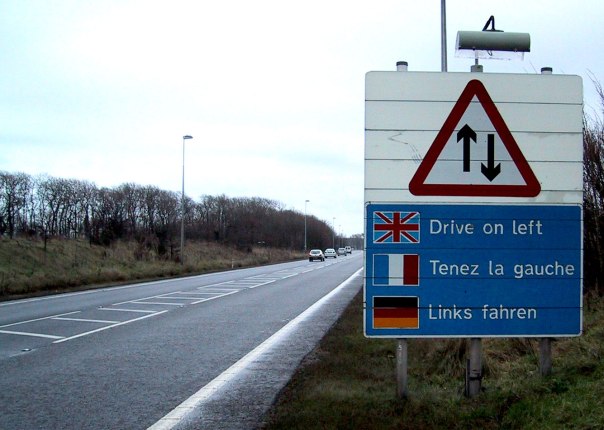
Well anyway, back to wine and food! As stated in my previous post, this was the first year I tried going to more than two KFWE events around the world. I arrived in Paris on Monday, Went to the Bokobsa Sieva tasting, and then on Tuesday, I took the train to London. I arrived in the afternoon and I then got a short rest before heading to a crazy dinner at Andrew Krausz’s house, the master chef of BlueSmoke.
I first met Andrew, and his sidekick, Mordechai, on the hilltop of Four Gates Winery, some 20 months ago! The wines we enjoyed there are listed here. But beyond the wines, one quickly got a sense for the Jewish community of Hendon, London. I must say, I still have nightmares from the dump of a hotel that we stayed at in Golders Green, a large Jewish community kitty-corner to Hendon. Hendon reminds me of everything that is great about London. The people are really nice, the community is tightknit, and they are a bit more aware of the outside world than say Golders Green. That said, I have heard wonderful things about the Golders Green community, I just need to exercise the nightmares of my past. Anyway, enough of my nightmare! The next time you need a nice hotel in Hendon area, Pillar Hotel! Solid, kept up nicely, kosher, and the folks are really nice.
Blue Smoke and Andrew Krausz


Take a quick read of this article to get a sense of Andrew and the work he puts into Blue Smoke and the joy people are getting from it. The dinner at Andrew’s was insane, to say the least, and there were many winemakers there that we would be seeing again the following evening at London’s KFWE! The courses were highlighted by cured more than smoked but streaked with bits of smoke throughout. The dinner started with gravlax and pickled beetroot. The pickled beetroot was straight crack! It was infused for 6 months! I hope this starts to give an understanding to the participants of the level of effort that was made to put this event together. The care and love for the task at hand by Andrew and his family! Yes, the family, were incredible! They have to live with the madness that fed people like me. From what I could tell, they are happy travelers on the road of food madness that is paved by Blue Smoke, but I am sure the 25 or so people invading their home on a weeknight, and the days and weeks of preparations leading up to that day, may not have been a path so easily traveled. Also, please understand that we would see Andrew for a few seconds as he explained the dish and then he disappeared into the same black hole from which he miraculously reappeared from over and over again. That black hole, the cavernous sized kitchen, was packed with humanity and hands coordinated by Andrew to push out 25 dishes over and over again throughout the evening. Read the rest of this entry

Top QPR Kosher wine winners of 2018
I continue to lament the lack of QPR wines. This past year, saw us with a better list of wines overall, but they are not actually QPR. I mean that 2018 saw fewer top wines and more wines at the next level down, but even those wines were not reasonably priced.
Take for example the lovely 2016 Montviel, it is a superstar wine, but it is not a pure QPR, given its 50+ dollar price. While the 100+ dollar wines abound, the 95+ score wines are nowhere to be found this past year.
So, I thought I would list the most recent QPR wines I have enjoyed over the past year. I wanted to catch up with wines I only had recently and with ones that are finally here in the USA.
My hope is that people will enjoy the wines and demand more of them. For instance, the lack of many of the QPR wines from Elvi Wines on the open market. I can find them on Royal’s website and on Elvi’s website, but sadly until recently, they were not available on the internet. Thankfully, Kosherwine.com has gotten the Elvi wines back, but Netofa wines are still not available here in the USA.
This list is not a list of wines that are meant for cellaring, though many can withstand a few years. The idea here is to enjoy these wines now while you let the long-term wines cellar and age. We all have that interest to drink interesting wines and while I agree with that, that is NO excuse to raid the cellar when u have a hunkering for a complex nose or flavor. Many of these wines will scratch the itch while the beasts’ lie and settle.
This year, the list came to a total of 20 names, which is a large number, but then again, the number of options has grown.
Finally, some of these wines are hard to find and they may have different siblings – but they are worth the effort. The wine notes follow below – the explanation of my “scores” can be found here:
QPR KINGs of 2018
The wines of the year, from my top 25 wines of 2018, are also the QPR kings of 2018.
2016 Chateau Larcis Jaumat, Saint-Emilion Grand Cru – Score: 92 (Crazy QPR)
This wine starts off open and then closes so tight like an oil drum, this thing is nuts. The wine is made of 90% Merlot and 10% Cabernet Franc, a classic right bank wine from Saint-Emilion. The nose on this wine is really bright, ripe, and intense, with rich intensity, mushroom, earth, but so much redolence, the nose is far more open than the mouth, showing rich blackberry, dark plum, and rich vanilla, followed by herb, mint, rosemary, and green notes galore. The mouth on this medium to full-bodied wine is crazy rich, it does at times remind me of Benyo’s Merlots with a fair amount of blackcurrant thrown in, which is never found on Benyo wines, but the mad acid, rich mouthfeel, closed tight fruit structure has me reminded often of a Four Gates wine, with intense notes, they scream because of the acid, that gives way to rich tannin structure that is searing and yet inviting, with rich cranberry, cherry, and crazy earth, that will give way to mushroom and forest floor with time. The finish is long, really long, lingering, and intense, with gripping tannin, acid, tobacco galore, mounds of blackcurrant, vanilla, herb, foliage, and green notes, that give way to a gripping mouthfeel that will crush anything, with tar, menthol, and more earth. OMG, this Benyo in France! Wow!! Drink from 2021 to 2030.
2015 Terra di Seta Chianti Classico – Score: 92 (Crazy QPR)
The nose on this wine is ripe, at first, the wine starts off with heat, but that blows off, but it is also well balanced, with lovely earth, mineral, dirt, with dark cherry, coffee, and lovely dark fruit. The mouth on this medium to full-bodied wine is beautiful, complex, well layered, with rich concentration, nice extraction, all balanced and plush, with rich blackberry, currant, lovely mouth draping tannin, with lovely foliage, and some nice earthy and fruit bite. With time, it shows its ripeness, but also intense minerality, saline, graphite galore, and lovely tannin structure. The finish is long, green, and ripe but balanced, with lovely acid, great texture, that gives way to more coffee, graphite, scarping mineral, and light almond bitterness on the long finish. Bravo!! Drink 2019 to 2023.
QPR top 19 Winners (in no particular order)
2016 Elvi Herenza Semi (blue label) – Score: 90 (mevushal) (QPR)
Lovely nose with great spice and lovely oak and with dark fruit, tart and refreshing while also being elegant. Really nice attack and really tart and tannic but accessible with great tart red fruit, classical in style with spice, green notes, and nice acid that gives way to coffee and nice cherry and tart and zesty currant. The finish is long and tart with great foliage, tart fruit, and earth. Bravo! Drink by 2020. (Available here in the USA, France, Israel, and other locations)
2015 Chateau du Grand Barrail, White – Score: 91 (Crazy QPR)
The nose on this wine shows smoke, flint, with lovely dry fruit, showing rich honeysuckle, white flowers, with honeyed apples, and lovely Asian pears. The mouth on this medium bodied wine shows riper fruit than the nose, showing more sweet fruit, with sweet melon, with a richer mouthfeel than I would expect, with rich acidity that shows a bit further in the mouth, with intense honeydew, melon, and lovely grapefruit, and Meyer lemon. The finish is long, truly searing with acid, and rich with more honeyed fruit, and lovely citrus fruit. Bravo! Drink now till 2023. (This is sadly only available in France)
2016 Koenig Riesling, Alsace – Score: 92 (mevushal) (Crazy QPR)
The nose on this wine is lovely, showing ripe peach, apricot, with great grapefruit, followed by petrol funk, lovely honeysuckle, more floral notes, and nice mineral. The mouth on this medium bodied wine is an acid bomb, and thank god, we really needed a dry, well priced, acid bomb, with petrol notes, and this one is mevushal to boot! The mouth is dripping with acid, followed by rich lanolin, with a nice weight, followed by sweet guava notes and tart Asian pear, impressive. The finish is long, tart, crazy acid, with wax, petrol, honeyed fruit, and more sweet notes lingering long! Bravo!!!! Drink by 2020. (Available in the USA and France)
2017 Ramon Cardova Albarino, Rias Baixas – Score: 91 (QPR)
Lovely nose of rich mineral, with loads of straw, with which salinity, and lovely peach and dry apricot, with honeysuckle, lemongrass, with green notes galore. Lovely! The mouth on this lovely green and acid-driven wine, showing rich salinity, green olives, with lovely dry quince, green apples, but also with lovely lime and grapefruit, with a bit of sweet fruit of guava and rich acid that comes at you in layers. The finish is long and green, with gooseberry, passion fruit, and lovely round and tart with freshness and orange pith, and incredible acidity lingering long. Drink until 2021.
Interesting note on this wine, there is a thermosensitive logo on the label that shows ONLY when the wine is at the correct temperature, on the bottom right-hand corner of the front white label. This is a lovely wine and one that is worth the effort to enjoy at the correct temp. Cool! (Available here in the USA, France, and other locations)
My top 25 kosher wines of 2018 including wine of the year and best wine of the year awards
Like last year, I wanted to make this post short and sweet – so the criteria are simple I could care less about price, color, or where it was made. All that matters is that it is/was available this year sometime to the public at large and that I tasted it in a reliable environment, not just at a tasting, and that it was scored a 93 or higher. Also, there are a few lower scoring wines here because of their uniqueness or really good QPR. I also included some of the best wines I tasted this year – they are at the bottom.
We are returning with the “wine of the year”, and “best wine of the year”. Wine of the year will go to a wine that distinguished itself in ways that are beyond the normal. It needs to be a wine that is easily available, incredible in style and flavor, and it needs to be reasonable in price. It may be the QPR wine of the year or sometimes it will be a wine that so distinguished itself for other reasons. This year, it is one of the QPR Kings of 2018. Yes, last year, we had a single QPR King, this year, there are a few. Why? Because as I will discuss in my year in review, 2018 was about having more solid wines than having GREAT wines. Sure there is a clear Best wine of the year, which is revealed below, but 2018 will be remembered for having MANY very enjoyable wines, rather than a few GREAt wines.
Also, yes, the Wine of the year and the Best wine of the year, both made by Royal wines, such is life, and I could care less for the most part.
Again, the list is missing wines I have yet to taste, like the 2015/2016 Chateau Pape Clement, which I am sure would have been on this list if I had tasted them. There are also interesting wines below the wines of the year, think of them as runner-up wines of the year. There will be no rose wines on the list this year – blame that on the poor crop or rose wines overall, they did not even crack the interesting list. Also, this year, we were given a bounty of top wines and finding the list this year was really a task of removing then adding.
The supreme bounty comes from the fact that Royal released the 2015 and 2016 French Grand Vin wines a bit early! Throw in the incredible number of kosher European wines that are coming to the USA and being sold in Europe and this was truly a year of bounty for European kosher wines.
Now, separately, I love red wines, but white wines – done correctly, are a whole other story! Sadly, in regards to whites, we had no new wines from Germany. Thankfully, we had Domaine Netofa and Yaccov Oryah Wines to come to the rescue. On top of that, we had another EPIC year for 2016 Herzog Chardonnay, Reserve, Russian River. This year, quite deservedly, it cracked the top 25 wines of the year! The new Chablis is also nice, but the winner in the “very close” section has to be the 2016 Koenig Riesling – Bravo guys!
Some of these wines are available in the USA, some only in Europe, and a few only available in Israel.
Finally, some of these wines are hard to find and they may have different siblings – but they are worth the effort. The wine notes follow below – the explanation of my “scores” can be found here:
The 2018 kosher wine of the year – we have a TIE!
This one was a NOT a no-brainer to me this year. It was really hard. I wanted to give it to the 2016 Chateau Larcis Jaumat, Saint-Emilion Grand Cru, straight up, but it is already sold out, between me and Gabriel Geller, we sold that wine out in no time. So, instead, we will share the winner with the almost impossible to find, aforementioned Larcis Jaumat, along with another from Europe, the 2015 Cantina Terra di Seta Chianti Classico, which is also QPR superstar as well! Congratulations to Cantina Terra di Seta and Royal Wines, and to Chateau Larcis Jaumat, along with an elevated nod of the chapeau to Menahem Israelievitch for finding and curating this wonderful QPR winery tucked into a corner of Saint-Emilion! Bravo!
2016 Chateau Larcis Jaumat, Saint-Emilion Grand Cru – Score: 92 (Crazy QPR)
This wine starts off open and then closes so tight like an oil drum, this thing is nuts. The wine is made of 90% Merlot and 10% Cabernet Franc, a classic right bank wine from Saint-Emilion. The nose on this wine is really bright, ripe, and intense, with rich intensity, mushroom, earth, but so much redolence, the nose is far more open than the mouth, showing rich blackberry, dark plum, and rich vanilla, followed by herb, mint, rosemary, and green notes galore. The mouth on this medium to full-bodied wine is crazy rich, it does at times remind me of Benyo’s Merlots with a fair amount of blackcurrant thrown in, which is never found on Benyo wines, but the mad acid, rich mouthfeel, closed tight fruit structure has me reminded often of a Four Gates wine, with intense notes, they scream because of the acid, that gives way to rich tannin structure that is searing and yet inviting, with rich cranberry, cherry, and crazy earth, that will give way to mushroom and forest floor with time. The finish is long, really long, lingering, and intense, with gripping tannin, acid, tobacco galore, mounds of blackcurrant, vanilla, herb, foliage, and green notes, that give way to a gripping mouthfeel that will crush anything, with tar, menthol, and more earth. OMG, this Benyo in France! Wow!! Drink from 2021 to 2030.
2015 Terra di Seta Chianti Classico – Score: 92
The nose on this wine is ripe, at first, the wine starts off with heat, but that blows off, but it is also well balanced, with lovely earth, mineral, dirt, with dark cherry, coffee, and lovely dark fruit. The mouth on this medium to full-bodied wine is beautiful, complex, well layered, with rich concentration, nice extraction, all balanced and plush, with rich blackberry, currant, lovely mouth draping tannin, with lovely foliage, and some nice earthy and fruit bite. With time, it shows its ripeness, but also intense minerality, saline, graphite galore, and lovely tannin structure. The finish is long, green, and ripe but balanced, with lovely acid, great texture, that gives way to more coffee, graphite, scarping mineral, and light almond bitterness on the long finish. Bravo!! Drink 2019 to 2023.
The 2018 best kosher wine of the year!
This one was really tough. First of all, the one I chose is not available yet for purchase in the USA. Also, in terms of score, it did not beat out the 2016 Chateau Giscours, 2016 Chateau Lascombes, 2016 Chateau Du Tertre, Margaux, 2016 Chateau Montviel, or 2014 Chateau Tour Seran, Medoc (NOT Mevushal), or the 2014 Chateau Cantenac Brown, which I somehow missed from last year’s top wines. In the end – for its sheer awesomeness it beat out a very crowded field. In the end, the winner of the BEST kosher wine of 2018 goes to the 2016 Chateau Malartic, and it deserves the crown – bravo!!
2016 Chateau Malartic Lagraviere, Pessac-Leognan, Grand Cru Classe – Score: 94
The 2016 Malartic-Lagraviere is a blend of 53% Cabernet Sauvignon, 40% Merlot, 4% Cabernet Franc and 3% Petit Verdot (at least in the non-kosher version). Wow, the nose is really ripe, not what I expect from a Malartic, but still lovely, with chocolate, black fruit, earth, and lovely hints of umami, with sweet oak, earth, and sweet blue fruit. The mouth on this full bodied wine is rich, layered, and concentrated with nice control, expressive, with blackberry, blueberry, and what a change, Malartic with blueberry! Showing more raspberry, earth, and rich fruit, with a truly incredible plushness, that gives way to a rich mouth coating tannin that drapes and lifts the mouth, showing a precision, and an incredible professional touch, with plush fruit, loam, and lovely saline. The finish is long, and plush, with more blue, green, and red fruit, with leather, and power that belies its youth, a wine that will push long into its life, with tannin, licorice, and graphite/mineral that lingers long, Bravo!! Drink from 2025 until 2035. Read the rest of this entry

Flam Winery latest releases
As I have been posting so far, I enjoyed my last trip to Israel and Europe, and this will be the last post about Israeli wineries for this trip anyway! Last we left off, I was talking about – Tzora Vineyards Winery. However, that was the third winery that we visited that day – the third of the four wineries that make up the Judean Hills quartet, three of which are kosher. We visited all three of the kosher wines from the Judean Hills Quartet on that Friday, and in this post, I will cover the first of those three that we visited that day – that one being Flam Winery. This will be my last post from my trip to Israel, the next ones will be about my epic tasting in France and Riesling wines from Mosel. Also, a side note, the winery that brings us the wonderful Rieslings and Sylvaner – Nik Weiss, is a sister winery to Flam Winery. Actually, Gilad brought out a bottle of the 2015 Nik Weiss Riesling and we told him that we had issues initially with the wine, but now understand that these wines take years to come around (flavor and fruit characteristic wise) and that he should save his next bottle for a few years from now.
Judean Hills Quartet
I have already posted here about my appreciation for the Judean Hills quartet, I think what they are doing is great and is the correct way to go after the gaping sinkhole in what some would call Israeli wine education. They happen to also be some of the best wineries in Israel, which is a blessing. Who would want Yarden pushing their date juice and declaring this is the future of Israel’s wine revolution?? Instead, you have wineries like Domaine du Castel Winery, Flam Winery, and Tzora Vineyards, along with a winery I wish I could enjoy, though sadly it is not kosher – Sphera Winery – run by Doron Rav Hon, who made some of the best Chardonnays and Pinot Noir in Israel when he was in Ella Valley – those were great days!!
If you look at the four wineries in the quartet, three of them have used Judean Hills grapes since the very beginning, Domaine du Castel Winery, Tzora Vineyards, and Sephora Winery. Both Castel and Tzora built their name and reputation and essence upon the terroir of the Judean Hills. Flam has always been using Judean Hills fruit in its wines, but the reserve wines have been sourced from the Upper Galilee (Ben Zimra and Dishon). That is changing now, the winery has planted 100 dunams on the beautiful slopes near Ein Kerem and the first wine from the Judean Hills is the 2015 Merlot Reserve.
Once they complete the move from the Galilee to the Judean Hills for their reserve wines as well, the majority of its red wines will be sourced from the Judean Hills. At this time, the Rose, Blanc, and Classico are all sourced from the Judean Hills, with the most of the reserve wines being sourced from the Upper Galilee.
Tasting
We were a large group that descended upon the winery, AO, JK, and his wife, OM, MB, and myself. We had the chance to taste through the current wines plus the not yet released but already bottled 2013 Flam Noble – the winery’s flagship wine. We were met by both Gilad and Golan Flam, and later for a bit by Israel as well. Golan, the winemaker, and Gilad who runs the winery were very kind to meet with us as was visible from the previous posts of this trip, it was harvest time, and Golan had to run to tend to the grapes. We did get a chance to watch some of the winemaking activities and then it was off to taste the currently released wines.
The wines once again show the professionalism and passion that is Flam Winery. As the first post I ever wrote about the winery shows, this is a family run winery and that focuses as much of its efforts in the vineyards as they do in the winery itself.
My thanks to Gilad, Golan, and Israel Flam, and the winery for a wonderful tasting. The wine notes follow below – the explanation of my “scores” can be found here:


2016 Flam Blanc – Score: B+
This wine tasted better than the last time we had it, with tart and crisp fruit, showing nice pith, lovely grapefruit, and green apple galore. The mouth is crisp and alive and tart with good balance and nice fruit and good spice, but lacks anything to grab you. The finish is long and rich and crisp, very refreshing.
2015 Flam Classico – Score: B+
The wine shows a bit too much oak now, nice enough, but a bit too much oak with crazy chocolate and elegance with more of the reserve fruit going into the Classico in 2015. The nose shows herb sweet dill, and good earth, and red fruit. The mouth is medium bodied and dark cherry, rich roasted herb, nice round and spicy with great sweet but controlled fruit and menthol and green notes abound. The extra syrah is showing with hints of blue notes but really nice with foliage and tobacco galore, but lacking complexity of previous vintages and a bit too much oak.
2015 Flam Merlot, Reserve – Score: A-
This is the first vintage being sourced from the Judean hills. The nose on this wine shows a very rich oaky nose with red fruit and green notes. The mouth on this medium bodied wine is rich and layered but lacking the acid, but really impressed by what the be vineyards will bring. The mouth shows mouth coating tannin with elegance, dark raspberry, with hints of dark currant, mineral, foliage, dirt, and loam galore, with great potential. The finish is long and elegant with chocolate, tobacco, and ripe fruit lingers long.
2015 Flam Cabernet Sauvignon, Reserve – Score: B+
Nice nose of bright mineral, rich earth and really ripe fruit. The mouth is ripe and plush with green notes and really accessible showing nice tannin and plush blackberry and foliage. The finish is long and green and soft with mineral and tobacco and loam.
2015 Flam Syrah, Reserve – Score: A-
The nose on this wine shows lovely blue and black fruit, with perfumed boysenberry, with less herb and more floral and blue fruit instead. The mouth is rich and full bodied and really accessible with a plush and a bit less pushed than the other two reserve wines, with nice extraction, good sweet fruit, controlled with green notes again and foliage that is wrapped in plush but firm tannin and great spice. The finish is long and sweet and really impressive with leather galore and tobacco that is backed by tar and roasted animal.
2013 Flam Noble – Score: A-
Really lovely old world nose with nice mineral, rich black and elegant fruit with great roasted herb. The mouth is full bodied, plush, not overly tannic with nice elegance and good complexity that is ripe and round and yet balanced with chocolate and nice graphite and mineral. The finish is long and green with tobacco, sweet dill, rich extraction that shows searing tannin that lingers and ripe black fruit with juicy tart raspberry, and fun blue notes in the background, with ripe fruit lingering long.

Recanati Winery’s latest releases
 As I stated in my last post, I landed in Israel and I had very few days to see a lot of wineries. Recanati Winery was the second winery I visited. Kobi Arviv, who is now the head winemaker at Recanati Winery. He is also the head winemaker at his own winery, Mia Luce Winery, and had been the associate winemaker at Recanati Winery, until June this year.
I have posted in the past about Recanati Winery, and the only real change since that post is that Kobi is now the new head winemaker and that their wines had moved riper in the past few years, my hope is that they return to the control they showed in 2010 and 2011. Since then, it seems they have moved to riper wines, like the rest of Israel.
The wines have stayed the same for the most part, with slight changes to the makeup of some of them. The biggest change overall is to the labels and some new fun and easy drinking reds and whites have been added in.
- Yasmin/Jonathan – these are the entry-level labels, that are also mevushal
- Upper Galilee Series – these used to be the diamond series or the baseline series. Not much has changed here other than the labels, though they have been a bit riper these past few years.
- Then the roses along with this new French Blend wine. The roses have become dryer and are lovely, but the French blend is too sweet for me.
- Specials – these are fun and well-made wines that are made for either restaurants or the Derech Hayayin stores in Israel.
- Single Vineyard Wines (Also called Reserve Wines) – this is the largest change of them all – labels wise. Here they have moved the Med series under the single vineyard label concept, though the labels themselves have not really changed. Actually, the reserve wines of old have folded under the Med series and now all the wines show the vines from which the wine was made. This is where the new Marawi wine lives.
- Flagship wines – what used to be called Special Reserve wines are now flagship wines. It consists of the red and white Special reserve wines.
While the number of labels may have expanded and their look changed, the essence of the winery which was the thrust of my previous post has not changed at all. The winery’s main focus is quality, and for most people, that continues to be the winery’s rallying cry. The prices of the single vineyard wines have gone up, which to me is a real problem because another of Recanati’s rallying cries was price control, and to me, they have lost control of that one, at least here in the USA. I think that issue is a combination of Palm Bay making hay while the sun shines (Wine Advocate, Wine Enthusiast, and others), and Recanati moving its prices up a bit as well. Read the rest of this entry
Assorted wines I enjoyed over the past few weeks
Well, I hope I get into the flow of weekly posts, or even more often. For now, I am behind on wine posts from Yom Tov and other get-togethers. So, here is a list of wines I have recently tasted. Some I enjoyed and well, some not. There are a few shmita wines here, so be careful, as always I highlight them as shmita of course.


2007 Elvi Utiel-Requena Makor – Score: A- (Crazy QPR)
This wine is a blend of 85% Bobal and 15% Cabernet Sauvignon. The nose on this wine is rich with lovely umami, soy sauce, ripe plum, rich earth, loam, mushroom, raspberry, and black cherry. The mouth on this medium bodied wine is rich and impressively structured for such an old wine, showing really nice acidity, still integrated tannin, with an inky mouthfeel of velvet and texture with crazy mushroom, earth, barnyard, dark concentrated fruit, blackberry, ripe fruit, perfectly balanced with ripe currant, dark red forest berry, and green notes. The finish is long and tart with more dirt, and barnyard, showing still gripping tannin, and nice ripe and rich fruit. The oak does not show strongly in the mouth but it’s influence is felt nicely. BRAVO!!
2014 Louis Blanc Crozes Hermitage – Score: A- (Good QPR)
This is a lovely black fruit Syrah, with hints of blue fruit in the background. The nose on this wine is lovely, with roasted meat, rich licorice, with blueberry notes in the background, along with earth, loam, mineral, and spice galore! The mouth on this medium bodied wine is balanced and well-focused, with a mineral core, followed by sweet boysenberry that comes alive with time, followed by blackberry, spiced plum, and rich loam, that is wrapped in spicy oak, rich mouth coating tannin, and fig. The finish is long and spicy, with leather, chocolate, lovely charcoal, and bitter almond notes that give the wine its edge. The sweet fruit shows quickly and really is a nice wine, I hope it turns more French with time. It is ready now and will be at peak in two years. Drink till 2021.
2015 Psagot 7 Shmita Red – Score: B to B+ (shmita wine)
This is a blend of all the varietals that Psagot bought/used for the Shmita year of 2015. The white shmita blend was really nice, while this was good enough. It is very green.
The nose on this wine is cranberry, cherry, and asparagus salad. The mouth on this medium bodied wine is nice, but nothing spectacular, other than the very impressive mouth coating tannin. Other than that, it feels like a second label French wine, with lots of press juice, very harsh and not balanced, with black and red fruit. The finish is long and green, with good acid, and mounds of herb and foliage.
2015 Psagot 7 Shmita White – B+ to A-
This is one of the nicer Shmita white wines, it is a blend of all the white varietals that Psagot has under control. The nose is redolent with Mango, lychee, floral notes, honeysuckle, and lovely bright citrus notes. The mouth is medium bodied with good acid, nice balance, all wrapped in straw, cut grass, mint, green notes, with lovely grapefruit, peach, and pineapple. The finish is long with nice acid, mineral, and spice. Nice!! Read the rest of this entry

Vitkin, Tzora, and Flam Winery tastings along with 2015 rosé and whites from Israel
 Well, I am back, landing the day before the Shabbat preceding Shavuot. I was there for my Nephew’s wedding and we stopped off in Paris for two days – that post can be read/seen here. From there we jumped on an EasyJet plane and we were in Israel, but those kind of things do not just happen. In hindsight I would use EasyJet again – simply because there really were few other options. The direct flights were these (listed in cost order); Transavia (I wonder if the count sleeps in luggage), EasyJet, Arkia (Israel’s second largest airline), El Al, and Air France. I tried to use miles on AF – but they were crazy high. So, in the end, EasyJet it was.
EasyJet is one of those airlines that will nickel and dime you all the way to and in the plane. But the best plan (since I had no checked luggage), is to pay for seat assignment and then you get a roll on and backpack. I was stressing about my rollon, it was a bit heavy, and I was worried they would nickle me to death. In the end, the dude at the counter was very nice and they took the rollon – asking to check it, which was fine with me. The trip was fine, as there is a lounge in the CDG terminal, and what we really wanted was just a place to be normal in a land of madness.
Once we got to the gate they were boarding us only to leave us in the gateway for a good 25 minutes – no idea why. Once we boarded, I was asleep, which was a blessing. I had lots to watch – but sleep was what I craved. Once I awoke we pretty much landed, with maybe 20 minutes or so before landing anyway. Once we landed we disembarked quickly, and then well – no one was there at security check. There were loads of people backing into the anteroom. It would be another 20+ minutes before folks actually arrived and started to cut through the backlog.
Once we got through our bags were there already and we were off to get our car – or try! Look I like Budget in Israel, they normally treat me well, but this trip was horrible! They made us wait 1 hour or more and then they treated us in classic Israeli style and gave us a car that was smaller than what we ordered/paid for and then told us to leave them alone! Love people like that!
Anyway, we were off and really that is what I cared about – I wanted to be home! After that, I can say that the trip was really about tasting late 2014 released wines and 2015 wines. Before, I get into that – let’s recap the state of 2015. As stated here, this is what happened in 2015 and after tasting some 40+ wines from 2015 – nothing has changed my opinion.
Well after two world-class vintages in 2001 and 2008, 2015 was a huge letdown. The white and rose are for the most OK, and nice. The white and rose wines are not at the level of 2014 (more on that below), but they are very respectable. The 2015 reds on the other hand is an entirely different subject.
Shmita 2015
A few things going on here – first of all the weather was perfect through August – looking like yet another blockbuster Shmita vintage. Wet winter, tons of rain and no deep freezing, followed by very moderate spring (making for good bud formations). This was followed by temperate highs and nice cool evenings throughout the summer, except for a few spikes here and there, that was all until August! In August nature took a very dark view on Israel – starting with some of the worst highs in the history of Modern Israel, and power consumption that peaked for an entire week that broke record after record. August continued with crazy heat – but it was early September when all hell broke loose. September saw a return of the epic sandstorm – but this time it reached almost biblical proportions in September. Just look at these satellite images – they are crazy!

Overall, the season was not what it was meant to be. The sand storms brought even higher temps, it all unravelled at the end. The funny thing is that – the wineries that pull early, AKA do not produce date juice, were affected far less – like Recanati and Tabor. The ones who pull later or pull from the Galilee – even if they are great wineries – were affected. In some ways it will mean that lower level wines at wineries will have normally better fruit. It will also mean that many wineries will have less of their flagship wines. Of course this is all from what winemakers and wineries have told me so far. Only time will tell to see what really comes out, but agriculturally, it was not a great year. Read the rest of this entry

 Wine Musings Blog