Blog Archives

Blue Smoke dinner and the London KFWE 2019, posh events in a growing kosher wine and food market
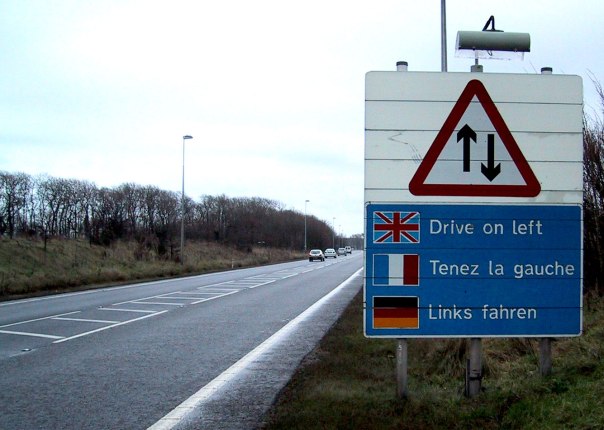
As I said to me old and new found friends in London, I will miss the people, I will miss their kindness and their civility, but they can keep the weather and their inability to drive on the correct side of the road!
Well anyway, back to wine and food! As stated in my previous post, this was the first year I tried going to more than two KFWE events around the world. I arrived in Paris on Monday, Went to the Bokobsa Sieva tasting, and then on Tuesday, I took the train to London. I arrived in the afternoon and I then got a short rest before heading to a crazy dinner at Andrew Krausz’s house, the master chef of BlueSmoke.
I first met Andrew, and his sidekick, Mordechai, on the hilltop of Four Gates Winery, some 20 months ago! The wines we enjoyed there are listed here. But beyond the wines, one quickly got a sense for the Jewish community of Hendon, London. I must say, I still have nightmares from the dump of a hotel that we stayed at in Golders Green, a large Jewish community kitty-corner to Hendon. Hendon reminds me of everything that is great about London. The people are really nice, the community is tightknit, and they are a bit more aware of the outside world than say Golders Green. That said, I have heard wonderful things about the Golders Green community, I just need to exercise the nightmares of my past. Anyway, enough of my nightmare! The next time you need a nice hotel in Hendon area, Pillar Hotel! Solid, kept up nicely, kosher, and the folks are really nice.
Blue Smoke and Andrew Krausz


Take a quick read of this article to get a sense of Andrew and the work he puts into Blue Smoke and the joy people are getting from it. The dinner at Andrew’s was insane, to say the least, and there were many winemakers there that we would be seeing again the following evening at London’s KFWE! The courses were highlighted by cured more than smoked but streaked with bits of smoke throughout. The dinner started with gravlax and pickled beetroot. The pickled beetroot was straight crack! It was infused for 6 months! I hope this starts to give an understanding to the participants of the level of effort that was made to put this event together. The care and love for the task at hand by Andrew and his family! Yes, the family, were incredible! They have to live with the madness that fed people like me. From what I could tell, they are happy travelers on the road of food madness that is paved by Blue Smoke, but I am sure the 25 or so people invading their home on a weeknight, and the days and weeks of preparations leading up to that day, may not have been a path so easily traveled. Also, please understand that we would see Andrew for a few seconds as he explained the dish and then he disappeared into the same black hole from which he miraculously reappeared from over and over again. That black hole, the cavernous sized kitchen, was packed with humanity and hands coordinated by Andrew to push out 25 dishes over and over again throughout the evening. Read the rest of this entry

My top 25 kosher wines of 2018 including wine of the year and best wine of the year awards
Like last year, I wanted to make this post short and sweet – so the criteria are simple I could care less about price, color, or where it was made. All that matters is that it is/was available this year sometime to the public at large and that I tasted it in a reliable environment, not just at a tasting, and that it was scored a 93 or higher. Also, there are a few lower scoring wines here because of their uniqueness or really good QPR. I also included some of the best wines I tasted this year – they are at the bottom.
We are returning with the “wine of the year”, and “best wine of the year”. Wine of the year will go to a wine that distinguished itself in ways that are beyond the normal. It needs to be a wine that is easily available, incredible in style and flavor, and it needs to be reasonable in price. It may be the QPR wine of the year or sometimes it will be a wine that so distinguished itself for other reasons. This year, it is one of the QPR Kings of 2018. Yes, last year, we had a single QPR King, this year, there are a few. Why? Because as I will discuss in my year in review, 2018 was about having more solid wines than having GREAT wines. Sure there is a clear Best wine of the year, which is revealed below, but 2018 will be remembered for having MANY very enjoyable wines, rather than a few GREAt wines.
Also, yes, the Wine of the year and the Best wine of the year, both made by Royal wines, such is life, and I could care less for the most part.
Again, the list is missing wines I have yet to taste, like the 2015/2016 Chateau Pape Clement, which I am sure would have been on this list if I had tasted them. There are also interesting wines below the wines of the year, think of them as runner-up wines of the year. There will be no rose wines on the list this year – blame that on the poor crop or rose wines overall, they did not even crack the interesting list. Also, this year, we were given a bounty of top wines and finding the list this year was really a task of removing then adding.
The supreme bounty comes from the fact that Royal released the 2015 and 2016 French Grand Vin wines a bit early! Throw in the incredible number of kosher European wines that are coming to the USA and being sold in Europe and this was truly a year of bounty for European kosher wines.
Now, separately, I love red wines, but white wines – done correctly, are a whole other story! Sadly, in regards to whites, we had no new wines from Germany. Thankfully, we had Domaine Netofa and Yaccov Oryah Wines to come to the rescue. On top of that, we had another EPIC year for 2016 Herzog Chardonnay, Reserve, Russian River. This year, quite deservedly, it cracked the top 25 wines of the year! The new Chablis is also nice, but the winner in the “very close” section has to be the 2016 Koenig Riesling – Bravo guys!
Some of these wines are available in the USA, some only in Europe, and a few only available in Israel.
Finally, some of these wines are hard to find and they may have different siblings – but they are worth the effort. The wine notes follow below – the explanation of my “scores” can be found here:
The 2018 kosher wine of the year – we have a TIE!
This one was a NOT a no-brainer to me this year. It was really hard. I wanted to give it to the 2016 Chateau Larcis Jaumat, Saint-Emilion Grand Cru, straight up, but it is already sold out, between me and Gabriel Geller, we sold that wine out in no time. So, instead, we will share the winner with the almost impossible to find, aforementioned Larcis Jaumat, along with another from Europe, the 2015 Cantina Terra di Seta Chianti Classico, which is also QPR superstar as well! Congratulations to Cantina Terra di Seta and Royal Wines, and to Chateau Larcis Jaumat, along with an elevated nod of the chapeau to Menahem Israelievitch for finding and curating this wonderful QPR winery tucked into a corner of Saint-Emilion! Bravo!
2016 Chateau Larcis Jaumat, Saint-Emilion Grand Cru – Score: 92 (Crazy QPR)
This wine starts off open and then closes so tight like an oil drum, this thing is nuts. The wine is made of 90% Merlot and 10% Cabernet Franc, a classic right bank wine from Saint-Emilion. The nose on this wine is really bright, ripe, and intense, with rich intensity, mushroom, earth, but so much redolence, the nose is far more open than the mouth, showing rich blackberry, dark plum, and rich vanilla, followed by herb, mint, rosemary, and green notes galore. The mouth on this medium to full-bodied wine is crazy rich, it does at times remind me of Benyo’s Merlots with a fair amount of blackcurrant thrown in, which is never found on Benyo wines, but the mad acid, rich mouthfeel, closed tight fruit structure has me reminded often of a Four Gates wine, with intense notes, they scream because of the acid, that gives way to rich tannin structure that is searing and yet inviting, with rich cranberry, cherry, and crazy earth, that will give way to mushroom and forest floor with time. The finish is long, really long, lingering, and intense, with gripping tannin, acid, tobacco galore, mounds of blackcurrant, vanilla, herb, foliage, and green notes, that give way to a gripping mouthfeel that will crush anything, with tar, menthol, and more earth. OMG, this Benyo in France! Wow!! Drink from 2021 to 2030.
2015 Terra di Seta Chianti Classico – Score: 92
The nose on this wine is ripe, at first, the wine starts off with heat, but that blows off, but it is also well balanced, with lovely earth, mineral, dirt, with dark cherry, coffee, and lovely dark fruit. The mouth on this medium to full-bodied wine is beautiful, complex, well layered, with rich concentration, nice extraction, all balanced and plush, with rich blackberry, currant, lovely mouth draping tannin, with lovely foliage, and some nice earthy and fruit bite. With time, it shows its ripeness, but also intense minerality, saline, graphite galore, and lovely tannin structure. The finish is long, green, and ripe but balanced, with lovely acid, great texture, that gives way to more coffee, graphite, scarping mineral, and light almond bitterness on the long finish. Bravo!! Drink 2019 to 2023.
The 2018 best kosher wine of the year!
This one was really tough. First of all, the one I chose is not available yet for purchase in the USA. Also, in terms of score, it did not beat out the 2016 Chateau Giscours, 2016 Chateau Lascombes, 2016 Chateau Du Tertre, Margaux, 2016 Chateau Montviel, or 2014 Chateau Tour Seran, Medoc (NOT Mevushal), or the 2014 Chateau Cantenac Brown, which I somehow missed from last year’s top wines. In the end – for its sheer awesomeness it beat out a very crowded field. In the end, the winner of the BEST kosher wine of 2018 goes to the 2016 Chateau Malartic, and it deserves the crown – bravo!!
2016 Chateau Malartic Lagraviere, Pessac-Leognan, Grand Cru Classe – Score: 94
The 2016 Malartic-Lagraviere is a blend of 53% Cabernet Sauvignon, 40% Merlot, 4% Cabernet Franc and 3% Petit Verdot (at least in the non-kosher version). Wow, the nose is really ripe, not what I expect from a Malartic, but still lovely, with chocolate, black fruit, earth, and lovely hints of umami, with sweet oak, earth, and sweet blue fruit. The mouth on this full bodied wine is rich, layered, and concentrated with nice control, expressive, with blackberry, blueberry, and what a change, Malartic with blueberry! Showing more raspberry, earth, and rich fruit, with a truly incredible plushness, that gives way to a rich mouth coating tannin that drapes and lifts the mouth, showing a precision, and an incredible professional touch, with plush fruit, loam, and lovely saline. The finish is long, and plush, with more blue, green, and red fruit, with leather, and power that belies its youth, a wine that will push long into its life, with tannin, licorice, and graphite/mineral that lingers long, Bravo!! Drink from 2025 until 2035. Read the rest of this entry

Domaine Netofa Winery – March and November 2018
As always, I am super late on posting notes, and this post is no different. This past year, I have been really busy, and while I am thankful for that fact, it has put a crimp on my wine posts. Well, now I have been freed up a bit, and I am catching up on lost time.
In March 2018, I visited with Mr. Miodownick and on my latest trip in November, I had no time to get up north. So, I got all the current wines from Pyup and tasted them as part of the two blind tastings. Domaine Netofa is a winery I have posted about often and maybe the most posted about winery on my blog, besides Tzora Vineyards, that kind of tells you what I think about those two wineries. Pierre Miodownick is the head winemaker at this winery, as he has been since the winery’s inaugural 2009 vintage.
Thankfully, the winery is still one of the last bastions of normalcy, when it comes to white and red wines in Israel, along with a few others. Sadly, at the blind tasting, the 2017 Domaine Chenin Blanc was corked, but my notes for it from the March tasting can be found here. The 2016 red wines were a bit of a mixed bag, with some of them showing more ripeness, even for Netofa. The 2017 roses were fun, but they are all sold out already, and that is good, as 2017 roses should not be around anymore. The 2017 white Latour seemed to feel lacking in the blind tasting, though it was still elegant.
Sadly, the availability of these wines continues to be an issue here in the USA. I really wish Netofa could find an importer already and get us some fun Israeli red and white wines to enjoy here in the USA. Until then, you need to go to Israel to buy and enjoy them.
My many thanks to Mr. Miodownick and the winery for letting me come by and enjoy the wines with him, even if this post is many months late! The wine notes follow below – the explanation of my “scores” can be found here:


2017 Domaine Netofa Chenin Blanc – Score: 91
Really lovely wine, showing hints of oak which does not exist in this wine, along with lovely flint, peach, dry straw, and yellow pear, with mineral. The mouth is really lovely with nice bracing acid, followed by tart grapefruit, citrus, quince, and great mineral. The finish is crazy fun, with intense pith, spice galore, and lovely herb, slate, and pith. Lovely! Drink by 2020. (Sadly this is only available in Israel).
2017 Domaine Netofa Tel Qasser, White – Score: 91 to 92 (tasted blind in November)
Lovely wine, sadly I knew what it is, lovely Roussanne, showing earth, mineral, rich brightness, with loads of heather, lovely floral notes, with straw, yellow plum, and apple. The mouth on this full-bodied wine is layered, rich, and nicely extracted, showing rich oily structure, with layers of green apple, quince, lovely richness, with mineral, grass, straw, and lovely acidity showing long with flowers, and rich lemongrass. Lovely!! Drink until 2022. (Sadly this is only available in Israel). Read the rest of this entry

Top Grenache wines available now
Well, I just posted by Pinot Noir post, and as I have stated before, Grenache is the Pinot Noir of the Rhone Valley.
So, there we are – I hope we understand the dearth of options that exist in the kosher Pinot Noir landscape. With that in mind, I thought it was high time to have a Pinot Noir tasting, along with the fact that a guest who came to our house said he liked Pinot Noir and Grenache! In a way, it was the perfect wine combo! Grenache is called the “Pinot noir of the Rhone Valley” for its finicky growing style as well, so the combo was chosen.
Now if good kosher Pinot Noir is a pain to find – forget about Grenache!! Here is the list – the TOTAL list that I know of (whether I would or would not drink them):
- Hajdu Winery (much epic Grenache including 2007, 2010, and 2012, 2014)
- Capcanes Winery
- Ramon Cardova (undrinkable)
- Galil Winery (last I had was OK)
- Shirah Winery
- Vitkin Winery
- Dalton Estate (Last I had was really sweet)
- Kos Yeshuous (only in 2016)
After those – the rest are blends, including the lovely Elvi, Netofa, and onwards:
- Vignobles David (The last Vignobles I had were not fun, I hope to taste them again soon) – he has many wines with Grenache in them, in varying degrees of percentages.
- Elvi Winery (Great wines indeed)
- Netofa Winery (they recently added Grenache to their famous SM wines).
- Capsouto Winery (they too only have 30% or so from Grenache)
- Capcanes Winery (yes again because they make the famous Peraj Ha’Abib with Grenache as part of the blend)
- Yaacov Oryah Wines (he makes a Blanc de Noir from Grenache and a few GSM as well). Sadly, I have not tasted his new wines. I hope to be doing that soon.
Sadly, in the world of white – there are only TWO full Granche Blanc wines:
- Hajdu Winery (much epic Grenache including 2007, 2010, and 2012, 2014)
- Vitkin Winery
Also, like the Noir, there is a winery that uses the Grenache Blanc in a blend:
- Capsouto Winery (they use 60% of it or so in the Eva)
- Vignobles David (The last Vignobles I had were not fun, I hope to taste them again soon and new ones as well) – he has a wine or two with Grenache Blanc in them, in varying degrees of percentages.
- Shirah Winery made a Vintage White in 2016 that was mostly Grenache Blanc, but this year, they went back to using Viognier as the major varietal in this white blend.

The 2018 Kosher rose season is open – part 3
Well, after the first post I stated that I would be doing this rose wine post a few times. The subsequent posts would have the original content, and the newly revised or added rose wines as well. Well, this is part 3, and I hope this is the last one! My schedule was insane, but it is now slowing down, thankfully, so I hope to be adding more posts as well!
It is still officially Summer, which means it is Rose time! Rose wine in the non-kosher market is exploding – especially Rose wine from Provence; a wine region of France. Sadly, in the kosher wine market – that is not quite the case. I did not stress my previous statement with a suffix of AT ALL, even though I am not allowed to open a bottle of rose on my Shabbos table with guests – why? Well, that is simple – no one will drink it!!
Even worse, is that wine manufacturers may well have jumped the shark! There will be some 50 dry-ish kosher roses available in the USA this year! That may not sound like a lot, but when all you had was Herzog White Zinfandel 10 years ago – it is insane. The first high-end rose was Castel’s 2009 rose and that was only 9 years ago. Back then, there were few to no real Rose wine options, other than a handful of Israeli wines and almost no French Rose made it here. Now we will have tons of Rose, and I really think the real question here is will people drink it all?
Wine Color
What is a rose wine? Well, simply said, a rose is a wine that can best be defined as the wine world’s chameleon. Where white wine is a pretty simple concept – take white grapes, squeeze them, and you get clear to green colored juice. Yes, the white grape juice is clear – well so is red grape juice, but more on that in a bit.
White wine is not about color – almost all color in a white wine comes from some oak influence of some sort. So, an unoaked Sauvignon Blanc or Pinot Gris can sometimes look almost clear, depending on the region and how the wine was handled. Now oaked Chardonnay, of course, is what most people use as an example of a dark white wine. As the Wine Folly linked above states, different wine regions oak their Chardonnay differently and as such, they are sold with different hues from the start. With age, the wine changes color and the light gold moves to darker gold shades.
The only real exception to the stated rule above – that white grape juice without the influence of oak is somewhere in the clear to green color spectrum, is – orange wines. We have spoken about orange wines – mostly thanks to Yaacov Oryah. Outside of Yaacov’s work there really is no orange wine in the kosher world to speak about. Orange wine is made exactly like red wine, which means that the clear grape juice is left to sit on the yellowish to dark yellow grape skins (depending upon what varietal is used to make the orange wine).
Red wine juice – straight from the grape comes out the same color as white grapes. You see the juice from grapes is mostly clear to greenish in color. The red wine color comes from macerating the juice on the grape skins. The longer the juice sits on the grape skins (wine must) the redder in color the wine becomes until it reaches its maximum red color potential.
The only real exception to the rule of a grape’s juice color is the Teinturier varieties. The grapes are called Teinturier, a French language term meaning to dye or stain. The list of grapes whose juice is actually red colored is long – but the list of kosher wine options that is a wine made from these grapes – is the Herzog Alicante Bouschet. The Gamay de Bouze is not a normal Gamay grape, it is one of those grape mutations that are very red in nature. Read the rest of this entry
Top kosher 2017 white wines from around the world
Ok, let’s start with the obvious, I have been so busy this year that I have had zero time to work on these posts. So, ahead of the High Holiday Crescendo, I wanted to post a quick note about the 2017 vintage and my hopes for a great new year, filled with joy, success, health, and lots of great wine to all.
2017 Vintage
So far the 2017 vintage has been much akin to the 2016 vintage – last year. The 2017 roses have been a letdown overall, much akin to the 2016 vintage of roses that were a letdown after the epic 2015 vintage. Sure, we have a few rose winners, like the lovely 2017 Les Lauriers de Rothschild Rose, and the nice 2017 Covenant Blue C Rose, and 2017 Netofa Latour Rosado.
Still, the whites have been a real letdown, much akin to what happened in the 2016 vintages. We have not had a GREAT vintage out of Israel since the INSANELY good 2014 vintage.
So, Israel has been a letdown white wine-wise and rose overall these past few years. But there are some winners as usual. I have yet to taste the 2017 Tzora wines. The Netofa whites are lovely, along with the fun and very enjoyable 2017 Covenant Israel Viognier. There is also some nice Dalton Sauvignon Blanc wines.
The true savior is once again, the old-world region. France has a few great whites! Yes, I said whites! Throw in California, and we have enough whites, just not a bounty.
I hope you enjoy these great white wines in your Succah and with your family. Wishing you all a healthy year signed and delivered!
The wine notes follow below – the explanation of my “scores” can be found here:


2017 Chateau Lacaussade Saint-Martin, Vieilles Vignes – Score: 90
The wine is a blend of Semillon and Sauvignon Blanc. This wine is very slow to open, it may need a quick decanting, for an hour or so. The nose is slightly tropical in nature with lovely with melon, guava, and hints of passion fruit to start, over time it recedes to show lemongrass, straw, mineral, grapefruit, citrus, and honeysuckle notes. Just like the nose the mouth also starts off with crazy tropical notes that also recede with time, to show a very different wine. After some time, the mouth on this wine is not complex, but very nice, with rich acidity, showing a good balance of fruit, green apple, heather, tart pear, and mineral. The finish is long, super long, with southern tea, and rich acidity, and lovely pith. Drink by 2021.
2017 Chateau Guiraud ‘G’, Sec – Score: 92
Finally, a French white I can really appreciate! This is really fun, the wine is a blend of Semillon and Sauvignon Blanc, showing notes of pure funk, wax, green notes, with cucumber, mineral, old-world notes, showing honeysuckle, and floral notes, with green apple, quince, lovely straw, and rich minerality. The mouth on this medium bodied wine is fun, with more funk, nice complexity, with rich salinity, followed by rich dry and tart Asian pear, with nice gooseberry, and graphite. The finish is long and green, with lemongrass, stone, rock, with more wax and flint. Bravo! Drink by 2021.
2017 Jean-Pierre Bailly Pouilly-Fume, Sauvignon Blanc – Score: 92
WOW! This wine has quite the nose, screaming with fresh orange blossom, ripe yellow grapefruit, with hints of nectarines, cat pee, and lovely citrus. The mouth on this unoaked Sauvignon Blanc is dry, bone dry, not quite a Sancerre, but impressive, with lovely weight, and great fruit focus with a crazy core of acid that keeps going long after the wine is gone, followed by rich mineral, slate, saline galore, and a lovely core of lie and lemon that mingle well and play with each other. The finish is long, crazy long, with more mineral, floral notes, lovely bitter notes of citrus pith, and just fun, tart citrus that lingers forever. BRAVO!!! Drink till 2021 Read the rest of this entry
The 2018 Kosher rose season is open – part 2
Well, after the first post I stated that I would be doing this rose wine post a few times. The subsequent posts would have the original content, and the newly revised or added rose wines as well. Well, this is part 2, and there will be at least a part 3 or maybe a part 4, such is life. My schedule is insane right now (not complaining in any way), so when I can grab a few moments to update the roses I have had, I take it with both hands!
It is still officially Spring, which means it is Rose time! Rose wine in the non-kosher market is exploding – especially Rose wine from Provence; a wine region of France. Sadly, in the kosher wine market – that is not quite the case. I did not stress my previous statement with a suffix of AT ALL, even though I am not allowed to open a bottle of rose on my Shabbos table with guests – why? Well, that is simple – no one will drink it!!
Even worse, is that wine manufacturers may well have jumped the shark! There will be some 50 dry-ish kosher roses available in the USA this year! That may not sound like a lot, but when all you had was Herzog White Zinfandel 10 years ago – it is insane. The first high-end rose was Castel’s 2009 rose and that was only 9 years ago. Back then, there were few to no real Rose wine options, other than a handful of Israeli wines and almost no French Rose made it here. Now we will have tons of Rose, and I really think the real question here is will people drink it all?
Wine Color
What is a rose wine? Well, simply said, a rose is a wine that can best be defined as the wine world’s chameleon. Where white wine is a pretty simple concept – take white grapes, squeeze them, and you get clear to green colored juice. Yes, the white grape juice is clear – well so is red grape juice, but more on that in a bit.
White wine is not about color – almost all color in a white wine comes from some oak influence of some sort. So, an unoaked Sauvignon Blanc or Pinot Gris can sometimes look almost clear, depending on the region and how the wine was handled. Now oaked Chardonnay, of course, is what most people use as an example of a dark white wine. As the Wine Folly linked above states, different wine regions oak their Chardonnay differently and as such, they are sold with different hues from the start. With age, the wine changes color and the light gold moves to darker gold shades.
The only real exception to the stated rule above – that white grape juice without the influence of oak is somewhere in the clear to green color spectrum, is – orange wines. We have spoken about orange wines – mostly thanks to Yaacov Oryah. Outside of Yaacov’s work there really is no orange wine in the kosher world to speak about. Orange wine is made exactly like red wine, which means that the clear grape juice is left to sit on the yellowish to dark yellow grape skins (depending upon what varietal is used to make the orange wine).
Red wine juice – straight from the grape comes out the same color as white grapes. You see the juice from grapes is mostly clear to greenish in color. The red wine color comes from macerating the juice on the grape skins. The longer the juice sits on the grape skins (wine must) the redder in color the wine becomes until it reaches its maximum red color potential.
The only real exception to the rule of a grape’s juice color is the Teinturier varieties. The grapes are called Teinturier, a French language term meaning to dye or stain. The list of grapes whose juice is actually red colored is long – but the list of kosher wine options that is a wine made from these grapes – is the Herzog Alicante Bouschet. The Gamay de Bouze is not a normal Gamay grape, it is one of those grape mutations that are very red in nature. Read the rest of this entry

The 2018 Kosher rose season is open
It is officially Spring (though it snowed in Chicago for Passover – so I will hold judgment on that fact for a bit), which means it is Rose time! Rose wine in the non-kosher market is exploding – especially Rose wine from Provence; a wine region of France. Sadly, in the kosher wine market – that is not quite the case. I did not stress my previous statement with a suffix of AT ALL, even though I am not allowed to open a bottle of rose on my Shabbos table with guests – why? Well, that is simple – no one will drink it!!
Even worse, is that wine manufacturers may well have jumped the shark! There will be some 50 dry-ish kosher roses available in the USA this year! That may not sound like a lot, but when all you had was Herzog White Zinfandel 10 years ago – it is insane. The first high-end rose was Castel’s 2009 rose and that was only 9 years ago. Back then, there were few to no real Rose wine options, other than a handful of Israeli wines and almost no French Rose made it here. Now we will have tons of Rose, and I really think the real question here is will people drink it all?
Wine Color
What is a rose wine? Well, simply said, a rose is a wine that can best be defined as the wine world’s chameleon. Where white wine is a pretty simple concept – take white grapes squeeze them and you get clear to green colored juice. Yes, the white grape juice is clear – well so is red grape juice, but more on that in a bit.
White wine is not about color – almost all color in a white wine comes from some oak influence of some sort. So, an unoaked Sauvignon Blanc or Pinot Gris can sometimes look almost clear, depending on the region and how the wine was handled. Now oaked Chardonnay, of course, is what most people use as an example of a dark white wine. As the Wine Folly linked above states, different wine regions oak their Chardonnay differently and as such, they are sold with different hues from the start. With age, the wine changes color and the light gold moves to darker gold shades.
The only real exception to the stated rule above – that white grape juice without the influence of oak is somewhere in the clear to green color spectrum, is – orange wines. We have spoken about orange wines – mostly thanks to Yaacov Oryah. Outside of Yaacov’s work there really is no orange wine in the kosher world to speak about. Orange wine is made exactly like red wine, which means that the clear grape juice is left to sit on the yellowish to dark yellow grape skins (depending upon what varietal is used to make the orange wine).
Red wine juice – straight from the grape comes out the same color as white grapes. You see the juice from grapes is mostly clear to greenish in color. The red wine color comes from macerating the juice on the grape skins. The longer the juice sits on the grape skins (wine must) the redder in color the wine becomes until it reaches its maximum red color potential.
The only real exception to the rule of a grape’s juice color is the Teinturier varieties. The grapes are called Teinturier, a French language term meaning to dye or stain. The list of grapes whose juice is actually red colored is long – but the list of kosher wine options that is a wine made from these grapes – is the Herzog Alicante Bouschet. The Gamay de Bouze is not a normal Gamay grape, it is one of those grape mutations that are very red in nature. Read the rest of this entry
My top 25 kosher wines of 2017 including wine of the year and best wine of the year awards
I wanted to make this post short and sweet – so the criteria are simple I could care less about price, color, or where it was made. All that matters is that it is/was available this year sometime to the public at large and that I tasted it in a reliable environment, not just at a tasting, and that it was scored an A- to A or higher. Also, there are a few lower scoring wines here because of their uniqueness or really good QPR. I also included some of the best wines I tasted this year – they are at the bottom.
This year I am adding the “wine of the year”, and “best wine of the year”. Wine of the year will go to a wine that distinguished itself in ways that are beyond the normal. It needs to be a wine that is easily available, incredible in style and flavor, and it needs to be reasonable in price. It may be the QPR wine of the year or sometimes it will be a wine that so distinguished itself for other reasons. This year, it is not the QPR King of 2017, that went to the 2016 Chateau Les Riganes. No, this year “the wine of the year” is indeed a QPR superstar, but not the king, it is the 2014 Herzog Cabernet Sauvignon, Special Reserve, Alexander Valley. The best wine of the year, well that was easy, it is the 2015 Chateau Leoville Poyferre. So, yes, that means that the top wines of the year are both made by Royal wines, such is life, and I could care less for the most part.
Again, the list is missing wines I have yet to taste, like the 2015 Chateau Pape Clement, which I am sure would have been on this list if I had tasted it, or the 2015 Hajdu Proprietary Red. There are also interesting wines below the wines of the year, think of them as runner-up wines of the year. There will be no rose wines on the list this year – blame that on the poor crop or rose wines overall, they did not even crack the interesting list. Also, this year, we were given a bounty of top wines and finding the list this year was really a task of removing then adding.
The supreme bounty comes from the fact that Royal released the 2014 and 2015 French Grand Vin wines within the same year! The 2014 vintage wines were released in 2017 and the 2015 wines were released (in France in 2017 as well)! Throw in the incredible number of kosher European wines that are coming to the USA and being sold in Europe and this was truly a year of bounty for European kosher wines.
Now, separately, I love red wines, but white wines – done correctly, are a whole other story! Sadly, in regards to whites all we had this year that were exceptional, were epic Rieslings from Germany (Von Hovel) and the fantastic sweet wines from Sauterne and Yaacov Oryah. But dry white wines from elsewhere in the world was sadly lacking. There were a few exceptions, and they were all Chardonnays, but to me, the winner in that story (dry white wine that was not a German Riesling), was the 2015 Herzog Chardonnay, Reserve, Russian River. It does not rate in the wine of the year list, but it is in the interesting wines below. The new Chablis is also nice, as is the Shirah Whites.
Some of these wines are available in the USA, some only in Europe, and a few only available in Israel.
Finally, some of these wines are hard to find and they may have different siblings – but they are worth the effort. The wine notes follow below – the explanation of my “scores” can be found here:
The 2017 kosher wine of the year!
This one was a no-brainer to me. The 2014 Herzog Cabernet Sauvignon, Special Reserve, Alexander Valley is a crazily affordable wine that got rave reviews from me and from the press. Congratulations to Herzog Winery and Royal Wines.
2014 Herzog Cabernet Sauvignon, Special Reserve, Alexander Valley – Score: 92 to 93 (QPR Superstar)
Lovely nose, impressive elegant and old world nose, peaking with a blackcurrant showing blackberry and lovely smoke and tar. The mouth is old world, wow, give me a break, in ways the wine is crazy better than the Warneke (Special Edition), but with years the Warneke will pass it. The mouth on this medium body, is great layered and rich, green, spicy, and rich with concentration, with sweet oak and sweet dill galore, with green notes, loads of foliage, showing dried strawberry, ripe raspberry, black forest berry, all wrapped in mouth coating and drying tannin, with earth and spice. The finish is long, and richly green, with nice spicy notes, leather and scraping mineral, showing bright and ripe fruit that is impressive, elegant, rich, and layered, with licorice, graphite, and forest floor that lingers long. Bravo!! Drink from 2020 till 2030.
The 2017 best kosher wine of the year!
This one was really tough. First of all, the one I chose is not available yet for purchase in the USA. Also, in terms of score, it did not beat out the Von Hovel Rieslings of 2014 or the 2014 Tour Blanche Sauternes, or the 2015 Chateau Giscours, or the 2014 Chateau Smith Haute Lafitte. In the end – for its sheer awesomeness it beat out a very crowded field. In the end, the winner of the BEST kosher wine of 2017 goes to the 2015 Chateau Leoville Poyferre, and it deserves the crown – bravo!!
2015 Chateau Leoville Poyferre – Score: 95
This wine was very close to what we tasted from the barrel. The nose on this wine is rich and black, with floral hints, smoke, mineral, and really pushed for now, but incredible and redolent with a perfume of ripe fruit, chocolate, and green notes. The mouth is rich and layered with an incredible finesse of perfection, richly extracted and incredible with rich mineral and saline that is so perfectly hedonistic it is impressive, with chocolate heaven, showing earth, loam, finesse, and elegance beyond explanation, showing soft yet focused with a tight-mouthfeel, with rich raspberry, blackberry, ripe plum, all focused and concentrated with perfection. The finish is long and rich and paired with an acid and mineral that is never-ending, almost ripe and tart at the same time, with draping tannin, graphite, and charcoal with expressive and focus. Drink from 2022 to 2040.
Rest of the top 25 kosher wines of 2017
2015 Chateau Grand Puy Ducasse – Score: 94
This wine was very close to what we tasted from the barrel. What a nose, this wine is mostly Cabernet Sauvignon and a drop of merlot. This nose is green and red and really mineral focused with dark but red fruit focused, showing lovely elegance, dirt, and herb. The mouth is medium bodied with rich extraction, rich currant, red fruit, with dirt in the background, wrapped in rich and searcing tannin mouthfeel, with roasted herb, and rich tobacco that is backed by elegance and control, blackberry, plum, that gives way to dark chocolate epic control, foliage, and oregano that lingers long with graphite, pencil shavings, and rich leather. Drink from 2024 to 2034
2015 Chateau Giscours – Score: 95
This wine was very close to what we tasted from the barrel. The nose on this lovely wine is super dry, with more of a classic Bordeaux nose, less ripe than some of the previous wines, with the ever classic blueberry notes of Giscours, with black and red fruit galore backed by roasted herb, rich mineral, and lovely saline. The mouth is rich, incredible, massive, full-bodied and incredibly extracted with rich saline, with layers of unstoppable concentrated fruit, with blackberry, raspberry, with blueberry, rich spice, mushroom, and herb. The finish is never ending with green notes, roasted herb, incredible drying tannin, with a deep fruit base followed by the mineral, black fruit, earth, graphite, and rich spice, cloves, and dark chocolate. BRAVO! Drink from 2023 to 2035
2015 Chateau Lascombes – Score: 94.
WOW, how this wine changed from when we tasted it in the barrel. This wine is a blend of 50% Cabernet Sauvignon, 46% Merlot, and 3 to 4% Petit Verdot. It is the flagship wine of Chateau Lascombes. The nose on this wine is even crazier than the Chevalier, showing more umami and soy sauce if that is possible, with incredible finesse, showing massive power, but great mineral and concentration, with black and red fruit, foliage galore with tar and roasted animal. The mouth is full bodied and incredible with the same style as the Chevalier, but with more finesse, mouth coating soft tannin that is extracted with blue fruit, earth, rich concentration, with more saline and power, yet showing incredible precision that is coating and impressive. The finish is long and lovely, with saline, mineral, tobacco, refined dark chocolate, and rich mushroom. Incredible! Drink from 2022 to 2032. Read the rest of this entry

 Wine Musings Blog