Blog Archives
Tishbi Winery – one of Israel’s oldest and original wineries
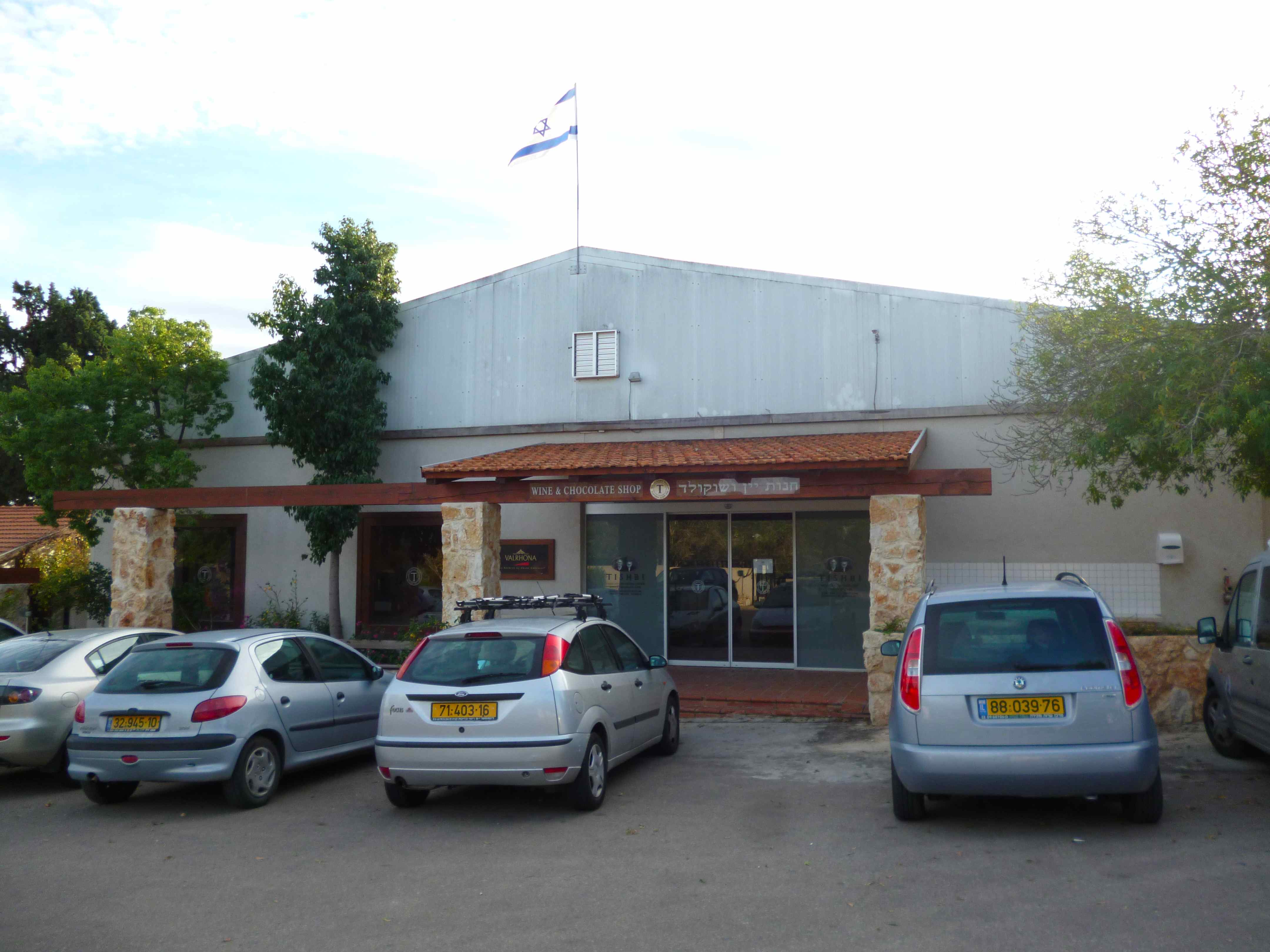 The Tishbi winery has a history that spans more than 120 years in Israel; one that intersects with many of the famous names of modern Israel’s short history. The story begins in 1882, when Malka and Michael Chemelitsky immigrated to the city of Shefeya at the foothills of Zichron Yaakov. There they worked for the Carmel Wine Co-op that was founded by Baron Edmund de Rothschild in the late 1800s. They worked the land, planting vineyards, clearing rubble and stones, with nothing more than the barest of tools and technology. The work was backbreaking and endless, and unfortunately more work, was the only reward for many of the early immigrants, that came to settle the barren land. However, for the few farmers that were lucky to work with Edmund, they saw salvation from his deep pockets, huge heart, and massive resources that he brought to bear, to teach, bolster, and, ultimately, build the, then fledgling, wine industry into the forebear of where it is today.
Soon after the Chemelitskys came to Israel and started working the land, they were advised to change their name to Tishbi, which is actually an acronym in Hebrew that stands for “resident of Shefeya in Israel”. The world-renowned poet Chaim Nachman Bialik, Israel’s national poet extraordinaire, gave the name to them. In the early days of Israel’s wine industry, the cooperative farmers would work the vines, planting them, pruning them, caring for them, and then sell their grapes to the Carmel Winery. However, after many decades of work and toil, it became clear to many of the cooperative farmers that life was changing, and that they would either need to break out of the cooperative or be left behind.
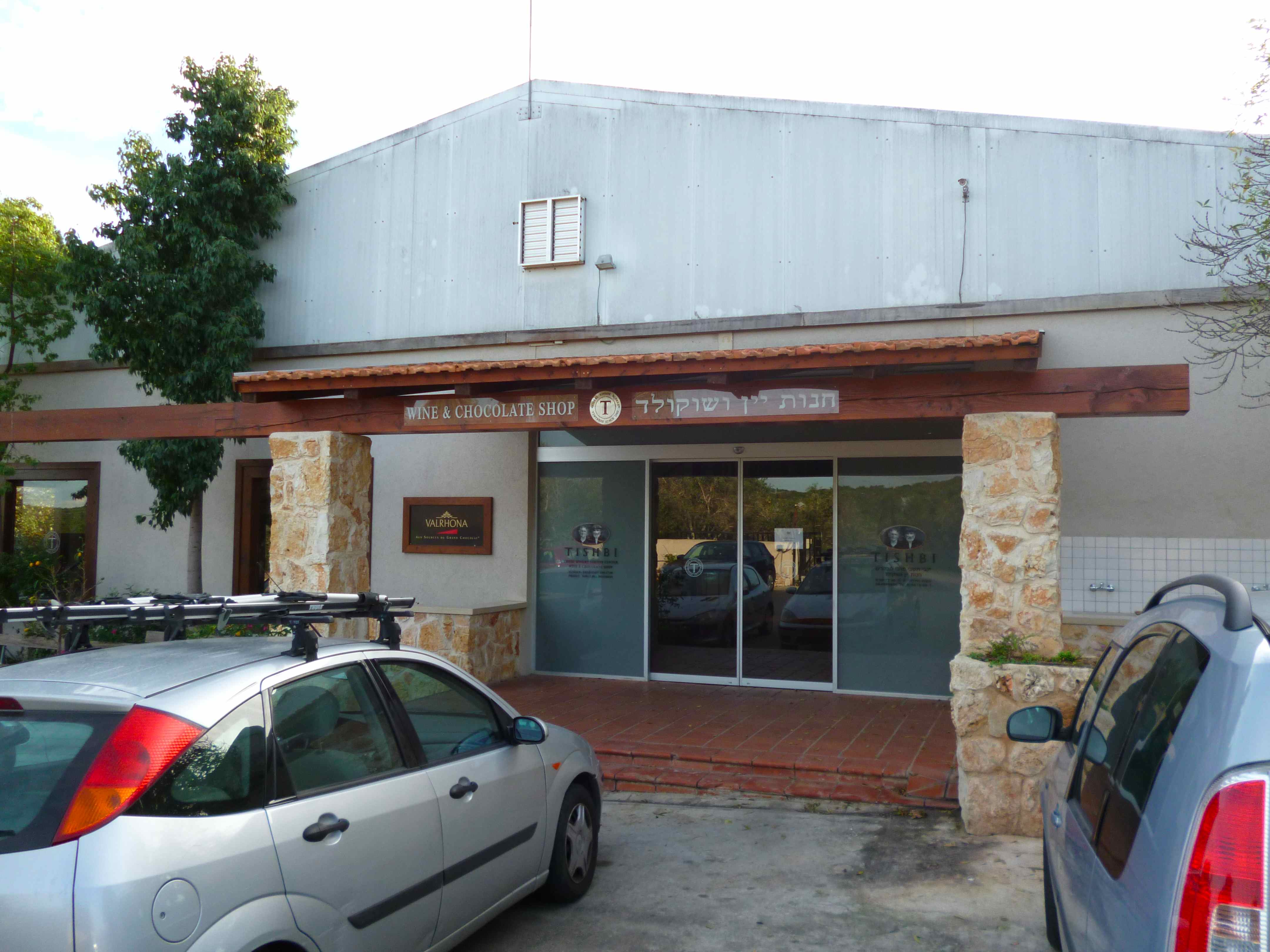 So, in 1984, the great-grandson of our story’s Protagonist, Jonathan Tishbi, stepped out of the shadows of the Carmel Winery and into the shadows of the Carmel Mountain range. Initially, he called his new winery Baron Winery, in honor of Baron Edmond, but later changed it to his namesake – Tishbi Winery. At that time there were few wineries in Israel, and even fewer successful ones that were not just making sacramental (sweet) wine. Jonathan went to Italy to see how generations of family-owned wineries had succeeded, and from where we stand, he seems to have emulated them quite impressively. The family tradition continues to the 5th generation, with Jonathan’s son – Golan Tishbi, acting head winemaker. The winery’s tradition is impressive, but it feels like it will always be overshadowed by the massive mountains under which it lays, and the equally massive foundation upon which it is built. Read the rest of this entry
Gvaot Winery – one of the rising stars in Israel’s Shomron Wine Region
 So, after taking a slight break from writing about my trip to Israel, and concentrating on all the wine events that occurred here in the states, it is time to return to where I left off. The last time we spoke, I was blogging about my last trip to the Shomron and Judean Hills wine regions. Week two was clearly a more Judean Hills focused week than a Shomron focus, but it gave me a chance to introduce you to the wine region.
Talk about Israel wine regions and most will start off with the Galilee/Golan wine regions, which started the entire wine revolution in Israel. The wine region became famous in 1972, during a visit to Israel, Professor Cornelius Ough of the Department of Viticulture and Oenology at the U.C. Davis suggested that the soil and climate of the Golan Heights (captured from Syria in the Six-Day War) would prove ideal for raising grapes. They planted vines in 1976 and released wine in 1983, all kosher from the start.
However, since than more and more wineries have been sourcing their grapes from the Judean Hills, an idea that was started by Flam Winery, Tzuba Winery, and the Doamine du Castel Winery. Since then the wine region has been heating up and going crazy – with wineries from all over Israel buying land and planting vineyards – to the tune of many millions of dollars! The funny thing is that, if you read my last article on the Shomron wine region, you would realize that the best Merlot wines come from the Shomron wine region, especially the sub-wine region; Har Bracha! Anyone desiring an Israeli Merlot – please do look for one from the Shomron/Har Bracha sub region. Note that there are wineries that sell Shomron wines even though they are not situated in the Shomron wine region, like the Teperberg Winery, Carmel Winery, and Tishbi Winery.


The Shomron wine region may be very good for certain varietals, but when you talk about wineries, there really are only a few that pop to mind; Psagot Winery, the Shiloh Winery, and the Gvaot Winery. The Tanya Winery has also released some nice wines, though recently the wines have not been up to Yoram’s standard, in my opinion. Gat Shomron has released a couple of nice wines, like the crazy good Ice wine and the Shomron Merlot reserve. Read the rest of this entry
Midbar Winery (aka Asif Winery) – the “kosher” white wine leader of Israel

To say Midbar Winery is unique – would be an understatement of the world. However, to say it might be the most unique kosher winery in Israel, may well NOT be an understatement at all. Midbar Winery is a newly minted winery from the recently closed Asif winery and a new influx of cash from investors. Yeah – yeah, I am getting to it – hold your horses. Asif Winery is a winery that was established in 2006 to do what no one in Israel could do well – create great kosher white wines. According to Yaacov and the winery’s website: Midbar Winery in Arad, was established to develop, promote and celebrate winemaking in the Negev desert. Midbar is the Hebrew word for desert – and our vineyards, typically over 800 meters above sea level, benefit from the Negev’s unique terroir. Another great quote from Yaacov – White is the New Red.
Now, before I get ahead of myself too far, I must state that this winery is not kosher – as in the customary manner. The wine carries no supervision stamp, or hecsher, for a variety of reasons. However, having heard the story of Ya’acov Oryah, I had to visit the winery to find out more. Yaacov Oryah started the winery in 2006 and though he lacked a kosher wine symbol many people like me happily drink his wine. Why? Simple enough – I trust the man, and being that Yaacov Oryah is a religious man – that is all that I need. However, my nonchalant attitude in this area may well concern others, and it is for this reason that I may keep the wines I schlepped back from Israel for myself – or with the folks that are trusting as I am.
 For a deeper understanding of why and how this came to be – I advise a wonderful trip to the south of Israel where a lovely, honest, hard working, humble, and successful winemaker will explain the situation to you and if you like what you hear – like I did, I highly recommend his wines. I can openly say that he is not against having supervision, but as your parents used to say to you when you were young – “it is complicated”! The good news is that falling in love with his wines is the farthest thing from complicated!
In retrospect I think that Yaacov should hang two signs above his winery’s door. The first one stating; He who enters should be brave of heart, open of mind, desiring of all things ripe, honeyed, fruity, and floral in so many ways. The second one should read: He who wishes to enter these hallowed halls should be in love with wine of a white persuasion and not the Moscato kind or other overly sweet enchantments. If you lack the interest in grand and lovely white wines than please do not waste the time of the master who works beyond these gates. He is a man who makes white wine a priority rather than a nice-to-have item. Please leave him alone and bother him not so that he can make us all more great white elixirs! Read the rest of this entry

Wines from the weekend along with lovely meatballs and spinach kugel
 This past weekend we had friends and family around the table to enjoy some great food and some pretty good wines. This week there was no wine theme, actually to be more precise, the theme was that there was no theme. The theme was Drink up or let die. I say this as I have far too much history and track record in this area, and it has been my sworn duty going forward that I would embrace and channel the work of Dorothy J. Gaiter and John Brecher and attempt to always open that bottle in its time. To meet this need I attempt to create wine themes when there is no pressing wine to get to, otherwise, I drink the wines that are up next.
I use drink by dates of the late Daniel Rogov, Cellar Tracker, and of course, my own personal notes. This week it was time to get to some bottles that I have been worried about. I got to a couple of them, but missed out on the 2005 Ella Valley Pinot Noir, which we last tasted on some 3 years ago. We did get to enjoy some wine that we have not tasted in a couple of years, the 2001 Yarden Merlot, Ortal Vineyard, one of the finest Merlot that Yarden has ever produced, along with the 2006 Recanati Cabernet Franc, both of which have a year or maybe more left on them. Both are drinking lovely now, but if you too wish to live the motto “no good wine will be left to die“, drink it now and you will not be sorry.
I often laugh when people ask me when they should drink a particular bottle. In the kosher wine world more and more wines are being created that are built for cellaring. All that means is that the bottle you buy is not quite ready to drink, and the wine maker and winery have decided to diversify their risk and have you cellar the wine rather than them. For the most part, most wine (kosher or not) is made to be drunk within the year or two. There are reserve wines that are built to age a few years maybe 4 years at most. Then there are the a fore mentioned high-end wines that are truly not enjoyable at all from release, and need time to come into their own/peak.
The Recanati Cabernet Franc is at its true peak and can be left for another year or so, but why? Unless you have more pressing wine to enjoy – drink it now! There is only one sure thing, other than taxes, and that is – that the wine will eventually die. Why not enjoy it now. There is rarely a perfect time to drink a wine. There is just the acceptable and peak time to enjoy the wine and the rest is what you make of it! Read the rest of this entry

2012 Herzog International Wine Festival – part two of wine notes
As stated in the previous posting on this lovely event, there were many wines to taste and there was no way I could post all the wine notes in a single posting. Here is my follow-up posting on the wines tasted at the event, including the wines that I loved and did not love.
The wine notes are listed in the order that I tasted them:

2010 Domaine Netofa – White – Score: B++
The nose on this light gold colored wine shows clean and lovely nose of green apple, peach, grapefruit, kiwi, light quince, and rich/nice loamy dirt and mineral. The mouth on this medium bodied wine is rich and balanced with nice minerality, along with nice bright fruit that mingles well in the mouth. The finish is long and spicy with nice quince, tart green apple, grapefruit, and green tea.

2010 Binyamina Chardonnay, Reserve, Unoaked – Score: B
This wine did not show nearly as well as its 2009 sibling, the wine was flat without much to grab your attention. The nose on this straw colored wine has apple, lemon, nice mineral, bright acid, and melon. The mouth is somewhat plush and the finish has citrus to round out the wine.
2010 Binyamina Chardonnay, Reserve – Score: B+
This wine did not show nearly as well as its 2009 sibling, though not as bad as its unoaked twin. The nose on this dark straw colored wine has light oak, brioche, lemon, nice spice, light creme, and honey. The mouth is round with spice, summer fruit, and oak influence.

2011 Tulip White Tulip – Score: B++
This wine is a blend of 70% Gewurztraminer and 30% Sauvignon Blanc with the sweet and floral notes of the Gewurztraminer showing nicely with honey and guava, while the green apple and bright lemon notes from the Sauvignon Blanc blend together in a unique manner. The nose on this straw colored wine hits you with mineral, light honey, bright lemon, green apple, and guava. The mouth is nice and honeyed with light petrol, and citrus. The finish is long with both sweet lemon creme and bright lemon at the same time, along with fig, and tart notes. This is a great wine that would go well with fish or sushi.

Rosh Hashanah 2011/5772, Herb encrusted gefilte fish loaf, Sweet and Sour Brisket, Vegetable kugel, and many wines
Rosh Hashanah (literally translated ”head of the year”) has come and gone again (Wednesday Night – September 28th, 2011), and once more I am reminded that it is a holiday that is more about your relationship with God than your gastronomic relationship with friends and family. Yes of course it is not a fast day like Yom Kippur, of course, but still the frivolity needs to be toned down a bit, and the attention placed on the fact that we are all being judged at this time of the year. So with that frame of mind, yeah too many early morning Selichot Services kind of kill the mood, my wife and I set out to make our menu and meals.
This year we hosted the first meal. We invited friends and family and it was quite awesome! Like last year, we had the same simanim (literally translated to “signs”), except that we modified the way we make the leeks. The simanim are a play on word and are a very basic Jewish tradition of using word play to bring out symbolism and actual changes or good tidings. This year we made all of the simanim, as our friends were laid up, but we had other friends staying over with us who helped us out, so it was no biggie. The simanim are a yearly rite of passage, and one of my favorite Jewish traditions. Many of the recipes have been changed to protect the innocent. The customary recipes from my mother recipes consist of 4 basic ingredients, oil, more oil, honey, and some vegetable, and one cooking style – frying. We decided that this tradition was awesome, but that it needed to be toned down such that it could be enjoyed for years to come and not just for the few where we are vertical. So it called for some baking and less oil. We ordered the symbolic food in the order of Sephardic Jewry, and here they are:
- Dates or Figs (Tamar in Hebrew)
- The symbolism here is that God should end our enemies
- Broad Beans coated with a mixture of olive oil, cumin, and garlic (Rubya in Aramaic)
- The symbolism here is that God should increase our merits
- Leeks – prepared masterfully by our stay over friends, leek fritters recipe found here(Karti in Aramaic)
- The symbolism here is that God should cut down our enemies
- Spinach – prepared masterfully by my wife using her spinach kugel recipe (Salka in Aramaic)
- The symbolism here is that God should remove our enemies
- Sweet Butternut Squash – sliced butternut squash, sprayed with oil and covered with honey, then baked in an oven set to 400 degrees (Kra in Aramaic)
- The symbolism here is that God should tear up our evil decrees and read before him our merits
- Pomegranate seeds (Rimon in Hebrew)
- The symbolism here is that our mitzvot (observance of the Jewish laws) be as plentiful as the pomegranate seeds
- Sweet apples dipped in honey
- The symbolism here is that God should grant us a New Year as sweet as honey
- Fish head – Salmon head poached in white wine and water
- The symbolism here is that in this New Year we should be at the head of the class and not at the tail
We always joke that we should try to bring out a head of a lamb instead of a fish head and freak out everyone there. It would be totally epic, but while it is the preferred manner of implementing the head symbolism, it would fly in the face of “behaving”. The good news is that we did FAR better than last year on the wine parade, which was not too difficult!
The rest of the meal started with our reliable Herb encrusted gefilte fish loaf and simanim left over’s. The reason I really like this recipe is because while normal gefilte fish recipes tastes like bland boiled white fish, this recipe tastes like herb-encrusted fish that is lightly charred with the herb and spice flavors permeated through and through the fleshy texture – quite a treat. The main course consisted of our patented sweet and sour brisket, brown rice, vegetable kugel, and fresh vegetable salad. While the brisket recipe is normally rock solid, this one was far from perfect. Once again I am underwhelmed by South American whole Brisket. The US whole Brisket has a layer of fat that helps to baste the meat as the meat cooks slow and low in a 300 degrees oven. The South American whole Brisket is too lean, and lacks the self-basting fat. Further the meat is not marbled like the US whole Brisket, unfortunately, that was all that was available at the time. Read the rest of this entry
Chicken Stir-Fry with Green Beans and 2006 Yarden Gewurztraminer
This was an off week being that Passover is fast approaching. As is the tradition with Passover, one is meant to burn his/her chametz, prior to Passover commencing. So, one of the aspects of cleaning is, cleaning out the freezer of food that is not packaged in a complete and untouched manner. In other words, we need to empty our lives of fresh or frozen food that came into contact with bread, while the dry or non-perishable foods can be stored away till after Passover. One of the things we found in one of our most recent freezer dives was some boneless chicken breasts that were out of their original housing. So, it was time to consume it. That said, we are not big fans of boneless chicken breast, as we have never done a great job with it. So, I went looking around for a fool proof recipe, and found one that looked good to me. I loved the intense aromas and flavors that emanate from the Asian five spice. I marinated the sliced up chicken breast in the mix and soy sauce for 20 or so minutes, and then proceeded to brown them. I did cook them for longer than 5 minutes, but they were a bit pink inside still, which was fine as I was going to eat it the next night, after a reheating.
To pair with this fun recipe and some fresh green salad, I chose a wine that could handle the heat. I went for the 2006 Yarden Gewurztraminer, which turned out not be an overly complex wine, but one that had lots of nice components and characteristics that worked great with the spicy and hot Asian dish.
The wine note follows below:
2006 Yarden Gewurztraminer – Score: B++
The nose on the gold colored wine starts off dead and almost like kerosene. Thankfully, that blew rather quickly, and came alive with peach, grapefruit, heat, apricots, jasmine and other floral notes, and spice. The mouth on this medium to full bodied not overly sweet wine has peach, lychee, grapefruit, along with a rich perfumed mouth. This may not be an overly complex, concentrated, or structured wine, but what it is, is a fun and enjoyable wine that matched up well against our Asian Chicken Stir-Fry dish. The mid palate was balanced with acid, jasmine, and honey. The finish was long and luscious, with spice, a bed of jasmine, a jug of honey, and a basket of grapefruit and lychee.
2002 Herzog Selection Gewurztraminer Verbau and Baked Gefilte Fish Loaf, Cholent, Roasted Chicken
This past Saturday day we enjoyed a simple lunch between the two of us that consisting of our patented Gefilte Fish Loaf, some roasted chicken, a nice cholent, and a bottle of 2002 Herzog Selection Gewurztraminer Verbau. The fish was bang up as usual, the roasted chicken and the cholent were quite nice as well. The fish was nicely herbed, the cholent was spicy, and the roasted chicken was peppery enough to make the wine quite enjoyable. The semi-sweet, oily, rich wine was a perfect match for all the spicy food.
The wine note follow below:
2002 Herzog Selection Gewurztraminer Verbau – Score: B+ – A-
This was a really fun wine, and one that works great with spicy food or as a wonderful aperitif, though not as a dessert wine, as it is not a “sweet” wine, but one with enough sugars to ward off sharp flavors like stinky cheese and Asian or Thai dishes. It is throwing off tartrate crystals – but do not be worried, they are harmless. Also, do not let the blue bottle throw you, this is not a simple Bartenura Moscato like wine (the famous kosher blue bottle wine), but rather a real player. The nose on this light gold to gold colored wine is rich and honeyed with sweet and ethereal honey, peach, caramel, almonds, violets, and rich fruit aromas. The mouth on this semi-sweet and semi-complex medium to full bodied wine carries the nose’s fruit and stance, with more rich honey suspended in an oily and almost glycerol mouth coating presentation, which is accompanied by rich honey, caramel, a slight hints of citrus. The mid palate is bright and balances the mouths semi-sweet fruit. The finish is concentrated but only medium long (which is a shame), with more bright acid, ripe fruit, and more oily rich honey flavors that round out the wine. Quite a nice presentation, and really only lacking in its shortish finish.
Willm Gewurztraminer, ElviWines Matiz Rioja, Ella Valley Cabernet Sauvignon
This past week saw us eating at our brother’s house and we brought over a few bottles of wine. The dinner started with a sweet and sour Salmon, so we complimented it with the newly released 2008 Willm Gewurztraminer. On an aside, this is the very first time that one of the famous houses of Alsace has released a kosher wine, super cool! The wine’s crazy alcohol content is some 16% – and I think it was higher! The mouth is super rich, with lychee, apple, and honeyed flavors, and DRY! Forget about that sweet and cloying like wines that some of you folks drink for Kiddush or desert. Nope this is a classic Alsace Gewurztraminer, which is dry and honeyed and can stand up to sour and/or spicy foods. In many ways it tastes like a Viognier, except without a drop of sweet oak or sweet flavors. That said, the sweetness comes along in a weird way because of extremely high alcohol and not because of a heavy perfume and/or residual sugars.
After the bottle disappeared between the meal occupants, my sister-in-law brought out a bevy of main courses – four of them I think, along with an abundance of side dishes. The main courses consisted of a beauty roast, potatoes and meatballs, pepper steak, and shoulder roast. The side dishes were large and varied, along with some nice kibbeh and Moroccan cigars. My sister-in-law made a ton of food, and many others, brought over food, and it was a crazy feast.
We had a two wines to pair with the rich meat dishes and both of them were nice, but the clear winner was the 2003 Ella Valley Cabernet. The other wine was the 2008 Elvi Wines Matiz Rioja. The Matiz was awesome out of the gate with rich chocolate and tobacco on the nose and mouth, but that petered out quickly and what we were left with was a slightly boring wine, to be honest. The EV Cab on the other hand was a multi layered and complex wine that was just awesome. Really a nice showing for the winery, and it is not even the acclaimed Vineyard Choice.
Thank you my brother and family, and I hope to share many more happy occasions. The food and the ambiance were killer! The wine notes follow below:
2008 Willm Gewurztraminer – Score: B – B+
The nose on this rich golden yellow color, is hot from its 16% alcohol, along with honeycomb, jasmine, lemon, lychee, and a touch of mineral. The mouth on this medium bodied wine is viscous and tastes somewhat sweet while not being so (an offshoot of the alcohol). It follows with a Muscat like flavor that helps to pick up the rest of the mouth that consists of honeydew, apple, and orange juice. The mid palate is light on acidity and bitter from mineral flavors. The finish is medium long with a strong honey presence and some bitterness that trails out of the mid palate. This is an OK wine, but it lacks balance, crispness, and is a bit too bitter.
2008 ElviWines Matiz Rioja – Score: B+
The nose on this dark garnet, 100% Tempranillo wine, starts right out of the bottle with a powerful nose of chocolate and tobacco. As the wine opens up, the chocolate and tobacco give way to cherry and raspberry notes. The mouth on this full bodied wine is smooth and concentrated, with cherry and raspberry fruit that follow the nose. The mid palate is bright enough to balance out the wine while sharing space with a hint of tannins that are integrating nicely. The finish is long with a return of the cherry fruit, acidity, on a bed tobacco leaves and chocolate candy.
2003 Ella Valley Cabernet Sauvignon – Score: A
The nose on this dark garnet to black colored wine is hopping with blackberry, cassis, plum, sweet oak, and roasted herbs. The mouth of this brooding, complex, and multi layered wine is really nice with black fruit that comes at you in layers after layers of blackberry and plum. The mid palate flows nicely from the layers of fruit with oak, bracing acidity, and integrating tannins. The finish is extra long with black fruit from the mouth, along with hints of sweet oak, tobacco, and spice.
Tzora Winery
We made an unplanned stop at the Tzora Winery on a cold winters day and we are so happy we did. We arrived in the late afternoon and there was quite a party going on. A bunch of kids from America had arrived and they were making the most of the winery’s insanely kind hospitality. When we arrived the party was in full swing and we did not want to bother them or the winery staff. As we were getting ready to leave (please folks – always make reservations in advance – do not expect to be as lucky as we were), the staff was super kind and was able to squeeze us into the wine tasting that was in progress. The sad aspect is that though Tzora has increased the volume of wine – the best wines will continue to stay in Israel and not be imported abroad.
The thing that makes Tzora such a special winery are their vineyards. Ronnie James tends to the vines, and it is a labor of love. Unfortunately, as we write this article we are told that Ronnie has passed away. Ronnie and Tzora wines were built on the ideal that terroir makes the wine. The land that the vineyards sit on are the names given to the wines (Shoresh, Neve Ilan, Givat Hachalukim).
Ronnie was growing grapes since the 50s for himself and many other wineries. We will all miss him and his wine and vines will continue to pay tribute to him and his legacy.
We would like to thank the staff at the winery for allowing us to join in and enjoy the tastings. Following are the tasting notes which we sampled at the winery.
Tzora Judean Hills 2004 – Score: B+
The nose on this ruby red colored wine (60% Cabernet Sauvignon and 40% Merlot) is laden with raspberry, cherry, and oak notes. The mouth on this medium bodied wine fat with tannins and cherries. The finish is medium long and quite enjoyable.
Tzora Givat Hachalukim 2006 – Score: B+
The nose on this garnet colored wine (100% Cabernet Sauvignon) is laden with red berries and cherry. The mouth on this medium bodied wine is smooth and balanced with oak and soft tannins giving way to cherry and spice. The finish is not so long, but the wine lingers long on your palate after the wine is gone.
Tzora Shoresh 2004 – Score: A
The nose on this garnet colored wine (100% Merlot) is laden with red berries, mineral aromas, and cherry. The mouth on this medium bodied wine is balanced with integrated tannins giving way to red berries and oak. The finish is medium long with cherry and spice.
Tzora Or 2006 – Score: A+
This wine has quite a story around it as Robert Parker gave it one of the highest scores in a recent Israeli wine expose that he conducting along with Mark Squires. We were able to taste the end of the bottle and it was still quite impressive – none the less. Gewurztraminer grapes are harvested and then deep frozen for two months. Then they are extracted for 24 hours and only the first drips of the grape juice become Or. The nose of this golden wine is filled with honey and tropical fruit. The mouth of this full bodied and almost syrupy wine is fruity with citrus, pineapple and a touch of mint.

 Wine Musings Blog