Category Archives: Kosher Sparkling Wine

The best/top kosher wines for Passover 2022 in all price ranges
Thankfully, the world is slowly coming alive, from under the cloud of the COVID-19 pandemic, and while life has not returned to the days of old, the most recent CDC statement allowing people to hang out with other Vaccinated people is truly heartwarming and gives us hope for the future and a safe Passover together. I hope this year the post finds you and your families well, and your lives beginning to find a rhythm that is more of the old than the current! Happy Passover to you all!
A few caveats first, this is MY list! This is not a list that will make many happy. These wines are the wines that make me happy. No wines here would be considered overripe, over sweet, or all over the place. The wines here are listed in the order of cost. That said, the top line wines – what I call Top-Flight wines, are not defined by cost at all. In that list, you can find a 2014 Yarden Blanc de Blanc or the 2014 Yarden Brut Rose, both are great sparkling wines. At the same time, the list includes some of the best high-end kosher wines I have ever tasted. In the end, price does not define your place on the Top-Flight Wines, nor does QPR (Quality to Price Ratio), only pure quality gets you on this list. The list of Top-Flight wines is ALL wines that I would buy without hesitation, no matter the cost (if I can afford it of course).
Passover is a time of year when Jews buy the most wine, along with Rosh Hashanah, and the American New Year. That is why all the kosher wine events, normally, happen a month or two before the Passover festival. It gives the wineries and distributors a chance to showcase all their wines that each appeal to different market segments. So, no there are no sweet or semi-sweet baseline wines here. There are many very good 15 or so dollar bottles of wine, that can be bought at Skyview Wines, Gotham Wines, Suhag Wine, Liquid Kosher, onlinekosherwine.com, kosherwine.com, and a new store I have been buying from kosherwinedirect.com (they also ship for free if you buy a case), along with the other wine stores I have listed on the right-hand side of this blog (as always I NEVER make money from them and I never know or care what people buy, the list is whom I buy wines from and so I can recommend them to others).
Also, the amount of money you spend does not define the value or quality of the wine. Take for example the 13 of so dollar 2019 Elvi Wines Vina Encina Blanc (White), or the slightly more expensive Herenza Crianza, or the Terra di Seta Chianti Classico, and many others. These are great wines and the great price is only an added benefit. However, many low-priced wines are not on this list, as they lack the quality required, IMHO.
Seeing the list and checking it twice (could not help myself), I am sure there will be a question – what defines a wine as a Top-Flight wine, and why are there wines that are not on it? The Top-Flight wines are wines that impressed me when tasting them. That does not mean that the 2019 Chateau Canteloup, as nice as it is may or may not be, can compare to another wine on the Top-Flight Wine list. What it does mean was that when I tasted one of these Top-Flight wines, I was wowed, and I said this is a wine that everyone should get – no matter the price. In the end, the Top-Flight Wines is my way to whittle down the list of wines that I enjoyed from a set of thousands of kosher wines available here in America. In hindsight, I am sure I will have missed some wines. If you do not see a wine you love and it scored a 90 or higher on this blog somewhere, then I can assure you that it was probably an oversight on my part.
Also, this is a PSA – please do not buy 2020 rose wines! PLEASE! They are muted and a waste of your hard-earned money. Thankfully, so far, the few 2021 Roses I have had are not nearly as poor as the 2020 crop or Rose wines. The best of them are just arriving and I wanted to get this list out ASAP! I will post about them after I taste them soon.
Arba Kosot (The Four cups of Passover)
Finally, it is the Jewish custom to drink four cups of wine on Passover, but to power down these wines are far too hard for me (the concept here is to drink the base quantity of wine to fulfill your requirement – which is a Revi’it, within a certain period). In the past, I was drinking red, Israeli wines that were simple to drink, not complex or impressive. However, with time, I found a better option, drink the majority of a small cup that fulfills the Revi’it quantity of wine. This way, I can drink an Israeli, not Mevushal, red wine – like a Netofa wine. This is explained more below. This year, I think I will go with Yarden Rose Brut Sparkling wine, again. It is Israeli, not Mevushal, “red”, a lovely wine, and an acid BOMB!
Read the rest of this entry
Two Kosher Champagnes I have tried recently – Feb 2022
This post will be quick but I also want to talk about sparkling wines. As I have posted a few times, people think of sparkling wines around either the Jewish New Year or the Gregorian New Year. However, Sparkling wine is great all year round! It is one of the few white wines that you can truly enjoy with a steak! It can literally be enjoyed throughout the meal and is one of the very few wines you can enjoy with a salad made with a vinegar vinaigrette. All great reasons to enjoy Sparkling wines more often! When I am in Israel and I go to a restaurant and I want to enjoy some wine and there is no Netofa or Vitkin I always go for Yarden Sparkling wines and am 100% happy no matter what I am enjoying.
I will not go into all the aspects of Sparkling wines and my feelings about all things Brut Nature/Zero Dosage, etc. You can read all about that and much more, like how Champagne is made here in this long post.
Now, on to the new wines at hand. I tasted two Champagnes over the past few weeks – one from Bonnet-Ponson and one from Barons de Rothschild. To be honest I have not been a fan of previous vintages from Barons de Rothschild. I do not know if it is the Mevushal process or the Champagne itself, but it often feels rushed, short, and lacking much in style. This tasted fresh, alive, and enjoyable, all around. Sadly, Rothschild does not use a disgorgement date like others so there is no easy way to see which batch you may be buying.
That leads me to the new Bonnet-Ponson Champagne, Extra-Brut which is very cool! Now, fear not this is not another Zero Dosage wine, we have all lived that and we can move on. This is a lovely, elegant, and refreshing Champagne that has a very fine attack of mousse, while also being quite citrusy and alive. The mouth is full and long and it is underpinned by lovely minerality and fruit. It is not as weighty as previous vintages but what I love the most is the elegance. Note – the wine is fine but there are fewer bubbles in the glass after a minute or so than I normally like. So, beware that I do not think this wine will last very long.
The wine notes follow below – the explanation of my “scores” can be found here and the explanation for QPR scores can be found here:


N.V. Bonnet-Ponson Champagne, Extra-Brut, Champagne – Score: 91.5 (QPR: WINNER)
WOW, this is unique, fun, and may well be the perfect balance of what we need in the Champagne kosher market. Look, we have said it over and over, Yarden has the grip on QPR forever until someone removes them from the king of kosher wine bubbles – period! However, as you can see, they are gone from the market, for now. I never place price, availability, or access in a wine quality score, so do not think what I stated affects the score, but in the world of Champagne, this is cool! We have had too many Brut-Nature, Zero-Dosage Champagne wines die on us over the past many years. This Champagne is extra dry, but it still has a sweet dosage, and that should hold it for a few years, I HOPE! Now, to the notes!
The nose on this wine is classic low ABV Champagne, tart citrus, apple, quince, green notes, but now you get to truly enjoy and appreciate the nuance of Champagne, what comes out is the yeast, lovely baked goods, wrapping a bushel of green and yellow stone fruit, floral peony notes, roasted almonds, white pepper, and baked Pear/apple pie. The mouth on this medium-bodied sparkling is layered, tart, acidic, and rich, while not being a beast like Yarden, but far more subtle, a wine geek’s joy, toasted apple, bruised pear, buttered brioche, wrapping Asian pear, with rich saline, great minerality, but what hits you is the tiny mousse bubbles that enrich and enliven the palate, a truly refreshing and joyous mouthful. This is not a wine for those looking for a full-bodied and rich sparkling wine, this is a balanced, well-made, and elegant wine that is mineral-driven, and quite fun! The finish is long, green, tart, and refreshing, with slate, tannin, yeast, and acid lingering long.
Personally, while this wine is a lovely wine it loses its bubbles fairly quickly, so while I love it, I would not hold on to it for too long. Drink until 2024. (tasted February 2022) (in San Jose, CA) (ABV = 12%)
N.V. Barons de Rothschild Brut Champagne, Champagne (M) – Score: 91 (QPR: EVEN)
The nose on this wine is the best one I have had yet with tart and bright fruit notes, citrus, lemongrass, baked apple pie, quince, yeast, and lovely minerality. The mouth on this medium-bodied wine brings to mind freshly baked and then toasted quince brioche with grapefruit, yeasty notes, with a lovely small-mousse mouthfeel, all wrapped in a very nice mineral-based and refreshing approach. The finish is long, tart, refreshing and bright, with slate, rock, and tart fruit lingering long. Nice! Drink now. (tasted February 2022) (in San Jose, CA) (ABV = 12%)

A lovely and expansive vertical tasting at Elvi Wines Clos Mesorah in Montsant – Nov 2021
So, a quick recap of my life over the past 45 days. I was in Paris in November along with Avi Davidowitz of Kosher Wine Unfiltered. Avi and I tasted lots of wines and more posts about those wines are forthcoming. Avi left a few days after he arrived to return to his family in Israel for Shabbat and I stayed Shabbat in France. On Sunday I flew to Spain to taste wines with Moises and Anne, which I will be posting here. Then I flew back to Paris, hung out with family, and then flew home.
Two weeks later, I was back on a plane to Tanzania to climb Kilimanjaro. During the 2 weeks I was home I was training or working the entire time, so I barely got the Royal Wine tasting post up! Thankfully I climbed it safely and returned home. The 7 days on that mountain was the longest stretch of my adult life away from a computer, totally surreal for me! Anyway, I am now home and I will be working on my posts, God willing!
So, now back to wine, this post is about Elvi Wines, I have written many times about Elvi Wines, the first post I wrote about Moises and ElviWines is this. Truthfully, nothing has changed about that post, in regards to Elvi Wines, other than the labels and a few wines being dropped to streamline the marketing of the wines. My next main post on Elvi Wines was when I visited the winery with my wife. Before, in between, and after, I have been consistently posting their wines in my QPR posts, wines of the year, and so on. Why? Because they make exceptional wines at reasonable prices and they make a great selection of them under many labels. The labels have evolved, some wines dropped, but overall, since I met Moises one day in San Francisco, tasting through the wines, I heard the story, the dream, and we have all been blessed to watch the trajectory of the winery. It continues to evolve, creating wonderful wines for a reasonable price while proving that Cabernet Sauvignon is not the only red wine that you can sell to the kosher wine buyer.
It is still harder to sell wines as diverse and different as Elvi does. There is no Cabernet, there is no Merlot, sure they find their ways into the EL26 blend, but overall, Elvi is an expression of Spain – not an expression of the kosher wine palate. Elvi typifies Spain to the kosher buyer more than any other option and it has continued to excel in doing it. Sadly, we have seen Capcanes, which is a 5-minute drive from Clos Mesorah, take a large step backward. They too showed the potential of Spain, as a new-world wine in old-world clothing. Sadly, they have drunk from the same fountain of fruit, that so many Israeli wineries have, and they have lost their way. Thankfully, Elvi Wines, Clos Mesorah, and Vina Encina continue to not only execute with great wines they also are improving and growing with new vineyards and winery plans.

I arrived a few hours late because the train systems in Spain are massively antiquated and stopped running for a few hours. Once I arrived, we had the opportunity to start tasting through many a wine. The plan was simple, taste through the wines of Elvi, in a few verticals. A Vertical tasting, in this example, is when you taste the same wine across many vintages. After some tasting, we would have dinner and then go to sleep. The next day we would taste more, go out and see some lovely architecture, then swing by the new vineyards in Priorat, and then finish the tasting, get dinner, and then sleep early as the flight back to Paris is early.
As stated, eventually I got to the winery and the first vertical we did was all the Clos Mesorah wines from 2009 through 2019, except for the 2011 and 2012 vintages that do not exist. That was followed by a partial vertical of Herenza White (AKA InVita) wines. I appreciate tart and acidic wines like the Invita and they showed well, including some with age on them.
The tastings were really fun because tasting through Clos Mesorah is an opportunity to taste through the years of Priorat. Some vintages were very unique, while others were much akin to each other. Each one spoke of the vintage in their own ways, really inspiring. The one constant is acidity, deeply rooted, much akin to Four Gates and Chateau Malartic. Of course, Clos Mesorah is not as old-world as Chateau Malartic, but it has the acidity from its old-world terroir to balance some of its new-world fruit structure. Four Gates Merlot has the same staying power because of the acid that is so deeply core to its very being.
Tasting with Moises Cohen and Anne was a real joy. I have tasted with them before but this time the lineup was far more extensive and that gave me a chance to see what they look for in wine as they described what they thought they liked about the wines and what stood out in each of them, from their perspective. My notes are always what I taste, but my blog will attempt, at times, to emote some of what I hear from the winemaker or the host. In this case, Anne is very clearly passionate about the wine, it shows from the conversations and the notes she describes. Moises is equally passionate, but you can see him defer to Anne when it comes to the wine. Moises cut his teeth in the wine world on the vines and the terroir but eventually, that comes to the wine. The saying goes; wine is made in the vineyard. Together they make a dynamic duo that comes out in many ways. The artistry of the wine, the labels, the overall style they want – that is a duality between Anne and Moises, but Anne seems to take the lead there. In regards to the vineyards, the plushness of the wine, the weight, the overall mouthfeel, there Moises tends to lead, though Anne is side by side as well. The dance is fascinating to watch, explore, and just stand to the side and let happen. Overall, this tasting left me super happy for many reasons. First of all, Clos Mesorah is one of the most consistently great wines out there, even if the track record is a bit short. However, what stood out is the dance between Moises and Anne and the mutual respect they have for each other. Fun times indeed.
Read the rest of this entry
Wines I tasted over the past few weeks with five QPR WINNERS
My trip to Paris in November and in June showed me terroir is not enough to make good wine. There are endless shelves of useless wines, at equally high prices, just like here in the USA. Thankfully, there were a few good ones and those will be outlined over the next weeks.
However, I wanted to catch up on a few wines that people have been asking about. The new Yarden wines are all the rave. People are crowing about them, and while they are not classic Israeli Date juice, they are not very interesting at all. I opened a lovely 2018 Baron Herzog Zinfandel, and that was far more interesting, refreshing, and enjoyable, than the 2018 Yarden Cabernet Sauvignon.
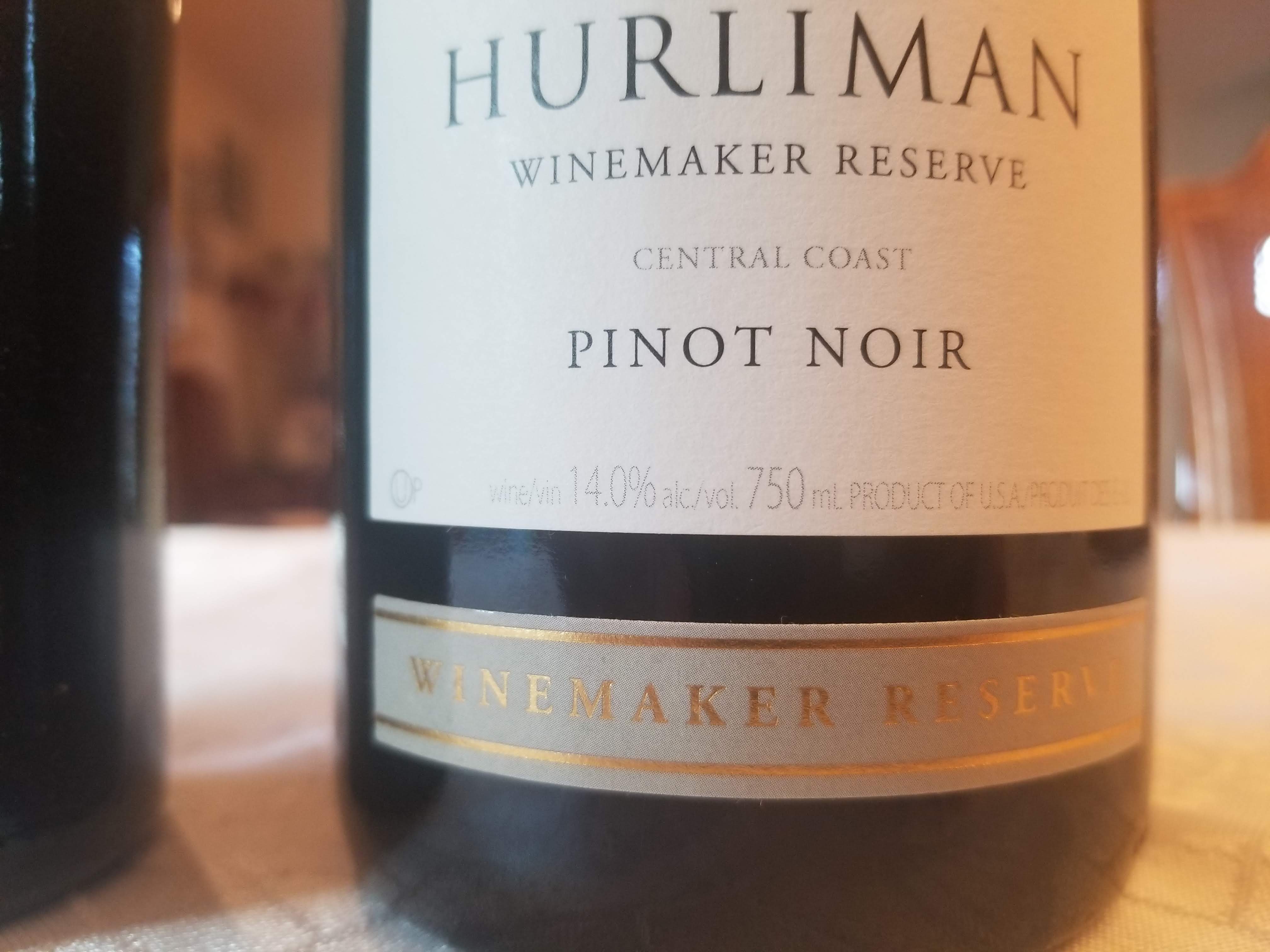
There were also two lovely wines from California. First was the return of a kosher B.R. Cohn wine, this time it is not the Trestle Glen wine but a nice Cabernet Sauvignon, nonetheless. It was balanced, well made, and far more enjoyable than the Yarden, any day. Finally, I enjoyed the N.V. Hurliman Pinot Noir. It is a lovely wine made in honor of Joe Hurliman, head winemaker at Herzog Wine Cellars.
Finally, I need to once again highlight how much I like the 2020 Sheldrake Riesling, Dry, Finger Lakes, NY. It is a lovely wine, that may well be the most refreshing and enjoyable wine out there, at this moment. NO, I did not say the best wine out there. I said, refreshing and enjoyable. Some wines are elegant, unique, layered, and expressive, like the epic 2019 Chateau Pontet can’t or the almost equally impressive 2019 Chateau LaGrange. But, not every wine experience is about Pontet Canet. There are times where I want an enjoyable white wine to have during Shabbat lunch. In that case, I will either reach for sparkling wine or an acid-driven but equally refreshing white wine. Ari Lockspeiser’s 2020 Sheldrake Riesling is lovely and meets all of those requirements, nicely done buddy!
The wine notes follow below – the explanation of my “scores” can be found here and the explanation for QPR scores can be found here:

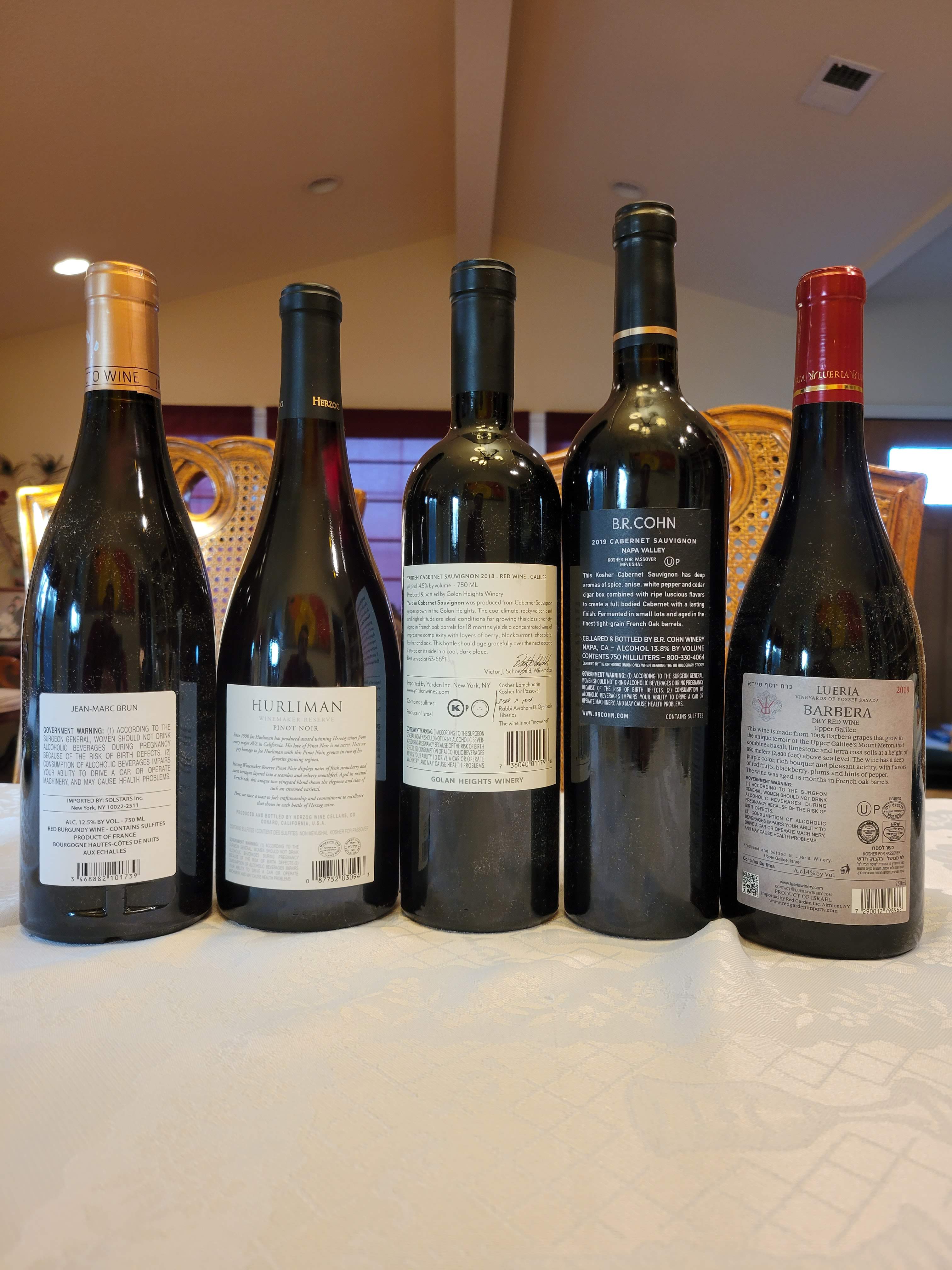
2020 Sheldrake Point Riesling, Dry, Finger Lakes, NY – Score: 91.5 (QPR: WINNER)
This is the first year that Ari Wines has made this wine and it is a true joy! First, I love the fact that he makes clear what dryness the wine has. The wine label shows an RS (Residual Sugar of 0.7 which is a bit more than I would have liked but still not within the average person’s opinion of what is “dry”. Officially, 0.5% is off-dry, but that is crazy precise, to most people below .10% you are dry, but everyone has their opinions. Finally, IMHO, this wine is not the best Riesling I have this year, nor is it the most complex wine of this year. However, and this is of great importance, this wine may well be the most refreshing wine I have tasted this year! That could well be because of either the lovely acidity, the low ABV (Alcohol By Volume), or because I love Riesling!
From open until empty this wine is always ready, enjoyable, and fun! The nose on this wine is lovely, showing notes I crave with intense honeysuckle, peach, tart citrus, honeyed notes of apple and pear, more floral notes, spices, and great minerality! The mouth on this medium-bodied wine is where this wine goes into solid WINNER status, it starts with a wave of acid, followed by a wave of balanced mouthfeel, with a weight that is lovely, not oily, but lovely, with ripe peach, tart tangerine, crab-apple like nectarine, and intense acidity. The finish is long, ripe, yet layered and expressive, with an acidic backbone, mineral, flint, rock, and intensity of mineral that makes this wine a true joy! Bravo! Drink until 2024. (tasted Novemeber 2021) (in San Jose, CA) (ABV = 11.10%)

Another round of QPR (Quality to Price Ratio) Hits and Misses, Six WINNERS – October 2021
To start – I really must state something in advance. I am sorry that I missed the chance to properly remember the 10th Yahrzeit of Daniel Rogov’s passing, which occurred on September 7th, 2011 (it may have been the 6th but Israel time and all).
I wrote two of my posts about the man, you can read them here and as such, I will simply say that I miss him as do most of the kosher wine drinking public. So much has changed in the past 10 years, since his passing, and I wonder what kosher wine would be like today if he was still with us. So much of the world is open to the kosher wine world, which was not the case 10 years ago. I wonder if Rogov would have embraced the opening. I wonder if he would have liked or disliked the fact that Israel is producing and importing loads of kosher wine from France and Italy, specially made for the Israeli kosher wine buying community.
I think, in the end, he would have loved all that is changing and we are all worse off by his lack of presence in our lives today. So I raised a glass of 2011 Yarden Blanc de Blanc in his memory and may we all be blessed for having known such a man!
QPR (Quality to Price Ratio) Wines
It has been a few months since my last QPR (Quality to Price Ratio) post and many people have been emailing me about some unique wine I have tasted and some lovely wines that are worth writing about.
Thankfully, no matter how garbage and pain I subject myself to, we are still blessed with quite a few wonderful QPR wines out there. This post includes superstars like Herzog Wines’s new 2019 Herzog Eagle’ Landing Pinot Noir, and a few others. It goes to show that when wineries reasonably price superior wines, even 46 dollar wines can be a QPR winner! Sadly, the Eagle’s Landing Pinot Noir is the most superior wine on this list. There are other nice wines to come but for now – this QPR wine list, overall, was not as good as previous lists.
We have an OK list of QPR WINNERS:
- 2019 Herzog Eagle’ Landing Pinot Noir
- 2017 Netofa Dor
- 2019 Chateau Genlaire Grand Vin de Bordeaux
- 2019 Elvi Vina Encina Blanco
- 2019 Pacifica Riesling, Evan’s Collection
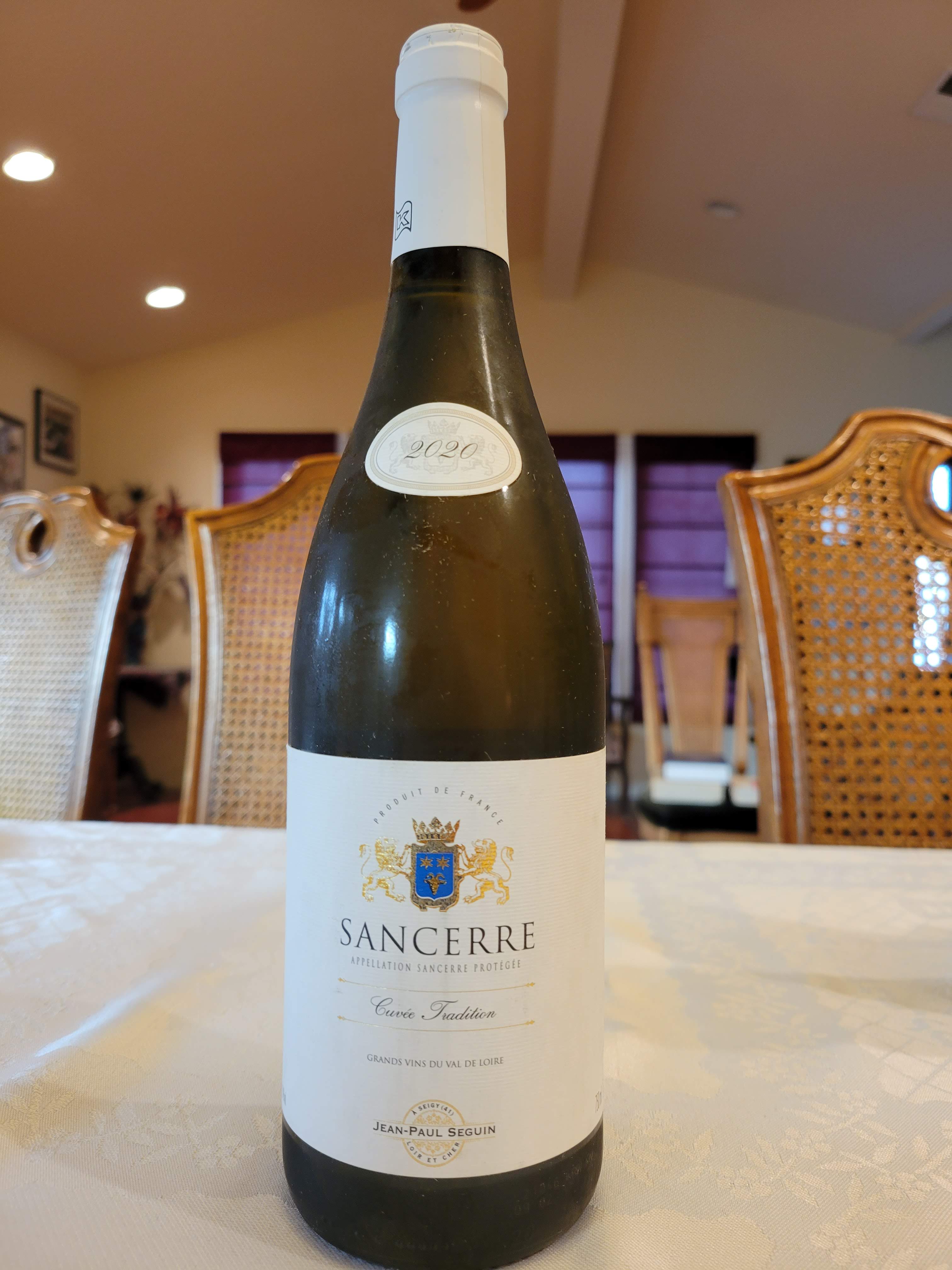
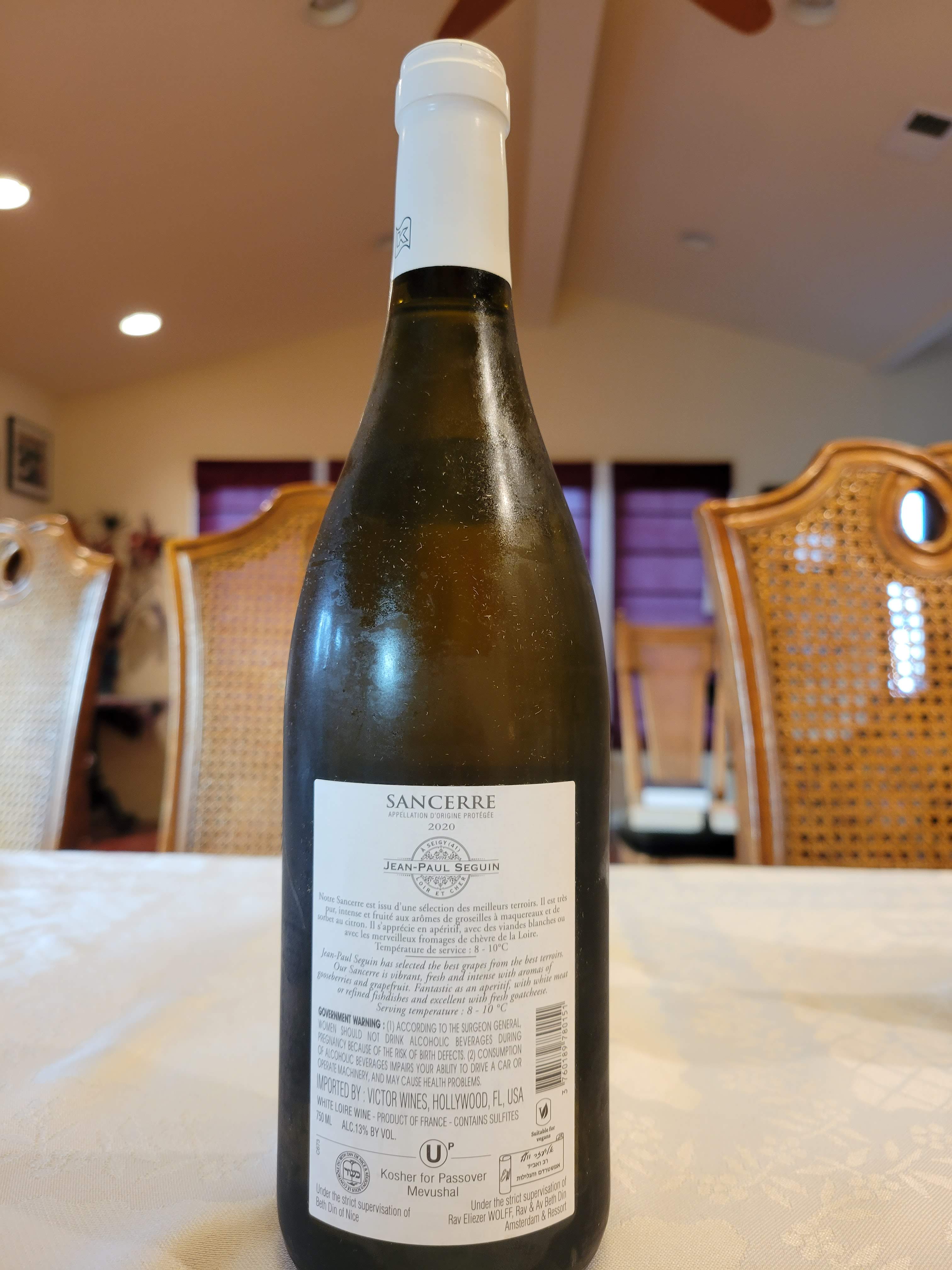
- 2020 Domaine Guillerault Fargette Sancerre
There were also a few wines that are a slight step behind with a GREAT or GOOD QPR score:
- 2020 Domaine Joost de Villebois Pouilly Fume
- 2019 Domaine du Castel Grand Vin
- 2019 Nana Chenin Blanc
- 2019 Nana Cassiopeia
- 2015 Mad Aleph Blaufrankisch
- 2019 Aura di Valerie Zaffiro Super Tuscan
- 2020 Vitkin Israeli Journey, Red
- 2020 Domaine du Castel La Vie Blanc de Castel
- 2019 Herzog Malbec, Lineage, Clarksburg – GREAT Value for a varietal I am not a huge fan of
- 2020 Herzog Variations Be-leaf
- 2018 Binyamina Sapphire, The Chosen
- 2020 Tabor Sauvignon Blanc
- 2020 Bodegas Faustino VI Rioja
- 2020 Yatir Darom Rose
- 2020 Recanati Marselan Rose
- 2020 Arroyo del Imperio Chardonnay
There are a few wines that got a QPR Score of EVEN – meaning expensive or average:
- 2020 Herzog Sauvignon Blanc, Acacia Barrel Series – very unique but expensive
- N.V. Herzog Methode Champenoise, Special Reserve – Nice but expensive
- 2020 Herzog Chardonnay, Chalk Hill, Special Edition – Nice but expensive
- 2019 Castellare di Castellina Chianti Classico – very unique but expensive
- 2020 Matar Chardonnay
- 2019 Capcanes Peraj Ha’abib, Flor de Primavera – Still too ripe for me
- 2019 Weinstock Cabernet Sauvignon, Cellar Select
- 2020 Psagot Sinai, White
- N.V. Drappier Rose de Saignee, Champagne
- 2018 Les Lauriers de Rothschild
- 2020 Pacifica Rattlesnake Hills Viognier
- N.V. Vera Wang Party Prosecco, Brut
- 2019 Or Haganuz Elima
- 2019 Binyamina Chardonnay, Moshava
The others are essentially either OK wines that are too expensive, duds, or total failures:
- 2018 Covenant Cabernet Sauvignon, Lot 70 – Lovely wine but expensive for the quality
- 2019 Hagafen Family Vineyard Red Blend – Lovely wine but expensive for the quality
- 2020 Binyamina Moshava Rose
- 2019 Yatir Creek White
- 2019 Domaine du Castel La Vie, Rouge du Castel
- 2017 Barons Edmond & Benjamin de Rothschild
- 2018 Domaine du Castel M du Castel
- 2020 Padre Bendicho Rose
- 2020 Carmel Private Collection Rose
- 2020 Yatir Darom White
- 2019 Nana Chardonnay
- 2019 Segal Marawi Native
- 2019 Mia Luce Blanc
- 2019 Nana Tethys
- 2018 Odem Mountain 1060 Cabernet Franc
- 2018 Odem Mountain 1060 Red Wine
- 2017 Odem Mountain Alfasi, Special Reserve
- 2019 Mia Luce Syrah and Stems
- 2019 Mia Luce C.S.M.
- 2017 Tabor Merlot, Adama
- 2017 Tabor Cabernet Sauvignon 1/11,000, Limited Edition
- 2019 Chateau de Parsac
- 2019 Gurra di Mare Tirsat
- 2017 Tulip Espero
- 2019 Psagot Merlot
- 2019 Psagot Cabernet Sauvignon
- 2018 Jezreel Icon
- 2019 Psagot Edom
- 2017 The Cave
- 2018 Carmel Mediterranean
- 2020 Yatir Mount Amasa Rose
- 2020 Flam Camellia
- 2020 Netofa Latour, White
Some things that made me stand up and take notice (AKA QPR WINNERS):
The real WINNER here, from the entire list, is the lovely 2019 Herzog Eagle’s Landing Pinot Noir, another STUNNING Pinot Noir from Herzog – BRAVO!
There were other high-scoring wines in this overall list, nice wines from Covenant and others, but the prices of those wines put them at a disadvantage in comparison to others in their wine categories, and as such, they have poor to bad QPR wine scores.
In the end, IMHO, the overall list has less quality than the previous QPR list but there are a few nice wines here indeed.
The other WINNERS were the incredible 2019 Elvi Vina Encina Blanco, a lovely Macabeo for 13 dollars! Just lovely! The 2019 Pacifica Riesling, Evan’s Collection, is not as good as previous vintages – but another solid wine that many will enjoy. Finally, we have a Sancerre that I can get up and cheer about and that is the 2020 Domaine Guillerault Fargette Sancerre. It is here in the USA and it is nice!
Other wines worth of note (AKA QPR GREAT or GOOD):
Of these GOOD to GREAT wines – the most interesting of the list, for me, is the 2020 Domaine Joost de Villebois Pouilly Fume. No, it is not as good as the lovely 2019 Jean Pierre Bailly Pouilly Fume, still, it is a Mevushal wine that is reasonably priced, so it gets a solid QPR score. The 2019 Nana Chenin Blanc is nice, but for the price, it is not worth it, and it is DRINK NOW!
The 2019 Domaine du Castel Grand Vin, is nice, yes, but it is too ripe for me and the price is too much for the quality it is, so yeah, nice wine for those that like this style. The 2019 Nana Cassiopeia, is a wine that I found I could taste and at a decent enough price, so yeah, good going.
The 2015 Mad Aleph Blaufrankisch has so many stories revolving around it, that all I can say is, drink it if you like the style. I found it OK, but I do not need to buy any more.
The 2019 Aura di Valerie Zaffiro Super Tuscan is nice enough, but really, why did you need to put those words on the bottle? A Super Tuscon is a term used to describe red wines from Tuscany that may include non-indigenous grapes, particularly Merlot, Cabernet Sauvignon, and Syrah. The creation of super Tuscan wines resulted from the frustration winemakers had towards a slow bureaucracy in changing Italy’s wine law during the 1970s (from WineFolly). Why would you place those words on a wine bottle??
The 2019 Herzog Malbec, Lineage is a solid example of what reasonably priced wine from California can taste like! Finally, the newly released 2020 Herzog Variations Be-leaf – handily beats all other no-added sulfite options!
Read the rest of this entry
Another round of QPR (Quality to Price ratio) Hits and Misses
It has been a few months since my last QPR (Quality to Price Ratio) post and 10 or more people have been emailing me about the EPIC 2019 terra di Seta Chianti, that I said, I had to pump out another post ASAP!
Thankfully, no matter how garbage and pain I subject myself to, we are still blessed with quite a few wonderful QPR wines out there. This post includes superstars like Elvi Wines’s new 2017 Clos Mesorah and many others. It goes to show that when wineries reasonably price wines, even 70 dollar wines can be a QPR winner!
We have quite a lovely set of QPR WINNERS:
- 2017 Elvi Wines Clos Mesorah
- 2019 Terra di Seta Chianti Classico
- 2019 Cantina del Redi Pleos Toscana Sangiovese
- 2019 Capcanes Peraj Ha’abib Pinot Noir
- 2019 Chateau D’Arveyres Bordeaux Superieur
- 2016 Chateau La Clare Grand Vin de Bordeaux
- 2018 Vieux Chateau Chambeau Reserve
- 2018 Hagafen Cabernet Franc
- 2018 Hagafen Cabernet Sauvignon
- 2019 Hagafen Riesling, Off-Dry
There were also a few wines that are a slight step behind with a GREAT or GOOD QPR score:
- 2016 La Chenaie du Bourdieu Grand Vin de Bordeaux
- 2018 Secret des Chevaliers Grand Reserve
- 2020 Bartenura Prosecco Rose
- 2019 Golan Heights Winery Riesling
- 2020 Sheldrake Point Gewurztraminer
- 2020 Unorthodox Sauvignon Blanc
- 2016 Hagafen Merlot, Prix, Reserve
- 2016 Hagafen Cabernet Sauvignon, Prix, Reserve, MJT
- 2018 Hagafen Merlot
There are a few wines that got a QPR Score of EVEN – meaning expensive or average:
- 2019 Hajdu Montepulciano – a nice wine but very expensive
- 2019 Domaine du Castel Petit Castel – nice enough but very expensive
- 2019 Golan Heights Winery Pinot Noir, Gilgal (Gamla) – not interesting but cheap
- 2020 Gendraud Patrice Chablis – nice enough and expensive
- 2020 Vitkin Israeli Journey
2020 Gush Etzion Sauvignon Blanc
2020 Domaine De Panquelaine Coteaux Du Giennois
2020 Bat Shlomo Sauvignon Blanc – OK or even nice enough but expensive
The others are essentially either OK wines that are too expensive, duds or total failures:
- 2016 Hagafen Pinot Noir, Prix, Reserve
- 2017 Chateau de By, Grand Vin de Bordeaux
- 2019 Hajdu Grenache
- 2019 Hagafen Don Ernesto’s Ah-Ha!
- 2016 Hagafen Melange, Prix, Reserve
- 2017 Herzog Quartet
- 2019 Flam Classico
- 2019 Twin Suns Pinot Noir
- 2019 Vanita Nero d’Avola
- 2018 Tabor Eco, Red
- 2017 Segal Cabernet Sauvignon, Dishon
- 2016 Tabor Merlot, Adama
- 2017 Tabor Shiraz, Adama
- 2018 Matar Stratus
- 2018 Matar Cumulus
- 2018 Celler de Capcanes Peraj Ha’abib (Mevushal version)
- 2020 Shiran Chardonnay
- 2017 Hagafen Chardonnay, Prix
- 2018 Tabor Eco, White
- 2019 Covenant Lavan Chardonnay
- 2020 Domaine De Panquelaine Sancerre
- 2018 Pascal Bouchard Chablis, Le Classique
- 2018 Binyamina Chardonnay, The Chosen
- 2019 Chateau le Petit Chaban
- 2019 Chateau Mayne Guyon Grand Vin
- 2019 Covenant Cabernet Sauvignon
Some things that made me stand up and take notice (AKA QPR WINNERS):
The first BIG takeaway for me, was that Hagafen Wine Cellars is back, at least in regards to red wine! I was there to taste some wines with Gabriel Geller and I was impressed by the 2016 and 2018 red wines. There were some misses as well but overall, 2 QPR WINNERS and 3 QPR GOOD to GREAT scores – that is good stuff!!! There is also the very nice, but expensive, 2018 Hagafen Sauvignon Blanc, Prix. It is really fun and while it is oak-driven, it is a nice wine and it just needs some time.
Terra di Seta Continues to CRUSH it! Two more EPIC wines at QPR WINNER status, we need a super QPR WINNER status! Fear not I am joking. Anyway, the 2019 Terra di Seta Chianti Classico is beautiful, more elegant than previous vintages, but without the sheer power of the 2018 vintage. The 2016 Terra di Seta Chianti Classico, Riserva, is a sheer powerhouse, but one that is far more accessible than previous vintages, this may well be the best in some time!
Royal has another Italian QPR WINNER with the 2019 Cantina del Redi Pleos Toscana Sangiovese, yes another Sangiovese, and no, it is not better than the TDS and it is a bit more expensive, and it is not Mevushal, so I am not sure how it fits into the Royal portfolio puzzle, but hey, that is not my job to worry about!
The 2019 Capcanes Pinot Noir is on point a very nice wine – the 2019 vintage, from all over the world, has given us a bounty of choices for Pinot Noir!
Finally, there are more French QPR WINNERS, like the 2019 Chateau D’Arveyres Bordeaux Superieur. The previous vintages were bad to horrible, but this one returns to its old form. The 2016 Chateau La Clare, Grand Vin de Bordeaux also is very nice, it continues its theme of well-priced Bordeaux wine for a reasonable price, and it is Mevushal. I would happily drink this or 2015 at a restaurant – no questions asked. Finally, the 2018 Vieux Chateau Chambeau Reserve is a nice wine for the price, though it is harder to find, it may be worth the effort.
Other wines worth of note (AKA QPR GREAT or GOOD):
I am happy to say there are other solid wines – and many are European. I found some of these at NYC stores (not online) and others online.
The 2016 La Chenaie du Bourdieu Grand Vin de Bordeaux, is not a new wine for me, I had it at Taieb in 2019 and I was happy to see it here in the USA. Another nice wine was a new one for me, the 2018 Secret des Chevaliers Grand Reserve, a simple enough wine but at the price, it has a SOLID QPR.
I was shocked to finally find a Prosecco I could taste without physically making me ill. I have had a few in the past, but this one is the best of the bunch, for now. I am talking about the 2020 Bartenura Prosecco Rose, solid if this is your kind of wine. For me, there is no better QPR WINNER or bubbly, for the price, than the Yarden and Gilgal (AKA Gamla) wines.
Talking about Yarden, the 2019 Golan Heights Winery Riesling is nice, not my cup of tea, but for those with a sweeter tooth than mine – BUY THIS or the Pacifica Riesling.
The same can be said for the 2020 Sheldrake Point Gewurztraminer. I liked the 2020 Sheldrake Point Riesling and scored it a WINNER, the Gewurztraminer is not as good, but that is fine, this is another wine made for those with a sweeter tooth.
The shocker for me, in my previous tastings at home, was the 2020 Unorthodox Sauvignon Blanc! Look, I have had their wines for years, and they have all made me unhappy. This is, honestly, the first Unorthodox wines, of any sort, that I have liked. Solid deal.
The rest of the good to great QPR wines are all Cali. There were three more wines from 2016 and 2018 at Hagafen that I liked but not as much as the ones above. The 2016 Hagafen Merlot, Prix, Reserve, 2016 Hagafen Cabernet Sauvignon, Prix, Reserve, MJT, and 2018 Hagafen Merlot, are nice enough wines. They lack complexity and tug to make me more interested.
Wines that are either good but too expensive or average (AKA EVEN):
The only wine I wanted to highlight is the 2019 Hajdu Montepulciano. It is a lovely wine that while I enjoyed it is just too expensive for the value.
Wines that are either OK but far too expensive or bad wines (AKA BAD):
I wanted to highlight the 2019 Covenant Cabernet Sauvignon and the 2019 Covenant Chardonnay, Lavan. They are nice enough wines but not like the days of old, and expensive. The same idea can be said for the 2017 Hagafen Chardonnay, Prix.
There are also, many duds to losers and I will just leave you to peruse the names and scores down below.
The wine notes follow below – the explanation of my “scores” can be found here:
2017 Elvi Wines Clos Mesorah – Score: 94 (QPR: WINNER)
This is a super elegant, floral, and feminine wine, bravo!! The nose on this wine is beautiful, showing floral notes of violet, white flowers, with blueberry, black fruit, smoke, roasted duck, earth, and loads of smoke, dirt, and loam. The mouth on this full-bodied wine is so elegant, layered, concentrated, earthy, fruity, smoky, and richly extracted, with boysenberry, blackberry, dark cherry, plum, smoke, earth, loam, and lovely sweet cedar, with green notes, sweet tobacco, sweet basil, and lovely acid. The finish is long, green, with draping elegant tannin, sweet smoking tobacco, dark chocolate, white pepper, and anise. Bravo!! Drink from 2025 until 2035. (tasted April 2021)
2019 Terra di Seta Chianti Classico – Score: 92+ (QPR: WINNER)
The nose on this wine is lovely, with ripe notes, which is classic for a Chianti so young, with classic notes of burnt rubber, balsamic vinegar, rich smoke, incredible mineral, dark red fruit, menthol, and roasted animal, with loads of roasted herbs. The mouth on this medium-bodied wine is lovely, richly extracted ripe, and layered, with incredible acidity, this has to be the highest acid we have ever tasted on Terra di Seta wines, the body is lighter than previous vintages, with incredibly ripe fruit, at the start, but the crazy acidity makes it work, with dark plum, rich ripe cherry, menthol galore, with incredible minerality, showing saline, rocks, charcoal, with light tannins, showing beautiful mouthfeel but after a short time the mouthfeel goes thin and the fruit-focus is gone, this is a strange wine indeed! The finish is a bit short, with lovely smoke, mineral, dark chocolate-covered espresso, with more dried herbs, oregano, and dried mint. Drink by 2027. I am surprised by this wine, I will need to see where this goes, for now, I like it, and I will buy more, but it may not be for long holding.
OK, so that was the notes after opening the bottle and tasting. The next day – the wine evolved into the classic wine we all take for granted! Now the nose is intoxicating, the ripeness has calmed down greatly, as I expected, but now the nose is dominated by lovely dried porcini mushrooms, dense fruit, menthol, smoke, roasted duck, and soya sauce galore, wow what a nose!! The mouth has evolved beautifully, and while the tannins are still gentler than in previous vintages the wine is lush, plush, and mouth-filling, the hole or shortness is gone, and now it is everything I want in a wine, though the weight has not filled out and I think this is just a lighter wine but the tannins are draping and mouth-filling, elegance is clear and the wine is lovely. This is a wine that can be enjoyed earlier than previous vintages, the minerality on this one is off the charts! 2018 is richer and fuller, while 2019 is more elegant, simply stated. Bravo!! Drink from 2022 until 2029, if you want it now, decant for 5 hours or take a glass, close it and enjoy it the next day. (tasted April 2021)
2019 Cantina del Redi Pleos Toscana Sangiovese – Score: 91+ (QPR: WINNER)
The nose on this wine is classic, dirty, earthy, smoky, with controlled ripe fruit, nice structure and loads of earth, lovely floral notes of rose and violet, and dark fruit in the background. The mouth on this medium to full-bodied wine is ripe, and concentrated with nice extraction, showing nice acidity, rich fruit-focus, with black plum, strawberry, dark raspberry, hints of blackberry, with an intense acid and mineral core, showing richness, with layers of fruit, dirt, earth, charcoal, rosehip, mouth-draping tannin, and lovely structure. The finish is long, dark, with hints of green, mushroom, red and dark fruit, tannin, more floral notes, and earth lingering long, with coffee, and leather. Nice!! Drink until 2026. (tasted March 2021)
The best/top kosher wines for Passover 2021 in all price ranges
Thankfully, the world is slowly coming alive, and while life has not returned to the days of old, the most recent CDC statement allowing people who have received the Covid Vaccine to hang out with other Vaccinated people is truly heartwarming and gives us hope for the future and maybe even a Passover together. Last year, I was extremely tentative about writing this yearly post, but I am happy that many found it useful and enjoyable, even in those extremely early bleak times. I hope this year the post finds you and your families well, and your lives beginning to find a rhythm that is more of the old than the current! Happy Passover to you all!
A few caveats first, this is MY list! This is not a list that will make many happy. These wines are the wines that make me happy. No wines here would be considered overripe, over sweet, or all over the place. The wines here are listed in the order of cost. That said, the top line wines – what I call Top-Flight wines, are not defined by cost at all. In that list, you can find a 2014 Yarden Blanc de Blanc or the 2014 Yarden Brut Rose, both are great sparkling wines. At the same time, the list includes some of the best high-end kosher wines I have ever tasted. In the end, price does not define your place on the Top-Flight Wines, nor does QPR (Quality to Price Ratio), only pure quality gets you on this list. The list of Top-Flight wines is ALL wines that I would buy without hesitation, no matter the cost (if I can afford it of course).
Passover is a time of year when Jews buy the most wine, along with Rosh Hashanah, and the American New Year. That is why all the kosher wine events, normally, happen a month or two before the Passover festival. It gives the wineries and distributors a chance to showcase all their wines that each appeal to different market segments. So, no there are no sweet or semi-sweet baseline wines here. There are many very good 15 or so dollar bottles of wine, that can be bought at Skyview Wines, Gotham Wines, Suhag Wine, Liquid Kosher, onlinekosherwine.com, kosherwine.com, and a new store I have been buying from kosherwinedirect.com (they also ship for free if you buy a case), along with the other wine stores I have listed on the right-hand side of this blog (as always I NEVER make money from them and I never know or care what people buy, the list is whom I buy wines from and so I can recommend them to others).
Also, the amount of money you spend does not define the value or quality of the wine. Take for example the 13 of so dollar 2019 Chateau Riganes Bordeaux, red, or the slightly more expensive Herenza Crianza, or the Terra di Seta Chianti Classico, and many others. These are great wines and the great price is only an added benefit. However, many low-priced wines are not on this list, as they lack the quality required, IMHO.
Seeing the list and checking it twice (could not help myself), I am sure there will be a question – what defines a wine as a Top-Flight wine, and why are there wines that are not on it? The Top-Flight wines are wines that impressed me when tasting them. That does not mean that the 2019 Chateau Riganes Bordeaux, as nice as it is may or may not be, can compare to another wine on the Top-Flight Wine list. What it does mean was that when I tasted one of these Top-Flight wines, I was wowed, and I said this is a wine that everyone should get – no matter the price. In the end, the Top-Flight Wines is my way to whittle down the list of wines that I enjoyed from a set of thousands of kosher wines available here in America. In hindsight, I am sure I will have missed some wines. If you do not see a wine you love and it scored a 90 or higher on this blog somewhere, then I can assure you that it was probably an oversight on my part.
Also, this is a PSA – please do not buy 2019 rose wines! PLEASE! They are muted and a waste of your hard-earned money. Sadly, so far, the 2020 roses I have tasted, are also a waste of your money! The best of them are just arriving and I wanted to get this list out ASAP! I will post about them after I taste them soon.
Arba Kosot (The Four cups of Passover)
Finally, it the Jewish custom to drink four cups of wine on Passover, but to power down these wines are far too hard for me (the concept here is to drink the base quantity of wine to fulfill your requirement – which is a Revi’it, within a certain period). In the past, I was drinking red, Israeli wines that were simple to drink, not complex or impressive. However, with time, I found a better option, drink the majority of a small cup that fulfills the Revi’it quantity of wine. This way, I can drink an Israeli, not Mevushal, red wine – like a Netofa wine. This is explained more below. This year, I think I will go with Yarden Rose Brut Sparkling wine, again. It is Israeli, not Mevushal, “red”, a lovely wine, and an acid BOMB!
For the main course, I am happy to open a Top-Flight wine and enjoy that at a calm and enjoyable pace. Another option is to get some of these great glasses from Stolzle, that fulfill the official four cups requirements in terms of volume and respect, according to most Rabbis. The glasses hold 3.5 fluid ounces of wine, which according to almost every source fulfills the concept of Revi’it.
NOTE! This year all 4 cups are NOT a D’oraysa, but rather a rabbinic requirement. Therefore, you can stay at 3.5 ounces. The only day you will need to go to the 4.42-ounce sized cup would be Shabbat night.
Read the rest of this entry
2020 kosher wine year and decade in review – glass half empty
As I am want to do, it is another year on the Gregorian calendar and I have already posted the wines of the year and the QPR (Quality to Price Ratio) wines of the year. Now it is time for the year and decade in review. I had to wait until now, to talk about the decade in review, because there is a clear disagreement on when the new decade begins, so I went with the non-computer science approach (0-based systems), which is not what most people believe. To this point I quote Library of Congress’s estimable Ruth S. Freitag:
Dilemmas over marking time have been going on for years. In the late 1990s, the Library of Congress’s estimable Ruth S. Freitag famously compiled a 57-page research document titled The Battle of the Centuries, in which she called out people who celebrate any era before its time.
“When the encyclopedia of human folly comes to be written, a page must be reserved for the minor imbecility of the battle of the centuries — the clamorous dispute as to when a century ends,” Freitag wrote. Noting that there was no “year 0” in history, she said, “In fact, there has never been a system of recording reigns, dynasties, or eras that did not designate its first year as the year 1.”
To bolster her argument, Freitag, who was then a senior science specialist in the library’s Science and Technology Division, cited historical records that showed similar disputes had erupted when calendars were turned to 1900.
But even Freitag acknowledged that she was swimming against the tide of popular opinion.
It may seem obvious to many, but there was never a year 0, so let’s go with the obvious fact that the decade has finally passed us and we can discuss it in regards to all things kosher wine. IMHO, I will go with the glass half empty metaphor, as no matter how hard I try, there is no real way to look at this past decade in a glass-half-full approach – give the utter disregard from much of the world for anything approaching wine I would buy.
Where are we now??
Well, that is pretty simple, IMHO, we are WORSE than we were last year, and that was worse than we were in the years before. Essentially, we are continuing the slide down, maybe even at a faster rate, with a slight caveat to the positive on high-end white wines. That would be my summation – hence the glass-half-empty reference.
COVID and what it has done to the kosher wine industry
I could not talk about 2020 in a review, or the decade in a review, without at least mentioning Covid! The clear impact of the Virus on our lives is not wine, or food, or any other material impact. What truly has changed are the people we have lost, friends or family that have been sick or passed, and jobs and families crushed by this pandemic. Those things are REAL and those real things are truly very sad and are hard to move on from.
Yes, we have lost freedom of movement, we have been locked away from our friends and family, but it all pales in comparison to the true loss of life, income, and time. Many, if not all of them, have been lost forever, and that is the true loss and suffering.
Still, there is a need/desire to talk about how COVID changed the wine industry – over the past 12 months. As such, I wrote a post – some 7 months back, and I am shocked and saddened by how much it has not changed at all over these past many months. There were some missing points so let us hit them:
- There will be no in-person KFWE or any other tasting this year, sadly. To that point, Royal Wine has made a KFWV this year and I hope you can listen in at least and maybe join in with the tasting as well!
- As I stated in the post the online stores have come through. But even more so than that were the local stores that supported the communities and I can only repeat, support your local wine merchants if you have them! Sadly, our merchants, here in NorCal, while they exist, do not quite have what I am looking for, but they are trying – so kudos to them for that! However, those of you on the east coast – BUY LOCAL! Come on, folks! Your local store is there, you have the same taxes, buy local, and make sure they feel the love!
- Restaurants may finally be coming back, but wine sales are still very low to zero, and again, why do we need Mevushal?? I pray the biggest outcome of all of this madness is the production of dual labels M and not). I know it is a pipe dream, like a real Shmitta game plan – dream on. IMHO, Mevushal will take a hard hit soon, people will see it for what it is, a sham on the kosher wine market. If a wine needs to be Mevushal then go buy a beer and move on!
- The lack of travel and access to wineries is a real issue here. I would have already have been in France twice since my last year in review and Israel, at least once. The lack of access to wines impacts my ability to properly score and grade, but thankfully the UPS/FedEx of the worlds have been doing a yeoman’s job and they do truly deserve a cheer every time they drive by! Please show them the love (from a distance) that they deserve!
- Finally, to repeat – the lack of KFWE or any other tasting this year, or even marketing of wines in-person, will further complicate the lack of wine education in this industry and I fear it will sadly slow or hurt the sales of many wineries.
My yearly blog disclaimer about me and wine
I try to get this disclaimer into every year of my posts – but this year – for reasons I do not know, I have been receiving a lot of questions about my posts. So let me be 100% clear here:
- I NEVER HAVE AND NEVER WILL receive a penny for ANYTHING I write on this blog – PERIOD!
- I do not advertise and I do not receive money for advertisements. I PAY WordPress.com to NOT advertise on my blog. Again, there will never be ads or money on this blog.
- The next most prevalent question is: do I get a kickback for anything I recommend?? LOL! People do not know me well to be asking that question! NEVER! I write what I think – almost literally at times, so NO!
- Next question – do I receive an item of value for my posts? NEVER.
- The only thing I receive, having nothing to do with my posts is access to tastings or wine to taste. Also, I have received passes to KFWE, or this year, the KFWV. The coupon codes are not affiliated links or deals for me! Again, I get no money from this blog – I hope this starts to come across soon!
- Am I receiving money or any other item of value from Royal or an affiliate for the use of the ‘MUSINGS’ discount code? Again NO! NEVER!
- Do I spend money on my notes or wines? I promise you there are VERY few people in the kosher wine world who spend more money than I do on wines that I DESPISE! Very few! There are loads of people who spend more money than I do on wine – I am not a Macher! But I buy the majority of the wines I taste and post on. In the past year that has changed a bit, but no, I buy most of the wines and it sickens me to spend so much money on wines I would never drink or even cook with! Sadly, that is what I like to do. So, sure if the importer will help me and send me samples, great! I will still post my notes and scores based 100% on the way I see and taste the wine. NOTHING else goes into my scoring.
- Finally, I have people in the industry that I call friends. When I taste those wines I always disclaim those as well.
So, that wraps up my yearly post on how I, my blog, or my life is ever gaining anything from the world of wine! I hope that is clear. I do not do any business in wine, I do not sell any wine, I do not transfer wines, I am not a middleman for people who buy wines. I do not in any manner, way, or form, work in the world of wine – period!
Finally, I do help Elvi Wines, at times, to pour wine, at a KFWE or the such, and act as their US contact for the USDA. I have again, never received compensation for those pouring’s. My travel costs are sometimes reimbursed, but that is the totality of my relationship, financially speaking, with Elvi Wines or any other winery or wine business. I am a software architect by trade and that is where I make my money. Be well!

The top QPR Kosher wine WINNERS of 2020
This past year I wanted to drive home the need for QPR (Quality to Price Ratio) wines. So I set out to create what I thought a QPR metric should be! Gone were arbitrary price ranges and the such. Instead, I let the market define what the QPR price range should be. I did this by grouping the wines by their type (white, red, rose, sparkling, and dessert) and then further refined the grouping by age-ability within the white and red wines. This gave me the following groups:
- Drink “soon” White Wine (Simple whites)
- Rose Wine (always drink soon)
- Drink “soon” Red Wine (Simple reds)
- Mid-range aging Reds (4 to 11 years)
- High-end Red wines (11 and more years)
- High-end White wines (7 and more years)
- Sparkling Wine (No need here for extra differentiation)
- Dessert Wine
I then made the mistake of trying to create an Orange wine range/group – that was a HUGE mistake. Again, the wines themselves were not the issue, the issue revolved around trying to group such a small sample set into its group. They will go into their respective white wine category, next year.
Throughout the year, I posted many QPR posts, for almost all of the main categories. I will continue down this road until I find a better way to categorize and track wines that are QPR WINNERS. Talk about WINNERS, that secondary QPR score was a 2.1 revision to my QPR scoring, and that is explained in this post. All the wines listed here are QPR WINNERS from my tastings in 2020.
This year, the list came to a total of 25 names, and none had to dip below 91 in the scores, which is a large number and better scores overall than last year, but again, the pool from where they are culled continues to grow, and the diamonds in the rough are getting harder and harder to find.
I have added a few new things this year. The first is QPR for France, the prices for many wines there, are dirt cheap! Maybe, Avi Davidowitz, from kosher wine unfiltered, can create a list like that for Israel, this year, a bunch of wines became available there, and a proper QPR list would be worthwhile!
Shoutout to TWO GREAT wines that are just sitting around!
I am sorry to get on my soapbox before we get to the top QPR wines of 2020. But I have to ask what is wrong with Les Roches de Yon-Figeac? What is wrong with Albarino?
The 2016 Les Roches de Yon-Figeac is sitting around and no one is buying it! WHY??? It sits around and there is no real better option, IMHO, at this price point, currently. Yet, the wines sit! The crazy part is that the 2016 Les Roches is lovely, but 2017 is even better!!! The 2016 vintage has been here in the USA for years already! The price is perfect, 36 or 37 dollars for an impressive wine that can be enjoyed now, if you decant it well or age for 12 more years!
What about the Albarino wines? There is the cheap but wonderful 2018 Ramon Cardova Albarino, along with the 2018 Herzog Albarino, Special Reserve, at 2x the price. They are wonderful wines and they too sit on the sidelines! Horrible Sauvignon Blanc and Chardonnay wines sellout but these far better white options sit around. It is great that some of you have been enjoying Riesling, Grenache Blanc, and other varieties, but COME ON FOLKS – try other white wines – PLEASE!!
Finally, some of these wines are hard to find and they may have different siblings – but they are worth the effort. The wine notes follow below – the explanation of my “scores” can be found here:
The 2020 White QPR kosher WINNERS
The Dampt Grand Cru from 2018 was the white wine of the year and the 2017 Dampt is the white Co-QPR white wine of the year. The other Co-QPR white wine of the year is the lovely 2019 Pescaja Terre Alfieri Arneis Solei. It is almost as unique as the 2013 Eccelenza, Bianco Umbria, which was crazy cool. These wines are worth the effort to find them, IMHO!
2019 Pescaja Terre Alfieri Arneis Solei – Score: 92+ (QPR: WINNER)
WOW! this is Arneis fruit, but to me, it is Sauvignon Blanc all the way, but where it departs from classic SB is the pear and almond which should tell you that something is either very wrong or this is not SB, which in case, is the latter, this is not Sauvignon Blanc! If anything this is more a perfect blend of Sauvignon Blanc and Viognier, incredible!
PSA – This wine needs to be CHILLED – LIKE Champagne chilled, PLEASE!
The nose on this wine is truly redolent and super-expressive, if this is lost on you, please do not buy the wine, leave it for others who can appreciate it! This wine does indeed have notes of gooseberry, and cat pee, and lovely green notes, but it also has loads of floral notes, showing violet, rose, salted almond, chamomile, white flowers, and sweet ripe pear, and grapefruit. The mouth on this medium-bodied white wine is INCREDIBLE, nuts, with layers upon layers of incredible fruit, sure it has a drop of RS, but who cares! The mouth is layered with ripe pear, peach, apricot, ripe pomelo, with incredible honeysuckle, followed by honey, honeyed and spiced Citron, and incredible mineral, slate, spice, nutmeg, freshly-cut grass, straw, hay, and lovely roasted almond on the super longer lingering finish – WOW!! This is fun! Drink until 2024. (tasted August 2020)
2017 Dampt Freres Chablis, Premier Cru, Cote de Lechet – Score: 93 (QPR: WINNER)
OK, so, 2017 is the year for Chablis, and of what I had from Dampt Freres, two years ago, a few showed quite well. Those were Petit and a more minor vineyard. This wine is the 2017 Premier Cru and what a wine it is! My goodness, this is what Chardonnay, unoaked of course, ie meant to smell and taste like. It is pure mineral and fruit, with loads of dirt, smoke, and flint – a true joy – BRAVO!!!
The nose on this lovely wine is purely mineral notes, sure there is apple, peach, apricot, and some other white fruit, but who cares, what shines here is the mineral attack, shist, rock, flint, along with lovely white flowers, almonds, and hints of mushroom – I WANT THIS! The mouth on this medium-bodied wine is lovely, layers upon layers, come at you, with non-stop attack of mineral, fruit, earth, rich spices, and more mineral. The apricot, peach, yellow and green apple from the nose are present, as are hints of lychee, lovely Meyer lemon, and a tiny amount of crazy Kafir lime leaves and juice – WOW! The finish is so long, with incredible minerality, showing flint, rock, shist, and lovely straw, that brings the entire wine together – wow! A true joy – get this!! Drink until 2025. (tasted December 2020)

My top 25 kosher wines of 2020 including Wine of the Year, Winery of the Year, and the best Wine of the Year awards
Like last year, I wanted to make this post short and sweet – so the criteria are simple. I could care less about price, color, or where it was made. All that matters is that it is/was available this year sometime to the public at large and that I tasted it in a reliable environment, not just at a tasting, and that it was scored a 92 or higher. Also, there are a few lower scoring wines here because of their uniqueness or really good QPR.
We are returning with the “wine of the year”, “best wine of the year” along with categories I added last year, “Winery of the Year”, “Best White wine of the year”. Wine of the year goes to a wine that distinguished itself in ways that are beyond the normal. It needs to be a wine that is easily available, incredible in style and flavor, and it needs to be reasonable in price. It may be the QPR wine of the year or sometimes it will be a wine that so distinguished itself for other reasons. The wines of the year are a type of wine that is severely unappreciated, though ones that have had a crazy renaissance, over the past two years. The Best Wine of the year goes to a wine well worthy of the title.
This past year, I think I am pretty sure about my state on kosher wine overall. In the past, I had not yet tasted the pape Clement or other such wines. However, over the past year, those have been covered, and they were a serious letdown. As stated in the article, I truly believe the entire kosher production of the Megrez wines, following the EPIC 2014 vintage of the Pape Clement and others, to be below quality and seriously overpriced, and without value in every category, which is a true shame. The 2015 reds are all poor quality and the whites are not much better, in 2015 and 2016. The 2016 Pape Clement, while better, is a total ripoff for what it is. As I will talk about in my year in review post, 2014 will come out as the best vintage for the past decade in France. That is a hotly debated subject, but IMHO, in the world of kosher wine, there were FAR more best wine options in the 2014 vintage than any other vintage in the past decade. That may not be the case for non-kosher wines, but news flash, I do not drink non-kosher wines, or even taste them, and further this blog is about kosher wines. The 2018 vintage may well have some serious “best wine of the year” candidates, but sadly, not all of those wines are here and I could not travel to France to taste them all, as I do commonly.
There are also interesting wines below the wines of the year, think of them as runner-up wines of the year. There will be no rose wines on the list this year. If last year, I thought the roses were pure junk, this year, you can add another nail in the coffin of rose wines, IMHO. Thankfully, the task of culling the bounty of great wines to come to these top wines was more a task of removing then adding. We are blessed with a bounty of good wines – just not like a few years ago when that bounty included many 95 and 95+ scoring wines.
The supreme bounty comes from the fact that Royal released the 2018 French wines a bit early! Throw in the incredible number of kosher European wines that are coming to the USA and being sold in Europe and this was truly a year of bounty for European kosher wines.
Now, separately, I love red wines, but white wines – done correctly, are a whole other story! Sadly, in regards to whites, we had no new wines from Germany, still. Thankfully, we have some awesome new entries, from the 2017 and 2018 Dampt Freres Chablis, both Grand Cru and Premier Cru, and the new 2019 Meursault!
The wines on the list this year are all available here in the USA, in Europe, and a few can be found in Israel, as well.
Finally, some of these wines are hard to find and they may have different siblings – but they are worth the effort. The wine notes follow below – the explanation of my “scores” can be found here:
The 2020 kosher wine of the year – is a return to its greatness – the 2018 Elvi Wines EL26
Elvi EL26 is back! Back to the glory days and I have stocked up and sadly, it will sell out quickly, if it is not already sold out! Get a move on, there was not a huge production of this beauty!
So, why did EL26 win? Simple, it is a great wine, and then throw in its WINNER price, and this wine punches at two levels, at the same time! You can read more about this fantastic wine here, in my post about it. Enjoy!
2018 Elvi Wines EL26, Elite, Priorat – Score: 93 (QPR: WINNER)
This wine is a blend of 80% Garnacha (Grenache) and 20% Carignan. This wine is pure heaven, dirt, smoke, roasted animal, saline, mineral, juicy tart red, and blue fruit, with incredible precision and fruit focus – Bravo!
The nose on this wine is pure fun, showing tart red fruit, incredible fresh loam, and dirt, hints of mushroom, licorice, roasted animal, a whiff of oak, sage, rosemary, with dirt, and green notes. This wine is currently far more Bordeaux in style than that of a Spanish Priorat! The mouth on this medium-bodied wine is not overly extracted, but it is well extracted, with good mouth and fruit texture, with incredible acid, good fruit focus, showing dark cherry, plum, ripe and tart raspberry, strawberry, oak, vanilla, and garrigue, with green notes, and lovely mouth-draping tannin. The finish is long, green, yet ripe, with great control and precision, with lovely graphite, more roasted meat, scraping minerality, saline, rich smoking tobacco, and smoke, lots of char and smoke. Bravo! With time the wine opens more and shows its riper side, still very controlled, but the fun red and blue fruit become a bit fuller and richer in the mouth – quite an impressive wine! Drink from 2026 until 2036. (tasted December 2020)

 Wine Musings Blog