Blog Archives
Matar Winery – a fantastic kosher Israeli wine from Pelter
 As many of you know, I have been a very vocal advocate for the need of Israeli wineries to stop making wines for the sweet-toothed, wine chugging kosher public. The wineries and their fans crave uncontrolled tannin, date, prune, and enough oak on the wine, for splinters to be protruding from it!
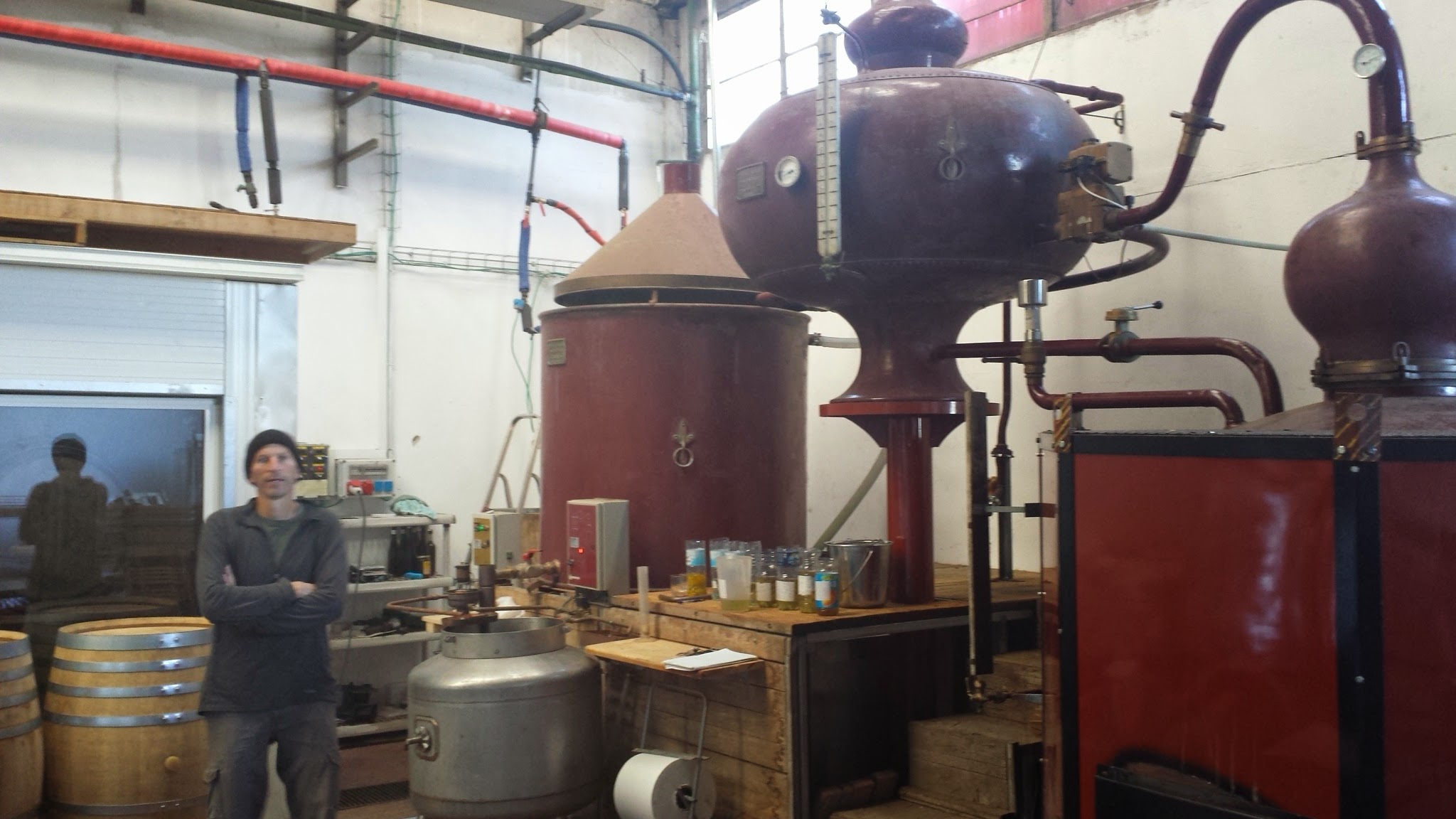
Well, I am so excited to say that there is now a winery that combines the best of both worlds! Yes, they make fantastic date juice and old-world wines at the same time! This magical winery is the Matar Winery, which is the kosher arm of the famous Pelter Winery in Israel’s Golan Heights! Pelter Winery is not kosher, but in 2012 they decided to create a new arm of their winery- called Matar Winery. A say arm, because it is an extension to Pelter Winery, it is NOT Pelter Winery itself. Tal Pelter, the winemaker and half owner of the family run winery, decided that he still wanted to interact with his wines, on a very hands on and intimate level, and so he kept Pelter winery non-kosher. However, he also wanted to make his wines available to the charadei (frum/orthodox) Jewish community, and so he created a new winery, that uses his grapes and that he makes, with the aid of religious workers.
This is a very different approach that say Flam, Castel, and others wineries that went kosher. In the latter wineries, the entire production went from non-kosher to kosher inside of a year. For Tal, who is a passionate and hands-on winemaker, who happens to not religious, it would have meant losing access to what he craves – his wines. This is a subject I discussed in my top wine post of all time; kosher wine 101. For brevity, I will simply state that kosher wine is defined by many things, but the toughest one for winemakers like Tal, is the requirement that the wine be made and handled by religious Jews.


Tzora Winery continues to shine as one of the very best wineries in Israel
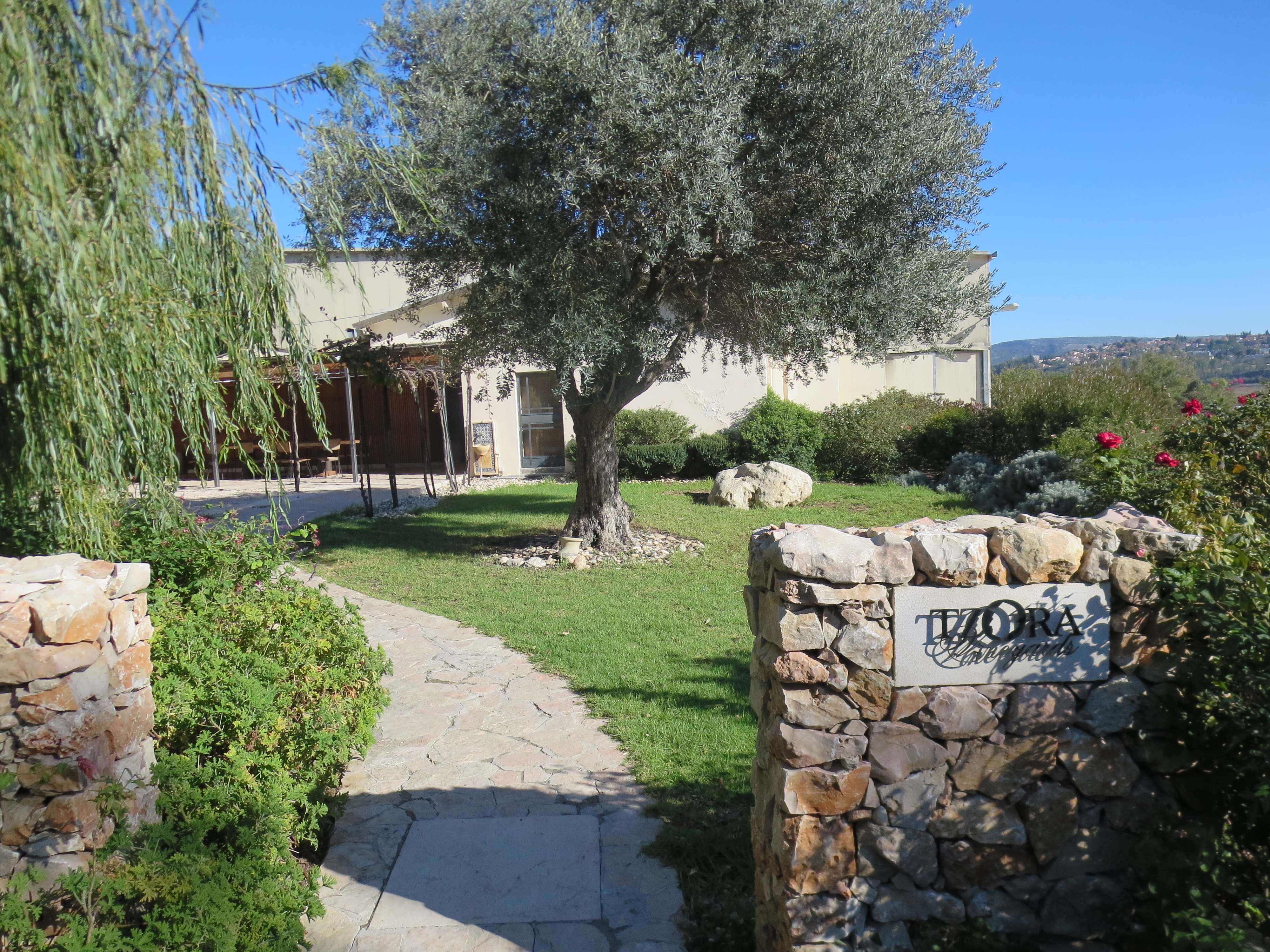 If one says terroir and Israel at the same time, many would snicker and laugh, but when it comes to Tzora Winery they continue to impress. I have written a few times about the Tzora Winery, it is a winery that proves that even in Israel, and even in 2010 and 2011 GREAT and controlled wines can be created.
This winery tasting was not a tasting like the previous ones on the trip, you see, we were not “officially” invited to this one. We arrived for the tail end of Nicolas Daniel Ranson and Christophe Bardeau (from Domaine Roses Camille Winery) wine tasting day. Previously to Tzora, they had gone to Flam Winery and Castel Winery, two wineries we had been to a few days earlier.
So, when we heard they were going to Tzora as well, we asked them both at the DRC tasting if we could piggy back on the tasting, and they agreed. Of course, in hindsight, in all of the enthusiasm and excitement of the DRC tasting, we forgot to ask Eran and the Tzora Winery if they were OK with it! You see, if you have been keeping up with the blog, we had braved the snow and all, and made our way to the Scala Restaurant, in the David Citadel hotel. We enjoyed the DRC wines with Messrs.’ Ranson and Bardeau. However, at the end of the tasting they were discussing where they were going the next day. We had Ella Valley on the books, but nothing else after that. Since Tzora Winery is a stone throw away Ella Valley Winery, we asked if we could piggyback and they said sure. Well, what we forgot to do was follow-up with Tzora Winery the next day. We deeply apologized for being so unprofessional, but Eran Pick, the head winemaker at Tzora Winery, and consummate professional, was so kind and was easy-going about the whole affair, and so we joined the tasting in mid run.
 If you want the true history and write-up on the Tzora Winery – please go here and read it all the way through – what a winery. To me the Tzora winery is one of the five best wineries in Israel, and Mr. Pick is one of Israel’s best winemakers.
We arrived and they were working their way through the white wines, and what wines they were. The wines showed richness, layers, and ripeness all in perfect control of both fruit and oak. Sure there is oak on the wines, but the oak does not dominate and nor does the fruit feel overripe. Instead, the wines show a harmony of fruit, oak, extraction, and expression – quite unique for Israel. The 2011 and 2010 vintages have been hit and miss in the Judean Hills, where most of the wines are sourced for all of Tzora’s wines. However, these wines were neither overly sweet, uncontrolled, or just unbalanced, like many of the 2010 and 2011 wines from the Judean Hills, with a few exceptions (Flam, Tzuba, Castel, Teperberg, and Yatir).
 This is not the first visit we have made to Tzora Winery, we have had a few, and most recently a few months before this visit. However, at that visit, the wines, or me, were having a bad day, and I did not think it would be correct to write about them. Even then, the wines were not out of kilter or uncontrolled, but rather they were showing lighter and with less expression.
This time, the wines, or I, or both were in the zone! The 2012 Tzora Neve Ilan was showing like a classic Burgundian Chardonnay and was killing it. Bardeau was raving about it but the one he loved the most of the two whites was the 2012 Tzora Shoresh White, a 100% Sauvignon Blanc wine which was aged in oak for 7 months and was tasting rich, layered, but tart and ripe all at the same time – wonderful. Read the rest of this entry
Teperberg Winery Tasting – just outside of snowed in Jerusalem
 As I have stated before, these postings are from my previous trip to Israel, where Jerusalem and mush of the north was snowed in with many feet of snow. Picking up from where we left off, the Sabbath was snowed in and cold, but at least we had power. The next day, my brother drove the car to the hotel and from there – the careful but madman driver – known as Mendel made his way to both GG and me and using Waze we were off to highway 1. The road itself was open, as was clear by the crowd sourcing cars driving up and down the road on the Waze map. However, there were parts of the road that were packed to the gills, because these were car drivers – driving to har menuchot (Jerusalem’s cemetery which has a massive parking lot) to pick up their abandoned cars! Yup, on Friday, these folks could not make it into Jerusalem, as their car was stuck, and they could not get back to where they came from, so they left their cars and were bussed out by the Army using mechanized solider transport
  vehicles, that can drive through snow or up a hill, for that matter.
Well, as we drove by that horde of cars, our minds were all single focused on getting to Teperberg Winery, one of the best unheralded wineries in Israel. As I wrote about in previous posts, here and here, ever since the U.C. Davis trained senior winemaker Shiki Rauchberger joined the winery, they have been producing wines destined to appeal to a more sophisticated audience. With the addition of Olivier Fratty and tons of new high-end equipment, the winery is poised to make the next leap into the upper echelon of Israeli kosher wine producers.
When we arrived after driving through the snow covered mountains, the roads cleared as we dropped in elevations, and the mountains became hills, and their color turned from white to green. Not too far down the highway, we turned off for the road leading to Bet Shemesh, and from there another turn and we quickly found out way to Kibbutz Tzora (where the Tzora Winery can be found), which is across the street from the Teperberg Winery, and down the street from Mony Winery.
We arrived almost on time, and Shiki and Olivier were there to greet us and lead us to a room where we would be having the tasting. Shiki told us that they are drawing up plans for a visitor’s center where they can have official tastings, and exhibits where the winemakers and the guests can interact in a more intimate environment. The exact date for this building to be completed is still unknown, as it has yet to even start, but it is on the books to be started soon. Read the rest of this entry
City Winery in New York and its kosher wine program
 So, what is the City Winery? Why would you want to make a winery in the middle of a city, far from where the grapes grow, heck really far from where the grapes grow, like a different continent away! To be honest I did not get into all that with the Michael Dorf, Chief Executive Officer or David Lecomte, Chief Wine Maker. However, the basic premise of the City Winery, in the words of Dorf; In summary, our brand is starting to represent the image of being the highest-end experience combining a culinary and cultural offering. We are paying attention to our image from the time the consumer connects digitally through their onsite visit to the reputation and memory which lives on.
I had the chance to go there earlier this year, for the City Winery and Jewish Week kosher Wine Tasting. Though it is not the first time I ever visited the winery and each time I visit I was always impressed by its simplistic beauty. That is not to say that the event hall/winery is plain and boring, rather it is lovely and urban, even slightly rustic, but all of its innate beauty is not brazen and in your face. Rather, the winery is as subtle in its innate beauty as many of the wines that are available in the winery.
The winery makes wine – every year, they import either juice or grapes and make the wines, 80% non-kosher and 20% kosher (and that number is growing). They make some crazy good kosher wines and they are available only at the winery. I did not get the chance to taste these wines before, other than a few barrel tastings with Yanky Drew two years ago. So, it was great to taste these wines at the wine tasting – more on that soon.
 The winery is a crush winery – which makes wines for the wine lovers, allowing them to buy partial parts of a barrel or an entire barrel, and it allows them to be part of the wine-making experience. The entire effort is overseen by the head winemaker – David Lecomte, a Frenchmen in NY, with a love for wine and all things winemaking. Yanky is the associate wine maker and the cellar rat for the kosher wine barrels.
“We’ve had the luxury of buying our grapes from the best terroir in the country. For example, we’ve been getting Cab and Merlot from Napa Valley, Pinot Noir from Sonoma and Russian River, Syrah from Mendocino or Paso Robles,” says Dorf. The winery gets grapes from all over California, Oregon, and as far as Argentina!
However, wine is not the only part of the City Winery, Dorf is also a famous music promoter and that is the second arm of the winery – music. The intimate setting allows for small, close-knit interactions with musicians that come to the venue to rock out or jazz out and enjoy the crowds of music fans, drinking wine made at the winery and beer made at the winery. It is a dual armed business that makes for a great combination of good times and libations – what more could anyone ask for? Read the rest of this entry
Lovely kosher red and white wines for Succoth
This past week I spent some time with family and we enjoyed some great white and red wines. Mostly white and rose wines were enjoyed simply because I was in a very hot climate (no not the Bay Area), and so white and rose wines were truly the only option.
I wanted to have some red wines so I included two reds that I have been wanting to taste for a long time and both were great. The only real “let down” was the Tavel Rose which I have still not come to appreciate. To me it lacks the bracing acidity and it is far too bitter, for my tastes.
So, I will keep this short and sweet – the wine notes follow in the order they were enjoyed:


2012 Makom Grenache Blanc – Score: A-
This bottle is back!!! The last bottle we had was right after bottling, and it was not showing beautifully. This week, it was showing alot more like what it did before bottling. The nose explodes with rich slate, followed by lovely floral aromas, ripe lime, lemon, grapefruit, jasmine, lovely cut grass, and herbal notes. The mouth is ripe and medium bodied, with nice lemon friache, good strong and balancing acid, and ripe peach. The finish is long and spicy, with hints of banana, ripe fig, and nice mineral. I am so happy this wine is back -be sure to enjoy!!!! Read the rest of this entry
2013 Jewish Week kosher wine tasting at the City Winery in New York City
 As I stated in my previous post, my heart was in the Shabbos but my mind was on my trip that I was taking to New York. All the thinking did not help make the trip any less miserable. Once again I have proven to myself that flying to New York is hard enough, doing a stop in between is miserable and downright idiotic. Lets take a step back here and explain the situation. The Jewish Week holds a wine tasting every year, showing of the top kosher wines they thought made an impression to the wine judges. This past year, they tasted through some 400+ wines and came up with a long list of wines, many of which I like and some I did not like. Anyway, the tasting was this past Sunday, the 3rd of March, 2013, at 1 PM. To get there from the west coast, it would mean either sleeping in NY for Shabbos (not an option), or flying out Saturday Night.
I LOVE Jet Blue, but they canceled flying out Saturday night from San Jose airport, and now only fly out Saturday night from SFO – AHHH!!! So, the only other option was Delta, which I should never have done, because it meant a stopover in Atlanta. The idea was to fly out by 10:45 PM, have an hour in Atlanta and hop on the 9 AM flight to NY. That all sounded OK, no storms in the forecasts, no crazy storm trackers or watcher on the news – so it looked like I was in the clear! Not so fat, turns out that there may not be Godly reasons to not fly – but Delta is more than capable of creating man-made disasters – all by itself!
I arrived to the airport with an hour to go, and by the time we took off, I was in the airport for some 3 and a half hours! AHH!! Yep, you guessed it Delta screwed up and lost a tire on landing so the plane could not take us to Atlanta. By the time they fixed the plane, the man fixing it broke another part and we had to deplane and get on another plane – a gate over. By the time that plane was fueled and had everyone’s bags repacked – we were two+ hours behind. I slept like a baby on the plane, but by the time we arrived in Atlanta – I knew I was cooked. The connecting flight was 5 terminals over and the “plane train” could not get me there in time to save my bacon. So here comes the best part – I arrive at the gate and the plane was not departed, but the man would not let me on – no matter how much I screamed and begged. However, he gave me a printed ticket (I have not sen one of those in years) and told me to run to the next terminal where the Laguardia flight was boarding. I ran like a mad man, and in the interim broke my hand luggage! One thing after another – I know! Anyway, as I get to the gate the lady tells me that there is no such flight, I say what – the man told me there was a plane boarding now! She says – oh sure – that is one gate over, the dude gave me the incorrect gate number! Anyway, she walks me over and I start talking to the gate agent who tells me – once again – sorry the gate is closed and the plane is leaving. This is when the other gate woman turns into SuperWoman! She says – OH NO – this poor man has been through enough. She swipes her card, opens the gate door, walks me down the jetway – and bangs on the plane door! Seriously! She screams – open this door!
Now – let me please recap, I have a ticket – printed ticket, for JFK. I am trying to board a plane for which I have NO TICKET – none whatsoever! Actually I have a ticket for a totally different airport! Think of me as one of those lost souls dropped on a plane. That was me! Of course, I have no checked luggage – for two days, but still, this is COOL! The unflappable stewardess, behind a massive closed door replies; the door is closed. The gate attendant is equally unflappable, and she fires back (sorry bad use of verbage) open the door, you forgot this guy! Will you believe – the stewardess blinked and opened the door! Heck these folks were half way through the security demonstration! I was told grab any seat – we need to move. I grabbed the first window seat I could find, and promptly went back to sleep! WOW!! By the time I land in Laguardia, I had two hours to go and once I finished davening, I hopped in a taxi and found my way to the City Winery. Read the rest of this entry
Four Gates Winery’s new vinatges continue to impress – but slightly weaker
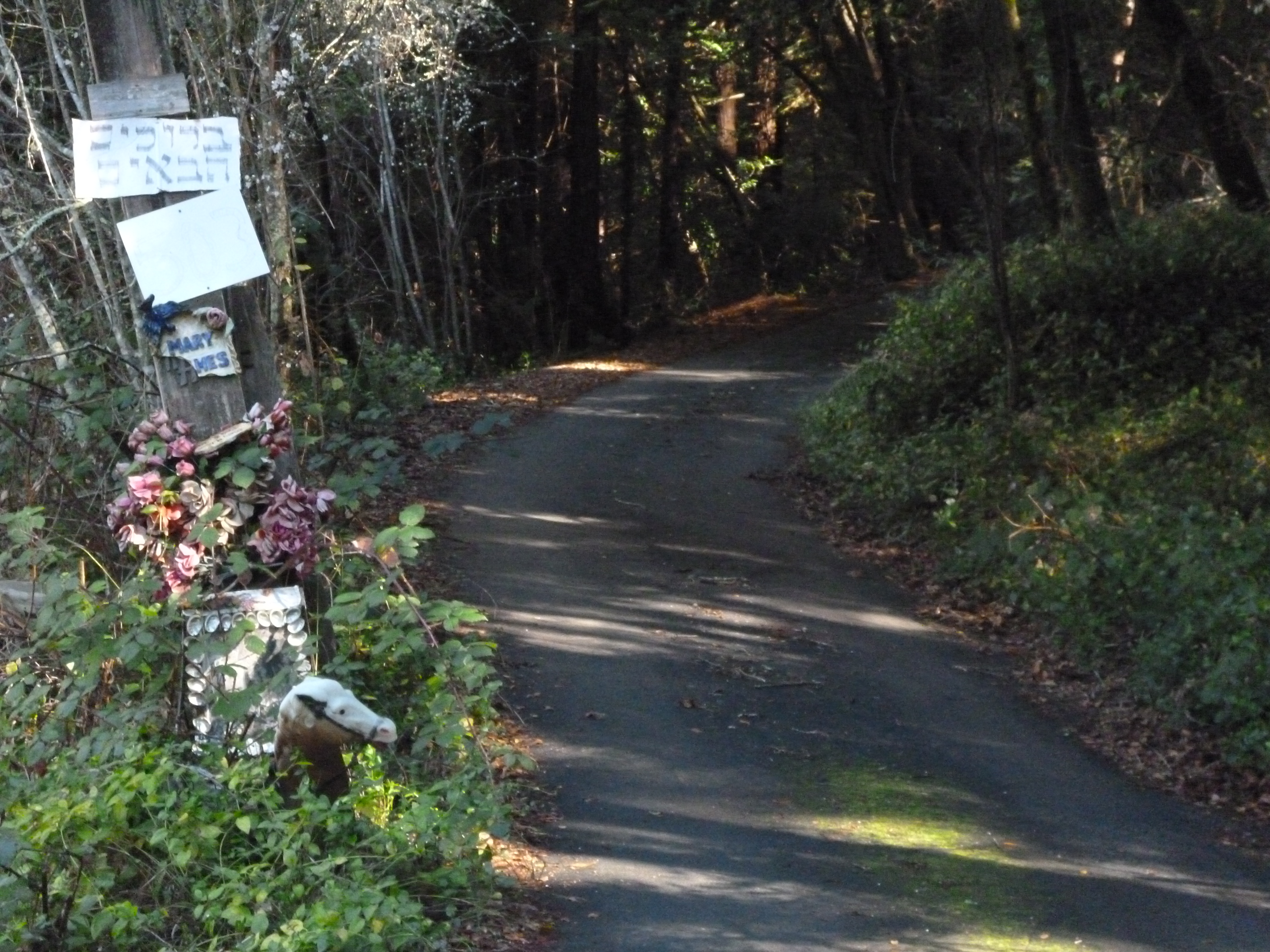 I have written often about Four Gates Winery, here in 2008, again for a Shabbaton, and then when I crashed Alice Feiring’s visit to the Four Gates Winery, and then my last writeup – the most complete to date. As always, I state up front that the winemaker, Benyamin Cantz (Benyo) is a good friend of mine and that in the end, the wine talks and scores and notes I give on wines are unbiased, as much as I can be.
I get a bunch of “smack” about being a good friend of Benyo, which is true, still I write what I smell and taste. Clearly, Four Gates Winery is one of those California wineries that is very different. It is different because of a few factors:
- Benyamin is a Vigneron – as explained before, Vigneron is French for wine maker and winery owner, but it also means that it is a person who does it all – wine wise. He manages his vineyard, he manages his cellar, and makes the wine – a nice way to say one-man shop. Is that good? Well, I can say it is awesome because he gets to know his vines and wines, but really it is just a view into the unique man who is himself the physical embodiment of the Four Gates Winery.
- The vines are grown organically and meet the CCOF standards of organic farming. Please do not think that a Vigneron is not a farmer. Remember he grows his grapes and knows his grapes and does so in an ecologically sustainable manner – since he started in 1997. This is NOT a fad for Binyamin – it is part of his way of life.
- His vines are dry farmed (there is that word again) – and for good reason. The Pinot pops because of it, as does the Chardonnay and Merlot. Essentially, dry farming allows for the fruit flavors to concentrate as the vine stresses. Stress, for a vine, is great. Too much stress, like in humans is BAD! Luckily it does not get that hot in the mountains and therefore, the water requirements are lower, keeping the stress constant – but maintainable.
- The climate in the vineyard and winery, as mentioned earlier, is indeed cooler than the city it overlooks and that helps the vines in many ways. The obvious benefit is that the vines need less water than they would elsewhere. It also allows the vines to cool down over night and it allows the vines to stay cool for longer, meaning more ripening time, but in a controlled manner.
- The cooler climate makes for perfect Pinot, Chardonnay, and Merlot and believe it or not Cabernet Sauvignon, which is why the 2009 Cabernet Sauvignon from Monte Bello Ridge in the Santa Cruz Mountains is so FANTASTIC! Yes, I am sure you would think that Cabernet in a cooler region would be a disaster, as it would never fully ripen. Well, a not-so well-known fact is that the 2005 Four Gates Merlot M.S.C. has a bit of Benyamin’s Cabernet Sauvignon in it. WHAT? Yes, Benyamin grows a very small amount of Cabernet Sauvignon (I hope he does not kill me – LOL!) His Cabernet Franc also benefits from the cooler weather.
- Finally, what makes this winery unique is Benyamin Cantz himself! On this bullet point, I must pre-warn that I am very biased. To me Benyamin Cantz is one of those people where the expression stands true – good things happen to good people. Sure, he is my friend, but it does not take long to talk with him and feel the same way. He is like a few wine makers I found in Israel, that are humble, with so much to be arrogant about. The wine talks for themselves, but he is a unique man in that his actions may be wrapped up in the winery and vines, but they revolve around his religion, and that is more than most of us can ever say about ourselves. Read the rest of this entry
Yatir Winery – one of the most consistent and top wineries in Israel
 We left Midbar Winery, and we drove the 3 kilometers that separate the Midbar Winery (in the outskirts of Arad) from Yatir Winery (in Tel Arad). By now most of the readers of this blog know my deep affinity for all things Yatir, and I was looking forward to tasting all the wines. We arrived a bit late and as such Eti Edri, the assistant manager, was holding down the fort and keeping the guests from Finland happy as we showed up a few minutes behind the time. Thankfully, we caught up with the crowd and we were able to watch Eran Goldwasser in action.
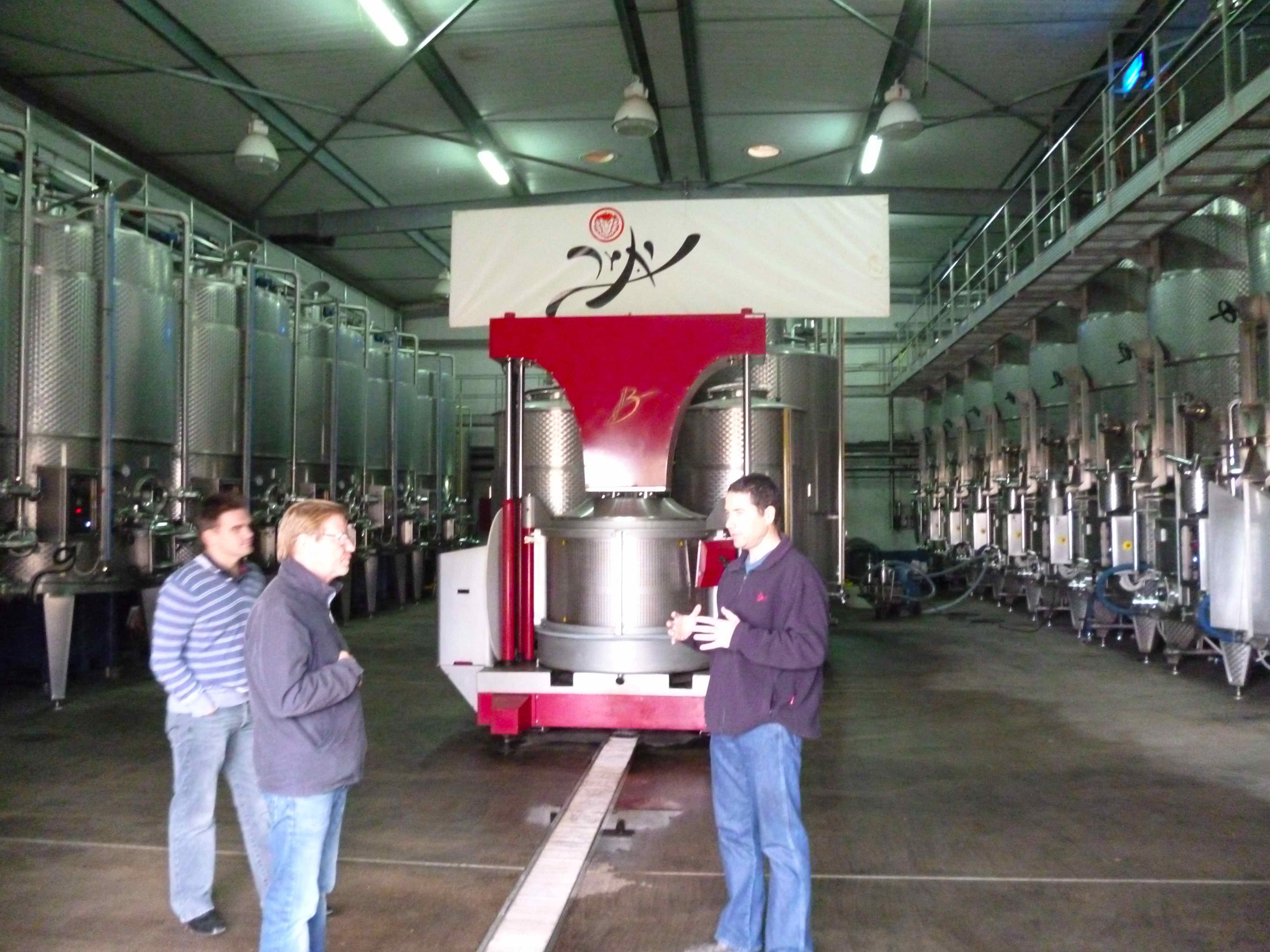
Say the name Eran Goldwasser and I cannot help but remember how the late Daniel Rogov called him one of the very the top winemakers in Israel. The winery is state of the art, it was state of the art in 2002 and it continues to add to its technology. The picture to the left shows the immaculate state of the tank room where the wine must/juice goes into after being crushed outside and pumped into the tanks. When the red wines have gone through the desired fermentation the wine is pressed with the press you see behind Eran. For whites they are either pressed immediately and then left to lie on their lees in barrel or in the tanks themselves.
 Eran than took us around the barrel rooms where he explained the time the wines stay in the barrel before being bottled. Depending on the wine – it may stay longer of shorter and than finds its way to the glass entombment that keeps the wine fresh until it graces your table.
If you look at the success of this winery it is clear why Carmel winery built this edifice to the wine gods and why they continue to fund it. The vineyards that are sourced to make the wine are high above Tel Arad, in a forest called Yatir Forest. The forest was the brain child of the late Ben Gurion, the first Prime Minister and one of the founders of Israel. Many scientists, according to lore, told him that it could not be done, that a forest could not be grown in the arid air and ground of Arad, in and around desert land. In classic Ben Gurion style, his response was, great than lets change the scientists! The result is the amazing Yatir Forest for which the winery is named and for which the flagship wine is named.
 The vineyard was planted in 1997 and the inaugural vintage was the 2001 vintage. Initially, the winery pumped out two wines, an Australian blend (Bordeaux grapes and Shiraz) along with a more high-end Bordeaux blend the Yatir Forest. The Yatir blend in some ways has now taken a more secondary importance to the newer wines. In 2004 Yatir released their first white wine – the Yatir Sauvignon Blanc. In 2005 the Yatir Cabernet Sauvignon and Shiraz were released. In 2007 they released a lovely Viognier. Then in 2008 they released a new label again – the Petite Verdot which was killer! All the while, they continue to pump out the Forest and the blend and each of the varietal wines as well.
The winery’s vineyards are cut up into five sections, which has grown as the winery and its success has grown. The roughly 100 acres of vines have a maximum altitude of 900 meters and in the hot arid heat here in the southern tip of the Judean Hills, every meter counts. The Negev may well be in eye sight, but the region is without doubt the Judean Hills and it is for that reason that the winery chose to use the lion (the symbol of Judea) as its company logo. I am not sure if you caught this video of the Robert Mondovi Of Israeli Wine – Adam Montefiore and his interview with Erin Burnett, one of the anchors on the CNBC network – who happens to have a thing for all things camel!
http://www.youtube.com/watch?v=BqzopL4OVI4 Read the rest of this entry

Elvi Wine Winery Tasting
 Dr. Moises Cohen, owner and head wine maker of Elvi Wines, fell into his current love as part of his thesis defense of his other love – Agricultural Engineering, which he received from the Technion in Haifa. For the next 21 years Moises has used his degree and knowledge to build patented technology that allows vineyards to be remotely monitored on all aspects of the vine’s health and stress. Telemetry ranging from the vine’s overall health to how much water it has consumed and how much it still needs! It turns out that with some really cool technology a vine can tell you all the info you can ever imagine without damaging it in any way. The telemetry data allows the vineyard manager to control the water, fertilizer, and/or vineyard fans to cool or heat the vines.
 Moises and his wife, Anne who holds a degree in History of Art and is a Sommelier, has been consulting with wineries, all around the world, to manage their vines and to make wines. In 2003, Moises started Elvi Wines, while continuing to being a wine consultant for wineries across Spain and South America. The duality of seasons between the northern and southern hemispheres allows Moises to help each in their own wine harvest and growing seasons.
 Dr. Moises Cohen, the winemaker, is passionate about the terroir, and their winery’s name (Elvi) says it all; an abbreviation as Cohen explains it; EL (elokim or general rules or mother nature, just as you want, as you feel, as you believe) is always above VI (vino, wine). Wine is a mirror image of the vineyard and the wine maker. The more the wine maker manipulates the grapes and the wine, the more it feels and tastes fake. The more he/she lets the grapes and wine change and age naturally, the more the wine will be able to show its true terroir characteristics. All of the Elvi’s wines come from organically maintained vineyards! Further, the wines are brooding with earthy and mineral notes that show the terroir in ways that are quite enjoyable.
Kalamata Olive and White Bean Soup, Yellow Tail Sushi, Yarden Viognier, and some assorted Purim Wines
This past weekend we had a lovely and enjoyable double whammy! A Shabbos on Saturday and the Purim holiday on Sunday. The festivities started with a lovely bowl of Kalamata olive and white bean soup, followed by a bunch of Yellow tail, avocado, cucumber Sushi rolls. The funny thing about sushi rolls is that even if you eat a bunch of them, you end of being hungry. To meet that concern, we eat a bunch of fresh green salad topped with some Italian Vinaigrette. The fish did taste a bit metallic and that was unfortunate, almost to the point where I was not enjoying it that much. We bought the fish at 5 or so PM and ate it at 7:30 PM, so it was really not cool, that the fish was not perfect. Personally, the next time we make sushi rolls and go to the store to buy the fish, I will ask to taste the fish before I buy it. The soup was a killer hit again and one I really think it is a recipe that you MUST find and make a batch.
To pair with these dishes I chose a fun and vibrant white wine; the 2006 Yarden Viognier. It is a lovely wine that is showing more honey notes than earlier and clearly a wine that needs to be drunk up very soon. It is not actually showing age or faults; rather it is showing weaker fruit, more honey, oak, and butterscotch.
On Sunday Purim arrived and with it some chances to taste more wines that were quite nice and some that were OK. I did not take serious notes after a while, but at least some heads up are in order.
2008 Golan Heights Winery Cabernet Sauvignon Golan Kosher (Israel, Golan) – Score: B to B+
This is an OK wine but not one that really grabs you. The nose on this dark garnet colored wine has dark cherry, blackberry, vanilla, and oak. The mouth on this medium to full bodied wine is soft with integrated tannin, blackberry, and cherry. The mid palate is balanced with acid, soft tannin, and light hints of oak. The finish is long and spicy with more black fruit, vanilla, and some crushed herbs.
2006 Casa Da Corca Douro Reserva (Portugal, Douro) – Score B+
I drank this wine again recently and the notes are holding well. The nose on this dark ruby to garnet colored wine is screaming with coffee, smoky notes, black cherry, raspberry, blackberry, fig, crushed herbs, mint, and oak. The mouth on this medium to full bodied wine turns full in the mouth after a bit of time, along with blackberry, plum, and dark cherry. The mid palate transition has a quick note of what I can only call a combination of green bean/fig/mint, along with acid, oak, nice tannin, and coffee. The finish is long and spicy with plum, nice oak, tannins that linger along with vanilla. This is a nice wine that should be bought once to open your mind to what the heat of Spain can bring you with its unique fruit and terroir.
N.V. Elvi Wines Adar Brut Cava (Spain) – Score: B+
The notes on this wine are consistent with my last tasting. The nose on this bubbly and effervescent light pink colored wine, is hopping with strawberry, lemon, and cherry. The mouth on this light to medium bodied wine is packed with small bubbles that are active and alive; they mingle well with the strawberry and cherry. The mid palate is alive with bracing acidity. The finish is medium long with core acidity, strawberry, bubbles, and a lemon burst at the very tail end. Drink UP!
2006 Yarden Viognier (Israel, Galilee, Golan Heights) – Score: B++
This wine has lost a step or two and is now on its way down. It does not taste like a lost puppy, but clearly one that is looking for its owner. The nose on this dark gold colored wine is filled with floral notes, along with petrol/gasoline flavors, toast, honey, butterscotch, melon, pear, peach, and oak. The mouth on this full bodied wine is oily in nature with almost glycerol viscosity, showing rich honey, melon, pear, and peach flavors. The mid palate is nicely balanced with acid, oak, and floral notes. The finish is long and tenacious with more floral characteristics, oak, a hint of butterscotch, and a heavy dose of honeyed mead like flavors and pear.
2006 Herzog Merlot, Special Reserve, Alexander Valley (Mevushal) – Score B++ to A-
The nose on this dark garnet to purple colored wine is packed with black fruit, blackberry, raspberry, currant, oak, cherry, chocolate, and tobacco. The mouth on this full bodied wine is soft, rich, and mouth coating from lovely integrated tannin, along with blackberry, currant, and cherry. The mid palate is balanced with acid, rich oak, lovely tannin, and tobacco. The finish is long and spicy with black fruit, raspberry, oak, and tobacco. Drink up.
I have a couple of these and will taste them again soon. For now, the wine tasted OK with clear and strong upfront black currant fruit along with cherry, crushed herbs, and raspberry. I hope to taste this again and give more data.

 Wine Musings Blog