Blog Archives

Another round of QPR (Quality to Price Ratio) Hits and Misses, 12 QPR WINNERS – December 2025
With this post, I will be caught up on the Solar Calendar for 2025. This post is not as long as my last QPR (Quality-to-Price Ratio) post, but it still weighs in at 24 wines.
QPR (Quality to Price Ratio) Wines
It has been six or so months since my last QPR (Quality to Price Ratio) post, and many people have been emailing me about unique wines I have tasted and lovely wines that are worth writing about.
Thankfully, no matter how much garbage and pain I subject myself to, we are still blessed with several excellent QPR wines.
Throughout the year, I post many QPR posts for almost all of the main categories. I will continue down this road until I find a better way to categorize and track QPR WINNERS wines. People are still asking me what a QPR (Quality to Price Ratio) Wine is and what the score of WINNER denotes. Once again, those are explained here in this post.
Some things that made me stand up and take notice (AKA QPR WINNERS):
All of these wines come from the last three months of tasting in my home. All the other group tastings have been posted in other posts.
Liquid Kosher Wines
There are three wines from LiquidKosher here. The 2024 Weingut Gehring Roter Hang Riesling is solid. The 2024 Clos du Moulin Rosé and Blanc are both lovely wines. All three are QPR WINNERS. Again, these are not mind-blowing wines but they are enjoyable and they hit the mark.
Another Godin Wine Winner
We last tasted a few Godin wines last year, and now they have two new ones. One of them was a WINNER, the 2022 Godin Red Reserve, Douro, which is bright and not round. Hits the point – nice stuff!
Two Fantastic Domaine du Castel (Razi’el) Sparkling Wines
There are two sparkling wines here that are expensive, but they are also fantastic wines! Those are the N.V. Raziel Rose, Brut, and the N.V. Raziel Brut. Sadly, Yarden has taken a step back, and I think Raziel is taking their place! The Rose smells like a Burgundy red; it is shocking and glorious! The Brut smells on point and feels like what I want from a sparkling wine. Coming at these blind, they will not taste like Champagne, but they will taste very special, unique, and lovely! Bravo!
The Rest
The 2024 Shiloh Pinot Noir (NOT Mevushal) did shock me. I had it first at KWD, earlier this year, and having it in the house, to taste slowly and without the noise, allows one to appreciate what they are tasting. Still, it is/was much like what I remembered from that night, a solid Israeli option!
The 2024 Goose Bay Sauvignon Blanc is another hit from the Goose Bay label, and add to that the Pinot Noir I loved in Miami, and they are really putting together some excellent wines from 2024. This is bright, on point, and again a wine that is not overly New Zealand in nature. It has a hint of gooseberry, but not overly so, and I would think most people would not even guess it is from the tropics.
The highest-scoring wine here is the 2021 Aura di Valerie Barolo DOCG. It is an excellent wine. It tastes, smells, and acts like a Barolo, and it is really lovely! I recommend you guys go and get some before it’s all gone and you miss out! Enjoy!
The 2023 Château Puygueraud Francs is showing much better than it did the last time we had it in Paris. I think it has come into its own and is on point now.
The 2021 Chateau Pedesclaux, Pauillac, was a surprise for me. It takes a bit of time to show well, but even on opening, the minerality is shocking, and the pop is there!
The last wine is a retaste/repost with a different score. The 2022 Marchesi Fumeanelli Terso Vento Bianco, Veneto IGT, is such a wine. When we had it in September, it was an oak bomb, and while it did calm down that evening, the wine felt out of kilter to me. Tasting it again now, it does have the balance needed to join the WINNER circle.
Final Thoughts
OK, that is a wrap! I did not break out any other QPR categories beyond WINNER because the list of wines below does not really shine outside the WINNERS.
I have grouped all the QPR WINNER wines at the top. The rest of the wines are listed in the order they were tasted (AKA Timeline order). The wine notes follow below – the explanation of my quality “scores” can be found here, and the explanation for QPR scores can be found here:
2021 Aura di Valerie Barolo DOCG, Barolo – Score: 93+ (QPR: WINNER)
The nose of this wine is incredible, dirty, earthy, musty, smoky, with rich red fruit, soy sauce, truffles, rich mushrooms, and dense smoke. Lovely! The mouth of this full-bodied wine takes time to open. GIVE THIS TIME, WOW, this wine is AWESOME! The fruit, the crazy acidity, the intense tannin structure, draping, elegant, smoky, dirty, with plush cherry, raspberry, and dense smoke. The finish is long, dirty, earthy, with more mushroom, soy sauce, saline, and minerality. WOW! Drink this from 2030 until 2037. (tasted November 2025) (in San Jose, CA) (ABV = 14.5%)

The 2024 Kosher Rose season is open – part 2
I started tasting some of these wines in January and February of this year and at the start, some of them were nice to GREAT. This year, brings the return of Israeli Roses and white wines, after the Shmita year of 2022.
While rose wine in the non-kosher market is exploding – especially Rose wine from Provence; a wine region of France, kosher roses have ebbed and flowed. Last year, the kosher market for roses went into a tailspin. It is now clear that 2022 was the year of Peak-Rose. The 2023 year had the Israeli Shmita year of 2022 wines, which meant a smaller number of Roses. However, what was VERY clear, was that the Kosher wine market was in Rose-fatigue. The good news is that the online merchants are dumping the older vintages, mostly, and we are seeing 2023 roses proliferate online. Stores are still an issue, at least outside of NY and NJ. The motherland of kosher wine, no not Israel, NY/NJ, is firmly in 2023 mode and there are some options.
Part one of my 2024 rose season posts can be found here. I stand by my statement that I do not need Rose wine, many still like it, and this post is for you!
QPR and Price
I have been having more discussions around my QPR (Quality to Price) score with a few people and their contention, which is fair, in that they see wine at a certain price, and they are not going to go above that. So, instead of having a true methodology behind their ideas, they go with what can only be described as a gut feeling. The approaches are either a wine punches above its weight class so it deserves a good QPR score. Or, this other wine has a good score and is less than 40 dollars so that makes it a good QPR wine.
While I appreciate those ideals, they do not work for everyone and they do NOT work for all wine categories. It does NOT work for roses. Look, rose prices are 100% ABSURD – PERIOD! The median rose price has risen a fair amount from last year, some are at 40 to 45 dollars – for a rose! So far, it is around 32 bucks, this year, up from 29 last year, that is NUTS!
As you will see in the scores below, QPR is all over the place and there will be good QPR scores for wines I would not buy while there are POOR to BAD QPR scores for wines I would think about drinking, but not buying, based upon the scores, but in reality, I would never buy another bottle because the pricing is ABSURDLY high.
Also, remember that the QPR methodology is based on the 4 quintiles! Meaning, that there is a Median, but there are also quintiles above and below that median. So a wine that is at the top price point is by definition in the upper quintile. The same goes for scores. Each step above and below the median is a point in the system. So a wine that is in the most expensive quintile but is also the best wine of the group gets an EVEN. Remember folks math wins!
Still, some of the wines have a QPR of great and I would not buy them, why? Well, again, QPR is based NOT on quality primarily, it is based on price. The quality is secondary to the price. For example, if a rose gets a score of 87 points, even though that is not a wine I would drink it if it has a price below 32 dollars (that is 10 dollars more than two years ago – like I said crazy inflation) – then the QPR score is GREAT. Again, simple math wins. Does that mean that I would buy them because they have a GREAT QPR? No, I would not! However, for those that still want roses, then those are OK options.
Please remember, a wine score and the notes are the primary reason why I would buy a wine – PERIOD. The QPR score is there to mediate, secondarily, which of those wines that I wish to buy, is a better value. ONLY, the qualitative score can live on its own, regarding what I buy. The QPR score defines, within the wine category, which of its peers is better or worse than the wine in question.
Finally, I can, and I have, cut and paste the rest of this post from last year’s Rose post and it plays 100% the same as it did last year (minus the 2022 Shmita story).
So, if you know all about roses and how it is made, skip all the information and go to the wines to enjoy for this year, of the wines I have tasted so far. If you do not know much about rose wine, read on. As stated, I stand by my opinion that Rose is a fad, at best, and now is the time to join team white wine! White wines have cheaper prices, better scores, and therefore a better overall value. IF YOU MUST have a rose wine stick to the few that I state below in my Best Roses section, right above the wine scores.
Read the rest of this entry
The 2021 Kosher rose season is open and once again I am underwhelmed – scene 1
It is not yet summer and here in NorCal it feels like more like a wet winter, this year has started cold and has stayed cold throughout the country, other than in Arizona and Florida, AKA, baseball Spring Training! Normally, I would have been in Israel by now, one way or the other, and I would have also visited France, sadly, with the times we live in now, neither of those wonderful ideas is possible. Sad and strange days we live in. Also, this is scene 1, more roses are coming in, but we have seen a large number already, and yes, like last year, they are underwhelming, at BEST!
While rose wine in the non-kosher market is exploding – especially Rose wine from Provence; a wine region of France, kosher roses have ebbed and flowed. Last year, the kosher market for roses slowed down a bit. This year it has returned to absolute insanity and sadly they are all expensive and boring, again, at best.
QPR and Price
I have been having more discussions around my QPR (Quality to Price) score with a few people and their contention, which is fair, in that they see wine at a certain price, and they are not going to go above that. So, instead of having a true methodology behind their ideas, they go with what can only be described as a gut feeling. The approaches are either a wine punches above its weight class so it deserves a good QPR score. Or, this other wine has a good score and is less than 40 dollars so that makes it a good QPR wine.
While I appreciate those ideals, they do not work for everyone and they do NOT work for all wine categories. It does NOT work for roses. Look, rose prices are 100% ABSURD – PERIOD! The median rose price has stayed the same from last year, so far though many expensive roses are not here yet! So far, it is around 22 bucks – that is NUTS! Worse, is that the prices are for online places like kosherwine.com or onlinekosherwine.com, with free or good shipping options and great pricing, definitely not retail pricing.
As you will see in the scores below, QPR is all over the place and there will be good QPR scores for wines I would not buy while there are POOR to BAD QPR scores for wines I would think about drinking, but not buying, based upon the scores, but in reality, I would never buy another bottle because the pricing is ABSURDLY high.
Also, remember that the QPR methodology is based upon the 4 quintiles! Meaning, that there is a Median, but there are also quintiles above and below that median. So a wine that is at the top price point is by definition in the upper quintile. The same goes for scores. Each step above and below the median is a point in the system. So a wine that is in the most expensive quintile but is also the best wine of the group gets an EVEN. Remember folks math wins!
Still, some of the wines have a QPR of great and I would not buy them, why? Well, again, QPR is based NOT on quality primarily, it is based upon price. The quality is secondary to the price. For example, if a rose gets a score of 87 points, even though that is not a wine I would drink, if it has a price below 22 dollars – we have a GREAT QPR. Again, simple math wins. Does that mean that I would buy them because they have a GREAT QPR? No, I would not! However, for those that still want roses, then those are OK options.
Please remember, a wine score and the notes are the primary reason why I would buy a wine – PERIOD. The QPR score is there to mediate, secondarily, which of those wines that I wish to buy, are a better value. ONLY, the qualitative score can live on its own, in regards to what I buy. The QPR score defines, within the wine category, which of its peers are better or worse than the wine in question.
Finally, I can, and I have, cut and paste the rest of this post from last year’s rose post and it plays 100% the same as it did last year. Why? Because rose again is horrible. There is almost no Israeli rose, that I have tasted so far, that I would buy – no way! Now, I have not tasted the wines that many think are good in Israel, Vitkin, Oryah, and Recanati roses. In reality, there is NO QPR WINNER yet, of the 30+ roses I have tasted, not even close, sadly.
Read the rest of this entry
The start of 2020 roses and whites and six QPR WINNERS
I am going to keep this post real short. I am catching up on some wines that I have tasted over the past month or more. Sadly, most of these are a mess or just good enough. Thankfully, there were six QPR (Quality to Price) Winners. That included the 2017 Carmel Riesling, Kayoumi Vineyards. I have said this a few times, Rieslings need time! 2017 is no different. It needed time to come around and now it is a solid QPR WINNER.
Roses are slowly trickling in and on kosher wine sites, you can see as many as 20 2020 roses. Sadly, it takes time for them to get to me, so I will start my usual procession of rose wines in a subsequent post, as they get to me here in California. So far, like 2019, they are a mess, and they feel like a total waste of my money.
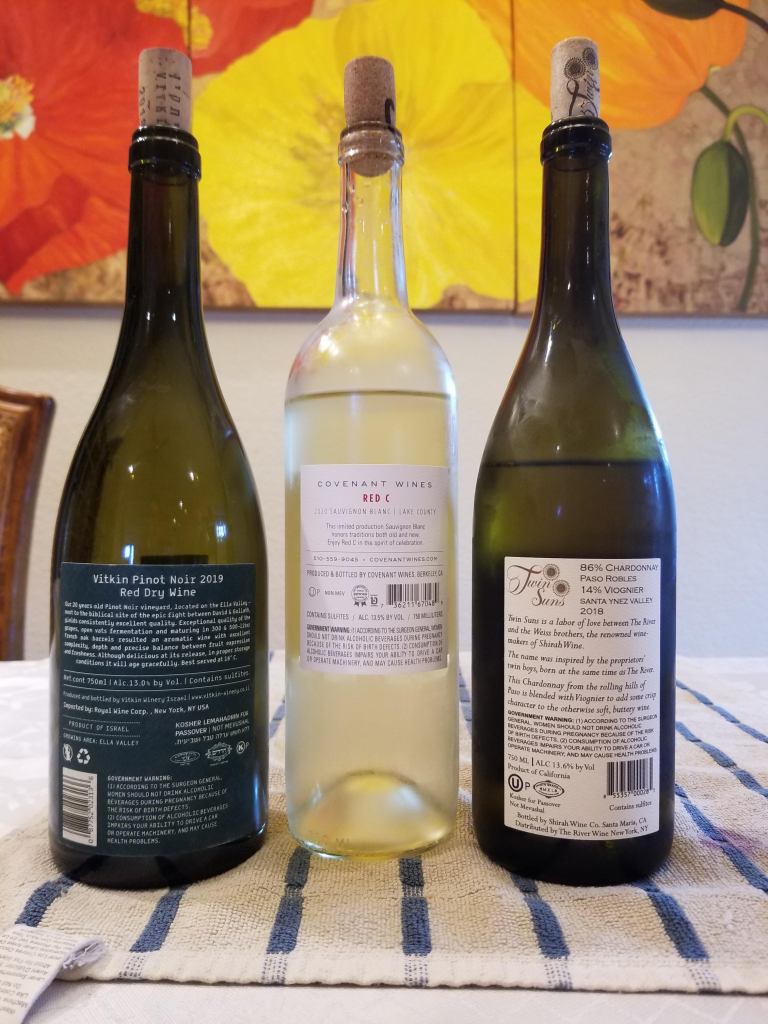
In the end, the QPR WINNERS are no surprise! The 2020 Covenant Sauvignon Blanc is a solid wine and one that has lovely control and acidity. Having a wine like this with all that mother nature threw at California in 2020, I say Bravo to Covenant Winery! There are two Netofa Latour QPR WINNERS and OMG they are absolute ROCK stars. Please do me a favor and GET THEM! They will move fast! The 2016 Terra di Seta Chianti Classico, Riserva is another absolute Rock Star! Finally, the last QPR WINNER was the new vintage of the Flechas Gran Malbec a lovely wine that is not ready yet but will be nice when it is.
There were a few wines that were not winners:
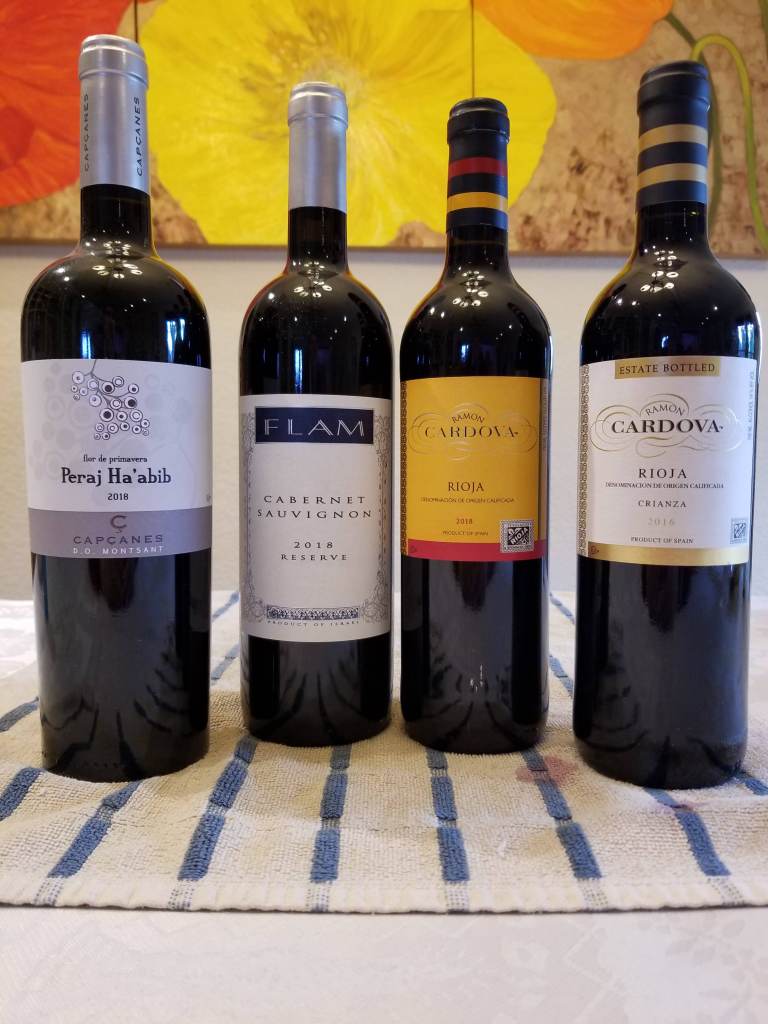
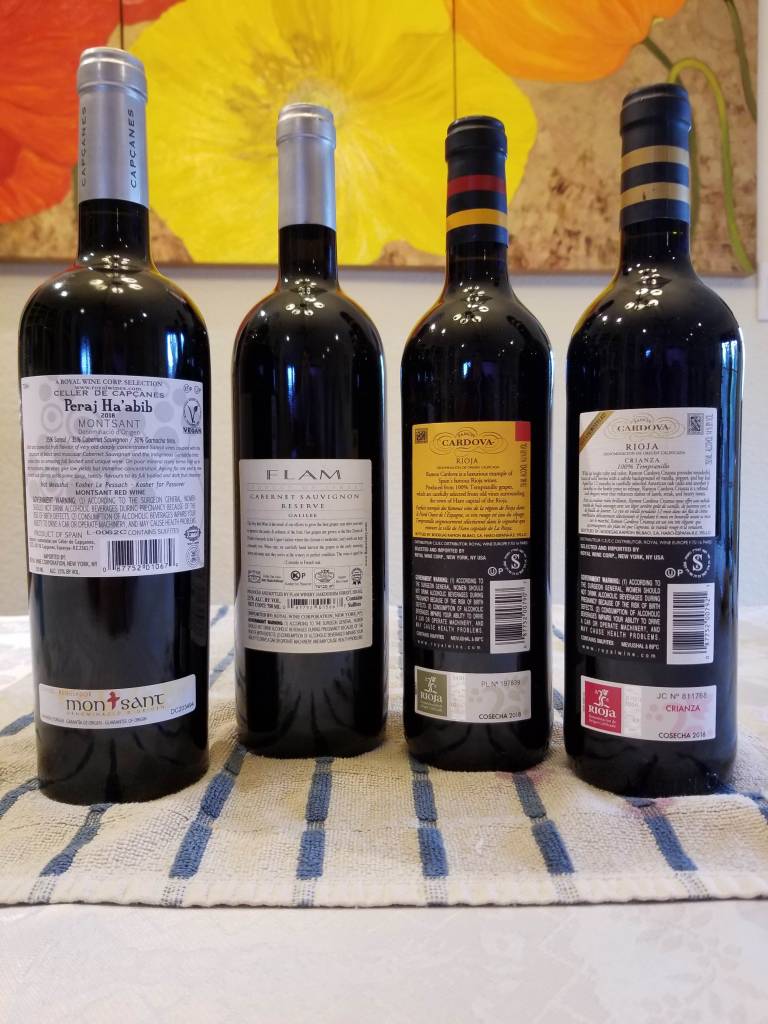
- The much-ballyhooed 2018 Capcanes Peraj Ha’abib. I had it and it was a mess to mess. It was ripe from the start and while that ripeness did calm a bit it never really came around and for the most part, it was just OK.
- I was not a fan of any of the Carmel Mediterranean Vats wines. The 2019 Mediterranean 2 Vats white wine was ok, but it felt to me like it has RS (Residual Sugar) and that does not fly with me at all.
- The 2017 Marciano Terra Gratia was shockingly ripe and is probably the most elegant Date-juice driven wine I have ever tasted. I could be convinced, at gunpoint, to enjoy that wine, based solely on its elegance.
- The 2018 Dalton Petite Sirah was nice enough, but for the price, and the overall quality, it was a miss for me.
- Sadly, the 2018 Koenig wines continue to not impress, other than the lovely Riesling
- I tasted a large number of Victor Wines and none of them were any good.
While these other wines were not WINNERS they were quite enjoyable:
- I got to taste the new 2018 Dampt Freres Bourgogne. It is a much better version than the 2017 vintage. Sadly, the wine will probably sell for a price that does not let it be a QPR WINNER. I hope future wines will be priced lower. The sad truth is that there are few good QPR WINNER wines in the simple red wine category. It is a very hard nut to crack both in regards to making good wine and keeping it at the QPR price for that category, which is 20 or so dollars, at this moment.
- There were two nice 2019 Vitkin Wines the 2019 Vitkin Pinot Noir and the 2019 Vitkin Israeli Journey. These wines are solid, both a 90 score, but the prices are still too high for such wines. They are both simple reds and they price above the 20 dollar price range for simple red wines. They punch MUCH higher in regards to quality. The median score for simple reds is 87, at this moment. Again, getting a red wine to score WINNER in the simple red wine category is really tough!
- The Twin Sun white and Rose wines have been doing a great job, which is no surprise, as the Weiss Brothers know how to make great white and Rose wines. The 2018 Twin Suns Chardonnay-Viognier is a nice wine and at a very good price! Nice!
- The famous Matar Sparkling wine was nice enough, but it is not nearly as good as the Yarden Sparkling wines and it is more expensive. The bottle is nice!
- I had the chance to taste the 2017 Chateau Leoville Poyferre again, under less than perfect conditions, NO NOT the KFWV bottle, and I have revised notes, but the score stays the same.
The wine notes follow below – the explanation of my “scores” can be found here:


2020 Rose Wines
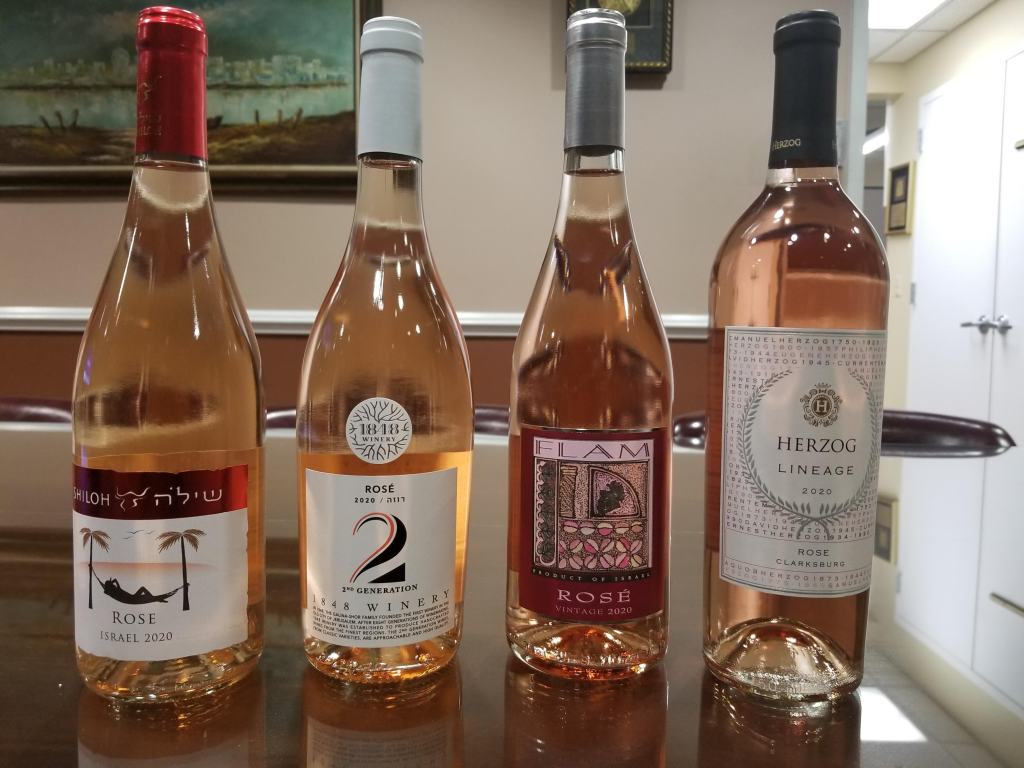
2020 Flam Rose – Score: 89+ (QPR: EVEN)
The nose on this wine is nice, with floral notes, with strawberry, flint, and red fruit. The mouth on this medium-bodied wine is nice, with good acid, nice mouthfeel, with a good fruit-focus, nice strawberry, currants, and good grapefruit. (tasted January 2021)
2020 1848 2nd Generation Rose – Score: 84 (QPR: EVEN)
The nose on this wine is nice enough with notes of rosehip, floral notes, citrus, and mineral The mouth on this medium-bodied wine is nice, with good acidity, and not much else, with more citrus, grapefruit, currants, and strawberry. The finish is long, acidic, and more currants and flowers. (tasted January 2021)
2020 Herzog Lineage Rose (M) – Score: 80 (QPR: NA)
Sadly, this is off-dry, it has sweet notes and not my thing. The nose on this wine has a Muscat feel, with floral notes, pineapple, cooked cabbage, and red fruit. The mouth on this medium-bodied wine has no acid, is sweet, ripe, guava, melon, and no citrus, no acid, tropical, and not much else. (tasted January 2021)
2020 Shiloh Rose (M) – Score: 73 (QPR: NA)
The nose on this wine is tropical and ripe, with hints of mineral, and citrus. The mouth on this wine is where it all goes bad, sweet, unbalanced, bitter, a mess. (tasted January 2021)
Wines ordered in score order
2016 Terra di Seta Chianti Classico, Riserva – Score: 93+ (QPR: WINNER)
This is one of the most balanced versions of the Riserva in a very long time. The Riserva is normally undrinkable for a few years, this one is far more accessible than any previous version – WOW! The nose on this wine is incredible, with mushroom, truffle, soy sauce, tar, with floral notes of violets, and earth, smoke, and rich dark fruit, WOW! The mouth on this full-bodied wine is incredible, tannic, gripping, earthy, smoky, and fruity, with lovely tart cherry, currant, plum, and ripe blackberry, with rich earth, loam, mushroom, intense saline, black olives, with intense acid, and mouth-drying and draping aggressive tannin, wow! The finish is long, black, green, and earthy, with umami, soy sauce again, with incredible floral notes, leather, tobacco, tar, and richness, wow! Bravo!! Drink from 2025 until 2033. (tasted January 2021)
2017 Chateau Leoville Poyferre, Saint-Julien – Score: 93+ (QPR: EVEN)
The nose is beautiful and well-controlled with crazy pencil shavings, rich black, and blue fruit, followed by tar, earth, smoke, and licorice. The mouth on this medium to full-bodied wine is closed to start with layers upon layers of currants, dark cherry, blackberry, with mouth draping tannin, crazy mineral, pencil shavings galore, with plush elegance that is plush, mouth-coating, yet the ripeness in the background is ripe and scary, but hedonistic and voluptuous, with layers of tar, earth, licorice, bell pepper, and loads of tannin galore, showing elegance and plushness, with clear hedonistic leanings and graphite/acid core that makes it all work. The finish is long, black, green, and tannic, with plush fruit and smoke, with tobacco, chocolate-covered coffee bean, and earth galore. Bravo!! Drink from 2028 until 2037 (tasted February 2021)

Final take on 2020’s crop of Kosher roses – 2 QPR Winners, but overall not great
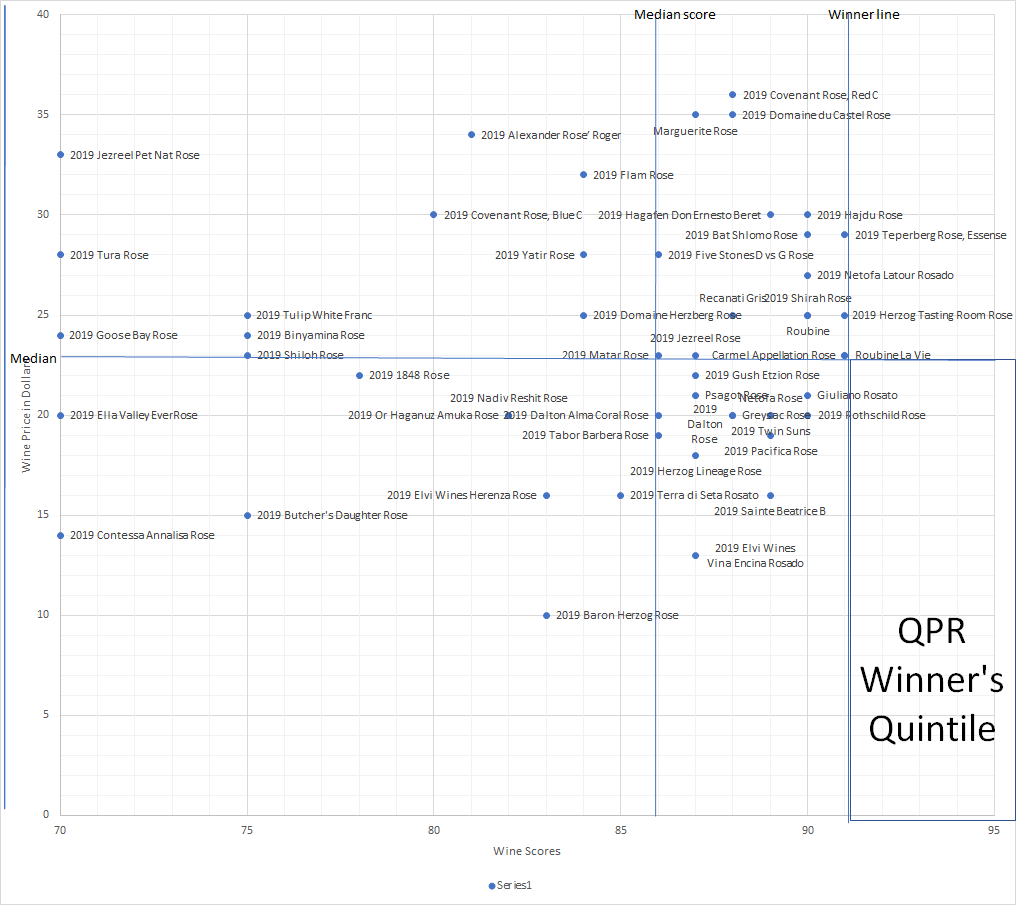
Kosher 2019 Roses charted by price and wine score (QPR)
So, as the image above shows roses are very expensive and the majority of the 28 of the 55 are at or above the median price of 23. This is not new, IMHO, roses overall have not been good or even very interesting this season.
Please read this post for my writeup on rose wines this year. I had a few follow-ups after that, including the one post with the QPR Rose for 2020, but this post will list all the rose wines I have had this year. Also, as I tasted more wines the price of the median went up and that allowed the Roubine La Vie to also become a QPR Winner. Again, the MARKET decides the QPR winners, not me! All I decide is the wine’s subjective quality score, and yes, that is subjective! The rest, the P part of QPR (Quality to Price Ratio) is decided upon by the market. Please read my revised QPR scoring here.
The image does not show the 2 QPR Winners as obvious winners, as the dot that represents the Carmel Rose and the Roubine La Vie Rose is on the top left of the winner box. These wines barely made their way into the Winner’s square, but with such a horrible vintage, rose-wise, 2 is better than NONE.
In regards to rose, look a lot of my friends and I do not agree. Look at the Cantina Giuliano Rosato, it is a VERy nice and classically made Gris style rose, but it has a bit of RS (Residual Sugar) in it, at least to my palate, and I have issues with that. Other wines that have more RS drive me nuts. My friends do not care about RS or ripe notes in rose as long as it is balanced. To me, rose, red, or white, I DO NOT want RS. The funny thing is that Kedel Jackson probably got away with1% RS in his Chardonnays for decades, and made it the classic style for Cali Chard, which brought on the famous ABC movement (Anything But Chardonnay). Which spawned Sauvignon Blanc, Riesling, and so many other great white wines here in California.
So, yes, there are two winners now, and there are a few 91 scored roses, but please look at the chart!! LOL! It is visually clear that the vast majority of the wines are not something I would look to buy. They are either too expensive or not interesting and that is what has gone wrong with the kosher rose market. Again, I have said it a few times, IMHO, the wineries have thrown in the towel and they make rose thinking it will sell, no matter what they release. This will eventually end badly. Only time will tell. Read the rest of this entry

The 2020 Kosher rose season is open and once again I am underwhelmed – part 1
It is not yet summer but here in NorCal, it feels more like summer than spring, and the weather is making shipments really hard at this time of year. Normally, I would have been in Israel by now, one way or the other, and I would have at least had two tastings with the gang. Sadly, with the times we live in now, neither of those wonderful ideas is possible. Sad and strange days we live in. Also, this is round 1, there will be another 15 roses I will get through over the next week or so.
While rose wine in the non-kosher market is exploding – especially Rose wine from Provence; a wine region of France, the kosher market this year will be more subdued. In the past, distributors brought in as much as 60+ kosher rose wines, this year with the issues I brought up in my previous post – there is less of an appetite for all those wines.
QPR and Price
I have been having more discussions around my QPR score with a few people and their contention, which is fair, in that they see wine at a certain price, and they are not going to go above that. So, instead of having a true methodology behind their ideas, they go with what can only be described as a gut feeling. The approaches are either a wine punches above its weight class so it deserves a good QPR score. Or, this other wine has a good score and is less than 40 dollars so that makes it a good QPR wine.
While I appreciate those ideals, they do not work for everyone and they do NOT work for all wine categories. It does NOT work for roses. Look, rose prices are 100% ABSURD – PERIOD! The median rose price has gone up this year and it is around 22 bucks – that is NUTS! Worse, is that the prices are for online places like kosherwine.com or onlinekosherwine.com, with free or good shipping options and great pricing, definitely not retail pricing.
As you will see in the scores below, QPR is all over the place and there will be good QPR scores for wines I would not buy while there are POOR to BAD QPR scores for wines I would think about buying, based upon the scores, but in reality, I would never buy another bottle because the pricing is ABSURDLY high.
Also, remember that the QPR methodology is based upon the 4 quintiles! Meaning, that there is a Median, but there are also quintiles above and below that median. So a wine that is at the top price point is by definition in the upper quintile. The same goes for scores. Each step above and below the median is a point in the system. So a wine that is in the most expensive quintile but is also the best wine of the group gets an EVEN. Remember folks math wins!
Still, many of the wines have a QPR of great and I would not buy them, why? Well, again, QPR is based NOT on quality primarily, it is based upon price. The quality is secondary to the price. So, wines that are drinkable with an 88 or 89 score, though wines that I would not buy, have a low enough price to get a GOOD or GREAT score. Does that mean that I would buy them because they have a GREAT QPR? No, I would not! However, for those that really want roses, then those are solid options.
Please remember, a wine score and the notes are the primary reason why I would buy a wine – PERIOD. The QPR score is there to mediate, secondarily, which of those wines that I wish to buy, are a better value. ONLY, the qualitative score can live on its own, in regards to what I buy. The QPR score defines, within the wine category, which of its peers are better or worse than the wine in question.
Finally, I can, and I have, cut and paste the rest of this post from last year’s rose post and it plays 100% the same as it did last year. Why? Because rose again is horrible. There is almost no Israeli rose, that I have tasted so far, that I would buy – no way! Now, I have not tasted the wines that many think are good in Israel, the Netofa, Vitkin, and Recanati roses. Yes, there is ONE rose I would “buy” by my qualitative scoring approach, which is why I used the word almost above. That wine would be the 2019 Bat Shlomo Rose, but at some 28 or more dollars a bottle, it is highway robbery for that score. Read the rest of this entry

The 2018 Kosher rose season is open – part 3
Well, after the first post I stated that I would be doing this rose wine post a few times. The subsequent posts would have the original content, and the newly revised or added rose wines as well. Well, this is part 3, and I hope this is the last one! My schedule was insane, but it is now slowing down, thankfully, so I hope to be adding more posts as well!
It is still officially Summer, which means it is Rose time! Rose wine in the non-kosher market is exploding – especially Rose wine from Provence; a wine region of France. Sadly, in the kosher wine market – that is not quite the case. I did not stress my previous statement with a suffix of AT ALL, even though I am not allowed to open a bottle of rose on my Shabbos table with guests – why? Well, that is simple – no one will drink it!!
Even worse, is that wine manufacturers may well have jumped the shark! There will be some 50 dry-ish kosher roses available in the USA this year! That may not sound like a lot, but when all you had was Herzog White Zinfandel 10 years ago – it is insane. The first high-end rose was Castel’s 2009 rose and that was only 9 years ago. Back then, there were few to no real Rose wine options, other than a handful of Israeli wines and almost no French Rose made it here. Now we will have tons of Rose, and I really think the real question here is will people drink it all?
Wine Color
What is a rose wine? Well, simply said, a rose is a wine that can best be defined as the wine world’s chameleon. Where white wine is a pretty simple concept – take white grapes, squeeze them, and you get clear to green colored juice. Yes, the white grape juice is clear – well so is red grape juice, but more on that in a bit.
White wine is not about color – almost all color in a white wine comes from some oak influence of some sort. So, an unoaked Sauvignon Blanc or Pinot Gris can sometimes look almost clear, depending on the region and how the wine was handled. Now oaked Chardonnay, of course, is what most people use as an example of a dark white wine. As the Wine Folly linked above states, different wine regions oak their Chardonnay differently and as such, they are sold with different hues from the start. With age, the wine changes color and the light gold moves to darker gold shades.
The only real exception to the stated rule above – that white grape juice without the influence of oak is somewhere in the clear to green color spectrum, is – orange wines. We have spoken about orange wines – mostly thanks to Yaacov Oryah. Outside of Yaacov’s work there really is no orange wine in the kosher world to speak about. Orange wine is made exactly like red wine, which means that the clear grape juice is left to sit on the yellowish to dark yellow grape skins (depending upon what varietal is used to make the orange wine).
Red wine juice – straight from the grape comes out the same color as white grapes. You see the juice from grapes is mostly clear to greenish in color. The red wine color comes from macerating the juice on the grape skins. The longer the juice sits on the grape skins (wine must) the redder in color the wine becomes until it reaches its maximum red color potential.
The only real exception to the rule of a grape’s juice color is the Teinturier varieties. The grapes are called Teinturier, a French language term meaning to dye or stain. The list of grapes whose juice is actually red colored is long – but the list of kosher wine options that is a wine made from these grapes – is the Herzog Alicante Bouschet. The Gamay de Bouze is not a normal Gamay grape, it is one of those grape mutations that are very red in nature. Read the rest of this entry
The 2018 Kosher rose season is open – part 2
Well, after the first post I stated that I would be doing this rose wine post a few times. The subsequent posts would have the original content, and the newly revised or added rose wines as well. Well, this is part 2, and there will be at least a part 3 or maybe a part 4, such is life. My schedule is insane right now (not complaining in any way), so when I can grab a few moments to update the roses I have had, I take it with both hands!
It is still officially Spring, which means it is Rose time! Rose wine in the non-kosher market is exploding – especially Rose wine from Provence; a wine region of France. Sadly, in the kosher wine market – that is not quite the case. I did not stress my previous statement with a suffix of AT ALL, even though I am not allowed to open a bottle of rose on my Shabbos table with guests – why? Well, that is simple – no one will drink it!!
Even worse, is that wine manufacturers may well have jumped the shark! There will be some 50 dry-ish kosher roses available in the USA this year! That may not sound like a lot, but when all you had was Herzog White Zinfandel 10 years ago – it is insane. The first high-end rose was Castel’s 2009 rose and that was only 9 years ago. Back then, there were few to no real Rose wine options, other than a handful of Israeli wines and almost no French Rose made it here. Now we will have tons of Rose, and I really think the real question here is will people drink it all?
Wine Color
What is a rose wine? Well, simply said, a rose is a wine that can best be defined as the wine world’s chameleon. Where white wine is a pretty simple concept – take white grapes, squeeze them, and you get clear to green colored juice. Yes, the white grape juice is clear – well so is red grape juice, but more on that in a bit.
White wine is not about color – almost all color in a white wine comes from some oak influence of some sort. So, an unoaked Sauvignon Blanc or Pinot Gris can sometimes look almost clear, depending on the region and how the wine was handled. Now oaked Chardonnay, of course, is what most people use as an example of a dark white wine. As the Wine Folly linked above states, different wine regions oak their Chardonnay differently and as such, they are sold with different hues from the start. With age, the wine changes color and the light gold moves to darker gold shades.
The only real exception to the stated rule above – that white grape juice without the influence of oak is somewhere in the clear to green color spectrum, is – orange wines. We have spoken about orange wines – mostly thanks to Yaacov Oryah. Outside of Yaacov’s work there really is no orange wine in the kosher world to speak about. Orange wine is made exactly like red wine, which means that the clear grape juice is left to sit on the yellowish to dark yellow grape skins (depending upon what varietal is used to make the orange wine).
Red wine juice – straight from the grape comes out the same color as white grapes. You see the juice from grapes is mostly clear to greenish in color. The red wine color comes from macerating the juice on the grape skins. The longer the juice sits on the grape skins (wine must) the redder in color the wine becomes until it reaches its maximum red color potential.
The only real exception to the rule of a grape’s juice color is the Teinturier varieties. The grapes are called Teinturier, a French language term meaning to dye or stain. The list of grapes whose juice is actually red colored is long – but the list of kosher wine options that is a wine made from these grapes – is the Herzog Alicante Bouschet. The Gamay de Bouze is not a normal Gamay grape, it is one of those grape mutations that are very red in nature. Read the rest of this entry

The 2018 Kosher rose season is open
It is officially Spring (though it snowed in Chicago for Passover – so I will hold judgment on that fact for a bit), which means it is Rose time! Rose wine in the non-kosher market is exploding – especially Rose wine from Provence; a wine region of France. Sadly, in the kosher wine market – that is not quite the case. I did not stress my previous statement with a suffix of AT ALL, even though I am not allowed to open a bottle of rose on my Shabbos table with guests – why? Well, that is simple – no one will drink it!!
Even worse, is that wine manufacturers may well have jumped the shark! There will be some 50 dry-ish kosher roses available in the USA this year! That may not sound like a lot, but when all you had was Herzog White Zinfandel 10 years ago – it is insane. The first high-end rose was Castel’s 2009 rose and that was only 9 years ago. Back then, there were few to no real Rose wine options, other than a handful of Israeli wines and almost no French Rose made it here. Now we will have tons of Rose, and I really think the real question here is will people drink it all?
Wine Color
What is a rose wine? Well, simply said, a rose is a wine that can best be defined as the wine world’s chameleon. Where white wine is a pretty simple concept – take white grapes squeeze them and you get clear to green colored juice. Yes, the white grape juice is clear – well so is red grape juice, but more on that in a bit.
White wine is not about color – almost all color in a white wine comes from some oak influence of some sort. So, an unoaked Sauvignon Blanc or Pinot Gris can sometimes look almost clear, depending on the region and how the wine was handled. Now oaked Chardonnay, of course, is what most people use as an example of a dark white wine. As the Wine Folly linked above states, different wine regions oak their Chardonnay differently and as such, they are sold with different hues from the start. With age, the wine changes color and the light gold moves to darker gold shades.
The only real exception to the stated rule above – that white grape juice without the influence of oak is somewhere in the clear to green color spectrum, is – orange wines. We have spoken about orange wines – mostly thanks to Yaacov Oryah. Outside of Yaacov’s work there really is no orange wine in the kosher world to speak about. Orange wine is made exactly like red wine, which means that the clear grape juice is left to sit on the yellowish to dark yellow grape skins (depending upon what varietal is used to make the orange wine).
Red wine juice – straight from the grape comes out the same color as white grapes. You see the juice from grapes is mostly clear to greenish in color. The red wine color comes from macerating the juice on the grape skins. The longer the juice sits on the grape skins (wine must) the redder in color the wine becomes until it reaches its maximum red color potential.
The only real exception to the rule of a grape’s juice color is the Teinturier varieties. The grapes are called Teinturier, a French language term meaning to dye or stain. The list of grapes whose juice is actually red colored is long – but the list of kosher wine options that is a wine made from these grapes – is the Herzog Alicante Bouschet. The Gamay de Bouze is not a normal Gamay grape, it is one of those grape mutations that are very red in nature. Read the rest of this entry

Wines enjoyed over purim
Well, the OTBN of last week flowed right into Purim this year and that meant there as a lot of wine consumed over a short period of time. That is all fine with me, but it took some time to get this down is all. Though I will be very short this time, I did want to highlight a few wines that surprised me on the good and the bad. The 2011 Hagafen Cabernet Sauvignon opened nicely, but then turned on me very hard – not quite dates, but far too sweet and unbalanced for my liking. The 2010 Carmel Cabernet Franc, while showing nicely in Israel, and lush here was fine for the first few hours, but then went straight to date juice. This was the Israeli label I hand carried back home, so I do not think this wine is long for cellaring – but nice out of the bottle.
Finally, the 2013 Dalton Viognier is ready to go. Last year the wine was tight and closed, and needed a real decanting to bring it to life. That is not needed any longer! It is delightful from the bottle and I think has three or so years left in the tank, but it is clearly ready and very close to peak, if not there already.
The wine notes follow below:


2013 Dalton Viognier Reserve – Score: A- (and more)
All I can say – IT IS BACK!!! Thank goodness for that! It has been too long without a GREAT kosher Viognier option. The 2012 was a nice wine, but it paled in comparison to the 2007-9 vintages. The 2013 is CRUSHING in comparison and is the best kosher Viognier I have ever tasted, so BRAVO!
The last time we had this wine it needed air galore, that is not the case anymore. Beyond that, there is not much that has changed about this wine!
The wine continues it heritage of wild yeast fermentation and was aged in French oak for four months. The nose on this wine shows beautiful notes of ripe melon, pear, peach, along with crazy floral notes of violet and rose. The mouth on this full bodied wine is oily and textured with layers of honeyed notes of peach and apricot, spiced melon, mango, crazy acid and intense concentration of ripe summer fruits, all balanced with bracing acidity, bitter notes, and sweet oak. The finish is long and intensely spicy with saline, mineral, slate, white pepper and hints of vanilla and lovely bakers spices. BRAVO on many levels!!!!!
2009 Shiloh Legend – Score: A-
The nose on this mevushal purple colored wine explodes with ripe blueberry, dark cherry, ripe raspberry, licorice, and lovely spice, with a hint of roasted meat and smokiness which leaves soon enough for more crazy spices and ripe fruit. The mouth on this full bodied, ripe, round wine is expressive with sweet fruit, blackberry, ripe strawberry, plum, more blue fruit, along with sweet cedar, and mouth coating tannin that lingers and makes the mouth feel ripe, sweet, and round. The finish is long and spicy with nice vanilla, cinnamon, chocolate mocha, black pepper, cloves, nutmeg, and mint.
This wine is slowing down – so DRINK UP!!!
2013 Don Ernesto Vin Gris – Score: A-
WHAT a nose fresh squeezed strawberry, rose hips, raspberry, and peach. The mouth on this Syrah rose, is viscous, medium weight, and lovely, with great acid, lovely mineral, and awesome fruit. The strawberry explodes with kiwi, guava, currant, quince, cranberry, and orange marmalade. The finish is long and spicy and bitter with hints of herb, orange pith, saline, mineral, and slate – BRAVO!!!!
2005 Hagafen Zinfandel, Reserve, Estate Bottled, Moskowite Ranch Block 61 – Score: B+
Sadly I kept this too long. This bottle felt thin and dying, still had great acid and spice, with OK fruit. Drink up!!!
2011 Hagafen Cabernet Sauvignon, Napa Valley – Score: B+
The nose on this purple colored wine is rich with prefume of blackberry, lovely black fruit, hints of blueberry, nice anise, and dirt. The medium body is tinged with mad acid and mineral, along with a lovely mouth coating tannin that gives the wine body, along with great acid and mad graphite, cassis, CRAZY kirsch black cherry, and green foliage. The finish is long and green with bright fruit, leather, chocolate, vanilla, and lovely sweet dill and tobacco leaves. Very nice.
With time, an hour or two, this wine breaks down very quickly. I would be careful.
2010 Carmel Cabernet Franc, Vineyards – Score: B+
Vineyards is essentially the Appellations label and a lovely CF it is. This is the Israeli label, the US label continues with the appellations label and animals.
This wine is blend of 85% Cab Franc, 10% Cabernet, and 5% Petit Verdot. The nose on this wine is rich and lovely with raspberry, dark cherry, plum, sweet cedar green herb, and foliage. The mouth on this medium to full bodied wine is rich and unctuous with mad green bell pepper, tart juicy raspberry, mad tobacco, and lovely mouth coating tannin. The finish is long and green, with sweet herb, firm tannin and more tobacco.
I did like this wine from the start, but after an hour or two it went straight to dates, this is not a wine for long cellaring – and this was the Israeli label.

 Wine Musings Blog