Blog Archives
2009 Dalton Zinfandel
 This past weekend saw us winding down from a lovely and hectic Passover and running into another busy week. So, with little time to prepare and get ready we enjoyed some beef leftovers from the last days of Passover (do not worry it was in the freezer most of the time).
To pair with this meaty fare, we enjoying a simple wine that was nice but not as captivating as I was hoping for. The wine started off very hot and spicy and overly sweet. Over time, the wine opened a bit and rounded out, but it also lost a bit of its spice and started showing some animal notes along with good ripe and tart fruit – really liked how ripe and tart the strawberry was, but the fact that it was so hot and sweet out of the gate, really limited its enjoyment.
The wine note follows below:
2009 Dalton Zinfandel – Score: B+
The wine starts off very much in classic Israeli fashion, hot, sweet, and not interesting. However, with time and air the wine opens up and becomes a lovely wine. With air the wine opens with a nose of roasted meat, floral hints, deep earthy tones, green notes, blackberry, and ripe raspberry. The mouth becomes sweet, ripe, and tart, with nice concentration of dark cherry, tart zesty strawberry, blackcurrant, plum, hints of bell pepper, all steeped in sweet date notes, crazy upfront spice, and sweet cedar along with nice softening tannin. The finish is long and spicy with zesty red fruit, good acid, lovely leafy tobacco, chocolate, and cloves. A nice, yet not complex Zinfandel, with OK control and good zesty and spicy structure.
Four Gates Winery’s new vinatges continue to impress – but slightly weaker
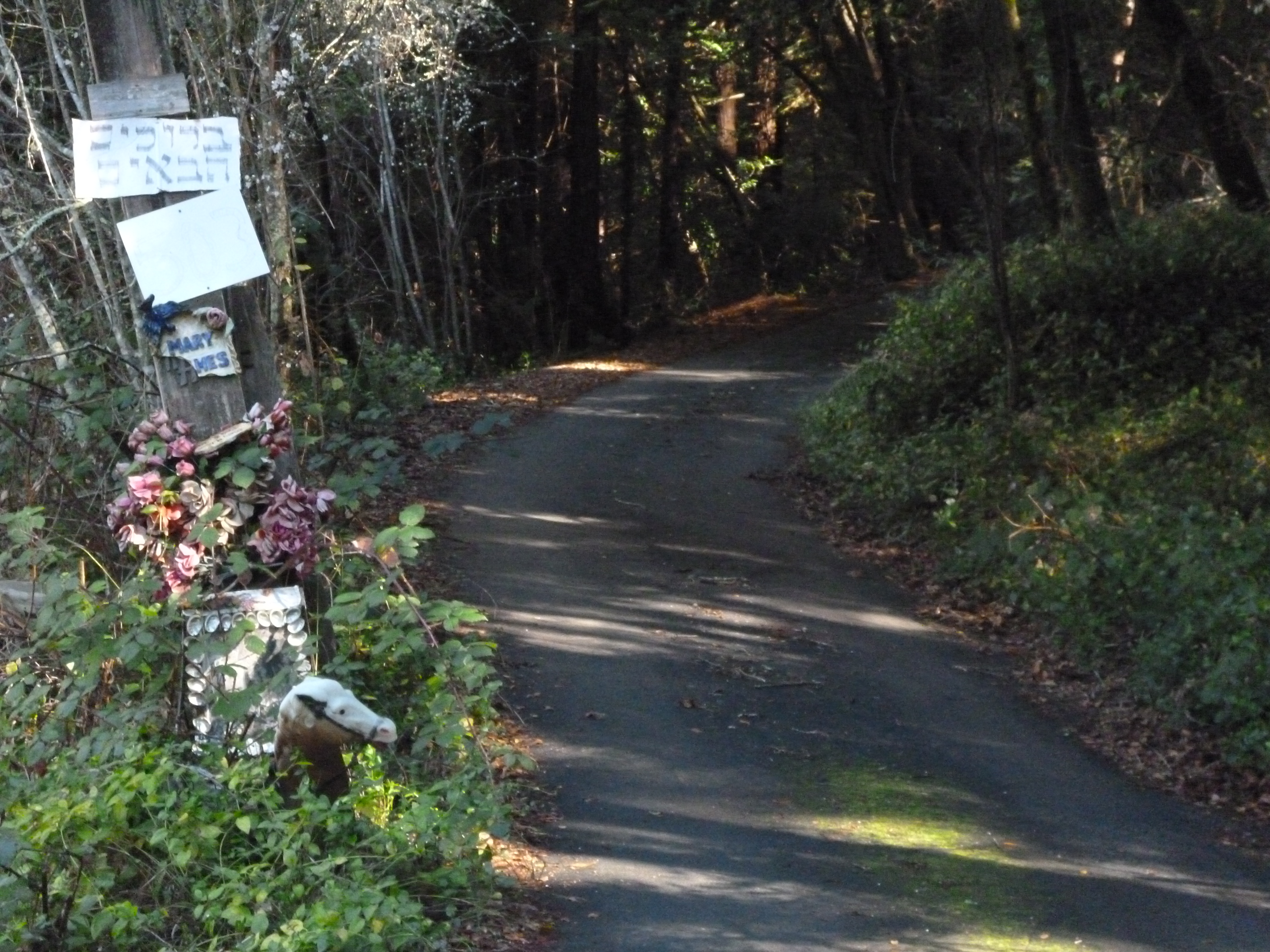 I have written often about Four Gates Winery, here in 2008, again for a Shabbaton, and then when I crashed Alice Feiring’s visit to the Four Gates Winery, and then my last writeup – the most complete to date. As always, I state up front that the winemaker, Benyamin Cantz (Benyo) is a good friend of mine and that in the end, the wine talks and scores and notes I give on wines are unbiased, as much as I can be.
I get a bunch of “smack” about being a good friend of Benyo, which is true, still I write what I smell and taste. Clearly, Four Gates Winery is one of those California wineries that is very different. It is different because of a few factors:
- Benyamin is a Vigneron – as explained before, Vigneron is French for wine maker and winery owner, but it also means that it is a person who does it all – wine wise. He manages his vineyard, he manages his cellar, and makes the wine – a nice way to say one-man shop. Is that good? Well, I can say it is awesome because he gets to know his vines and wines, but really it is just a view into the unique man who is himself the physical embodiment of the Four Gates Winery.
- The vines are grown organically and meet the CCOF standards of organic farming. Please do not think that a Vigneron is not a farmer. Remember he grows his grapes and knows his grapes and does so in an ecologically sustainable manner – since he started in 1997. This is NOT a fad for Binyamin – it is part of his way of life.
- His vines are dry farmed (there is that word again) – and for good reason. The Pinot pops because of it, as does the Chardonnay and Merlot. Essentially, dry farming allows for the fruit flavors to concentrate as the vine stresses. Stress, for a vine, is great. Too much stress, like in humans is BAD! Luckily it does not get that hot in the mountains and therefore, the water requirements are lower, keeping the stress constant – but maintainable.
- The climate in the vineyard and winery, as mentioned earlier, is indeed cooler than the city it overlooks and that helps the vines in many ways. The obvious benefit is that the vines need less water than they would elsewhere. It also allows the vines to cool down over night and it allows the vines to stay cool for longer, meaning more ripening time, but in a controlled manner.
- The cooler climate makes for perfect Pinot, Chardonnay, and Merlot and believe it or not Cabernet Sauvignon, which is why the 2009 Cabernet Sauvignon from Monte Bello Ridge in the Santa Cruz Mountains is so FANTASTIC! Yes, I am sure you would think that Cabernet in a cooler region would be a disaster, as it would never fully ripen. Well, a not-so well-known fact is that the 2005 Four Gates Merlot M.S.C. has a bit of Benyamin’s Cabernet Sauvignon in it. WHAT? Yes, Benyamin grows a very small amount of Cabernet Sauvignon (I hope he does not kill me – LOL!) His Cabernet Franc also benefits from the cooler weather.
- Finally, what makes this winery unique is Benyamin Cantz himself! On this bullet point, I must pre-warn that I am very biased. To me Benyamin Cantz is one of those people where the expression stands true – good things happen to good people. Sure, he is my friend, but it does not take long to talk with him and feel the same way. He is like a few wine makers I found in Israel, that are humble, with so much to be arrogant about. The wine talks for themselves, but he is a unique man in that his actions may be wrapped up in the winery and vines, but they revolve around his religion, and that is more than most of us can ever say about ourselves. Read the rest of this entry
2013 Kosher Food and Wine Experience (KFWE) lived up to all its billing
For years I have always sported a purple colored beaming grin when I finish my tasting at the IFWF (International Food and Wine Festival) in LA, which hid my grumbling stomach’s discontent. Like I have documented for years, I never get to eat at the events, even as the entire food court mocks me, attempting to pull me into their warm, delicious, and very present embrace, with their wafting and intoxicating aromas. Still, I stand strong and I taste through the night until my teeth are purple and my stomach is close to rioting on the lack of food. Truth be told, I am not that good at taking notes when eating – the flavors of the food cover up and belie the flavors and aromas of the glass that beckons me closer with its “come hither” look and aromas. So every year, after the event I go to dinner at Jeff’s Sausage (down the street from the new location of the IFWF). Which is sheer madness of course, here I have half the Pavilion at the Hyatt Regency Century Plaza, filled with food from one of the best kosher restaurants in the world – Tierra Sur Restaurant, and I pass on that for the spicy and homely fare of Jeff’s Sausage. In no way is this a slight to the joy of Jeff Rohatiner’s cookery and food. Rather, it has been my conscious tradeoff, throughout my many year experience at IFWF to drink through as much of the world-class wine I can before my taste-buds shutdown, rather than give them to the food court, no matter how wonderful it is.


This year was a massive shift for me, gone was the purple grin and my mutinous stomach, as I visited and added the New York KFWE to my travel dates. To say the KFWE was different than the IFWF would be an extreme understatement, the IFWF has close to 1000 people at the show, while the KFWE has closer to 2000 people. Further the event hall at Pier 60 is some 2 to 3 times larger than the Pavilion tent at the Hyatt Regency. Also, there were many options for lunch and dinner from the myriad of NY restaurants that all share half the hall, all clamoring to share their wonderful fare with great fanfare. The Pier 60 overlooks the Marina and Harbor and many folks were outside braving the cold to grab a smoke, but at least they had some comfort of looking at the marina and its waterfront.
To really appreciate the event you had to come to it with a game plan, and there were many guests who had a few of their own. The event started at Noon for those in the trade, a new thing that the KFWE started last year and something that the IFWF has been doing from the start (though initially with a smaller trade time). The trade event was crowded but there could not have been more than a thousand folks there, so access to wine was not a problem in any way. The event hall can easily handle 1000 people, it is a bit more complicated when the number swells to two thousand people, but still there was no pushing or shoving going on even at the end of the public tasting, when the number of guests was at its maximum. But I digress; the trade tasting allowed me to focus solely on wine and the winemakers, which was great. Read the rest of this entry

Recanati Winery and tasting
 The Recanati Winery was the realized life-long dream of Lenny (Leon) Recanati, a banker and true oenophile, who got his start in wine from his parents who made their own wine from their backyard vines. The winery’s stated goal from day one was to produce quality wines at reasonable prices – a truly noble mission statement which, as Recanati celebrates its first decade, it has accomplished beyond his wildest expectations. In addition to providing good value, Recanati is another winery from which you can buy any of their offerings and, while not every wine may be to your linking, you never have to worry about a bad wine.
“In order to go into the wine business, you have to have a passion for it. You have to have a love for it. Let’s say there are better businesses to go into, more profitable, more lucrative. Easier ways to make money,” said Recanati.
 “In other words, you go into it because you love it, not because it’s a business. It starts out as a hobby. When it makes money, it becomes a business.”
When Gil Shatsberg started making wine for Amphore Winery he tried to “take all the sunshine we have in Israel and push into the bottle and concentrate everything and shove it into the glass.” The wines were dense, heavy and high in alcohol.
“They were too big,” he explained. “I realized that when I couldn’t finish my own wine, that it was too heavy.”
Now he aims for wines that are more elegant with less alcohol.
“Wines with finesse that are tasty and fruity and you drink the vineyard and the sunshine in their elegance,” he said. Read the rest of this entry

Notes from kosher wines tasted in and around Israel
Before I left for Israel, I had a bottle of the 2008 Yarden Odem Vineyard Chardonnay. Normally this wine is killer. The 2009 vintage is lovely, the 2007 vintage was closed the last time I enjoyed it, but opened quickly enough and was lovely. Unfortunately, this bottle of the 2008 Yarden Odem Vineyard Chardonnay was clearly in a deep sleep, and one that would not open no matter what I tried. Humorously, when I came back from Israel, some three weeks later, the leftovers of the wine that I stored in the refrigerator, tasted quite nice!
In Israel, we enjoyed many wines for Passover and for other meals. Some of the wines were quite nice while some were just OK. The best two wines we enjoyed were the 2010 Dalton Zinfandel and the 2010 Saslove April. The other wines were fine but none of those were really note worthy. The 2010 Dalton Zinfandel showed far better than when I had it at the Gotham Wine Event. The Tulip White Franc was really nice, though a bit less Cabernet Franc-ish than the 2010 vintage. This is the second time I had the chance to taste April, when I enjoyed it at Sommelier last year, and it continues to impress with its light oak influence (they used staves) and interesting blend.
The only real downer for me was 2011 Galil Rose; it was OK, but nothing to write home about. I was not a huge fan of the Dalton Roses either, but hey I keep trying! I do love the Flam and Catsel Roses. The Tulip Just Cab and Merlot were lovely and continue to improve and show good varietal characteristics. I had the 2010 Galil Wines and they were average at best, which is OK, but again not wines to write home about. My father-in-law and I both enjoyed the bubbly Cabernet. Yes, I said I liked a semi-sweet bubbly Cabernet, because it was actually enjoyable. Sorry, to all the wine snobs out there, but the 2011 Tabor Pnimim (Pearls) sparkler, was enjoyable, unpretentious, and though semi-sweet, not cloyingly so in any way. No, I would not normally, bestow any praise upon a semi sweet Cabernet nor even write about it in a positive manner, as normally Cabernet and sweet do not logically go hand in hand, but Tabor did a good job, so Kudos!
Unfortunately, I did not have the opportunity to visit any wineries, but I did get a chance to see Gabriel Geller, a man I can happily call an acquaintance, and hopefully one day a friend, that now own a wine store in the heart of Jerusalem, called the Wine Mill. The wine store is located in the Wind Mill right next to the Prima Kings Hotel Jerusalem, and essentially at the corner of King George and Ramban streets. The store is laid out in a quite enjoyable and clutter free manner, with more than enough room for informal gatherings of his clients and customers. When I was there, I picked up some wines that I took home and I also had a chance to talk with both Gabriel and David Rhodes, a wine critic/writer who I have not yet had the chance to write about here in the blog, but a person who has solid wine abilities and who I have had the pleasure to talk with a few times now. The conversation inevitably came around to kosher wine, Israeli Wine, and Daniel Rogov (man I cannot believe it has been 6 months already since his passing), but hey what happens in the Wine Mill stays in the Wine Mill. I did have the chance to taste a lovely bottle of Domaine Ventura Cabernet Franc, but I did not write notes on the wine – sorry. From what I remember, it was very characteristic of Cabernet Franc, with good green notes, lovely ripe red fruit, without the raisin or date flavors, that are so characteristic of Israeli wines. The oak did not overpower though was felt and clearly present, and there was some nice extraction along with tobacco and light leather. An unofficial score would be B+ to A-. Read the rest of this entry

Herzog Cellars Winery Tasting Room and Dinner at Tierra Sur Restaurant
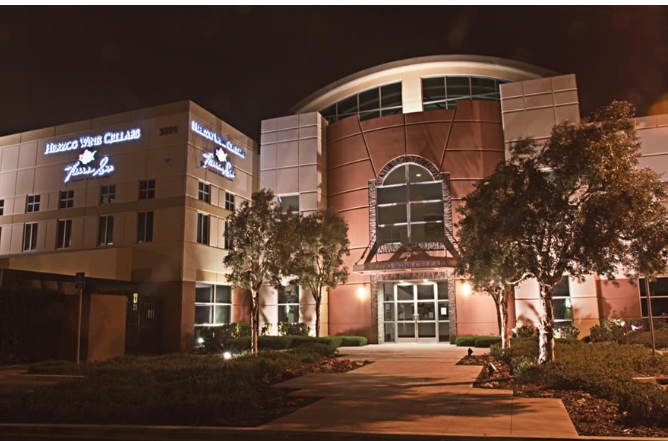 This past week my wife and I went to dinner at the famous Tierra Sur Restaurant, which is located inside the Herzog Cellars Winery. The restaurant is run by the head chef Todd Aarons and is always a culinary treat. We have enjoyed his handiwork before when a few times at the Herzog International Food & Wine Festival held every year at the winery, around February. This year the event will be held in the Hyatt Regency Century Plaza, in Los Angeles, CA. Tickets for the upcoming event on February 15th, at 6 PM, can be purchased at the Herzog Wine Cellars web page here.
As we entered the winery we were greeted by the nice lady at the front desk, as we made our way to the restaurant we passed the Herzog Tasting Bar.
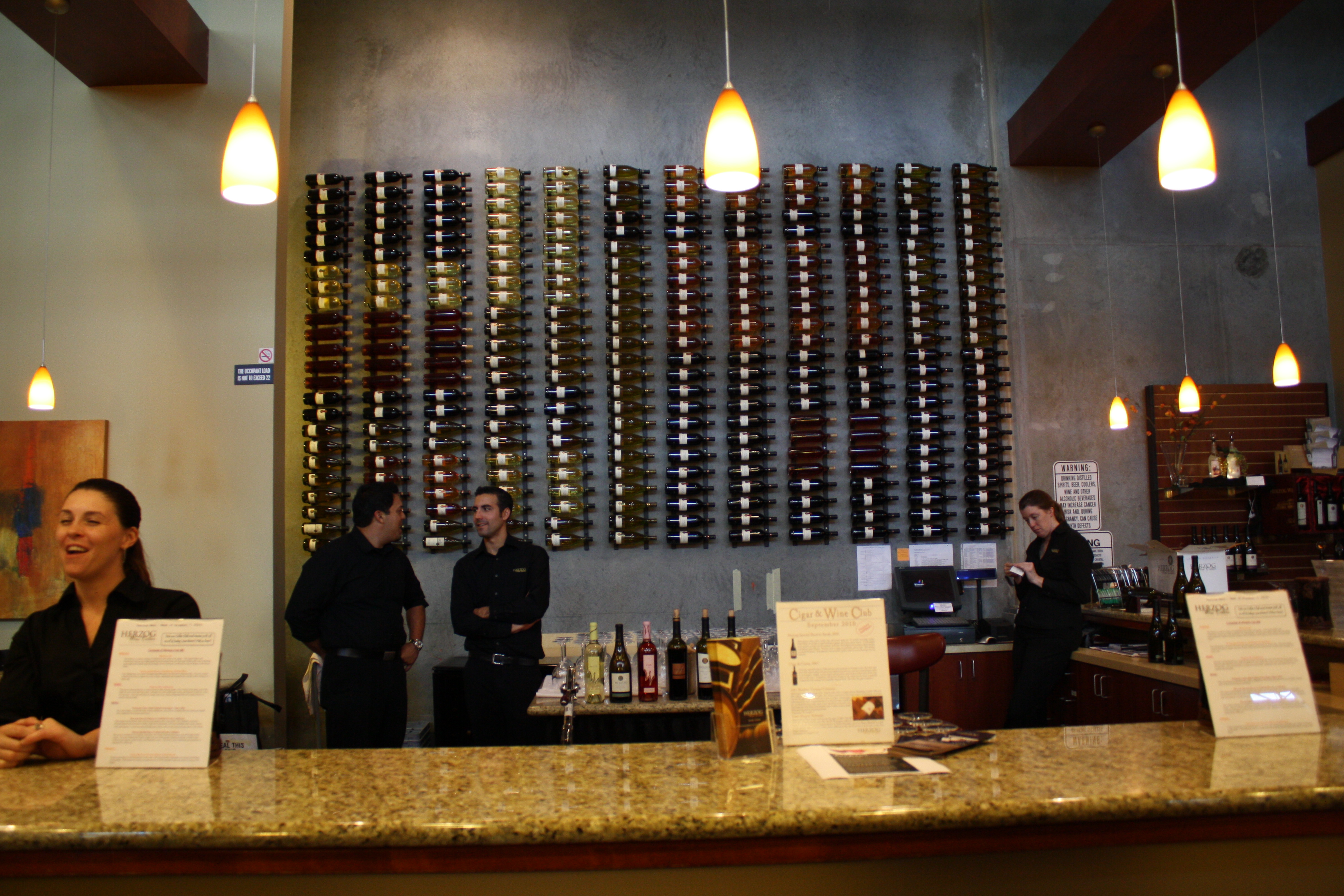 Traffic getting to the winery was so crazy busy that we barely made our appointed time. We entered the lovely restaurant and were seated immediately, and were given the current menu. The menu changes often, as the restaurant is proud of its local sourcing and its rich and bountiful flavors. According to the website: Tierra Sur continually strives to bring the best produce and ingredients to its customers by buying from local, small family farms. We are proud to participate in the Growers Collaborative Program under Community Alliance with Family Farmers (CAFF). CAFF is a statewide non-profit organization that works to build a movement of rural and urban people to foster family-scale agriculture that cares for the land, sustains local economies and promotes social justice.
 Given the complexity of building a menu around what is available locally, even in California, Tomatoes are pretty much over now, as are zucchini, and fresh bell peppers. So the menu is filled with fresh winter salads, chard, and beets, all lovely tasting winter California bounty, with tomatoes and other Summer Solstice vegetables used as adornments. For starters we chose the Chorizo lamb sausage and black olive piadina flat bread with watercress, cherry tomato salad and zahtar dressing. The small pie was lovingly adorned by rich and spicy lamb sausage, along with black olives and a couple of tomatoes on top. For entrees, my wife chose the braised brisket and I chose the duck. After makes our choices, we made our way to the tasting bar and we sampled four of the red wines that were available.
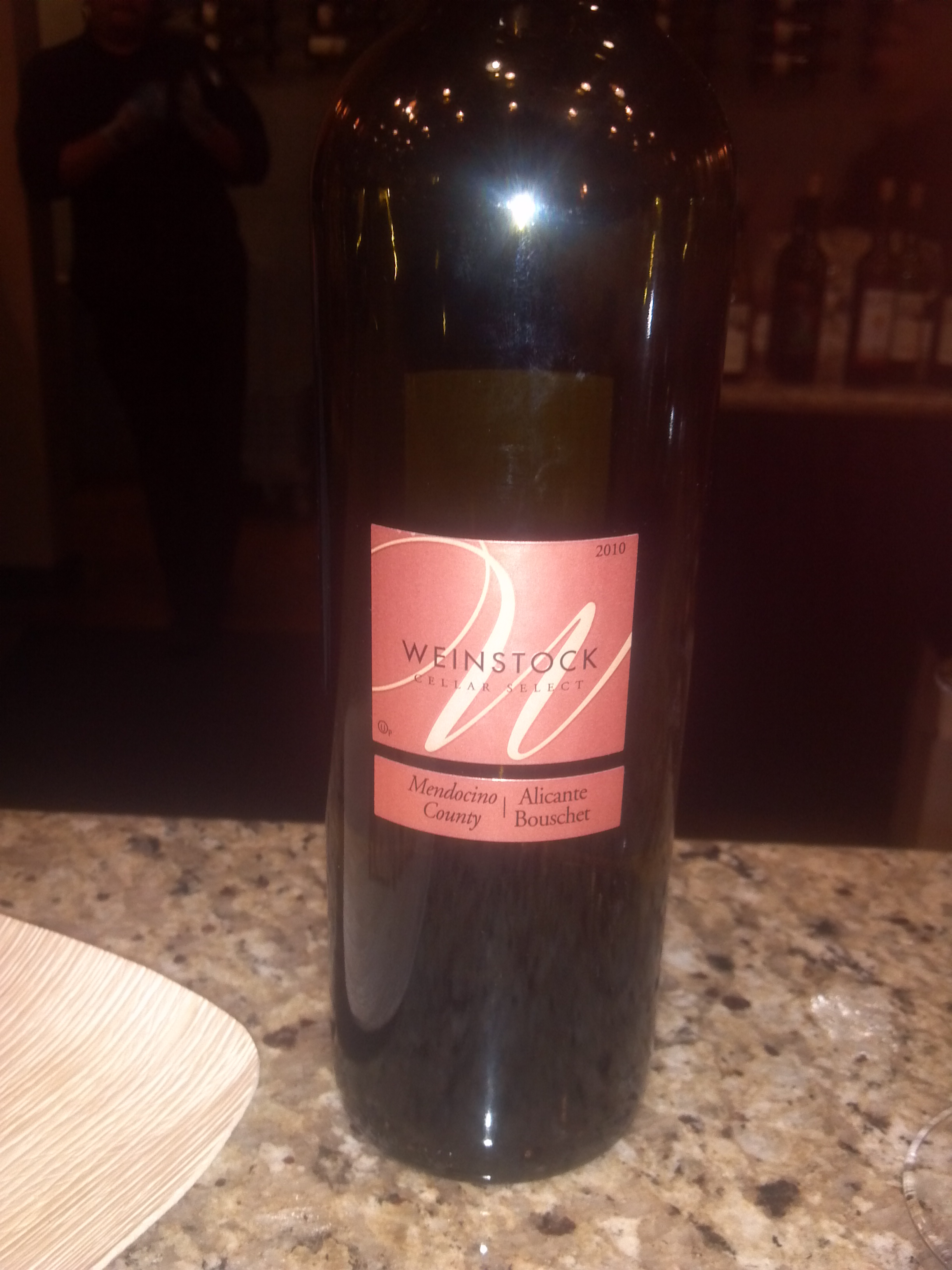 I started with the 2008 Baron Herzog Zinfandel, which is a fine enough wine, but one that does not stand me up on my ear and make me take notice. For 10 bucks or so a bottle, at most local shops, it is the best of the baseline Baron Herzog wines. We than had a taste of the 2009 Herzog GPS (Grenache Petite Sirah) blend. According to the back label Joe Hurliman, the head winemaker at Herzog, has been wanting to make a wine from the Grenache grape and personally, he has made a wonderful wine that emotes whimsical and light white chocolate, flowers, and rich fruit. We followed that with a testing of the 2010 Weinstock Alicante Bouschet. Do not worry, I never heard of this one either before my friend told me about it when he received it in his Herzog Wine Club delivery. For some quick history and viticulture the Alicante Bouschet, it is an intensely red grape with a somewhat dark and infamous past. It was the number one grape used during the prohibition, and widely planted in California during the prohibition, because its color and thick skin allowed for the long trip to the east coast and to be diluted without discoloring the wine too greatly! The grape makes for intensely dark wines, with somewhat high alcohol, and average quality wine.

Pars Market, Short Ribs, Ratatouille, Quinoa, Weinstock Zinfandel
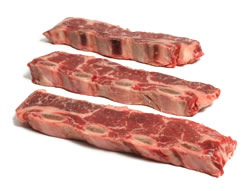 On the week of September 16th we were hunkering down with the New Year, and guests, coming up. So, we bought some lovely flanken short ribs (ribs cut against the bone, not with it) at the new kosher market (Pars Market) here in San Jose. We have spoken a few times about what short ribs are versus flanken versus English cut ribs. No matter the name, the product and the way to cook it is the same, simple – SLOW AND LOW! I am almost done with my cache of bad whiskey (yes we covered this in the past), but no matter the product, as long as it has a hickory or oak taste the whiskey will be a good medium to slow cook your ribs. Why? Because hickory or oak meld well with brown sugar and spices to make a killer, yet simple, braise for the ribs. Also, though our old recipe calls browning off each and every riblet, that can be very tiring, and can take a ton of time. Instead, I saw a new episode of America’s Test Kitchen and in it they “roasted” the riblets in the oven and the riblets were nicely browned and their fat was rendered, thereby assuring that the slow cook braise will comprise more of sweet alcohol goodness and less of nasty grease.
As wonderful as chunks of soft and flavorful meat is, it still needs a good side dish, and we once again raided our garden for some tomatoes, zucchini, and eggplant to make a killer ratatouille! This may well be one of the last for the year, as the summer has been a cool one, like last year, so many of the tomatoes are not ripe and we have to use what we have. The good news is that we had enough fresh tomatoes and zucchini, but the eggplant harvest this week was low, so we needed to buy some at the store to augment the low supply. The meat’s rich and flavorful sauce blended perfectly with the rich and vibrant ratatouille, all over a bed of earthy quinoa, what a combo!
To pair these wonderful dishes we went for some wine that normally delivers, one with power and finesse, but this time it was more of a one note loser than a harmonious orchestra. The wine starts off with way too much wild berry and not enough other goodness. Over time the wine popped out of its funk, but that took a fair amount of time. The real shock though was that this 2003 Weinstock Zin was alive and kicking. If the wine was not so unbalanced to start – I would have pronounced this the best Zin of the year, outside of the one I had at Dalton.
The wine note follows below:
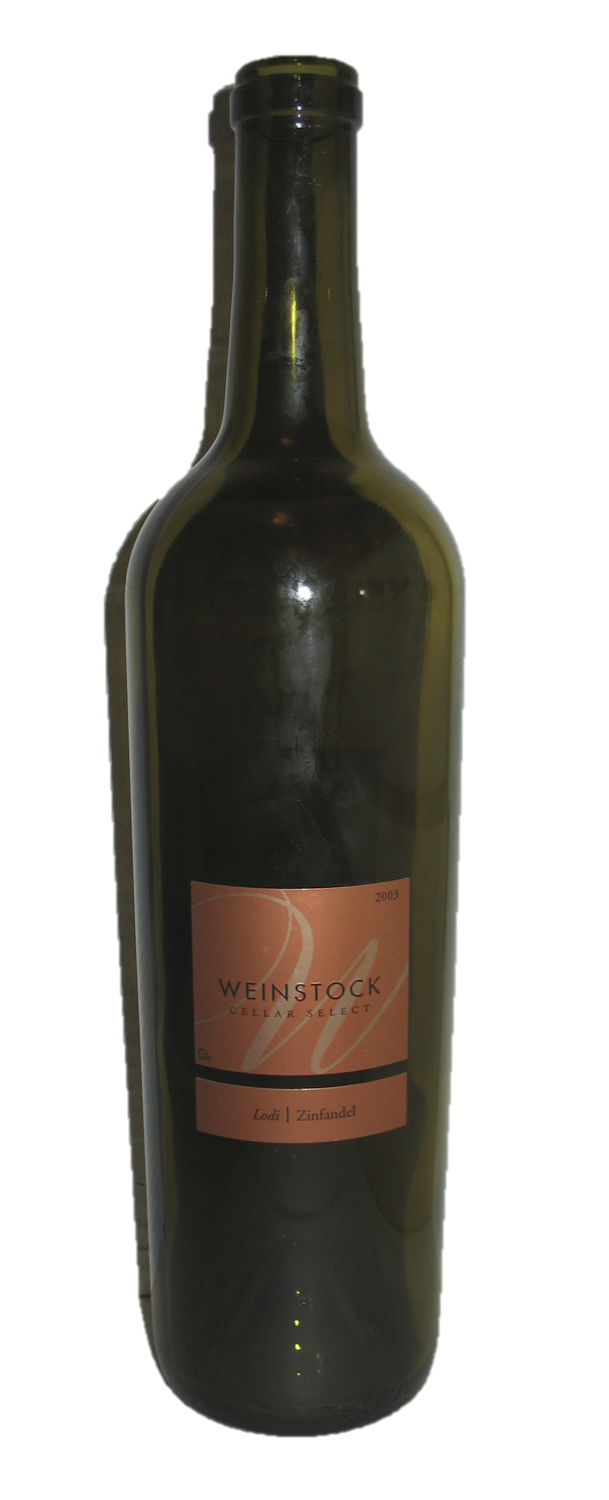 2003 Weinstock Cellars Zinfandel Kosher Lodi – USA, California, Central Valley, Lodi – Score: B++
The nose on this dark garnet to black colored wine starts first and foremost with wild berry smell that is overpowering, along with rich with oak, chocolate, black pepper, tobacco, blackberry, plum, and dirt. After the wild berries finally give way, the nose takes on a lovely complexion of espresso coffee, chocolate, roast meat, nice tannin, and dirt. The mouth on this medium bodied wine follows the nose at first totally over matched by the wild berry flavor, along with plum, blackberry, and red fruit. The mid palate is balanced with nice acid, oak, integrated tannin, and chocolate. The finish is spicy and long with chocolate, tobacco, black pepper, and wild berry. As the wild berry finally subsides the wine opens to more espresso coffee, tobacco, chocolate, black pepper, vanilla, and plum. The wild berry truly makes the wine feel unbalanced at times which is the shame. That said, I was truly shocked that this mevushal wine was even drinkable. The cork on the bottle was stuck, but this bottle was in no way corked or oxidized, which is impressive.

Meatballs, Panade, Linguini, and a bottle of Binyamina Zinfandel
On the weekend of August 12th we were laying low with a continued hunkering for meatballs. I cannot truly explain why I am constantly tinkering with my meatball recipe. I guess I can only say that I like to tinker, and I like to play with recipes. This one went very wrong! I normally add in shredded vegetables to make the meatballs softer, instead of using a panade. What is a panade and what do you use it for? According to Cook’s Illustrated: “A panade is a paste of milk and bread that is typically used to help foods like meatballs and meatloaf hold their shape and moisture. Starches from the bread absorb liquid from the milk to form a gel that coats and lubricates the protein molecules in the meat, much in the same way as fat, keeping them moist and preventing them from linking together to form a tough matrix. Mixing the beef and panade in a food processor helps to ensure that the starch is well dispersed so that all the meat reaps its benefits.”
Steaks can handle being eaten medium rare, my favorite temperature, because the bacteria does not penetrate the solid surface of a steak too deeply. However, ground meat can have or attract the bacteria and now it has the potential to get into every nook and cranny of the meatball or burger – which can be painful or far worse. The answer is to fully cook the ground meat dish and still have something edible in the end, which is no small feat. The panade gives you a cushion or life jacket because it allows you to cook the ground meat right to the end and maybe a bit more and not end up with ground up shoe leather.
So while the panade does wonders for ground meat recipes, it does not work in a kosher home – given the whole “meat and milk thing”. That leaves us with a need to get a substance that starts off dry and ends up soft – vegetables! This is not the first time we have made meatballs with vegetables, however, it is the first time we have done it with vegetables that I did not squeeze out! Ouch! I was lazy and tired and did not want to bother – big mistake.
The meatballs came out fine, but they were overly soft. I should have seen it when I made the mixture. A few rules about meatballs:
1) NEVER over mix them – the more you slam them around the harder and more gummy they get
2) A mixture that is correct should feel more like a stiff dough than a soft one – that is where I messed up
3) Cook the meatballs until they float in the pan (if you are braising them). They will sink to start, and the second they bob up to the surface, yank them out.
4) To be sure they are not ready, make sure to not overstuff the pan and the braise, so that the meatballs have freedom to rise to the surface when ready
There you go – I hope you all can learn from my mistakes and, lets be honest – bobbing for meatballs is so much more enjoyable than rotten apples!
To pair with this lovely tasting, albeit overly soft, meatballs, we cooked up a pot of linguini and a tossed a fresh bowl of green salad. The wine we enjoyed over the weekend was the 2007 Binyamina Zinfandel. We also enjoyed a few more wines in the same time, so I am adding them here for posterity.
 2007 Binyamina Zinfandel Special Reserve (Israel, Galilee) – Score: B to B++
The nose on this dark garnet to black colored wine starts off way to hot, however over time it calms down to expose chocolate, tobacco, cedar, raspberry, plum, blackcurrant, black cherry, crushed herbs, dirt, and mound of black pepper. The mouth on this medium bodied wine is starting to show its age with excessive date flavors that taste oxidized, plush mouth feel from nice tannin, rich loamy dirt, raspberry, plum, blackcurrant, and black cherry. The mid palate is balanced with nice acid, cedar, and vanilla. Th finish is long and spicy with heaps of black pepper, chocolate, tobacco, vanilla, blackcurrant, date, cedar, and herbs. Cedar, black pepper, date, raspberry, black currant, chocolate, and vanilla linger.
2009 Cantina Gabriele Pinot Grigio (Italy) – Score: B
This past weekend I tasted this bottle at our synagogue’s kiddush and it was lacking to say the least. The nose on this wine was totally killer! The nose on this light gold colored wine was exploding with lemon, aroma, pepper, honeyed melon, and peach. Unfortunately, that was where it ended. The mouth on this light to medium bodied wine was dead with light hints of acidity, peach, honey, and melon. The mid palate was totally flat with little bite, more sweet fruit and melon. The finish was average with a bit of bite but it faded quickly leaving only a hint of melon, honey, and light floral notes. I was so hopeful after the nose but so it goes.
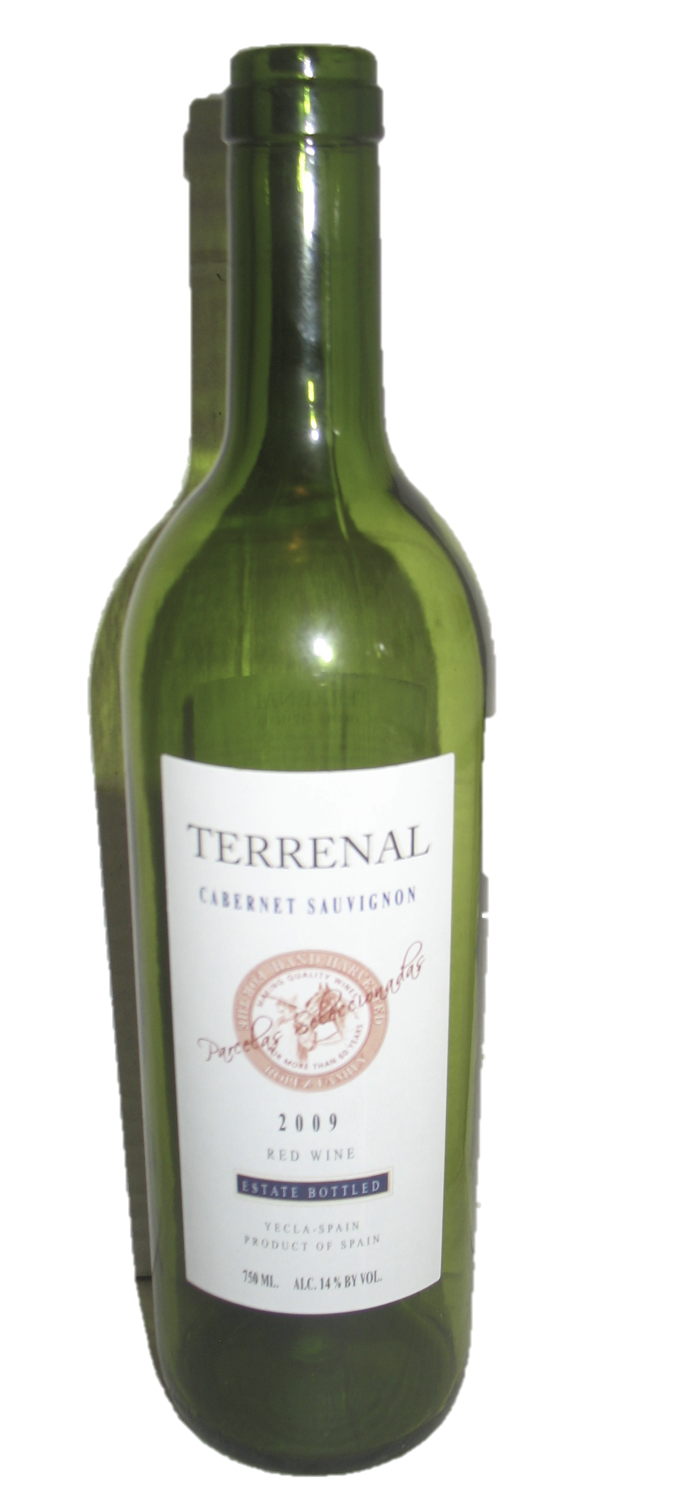 2009 Terrenal Cabernet Sauvignon Yecla (Spain, Murcia, Yecla) – Score: B to B+
Still really like this bottle especially given the cheap price. Much has stayed the same but a few new nuances have shown up. The nose on this dark garnet to black colored wine is rich with dirt, cloves, graphite, raspberry, blackberry, crushed herbs, a hint of chocolate, and black cherry. After some time blueberry also makes an appearance, however at that time the wine is starting to degrade. The mouth on this medium to full bodied wine is heavy with tannin that lends to a nice but crazy mouth feel, along with blackberry, raspberry, and black cherry. The mid palate is bone dry and acidic along with some chocolate and a fair amount of crushed herbs. The finish is long with chocolate, blackberry, black cherry, crushed herbs, mint, and some mineral. This wine is really nice for the price! (103 views)
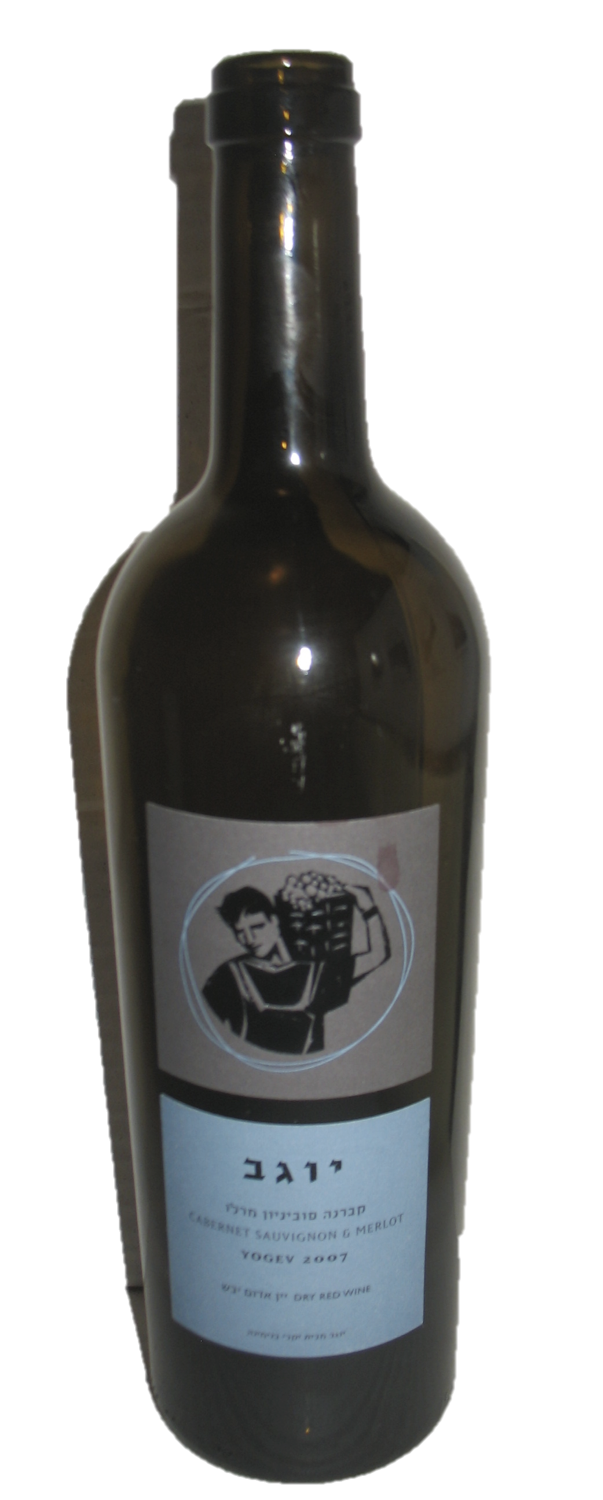 2007 Binyamina Cabernet-Merlot Yogev Kosher (Israel, Samson) – Score: B
The nose on this garnet colored wine with brown halo has an almost dead nose with chocolate, rich tobacco, dirt, mineral, blackcurrant, blackberry, black cherry, herbs, date from light oxidity, and oak. The mouth on this medium bodied wine starts to show oxidation with date flavors, blackberry, blackcurrant, herbs, soft tannin, and black cherry. The mid palate is balanced with nice acid, spicy oak, more soft tannin, and tobacco. The finish is long with date, tobacco, blackberry, blackcurrant, crushed herbs, and vanilla. This wine dies quickly, drink up or use for cooking.
2003 Four Gates Merlot Kosher (USA, California, San Francisco Bay, Santa Cruz Mountains) – Score: B++ to A-
The nose on this electric blue/purple colored wine is vibrant and expressive with rich sweet oak, smoky, vanilla, black candied cherry, raspberry, blackberry, ripe plum, bramble, chocolate, tobacco, crushed herbs, and date. The mouth on this lovely and full bodied wine is concentrated and expressive like its nose, from its fruit and tannin, with slowly integrating tannin, raspberry, blackberry, ripe plum, cherry, and crushed herbs. The mid palate has balanced acid, chocolate, sweet oak, tobacco, and nice integrating tannin. The finish is super long and spicy with acidity, rich ripe plum, chocolate, tobacco, vanilla, long and luxurious finish with dates and vanilla.
Hanukkah Cheese and Wine party with Zinfandel, Viognier, and Bordeaux
This past Hanukkah saw my friends and family gathering around for an evening of cheese, latkes, and wine. The main issue revolves around finding kosher cheese. There are many issues that revolve around cheese for observant Jews, as listed in the link. For some time we observant Jews were left with things like Muenster cheese and American cheese – AHHH!! I am so glad to say that we now have real cheese my kosher friends! For our party we used cheese from many manufacturers. The first one hails from the state of Oregon – Tillamook Medium Cheddar Cheese. It is a nice cheddar cheese that does not taste like water. The second cheese we had was a lovely and simple Brie from the company called Les Petites Fermieres. The brie was nice and simple and not very complex or stinky, but interesting enough. The interesting part was that we had a chunk of the brie lying around in the refrigerator after the party and man did the brie turn into a nice, soft, stinky, and nutty flavored brie! So if you want the brie to get real interesting – all you need to do is unwrap the package, and leave it lying around in your fridge for a couple of weeks, and man will it turn into what I am used to when I think of brie. The third cheese we had was a simple but fun Les Petites Fermieres Monterey Jack. The Monterey Jack tastes creamy with a mild flavor, and matches well with soft wines. The rest of the cheeses we had on the table were a nice Blue Cheese and a couple of goat cheeses. I was not a huge fan of the Blue Cheese as it wrecked my palate and the goat cheeses were OK, but a bit too mild, to say the least.
For latkes we punted and served potato pancakes from Trader Joe. They were pretty good and that is all one can ask. Finally, we went with many wines – five to be exact. Three disappeared quickly, the Bordeaux was awesome a few hours after the party, and the Italian Zinfandel (Primitivo di Manduria) was quite nice as well, after it finished opening up and smoothing out later that night.
So many thanks for all the folks who came by and the wine notes can be found below:
2007 Château Haut Philippon – Score: B+
The nose on this garnet colored wine is a rich and enveloping nose of loamy soil, cherry, raspberry, cassis, and fig. The mouth on this medium to full bodied wine is a nice soft wine with an enveloping mouth that is not complex in any way, but after many hours of air, the wine fills out nicely. The tannins are soft but are ever present, along with cassis, and raspberry that mingle nicely. The mid palate is balanced with core acidity and integrating tannins. The finish is long with more cassis and raspberry, rich loamy soil, and soft tannins that linger long on your palate after the wine is gone. The wine fills out with nice mouth coating tannins. This is a nice wine for the price and nice as well because it is Mevushal!
2004 Borgo Reale Primitivo di Manduria – Score: B++
The nose on this light garnet to garnet colored wine is hopping with cherry, cola, raspberry, plum, pepper, mineral, and bramble/earth/dirt. The mouth on this medium bodied wine has integrated tannins, sweet core, ripe fruit, cherry, raspberry, and plum. The mid palate is balanced with core acidity, earth and dirt, along with cola. The finish is a long earthy/dirty finish with red fruit, dirt, and nice intense pepper. A nice Zinfandel wine, that works well. It is not a wine that will fill out, drink up and enjoy.
2005 Hagafen Zinfandel – Score: A-
This wine is now close to its peak and it is opening nicely now, it was the clear winner of the evening. The nose on this purple to black colored wine is black with ripe fruit, blackberry, plum, mounds of chocolate, spice, sweet oak, and vanilla. The mouth on this full bodied wine fills out with mouth coating tannins that are integrating, but still present. The wine shows a rich, black, and full mouth with blackberry, nice tannins, and semi-sweet oak with raisins. The mid palate shows more integrated tannins vanilla, rich and sweet oak, and balanced acidity. The finish is long and supports the wine’s full mouth with more rich oak, vanilla, and bright acid that carries the rich and ripe black fruit, acting like a bow around this lovely package.
2005 Herzog Zinfandel Special Reserve – Score: A-
OK, as an honest human I must admit I hated this wine a year ago! WOW, what a difference a year makes. Man, this wine needs a ton of air, but the wine cleans up really nicely with oxygen. The nose on this light garnet to garnet colored wine has a huge and rich nose that starts with rich oak, ripe Napa fruit, chocolate, plum, raspberry, fig, intense spice, and pepper. The mouth on this full bodied wine is rich and extracted, classic ripe red berry along with rich mouth coating sweet oak tannins that are now well integrated. The mouth softens with air and becomes rich and enveloping, nice. The mid palate is soft with ever present tannins that are going to stay for a couple of years, more sweet oak, and balancing acidity. The finish is super rich and long with sweet oak, ripe fruit layered on top a few shakes of pepper, along with chocolate that is balanced by nice tannins, and more rich ripe fruit. Get a bottle within the next few months and open it and taste it, and then leave it open for a couple of hours and come back and finish it with a table of friends!
2007 Goose Bay Viognier – Score: A-
The nose of this light yet bright straw colored wine was filled with classic Viognier perfume, grapefruit, apricot and citrus aromas. The mouth of this medium bodied wine is strikingly fruity while also being infused with the perfume quality. The mid palate is strongly acidic and laced with grapefruit, lemon, and green flavors. The finish is acidic in an almost puckering way. I must say, that a nice perfumed nose and mouth while still dry, is great with heavy foods like roasted duck or turkey. But because it is so dry, it fails to stand up to spicy foods. Personally, this wine felt a bit lighter than it did before, and maybe it is coming up against the wall. So, if you have a few bottles lying around, drink one now and check out where it is for you.

 Wine Musings Blog