Blog Archives
Petite Sirah Round Two and a few very nice wines
 Two weeks ago, before I left for all of the Royal wine events, I went searching through my cellar for more Petite Sirah wines to make up for the sleeping beauties (at least they were beautiful before) I had to endure two weeks ago. Two weeks ago I posted about my failed attempt to find great Petite Sirah wines. Why? I do not know, these wines used to be great and I doubt they are dead, but rather in deep sleep. So, I tried to open all the Herzog Petite Sirah wines I had to see if they were any better. We did have a Herzog petite Sirah two weeks ago – the newest Herzog Petite Sirah that has been released, the 2010 Princeville PS, and it too was so-so, again I think something was wrong with my bottle or I and the rest of the table had an off day.
So, I tried a different table of people (mostly) and a different set of wines, and these came out better, but not awesome, other than the 2009 Baron Herzog Petite Sirah P.S. Limited Edition! That was a beast of a wine and lovely. The clear take away here is that these wines need a lot of time in a decanter and only then are they ready to play. Along with PS wines we also enjoyed three older wines from the Four Gates Winery, and a bottle of the 2005 Galil Yiron.
There was talk that the 2005 Yiron was going down hill, and I can say that the wine is fine and going nowhere but it was shocking when tasted side by side the 2005 Four Gates Merlot M.S.C. The Merlot was bracing with black fruit and acidity, while the Yiron was full of black fruit but flat in terms of acidity, and I think that is what people are concerned about the Yiron. The Yiron is much like many of the older Yarden or Galil wines, they are flabby, oaky/cedar, and black ripe/sweet wines.
It is a continued theme in Israeli wines, the sweet notes and ripe fruit that overpowers the palate and takes away from the other attributes of wines. Having tasted many Israeli wines during my trip to Israel, I have found many wineries who have found a way to calm the sweet or new world notes and show more bright and ripe flavors without overpowering sweetness or fruitiness. The Yiron wines are not one of those, they normally show sweeter notes, and planks of cedar, but they continue to be bold and enjoyable. This one was no different, very enjoyable but the wine’s clear lack of acidity was truly shocking. Read the rest of this entry

French, Italian, and California red kosher wines
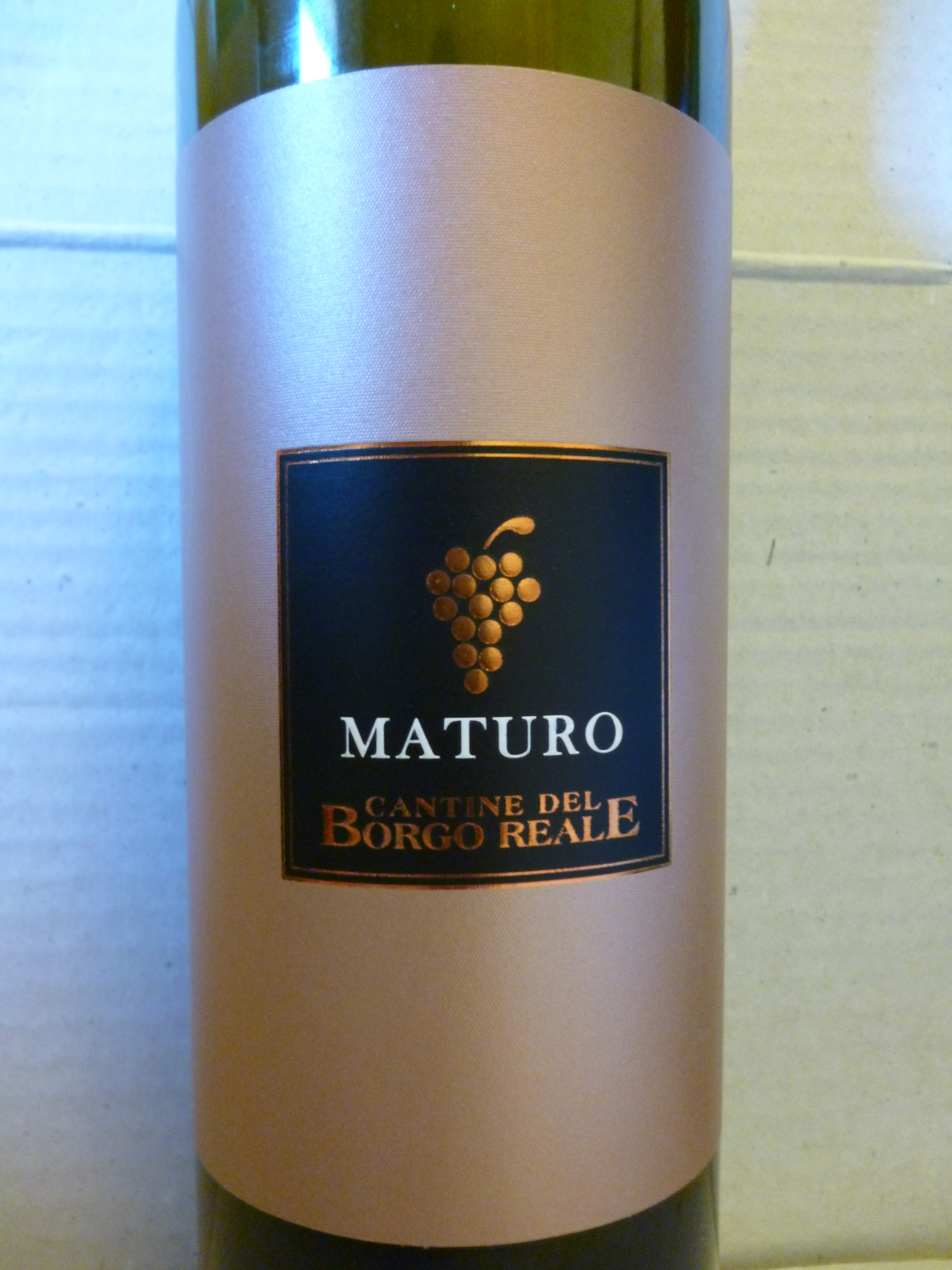 This past week was Shavuot and though we had no friends over we did get to enjoy some lovely kosher wines from around the world. Along the way, we had some delicious meals at friends homes and ours as well. We made some tasty beef tongue, using a very simple and basic recipe, and we had some great braised meatballs. To complement these lovely dishes my wife made her killer spinach kugel and we had some fresh green salad and quinoa.
Wine wise we had some very interesting wines from around the world, wines that many would belittle but ones that I liked, though none were anything to write home about. Still these are all reasonably priced wines that are also mevushal and taste fine. Some are plain quaff wines and one was a bit above that level.
We had a bottle of the 2010 Weinstock Cellars Alicante Bouschet, a wine we enjoyed some six months ago and my how the wine has changed! Gone are the violet and heady spice and in their place – rich cedar and forest berries demand your attention. The wine showed itself quite well and is one that will live well till 2015. Read the rest of this entry

2012 Herzog International Wine Festival – part two of wine notes
As stated in the previous posting on this lovely event, there were many wines to taste and there was no way I could post all the wine notes in a single posting. Here is my follow-up posting on the wines tasted at the event, including the wines that I loved and did not love.
The wine notes are listed in the order that I tasted them:

2010 Domaine Netofa – White – Score: B++
The nose on this light gold colored wine shows clean and lovely nose of green apple, peach, grapefruit, kiwi, light quince, and rich/nice loamy dirt and mineral. The mouth on this medium bodied wine is rich and balanced with nice minerality, along with nice bright fruit that mingles well in the mouth. The finish is long and spicy with nice quince, tart green apple, grapefruit, and green tea.

2010 Binyamina Chardonnay, Reserve, Unoaked – Score: B
This wine did not show nearly as well as its 2009 sibling, the wine was flat without much to grab your attention. The nose on this straw colored wine has apple, lemon, nice mineral, bright acid, and melon. The mouth is somewhat plush and the finish has citrus to round out the wine.
2010 Binyamina Chardonnay, Reserve – Score: B+
This wine did not show nearly as well as its 2009 sibling, though not as bad as its unoaked twin. The nose on this dark straw colored wine has light oak, brioche, lemon, nice spice, light creme, and honey. The mouth is round with spice, summer fruit, and oak influence.

2011 Tulip White Tulip – Score: B++
This wine is a blend of 70% Gewurztraminer and 30% Sauvignon Blanc with the sweet and floral notes of the Gewurztraminer showing nicely with honey and guava, while the green apple and bright lemon notes from the Sauvignon Blanc blend together in a unique manner. The nose on this straw colored wine hits you with mineral, light honey, bright lemon, green apple, and guava. The mouth is nice and honeyed with light petrol, and citrus. The finish is long with both sweet lemon creme and bright lemon at the same time, along with fig, and tart notes. This is a great wine that would go well with fish or sushi.

Rosh Hashanah 2011/5772, Herb encrusted gefilte fish loaf, Sweet and Sour Brisket, Vegetable kugel, and many wines
Rosh Hashanah (literally translated ”head of the year”) has come and gone again (Wednesday Night – September 28th, 2011), and once more I am reminded that it is a holiday that is more about your relationship with God than your gastronomic relationship with friends and family. Yes of course it is not a fast day like Yom Kippur, of course, but still the frivolity needs to be toned down a bit, and the attention placed on the fact that we are all being judged at this time of the year. So with that frame of mind, yeah too many early morning Selichot Services kind of kill the mood, my wife and I set out to make our menu and meals.
This year we hosted the first meal. We invited friends and family and it was quite awesome! Like last year, we had the same simanim (literally translated to “signs”), except that we modified the way we make the leeks. The simanim are a play on word and are a very basic Jewish tradition of using word play to bring out symbolism and actual changes or good tidings. This year we made all of the simanim, as our friends were laid up, but we had other friends staying over with us who helped us out, so it was no biggie. The simanim are a yearly rite of passage, and one of my favorite Jewish traditions. Many of the recipes have been changed to protect the innocent. The customary recipes from my mother recipes consist of 4 basic ingredients, oil, more oil, honey, and some vegetable, and one cooking style – frying. We decided that this tradition was awesome, but that it needed to be toned down such that it could be enjoyed for years to come and not just for the few where we are vertical. So it called for some baking and less oil. We ordered the symbolic food in the order of Sephardic Jewry, and here they are:
- Dates or Figs (Tamar in Hebrew)
- The symbolism here is that God should end our enemies
- Broad Beans coated with a mixture of olive oil, cumin, and garlic (Rubya in Aramaic)
- The symbolism here is that God should increase our merits
- Leeks – prepared masterfully by our stay over friends, leek fritters recipe found here(Karti in Aramaic)
- The symbolism here is that God should cut down our enemies
- Spinach – prepared masterfully by my wife using her spinach kugel recipe (Salka in Aramaic)
- The symbolism here is that God should remove our enemies
- Sweet Butternut Squash – sliced butternut squash, sprayed with oil and covered with honey, then baked in an oven set to 400 degrees (Kra in Aramaic)
- The symbolism here is that God should tear up our evil decrees and read before him our merits
- Pomegranate seeds (Rimon in Hebrew)
- The symbolism here is that our mitzvot (observance of the Jewish laws) be as plentiful as the pomegranate seeds
- Sweet apples dipped in honey
- The symbolism here is that God should grant us a New Year as sweet as honey
- Fish head – Salmon head poached in white wine and water
- The symbolism here is that in this New Year we should be at the head of the class and not at the tail
We always joke that we should try to bring out a head of a lamb instead of a fish head and freak out everyone there. It would be totally epic, but while it is the preferred manner of implementing the head symbolism, it would fly in the face of “behaving”. The good news is that we did FAR better than last year on the wine parade, which was not too difficult!
The rest of the meal started with our reliable Herb encrusted gefilte fish loaf and simanim left over’s. The reason I really like this recipe is because while normal gefilte fish recipes tastes like bland boiled white fish, this recipe tastes like herb-encrusted fish that is lightly charred with the herb and spice flavors permeated through and through the fleshy texture – quite a treat. The main course consisted of our patented sweet and sour brisket, brown rice, vegetable kugel, and fresh vegetable salad. While the brisket recipe is normally rock solid, this one was far from perfect. Once again I am underwhelmed by South American whole Brisket. The US whole Brisket has a layer of fat that helps to baste the meat as the meat cooks slow and low in a 300 degrees oven. The South American whole Brisket is too lean, and lacks the self-basting fat. Further the meat is not marbled like the US whole Brisket, unfortunately, that was all that was available at the time. Read the rest of this entry

Pars Market, Short Ribs, Ratatouille, Quinoa, Weinstock Zinfandel
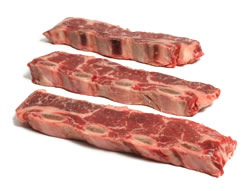 On the week of September 16th we were hunkering down with the New Year, and guests, coming up. So, we bought some lovely flanken short ribs (ribs cut against the bone, not with it) at the new kosher market (Pars Market) here in San Jose. We have spoken a few times about what short ribs are versus flanken versus English cut ribs. No matter the name, the product and the way to cook it is the same, simple – SLOW AND LOW! I am almost done with my cache of bad whiskey (yes we covered this in the past), but no matter the product, as long as it has a hickory or oak taste the whiskey will be a good medium to slow cook your ribs. Why? Because hickory or oak meld well with brown sugar and spices to make a killer, yet simple, braise for the ribs. Also, though our old recipe calls browning off each and every riblet, that can be very tiring, and can take a ton of time. Instead, I saw a new episode of America’s Test Kitchen and in it they “roasted” the riblets in the oven and the riblets were nicely browned and their fat was rendered, thereby assuring that the slow cook braise will comprise more of sweet alcohol goodness and less of nasty grease.
As wonderful as chunks of soft and flavorful meat is, it still needs a good side dish, and we once again raided our garden for some tomatoes, zucchini, and eggplant to make a killer ratatouille! This may well be one of the last for the year, as the summer has been a cool one, like last year, so many of the tomatoes are not ripe and we have to use what we have. The good news is that we had enough fresh tomatoes and zucchini, but the eggplant harvest this week was low, so we needed to buy some at the store to augment the low supply. The meat’s rich and flavorful sauce blended perfectly with the rich and vibrant ratatouille, all over a bed of earthy quinoa, what a combo!
To pair these wonderful dishes we went for some wine that normally delivers, one with power and finesse, but this time it was more of a one note loser than a harmonious orchestra. The wine starts off with way too much wild berry and not enough other goodness. Over time the wine popped out of its funk, but that took a fair amount of time. The real shock though was that this 2003 Weinstock Zin was alive and kicking. If the wine was not so unbalanced to start – I would have pronounced this the best Zin of the year, outside of the one I had at Dalton.
The wine note follows below:
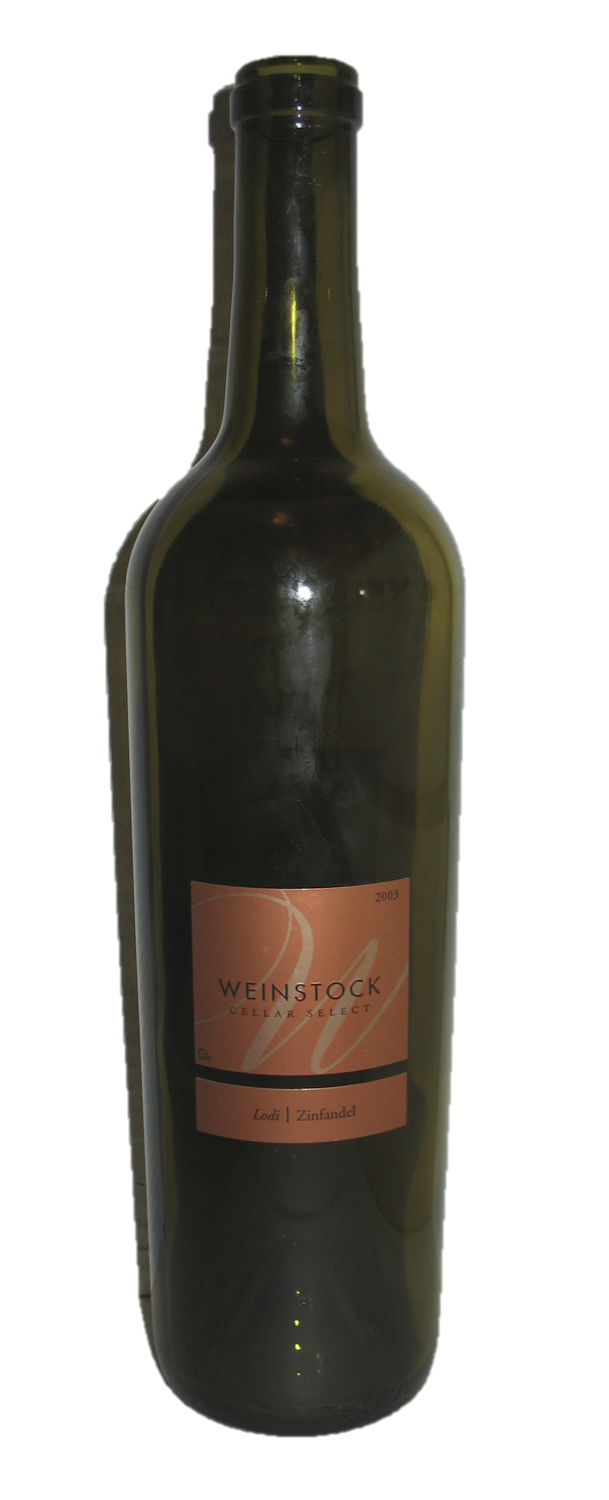 2003 Weinstock Cellars Zinfandel Kosher Lodi – USA, California, Central Valley, Lodi – Score: B++
The nose on this dark garnet to black colored wine starts first and foremost with wild berry smell that is overpowering, along with rich with oak, chocolate, black pepper, tobacco, blackberry, plum, and dirt. After the wild berries finally give way, the nose takes on a lovely complexion of espresso coffee, chocolate, roast meat, nice tannin, and dirt. The mouth on this medium bodied wine follows the nose at first totally over matched by the wild berry flavor, along with plum, blackberry, and red fruit. The mid palate is balanced with nice acid, oak, integrated tannin, and chocolate. The finish is spicy and long with chocolate, tobacco, black pepper, and wild berry. As the wild berry finally subsides the wine opens to more espresso coffee, tobacco, chocolate, black pepper, vanilla, and plum. The wild berry truly makes the wine feel unbalanced at times which is the shame. That said, I was truly shocked that this mevushal wine was even drinkable. The cork on the bottle was stuck, but this bottle was in no way corked or oxidized, which is impressive.
Vegetarian Chili, Roasted Chicken, and Weinstock White by “W”
This past weekend found searching for something we have not had in sometime. After searching the recesses of our minds for a dish that we liked in the past, we went with vegetarian chili from Mollie Katzen original vegetarian cookbook, which is getting harder and harder to find. We went with some honey, pepper, and lemon roasted chicken that we placed over a bed of frozen green beans and roasted for an hour. The chicken was extra moist and really nice and lemony, without it being too acidic, quite nice. If the chicken was good, the chili was crazy yummy. We started with the cookbook’s recipe, and modified it with sautéing some Crimini mushrooms, wine, and some extra canned tomatoes. The mushrooms added some lovely texture to the complex dish, and the tomatoes and wine added a depth of flavor that topped this dish off quite nicely.
As a wine to pair against these foods, I chose a white wine that I had not yet tried. It was a left over from the previous Mevushal Wine tasting, and it is an OK bottle for the price. The wine is the Weinstock White by W 2007. The bottle does not describe the fruit that as used to make the wine. After drinking it I was sure that it was a mixture of Chenin Blanc and Sauvignon Blanc (because of the sweetness and lychee/grapefruit/acidic core). However, after searching a bit on the web, I found it is a blend of Chardonnay and Chenin Blanc. The wine is a nice fruity, citrusy, and acidic wine, with its nose being one of its highlights. The mouth is nice but simple, with a bit too much acidity that throws the wine’s balance way off. This wine would be nice with sushi or a cold pasta salad.
Weinstock Cellars “White by W” 2007 – Score: B
The nose on this light straw colored wine is the wine’s true highlight, it starts with an attack of grapefruit, peach, lychee, citrus, and floral notes. The mouth on this over acidic and light bodied wine is sweet with a heavy acidic core, lychee, and lemon. The lemon and acidity carry till a medium long finish of more citrus and acidity. The acidity is mouth puckering and a flaw that makes the wine almost impossible to drink on its own.

 Wine Musings Blog