Blog Archives

Mamilla Hotel Winery and kosher Wine Bar in Jerusalem
 Though this wonderful establishment is not a winery, since it has winery in its name, I will count it as my 12th article on wineries in the Judean Hills.
Truly the simplest way to describe the Mamilla Hotel Winery is to call it for what it is; the only kosher wine bar in Israel! As sad as that sounds, at least there is one. There are many wonderful wine bars in Israel, with many wonderful kosher wines, but they are not exclusively kosher, unlike the Mamilla Hotel Winery.
I arrived early on my first trip to the wine bar. I like to do that so that I have the chance to take in the ambiance and since there were few patrons initially, it gave me the chance to talk with Hadas, the wine bartender. It turns out after talking with Hadas for sometime that she and her father are good friends or acquaintances of Alice Feiring, the Joan of Arc of all things natural and wine.
The wine bar has been open for some three years now, and the last two times I tried to go and enjoy some wine there the bar was closed. To be honest they do keep strange hours at this wine bar. The hours are:
| Sunday Through Thursday | 15:00 – 20:00 |
| Friday | 12:00 – 18:00 |
| Saturday | Closed |
 The wine bar is more a feeder for the larger bar and restaurant than a self-contained and sustainable system. It is a real shame as I found the selection and service at the wine bar to be top-notch.
The wine bar has some twenty or so seats and is just outside the famous mirror bar and a few steps from the elevator to the rooftop restaurant in the Mamilla hotel, on the mezzanine floor of the hotel. As you look around and take in the ultra modern, minimalist, and sleek style of the wine bar, you can feel yourself starting to relax and as you start to settle into the atmosphere, you find yourself instinctively yearning for a fine glass of wine. Well, mission accomplished Mamilla Winery! Read the rest of this entry

Recanati Winery and tasting
 The Recanati Winery was the realized life-long dream of Lenny (Leon) Recanati, a banker and true oenophile, who got his start in wine from his parents who made their own wine from their backyard vines. The winery’s stated goal from day one was to produce quality wines at reasonable prices – a truly noble mission statement which, as Recanati celebrates its first decade, it has accomplished beyond his wildest expectations. In addition to providing good value, Recanati is another winery from which you can buy any of their offerings and, while not every wine may be to your linking, you never have to worry about a bad wine.
“In order to go into the wine business, you have to have a passion for it. You have to have a love for it. Let’s say there are better businesses to go into, more profitable, more lucrative. Easier ways to make money,” said Recanati.
 “In other words, you go into it because you love it, not because it’s a business. It starts out as a hobby. When it makes money, it becomes a business.”
When Gil Shatsberg started making wine for Amphore Winery he tried to “take all the sunshine we have in Israel and push into the bottle and concentrate everything and shove it into the glass.” The wines were dense, heavy and high in alcohol.
“They were too big,” he explained. “I realized that when I couldn’t finish my own wine, that it was too heavy.”
Now he aims for wines that are more elegant with less alcohol.
“Wines with finesse that are tasty and fruity and you drink the vineyard and the sunshine in their elegance,” he said. Read the rest of this entry

Elvi Wine Winery Tasting
 Dr. Moises Cohen, owner and head wine maker of Elvi Wines, fell into his current love as part of his thesis defense of his other love – Agricultural Engineering, which he received from the Technion in Haifa. For the next 21 years Moises has used his degree and knowledge to build patented technology that allows vineyards to be remotely monitored on all aspects of the vine’s health and stress. Telemetry ranging from the vine’s overall health to how much water it has consumed and how much it still needs! It turns out that with some really cool technology a vine can tell you all the info you can ever imagine without damaging it in any way. The telemetry data allows the vineyard manager to control the water, fertilizer, and/or vineyard fans to cool or heat the vines.
 Moises and his wife, Anne who holds a degree in History of Art and is a Sommelier, has been consulting with wineries, all around the world, to manage their vines and to make wines. In 2003, Moises started Elvi Wines, while continuing to being a wine consultant for wineries across Spain and South America. The duality of seasons between the northern and southern hemispheres allows Moises to help each in their own wine harvest and growing seasons.
 Dr. Moises Cohen, the winemaker, is passionate about the terroir, and their winery’s name (Elvi) says it all; an abbreviation as Cohen explains it; EL (elokim or general rules or mother nature, just as you want, as you feel, as you believe) is always above VI (vino, wine). Wine is a mirror image of the vineyard and the wine maker. The more the wine maker manipulates the grapes and the wine, the more it feels and tastes fake. The more he/she lets the grapes and wine change and age naturally, the more the wine will be able to show its true terroir characteristics. All of the Elvi’s wines come from organically maintained vineyards! Further, the wines are brooding with earthy and mineral notes that show the terroir in ways that are quite enjoyable.

Four Gates Chardonnay and Four Gates Syrah
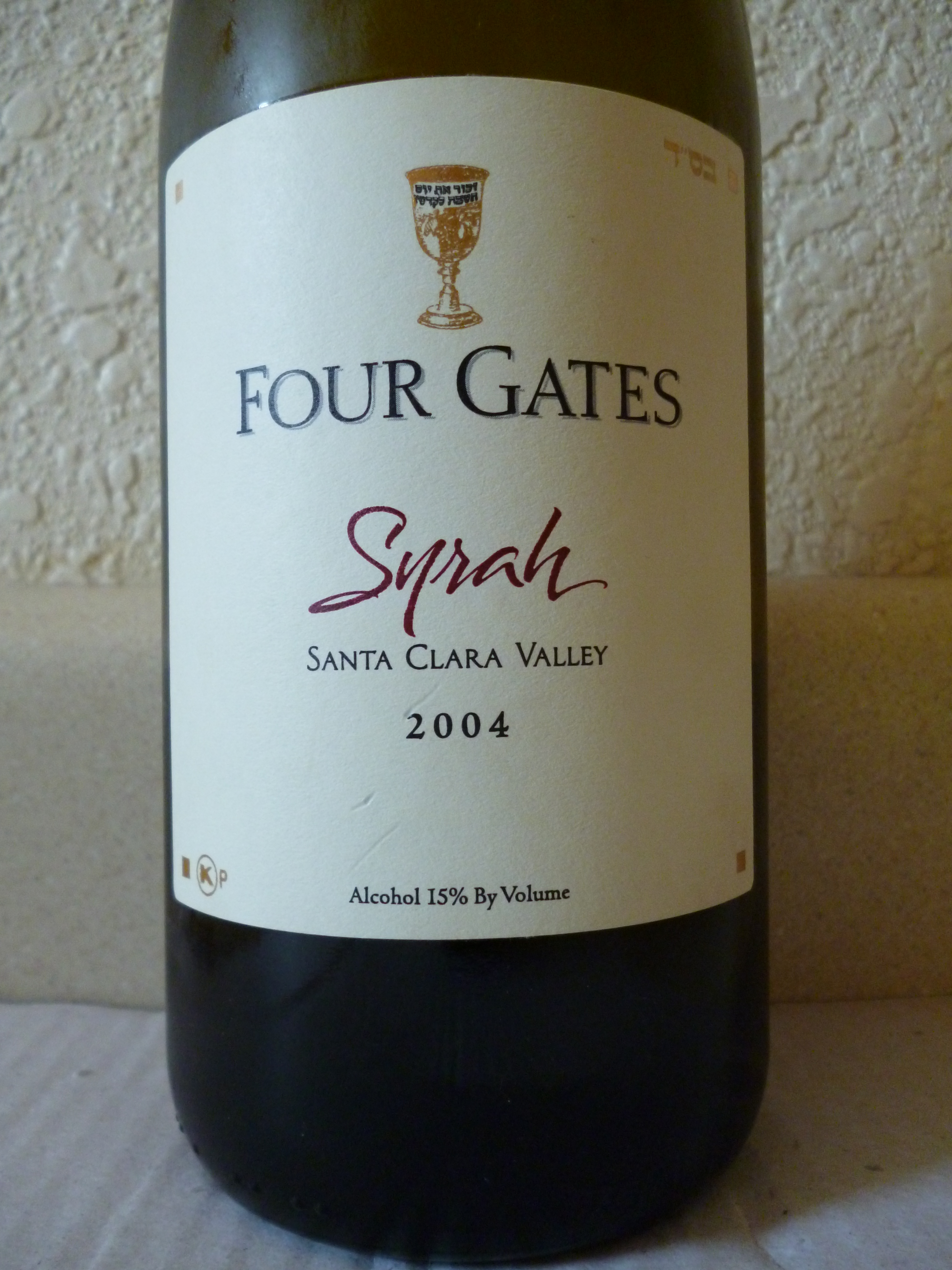 These past two weeks, since returning for Israel we have had the chance to enjoy some of the simpler things in life. In Israel, it was meat, meat, and more meat. Seriously, what else can you really enjoy, protein wise, on Passover other than meat? So, after all that carnivore activity we had no choice but to enjoy more of it! We had some of my wife’s classic slow roasted lemon and rosemary chicken. This past week we had some leftovers of whisky and brown sugar braised short ribs.
To pair with lemon rosemary roasted chicken I opened a bottle of the 2005 Four Gates Chardonnay, which was AWESOME! The wine started off very closed, but soon it turned around and made its way out of its oak and butterscotch haze to open into a tropical and summer fruit paradise. To pair with the braised sweet and sour short ribs we opened a bottle of the 2004 Four Gates Syrah. The last time we had the 2004 Four Gates Syrah, it was lovely but the weakest of the vertical. Today when we opened the wine it was fantastic! It was deep and rich with good extraction, crazy black and blue fruit, and lovely herbs and eucalyptus.
The wine notes follow below:
2005 Four Gates Chardonnay – Score: A-
 This wine started off way wrong, with almost zero fruit and huge amounts of wood, along with a large dollop of butterscotch. I jokingly called it a wooden butterscotch Popsicle. Well, thankfully I waited and sure enough the wine popped out of its funk to create nothing short of heaven. The wine nose is redolent with lovely butterscotch, melon, rich butter, peach, and apricot. The mouth is full bodied, rich, and layered with rich ripe summer fruit, lemon, floral hints, Asian pear, and mango, all wrapped in good acidity and toasty oak. The finish is super long with smoky notes, caramel, nice butterscotch, with a touch and finish of cut grass vanilla.
2004 Four Gates Syrah – Score: A- to A
The nose on this wine explodes with nice blueberry, blackberry, rich earth, eucalyptus, menthol, and blackcurrant. The mouth is extracted, concentrated, and layered with layers of black cherry, mint, blue and black fruit, nice oak influence, and crazy tannin that is still integrating. The finish is long and balanced with good acidity, lovely tobacco, chocolate, vanilla, and butterscotch. Over time the wine also shows black olives and hints of tar. This is a lovely wine that has another two years ahead of it and may well be at its peak, while probably not evolving much better than right now.

Kosher Syrah Tasting – Cool Weather vs. Warm Weather Syrahs
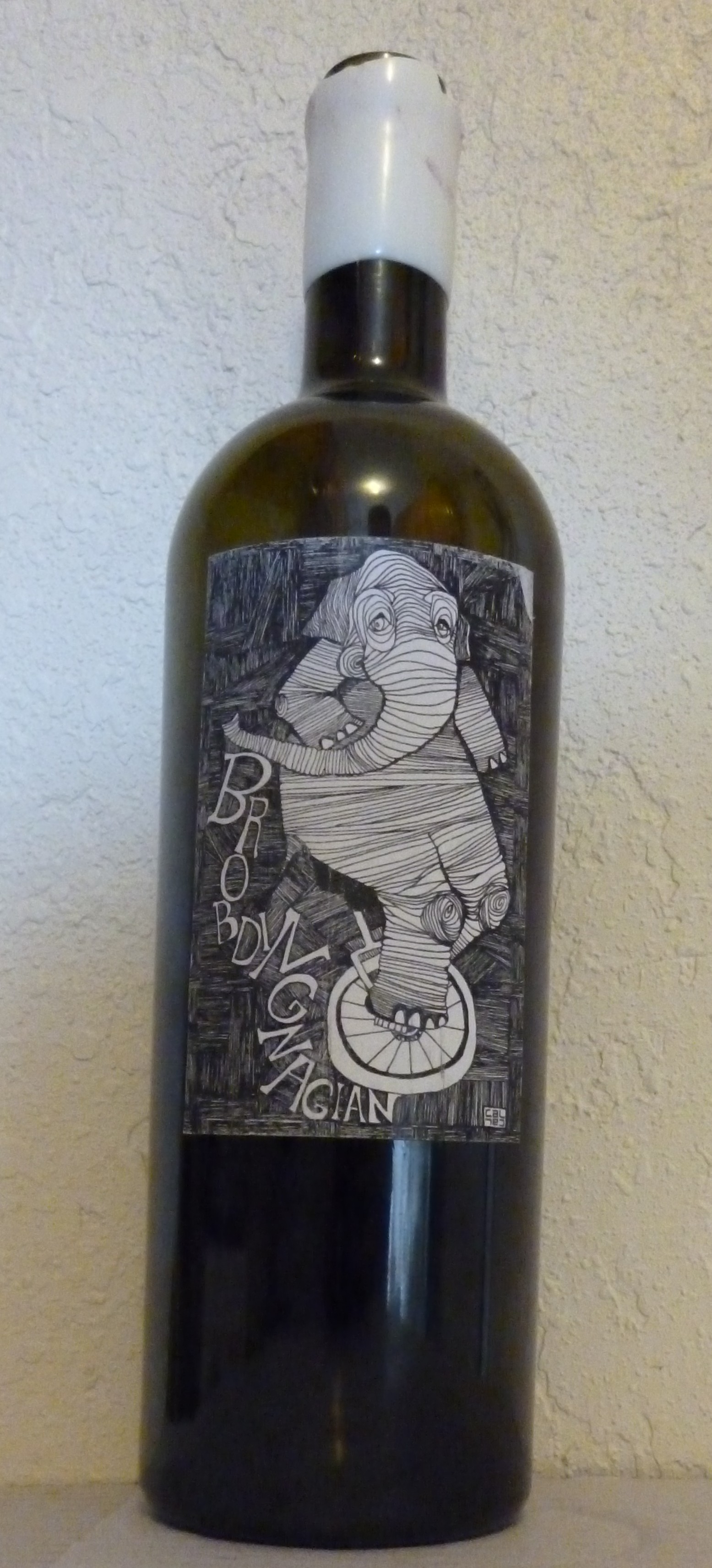 This past week I finally got the chance to put together the kosher Syrah tasting that I have been craving. I have been stockpiling Syrah for some time and now we finally had the chance to try them all at the same time. I have been at all of the kosher California wineries; Herzog Cellars, Four Gates Winery, Agua Dulce Winery, Shirah Winery, Covenant Winery and the Brobdingnagian Winery, and I have caught the bug of cool weather Syrah. This is not a myth; this is a real change in the manner of which the Syrah expresses itself.
The Syrah tasting consisted of a bunch of kosher California Syrah, along with one from Australia and Israel in the following order. The 2009 Harkham Aziza Shiraz, Preservative Free (not tasting as great as when I had it in Sydney), 2009 Shirah Power to the People, 2003 Four Gates Syrah, 2008 Syraph Syrah/Grenache, 2007 Brobdingnagian Syrah, and the 2004 Yarden Ortal Syrah. The first five are cool weather Syrah, while the Yarden Ortal is an 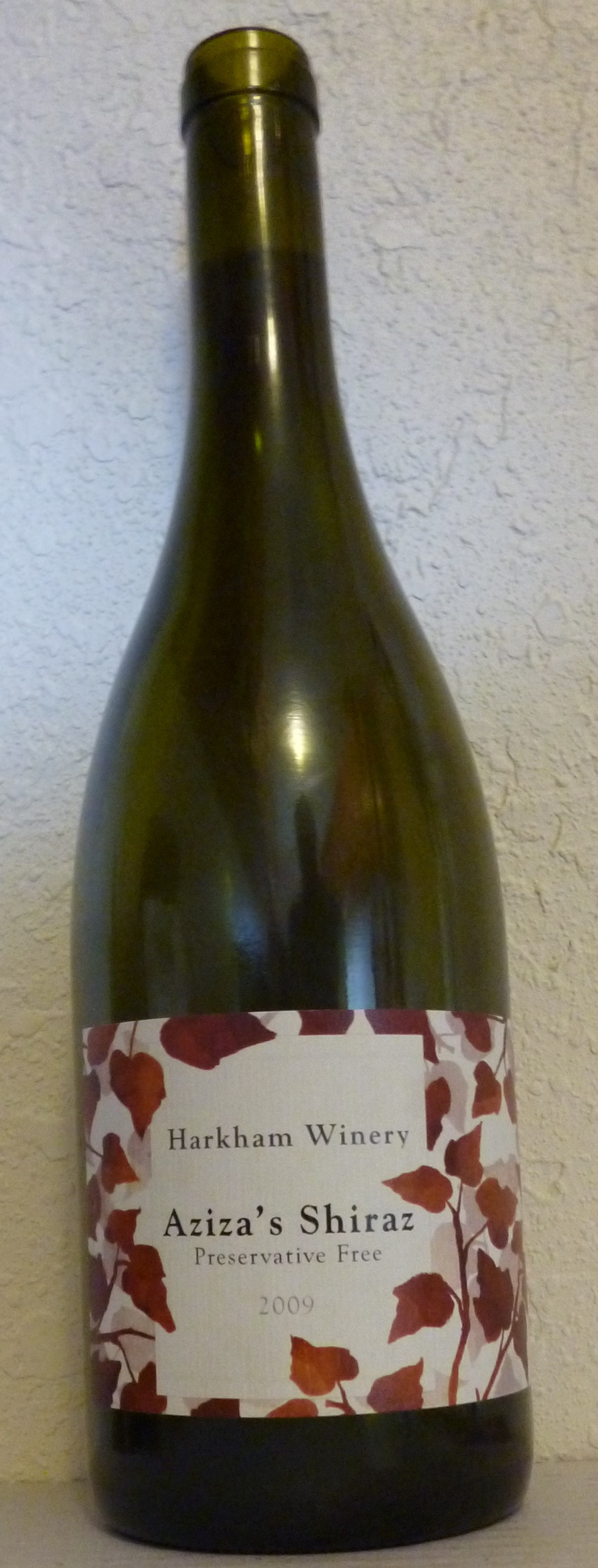 example of hot weather Syrah. The 2007 Brobdingnagian was Jonathan Hajdu’s inaugural release and since than he has gone on to become the associate winemaker at Covenant Winery, while also making more of his Brob wine. The 2008 Syraph was essentially the first release by the Weiss Brothers, though they did make a smaller batch of wine in 2005 as well. The story of Jonathan and the Weiss brothers can be found in a lovely written article by Gamliel Kronemer here.
In cool weather climates, the Syrah grape is very happy to show expressions of smoked meat, black pepper, tobacco, and leather around their core of blue-black fruit. They also have nice acidity, which helps to brighten the mouth and balance out the wine’s palate. The clear note here is that the grape expresses blueberry and watermelon in ways that will astound you. The bright sweet blueberry along with rich black fruit make for a wine that is unique and truly flavorful. The blue fruit may not always appear at first, but a trademark of the cooler climates, in Australian and California, was that they all exhibited rich blueberry fruit intertwined with some lovely black and sometimes watermelon along with spice. In warm climate regions, characteristic Syrah flavors tend toward dark fruits, cherry, white pepper and earthy notes, though leather and tar are sure to also make a guest appearance.

Four Gates Winery – a terroir driven kosher winery in the Santa Cruz Mountains
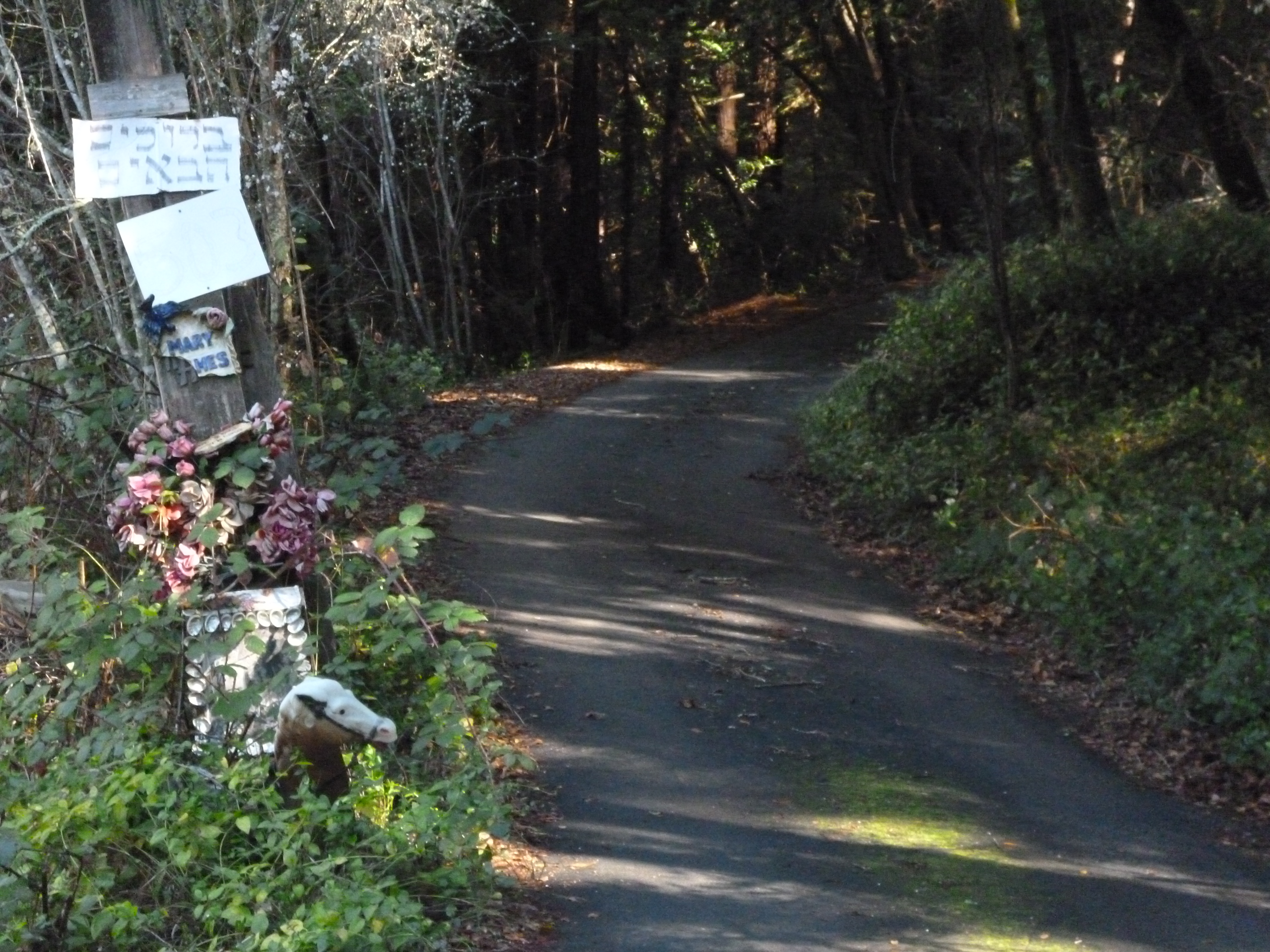
Four Gates Winery welcome sign and road up
I must start this posting by saying, I could not believe that I have waited this long to write an update to my previous postings on the Four Gates Winery. I did post about the time I crashed the Alice Feiring visit to Four Gates, which is almost fully documented in the last chapter of her new book: Naked Wine, more on that when I do my write up on the book. I also posted many wine notes along the way. Still the last real post I did on my friend’s winery is almost 4 years ago! Are you kidding me?
Once again, I was driving up this time to see Benyamin Cantz, the winemaker, vineyard manager, and Numero Uno of Four Gates Winery, in the rolling hills of the Santa Cruz Mountains AVA. It was a beautiful winter day in February 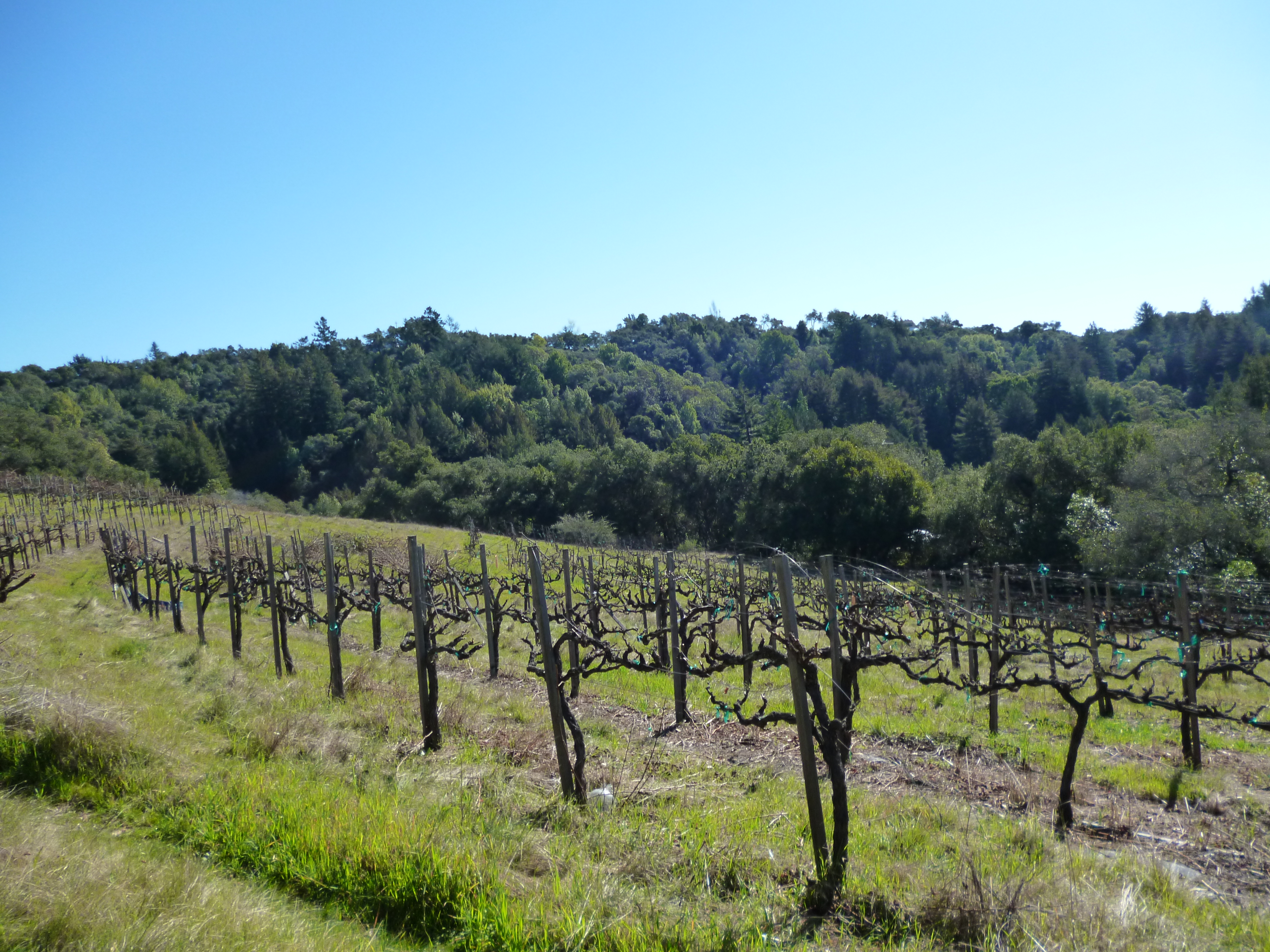 that felt like a spring day in Northern California, another lovely reason to live in NorCal. The drive to the winery winds through the twisting roads that crest and wrap around the Santa Cruz Mountains. By the time you arrive at the address of the winery, you will notice a Bruchim Habaim (translated loosely to mean blessed be those who are arriving) sign to the left and a driveway in front of you. As you look at the driveway that will take you to the top of the hill upon which the winery is perched, the thoughts of stairway to heaven cannot help but play in your head! The drive up the hill to the winery used to be a dirt road long ago, and with all the switchbacks and near vertical climbs, it dumbfounds me how Binyamin (and many others who lived on the hilltop) ever drove up and down that mountainside many times a day. Since then, the road has been paved and now by comparison, it feels like a highway. Once you have circumnavigated the circuitous drive to the top, the vineyard will be visible flanking the driveway from both the right and the left. The larger block of vines is on the right, but the Pinot and part of the Chardonnay are on the left. Read the rest of this entry

Tzora Winery – the founding terroir estate of the Judean Hills
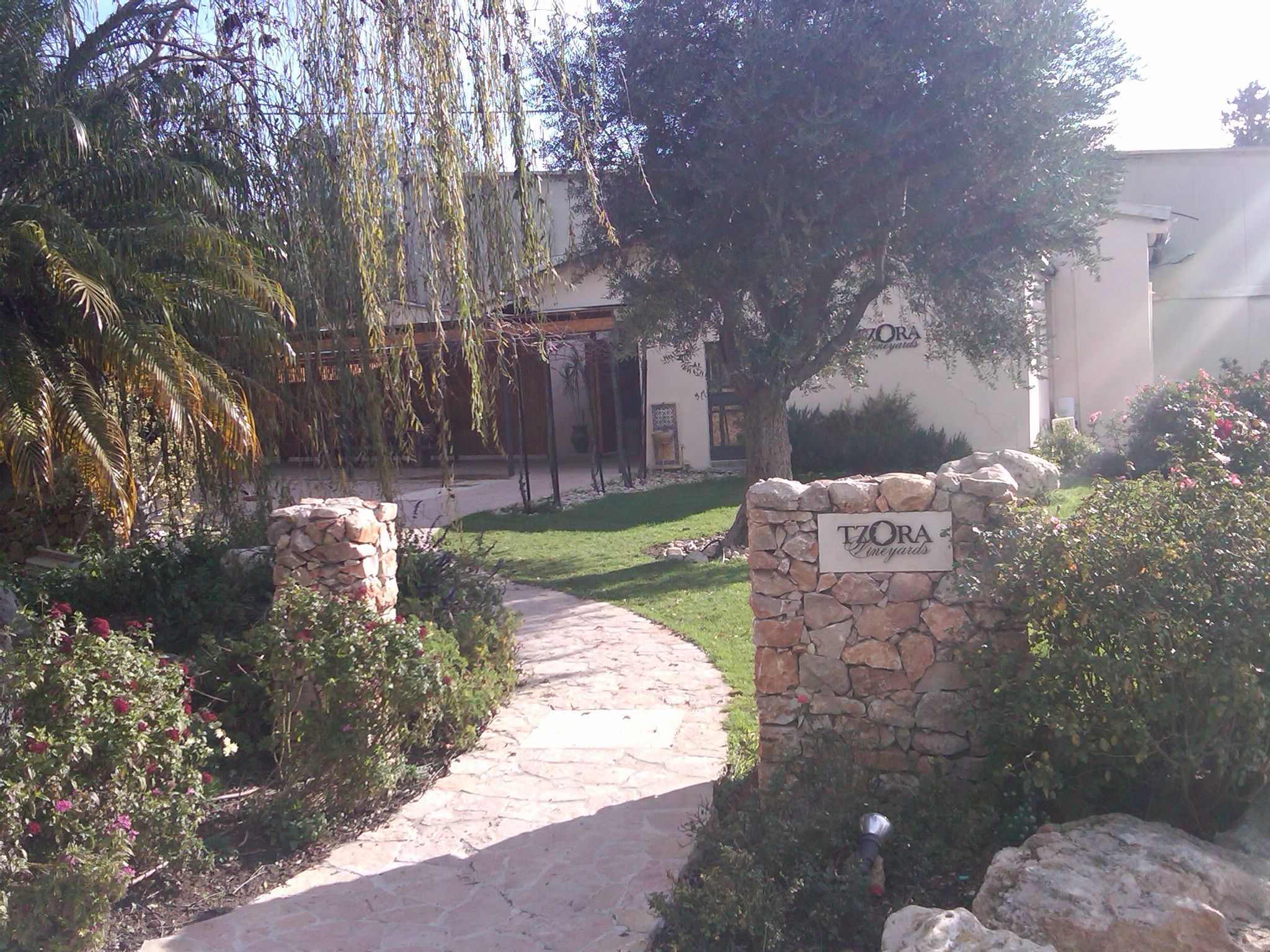 Say the word terroir and most folk’s thoughts would consciously, or maybe sub-consciously jump to France, heck the word is French after all. Still, ask what does it mean, and now we are off the races. Why? Because other than its literal translation; land or sense of place, there is no real translation for terroir. I think that is fitting in a way, as the word has really just started its long and obviously complicated journey. According to the incomparable Harold McGee and Daniel Patterson, it all started in the 17th century, when used to describe a wine, in a non-complementary way. My! Fast forward to 1831, when it was first used as a compliment! From there, it has evolved over and over, like clay, or silt, or maybe rocks, in the hand of a potter, changing and evolving to meet the needs of place and/or time.
 While researching this article I spent a good few hours, heck days, searching the real meaning of the word terroir. I almost felt like Indiana Jones on the search for the Ark of the Covenant. No matter how hard I searched, no matter the words I typed into the oracle of the web, all I got were old and stale answers. Finally, I fell upon the father of wine tasting, Eric Asimov’s, blog posting on the fore mentioned article, and I screamed Eureka (yeah my wife was not impressed)! On an aside, Harold McGee is my generation’s original scientific foodie, his books are the bible to many of our nowadays chef demi-gods gastronomical feats. It comes as no shock to me that he would be my knight in shining armor, remember wine may well be romantic in verse and scripture, but it is a chemical at its most base, in other words, dead center in Mr. McGee’s wheelhouse!
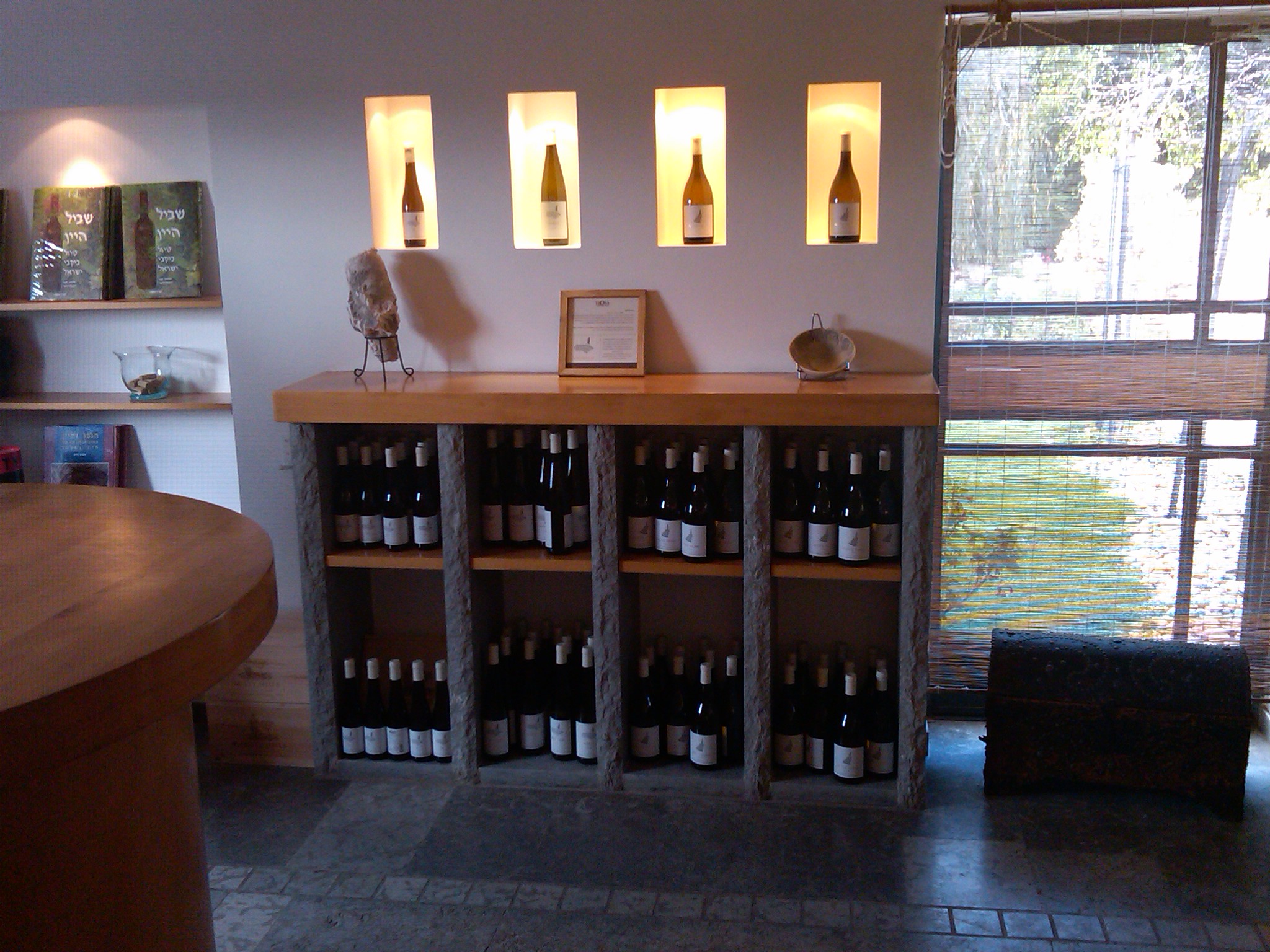 So, after reading more and more on this subject, it became even clearer to me, that the word may well be derived from the Latin meaning “earth”, but that is just the beginning of its true essence. Flash forward to a lovely early spring day in the Judean Hills, where my friend and I walk into the newly appointed Tzora Winery, sited on Kibbutz Tzora, and surrounded by sumptuous foliage and landscaping. Tzora Winery is the handiwork of one of Israel’s original and unique winemakers, who truly understood terroir, and saw Israel’s and the Judean Hill’s potential to become a world class wine region. In 1978, there was no Yarden winery, there was just a single Carmel Cabernet success, and Israel was just in its infancy, in terms of wine making, but to the visionary viticulturist Ronnie James, it was a path as clear as day. Mr. James was the Messiah to your average vintner. In his 30 years of service to the vine, Mr. James, will always remain the pioneer, not only at Tzora but also on the Israeli wine scene. Among Mr. James contributions were his enormous respect and passion for terroir and his insistence that his wines reflect that passion. James, known as “Dr. Terroir,” was the first to make wine from his own grapes and the first to introduce the vineyard name on a label. He recognized that the character of a wine comes from the site rather than the grape. Read the rest of this entry

Sukkot 2011 – first days…
This past Sukkot we hung out with family and enjoyed a bunch of great wine and food. It was a potluck of sorts, each one of us bringing some food, and it was a grand ball. Sukkot is one of those truly happy times of the year, all the heavy and deep inner inspection is over and now you get a chance to let loose of all of your pent up concern and angst. In its place you find joy and contentment from your efforts over the past 6 weeks, a time truly made to be shared with friends and family.
For our part, we brought the second chunk of meat that we cooked for Rosh Hashanah (and froze immediately after the holiday) and some lovely brisket. We also brought a BUNCH of wine! Hey it is a let loose holiday – right? I was in such a rush to get the wines that I went to my local wine shop and all they had were Galil and Yarden wines – so we brought Galil and Yarden wines. Many turned out really nice, and others were OK, but they were all enjoyable. In case it is not obvious, Yarden and Galil Wines source their grapes from the Galilee. This tasting was a true Israel Galilee tasting. We also went through some 6 bottles of Sara Bee Muscat. Galil is one of the top QPR (Quality to Price Ratio) wineries in the kosher market. Yarden is an OK QPR winery, especially in their basic line, but some of their upper echelon wines are so out of reach that they lose a bit of the QPR luster.
So, here are all my wine notes – enjoy and remember, wine is not just about the flavors, it is also about the happiness and memories you get to keep when you enjoy them with friends and family.
The wine notes follow below:
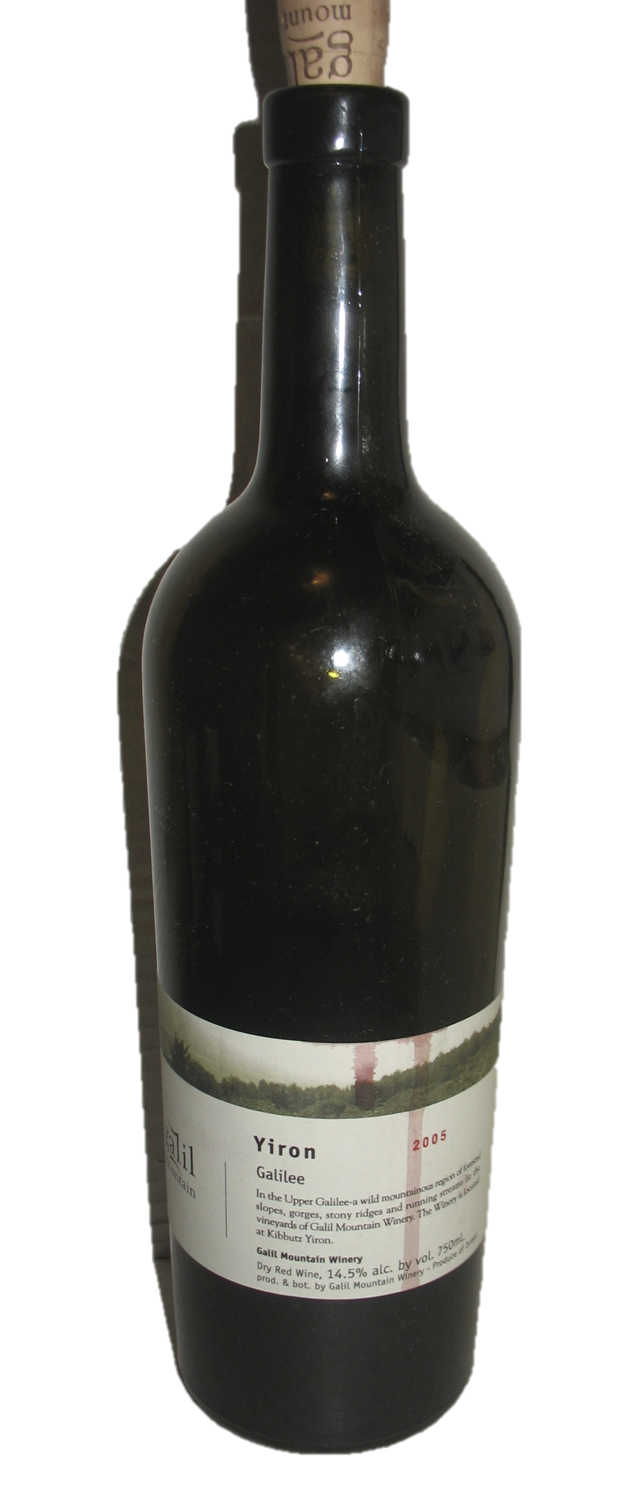 2005 Galil Mountain Winery Yiron – (Israel, Galilee) – Score: A-
This is a seriously lovely and opulent and redolent wine that is initially hot out of the bottle, but quickly shakes off the alcohol coat and shows super rich and ripe black plum, toasty cedar, black cherry, blackberry, vanilla, tobacco, chocolate, and herbs. The mouth on this rich and concentrated black colored wine is screaming with what initially feels like searing tannins, but then quickly your mind gives way to the true source – toasty cedar, blackberry, black cherry, and super ripe plum, all wrapped up is a velvety package that cuts through almost anything you throw at it. The mid palate is packed with black cherry, cedar, chocolate, tobacco, and nice integrated tannin. The finish is super long and very spicy with rich plum, toasty cedar, blackberry, chocolate, tobacco, black cherry, and a nice dollop of vanilla. The black cherry, vanilla, tobacco, chocolate, blackberry, and herbs linger.
2006 Yarden Syrah – (Israel, Galilee, Golan Heights) – Score: A-
The nose on this purple to black colored wine is not a classic syrah, excepting for the roasted meat, along with blackberry, ripe cassis, chocolate, plum, raspberry, cherry, and oak. This wine starts off super hot and need a good hour to open up and blow off its coat of alcohol. I must admit that I enjoyed this with friends in a house that was being used as a barbeque pit, as the outside was too wet, still, the nose showed well with the black and red fruit, along with the oak and chocolate. The mouth on this rich and muscular black wine was opulent and powerful with more blackberry, inky black, ripe and rich cassis, and plum, and tannins that are still finding their way around the house, but are slowly learning the premises. The sinews rippling on this bad boy easily handled the char broiled meats that were superb! The mid palate was balanced with acid, chocolate, nice oak, still tight tannins, and more inky black. The finish is super long and crazy spicy with a hint of leather, chocolate, blackberry, ripe plum, and more inky black density. Read the rest of this entry

Beef Bourguignon made from eye chuck roast and a plethora of Syrah wines
Well after a long hiatus I have finally been able to grab some time for myself and this blog. I have of course been writing wine notes (at cellartracker), just have had no time to get them placed here. So, I rewind us to July 29th, when we had the true joy of many of our friends sharing a meal around our table. The meal started with a lovely bottle of Four Gates Pinot, which was filled with classic CCC (Chicka Cherry Cola) and lovely bramble. The wine was lovely for the first course, which consisted of smoked salmon, spicy hummus and dips.
For the main course we made Beef Bourguignon made from eye chuck roast. I must say that this was the first time we used chuck eye roast, a more expensive cut of the chuck, but it was well worth it. The meat was well marbled, which allowed the meat to stay moist after being cooked for so many hours. I used this recipe, from Daniel Rogov’s culinary site.
Unfortunately, the recipe calls for some fatty goose to be the fat flavor booster (as pork is not kosher), but we had none of that. So, we went with some cubed sausages instead. The main trick is really to allow this dish to happen very slowly. The more time you give the ingredients to marinate, cook, and or cool the better the flavors will come together. The meat was awesome as was the dish, as we had almost no leftovers. The only thing we messed up, was not to remove more of the fat, which we will do next time.
The amount of time it takes to brown 4 pounds of cubed beef is crazy long, and that is why this is one of the easier yet long preparation dishes that we make. We paired the Beef Bourguignon with brown basmati rice, a lovely fresh green salad and some roasted green beans.
The wines we poured that matched this dish were three syrahs that I have been dying to try. The first was the 2008 Syraph One | Two Punch, which we tasted twice back in 2010. This wine did not disappoint us in any way. The wine is still kicking just fine and still has the insanely unique flavor of chocolate mocha covered espresso beans is quite fun and went very well with this hearty dish. That was followed by the 2007 Tishbi Organic Shiraz which was not tasting nearly as well as it did some 5 months ago when we tasted it in the winery. I brought this bottle back myself, and it was a slight disappointment. The nose was crazy good but the mouth was weak and not there. Finally, we had a bottle of the 2004 Yiron Syrah, which is going nowhere anytime soon. This wine is still a massive powerhouse and has at least a few more tannic years under its belt.
The meal was a hit as were most of the wines served. There were a few experimental and barrel wines served, but those notes are not listed here. The wine notes follow below:
 2007 Tishbi Organic Sirah: (Israel, Galilee, Golan Heights) – Score: B++
The nose on this purple colored wine is clearly its strongest suite, it is clean, rich cedar, exploding with plum, strawberry, raspberry, black berries, roasted meat, tobacco, chocolate, a hint of tar, and vanilla. The nose is rich and full, and sadly its best feature. The mouth on this medium bodied wine does follow the nose, but has a blatant flaw,; that being is clear lack of balance. The mouth is mouth coating with nicely integrated tannin, raspberry, black plum, black berries, chocolate, and fig. The mid palate is unbalanced with what can only be called strawberry zest, black pepper, dirt, tar, and tobacco. The finish is nice and long with integrated tannin, dirt, black pepper, black plum, chocolate, rich cedar, tobacco, roasted meat, and vanilla. Cedar, tobacco, chocolate, vanilla, and plum linger long. This wine is DRINK NOW mode, please do not wait any longer.
 2008 Syraph One | Two Punch 50% Grenache & 50% Syrah – (USA, San Luis Obispo Counties) – Score: A-
The nose on this purple-black colored wine is truly unique and very hard to pin down. Sometimes it smells like coffee and sometimes it smells like chocolate. I think it is actually a blend or maybe a mocha espresso, along with ripe blackberry, blueberry, plum, vanilla, smoky, oak, along with crushed herbs. The mouth on this medium bodied wine is layered and concentrated with blackberry, blueberry, vanilla, mocha espresso, nice tannin, and plum. The mid palate spikes with acid, oak, and vanilla. The finish is super long and spicy with chocolate, vanilla, black fruit, tannin, oak, and herbs. Quite a unique and fun wine. This wine has calmed a bit since last year, but the tannins are still not fully integrated.
 2004 Galil Mountain Winery Syrah Yiron Kosher – (Israel, Galilee) – Score: A- to A
To start I opened this bottle because I was told it was drink now time, personally, this beast is going nowhere fast in my opinion. The nose on this purple to black colored wine is exploding with rich and concentrated aromas, rich cedar, baking chocolate, leafy tobacco, hints of tar, heaps of black pepper, smoky notes, coffee, raspberry, blackberry, cassis, plum, crushed herbs, and eucalyptus. The mouth on this super rich and concentrated wine hits you in layers upon layers of still not integrated tannin, licorice, black pepper, blackberry, plum, chocolate, and cedar. The mid palate is balanced with sweet cedar, nice acidity, more nice tannin, tobacco, and chocolate. The finish is super long and spicy with crazy rich cedar, blackberry, crushed herbs, plum, tobacco, chocolate, figs, a hint of tar, with a dollop of vanilla. Black pepper, crushed herbs, chocolate, tobacco, plum, and vanilla linger super long. This wine is in no hurray to be drunk, but is lovely now.

 Wine Musings Blog