Blog Archives

OTBN (Open That Bottle Night) 2015 – wine galore and kosher Beef Bourguignon, what a party it was!
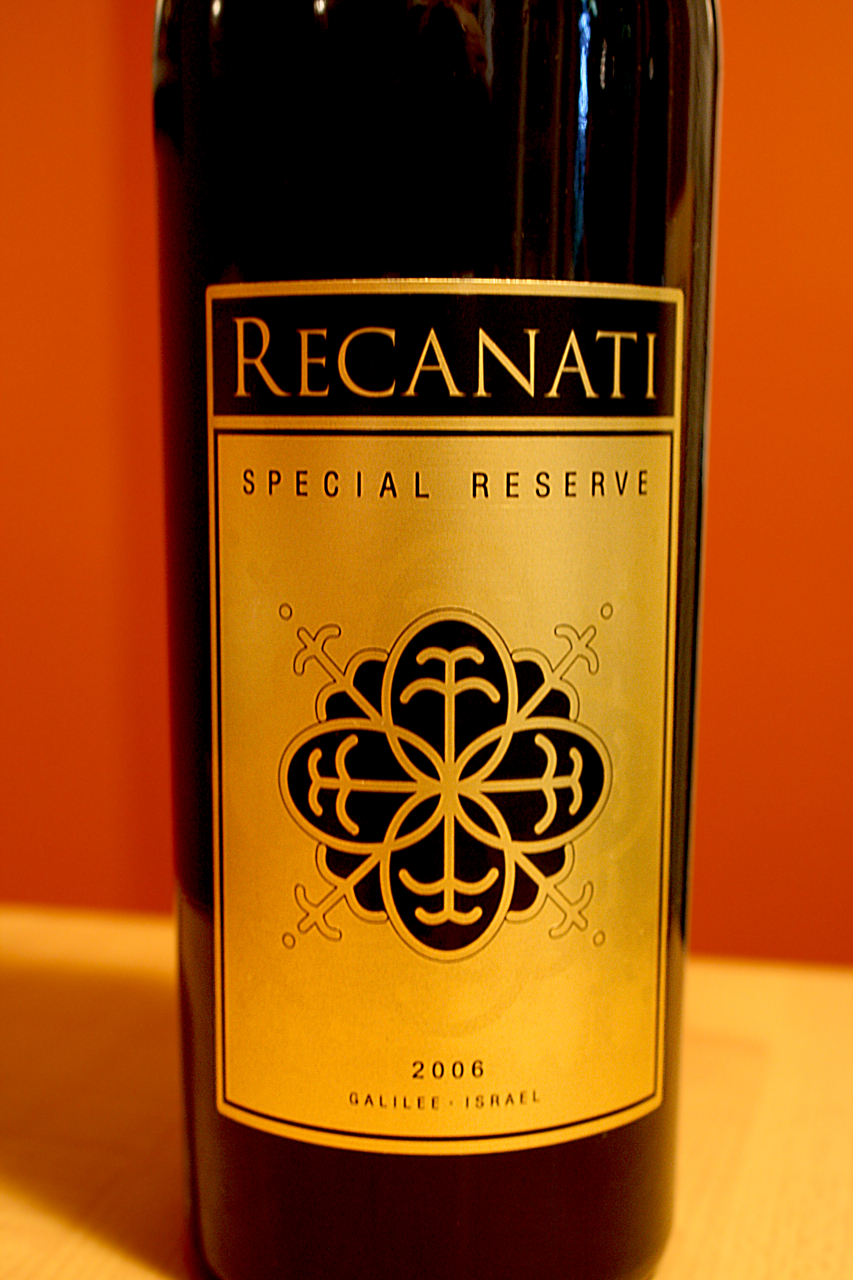 This past weekend was the 16th anniversary of OTBN (Open That Bottle Night), and what a party we had. I originally posted that we would get to the nine bottles of wine, well we did but not those nine! Benyo brought over a bottle of the famous 2003 Syrah and a friend brought over a bottle of his own concoction, and so the Ella Valley and Katrzin will have to wait for another week.
Kiddish was made over my friend’s Quail Hill Cabernet Franc, which was super smooth and fruity. After that we had some awesome whole wheat Challah, that my wife makes, and then on to some very nice olive and bean soup. The soup never ceases to amaze me, I love how the kalamata olives dominate the flavor profile, while the beans add the heft and body to the dish, really fun.
Wine wise, things started off with a bang! The 2006 RSR was my last bottle – but this wine has another two to three years left in the tank easily! WOW! What a great wine that is. The layers are rich, dense, almost fleshy with rich mineral and earth – truly extraordinary! The 07 Yatir Shiraz was nice, but it really showed its colors the next day. The Netofa Latour red, was insane, a lovely black and blue wine – so old world in style that it was shocking that it was made in Israel.
At this point we brought out the Beef Bourguignon, which if you follow the official recipe is not very kosher at all 🙂 Now, to be fair, the original video of the recipe did not call for bacon at all, instead she browned the meat in olive oil, in the video above. Still, the book has the bacon and so it has become the “law”. Since, our Jewish law does not allow for either bacon or the butter (no milk and meat), I was stuck with modifying the recipe to my liking. Instead of bacon I used Meal-mart Beef Fry and instead of butter and flour to thicken, I used chicken fat and flour. In the end, it was definitely not the fat free or healthy diet food of the 20th century, but we did serve a lot of wine with it – so if the 60 minutes episode about the French Paradox has any truth, we will all be alive to write about it! Read the rest of this entry

Ella Valley Syrah and Yarden Cabernet Sauvignon- oldies but goodies
 This past week we were enjoying some steak for shabbos, so I reached for for two wines that I thought would go well with a hunk of meat. I have been talking a bit about the state of israeli wines and their over ripe wine drunken stupor. Yes, I have clearly moved from the sweet, bold, 2×4 wines of old, but the good news is that there are wines from before 2009 that continue to age well and show well.
So, it was time to see how the 2006 Yarden Cabernet Sauvignon was showing. I also wanted to see where the 2010 Herzog Petite Sirah, Prince Vineyard. Last week, the Herzog PS2 was DOA. I stated there that PS is one of those finicky wines, they can be big, burly, and in your face one day and DEAD the next. We have spoken about Durif before, yes the official name of Petite Sirah. Petite Sirah is a moniker/marketing scheme name that was used in the US, as Durif made no sense, and also because some thought it was related to the Syrah grape, at least until UC Davis disproved that. We have had two vertical tastings of PS, here and here, and each time we find it not an overly complex wine, but one that is very enjoyable. With the release of Recanati’s PS and Hajdu’s PS, along with Ella Valley as well, I have found that you can find complex in the world of PS.
The grape was always a blending grape adding mad tannin, color, and mineral (in some cases) to a blend. However, it is a soft and accessible wine if created for the mass market, like Dalton and other do. Still, I would not hold on to these wines for too long, even the complex one, because you are just asking for trouble. They tend to fall off the cliff very quickly, depending on the grape quality, vintage, and length of time held. That said, after 5 to 6 years for the top line wines, at least the kosher ones, I would drink them up.
The 2006 Cabernet Sauvignon from Yarden was sweet, that is undeniable, but its complexity, structure, and overall balance made for a wine that was truly enjoyable. The Ella Valley Syrah were beyond enjoyable! Not a sense of sweet notes at all, the 2007 even had barnyard on it. Sure, it was breaking down, but it was luscious and rich, while the 2006 was beautiful, extracted, blue and black and crazy earth. If you have either – drink NOW! Enjoy! The wines this week were all winners – I hope you enjoyed great wines as well.


The wine notes follow below:
2007 Ella Valley Syrah – Score: A-
This wine is at peak so drink NOW! The nose on this dark purple colored wine has ZERO bricking – but has brown halos, with rich tar, licorice, spice, sweet wood, and roasted herb. The mouth on this full bodied wine is massive, rich, concentrated, and richly extracted, showing lovely blackberry, plum, dark tart cherry, along with crazy roasted herb, sweet cedar, and lovely tannin that are well integrated. The finish is long and spicy, with leather, hints of barnyard, black pepper, citrus pith, and tart black fruit on the long linger. This wine was ready to go out of the bottle and what a joy! Bravo to Doron!
2006 Ella Valley Syrah – Score: A- (and more)
The nose on this garnet colored wine is rich with crazy roasted animal, tar, mad charcoal, blueberry, and lovely just smoked dark chocolate. The full bodied wine is rich, layered, and extracted with lovely mouth coating tannins that are still gripping, along with anise, blackberry, mint, and with crazy earth, literally like eating a fist full of dirt, and dark cherry that carries the mouth, with layers of Mediterranean herbs and sweet spices. The finish is long and charcoal and chocolate, with mounds of dirt, great acid, licorice, and mad spice. What a joy! This wine is at peak and has at least another year or two in its tank – BRAVO DORON!!!!!
2006 Yarden Cabernet Sauvignon – Score: A-
This wine is not going to sneak up on you – it is more like a combination of a sledge hammer and a two-by-four hitting you right between your eyes. The nose on this massive, complex styled wine explodes with super ripe blackberry, raspberry, chocolate, herbs, rich oak, licorice, plum, tobacco, and sweet cedar. The mouth on this massive full bodied wine is now showing softly integrating tannins that give the wine a super lovely mouth feel, along with clear sweet fruit, ripe sweet black plum, but tart fruit as well that balances out the date notes. The dates give way to sweet cedar and good acid. The finish is super long and spicy, with nice spice, cassis, date, oak, chocolate, tobacco, and still gripping tannins.
2010 Herzog Petite Sirah Prince Vineyard – Score: A-
The wine is at its peak and is really ready to drink. It still needs a bit of air, but I do not see this wine lasting for another year in this state. The nose started off nicely with good floral and violet notes, along with blueberry ribbons, smoky aromas, mint, green notes of bell pepper. The mouth is medium in body with layers of concentrated strawberry notes, dark cherry, and spiced plum, all wrapped up in a cedar box with lovely mouth coating tannin and anise. The finish is long with smokey notes, vanilla, white pepper, oriental spice, licorice, and mineral. The wine was in slumber before, but now it is ready to go. Air it for an hour an enjoy.
My top 25 kosher wines of 2014
Well, 2014 has come and gone and my top wines of the past year were too many to limit to 10. Now these wines comprise a list of wines I enjoyed over the year. Some were released in 2014 and many were released a long time ago. Either way these are wines that made an impression upon me and that is the only characteristic that I used to define this list.
Some of these wines may not score a solid A, but they deserve to be here because of their trail blazing characteristics Take for instance – the 2012 Recanati Marselan. It is the only kosher Marselan and it is very good. The 2013 Yarden Sauvignon Blanc, one of the best whites to come out of Israel along with the 2012 Tzora Shoresh White, a wine that I believe is better than the 2013 Shoresh white, were both on my list last year, so they are not on it this year. The 2013 Tzora Shoresh is on this year’s list and if you have not gotten any – you are making a huge mistake. I had both in 2014, and even though I liked the 2012 a bit more, the 2013 is an epic white wine, in its own right. The best rose, hands down, was the 2013 Hajdu Pinot Gris rose. It is tied for best ever kosher rose with the 2012 Shirah rose, but that was already enjoyed in 2013. The next white wine was the epic 2013 Dalton Viognier, a wine that is worthy, once again, of the Dalton reserve label. It beats the 2012 hands down, and reclaims the title as the best kosher Viognier that is available in the US or Israel. There may be a French Viognier that is available there, but I do not know of them. The final non red wine was the 1996 Four Gates Chardonnay, which while never released officially, it was an awesome wine indeed! I tasted while tasting an entire vertical of all of Benyamin’s Chardonnay wines and this was the best of the bunch. Many others were solid A- and maybe a bit more wines, but the 1996 was a A- to A wine that was truly epic.
The rest of the wines are red, and there are many special wines there including the fantastic 2012 Recanati wild Carignan and Syrah/Viognier wines. BRAVO! There were many more French wines, but they will have to fall till next year, when I get a chance to sit down and enjoy them over a long meal. The 2012 Chateau Giscours, the 2012 Pavillon de Leoville Poyferré, and the 2012 Roches de Yon Figeac are lovely wines and may well get on the list next year. In the end, California, France, and Spain continue to be my sweet spot. There are a few exceptional wines from Israel, like the epic and insane 2000 Yarden Katzrin and others. Along with current releases from Tzora Winery, Recanati Winery, and Yatir Winery. In the end, Israel will improve by having 2009, 2010, and 2011 in their rear view mirror, all the while enjoying the new 2012, 2013, and from what I hear 2014 vintages.
The wine notes follow below:
Wines of Spain
2012 Capcanes Peraj Habib (Crazy QPR) – Score: A- to A
Before I talk about this epic wine, I must sadly say that one of the wines that was on my list last year – the 2012 Capcanes Carignan – never made it into its own bottle. Sadly, it was not deemed worthy of a leading role. Thankfully, it found its place here, in this fantastic 2012 Peraj Habib! The wine blend for 2012 is not far off from 2011, consisting of 40% Grenache, 30% Carignan, and 30% Cabernet Sauvignon, sourced from very old vines.
The nose on this dark and impenetrable purple colored wine is redolent with roasted animal, intense black fruit, and mounds of dirt and mineral. The mouth on this full bodied wine hits you with an intensely inky structure, filled with layers of of rich concentrated fruit, ripe freshly squeezed black berries, cassis, plum, along with tart fruit, spice, and mouth coating tannins that may well make some people think that this is the best Capcanes Peraj Habib ever made. The finish is long and purely mineral based to start, like sucking on a salt and graphite stick, as it recedes, you sense the incredible balancing acid, which is then immediately replaced with richly roasted coffee, sweet and herbal spices, more black fruit, a sense of animal fats, leather, hints of tobacco, and finally followed by bitter notes on the long finish. BRAVO!!!! Read the rest of this entry
More kosher Rhone varietals over Shavuot and afterwards
Over the Holiday of Shavuot, and weeks that followed, I have been continuing my love for all things Rhone, meaning Syrah, Grenache, Mourvedre, and things like Petite Sirah and others. Over Shavuot we had one half of the Weiss Brothers with us, and it was a great time to break out my last bottle 2007 Brobdingnagian Grenache! We had a few other bottles as well, of course, but that was the winner of the night for sure.
Many of the wines we have had over the past few weeks are still available now, while some are those MUST keep wines that I hope you all start to build from great 2009/2010/2012 wines (yeah 2011 was a tough one).
Over Shavuot we served rib eye and some brisket, and it went so well with the sweet Syrah and bold wines that we enjoyed. I hope you all enjoyed the Shavuot time with wine, learning, and friends!
Over the following weeks after that we opened Summer wines, many were rose and white, which I will post separately, and many were perfect BBQ wines, like the 2011 Chabad Cuvee Zinfandel. Along with the 2011 Netofa Red made of 60% Syrah and 40% Mourvedre. We truly enjoyed the 2012 Landsman Syrah, which is good news, as some of the other Landsman have been OK but not as good as this one.
We also enjoyed a few lovely Israeli blend wines, with a mixture of Cabernet, Syrah, and other varietals. Like the 2009 Kitron Reserve LIKA, a wine named after one of his children. The wine is a blend of Cabernet Sauvignon, Shiraz, and Merlot. The Tzora Shoresh was awesome, and the 2011 Trio was nice, but not great. I hear the 2012 Trio Grenache, a wine only available in Israel, is really impressive, look for that when in Israel next time.
Finally, the 2012 Capcanes Peraj Petita continues to blow me away, and the mevushal version of it is also very good and is actually more accessible now than the non mevushal version, which feels too tight still.
The wine notes follow below:


2007 Brobdingnagian Grenache, Santa Barbara County – Score: A
The name comes from the colossal, gigantic, extremely tall, and giant creatures discovered by Gulliver in his travels on the Northwest coast of California and is used today (although not by anyone I know) to describe anything of colossal size. That said, the wine does in many ways follow the moniker. The wine has a 16.3% alcohol, is massive in the mouth, and in the bottle! The bottle (empty) is one of the heaviest I have ever seen, quite extreme. The name of the winery, though unpronounceable by me, is one you already know by association. The wine is made by Jonathan Hajdu, the associate wine maker for Covenant Wines, owned and operated by Jeff Morgan.
The last time we opened this wine, the wine was inaccessible for many hours. However, this time the wine was immediately accessible with concentrated dried red fruit, raspberry, toast, smokey aromas, roasted animal, sweet cedar, insane and mad milk chocolate, and spice. The mouth on this browning colored wine is super concentrated, almost laser focused, and layered with dried strawberry, cranberry, raspberry, blueberry, root beer, and plum. The attack is what makes this wine; it is clean lined with heft and power, yet focused on delivering not a single but many blows of dried fruit and oak. The mid palate flows from the mouth with acidity to balance the beast, along with still searing tannins, cedar oak, and tobacco. The finish is super long and concentrated with more mouth coating tannin, sweet herb, licorice, white pepper, cloves, lovely acidity, sweet watermelon, and more spice – BRAVO!!!!
This wine has a year or so left – but I would start drinking them now for another year – drink UP mode.
Lovely kosher Califonia wines from Herzog, Hagafen, Covenant, Shirah, and Four Gates
 Whenever I write about California wines, I get the same old question – what about Israeli wines? Hey do you think to read other posts – or just this one? Do not get me wrong, I love Israeli and French wines, but what can I do, I am a Cali boy and I like California wines just as much.
I just posted about Rhone varietal wines, and I missed one that is a really lovely wine – the 2010 Herzog Petite Sirah, Prince Vineyard. I wrote about this wine and the Herzog winery before in this post. However, when we tried it for a Petite Sirah vertical a few year ago – it was not close to what I had at the winery only a few months earlier. Well, I should have posted the Herzog PS in my previous post – but I missed it, so here it is in the Cali wines that I have enjoyed recently.
I must start off by saying that Herzog has been killing it recently with its Weinstock and Baron Herzog labels as of recently. These are fantastic wines that are all QPR and mevushal to boot! The 2010 and 2011 Weinstock Petite Sirah, Cellar Select are BOTH lovely and mevushal. The 2010 Weinstock Cabernet Franc, Cellar Select is also lovely (the 2012 is nice but not at the same level), clear QPR winner, and mevushal again. Same goes for the 2012 Baron Herzog Cabernet Sauvignon – a lovely QPR wine, and mevushal of course.
That said, the wines I tasted recently were nice, but none of them were at the level I was expecting, especially the 2009 Clone Six Cabernet, which was nice but not close to the awesome 2008 mind-blowing older brother. The Z2 Zinfandel was nice and better than in previous tastings, but not an A level wine still. The 2010 Meritage was truly quite lovely and a mouth coating wine that stays with you.
When I think Shirah Winery, I think Rhone varietals, but not this bottle! The 2012 Shirah Coalition is another crazy blend from the Weiss Brothers, and their mad scientist wine lab, called Shirah Winery. This one is a blend of 50% Sangiovese, 20% Dolcetto, 20% Zinfandel from Agua Dolce Vineyards, and 10% Merlot from Agua Dolce Vineyard! Like seriously??? To me I am willing to go out on the limb and say – this is the best kosher Italian wine out there (other than maybe the Falesco wines) – with tongue firmly embedded into cheek. Sure, it is not Italian, but the grapes all grow in Italy, and two of them are indigenous to Italy! Why is the growing region more important than the quality and enjoyability – BRAVO again guys! Read the rest of this entry

Hajdu Winery (AKA Brobdingnagian Winery) continues to prove he has more than just a cool name
 If you follow my blog at all, you will find references to Brobdignagian, Brobdingnagian, and Hajdu all over – go ahead and search! Anyway, with the number of times that I have been writing about Hajdu, and Covenant (where he is associate winemaker), I realized it was due time to talk about one of California’s best and still hidden kosher wineries.
I met Jonathan quite a few years back, but even before that I “met” him through the Weiss Brothers (AKA Shirah Winery) and Benyamin (Four Gates Winery). Hajdu is one of those consummate winemakers that has continuously, through the years, shown his mettle and amazing palate. However, before we get ahead of ourselves we need to step back and weave in the background story of Hajdu. Hajdu fell into the world of wine when he was studying archeology at University at Albany-SUNY in NY. It was there, when bored with studies of things buried deep in the ground, dating back thousands of years ago, that he found the wonderful elixir called wine in local area wine bars. This was in the late 1990s, and I find it amazing that wine bars existed in a college town so many years ago!
Well soon after school, Hajdu went to study in Yeshiva in Israel, and it was there that he met a woman, and followed her to Melbourne Australia, which turned out to be a great place to study viticulture at the Swinburne University, and to work on a few vineyards in the Yarra Valley. Things did not work out on the dating front, so Hajdu returned to New York, and one thing led to another and a friend told him about a job at Copain Custom Crush Llc in 2003. It was a great job for so many reasons, the main one being that there Hajdu honed his winemaking skills, till now he was a viticulturist, and he learned the skill of working on many small lots and crushes inside a very large wine facility, something that would come in very handy in the coming years at Covenant, but again we are getting ahead of the story.
In late 2003 Herzog was in need of more skilled hands, so Hajdu signed on – and it was at this point that one has to see the hand of God here. First of all, it was here that the Shirah/Weiss boys would eventually meet up with Hajdu, along with Jack Levin, who was part of the initial Shirah creations. This group (Levin was not yet there in 2005) was the group that created the first Shirah wine – 2005 Shirah Syrah with fruit from Alamo Creek. For the next two years they worked together at Herzog and it was that time, in my opinion, that the desire and yearn to build great wines from both Shirah and Hajdu was created.
While, Hajdu was at Herzog winery another very important coincidence occurred, it was there that Hajdu met Jeff Morgan, co-owner and winemaker of Covenant Winery. At that time, Covenant was making their 2003 through 2006 vintages in Herzog’s winery in Santa Maria, CA where the winery existed before it moved to Oxnard. It was then that Hajdu worked with Jeff on the 2003, 2004 vintages of Covenant wines in Santa Maria (where Herzog was before Oxnard) and then 2005 in Oxnard as well.
In 2006 Hajdu had a yearning to return to Israel, so he picked up and went to work in Carmel winery after talking with Sam Saroka, then the head winemaker at Carmel Winery, Saroka is now the head winemaker of Mony Winery. After a year in Israel, Hajdu returned without any real plans but in search of more than just a wine job but also a person who would eventually become his wife. However, when he first arrived in NY, he tried to line things up, but one thing did not lead to another and plans kept falling through, which was for the best in so many ways! It was in NY, late 2007 that he met his to-be wife and where he re-caught the bug and passion to create his own wines – under the Brobdingnagian label. Read the rest of this entry

Open That Bottle Night 15 and a few missed wine posts
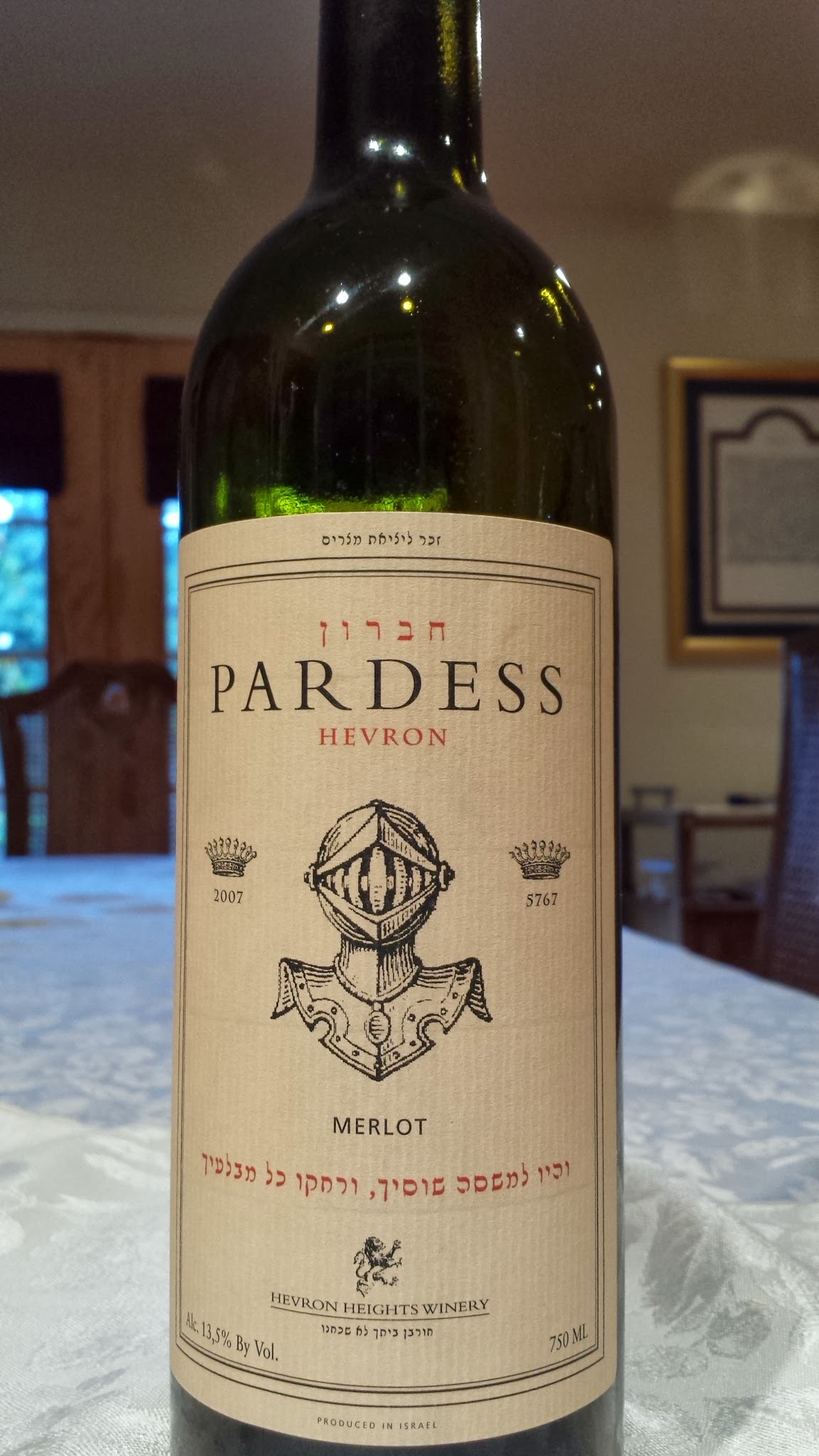 Well, it is that time of year again for OTBN (Open That Bottle Night), a night conceived by Dorothy J. Gaiter and John Brecher, in February 2000, then with the WSJ. Well, officially it is the last Saturday night in February, which this year is Feb 22. However, us Jews like Friday/Sabbath to be our special wine moment, so we will be enjoying OTBN this Friday Night, hopefully!
According to the WSJ site: On OTBN, which is celebrated on the last Saturday of February every year, thousands of bottles all over the world are released from prison and enjoyed. With them come memories of great vacations, long-lost loved ones and bittersweet moments. The whole point of the weekly “Tastings” column is that wine is more than the liquid in the bottle. It’s about history, geography, relationships and all of the things that are really important in life.
We have had many great OTBN tastings but this year, it is about tasting my oldest and best Yarden Winery wines. Yarden Winery has moved to the sweet side on their new wines, for the most part, but the El Rom wines have never been sweet. Yarden has always been on the sweeter side, in terms of ripe fruit, but these past few years, the weather has really hurt them badly. The 2009, 2010, and 2011 vintages have been nice wines, but too sweet for my tastes. The 2012 and 2013 look like they will be better, from what we have tasted of the white wines. Still, the El Rom and red Katzrin wine have always been controlled and beautiful. They are Yarden’s flagship wines and they keep a very tight lid on the fruit in these wines. The 2006 and 2007 ROM wine is another story, it was always sweet and somewhat controlled, and yes, very expensive. It all started when the late Daniel Rogov gave the 2006 ROM, a very unique Israeli blend wine, a massive 96 score! That score sent the futures of that wines to the moon, along with the expectations of greatness. In reality, it is a nice wine, but nowhere where Rogov placed it.
Well, I have been sitting on too many of these wines, and so this week, for my version of the OTBN 15 (the 15th year of OTBN), I will be opening the 2001 Yarden El Rom (Shmita year), the 2004 Yarden El Rom, and the 2007 Yarden ROM. I have many backups in the ready! Read the rest of this entry
2009 Recanati Petite Sirah Zinfandel (PSZ)
This past weekend we went with a lovely dish of slow alcohol braised short ribs, along with some nice simple rice pilaf. The recipe came out really well. Since the ribs are slow cooked you must remember that it renders a TON of fat and so you need to separate the fat from the brown sugar and whiskey sauce – which is really nice as well. So, one approach is to get a fat separator or you could do what I do, which is to take the meat from the sauce and then cool the sauce quickly. I put the sauce into the coldest part of the fridge and then it turns the fat into a solid discus that separates quickly and painlessly!
The wine started off lovely with rich blue and black notes. With time the wine turned black and date with blue in the background. Over more time the wine balances out and the blue and date round out and make for a nice wine.


The wine note follows below:
2009 Recanati Petite Sirah Zinfandel (PSZ) – Score: A-
6/14/2013 This wine is a blend of 80% Petite Sirah and 20% Zinfandel and was aged eight months in American oak. The nose starts off with a mineral core, followed by rich bakers chocolate, boysenberry, currant, black plum, licorice, hints of animal, and heavy spice and sweet herb. The mouth starts with layers of concentrated fruit, blackberry, more plum, blue fruit, red berries, searing tannin, and lovely cedar and spice. The finish is long and spicy with crazy lingering tobacco, cedar, chocolate, vanilla, black fruit, bramble, and dried tanned leather. With time the wine turns date and raisin driven, but with more time the wine mellows and rounds out nicely.
Yitzchok Bernstein does it again – a 19 course culinary kosher tour de force
 A few months ago Heshy Fried, Yitzchok Bernstein’s sous chef and frum-satire blogger, was at the house for a shabbos dinner and he said that Yitzchok Bernstein, was back on the scene. Bernstein is the culinary mastermind behind the epic haute cuisine event that lasted some 27 courses, and which was one of the most often read posts on my blog, in the past year. Bernstein was lurking in NY for a few months – but he returned to Oakland after a short, yet successful, stint at Pomegranate.
 So, when I heard that Mr. Bernstein was back – we agreed that a dinner was in order. Fried was not sure what the actual cost of a multi-course dinner was, but after a few back and forth discussions with Bernstein we were set. Well, while the dinner was set, the next two hurdles were a bit complicated; finding and arranging with 10 other participants and then locking down a date. Throughout the process, Bernstein was as professional as they come, and responded almost immediately to our correspondences. Getting the final gang together had a few missteps along the way, but while the overall process was a bit long to arrange on my end, the final outcome was an absolute delight, but more on that in a bit.
 Once the gang was roughly worked out, we agreed that the date was not going to work until after Passover. So once that was decided the next step was agreeing on a final date – which took a few emails. After that we were set and then came the fun part, deciding the food and wine menu. The dinner does not include wines, which is fine with me as I am picky about my wines, but wow were the dishes impressive! Initially, there was some interest in lamb, but in the end that did not work out, as I am not that in love with lamb. In the end the set of dishes were truly innovative and fascinating and unique – so I am happy we passed on the lamb for the dishes we got instead.
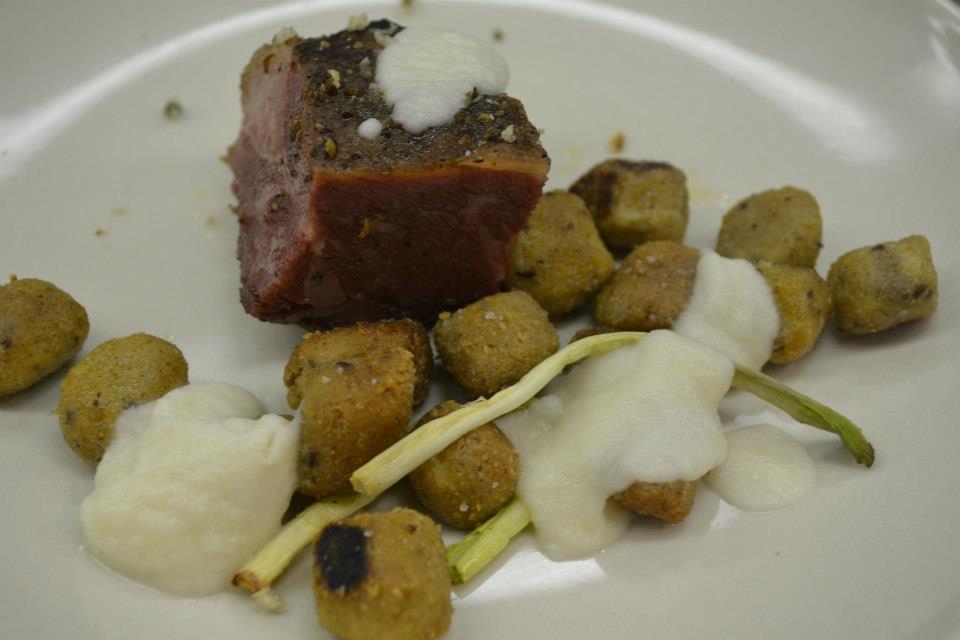 I laughed so hard throughout the process because initially, the number of courses was set at 12 or so, which was 100% fine. However, throughout the process of setting the menu Mr. Bernstein kept adding courses – it was HILARIOUS, I could not help from laughing whenever I would read the revised menu. It turns out that we were very lucky, Bernstein was trying out some new recipes and we were the beneficiaries of some wicked cool imaginative dishes. To be fair, some worked really well, some were awesome, and some were just 100% off the charts. Read the rest of this entry
Tishbi Winery – one of Israel’s oldest and original wineries
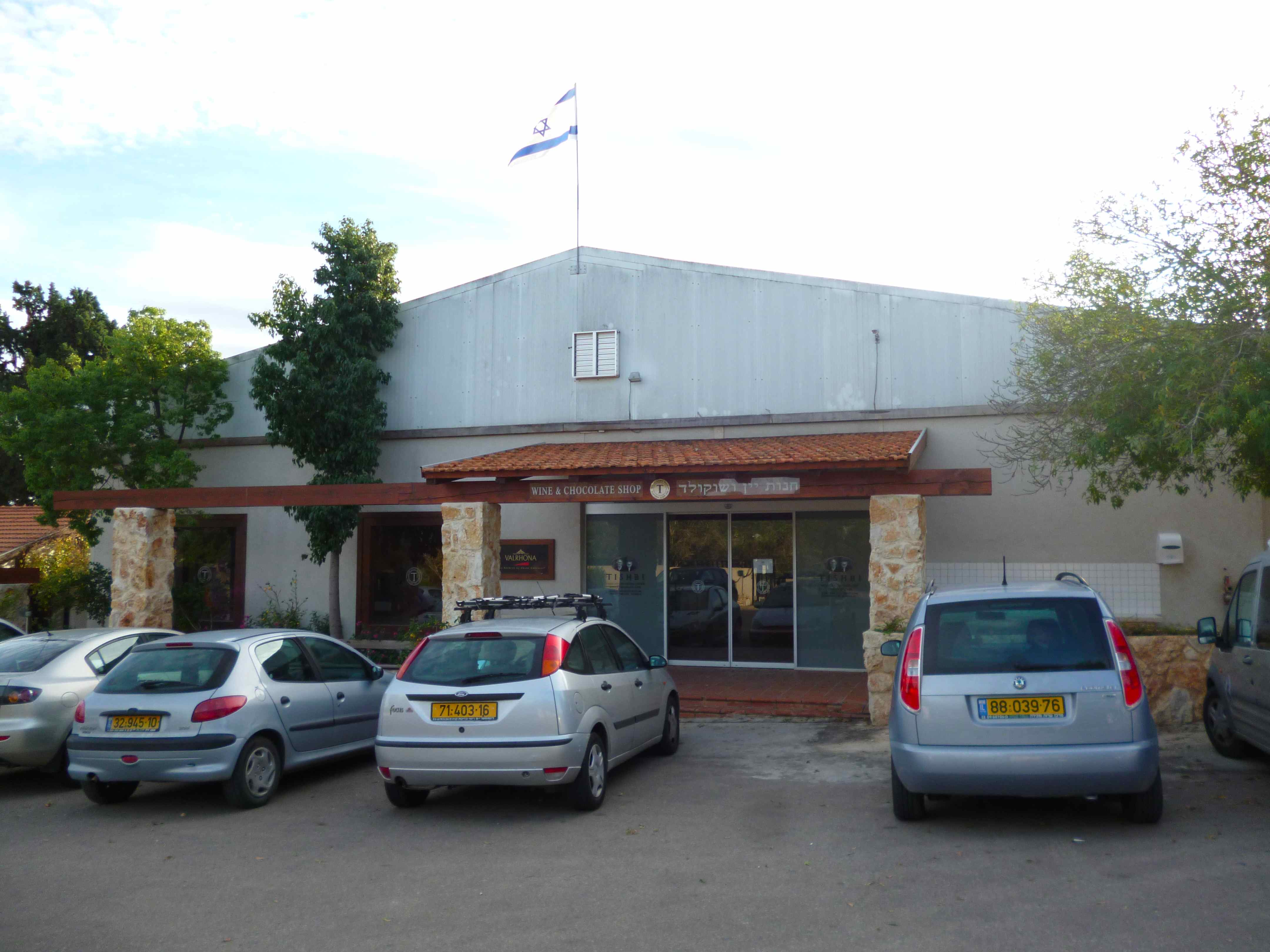 The Tishbi winery has a history that spans more than 120 years in Israel; one that intersects with many of the famous names of modern Israel’s short history. The story begins in 1882, when Malka and Michael Chemelitsky immigrated to the city of Shefeya at the foothills of Zichron Yaakov. There they worked for the Carmel Wine Co-op that was founded by Baron Edmund de Rothschild in the late 1800s. They worked the land, planting vineyards, clearing rubble and stones, with nothing more than the barest of tools and technology. The work was backbreaking and endless, and unfortunately more work, was the only reward for many of the early immigrants, that came to settle the barren land. However, for the few farmers that were lucky to work with Edmund, they saw salvation from his deep pockets, huge heart, and massive resources that he brought to bear, to teach, bolster, and, ultimately, build the, then fledgling, wine industry into the forebear of where it is today.
Soon after the Chemelitskys came to Israel and started working the land, they were advised to change their name to Tishbi, which is actually an acronym in Hebrew that stands for “resident of Shefeya in Israel”. The world-renowned poet Chaim Nachman Bialik, Israel’s national poet extraordinaire, gave the name to them. In the early days of Israel’s wine industry, the cooperative farmers would work the vines, planting them, pruning them, caring for them, and then sell their grapes to the Carmel Winery. However, after many decades of work and toil, it became clear to many of the cooperative farmers that life was changing, and that they would either need to break out of the cooperative or be left behind.
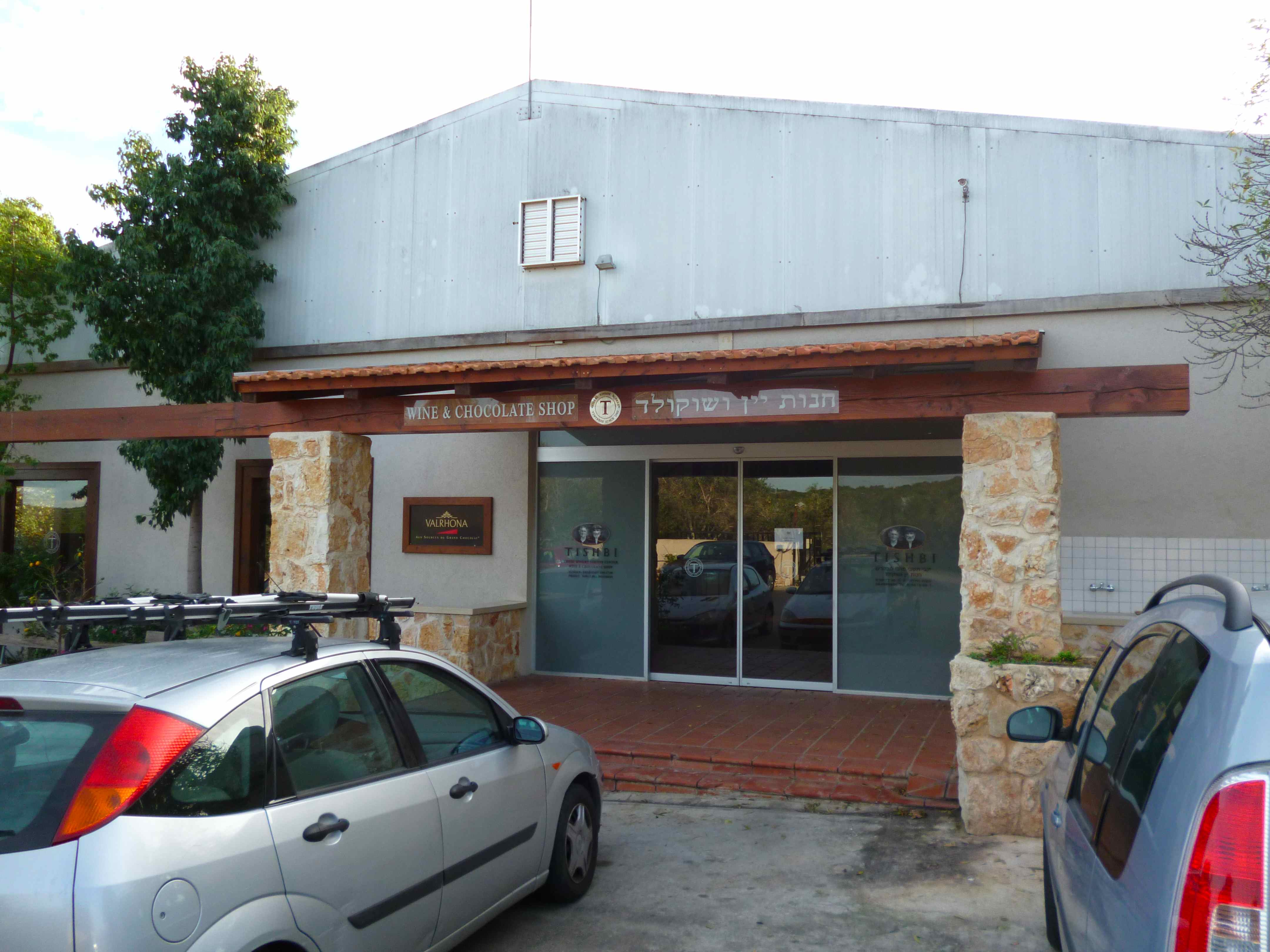 So, in 1984, the great-grandson of our story’s Protagonist, Jonathan Tishbi, stepped out of the shadows of the Carmel Winery and into the shadows of the Carmel Mountain range. Initially, he called his new winery Baron Winery, in honor of Baron Edmond, but later changed it to his namesake – Tishbi Winery. At that time there were few wineries in Israel, and even fewer successful ones that were not just making sacramental (sweet) wine. Jonathan went to Italy to see how generations of family-owned wineries had succeeded, and from where we stand, he seems to have emulated them quite impressively. The family tradition continues to the 5th generation, with Jonathan’s son – Golan Tishbi, acting head winemaker. The winery’s tradition is impressive, but it feels like it will always be overshadowed by the massive mountains under which it lays, and the equally massive foundation upon which it is built. Read the rest of this entry

 Wine Musings Blog