Blog Archives
Wine Spectator scores a gaggle of kosher Israeli Wines
In the June 30th edition of the Wine Spectator, Kim Marcus reviewed some 21 wines from Israel and many scored above 85 point. The highest scored wines were:
- 2009 Bazelet HaGolan Cabernet Sauvignon – 90
- 2007 Binyamina Cave – 90
- 2009 Yarden Chardonnay – 89
- 2008 Yarden Pinot Noir – 89
- 2009 Domaine du Castel Petite Castel – 89
- 2009 Segal Chardonnay, Special Reserve – 89
- 2007 Barkan Cabernet Sauvignon, Reserve – 88
- 2007 Barkan Merlot, Reserve – 88
- 2009 Binyamina Cabernet Sauvignon/Petite Verdot, Yogev – 88
- 2009 Dalton Cabernet Sauvignon/Merlot/Cabernet Franc Alma – 88
- 2009 Segal Merlot, Special Reserve – 87
- 2009 Galil Yiron – 87
- 2010 Teperberg Meritage – 86
- 2007 Binyamina Merlot, Reserve – 85
- 2010 Barkan Merlot/Argaman, Classic – 85
- 2009 Binyamina Cabernet Sauvignon/Merlot, Yogev – 85
- 2010 Segal Merlot/Cabernet Franc/Cabernet Sauvignon, Fusion- 85
- 2009 Binyamina Sauvignon Blanc/Chardonnay, Yogev – 84
- 2010 Barkan Pinot Noir, Classic – 83
- 2009 Binyamina Cabernet Sauvignon/Shiraz, Yogev – 83
- 2007 Binyamina Zinfandel, Reserve – 82
Personally, I have a few things to comment here. First of all I am so very happy to see Israel again being taken seriously and having their wines scored, whether for the good or the bad.
Secondly, these scores are VERY much in line with expectations, though there are a few shockers in there as well, more on that soon. The wines that were tasted were not blockbuster superstars, on the contrary these were second tier wines, for the most part, and many of which we have scored in the very same manner. In other words, the reason why these “low” scores are such good news is that they are VERY legitimate scores for the wines reviewed.
Read the rest of this entry

2012 Herzog International Wine Festival – part two of wine notes
As stated in the previous posting on this lovely event, there were many wines to taste and there was no way I could post all the wine notes in a single posting. Here is my follow-up posting on the wines tasted at the event, including the wines that I loved and did not love.
The wine notes are listed in the order that I tasted them:

2010 Domaine Netofa – White – Score: B++
The nose on this light gold colored wine shows clean and lovely nose of green apple, peach, grapefruit, kiwi, light quince, and rich/nice loamy dirt and mineral. The mouth on this medium bodied wine is rich and balanced with nice minerality, along with nice bright fruit that mingles well in the mouth. The finish is long and spicy with nice quince, tart green apple, grapefruit, and green tea.

2010 Binyamina Chardonnay, Reserve, Unoaked – Score: B
This wine did not show nearly as well as its 2009 sibling, the wine was flat without much to grab your attention. The nose on this straw colored wine has apple, lemon, nice mineral, bright acid, and melon. The mouth is somewhat plush and the finish has citrus to round out the wine.
2010 Binyamina Chardonnay, Reserve – Score: B+
This wine did not show nearly as well as its 2009 sibling, though not as bad as its unoaked twin. The nose on this dark straw colored wine has light oak, brioche, lemon, nice spice, light creme, and honey. The mouth is round with spice, summer fruit, and oak influence.

2011 Tulip White Tulip – Score: B++
This wine is a blend of 70% Gewurztraminer and 30% Sauvignon Blanc with the sweet and floral notes of the Gewurztraminer showing nicely with honey and guava, while the green apple and bright lemon notes from the Sauvignon Blanc blend together in a unique manner. The nose on this straw colored wine hits you with mineral, light honey, bright lemon, green apple, and guava. The mouth is nice and honeyed with light petrol, and citrus. The finish is long with both sweet lemon creme and bright lemon at the same time, along with fig, and tart notes. This is a great wine that would go well with fish or sushi.

Lemon Rosemary Roasted Chicken, Risotto, Baked Herb Encrusted Fish Loaf, and a myriad of wonderful wines
On the week of August 19th we were so happy to host really good friends of ours who were doing a west coast vacation. They are friends that go back far in my life, and it is always great to see them, because they are really cool people and because they bring back memories of my childhood. So, we tried to make some risotto work, but once again, Risotto as a Friday Night dish, can take the place of Dr. Jeykll and Mr. Hyde in any good 50s black and white movie. Sure enough Hyde showed up Friday Night, it was OK, but the Risotto was mushy instead of perfectly cooked – sad! The already patented Lemon Rosemary Roasted Chicken was killer, and was mostly consumed, while the Risotto was just OK.
Getting back to script, the meal started with a lovely baked herb encrusted fish loaf, we paired it with black and green olives, hummus, and eggplant salad. We opened a pair of lovely white wines with this course. I have tasted these wines a few times now, and each time the wines show off lovely honey and tart fruit characteristics. Though this time the unoaked wines showed off better. Yes, I said unoaked wine – what is that? Really? Are we that jaded? Most of the entry level wines that we do and don’t enjoy are not oak infused or modified. Instead, we have all become so jaded that if a wine is not oak influenced, it is not a nice wine. That cannot be farther from the truth! Some white wines are better without oak or malolactic fermentation (malo), because the fruit can either stand on its own and make the wine cleaner, or because the wine is so bad that adding in oak would cost money that is not warranted. So, it was a real kick to taste two Chardonnays that were separated at birth (or must – fermented grape juice), with one going to a home of rich oak, while the other went to live in a clean but plain steel home. The wines notes will show my precise feelings, but in short, the non oak laden Chardonnay was far more bright, evocative, and attention grabbing.
We then moved to the Mr. Hyde (Risotto) and some lovely Lemon Rosemary Roasted Chicken, along with a nice green salad. The Chardonnays paired nicely with the dishes, but we also enjoyed some Sara Bee, and some nice Hagafen Merlot. The Merlot went well with the cholent and cold cuts on the following day as well.
The wine notes follow below – many thanks to my buddies for swinging by the house – it was a real KICK!
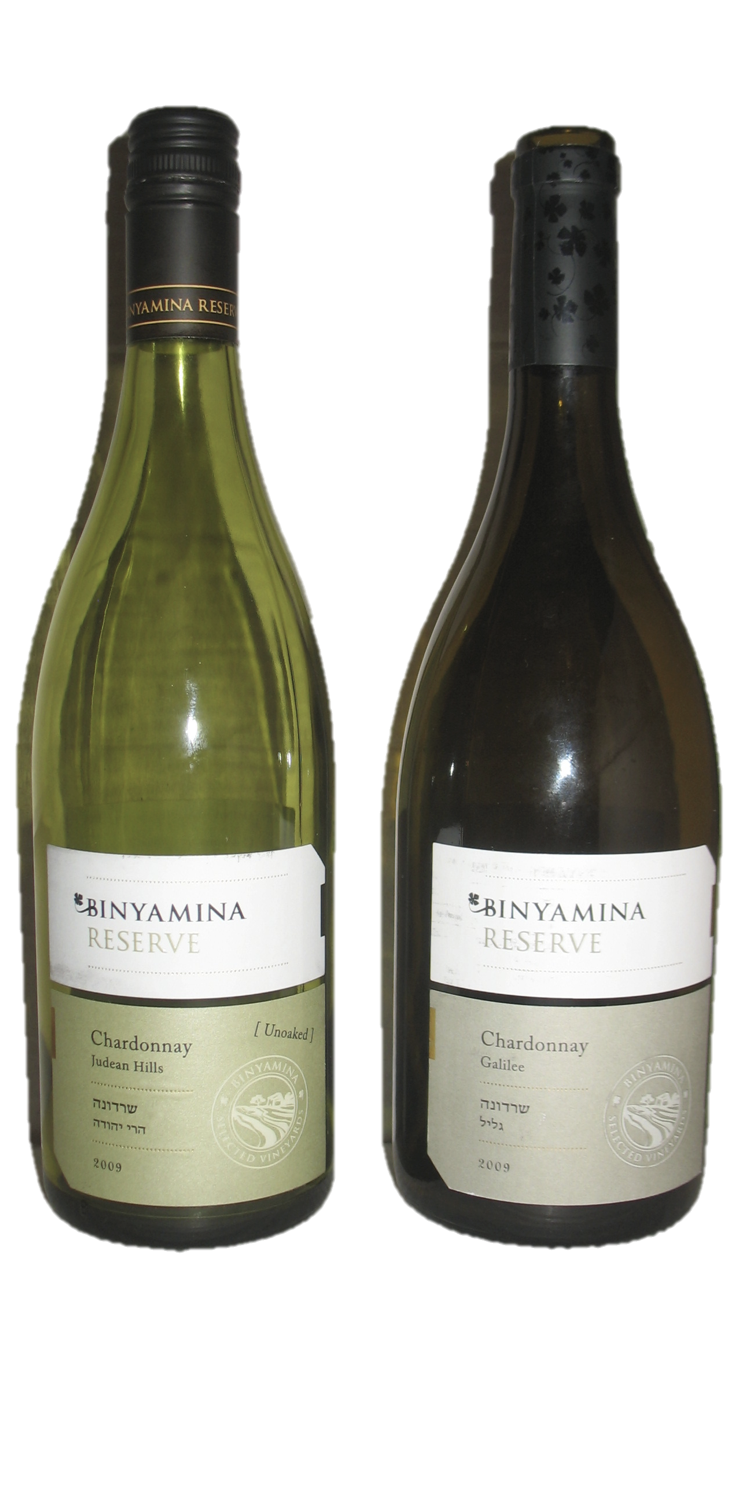 2009 Binyamina Chardonnay Reserve Unoaked Galilee (Israel, Judean Hills) – Score: A-
The nose on this straw to light gold colored wine has stayed fairly consistent between the two times I have tasted this wine, some 6 months apart. The nose explodes with rich ripe and tart summer/tropical fruit, pear, kiwi, lychee, honey, grapefruit, ripe lemon, apple, and floral notes. The mouth on this medium bodied wine is super rich with explosive fruit that follows the nose, peach, lemon, apple, kiwi, lychee, and grapefruit. The mid palate flows off the mouth with super rich and tart lemon, honey, apple, and mineral almost yeasty. The honeyed and spicy finish is super long with crazy tart fruit, lychee, grapefruit, kiwi, lemon, floral notes, and mineral. The wine is super enjoyable with more than enough attention getting fruit, minerality, and floral notes. The lack of oak is a benefit with this fruit and makes one wonder whether oaking this wine is such a good idea!
2009 Binyamina Chardonnay Reserve Galilee (Israel, Judean Hills) – Score: B++
The nose on this light gold colored wine started off muted and not nearly as bright as its unoaked brother. The nose opened to a rich and deep honeyed nose, oak, smoky toast, floral notes, grapefruit, lemon, yellow apple, and mounds of caramel and butterscotch. The mouth on this medium to full bodied wine is rich with honey, oak, pear, kiwi, grapefruit, lemon, and apple, all rounded with a tad of oak which seems to dull the fruit. The mid palate is oaky with toast, cut grass, and butterscotch. The finish is long and richly honeyed with butterscotch, oak, kiwi, lemon, melon, and grapefruit. Honey coated butterscotch candy along with ripe grapefruit, lemon, and melon linger.
 2006 Hagafen Merlot (USA, California, Napa Valley) – Score: B++ to A-
The nose on this purple colored wine is filled with rich cedar, black cherry, raspberry, fig, herbs, vanilla, chocolate, cloves, and smoky notes. The mouth on this medium to full bodied wine is classic Hagafen, with a soft plush mouth of rich cedar, plum, raspberry, fig, cherry, and nice mouth coating tannin. The mid palate is balanced with nice acid, chocolate, more cedar, and nice tannin. The finish is long and spicy with cloves, cinnamon, cedar, vanilla, chocolate, raspberry, plum, herbs, and tobacco. Herbs, cinnamon, chocolate, cedar, vanilla, and tobacco linger long after the wine is gone.
 2008 Clos de Nouys Vouvray Moelleux (France, Loire Valley, Touraine, Vouvray) – Score: B to B+
This was a disappointment. Rogov predicted this one was going to last, but when we opened it, the wine was a shade of its previous self, which we tasted a year ago. The wine had much of the same fruit, but lacked the very grace that a good Chenin Blanc should have and that is ACID! No zip, nor in the middle or the end. Truly sad.
The nose on this straw to gold colored wine is rich and honeyed, with wet grass, floral, green apple, honey, guava, pear, and citrus. The mouth on this medium to full bodied wine is rich with honey, floral notes, green apple, and tropical fruit. The mid palate is semi-sweet with almost no acidity, plain and old with a touch orange peel. The finish is medium with honey, floral notes, tropical fruit, vanilla, and citrus. A nice wine that has lost its ay, the zip is gone and so is the enjoyment in drinking it. DRINK UP!!!

Meatballs, Panade, Linguini, and a bottle of Binyamina Zinfandel
On the weekend of August 12th we were laying low with a continued hunkering for meatballs. I cannot truly explain why I am constantly tinkering with my meatball recipe. I guess I can only say that I like to tinker, and I like to play with recipes. This one went very wrong! I normally add in shredded vegetables to make the meatballs softer, instead of using a panade. What is a panade and what do you use it for? According to Cook’s Illustrated: “A panade is a paste of milk and bread that is typically used to help foods like meatballs and meatloaf hold their shape and moisture. Starches from the bread absorb liquid from the milk to form a gel that coats and lubricates the protein molecules in the meat, much in the same way as fat, keeping them moist and preventing them from linking together to form a tough matrix. Mixing the beef and panade in a food processor helps to ensure that the starch is well dispersed so that all the meat reaps its benefits.”
Steaks can handle being eaten medium rare, my favorite temperature, because the bacteria does not penetrate the solid surface of a steak too deeply. However, ground meat can have or attract the bacteria and now it has the potential to get into every nook and cranny of the meatball or burger – which can be painful or far worse. The answer is to fully cook the ground meat dish and still have something edible in the end, which is no small feat. The panade gives you a cushion or life jacket because it allows you to cook the ground meat right to the end and maybe a bit more and not end up with ground up shoe leather.
So while the panade does wonders for ground meat recipes, it does not work in a kosher home – given the whole “meat and milk thing”. That leaves us with a need to get a substance that starts off dry and ends up soft – vegetables! This is not the first time we have made meatballs with vegetables, however, it is the first time we have done it with vegetables that I did not squeeze out! Ouch! I was lazy and tired and did not want to bother – big mistake.
The meatballs came out fine, but they were overly soft. I should have seen it when I made the mixture. A few rules about meatballs:
1) NEVER over mix them – the more you slam them around the harder and more gummy they get
2) A mixture that is correct should feel more like a stiff dough than a soft one – that is where I messed up
3) Cook the meatballs until they float in the pan (if you are braising them). They will sink to start, and the second they bob up to the surface, yank them out.
4) To be sure they are not ready, make sure to not overstuff the pan and the braise, so that the meatballs have freedom to rise to the surface when ready
There you go – I hope you all can learn from my mistakes and, lets be honest – bobbing for meatballs is so much more enjoyable than rotten apples!
To pair with this lovely tasting, albeit overly soft, meatballs, we cooked up a pot of linguini and a tossed a fresh bowl of green salad. The wine we enjoyed over the weekend was the 2007 Binyamina Zinfandel. We also enjoyed a few more wines in the same time, so I am adding them here for posterity.
 2007 Binyamina Zinfandel Special Reserve (Israel, Galilee) – Score: B to B++
The nose on this dark garnet to black colored wine starts off way to hot, however over time it calms down to expose chocolate, tobacco, cedar, raspberry, plum, blackcurrant, black cherry, crushed herbs, dirt, and mound of black pepper. The mouth on this medium bodied wine is starting to show its age with excessive date flavors that taste oxidized, plush mouth feel from nice tannin, rich loamy dirt, raspberry, plum, blackcurrant, and black cherry. The mid palate is balanced with nice acid, cedar, and vanilla. Th finish is long and spicy with heaps of black pepper, chocolate, tobacco, vanilla, blackcurrant, date, cedar, and herbs. Cedar, black pepper, date, raspberry, black currant, chocolate, and vanilla linger.
2009 Cantina Gabriele Pinot Grigio (Italy) – Score: B
This past weekend I tasted this bottle at our synagogue’s kiddush and it was lacking to say the least. The nose on this wine was totally killer! The nose on this light gold colored wine was exploding with lemon, aroma, pepper, honeyed melon, and peach. Unfortunately, that was where it ended. The mouth on this light to medium bodied wine was dead with light hints of acidity, peach, honey, and melon. The mid palate was totally flat with little bite, more sweet fruit and melon. The finish was average with a bit of bite but it faded quickly leaving only a hint of melon, honey, and light floral notes. I was so hopeful after the nose but so it goes.
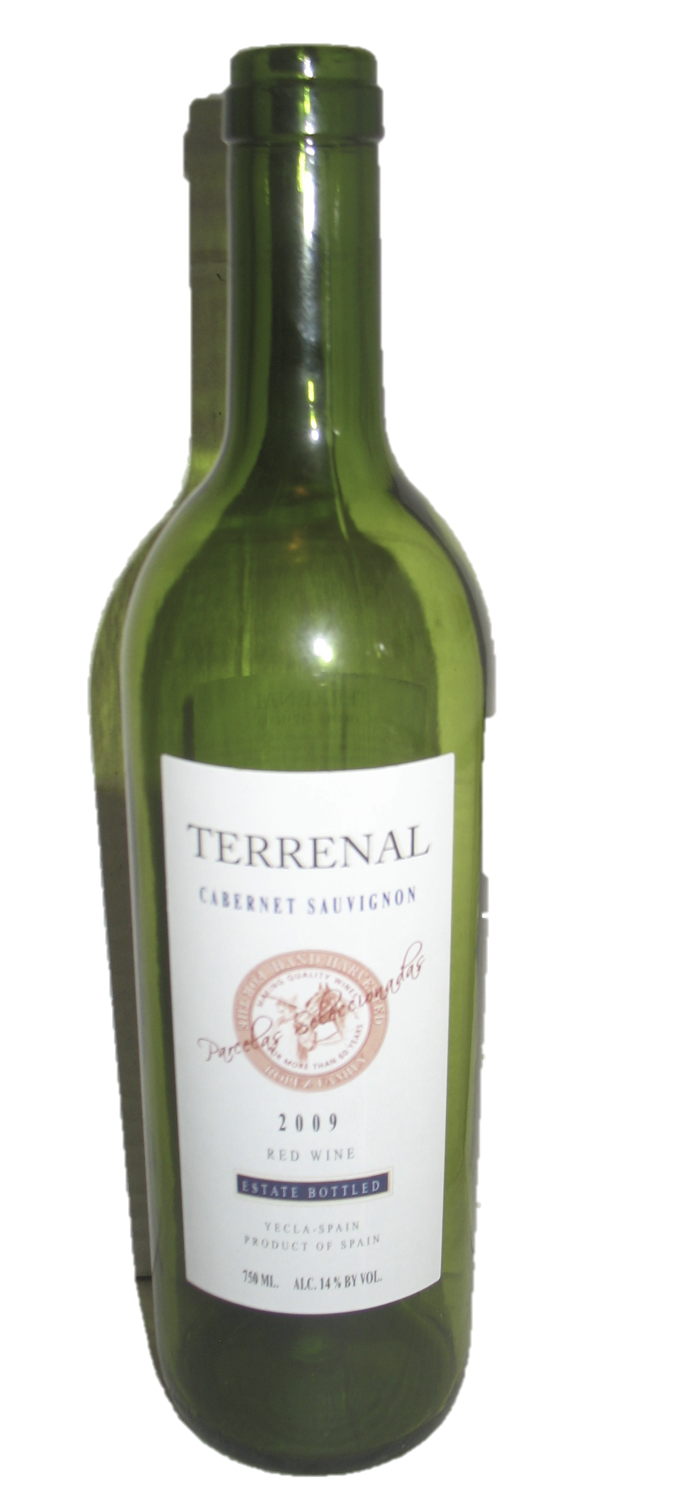 2009 Terrenal Cabernet Sauvignon Yecla (Spain, Murcia, Yecla) – Score: B to B+
Still really like this bottle especially given the cheap price. Much has stayed the same but a few new nuances have shown up. The nose on this dark garnet to black colored wine is rich with dirt, cloves, graphite, raspberry, blackberry, crushed herbs, a hint of chocolate, and black cherry. After some time blueberry also makes an appearance, however at that time the wine is starting to degrade. The mouth on this medium to full bodied wine is heavy with tannin that lends to a nice but crazy mouth feel, along with blackberry, raspberry, and black cherry. The mid palate is bone dry and acidic along with some chocolate and a fair amount of crushed herbs. The finish is long with chocolate, blackberry, black cherry, crushed herbs, mint, and some mineral. This wine is really nice for the price! (103 views)
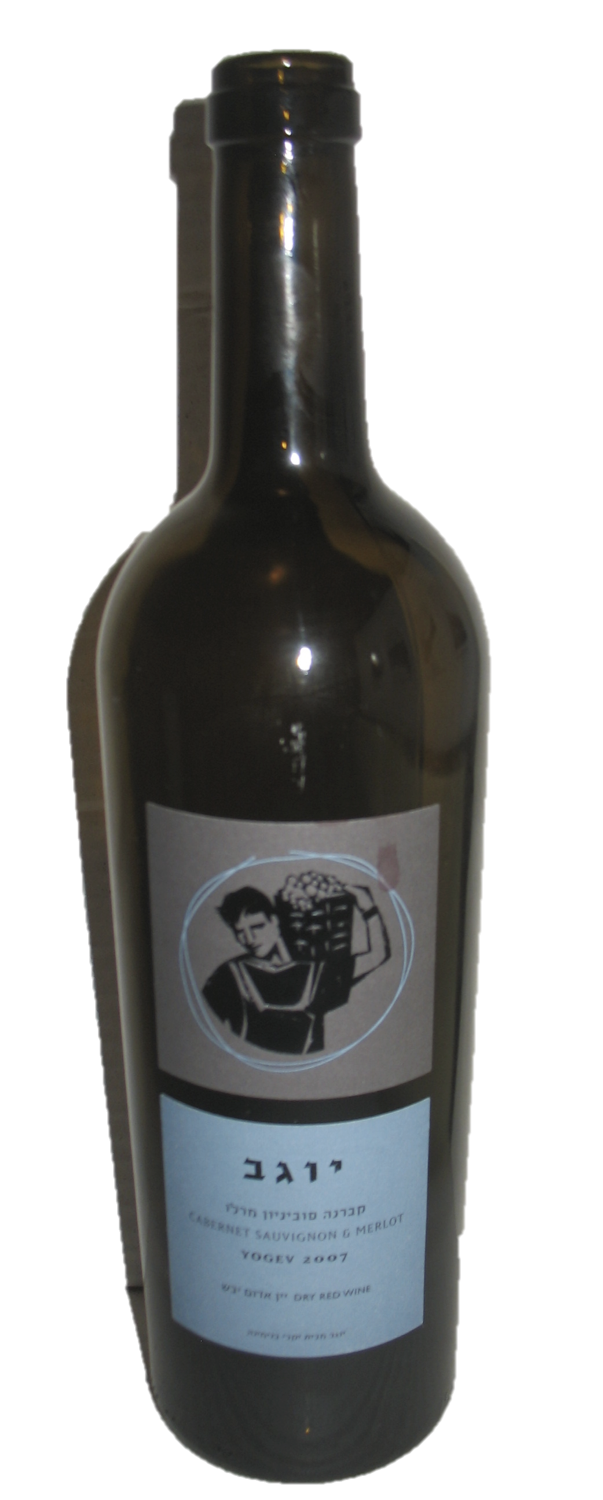 2007 Binyamina Cabernet-Merlot Yogev Kosher (Israel, Samson) – Score: B
The nose on this garnet colored wine with brown halo has an almost dead nose with chocolate, rich tobacco, dirt, mineral, blackcurrant, blackberry, black cherry, herbs, date from light oxidity, and oak. The mouth on this medium bodied wine starts to show oxidation with date flavors, blackberry, blackcurrant, herbs, soft tannin, and black cherry. The mid palate is balanced with nice acid, spicy oak, more soft tannin, and tobacco. The finish is long with date, tobacco, blackberry, blackcurrant, crushed herbs, and vanilla. This wine dies quickly, drink up or use for cooking.
2003 Four Gates Merlot Kosher (USA, California, San Francisco Bay, Santa Cruz Mountains) – Score: B++ to A-
The nose on this electric blue/purple colored wine is vibrant and expressive with rich sweet oak, smoky, vanilla, black candied cherry, raspberry, blackberry, ripe plum, bramble, chocolate, tobacco, crushed herbs, and date. The mouth on this lovely and full bodied wine is concentrated and expressive like its nose, from its fruit and tannin, with slowly integrating tannin, raspberry, blackberry, ripe plum, cherry, and crushed herbs. The mid palate has balanced acid, chocolate, sweet oak, tobacco, and nice integrating tannin. The finish is super long and spicy with acidity, rich ripe plum, chocolate, tobacco, vanilla, long and luxurious finish with dates and vanilla.

2009 Binyamina Yogev Cabernet Sauvignon/Petit Verdot
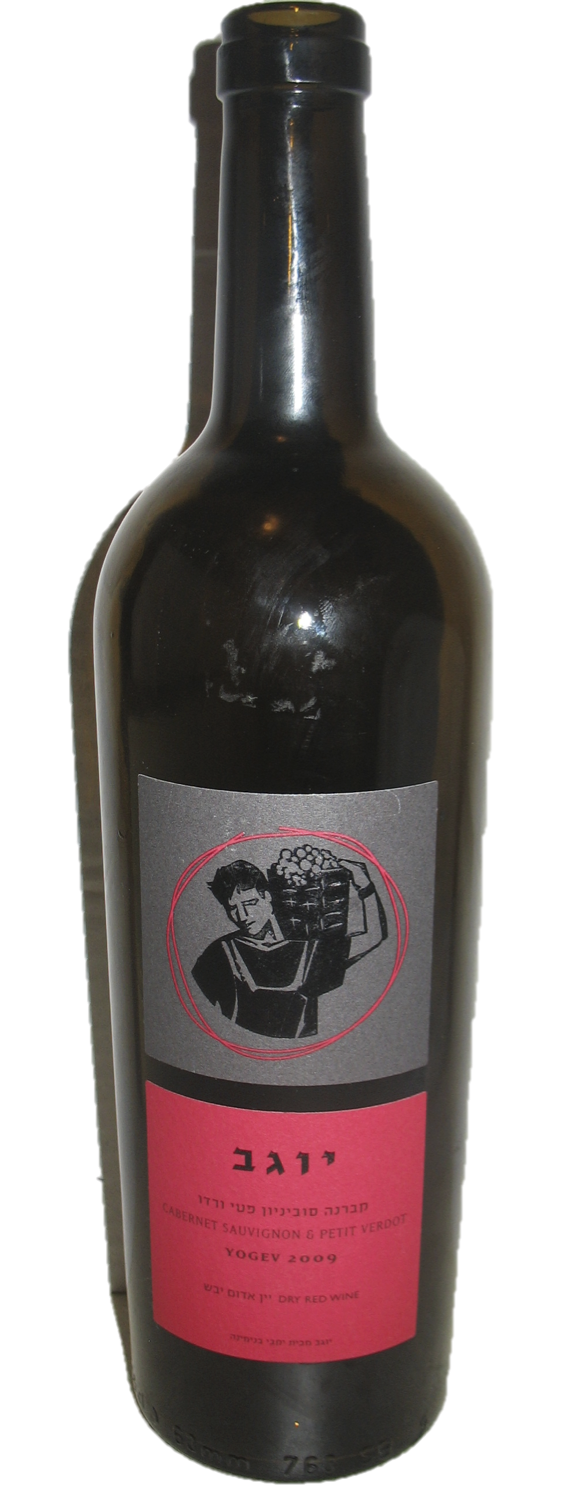 With so much food leftover from our Passover meals we enjoyed a lovely Sabbath of leftovers, more leftovers, some lovely asparagus, and a lovely bottle of 2009 Binyamina Yogev Cabernet Sauvignon/Petit Verdot. I must admit that we had previously tasted this wine and I was NOT hoping for much out of it. Rogov had little real love for it, stating that it was showing better than his previous tasting, and we tasted it on Purim, and it was a Black Currant fruit bomb. So when we opened this bottle, there was little we were looking for other than a dark wine to go with some meat dishes. In the end the wine started off very much akin to what we remembered on Purim, with a bit more roundness to the mouth. However, as the meal continued the wine started to open up more, the insane Cabernet flavors of black currant and raspberry took a back seat, and the Petit Verdot fruit had a chance to shine. Now to use the terms Petit Verdot and fruit in the same sentence is very much akin to saying New York Yankees and Mets. You see, there is very little fruit that one expects or associates with the Petit Verdot grape varietal. Classically, PV (Petit Verdot) was used as a blending grape (Coupage), with its calling card being added color, tannin, and flavors. In France where it rarely ripens to its fullest potential, the grapes lend a violet like flavor to wines. However, in the Israel, which is in the Mediterranean, the grapes fully ripen and give the wine its badly needed weight, color, and tannin, but the grape also gives the wine more non-fruit flavors, like roasted meat, tar, pencil, molasses, cigar box, espresso coffee, and black olives.
To my delight, the wine was truly a joy once it started to show its more bold flavors and the tannins were quite calm all along, giving the wine an early accessibility, while also showing more than enough body, weight, acid, and stuffing to allow this wine some more staying power. I found the wine lovely now, after some airtime, and Daniel Rogov thinks the wine can stay till 2013. I think the wine shows a bit better than Daniel does, but in either case, I think this is a wine that can be enjoyed now or in the next year or so. Enjoy this with some good meat dishes or some nice medium hard cheeses, which we did on the Sabbath afternoon.
The wine note follows below:
2009 Binyamina Cabernet Sauvignon – Petit Verdot, Yogev – Score: B++
This wine started off showing primarily its Cabernet fruit, but overtime the 20% Petite Verdot started to shine through with espresso coffee, roasted meat and nice black olives. The nose on this purple to black colored wine explodes with heavy black currant, raspberry, mounds of crushed herb, eucalyptus, dirt, smoky notes, and oak. Overtime the wine starts to show off more of its Petite Verdot fruit with roasted meat, espresso coffee, and black olives. The mouth on this rich and full bodied wine is soft with lovely integrated tannin, black currant on first attack, followed by raspberry, crushed herb, and blackberry. The mid palate is balanced with nice acid, oak, more integrated tannin, smoky notes, and herbs. The finish is long, spicy, and luscious with black currant, espresso coffee, smoked meat, herb, inky, and rich. This is a lovely wine that is great to drink right now or in the next couple of years!
Kalamata Olive and White Bean Soup, Yellow Tail Sushi, Yarden Viognier, and some assorted Purim Wines
This past weekend we had a lovely and enjoyable double whammy! A Shabbos on Saturday and the Purim holiday on Sunday. The festivities started with a lovely bowl of Kalamata olive and white bean soup, followed by a bunch of Yellow tail, avocado, cucumber Sushi rolls. The funny thing about sushi rolls is that even if you eat a bunch of them, you end of being hungry. To meet that concern, we eat a bunch of fresh green salad topped with some Italian Vinaigrette. The fish did taste a bit metallic and that was unfortunate, almost to the point where I was not enjoying it that much. We bought the fish at 5 or so PM and ate it at 7:30 PM, so it was really not cool, that the fish was not perfect. Personally, the next time we make sushi rolls and go to the store to buy the fish, I will ask to taste the fish before I buy it. The soup was a killer hit again and one I really think it is a recipe that you MUST find and make a batch.
To pair with these dishes I chose a fun and vibrant white wine; the 2006 Yarden Viognier. It is a lovely wine that is showing more honey notes than earlier and clearly a wine that needs to be drunk up very soon. It is not actually showing age or faults; rather it is showing weaker fruit, more honey, oak, and butterscotch.
On Sunday Purim arrived and with it some chances to taste more wines that were quite nice and some that were OK. I did not take serious notes after a while, but at least some heads up are in order.
2008 Golan Heights Winery Cabernet Sauvignon Golan Kosher (Israel, Golan) – Score: B to B+
This is an OK wine but not one that really grabs you. The nose on this dark garnet colored wine has dark cherry, blackberry, vanilla, and oak. The mouth on this medium to full bodied wine is soft with integrated tannin, blackberry, and cherry. The mid palate is balanced with acid, soft tannin, and light hints of oak. The finish is long and spicy with more black fruit, vanilla, and some crushed herbs.
2006 Casa Da Corca Douro Reserva (Portugal, Douro) – Score B+
I drank this wine again recently and the notes are holding well. The nose on this dark ruby to garnet colored wine is screaming with coffee, smoky notes, black cherry, raspberry, blackberry, fig, crushed herbs, mint, and oak. The mouth on this medium to full bodied wine turns full in the mouth after a bit of time, along with blackberry, plum, and dark cherry. The mid palate transition has a quick note of what I can only call a combination of green bean/fig/mint, along with acid, oak, nice tannin, and coffee. The finish is long and spicy with plum, nice oak, tannins that linger along with vanilla. This is a nice wine that should be bought once to open your mind to what the heat of Spain can bring you with its unique fruit and terroir.
N.V. Elvi Wines Adar Brut Cava (Spain) – Score: B+
The notes on this wine are consistent with my last tasting. The nose on this bubbly and effervescent light pink colored wine, is hopping with strawberry, lemon, and cherry. The mouth on this light to medium bodied wine is packed with small bubbles that are active and alive; they mingle well with the strawberry and cherry. The mid palate is alive with bracing acidity. The finish is medium long with core acidity, strawberry, bubbles, and a lemon burst at the very tail end. Drink UP!
2006 Yarden Viognier (Israel, Galilee, Golan Heights) – Score: B++
This wine has lost a step or two and is now on its way down. It does not taste like a lost puppy, but clearly one that is looking for its owner. The nose on this dark gold colored wine is filled with floral notes, along with petrol/gasoline flavors, toast, honey, butterscotch, melon, pear, peach, and oak. The mouth on this full bodied wine is oily in nature with almost glycerol viscosity, showing rich honey, melon, pear, and peach flavors. The mid palate is nicely balanced with acid, oak, and floral notes. The finish is long and tenacious with more floral characteristics, oak, a hint of butterscotch, and a heavy dose of honeyed mead like flavors and pear.
2006 Herzog Merlot, Special Reserve, Alexander Valley (Mevushal) – Score B++ to A-
The nose on this dark garnet to purple colored wine is packed with black fruit, blackberry, raspberry, currant, oak, cherry, chocolate, and tobacco. The mouth on this full bodied wine is soft, rich, and mouth coating from lovely integrated tannin, along with blackberry, currant, and cherry. The mid palate is balanced with acid, rich oak, lovely tannin, and tobacco. The finish is long and spicy with black fruit, raspberry, oak, and tobacco. Drink up.
I have a couple of these and will taste them again soon. For now, the wine tasted OK with clear and strong upfront black currant fruit along with cherry, crushed herbs, and raspberry. I hope to taste this again and give more data.
Puttanesca, Cholent, and two more 2007 Binyamina Yogev wines
This past week we enjoyed some simpler home cooking; Puttanesca and Cholent. I have long ago modified the original puttanesca recipe, for many reasons. Pasta sauce recipes call for finishing the sauce by placing the pasta into the pan of sauce. The issue here is that on Shabbos this is really not the best way to serve this for us, as it does not last long this way, and two of us will not finish the dish. We do this so that we can have leftovers, but again, that does not match the recipe format. Also, I like to add things to the recipe, like ground tofu and vegetables. So here is my revised version of the recipe, and enjoy whichever you prefer:
Puttanesca Sauce Recipe:
- 1/4 cup olive oil
- 2 finely chopped onions
- 1 tsp of salt to help sweat the onions
- 1 pound of sliced brown mushrooms
- 3 diced zucchini
- 6 cloves minced garlic
- 2 oz of anchovies (tin or tube)
- 2 (28-ounce) cans crushed tomatoes (or crushed by you) with juice
- 1 jar of Kalamata olives without juice (any other olive is a waste of time)
- 2 tablespoons drained capers
- 1/2 teaspoon dried crushed basil
- 1/2 teaspoon dried crushed red pepper flakes
First put the oil in a large pan and heat up the oil till it is almost smoking. Then saute the onions and salt and watch them till they get nice and browned. Then add in the mushrooms and saute them till they just start to get soft and are releasing their juice, then throw in the zucchini and wait till they are just soft. At this point the mushrooms should be getting browned and the onions should be golden. Then make room in the pan so that there is enough exposed space to heat the garlic and the anchovies. The idea is that the anchovies become paste like and integrate into the vegetables. If you are starting with anchovies from a tube then you are already there. If you are using anchovies from a tin, like I do, then you need saute them in their oil until they get warm and start to fall apart. Once the mixture is all integrated, add in the tomatoes, Kalamata olives (without juice), capers, basil and red pepper flakes.
Wait for the mixture to thicken, which takes some 40 or so minutes, and then it is ready. I cool it down and warm it back up on Friday, before the Sabbath. That said, others may well want to serve it right then and there, along with some lovely al dente pasta. We do not finish the pasta in the sauce as the recipe calls for two reasons; we like to eat more sauce than pasta, and because putting the pasta in the sauce for a few hours, even right before the Sabbath starts, would turn the al dente pasta into mush in short time. For Saturday lunch we had some nice vegetable cholent which is something we enjoy and whose leftovers we enjoy throughout the week.
When looking for some wine to pair with these dishes I decided to try more of the Yogev wines that I had in the cellar. I did this because I wanted to know if last weeks’ bad showing for the 2007 Binyamina Yogev Cabernet Sauvignon/Shiraz was a fluke or sad reality. The truth is that they are well past their prime and, while they were not DOA, they are clearly vintages that need to be drunk ASAP.
The wine notes below are listed in the order that they were tasted:
2007 Binyamina Yogev Cabernet Sauvignon – Shiraz – Score: B to B+
The nose on this dark garnet to black colored wine, with brown overtones, is filled with blackberry, black currant, black cherry, vanilla, crushed herbs, light oak tones, along with pepper notes. The mouth on this medium to full bodied wine follows the nose with blackberry, cassis, and black cherry. The mid palate is balanced with soft tannin, cedar, acid, and dates. The finish is long and spicy, with rising pepper notes, cedar, black fruit, and vanilla, with black cherry, pepper, and vanilla lingering. Drink up this wine is dying quickly.
2007 Binyamina Yogev Cabernet-Merlot – Score: B to B+
This wine is declining very quickly! The nose on this dark garnet to black colored wine, with a hint of brown, is filled with dirt/mineral, blackberry, cranberry, black Currant, cedar, and bramble. The black currant quickly overpowers the palate and nose. The mouth on this medium to full bodied wine has soft tannin, bramble, dirt, blackberry, black currant, along with a lovely mouthfeel. The Black Currant again becomes dominant on the palate, throwing it a bit off balance. The mid palate is balanced with acid, lovely tannin, oak, tobacco, and coffee. The finish is nice with tobacco, coffee, oak, black currant, black berry, and bramble. Black Currant, tobacco, and coffee linger long on the palate after the wine is gone. Drink UP!!!!!
Binyamina Yogev Cabernet Sauvignon/Merlot, Chicken Soup, and Tajine
This past week saw us lying low at home with the weather being cold and wet, and downright unpleasant. To start we cooked a lovely chicken soup, with nice winter vegetables, along with most of a chicken, the recipe can be found here. After that, it was on to a non-meat Moroccan Merguez Tajine, using Tofurkey and Trader Joe’s sausage. That was paired with nice Brown Basmati rice and a fresh green salad. You cannot go wrong with Chicken Soup on a cold winter night, but the Tajine also hit the spot quite nicely.
To pair with the diverse dishes, I went into the cellar for a bottle of 2007 Binyamina Yogev Cabernet Sauvignon/Merlot. The bottle is OK, but the real interesting aspect is the fruit that I was having a problem recognizing. It is a fruit that I have found often in French Bordeaux, at least the ones I have tasted, a Black Currant. I have tasted this fruit in wine before, but I could never really lock down what it was. I double checked Daniel Rogov’s book and sure enough it was Black Currant, at least according to his last tasting. So, once again, you learn new things every day! The Yogev blend is a classic Bordeaux blend, and the wine also shows notes of tobacco and some nice earthy elements, all of which would have made me think this was a French wine, if not for the fact that I knew it was not.
Either way, it started off nice, but over time the Black Currant became too dominant and tilted the wine off balance a bit. Still, it is a lush and medium to full bodied wine that has nice mouthfeel and one that is probably a bit past its peak.
The wine note follows below:
2007 Binyamina Yogev Cabernet Sauvignon-Merlot – Score: B to B+
The nose on this dark garnet to black colored wine, with a hint of brown, is filled with dirt/mineral, blackberry, cranberry, Black Currant, date (from slight oxidation), cedar, and bramble. Over time the Black Currant becomes dominant and tilts the nose a bit off balance. The mouth on this medium to full bodied wine has lovely tannin, bramble, dirt, blackberry, date, black currant, along with a lovely mouthfeel. The Black Currant again becomes dominant on the palate, throwing it a bit off balance, but still nice. The mid palate is balanced with acid, lovely tannin, oak, tobacco, and coffee. The finish is nice with tobacco, coffee, oak, black currant, black berry, and bramble. Black Currant, tobacco, and coffee linger long on the palate after the wine is gone.
Baked Meatballs, Tomato Sauce, Brown Rice, and Binyamina Cabernet Sauvignon Reserve
This week we were interested in trying some new stuff. Last week we could not eat meat leftovers, so it was vegan week. However, this week we decided that it was time for some meatballs. We have made meatballs before using a boiling technique in tomato sauce, but I always want to monkey with meatballs, for a reason I truly do not know. So, I went looking around the internet for people’s opinions on meatballs, and most folks are of the opinion of frying or baking, but very FEW recipes recommend boiling meatballs in a sauce. So I went with Alton Brown’s recipe, but used ground almonds to coat the outside of the meatballs instead of breadcrumbs, and the spices from my recipe linked above. We liked the meatballs but where I was looking for a crunch or at least some resistance on the outside of the meatball, we found almost none, this even after baking them at 400 degrees for 20 minutes. I will try this recipe again as I am reticent to fry the meatballs unless I am absolutely forced into that technique to get some crunch. The tomato sauce was the exact recipe I always use, and it was awesome.
Tomato Sauce Recipe:
2 pound of sliced onions
2 tbsp of olive oil
2 tbsp of sea salt
5 cloves of garlic
4 tsp of fresh basil
2 tsp of black pepper
2 28 oz cans of whole tomatoes
2 cups of red wine
The recipe is as simple as it gets. Heat a wide and deep pan with olive oil, once the oil starts to shimmer, add the sliced onions and sprinkle them with salt (to help them release their water), and then sauté them until they brown nicely. Once the onions are browned, drop in the garlic and basil and wait for them to start to toast and become fragrant, NOT TOO long or else it will burn. Then add the tomatoes and wine to the pan, along with some black pepper. Cook the sauce until it starts to reduces by a third, then let cool down over night, reheat the next day and serve with whatever you want.
I wanted to have a nice and powerful red wine for this meal. Normally the pairing calls for a Chianti, Pinot Noir, or acidic Merlot. However, I was in the mood of a bigger wine, so we went with the 2006 Binyamina Cabernet Sauvignon Reserve. I bought this wine for a song during the Passover sale, and I regret not buying more. As you will soon see, this wine is already feeling the effects of the mevushal process, but the wine is still awesome and has another year at least. The only other regret I have was not having had a non-mevushal bottle of this wine to compare side by side. Binyamina has started to release mevushal wines for the US market, and seems to do the mevushal process (flash pasteurization) at bottling time, which is the worst time possible. The earlier you do it, the better chance the wine has of surviving it. Hagafen and Herzog have both done fantastic jobs of mevushal-ing their wines and still garnering large and respectable scores. That said, not doing any mevushal-ing is even better! The process of flash pasteurization takes the wine from room temperature to absolute boil (210 degrees or so) and back to room temperature in less than ONE second. Still, one never wants to boil their wines, so doing the process is still harmful to the wines, and the later you do it, the worse it damages the wine as well. So, it would have been great to taste the two wines side by side, one with and without mevushal-ing, but they do not export the non-mevushal wines reserve wines to the US.
As explained already, we normally boil our meatballs in our favorite tomato sauce. However, this time we baked the meatballs and did NOT put them back in the sauce as that would have just made their shell soft. However, we served the baked meatballs alongside brown rice, topped with tomato sauce, and another side of fresh green salad. The wine matched well with the tomato sauce and meatballs, as the wine has enough acidity to match the tomato sauce’s acidity, and enough body to match the meatballs and the earthy almond coating.
The wine note follows below:
2006 Binyamina Cabernet Sauvignon Reserve – Score: A-
The nose on this garnet to black colored wine is hopping with ripe blackberry, raspberry, black plum, rich and extracted oak, loamy dirt, and spice. With time the wine’s nose changes to show mounds of pepper, almost redolent with pepper and some stewed plums or prunes (from the mevushal process). The mouth on this full bodied wine is complex and concentrated with blackberry, ripe plum, and bramble. Clearly the oak and tannins play a huge role in this wine. The body opens and softens with clear oak and tannin presence, along with nice weight. The mid palate is nice and balanced with acid, oak, integrating tannins and a hint of chocolate. The finish is super long and concentrated with blackberry, plum, oak, and a dollop of vanilla and tannins. After time the finish is equally long, super spicy, with oak, an explosion of pepper, blackberry, black plum, along with some nice vanilla at the end.

 Wine Musings Blog