Category Archives: Kosher Wine

My article published in Uncorked – Blessings in a bottle, kosher wine comes of age
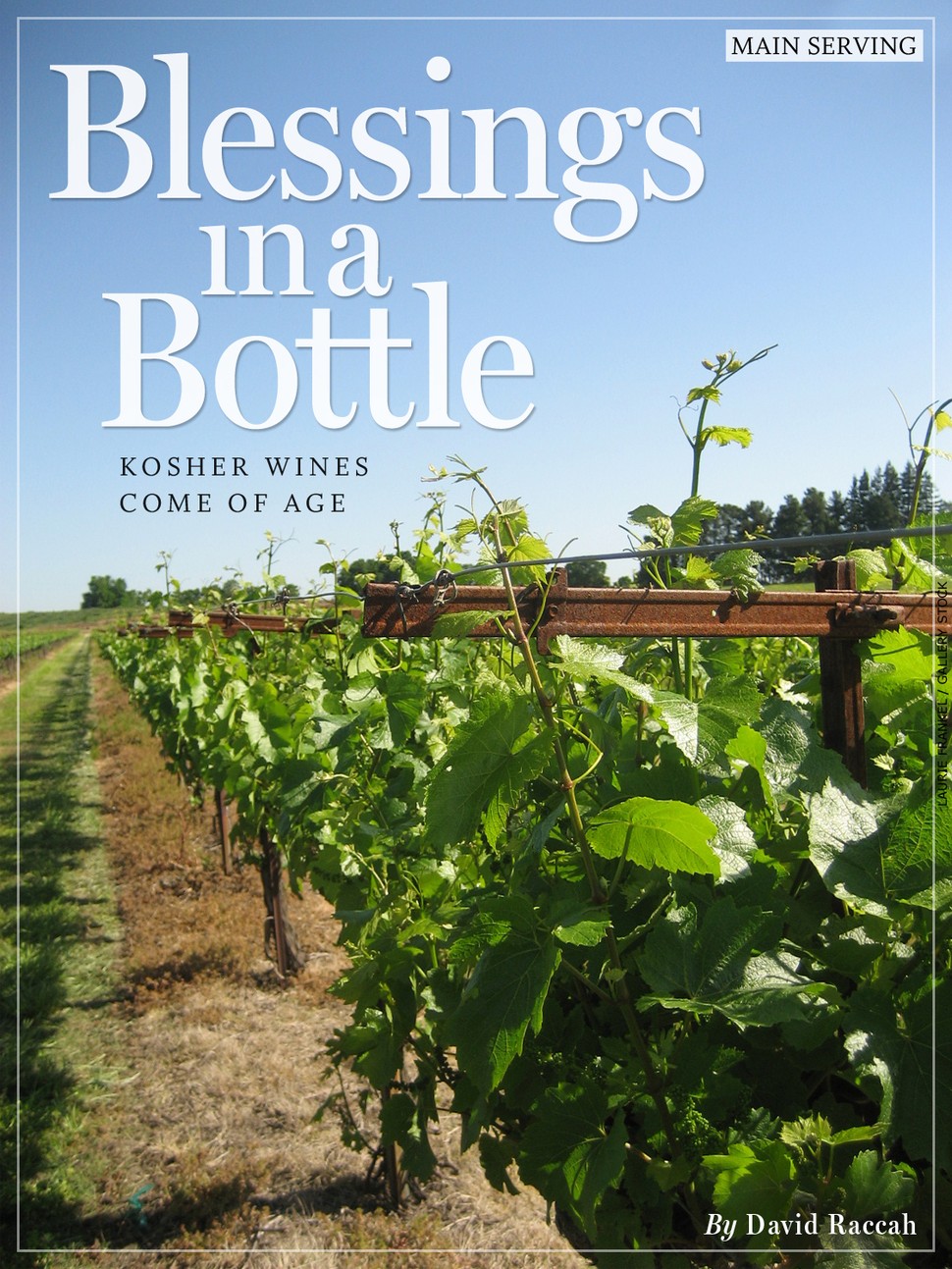 This past week my article on the world of kosher wine was published on Uncorked – a magazine written and edited by a vintner on the world of wine. I met Steve Yafa, when tasting wines at Covenant (a posting of all of those wines is coming soon). Steve makes his own wine (though not kosher) and has been writing about the world of wine, and many other subjects for many years, with his work showing up in the San Francisco Chronicle, and other such locals.
It was this chance encounter with Steve, at Covenant, that spurred the opportunity for me to write about kosher wine for his newest venture – uncorked, engaging and accessible coverage of the world of wine from an editor who’s actually a vintner himself. Uncorked brings you wine news, discerning reviews, taste tests, and unexpected but delicious food pairings. You’ll also get plenty of luscious photos and behind-the-scenes stories from vineyards and winemakers around the world.
My article can be found in the latest edition of Uncorked – titled: Blessings in a bottle, kosher wine comes of age. I hope you all enjoy it and my many thanks to Steve and his wonderful crew for working with me to make the final article a true joy to read and view!

2012 Herzog International Wine Festival – a feast for all the senses under the big top!
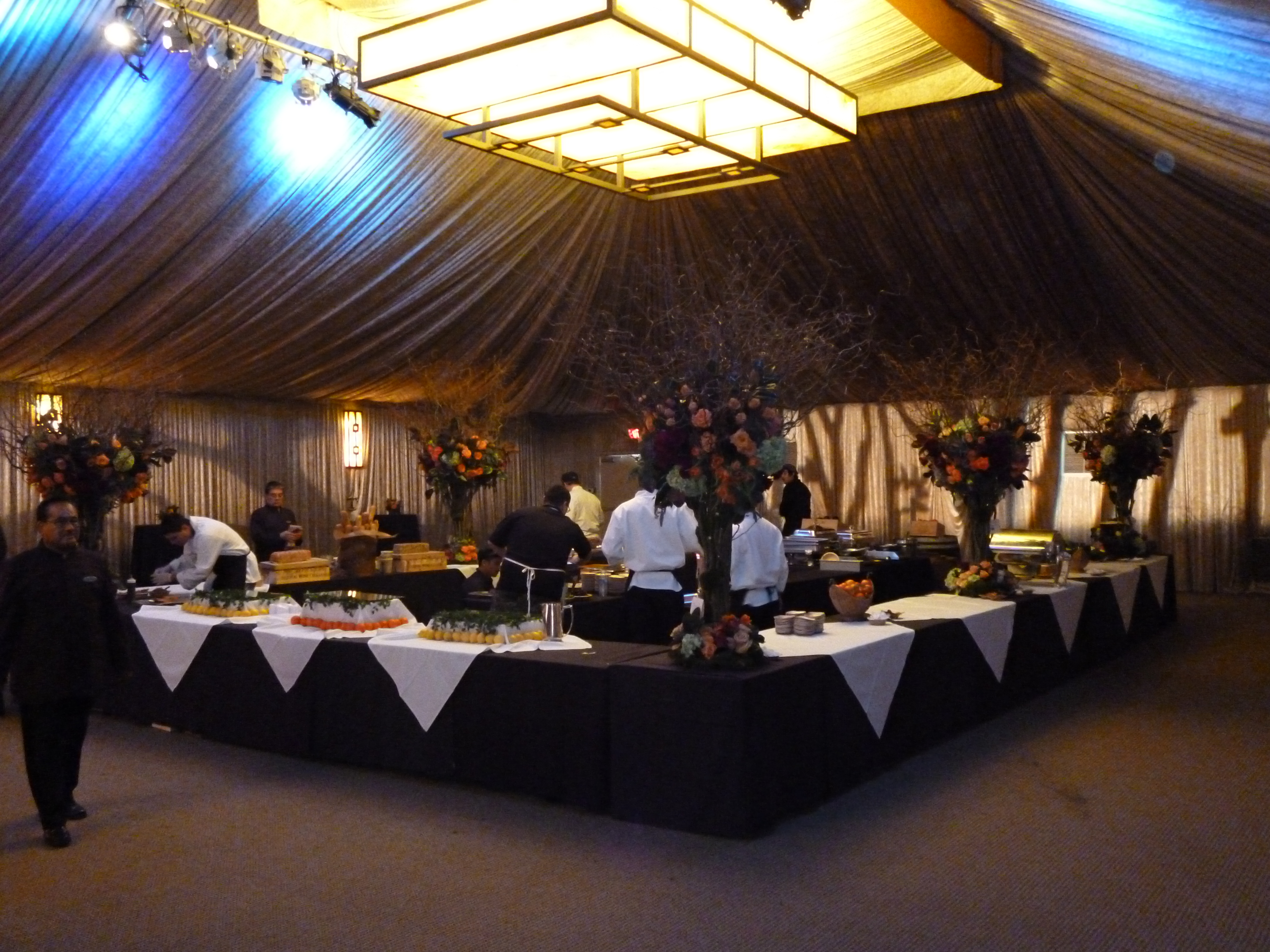
 This past week I was under a big top enjoying kosher wines from around the world and Chef Aaron Todd’s sumptuous splendors were available for all to enjoy. The event was the 2012 Herzog International Food and Wine Festival (IFWF) that was being held at the stately Hyatt Regency Century Plaza in Century City. Last year’s event was held at the state-of-the-art Herzog Winery, in Oxnard CA. The intimate lighting and setting was lovely last year, but the combination of the Royal’s larger wine portfolio, the wonderful food, and the growing crowds made it feel like the event was getting too big for its britches. So, with much dismay we waited to hear where the event was going to move to. When the word came out that the event was going to be held at the legendary Hyatt Regency Century Plaza in Century City – the event became the must attend hot ticket event for everyone who enjoys food and wine in the LA area – which is about all Los Angelenos.
 Now before anyone thinks the event was held in the stately Los Angeles Ballroom – it was not. Actually, it was held in the lovely Plaza Pavilion, whose name does not even begin to give the unique 9,000+ square foot space its due. The event was moved from the somewhat cramped, yet intimate, setting of the winery to a beautiful tent that is a permanent fixture in the hotel and the social calendar of many a LA party hopper. Actually it is with good reason, if I may say so, as the room is a long rectangle with sufficient yet dim-able lighting and enough space to host the many food and wine stands that the 500 or so attendees partook of. Never during the evening did I feel cramped or claustrophobic like I did last year. Further, while the smell of charring wood and meat is a huge turn-on (for me), it totally messes with my olfactory abilities, which when attending a wine tasting (not drinking) event – really bites! There were copious examples of carnivore delights, which were all prepared on site, but the smells did not permeate the walls of the pavilion. The larger space allowed for more vertical sitting spaces with round tables, in case you were not heads down like I was tasting wines. Also, the ability to stroll out of the pavilion and sit in the reception area, a few feet away, made for a far more roomy feeling event. Finally, the pavilion’s lovely champagne, antique gold and chocolate-brown colors, along with the chandeliers and wall-to-wall carpeting made for an evening of sheer elegance and
 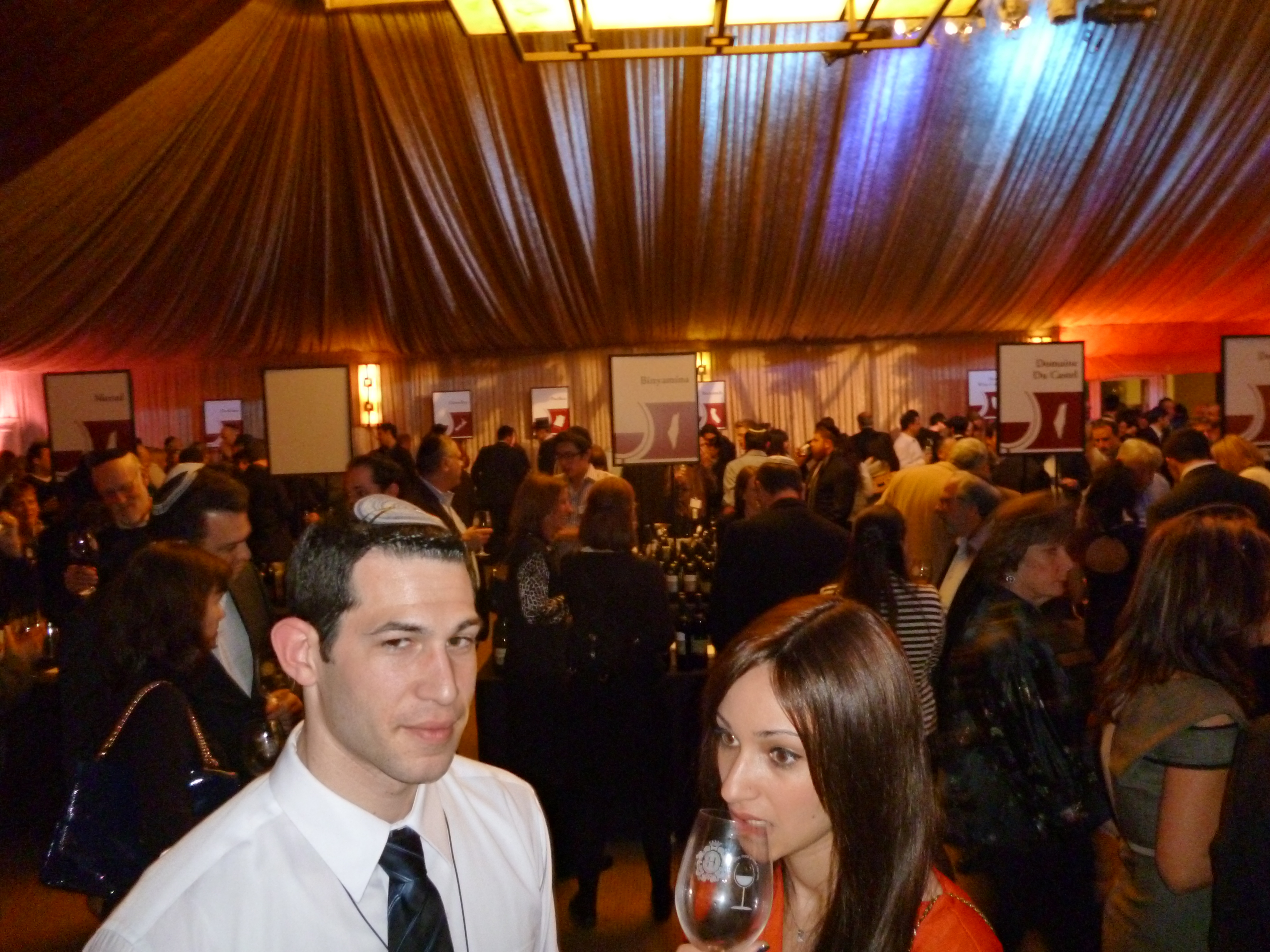 grandeur. Just an aside, while the surroundings were indeed attention grabbing, the guests who attended the event were equally well draped. Some came with tails and a top hat, others dressed to kill in evening ware gowns and suits. I of course, jeans and long sleeve shirt, however, the majority of the crowd were clearly channeling the elegance of the evening.
 The confluence of events that just happened to fall on Wednesday, February 15th, made it feel like the odds were stacked against a successful foray out of Herzog’s home base. First it rained – I mean pouring rain! If any of you saw L.A. Story, I hope you can appreciate how rare that is – even in the so-called winter! Further, POTUS decided to do not one, but TWO drive-bys, bringing traffic to a standstill while people craned their necks to catch a glimpse of the most powerful man in the free world. Still, blessedly, nor rain nor sleet nor traffic (the latter a very common malady that Los Angelenos are used to) can keep good citizens of LA from enjoying some seriously good wine and food. The event to me was a major success for many reasons, but the main reason was the fact that sure the event was attended by Jews interested in seeing what wines to buy for the upcoming Purim and Passover. However, there was a large contingency of party goers who attended the evening festivities to enjoy good food and wine – irreverent to their religious and dietary beliefs (which trust me in LA is saying a LOT)! The opportunity to show the L.A. glitterati that the word kosher does not relegate one to an automatic 15 minute timeout, is serious step forward for the kosher industry. Read the rest of this entry

Kosher Wine 101 2.0 and my rebuttal to many poorly written articles on kosher wine
 I cannot help myself; I am one of those guys who track all web pages and news articles that talk about kosher wine and Israeli wine. So, I was excited to see an article recently about kosher wine, titled kosher wine is kosher in Israel that was written by the Indian Wine Academy. The article had some serious issues that made me really unhappy. Kosher wine already has enough perceived issues – it does not need more stupidity and ignorance. I am sorry if I am coming at this too harshly but it really bugs me!
My post on kosher wine is the top hit on Google for kosher wine and it covers all locals and issues with kosher wine. The article by the Indian Wine Academy has a somewhat harsh slant on kosher supervision and worse; it has many incorrect statements on kosher wine production. My many comments below will not make sense if you do not brush up on the many aspects of kosher wine, which I cover in my Kosher 101 blog.
This is not the only article with incorrect information about kosher wine. Another example is an article about the way that Capcanes makes kosher wine. Again, the information is incorrect, as it was pulled from Daniel’s book and the issues in Israel do not relate to Spain (where Capcanes exists) or America, except for Orlah – which is easily handled.
The Indian Wine Academy’s article on kosher wine feels a bit harsh when talking about kosher wine and they start it off by talking about the wines they tasted at the Barkan Winery. After that, they start going through the laws that they perceive defines kosher wine. They made MANY mistakes and I am listing the mistakes below and my personal rebuttal to them:
The article:
- started with a rather attention grabbing headline – Women are a no-no
- Actually, this is categorically WRONG! Women who are Orthodox may work in the winery and in the wine making process. So you may ask – prove it! Sure, I called Rabbi Nachum Rabinowitz, the Senior Rabbinic Coordinator, from the OU (one of the top kosher supervision organizations). He said there is NO issue with an orthodox woman working in a winery – PERIOD!
- then stated that the Mashgi’ah‘s (kosher wine supervisor) gets paid by the winery.
- Actually, the supervisor is NOT paid directly by the winery. The winery pays the supervision company and they pay the Mashgi’ah. This limits the potential for conflict of interest. This may sound like a small issue – but it is NOT. It is a Chinese wall that protects both the supervisory agent and the winery.
- then stated that touching a barrel or vat, no matter the financial impact, renders the container non-kosher.
- Actually, this is true, but I need to add a caveat, that if a non-orthodox Jew touches a closed barrel or vat – there are NO issues. The vat or barrel must be open for issues to arise. Further, the wine needs to move – which is rather complicated in a vat that is attached to the ground or a barrel that is rather heavy. That said, the rules are the rules and it is best to follow them to the T.
- then stated that mevushal process can affect the aroma and flavors of a wine.
- While I agree, for the most part, that the mevushal process ruins many a wine, there are many wineries that do a very good job of mevushal – like Herzog, Hagafen, and even Shiloh Winery. That said, I agree that mevushal wine, not made by one of these exemplary wineries, should be consumed with a year of bottling.
- then talks about the 3rd and 7th year, without much information about them
- Actually, the 7th year, also called Shmitta, where the land lays fallow every 7 years, applies only in Israel. Further, there is no law, in the present day that mandates anything special during the 3rd year.
- then talks about tartaric acid and barrels which are fine, and then states that oak chips and oak powder are produced in Israel
- Actually this may be the case but it is not necessary. One can buy the chips and powder from the same place that they buy their barrels.
So there you have it! My rebuttal to a few weird and highly mistaken kosher wine law fallacies! Please spread the word – kosher wine is not that hard to make! It is because of uninformed writers like this that kosher wine gets a bad rap – that is NOT deserved!

Kosher wine tasting at the Cask in LA featuring Celler de Capcanes and Shiloh Winery Wines
This past week my friend and I 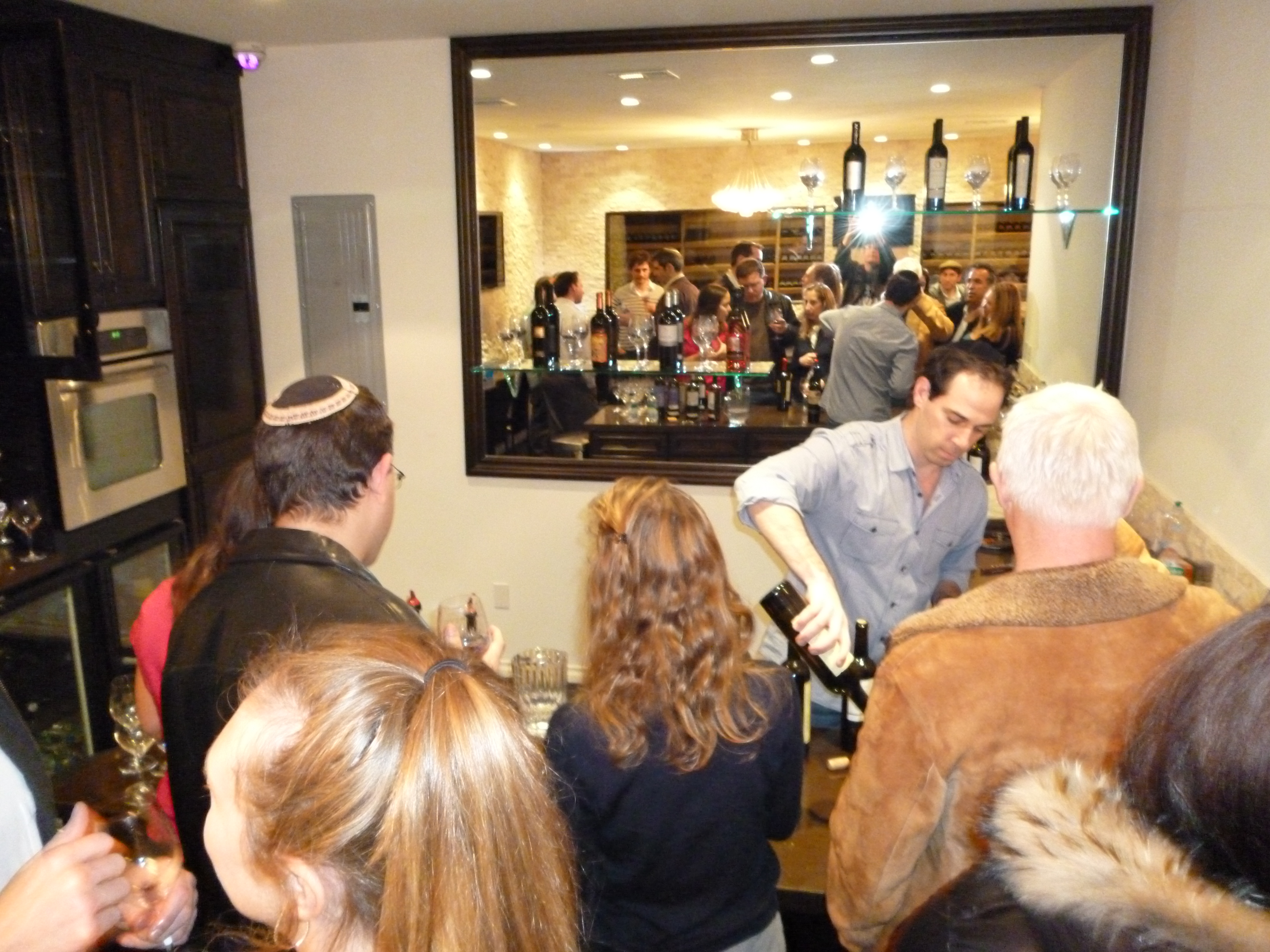 drove down to Los Angeles, CA to taste kosher wines at the 2012 Herzog International Food and Wine Festival (IFWF). The night before the IFWF we called The Cask, a new wine store on Pico, in Los Angeles, and they said they were having a wine tasting. I guess in my life, you can never taste too much wine! Though to get to the Cask, I had to drive for 1 hour to go 4 miles! My goodness, LA is really a nasty place to drive around during rush hour!
The Cask is not the first wine store in LA, but it is the first kosher-only wine store in Los Angeles, catering to the Jewish crowd that geographically surrounds it from all sides. There have been kosher wine stores before in LA, but a store that sells only kosher wine does take serious courage in this economy.
The Cask, the brain child of Michael Bernstein and Sivan Vardi (Sivan has since moved on), opened quietly, and just in time for Passover 2011. It had its red carpet grand opening in June 2011, with a real red carpet for people to show off their love for wine and haute couture. Interestingly, while neither partner has been part of the retail wine business before, the event I was at was well attended and went off without any hitch, from what I could see.
The front of the store, looks like any other wine store you may find yourself in on an early Friday afternoon looking for some wine to go with you cholent and roast chicken. However, the layout is still quite nice and the prices are competitive, from the quick check that I did Thursday night. However, the website is the weakest link. It is missing the social touch that is sorely needed to be competitive in this market, something that Sivan seemed to be doing before she left in September of last year. The prices are not on the site and the daily deals still show a wine from last September.
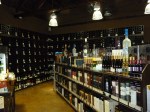
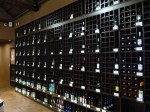


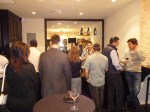
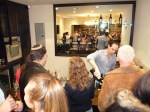


Clearly, the Cask is not trying to copy or do battle with some dude in his basement who cobbles up a kosher online wine store. Rather the Cask is all about the local touch of a high-end store where you taste and experience the wine with winemakers or wine professionals. Sure, maybe LA doesn’t need another place to go and buy kosher wine, though the Cask fills that admirably. What LA craves is the ability to walk into an establishment that has 200 or more wines and not be bewildered by the selection. The hope of the store is to educate the kosher drinking public about the hundreds of options available, and let them decide which wines best suit their palate or cuisine. Read the rest of this entry

Four Gates Winery – a terroir driven kosher winery in the Santa Cruz Mountains
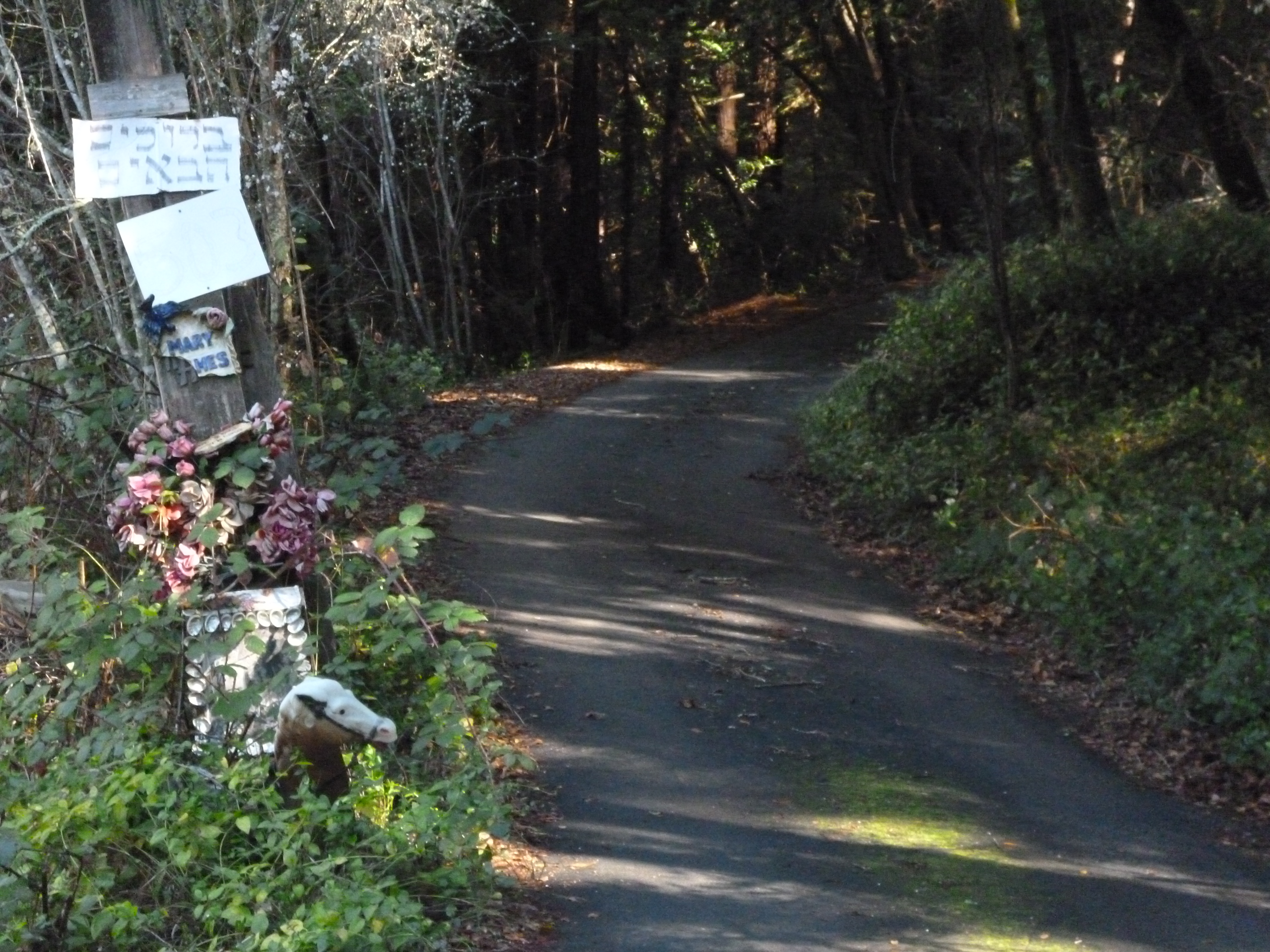
Four Gates Winery welcome sign and road up
I must start this posting by saying, I could not believe that I have waited this long to write an update to my previous postings on the Four Gates Winery. I did post about the time I crashed the Alice Feiring visit to Four Gates, which is almost fully documented in the last chapter of her new book: Naked Wine, more on that when I do my write up on the book. I also posted many wine notes along the way. Still the last real post I did on my friend’s winery is almost 4 years ago! Are you kidding me?
Once again, I was driving up this time to see Benyamin Cantz, the winemaker, vineyard manager, and Numero Uno of Four Gates Winery, in the rolling hills of the Santa Cruz Mountains AVA. It was a beautiful winter day in February 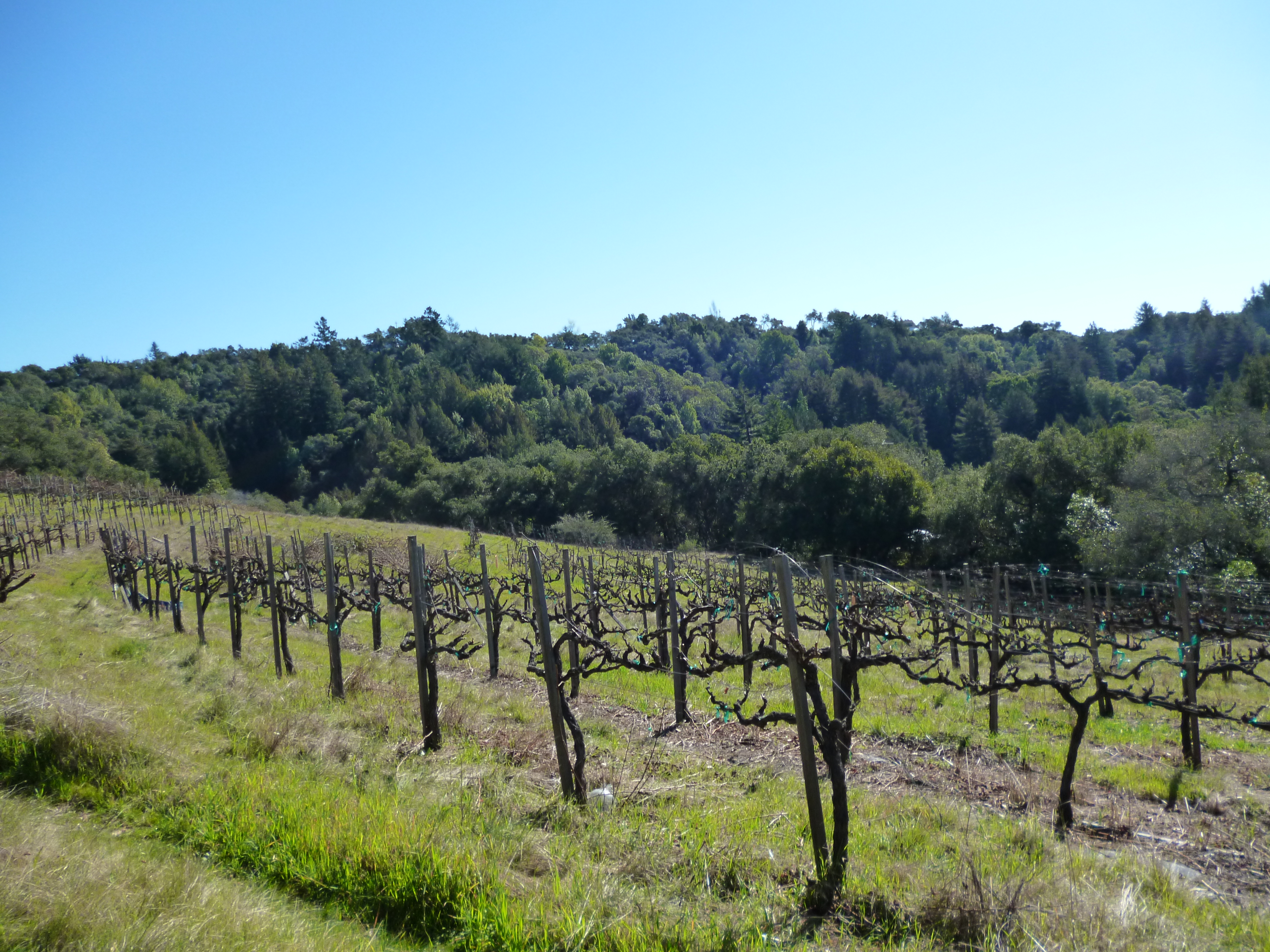 that felt like a spring day in Northern California, another lovely reason to live in NorCal. The drive to the winery winds through the twisting roads that crest and wrap around the Santa Cruz Mountains. By the time you arrive at the address of the winery, you will notice a Bruchim Habaim (translated loosely to mean blessed be those who are arriving) sign to the left and a driveway in front of you. As you look at the driveway that will take you to the top of the hill upon which the winery is perched, the thoughts of stairway to heaven cannot help but play in your head! The drive up the hill to the winery used to be a dirt road long ago, and with all the switchbacks and near vertical climbs, it dumbfounds me how Binyamin (and many others who lived on the hilltop) ever drove up and down that mountainside many times a day. Since then, the road has been paved and now by comparison, it feels like a highway. Once you have circumnavigated the circuitous drive to the top, the vineyard will be visible flanking the driveway from both the right and the left. The larger block of vines is on the right, but the Pinot and part of the Chardonnay are on the left. Read the rest of this entry

Vignobles David Le Mourre de L’Isle Cotes du Rhone and Cotes du Rhone Villages Reserve
 On a warm winter day in January, I had the opportunity to sit down with the head winemaker and owner of Vignobles David, and Shai Ghermezian, executive vice president of Allied Importers, who imports the wine into the country. The winery’s 114 acres of vineyards are located on the southern side of the Rhone Valley, in front of the famous Pont du Gard, within the triangle-shaped area of Avignon, Nîmes and Uzès.
The name of the winery is given for the name of its owner, Fred David, who can been seen partially obscured behind his wine, in the picture to the right. However, it is also very apropos to the work that the David does full time, that being a vigneron for his Vignoble, or in English a wine maker manicuring his vineyard. A vigneron in its purest sense, means a person who not only makes wine, but one who also tends to his vineyards. There really are very few true vigneron left out there, simply because of the sheer effort and time required to do it. Of course, Fred has people who help him, but he runs an independent family owned winery whose vines are all tended to in an organic manner.
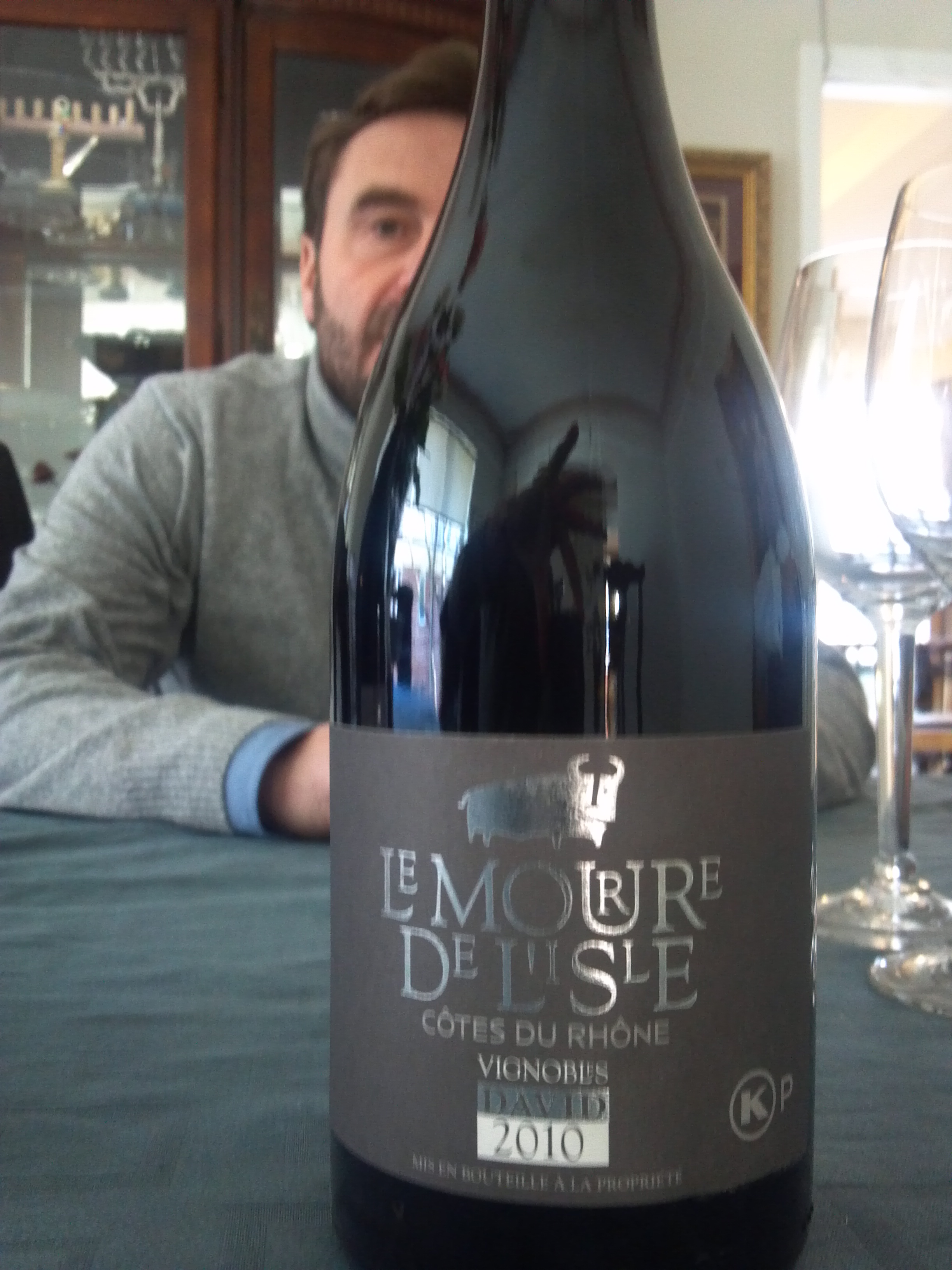 Most people know this winery by the name of the kosher wine it sells here in the US: Le Mourre de l’Isle. Actually, the name of the winery, as we said above, is Vignobles David. Please keep the real winery’s name in mind, so you can be on the lookout for the other kosher wines that Allied will be importing from them in the near future.
As larger conglomerates are buying up more and more wineries, wineries like Vignobles David are standing their ground and producing wonderful wines in an ecologically friendly manner to boot. The winery has been around since 1991 and has been producing kosher wines since 2005. The winery also produces a kosher Rose but that is sold exclusively in Europe. This year, David has added a reserve wine to both his kosher and non-kosher lineup that he is going to release here in the US sometime in February.
As we were sitting around Ghermezian’s table, the conversation moved in many different directions. I could not help but ask questions about the wine business from two people whose very life depends on it. As I listened to the conversation I was fascinated by the way that Mr. David reminds me of another true vigneron, who is also a very good friend, Benyamin Cantz of Four Gates Winery. They both create kosher wines with rich intensity; they both mind their vines and care deeply about their craft. Obviously, David’s operation is many times larger than Four Gates, and one is in the US and the other in France, but I could not help but take notice of the common threads in their lives and the wines that they produce from their vines.
Discussing terroir with a Frenchman is truly enjoyable, but doing it in French is even more fun. I dabble in the romantic language and it was a joy talking with David in his native tongue, even if I did mangle a few of the words. As the discussion moved to his wines, I asked why he does not sell his Rose here in the US? Mr. Ghermezian showed interest and yet, Mr. Davis explained that while the US market enjoys his wines, he is able to sell his entire stock in Europe, whether kosher or not. Actually, the majority of his wine is not kosher and it sells out in Europe, with his customers asking for more. Yet, he creates kosher wine because of his religious beliefs. The cost of the kosher wine is slightly higher than the non-kosher variation, simply because of the extra costs that the kosher wine production entails, and yet I could not help but sense his pride in its production as we were talking.
The complexity of creating a kosher blend comes down to a tradeoff between cost or quality. The reason comes down to the rate of ripening of different grape varietals, Grenache does not ripen at the same time as Syrah or Mourvedre. So if one wants a kosher blend, he must have kosher supervisors there for three pickings to maximize the blend’s potential, or pick once and hope for the best. With great pride and precision, Mr. David explained that he had kosher supervisors at his winery for some thirty or more days! From the first picking all the way to the last picking, then through the fermentation, and finally culminating with the wine’s internment into concrete or oak. Each step requires the supervision and it also requires his constant focus, which is not his only task or distraction, as he must still create his other non-kosher wines that are all coming ripe at the same time.

Herzog International Food and Wine Festival 2011 Results

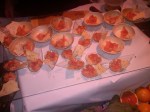


Well 2011 has come and gone and I am finally getting the chance to write up the 2011 International Food and Wine Festival (IFWF) that was held at the Herzog winery in Oxnard. In some ways it was the best ever and in some ways it was not. To start, 2011 was the fourth incarnation of this event and each time it has been well worth the trip. This past year’s event, in many ways, was the best. The food, as usual, was fantastic! The food is catered by Chef Todd Aarons, the head chef of the Tierra Sur, the world-class restaurant that is in the Herzog Winery. As usual, the food that Mr. Aarons and his staff prepare the event is bite size or a bit larger format, food that easily fits on a small plate. Essentially, think of them as normal or slightly large tapas, depending upon the food in question. As usual, the tapas were just divine, and as usual I always get the scarps. I say that because, I want to finish tasting the wines before I eat the awesome food, which would seriously inhibit my ability to write coherent wine notes. Of course, there is never a lack of good wines to taste, so essentially, I always eat whatever is left over as they are winding up the food and wine service. It is a mad rush to get some pictures and eat some food – truly sad, and totally my fault!
This past year’s event was even larger than its predecessors. As usual, the Herzog winery was fully decked out and expanded in the back by adding on a few heated tents. Normally, the French and Israeli wines were poured from the back room and the tent, behind the back room, which itself abuts to the parking lot behind it. This past year, they expanded further by pouring only Israeli wines from the entire back areas, moving Capcanes to the Spanish and Italian section, and moving all the French wines to its own room – the Herzog Situation or Conference room, which is off to the right from the entrance, essentially on the other side of the building. Some may look at that and say they relegated the French wines to the “basement”, but the way I see it, Royal has SO MANY wines to show off from its portfolio, and only so much room in the winery that they chose the best holistic group they could that would not look too small or take up too much room, in the conference room, and that fell to the French wines.
This was the first of the, not so good points, and that was the lack of communication around this change of venue for the French wines! I totally understand the complexity of it, and there was signage. However, given the drastic change that was in affect, a bit more information for some would have been good. I found myself telling many people about the new location for French wines, that they thought were AWOL for 2011. That said, I think this will not be an issue in 2012, as the event will be moving from Oxnard and the Herzog Winery to LA at the Hyatt Regency Hotel, Century Plaza!
Of course, with all the room taken up by wines and wonderful food, there still needs to be place for the humans and this was issue number two, which again will be fixed in 2012. That being, there was very little room to move about as the evening moved on. I found myself having to find a corner to just write notes, let alone not to feel claustrophobic, which is a problem I do not normally exhibit. That said, I hope that the new venue will allow the event to stretch its wings and soar to higher heights with more space and more opportunities to showcase its wonderful food and wines.
I truly believe that 2011, was the first year where the wines totally out shone the food, excepting for 2008, when the French wines were truly off the hizzy. This is not in anyway a slight to Aaron’s food, rather it is a compliment to Royal wine portfolio, that has now reached world class, and something I am sure they are extremely proud of. I do not need to repeat the story of Herzog, which can be found in the middle of last year’s post, as that would be just repeating myself. I just hope you read this and it grabs you enough to buy some tickets that are going really fast for the 2012 version of the International Food and Wine Festival which will be happening in LA this year – enjoy the notes. I need to add my personal thank you to the entire Royal and Herzog staff for putting together such a great show, and much luck on your new 2012 event!
The wine notes follow below, in the order they were tasted:

2007 Domaine l’OrDeLine Chateauneuf du Pape – Score: B+ to A-
Would love to know how Herzog pulled this one off, and who is the negotiant for this wine. I found a lovely write-up about the winery and the name, anyway, on to the note.
The nose on this light gold colored wine is hopping with kiwi, grapefruit, lemon, gooseberry, mineral, apple, and white peach. The mouth on this medium bodied wine is rich with white fruit, tropical fruit, and mineral. The mid palate is round and balanced, with nice spice and mineral. The finish is long with clean yet round flavors of of fruit, spice, mineral, and bramble. The wine is so classic in its minerality and clean lines yet ripe and luscious. Read the rest of this entry

Minute Steak, Roasted Potatoes, Garlic Green beans, and Domaine du Castel Petit Castel
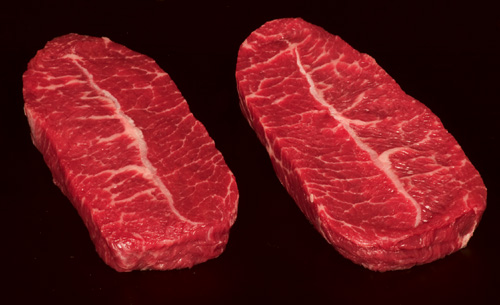 This past week I went spelunking into my freezer and I found two pounds of minute steak, or what the meat world calls chuck blade steak. The steaks are kind of that Dr. Jekyll and Mr. Hyde meat. It wants to be braised but it also can work with a grill. Say what? Actually, the meat has a large amount of connective tissue with a thick gristle running down the middle. The best way to manage this cut of meat is to grill it after you marinade it for a few hours, or braise it. Well, I had no time to marinade the meat ahead of time, so I coated the meat with paprika, garlic powder, and black pepper. I then put them on the grill and used a bit of barbecue sauce as well. Finally, I placed the grilled steaks into a shallow pan, added in some more barbecue sauce into the pan, and then covered it with aluminum foil and placed the meat into a warm oven.
For a side dish, I whipped up two very simple dishes. One was roasted sweet potatoes, potatoes, and onions. The other was garlic green beans with onions and mushrooms. Here are the recipes:
Roasted Potatoes and Onions Recipe
- 1 pound of potatoes – cut into large cubes
- 1 pound of yams (orange sweet potatoes) – cut into large cubes
- 2 sweet onions – cut into large cubes
- 3 tablespoons of olive oil
- 2 tablespoons of garlic powder and paprika
- 1 teaspoon of salt and pepper
Cut up the vegetables into large cubes 1 inch or more cubes. Then place them in a large bowl and fill the bowl with water to cover, and let them sit there for an hour of so. This is VERY important. It helps to accelerate the roasting process. Then pour out the water, and pat the vegetables dry. Next mix the spices together so that they are combined well. Next spread out the vegetable cubes into a large shallow roasting pan and cover with oil and then sprinkle the spice mixture over the vegetables. Then flip the vegetables around and add more spice mixture until coated very well. Finally, pre-heat the oven to 400 degrees and roast for 30 or so minutes, or until the vegetables start to caramelize.
Garlic Green beans, with mushroom and onions Recipe:
- 2 tablespoons olive oil
- 2 large onions coarsely diced
- 16 oz. of mushrooms thickly sliced
- 7 cloves of garlic
- 1 teaspoon of salt, or more to taste
- 1 1/2 pounds fresh green beans, trimmed
Heat up the oil in a large skillet till it starts to smoke. Then drop in the coarsely diced onions and saute them till nicely browned. Then add in the thickly sliced mushrooms and saute them till they have sweated out half their size. Then add in the garlic till they start to bloom, then add salt and pepper to taste. Finally add in the green beans, and mix everything up, so that the hot vegetables coat the green beans, and take it off the fire when the green beans just start to soften.
 The meal was absolutely killer! Sorry if I and tooting my own horn, but the pairings were just perfect. The meat was soft on the indie, yet crispy on the outside, the green beans were nicely wilted yet slightly crisp, and the roasted vegetables were lovely with the meat!
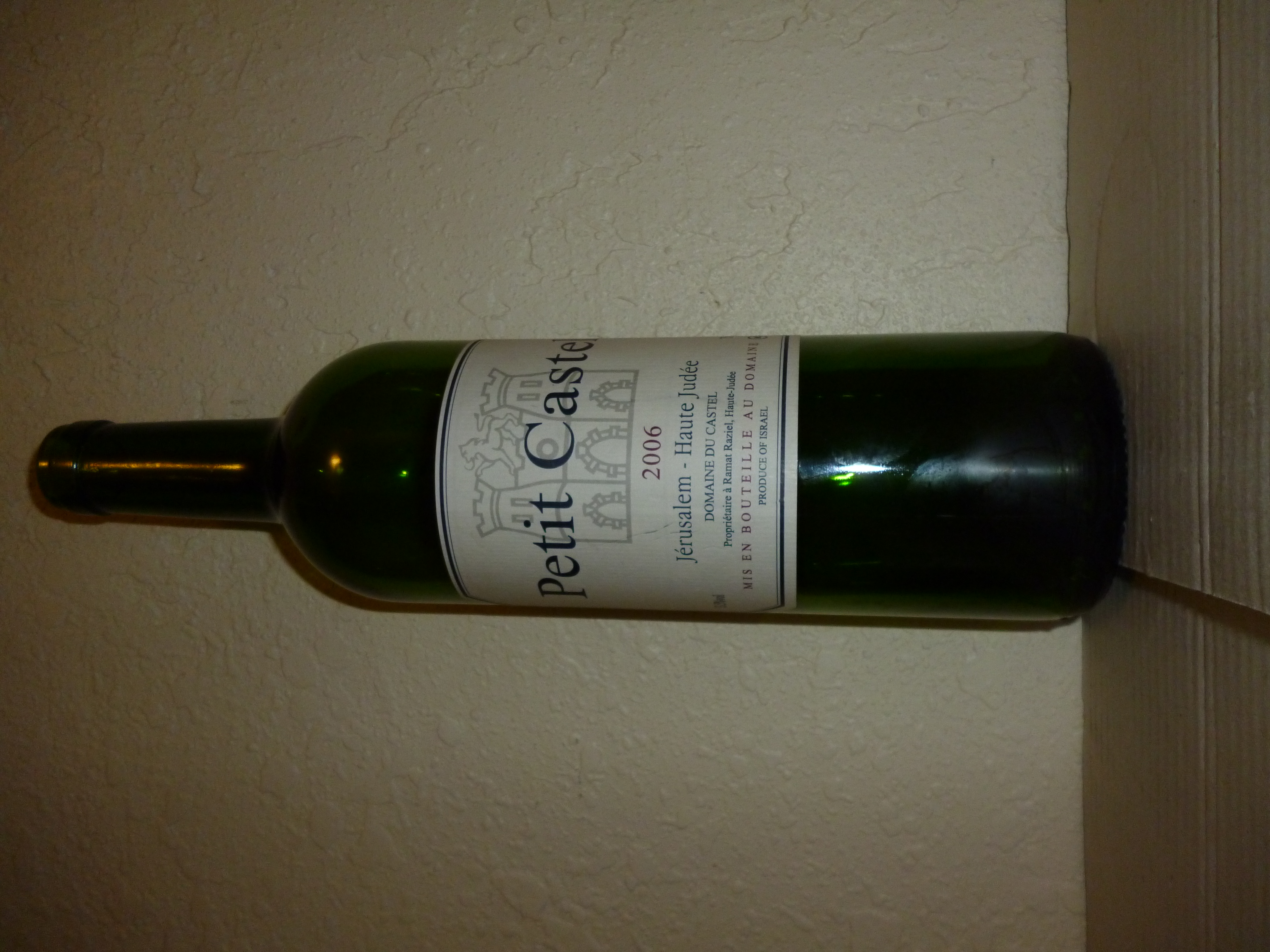
To pair with the meat we went looking for a rich red wine and pulled out a bottle of 2006 Petit Castel. I was really looking forward to a rich wine, but the wine’s lack of core acid made the wine feel flabbier and flat. The mouth was rich, but the date and sweet cedar flavors also turned me off. This is a bottle you really should be drinking up!!
The wine note follows below:
2006 Domaine du Castel Petit Castel – Score: B++
The nose on this black colored wine with brown tinge is rich with sweet cedar, chocolate, tobacco, herbs, date, very apparent green beans, ripe plum, blackberry, and currant. The mouth on this medium to full bodied wine is still rich and concentrated with green notes, ripe fruit from the nose, rich black cherry, mouth coating tannin, and sweet cedar all coming together. The wine is missing the bright acidity of old, which makes it feel a bit underpowered. The finish is long and super spicy, with rich black pepper, herbs in the background, and heavy sweet cedar and vanilla to round it out. DRINK UP!!!

Gush Etzion Winery – One of the oldest and up and coming wineries of the Judean Hills
 This is the ninth article I am writing on wineries from the Judean Hills wine region of Israel. This particular winery is located just outside the city of Gush Etzion in the Judea region. The winery was a not even a figment of their imagination when Shraga and Tamar Rosenberg moved to Efrat, which is located in Gush Etzion, in the heart of Judea, just south of Jerusalem in 1986. However, the blackberry bush in their backyard looked interesting and their neighbors told them that it could be used to make fermented juice. So with the simple act of fermented blackberry juice (sorry I cannot bring myself to call that wine) was born the desire to, in time, create a world-class winery in the Judean Hills! He was not so different than another pioneer in the Israeli wine world, Eli ben Zaken of Castel Winery, who also left his job to create a world-class winery. Though Gush Etzion has not yet reached the level of Castel in terms of overall wine quality, it is steadily making its way up the hill.
 Most would not associate wine and blackberry juice, but for Rosenberg it was a great gateway beverage to acquire the yearning for something a bit more real. With time, Rosenberg realized that wine was his real future and he started tinkering with it in his basement – a classic garagiste! During that time his ultimate dream was growing, of building a winery that would prove the words of the Patriarch Jacob, who prophesied to his son Yehuda some 3000 years ago: “Binding unto the vine, his foal, and unto the choice vine, the colt of his ass; he will launder his garments in wine and his robe in the blood of grapes. His eyes shall sparkle with wine, and his teeth white with milk” (Bereishit 49:11-12). Commenting on these verses, Rashi states, “[Yaakov] prophesied regarding the land of Yehudah, that it would produce wine like a fountain.”
 As his tinkering continued friends told him how much they loved his wines and one thing led to another – with Rosenberg officially leaving his managerial position at senior citizen’s home to become a farmer and winemaker! In 1995, with the decision already made, he started to look around for enough grapes to make his dream a reality. To do this he reached out to growers in the area and he quickly found out that if he wanted to make this happen, he would need to plant his own vineyard and augment it in the time being with what he could find in the area. With total control on his vineyard, Rosenberg could manage the vines to make the kind of wine that he sees as world-class, rather than the yield and size that the growers wanted.
As the winery started to grow so did their output. In 1998 the Rosenbergs released their first vintage from their newly minted winery, in the basement of their house in Efrat. They initial vintage consisted of 7000 bottles, which is quite large if you are doing all the work in your basement! The varietals for the first year were all from the Noble grapes; Chardonnay, Cabernet, Merlot, and Sauvignon Blanc. Since then both the varietals and bottles have increased. By 2009 mass planted had expanded the winery’s vineyards to about 120 acres. Among the varieties planted include; Chardonnay, Organic Chardonnay, Sauvignon Blanc, White Riesling, Shiraz, Merlot, Organic Merlot, Cabernet Sauvignon, Cabernet Franc, Petit Verdot and Gewurztraminer and Viognier.


Herzog Cellars Winery Tasting Room and Dinner at Tierra Sur Restaurant
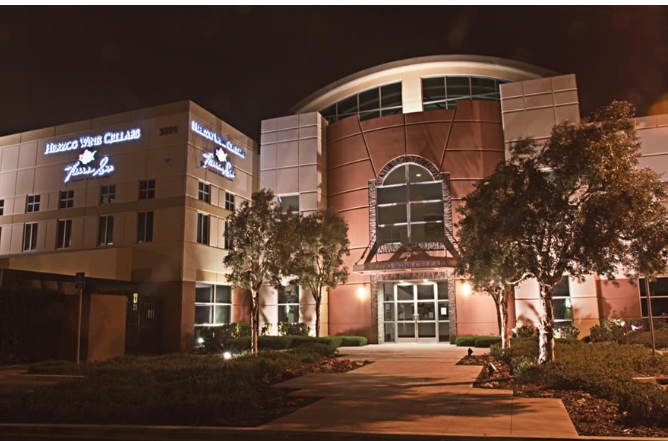 This past week my wife and I went to dinner at the famous Tierra Sur Restaurant, which is located inside the Herzog Cellars Winery. The restaurant is run by the head chef Todd Aarons and is always a culinary treat. We have enjoyed his handiwork before when a few times at the Herzog International Food & Wine Festival held every year at the winery, around February. This year the event will be held in the Hyatt Regency Century Plaza, in Los Angeles, CA. Tickets for the upcoming event on February 15th, at 6 PM, can be purchased at the Herzog Wine Cellars web page here.
As we entered the winery we were greeted by the nice lady at the front desk, as we made our way to the restaurant we passed the Herzog Tasting Bar.
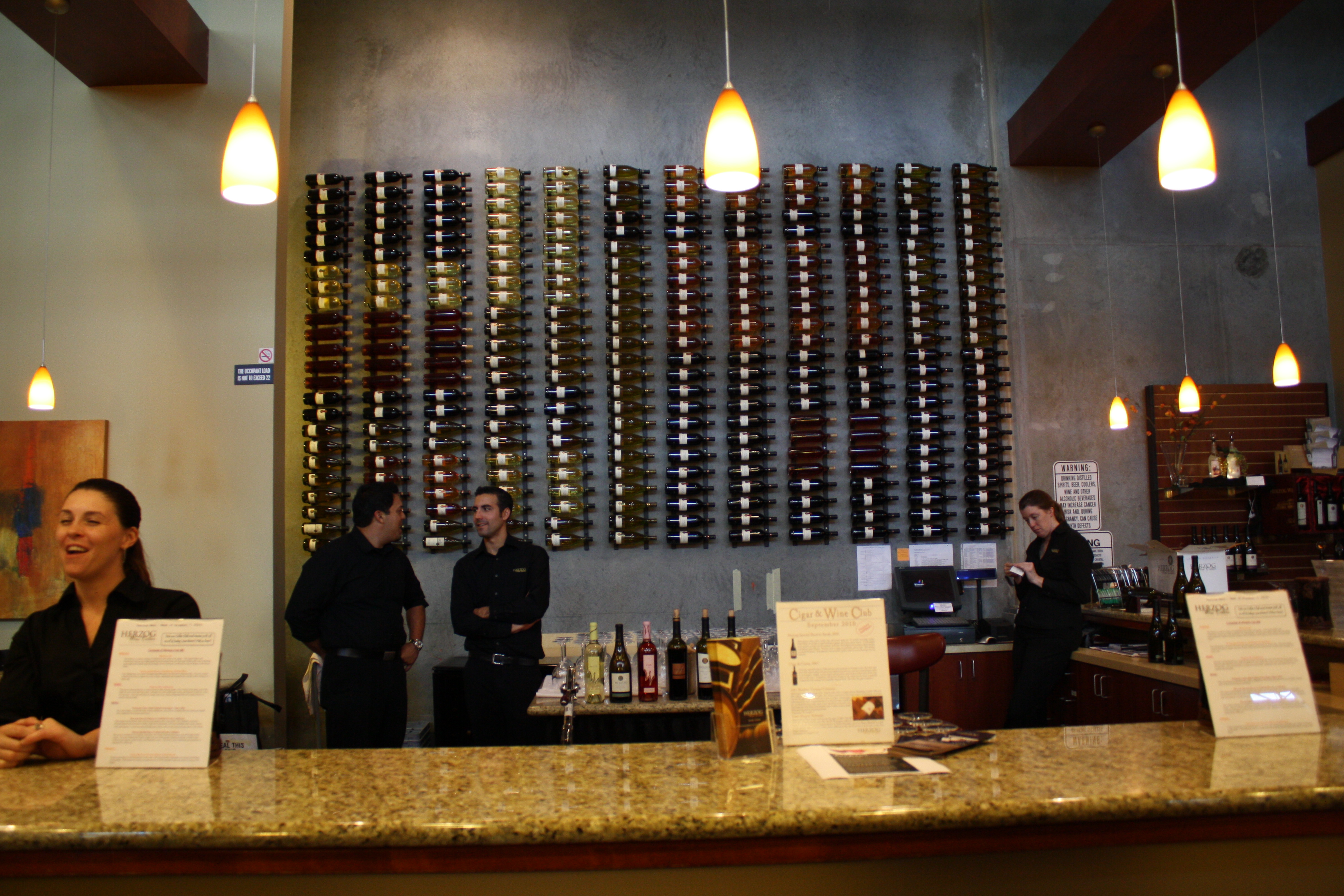 Traffic getting to the winery was so crazy busy that we barely made our appointed time. We entered the lovely restaurant and were seated immediately, and were given the current menu. The menu changes often, as the restaurant is proud of its local sourcing and its rich and bountiful flavors. According to the website: Tierra Sur continually strives to bring the best produce and ingredients to its customers by buying from local, small family farms. We are proud to participate in the Growers Collaborative Program under Community Alliance with Family Farmers (CAFF). CAFF is a statewide non-profit organization that works to build a movement of rural and urban people to foster family-scale agriculture that cares for the land, sustains local economies and promotes social justice.
 Given the complexity of building a menu around what is available locally, even in California, Tomatoes are pretty much over now, as are zucchini, and fresh bell peppers. So the menu is filled with fresh winter salads, chard, and beets, all lovely tasting winter California bounty, with tomatoes and other Summer Solstice vegetables used as adornments. For starters we chose the Chorizo lamb sausage and black olive piadina flat bread with watercress, cherry tomato salad and zahtar dressing. The small pie was lovingly adorned by rich and spicy lamb sausage, along with black olives and a couple of tomatoes on top. For entrees, my wife chose the braised brisket and I chose the duck. After makes our choices, we made our way to the tasting bar and we sampled four of the red wines that were available.
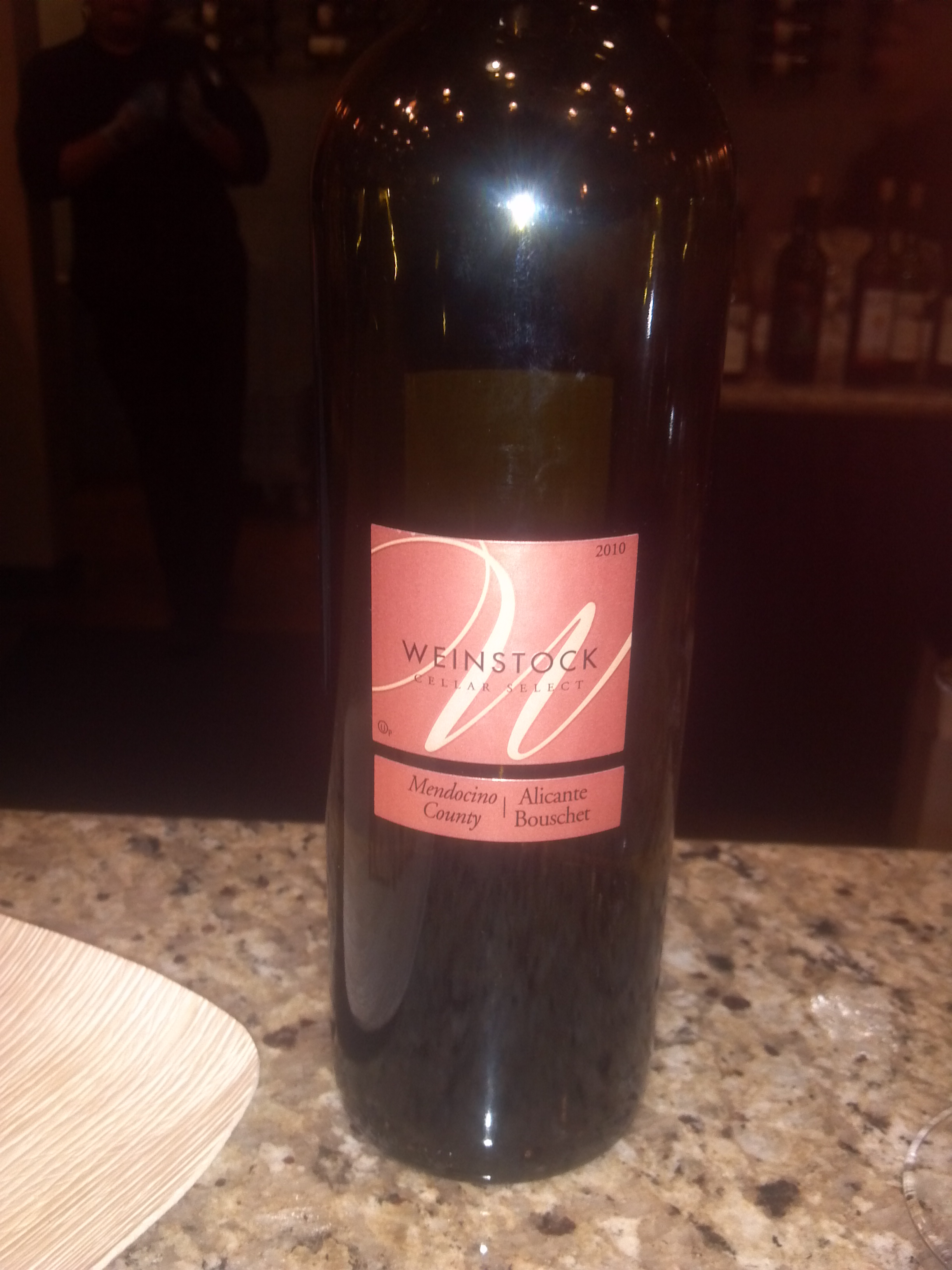 I started with the 2008 Baron Herzog Zinfandel, which is a fine enough wine, but one that does not stand me up on my ear and make me take notice. For 10 bucks or so a bottle, at most local shops, it is the best of the baseline Baron Herzog wines. We than had a taste of the 2009 Herzog GPS (Grenache Petite Sirah) blend. According to the back label Joe Hurliman, the head winemaker at Herzog, has been wanting to make a wine from the Grenache grape and personally, he has made a wonderful wine that emotes whimsical and light white chocolate, flowers, and rich fruit. We followed that with a testing of the 2010 Weinstock Alicante Bouschet. Do not worry, I never heard of this one either before my friend told me about it when he received it in his Herzog Wine Club delivery. For some quick history and viticulture the Alicante Bouschet, it is an intensely red grape with a somewhat dark and infamous past. It was the number one grape used during the prohibition, and widely planted in California during the prohibition, because its color and thick skin allowed for the long trip to the east coast and to be diluted without discoloring the wine too greatly! The grape makes for intensely dark wines, with somewhat high alcohol, and average quality wine.


 Wine Musings Blog