Category Archives: Kosher Wine
Three Merlot wines from Israel, two from France, Pacifica Cabernet, and one killer Herzog Napa Cab
 I am really behind on my blog, as I have been busy with a new hobby which is taking up all of my time. Anyway, I wanted to highlight the meal we had two weeks ago which was in honor of my nephew and his beux leaving the area to go east. So in honor of them, I wanted to try a bunch of Israeli Merlot wines. Now, when people think of Israel, Merlot is not first on their mind, mostly because many do not appreciate Merlot, which is done incorrectly tastes bland and benign. That blandness and lack of character, was initially its draw, but over time, it was nuked both by the Sideways effect and by its sheer lack of anything fun. The folks in the know, would blank at Merlot from Israel, given the areas hot climate, which is counterproductive to making good Merlot.
The truth is that I have been talking about Merlot from Israel, but Merlot only from the Shomron region, a region that has found a way to harness what Israel has to offer and channel it into lovely and rich Merlot. The Shomron is becoming quite the up and coming wine region, much like the Judean Hills was some ten years ago. Now, Castel, Flam, Tzora, and many other wineries have made the Judean Hills a household name. I think the Shomron will soon follow in its next door neighbors footsteps, and come out from under the shadow of the Jerusalem hills to capture its own claim to fame; namely Merlot!
Merlot, as stated above has many needs, one is climate, two is proper drainage, and three is it needs careful vineyard management to control its vigor, nitrogen levels, and many other intricate issues that make Merlot a finicky grape, though not as maddening as its Sideways replacement Pinot Noir. As a total aside, the Sideways movie to me was far too vulgar and not to my taste, but there is a hidden joke in the movie that many miss. In the movie, the shlubby protagonist, Miles, screams afoul of Merlot and even disses Cabernet Franc, but especially extolls his love for all things Pinot Noir. Why did Miles love Pinot Noir so much, why go to great lengths to get his beloved nectar, well he defined right at the start:
“Um, it’s a hard grape to grow … it’s thin-skinned, temperamental, ripens early … it’s not a survivor like Cabernet, which can just grow anywhere and thrive even when it’s neglected. No, Pinot needs constant care and attention … it can only grow in these really specific, little, tucked- away corners of the world. And only the most patient and nurturing of growers can do it, really. Only somebody who really takes the time to understand Pinot’s potential can then coax it into its fullest expression.”

2010 Gvaot Cabernet Sauvignon, Herodion
We last tasted the Gvaot wines at both the Gvaot Winery and the City Winery and Shai’s house. This was the one wine that we did not taste at the winery so I felt compelled to taste this wine. I bought the bottle from one of my favorite kosher wine retailers; Skyview Wines and Spirits.
This wine started off really closed and could really use a few hours of air, for now anyway! This wine proves that the Shomron can indeed make a really nice Cabernet Sauvignon and not just GREAT Merlot, but it takes a certain je ne sais quoi! Bravo Shivi and I hope to enjoy many more great Gvaot wines!


The wine note follows below:
2010 Gvaot Cabernet Sauvignon, Herodion – Score: A-
This is a wine that currently needs a good three hours to truly open up. Anything less will show a classic cab profile, but one that feels lacking.
The wine starts off with a classic cab nose of blackcurrant, black cherry, cassis, dirt, mineral, almost floral notes, with green and grassy aromas. The mouth is medium in weight with good concentration, and layers of fruit that show raspberry, nice cedar, and foliage. The finish is spicy with black fruit, chocolate covered marzipan, tobacco, and eucalyptus. The wine was nice but no complexity.
Over time, the wine finally opens to a nose screaming with strawberry, black fruit, loamy dirt, beautiful graphite, and spice. The mouth is rich and layered with tons of black fruit, ripe raspberry, and mouth coating tannin that mingle well with the sweet cedar, coming together very nicely. The finish is long and herbal, with eucalyptus, tobacco, chocolate, red and black fruit, vanilla, butterscotch, and more sweet cedar.
Great red and white wines enjoyed over Shavuot
This past Shavuot we had family over and enjoyed some great wines, a bunch of lovely sushi, and cheeses, and a brisket dinner to boot. The sushi was enjoyed for both the first night and lunch meal. The sushi rice was messed up by me, but my nephew and I rescued it and we had some great fish to make it all work.
To pair with Sushi for two meals we started with the highly conventional, and then veered way off course as well. To start we enjoyed three white wines; 2010 Carmel White Riesling, the 2010 Midbar white 44, and the 2007 Hagafen Brut. The Carmel Riesling started off really nice but quickly faded – so be careful with what bottles you have left and drink up fast. The Hagafen Brut was rocking and lovely, and the Midbar 44, was the best white and the second best wine of Shavuot.
The next day we went the highly unconventional route and enjoyed two res with the sushi meal – but hey who cares, I wanted to enjoy them. First we opened the last bottle of my 2001 Yarden Ortal Merlot and then we opened a bottle of the 2009 Shiloh Legend.
For dinner we had brisket and then for the following lunch some cheeses. Overall a lovely yom tov and the added family made it something special. The wine notes follow below:


2010 Carmel Riesling, Single Vineyard, Kayoumi Vineyard – Score: B+ to A-
I had this wine again over Shavuot though the wine really impressed when I opened it and enjoyed it – it died a few hours later. Initially – when opened it gives you a sense of sweetness though it is bright and ripe but with little residual sugar. The nose starts off with lovely floral notes, clear peach and apricot, along with an intense citrus brightness, melon and spice. The mouth is rich with citrus, lemon, ripe pink grapefruit, all backed by a great bracing acid. The finish is long with nice mineral, slate, citrus zest, vanilla, and baking spices. This wine is in drink NOW or drink UP mode. Get it cold and enjoy within the next few months.
2007 Hagafen Brut Cuvée – Score: A-
The 2007 Brut Cuvee Sparkling Wine is a blend of 78% Pinot Noir and 22% Chardonnay. The beautiful light salmon color really comes out in the glass, which is expressive with nice white chocolate, bright citrus, fig, cherry, and melon. The mouth hits you with an attack of lovely small mouse bubbles, along with brioche, apple, citrus, quince, and yeast. The finish is long and tantalizing, with good complexity, nice structure, and bracing acidity to keep the whole experience rich and bubbly!
2010 Midbar White 44 – Score: A- to A
Having brought back tow of these beautiful bottles home – it was time to enjoy one with sushi! The wine is a blend of Gewurztraminer 25%, Sauvignon Blanc 20%, Chardonnay 20%, Viognier 20%, Semillon 15%. Yeah, five grapes yet called the 44, who cares – the wine concentrate on the wine!!! This one blew me away, the aromas literally are in a cage match to the death, fighting each other tooth and nail until one becomes victorious. I did not stand around long enough to find out whom the winner would be, but in the end with a wine like this – we who enjoy it are the lucky winners indeed! Yaacov explained that Gewurztraminer is one of his hardest grapes to control, it has soapy or unwanted flavors and he does things with it to minimize the bad and accentuate the good. He does cold whole bunch press, and he blends it with all of these grapes to get the most out of all of them. The nose is redolent with super ripe summer fruit, crazy ripe orange, grapefruit, violet, rose, honeysuckle, and litchi. The mouth is rich, round, honeyed, and insane, with layers of complexity and flavors, starting with ripe nectarine, guava, green and yellow apple, all coming at you in waves. The oily texture and the summer fruit combine for a mouth captivating wine. The finish is long and spicy with nuts, almonds, marzipan, tart fruit, candied grapefruit, and earthy mineral notes! The wine did not disappoint at the winery or at home! Bravo!!
2001 Yarden Merlot, Ortal Vineyard – Score: A- to A
Love it again – wow what age can do to a sweet wine!!! I could not wait the two years I said I would – wanted to share it with family, so it was time to enjoy! What a glorious wine, the wine showed date and raisin in the past, but now this wine is round, ripe, and rich, with layers of concentrated fruit, mouth coating tannin, and rich body. The wine now shows beautifully and is a wine that we did not have time to watch open as the wine disappeared in almost no time, clearly the winner of Shavuot. The nose starts off with bright and ripe blackberry, rich dark cherry, clear herbs and green leanings that flow into good dirt, earth, and smokiness. The mouth is rich, layered, concentrated, and round, showing what the perfect balance of oak, ripe fruit, and time can create. The mouth is full bodied, and the best merlot that I have tasted from Yarden, with cassis, black plum, red currant, lovely mouth coating tannin, awesome bracing acid, and more earthiness that brings the whole mouth together, with hints of sweet cedar. The finish is long and spicy with black pepper, mineral, chocolate, rich leafy tobacco, and more dirt. What a great wine and one that is as good as it is going to get – so drink up now!!!
2009 Shiloh Legend – Score: A-
The nose on this mevushal purple colored wine explodes with ripe blueberry, dark cherry, ripe raspberry, licorice, and lovely spice, with a hint of roasted meat and smokiness which leaves soon enough for more crazy spices and ripe fruit. The mouth on this full bodied, ripe, round wine is expressive with sweet fruit, blackberry, ripe strawberry, plum, more blue fruit, along with sweet cedar, and mouth coating tannin that lingers and makes the mouth feel ripe, sweet, and round. The finish is long and spicy with nice vanilla, cinnamon, chocolate mocha, black pepper, cloves, nutmeg, and mint. Over time the wine opens further to show grapefruit, pineapple, watermelon, and more lovely baking spices – BRAVO! With all the overripe and over sweet 2009 wines from Israel – this is a wine that shows you what control in Israel can taste like.
2008 Psagot Shiraz, Single Vineyard
This past weekend we enjoyed kosher wine from Israel called Psagot Shiraz. I have posted often about Psagot Winery, and this wine was in one of my previous posts. The wine was fine, but it showed a bit too much raisin for my tastes. I would think this wine is now very close to if not already in drink-now stage.


2008 Psagot Shiraz, Single Vineyard – Score: B+
The nose on this purple to black colored wine is super rich and extracted with light raisin, plum, blackberry, cassis, rich espresso coffee, tar, pencil, loamy dirt and bramble. The mouth on this full bodied wine is rich, layered, concentrated, extracted, and inky, with lovely blueberry, cherry, date, nice acid, searing tannin, and sweet cedar that make for a lovely mouthful. The finish is long and super spicy, with chocolate, tar, light animal notes, cloves, black pepper, and more great spice.
California Classic Cellars AKA Kiddush Hashem Cellars
 I first wrote about the California Classic Cellars wines, back during Passover, in this post. What I know of the story (if there is one) has not changed, if anything it is now further shrouded in mystery. I wrote about them because I got two bottles of the very good 2005 California Classic Cellars Cab/Syrah blend. However, it was not until I went down to LA and went to Glatt Mart on Pico that I realized there is a MUCH larger story here.
I visited the store with Gabriel Geller, as I was traveling around California with him, more on that coming soon, and we went in to the store to meet the famous Noah – the wine man of Pico Glatt Mart. Noah is a man that knows all the wine out there and then some, and I started talking to him about California Classic Cellars – because he had three more bottles from them! Yep! He had the 2004 California Classic Cellars Syrah Reserve, the 2005 California Classic Cellars Cabernet Sauvignon, and the 2005 California Classic Cellars Chardonnay! When I asked him more about the man, Samuel Perez and this winery that seemed to come and go with almost no one talking about them, he kept what he knew close to his hip and was not open on the situation. To him, he has a great deal going. He is selling drinkable to Ok wine for 10 dollars or less! Wine that is fine to serve to guests or at least cook with, and to be honest – why not? The 2005 California Classic Cellars Cab goes for 6 bucks, which is less than that horrible cooking wine goes for, per ratio, and they are mostly salt!
So, I left it where I found it – nowhere. These wines are creations of Sammy Perez, or as he writes on the bottle, Samuel Perez. Samuel also made the Kiddush Hashem Syrah back in 2001, 2002, 2003, and 2004. I emailed him asking to get more about his story, but so far no reply. If anyone knows how to get hold of him – please tell me, I really liked the wine and would love to hear more about the entire story of Kiddush Hashem Winery and California Classic Cellars. The wine had the same stylistic approach to wine making as the 2003 and 2004 Kiddush Hashem, almost a fingerprint if would – quite interesting. Lots of toast, chewy yet finessed, along with great blue and black fruit, fighting back and forth – between the Cabernet and Syrah fruit, for who can take over full autonomy. In the end, the blue fruit won, but not before integrating a large basket of black fruit with it – quite impressive.
Another fascinating aspect of this story – is that he seemed to have two “wineries” going in 2004. He had the 2004 Kiddush Hashem Syrah and the 2004 California Classic Cellars Syrah, Reserve, and maybe others wine from 2004. Why have tow of the same wine with different labels? The 2004 Kiddush Hashem wine was made from grapes in the Santa Barbara wine region, and the 2004 CCC Syrah Reserve was made from Santa Ynez grapes, which is a sub-appellation of the Santa Barbara wine region. So, why a new label and why a new story – more mystery.
According to VOS Selection, it started in 2001. Dozen of years in kosher wine production and consulting led Rabbi Samuel Perez to create Kiddush Hashem Cellars in 2001. He has surpassed his own goal of creating a fine wine that is not only kosher and unpasteurized but is also a leading contender among ultra premium wines from the Central Coast. Using biodynamically farmed Syrah grapes from the Shiraz clone in the Santa Ynez Valley appellation, Kiddush Hashem wines are made in a traditional and minimal manner, unfiltered and unfined. The quality of the product, the classic Rhone style and pure expression of the fruit have made an impression on many in the California market. Wolfgang Puck of Spago said, “This is the best Kosher Syrah I have ever tasted.” Whether you seek a wine that is kosher or not, the Kiddush Hashem Syrah is truly impressive, opulent and sophisticated.
Why he left Kiddush Hashem and moved to CCC – I do not know. A few years ago the 2003 and 2004 Kiddush Hashem Syrah went on sale for 10 bucks a bottle – 2 case minimum. At that time, the wine was OK, but again, as I have said previously – they were hit and miss. Some bottles rocked and some were a total miss. Obviously, if the story of Spago is true, he tasted a good bottle.
To be fair, when the Kiddush Hashem wines were released, in 2005, there were few good kosher Syrah out there. There was the REALLY good Herzog Syrah, Reserve in 2004 and 2005, but the came out in 2006. There was Hagafen‘s Syrah – pre Prix, and yes there were Yarden Syrah and others from Israel, but not many were well known in those days – some 8 to 10 years ago! We take Israel for granted now, but 8 years ago – that was not the case, unless you lived in New York. Even then, most people were stocking up on French, Herzog, and Hagafen – unless you were a real Israeli wine groupie.
All my friends laugh at me – with my serious infatuation with all things CCC and Kiddush Hashem. I know there is a clear story here, I just cannot find the person that is free of biases, to help me close out the story. I know many people who seem to know about him, but they are all keeping coy, because of reasons that I cannot and will not discuss on this medium. So, I leave it to all of you – if you have a way to close this story please do contact me.
Before I left Glatt Mart, I bought the Cab and Syrah and they turned out cookable to OK. The clear winner of the CCC, is the 50/50 blend of Cabernet Sauvignon and Syrah.
So, without any further delay – the next two wine notes from the CCC and my best wishes to you all. These wines were enjoyed last weekend:


2005 California Classic Cellars Cabernet Sauvignon – Score: B (or less)
This wine is way too hot and way too overripe, but I had to taste it. The nose does show notes of overripe blackberry, raspberry, and plum, along with some mineral. The mouth is packed with still searing tannin and good acidity, but really not much else, other than alcohol and herb. The finish is long and spicy with too much heat to really take in anything of substance. It is selling now for 6 bucks, which is not bad for good cooking wine.
2004 California Classic Cellars Syrah, Reserve – Score: B++
The nose on this near black colored wine is throwing crazy sediment – so be careful. The nose starts off with lovely blackberry, and controlled forest berry fruit, with clear floral notes, along with sweet herb with Oregano. The mouth on this full bodied wine is missing bright black fruit, what is there instead, is crazy mouth coating tannin, solid structure, very nice spice, along with a hint of blue fruit, and nice cedar. The finish is long with more spice, cinnamon, cloves, pepper, allspice, lavender, and tar.
Yitzchok Bernstein does it again – a 19 course culinary kosher tour de force
 A few months ago Heshy Fried, Yitzchok Bernstein’s sous chef and frum-satire blogger, was at the house for a shabbos dinner and he said that Yitzchok Bernstein, was back on the scene. Bernstein is the culinary mastermind behind the epic haute cuisine event that lasted some 27 courses, and which was one of the most often read posts on my blog, in the past year. Bernstein was lurking in NY for a few months – but he returned to Oakland after a short, yet successful, stint at Pomegranate.
 So, when I heard that Mr. Bernstein was back – we agreed that a dinner was in order. Fried was not sure what the actual cost of a multi-course dinner was, but after a few back and forth discussions with Bernstein we were set. Well, while the dinner was set, the next two hurdles were a bit complicated; finding and arranging with 10 other participants and then locking down a date. Throughout the process, Bernstein was as professional as they come, and responded almost immediately to our correspondences. Getting the final gang together had a few missteps along the way, but while the overall process was a bit long to arrange on my end, the final outcome was an absolute delight, but more on that in a bit.
 Once the gang was roughly worked out, we agreed that the date was not going to work until after Passover. So once that was decided the next step was agreeing on a final date – which took a few emails. After that we were set and then came the fun part, deciding the food and wine menu. The dinner does not include wines, which is fine with me as I am picky about my wines, but wow were the dishes impressive! Initially, there was some interest in lamb, but in the end that did not work out, as I am not that in love with lamb. In the end the set of dishes were truly innovative and fascinating and unique – so I am happy we passed on the lamb for the dishes we got instead.
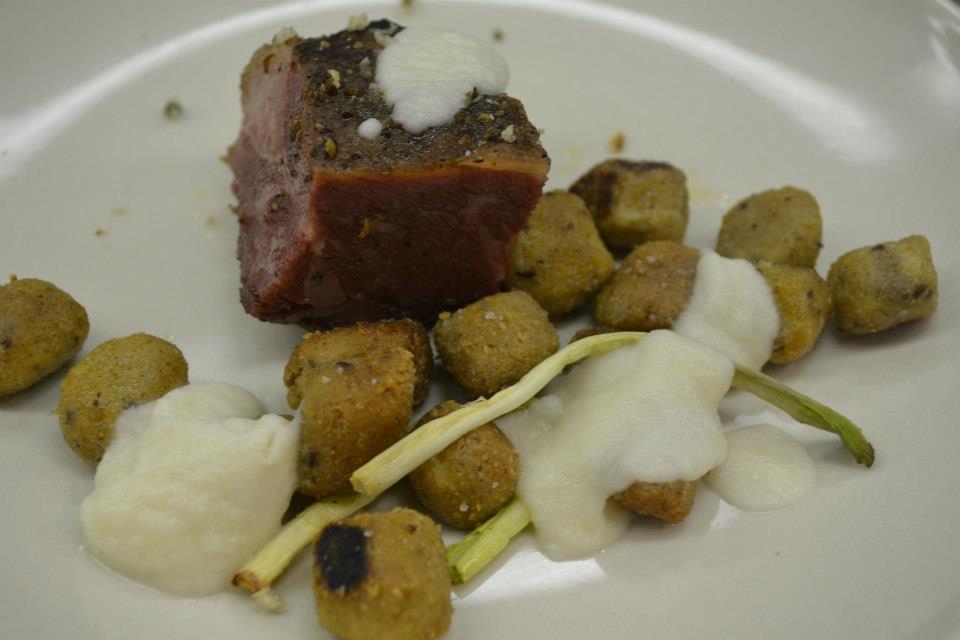 I laughed so hard throughout the process because initially, the number of courses was set at 12 or so, which was 100% fine. However, throughout the process of setting the menu Mr. Bernstein kept adding courses – it was HILARIOUS, I could not help from laughing whenever I would read the revised menu. It turns out that we were very lucky, Bernstein was trying out some new recipes and we were the beneficiaries of some wicked cool imaginative dishes. To be fair, some worked really well, some were awesome, and some were just 100% off the charts. Read the rest of this entry
2009 Tishbi Syrah and 2011 Hagafen Sauvignon Blanc with Whiskey braised ribs
 This weekend we enjoyed another simple meal of alcohol and brown sugar braised ribs cooked in a crockpot overnight. The ribs were lovely and only needed for the fat to be removed from the braising liquid – and magically we have a dinner. The dish was paired with some brown and black rice and a fresh green salad.
I recently wrote about the Tishbi Winery and when I was there in December last year, I enjoyed the 2009 Tishbi Syrah. So, when the opportunity to try it again came my way – I was more than happy to buy some. I bought the Tishbi and Gush Etzion wines from a local distributor, Harken Spirits here is the South Bay run by James Jimenez, an ex-software guy turned wine runner! Harken is selling some very good wines, like Tishbi and Gush Etzion wines. Both of which I have written about many times. I cannot say I like any of the Kadesh Barnea wines, but to be fair there are many who like the wines – and are good examples of starter wines; wines that are sweet and ripe and not overly complex; AKA gateway wines.
The other bottle I had was the 2011 Hagafen Sauvignon Blanc. I really like Hagafen wines, the whites especially and some of the reds. I last wrote about Hagafen in 2010, and I really need to update the notes – look for that soon.


The wine notes follow below:
2009 Tishbi Shiraz Estate – Score: B+ to A-
The wine is round and ready and one that pairs extremely well with dishes needing spice and ripe fruit, such as stews, ribs, and cheeses. The nose starts off with ripe blueberry, plum, currant, and cherry, with hints of rich dirt and licorice. The mouth is nice round and spicy, with good concentrated fruit, but lacking in deep complexity. The mouth is sweet with lots of date, sweet blue and red fruit, with hints of blackcurrant in the background, but with ripe sweet and deep strawberry flavors coming out over time, with candied raspberry, sweet cedar, and good integrated tannin adding to the mouth. The finish is long and spicy with Garrigue, bramble, light leather, animal notes, and chocolate. Drink in the next two years.
2011 Hagafen Sauvignon Blanc Napa Valley – Score: B+
The nose is rich with fresh cut grass, ripe peach, apricot, guava, and melon. The mouth is ripe and fresh, with great acid, only a hint of residual sugar, crazy ripe and fresh mouth with nice grass, awesome lemon fresche, more bright fruit, pineapple and ripe pink grapefruit. The finish is long and ripe with green notes a bit of pith and a hint of blood orange. This is a lovely wine but lacking complexity to take it to the next level.
2009 Tzuba Metsuda and Alcohol and brown sugar braised ribs
 This weekend we enjoyed a simple meal of alcohol and brown sugar braised ribs cooked in a crockpot overnight. The ribs were lovely and only needed for the fat to be removed from the braising liquid – and magically we have a dinner. The dish was paired with some brown and black rice and a fresh green salad.
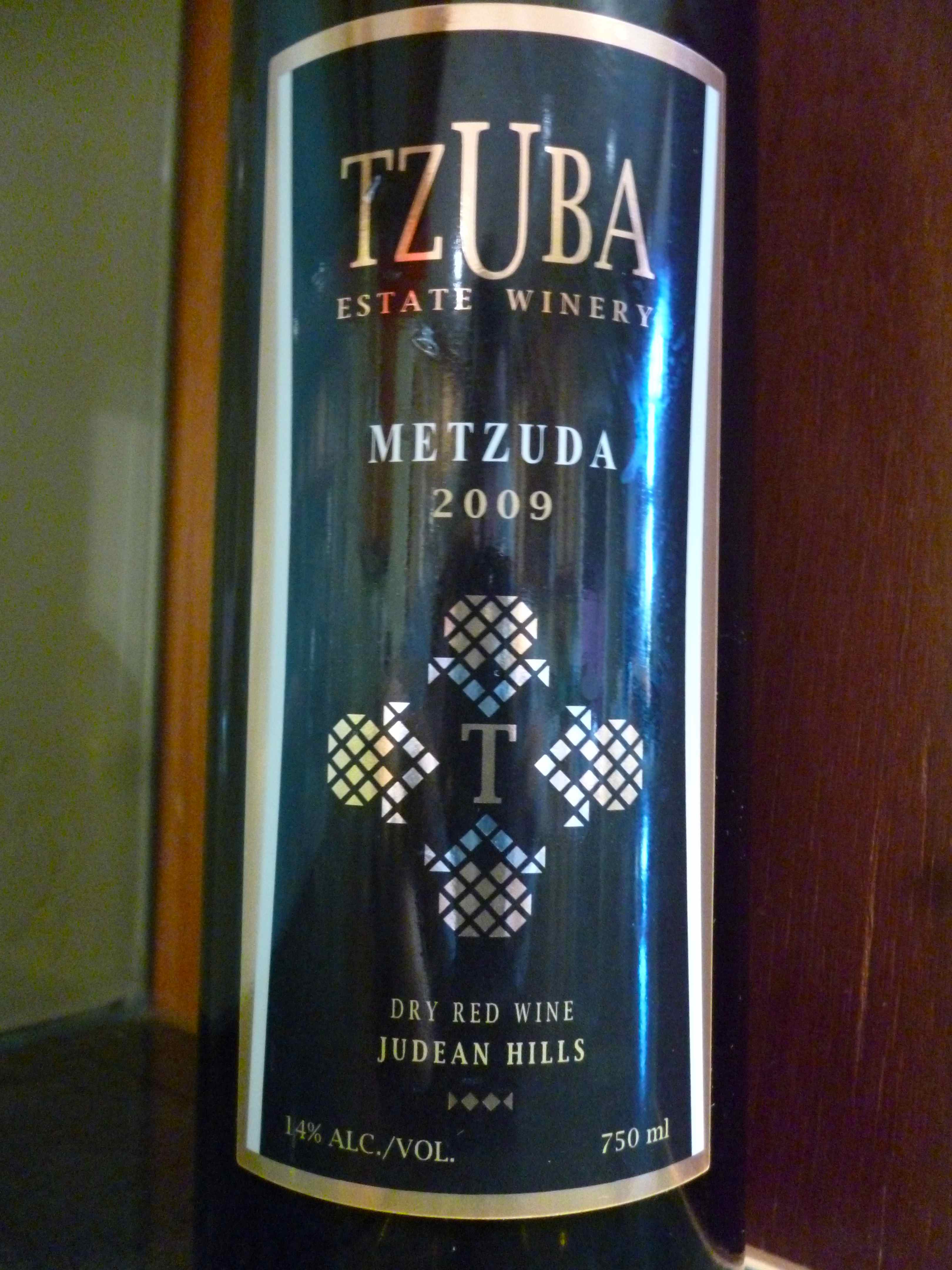
For wine we opened a bottle of the 2009 Tzuba Metsuda. This wine is a Bordeaux blend of 70% Cabernet Sauvignon, 15% Merlot, and 15% Cabernet Franc. The wine was nice and round and ripe, but not so complex to keep your attention for long. The ripe blueberry was interesting, but that was about it. A rich and even somewhat layered wine, but lacing in complexity was its issue.
I have written about Tzuba Winery a few times already here early on, here again, and my latest post here. The winery was early in planting much of the Judean Hills while the rest of Israel concentrated on the Shomron and the Galil. Now they are the grape capitalists of the Judean Hills and are improving both their wines and their winery facilities.
The wine note follows below:
2009 Tzuba Metsuda – Score: B++
This wine is a blend of 70% Cabernet Sauvignon, 15% Merlot, and 15% Cabernet Franc. The nose on this wine starts off with nice green notes, as it opens it reveals charcoal, graphite, currant, and blueberry. The mouth is full, ripe, and plush with integrated tannin, along with plum, blackberry, boysenberry, sweet cedar, and herb. The finish is long and herbal with menthol, chocolate, tobacco, and spice. This is a wine that is not very long for this earth. I would drink this within the next year or so.
Tishbi Winery – one of Israel’s oldest and original wineries
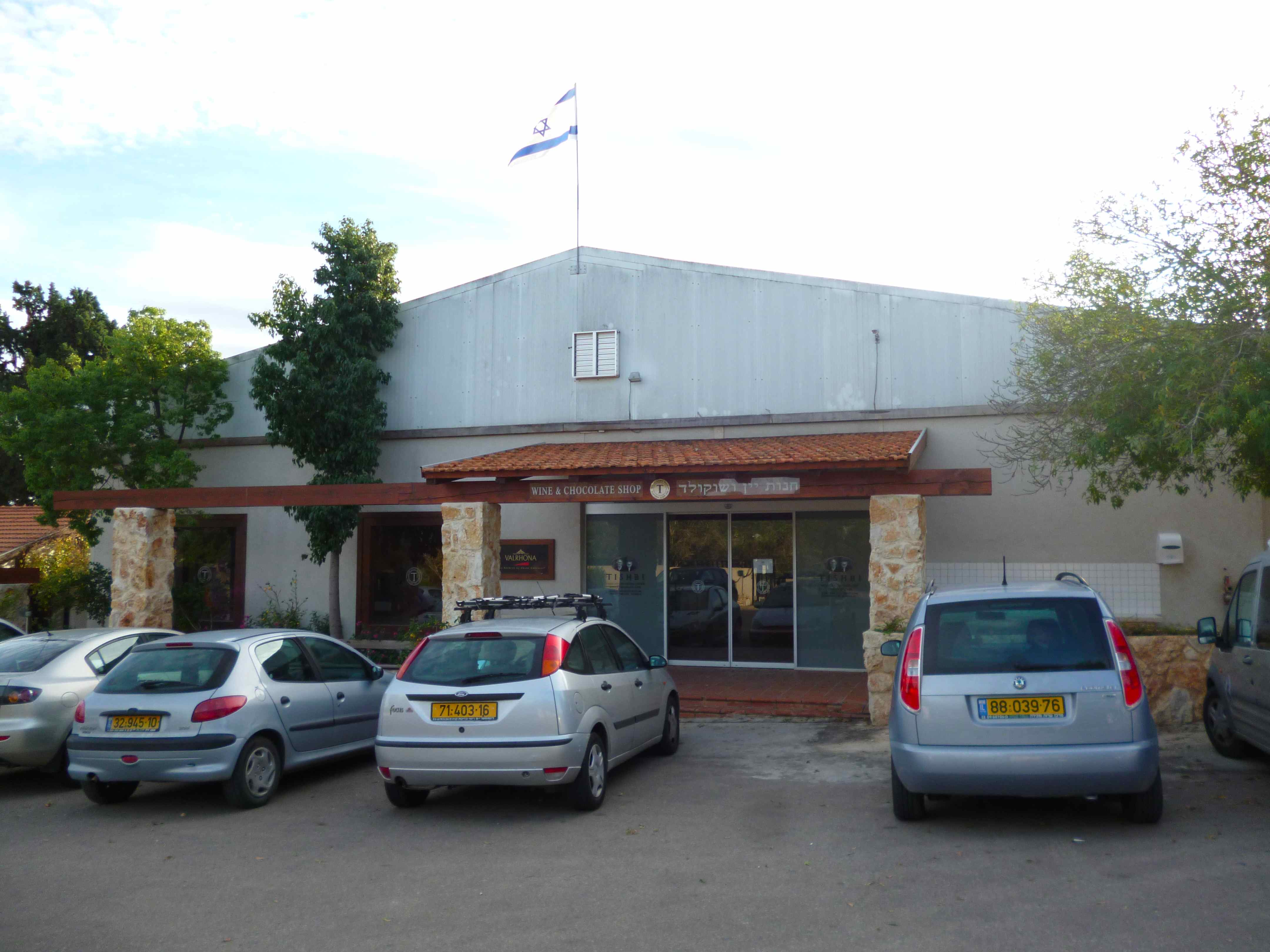 The Tishbi winery has a history that spans more than 120 years in Israel; one that intersects with many of the famous names of modern Israel’s short history. The story begins in 1882, when Malka and Michael Chemelitsky immigrated to the city of Shefeya at the foothills of Zichron Yaakov. There they worked for the Carmel Wine Co-op that was founded by Baron Edmund de Rothschild in the late 1800s. They worked the land, planting vineyards, clearing rubble and stones, with nothing more than the barest of tools and technology. The work was backbreaking and endless, and unfortunately more work, was the only reward for many of the early immigrants, that came to settle the barren land. However, for the few farmers that were lucky to work with Edmund, they saw salvation from his deep pockets, huge heart, and massive resources that he brought to bear, to teach, bolster, and, ultimately, build the, then fledgling, wine industry into the forebear of where it is today.
Soon after the Chemelitskys came to Israel and started working the land, they were advised to change their name to Tishbi, which is actually an acronym in Hebrew that stands for “resident of Shefeya in Israel”. The world-renowned poet Chaim Nachman Bialik, Israel’s national poet extraordinaire, gave the name to them. In the early days of Israel’s wine industry, the cooperative farmers would work the vines, planting them, pruning them, caring for them, and then sell their grapes to the Carmel Winery. However, after many decades of work and toil, it became clear to many of the cooperative farmers that life was changing, and that they would either need to break out of the cooperative or be left behind.
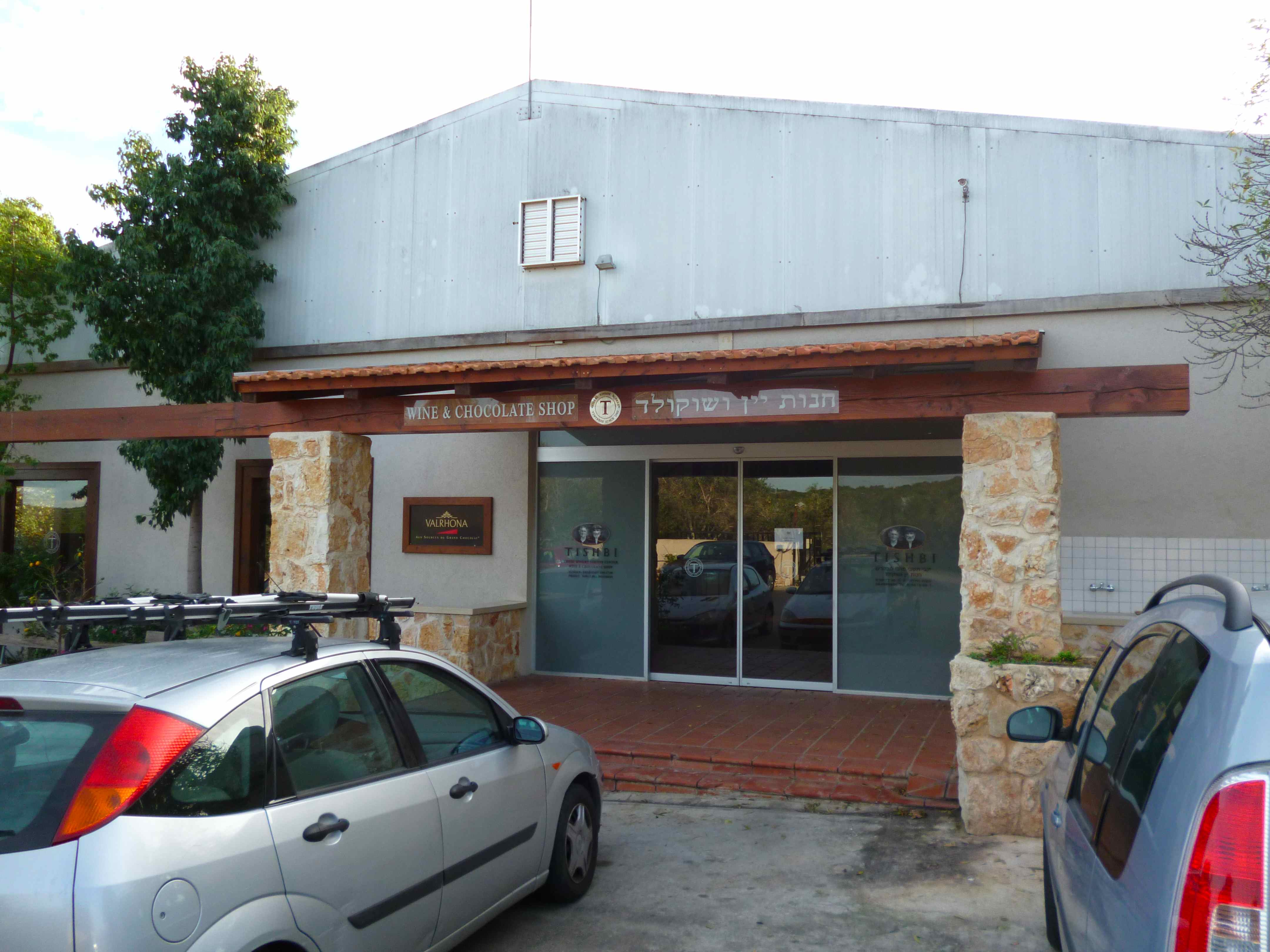 So, in 1984, the great-grandson of our story’s Protagonist, Jonathan Tishbi, stepped out of the shadows of the Carmel Winery and into the shadows of the Carmel Mountain range. Initially, he called his new winery Baron Winery, in honor of Baron Edmond, but later changed it to his namesake – Tishbi Winery. At that time there were few wineries in Israel, and even fewer successful ones that were not just making sacramental (sweet) wine. Jonathan went to Italy to see how generations of family-owned wineries had succeeded, and from where we stand, he seems to have emulated them quite impressively. The family tradition continues to the 5th generation, with Jonathan’s son – Golan Tishbi, acting head winemaker. The winery’s tradition is impressive, but it feels like it will always be overshadowed by the massive mountains under which it lays, and the equally massive foundation upon which it is built. Read the rest of this entry
Three Adir Winery Wines from the Galilee of Israel and a Covenant Red C
 This past Passover was such a real kick, we shared food and wine and time with friends and family throughout the entire Passover and it was such a real treat. For the evening of seventh day of Passover, we were alone and I made some braised shoulder roast and my wife had some brisket leftovers from the Shabbos meal.
To enjoy the meal, I opened a bottle of the 2005 Galil Mountain Yiron, a wine that has let me down twice recently, but not on that day! WOW! That wine is insane! Rich, layered, and full of tannin that coats and dusts your mouth – really nice, but please beware – this wine is throwing TONS of sediment, hand painting sediment!
The next day was a real treat! We had friends come over and one of them shared a bottle of 2006 Adir Cabernet Sauvignon, that he received from another wine aficionado – thank you so much Rafi for sharing!!! We paired that with a bottle of the 2009 Adir A, a blend of Shiraz, Cabernet Sauvignon, and Cabernet Franc, a bottle I bought in Jerusalem from my guys: Gabriel Geller and Chalom – partners of the Wine Windmill.
To be fair, we started off with a bottle of 2007 Yarden Chardonnay and while it was not flawed, or a dud, it was way too far oak driven and lacking in fruit and oak reaction. After we moved that off the table, we opened the two Adir wines and then we opened a bottle of the 2008 Covenant Red C – a wine that was so apropos for the whole splitting of the Red Sea thing that happened on the same day, some 3000 years ago!
 Food wise, we started with the herb encrusted gefilte fish loaf and side dishes that we made and bought. For the main course we had some great vegetable kugel, and a hunk of rib roast that we cooked slowly and simply using Alton Brown’s Rib Roast recipe.
We had some simple dessert and paired it with some lovely Adir Winery Port Blush. I have friends who call it Port Bluff as it is really only made from late harvest chardonnay grapes and some sugar, but who cares! Tons of French wines use Chaptalization, and in this case the wine is actually quite enjoyable. The added sugar or late harvest fruit is clearly apparent, but the sherry like flavors or almond and nuts either turn you off or captivate you. To me Sherry wine is awesome and unique and that makes it interesting to me, but sure many find it offensive – their loss.
I wrote a bit of the history of Adir Winery in my posting on my trip to the north of Israel. The trip was a kick and I had a wonderful time at Adir Winery, even though it was absolutely pouring cats and dogs outside. When I was there I tasted the 2010 Adir A and the Blush Port, and though this was the 2009 Adir A, both wines were really nice. Read the rest of this entry


 Wine Musings Blog