Blog Archives

Hotel Wine tastings – the final tastings from my trip to Paris – May 2025
As stated in my previous post, I was in Paris in Late May, with Avi Davidowitz from Kosher Wine Unfiltered. This trip was not about numbers, but rather about sheer logistics. The number of boxes across the number of hotels was more than I wished for! Of course, this was totally self-inflicted, as Avi was coming in for business the week before, and I was juggling too much at home. In the end, it was a far more relaxing trip, as the sheer number of wines was more in the 40s than the usual 60 or 80 wines. A lot of that can be blamed on the number of 2024 or new 2023 wines on the market – there are just ZERO new wines out there. There are loads of old 2022 and 2023 roses in the stores in Paris, and the same can be said for older whites and reds. Wines are not moving, and as such, there was less new stuff to taste.
Two years ago, we had some 80 wines; this May, we were at 40+ wines. There were a few wines that Avi missed, and a few I wished he was able to see evolve, but that is the game as we know it!
The wines were tasted in classic region/style order: Rosés, whites, Wines from Spain and Italy, a single Burgundy, Bordeaux/Blend wines, and I think that is it.
Rose Wines
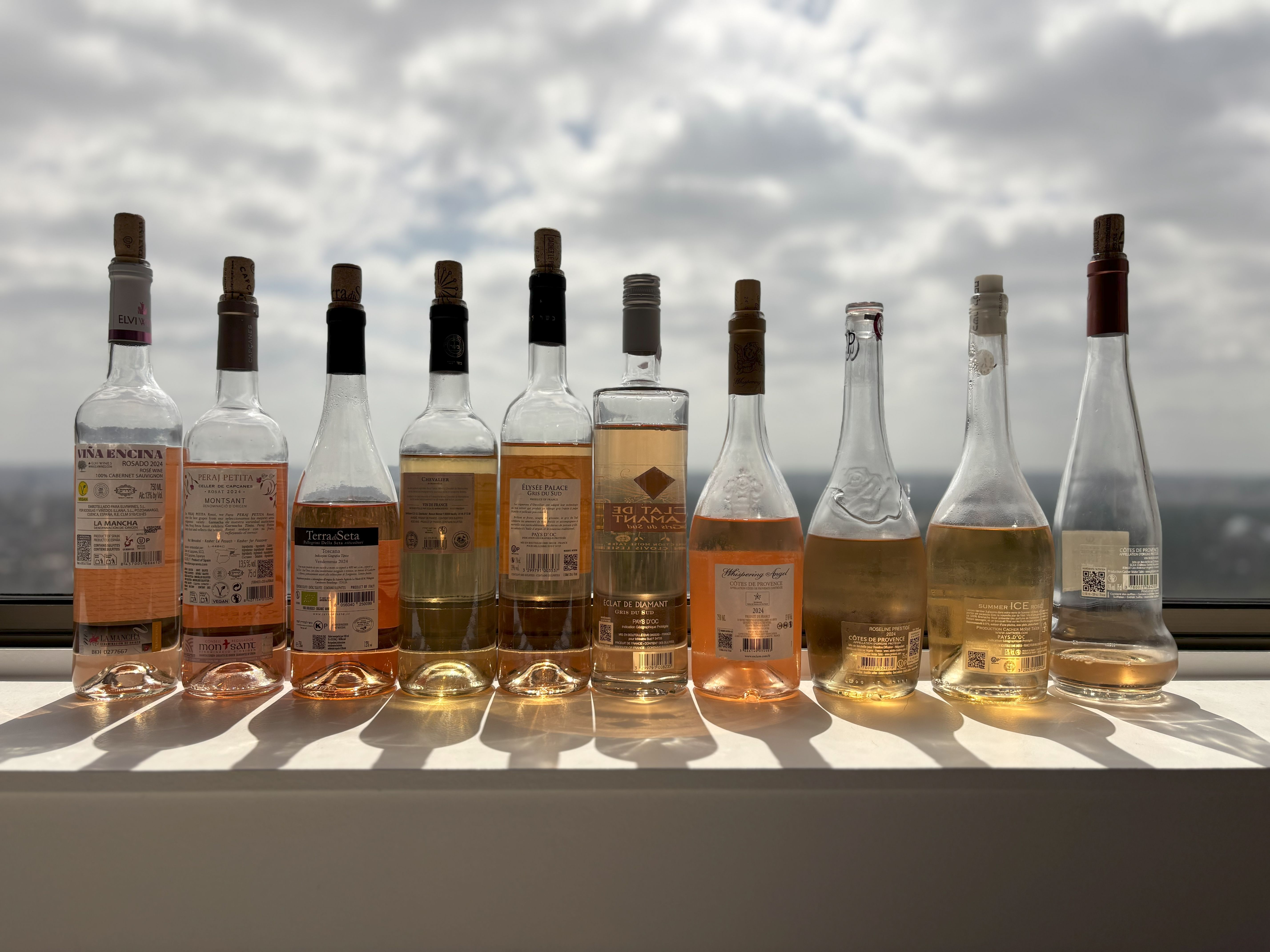
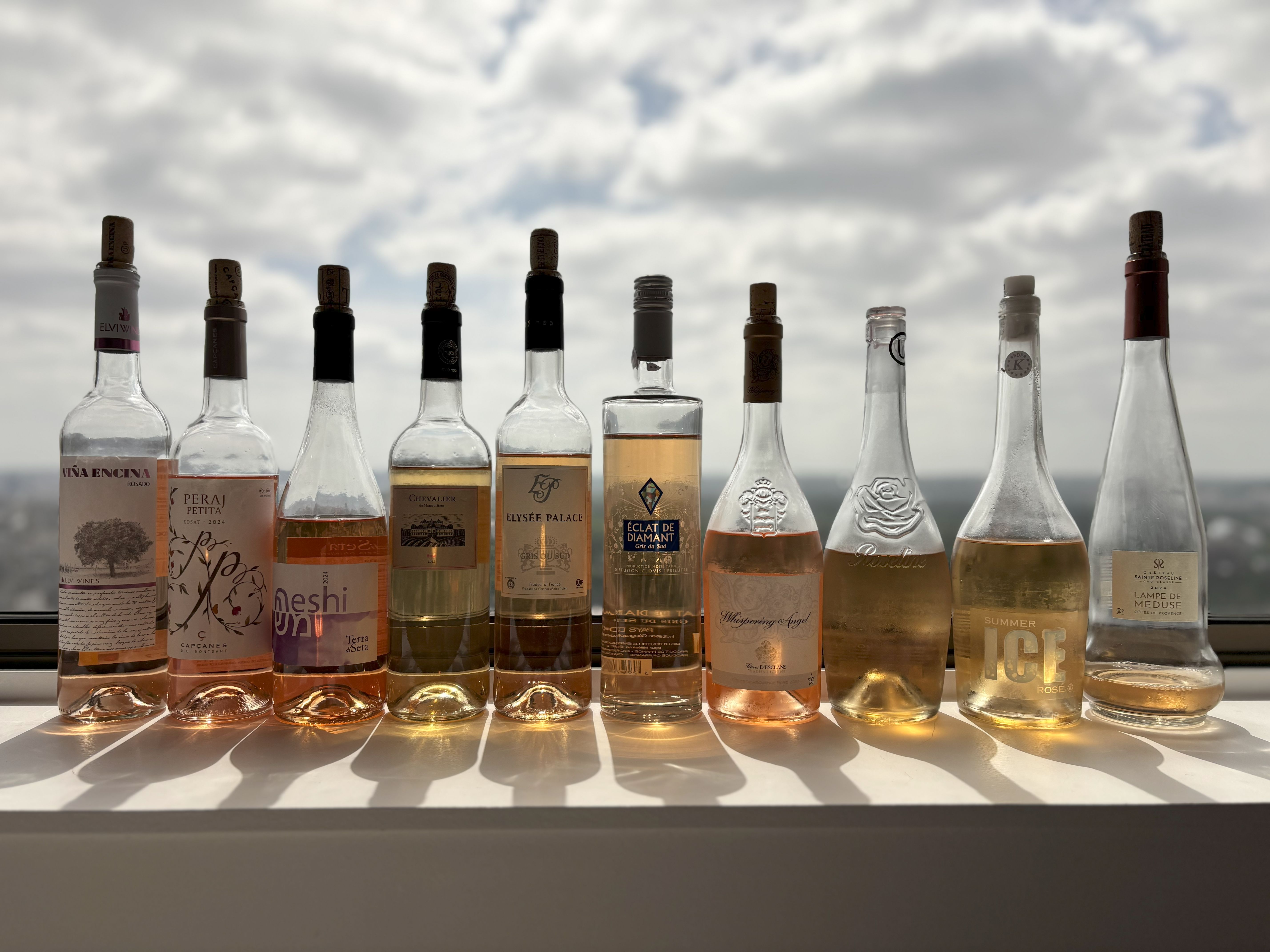
We had a total of 10 Roses, and there was just one 2024 Rose in the stores. The rest of the wines came from a combination of Mercier Wines, Capcanes Winery, Terra di Seta Winery, and Taieb wines. The hands-down best Rose I had so far this year is locked away in Paris, and that is the 2024 Château Sainte Roseline Lampe de Méduse – Cru Classé Rosé. This is the first time I have tasted this wine, and it was clean, controlled, and refreshing. That is a wine to BUY lots of for the summer.
I have often posted about Taieb wines, and if you want to read the whole background, read the first post I made here.
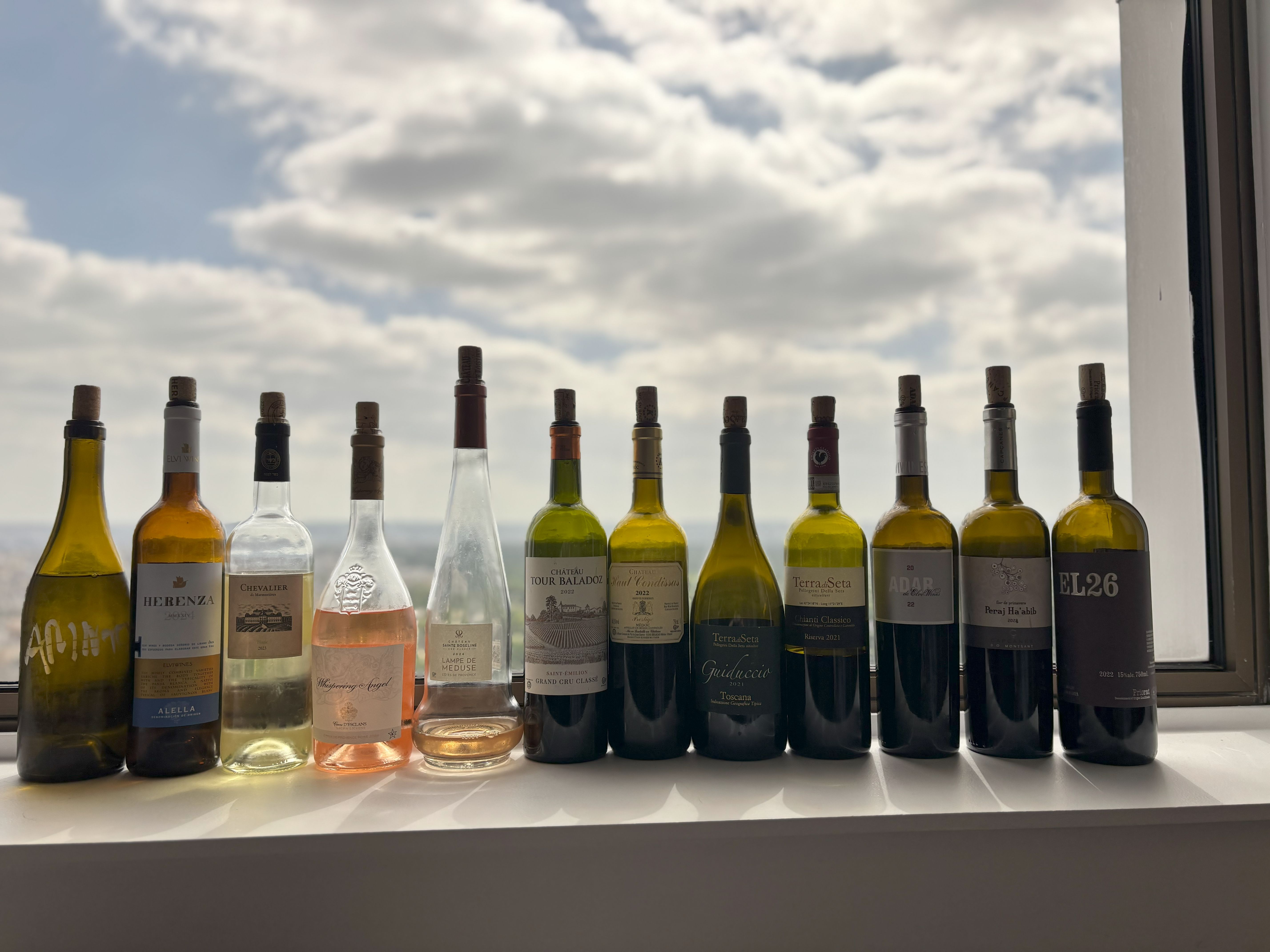
The 2024 Cave D’Esclans Whispering Angel and the 2024 Château Sainte Roseline Lampe de Méduse – Cru Classé Rosé are the two Rose WINNERS from the tasting. The 2024 Elvi Wines Vina Encina Rosado was a solid wine, along with the N.V. Summer Ice Rose.
White Wines
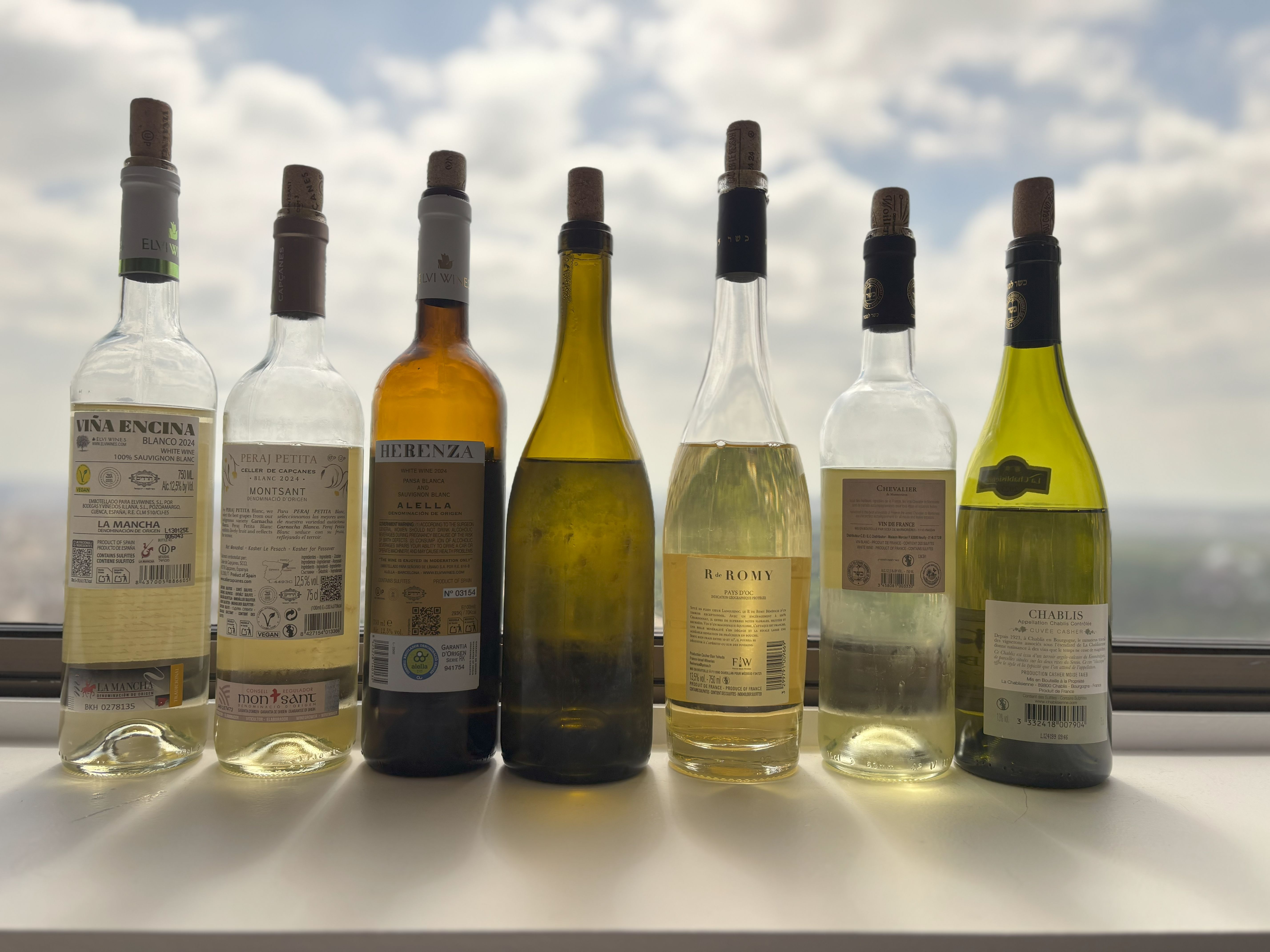
We tasted through a lot of white wines. One of them I brought from the USA for Avi to taste was the 2023 Alex Rubin Arinto. That is a wine that I posted about earlier and one that Avi loved as much as I did. The 2023 Chevalier De Marmorieres Blanc was a shocking WINNER find along with the always enjoyable Herenza White. I have no idea why the Herenza White doesn’t move well in the USA; I have no idea! Folks buy a few and try.
On a slight rant, I will start with the positives, thankfully, we have more kosher white wine available now than ever before, PERIOD! However, what is clear is that the kosher-buying public has made Sauvignon Blanc and Chardonnay their next Cabernet Sauvignon! I am happy you are all starting to enjoy white wines – finally! But good Lord, there are OTHER white wines out there! As stated, I am firmly on the ABC train, outside of a few Cali and France. Sauvignon Blanc is a wonderful grape and please ignore EVERYTHING that Avi says to the contrary, it is not his fault, he has issues with good wine!
Now, all I see is that white wines that are not Chardonnay or Sauvignon Blanc linger on physical or virtual shelves. Thankfully, most of you get Riesling, almost. But that is it! You guys killed the only good Albarino from Ramon Cardova because you all refused to buy it! The Herenza is the same, and this wine is 30 to 40 percent Sauvignon Blanc! OK, I’ll give up and stop my rant here! TRY OTHER white wines – please!
The rest of them are wines that you can try and see if you like.
Italian and Spanish Wines
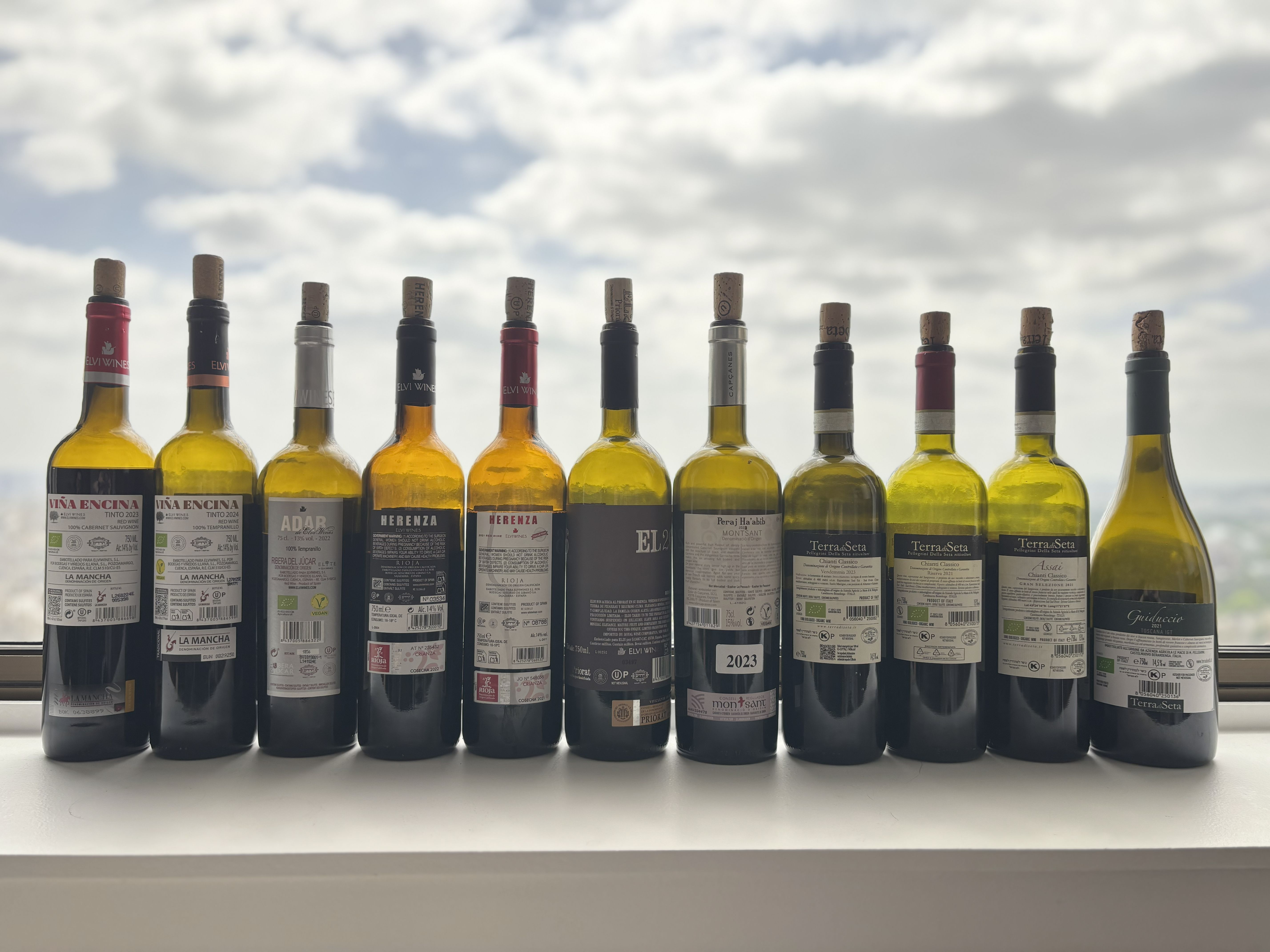
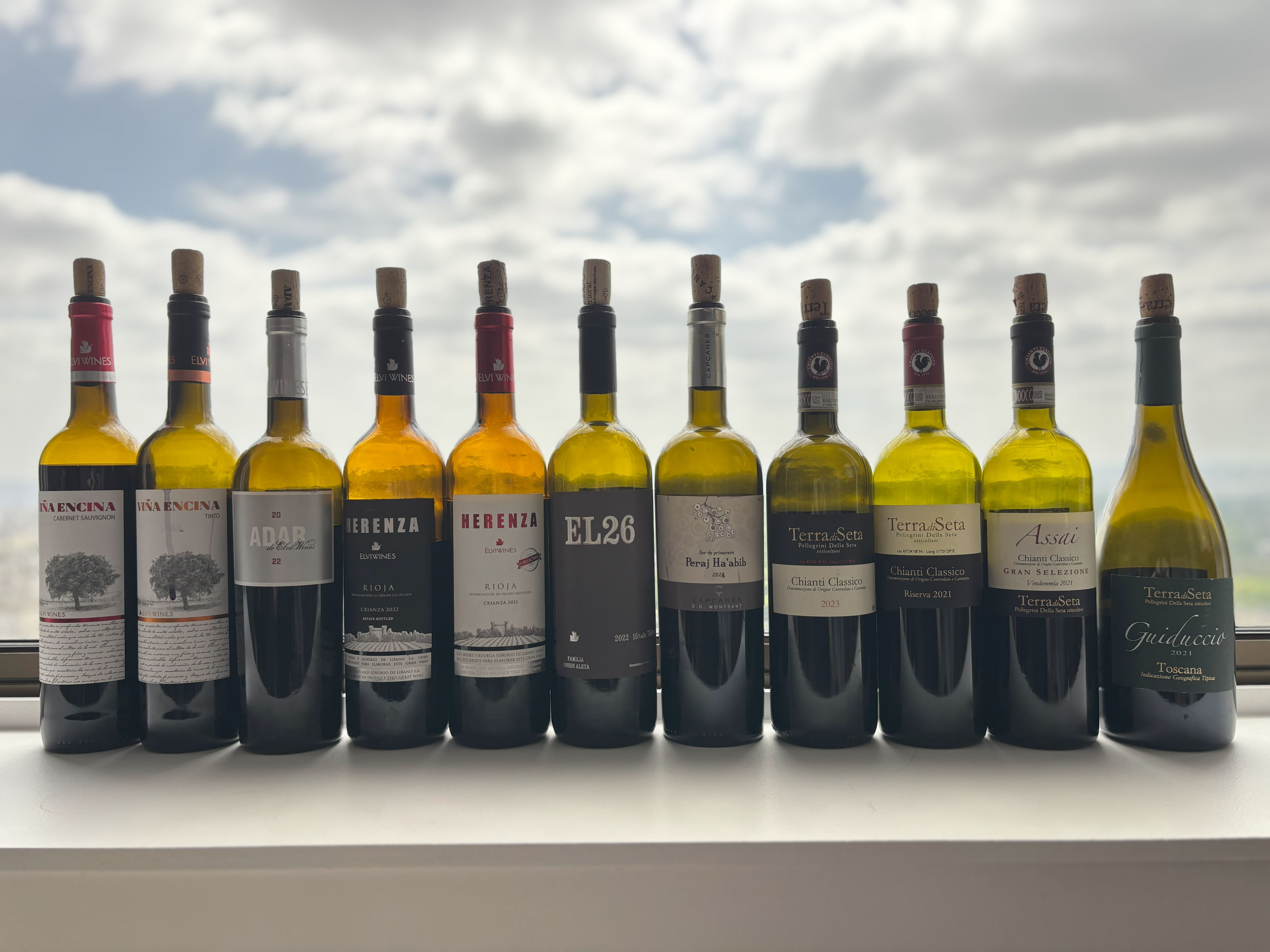
Overall, the red wines were split between Italy/Spain and Burgundy/Bordeaux. However, the hands-down leader in QPR (Quality to Price Ratio) WINNER scores was Spain and Italy. Spain and Italy had 12 wines, and 7 of them won the QPR score of WINNER.
I must be honest here, I drove everyone crazy! Moises at ElviWines, Jurgen at Capcanes Wine Cellars, and Daniele at Terra di Seta. All of them were very kind to send us samples. The cool thing is, we got to taste Terra di Seta wines long before they appear on the USA shores, or at least before they are released for sale. The same can be said for Elvi Wines; we tasted yet unreleased wines here in the USA. Finally, the Capcanes wines may be released, but either way, they are solid. Our sincere thanks to all of them for taking the time and sharing their excellent work with us!
The seven QPR WINNERS were the
- 2022 Elvi Wines Adar
- 2022 Elvi Wines Herenza, Crianza
- 2023 Capcanes Peeraj Ha’abib
- 2021 Terra di Seta Chianti Classico, Riserva
- 2021 Terra Di Seta Guiduccio
- 2022 Elvi Wines El26
- 2019 Terra di Seta Chianti Classico, Assai, Gran Selezione (which Avi did not taste).
The 2022 EL26 was another stunning Grenache-based red wine, and I cannot say it enough, Elvi is crushing it over and over and over again! The Adar is a lovely Mevushal option that is not sold here in the USA, though it sells nicely in Israel. The 2022 Elvi Herenza Crianza is equally impressive.
Terra di Seta has once again released some lovely new wines, but they will not be available in the USA for a bit. The 2021 Terra di Seta Chianti Classico, Riserva is beautiful, along with the 2021 Terra Di Seta Guiduccio, which shows more refined than the 2020 Guido. Finally, the wine that Avi did not taste, the 2019 Terra di Seta Chianti Classico, Assai, Gran Selezione, is mind-blowing! Pure mushroom and soy sauce heaven.
A single Burgundy and Bordeaux Wines
As is familiar with our hotel wines, they open slowly and they are very hard to get a grip on until we are almost on a plane home. I have no idea why this is the case; it feels like it is the curse of the hotel, but we have stayed in different hotels, and the theme remains the same. Also, this phenomenon happens ONLY with Bordeaux wines. The rest of the red wines we taste and the whites open as we expect. The 2020 and 2021 Chateau Olivier Blanc are wines that took 6 days to come around. The 2023 Chateau de Rayne Vigneau Grand Vin Blanc Sec took 6 days to open! I have no idea, no explanation. I am not a chemist, and I am not going to speculate. What I will state is FACT! Wines we taste in the hotel room, for reasons unexplained, just take a LONG time to come around.
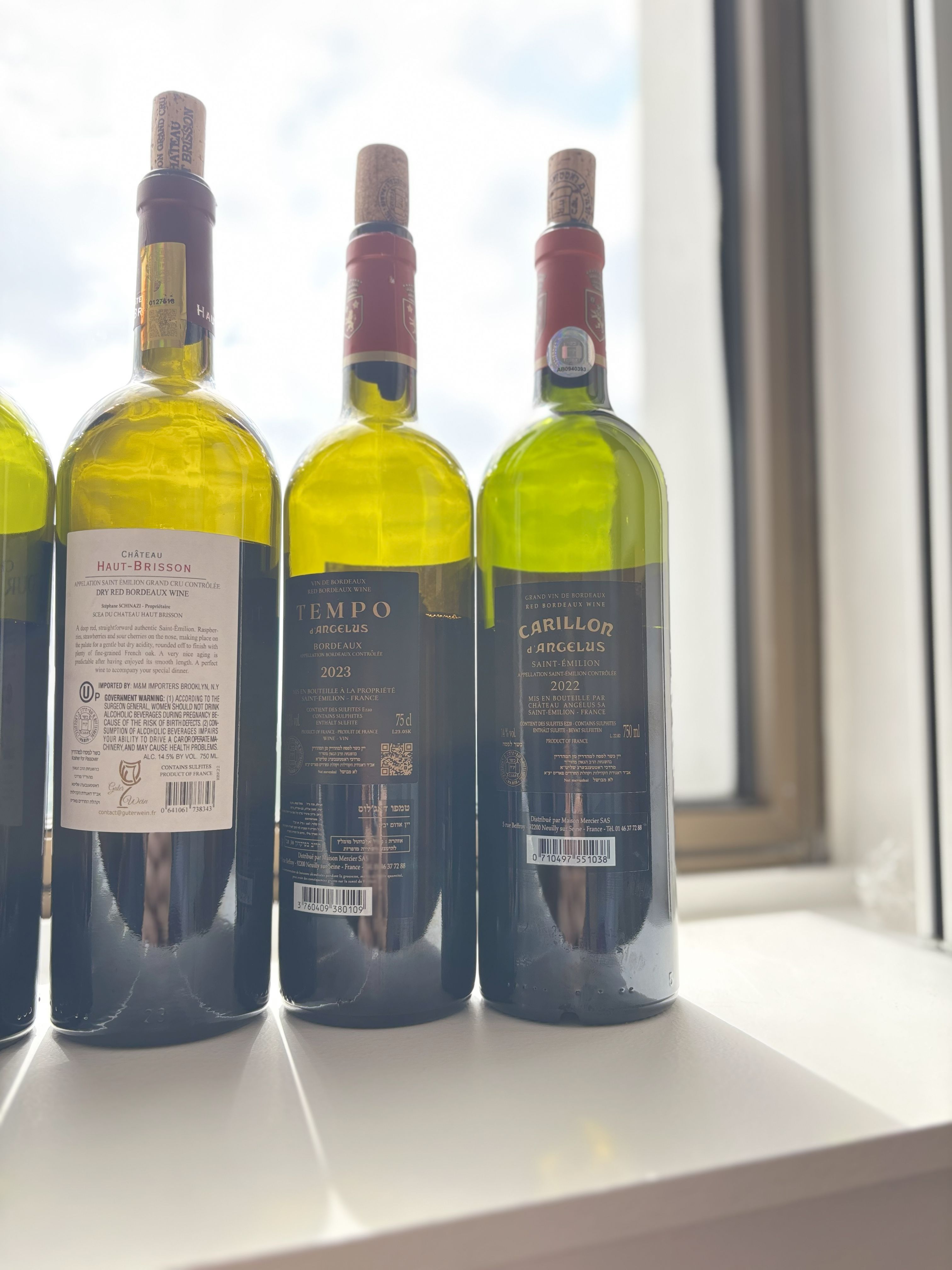
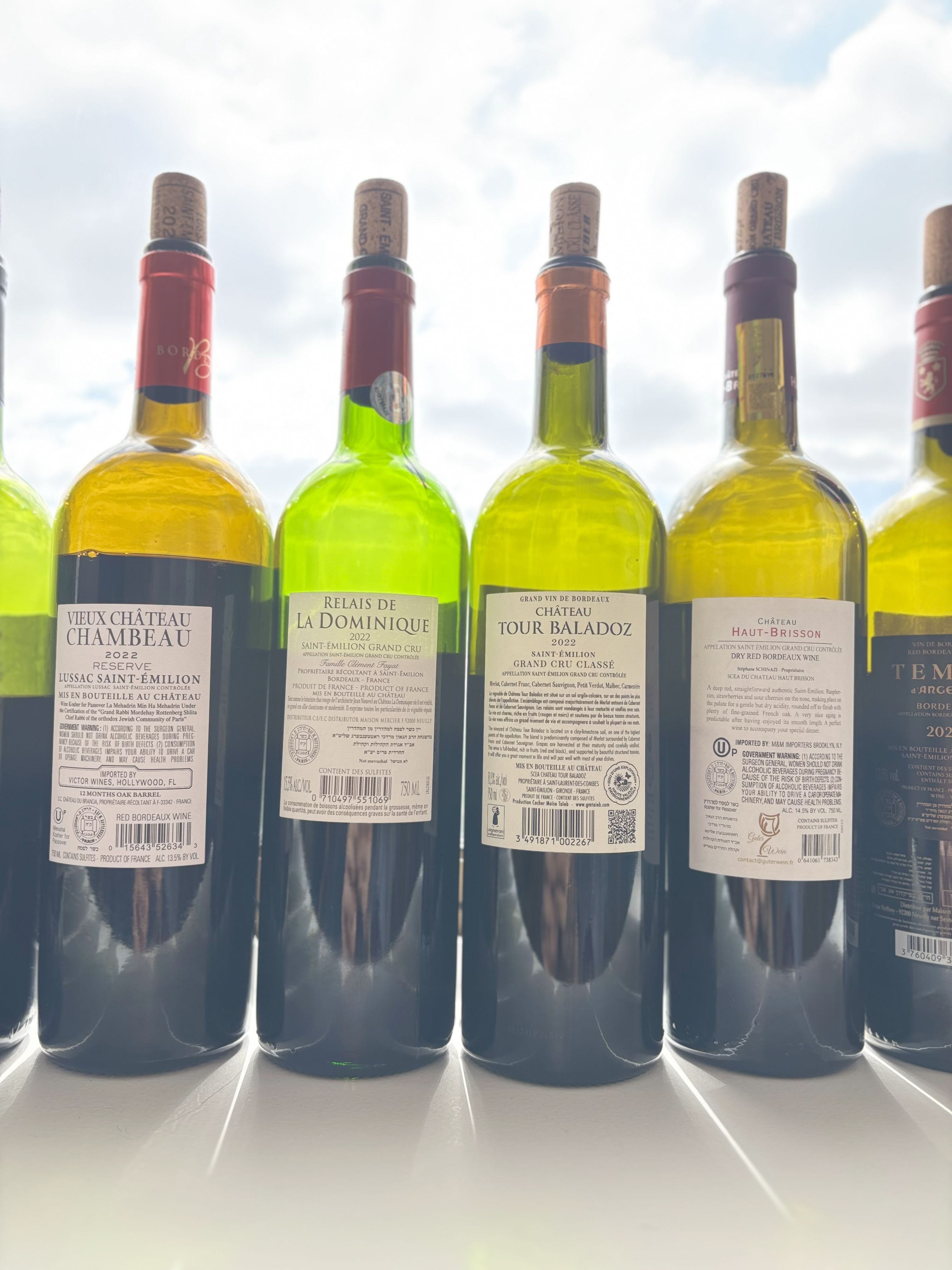
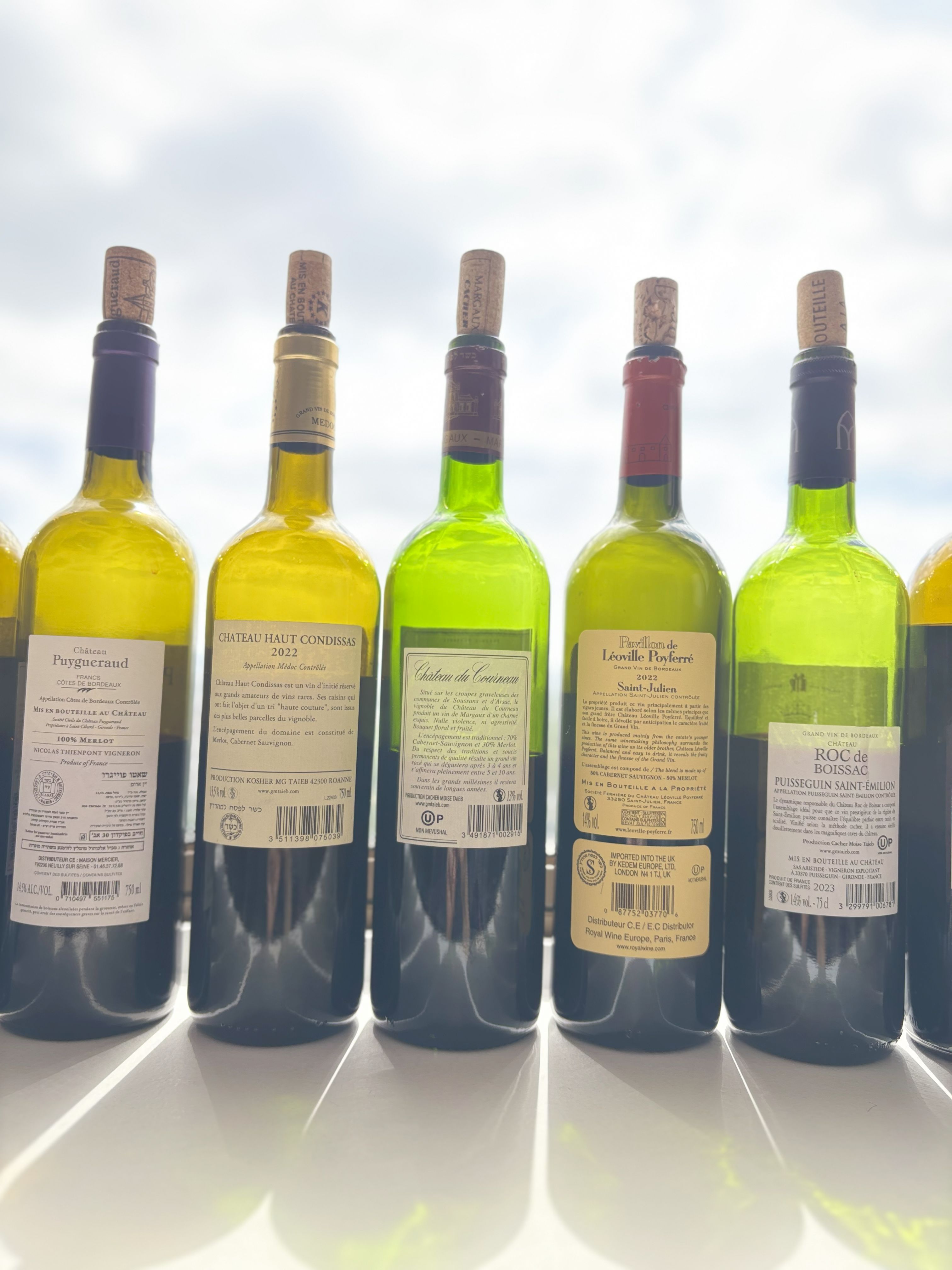
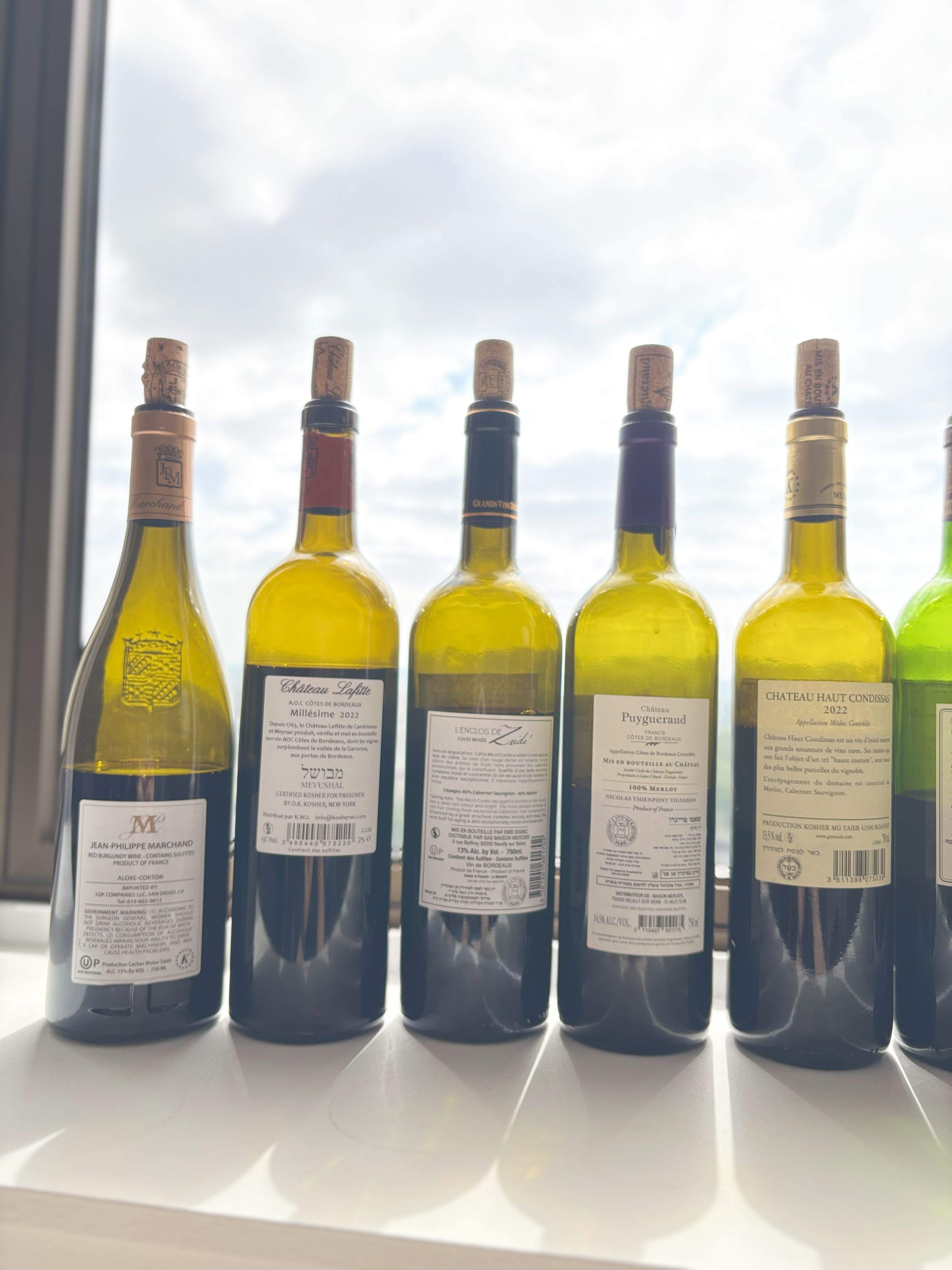
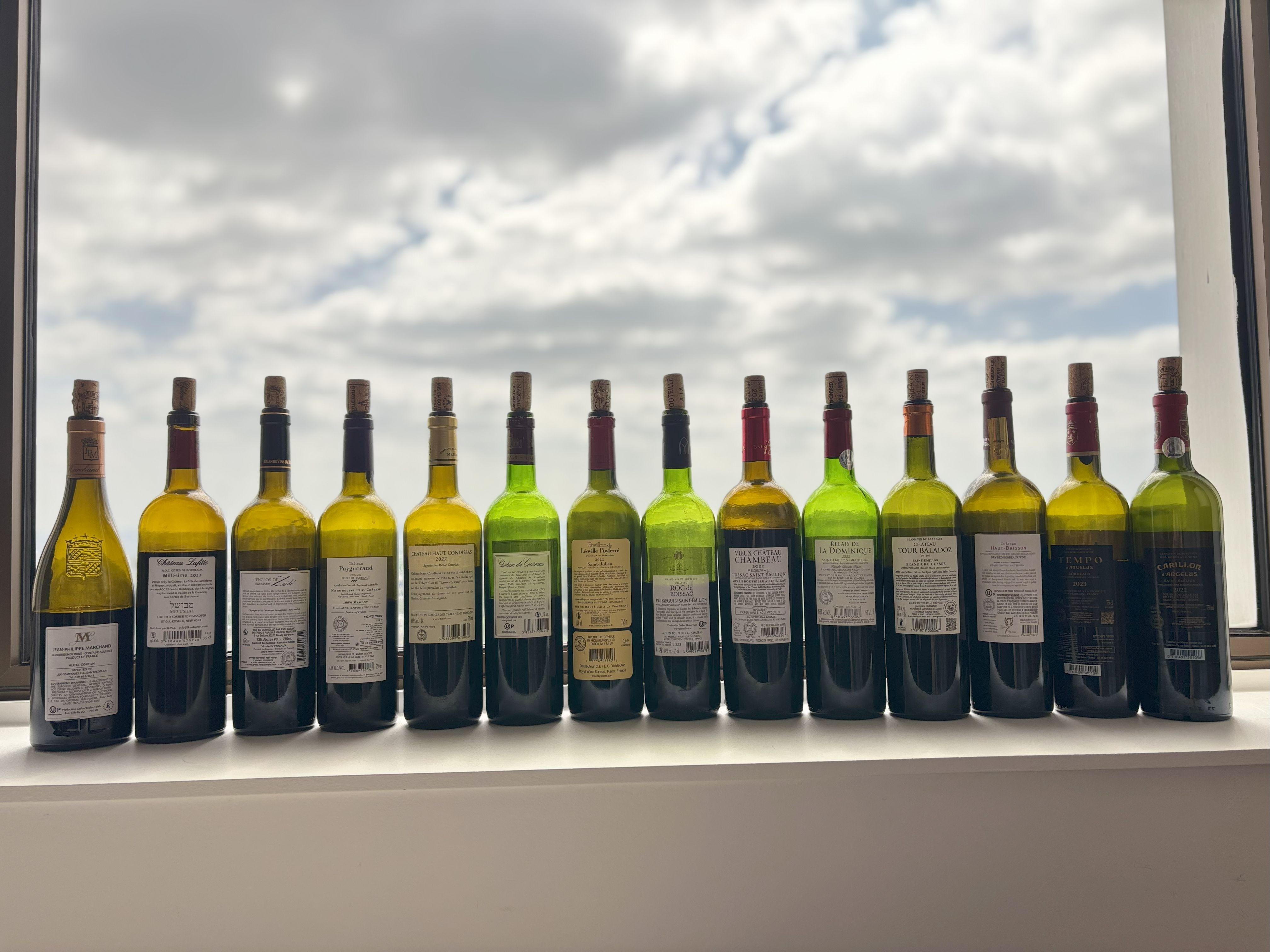
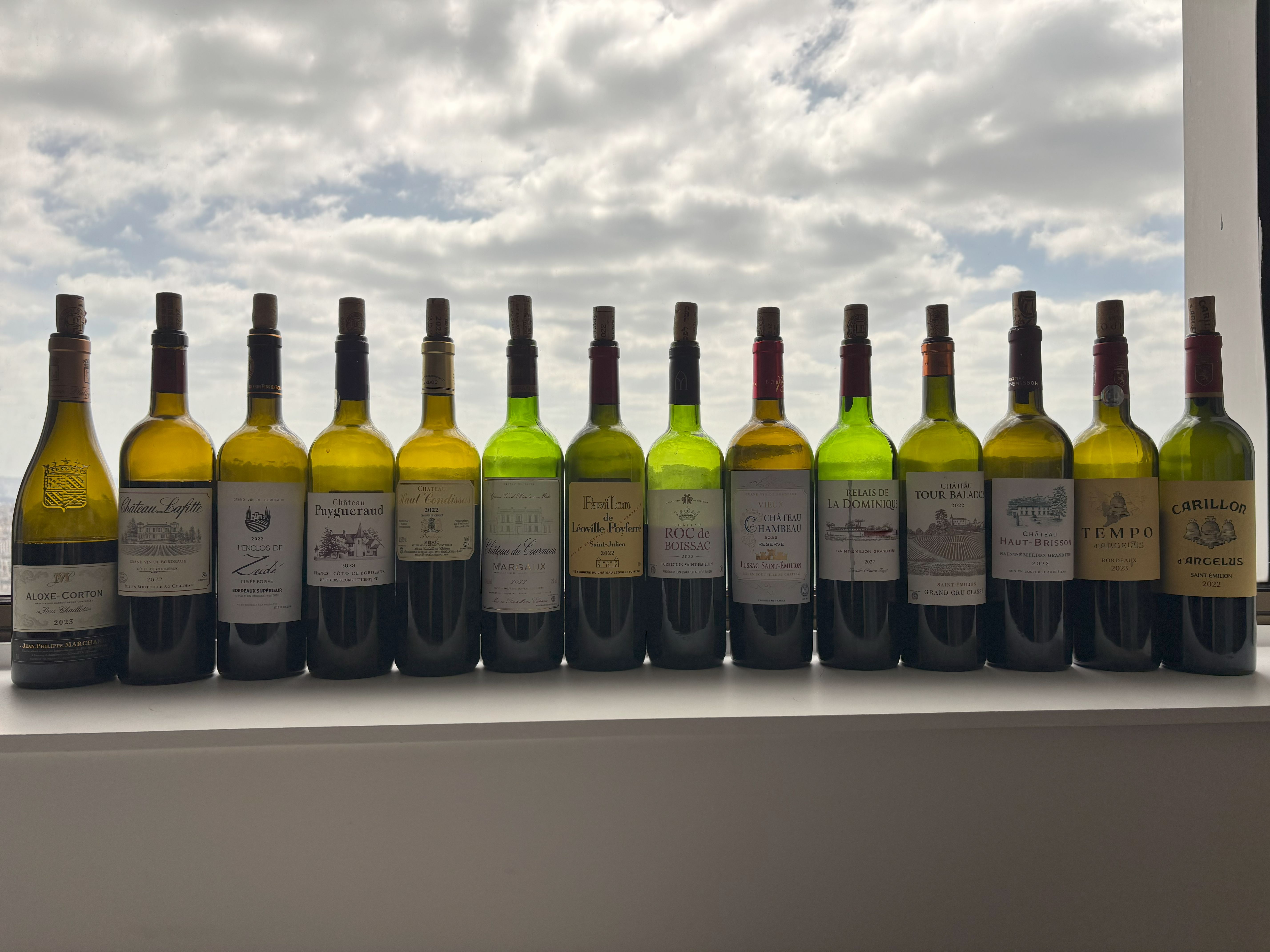
So, it was NO surprise when the main wines we were looking forward to tasting went silent for three days. The 2022 Château Angelus Carillon de l’Angélus was closed for four or more days. The 2022 Relais de La Dominique was literally red water for three days. The 2022 Chateau Haut Condissas Prestige was an open book from the start. The 2022 Château Tour Baladoz was closed for two or more days. The 2022 Chateau Haut Brisson may have been the WORST of the bunch – changing over four days from red water to a lovely wine. The 2022 Chateau du Courneau was there and available from the start! The 2022 Vieux Chateau Chambeau Reserve was as open as the time I had it in San Jose. I bought it to make sure that Avi tasted it.
The TRUE SHOCKER was the 2022 Chateau Rocher Gardat! Yes, you have a good memory. We tasted this wine back in 2024. However, my memory isn’t as good, so when I am walking around Paris, I buy what I see. Turns out it was indeed a wine we had tasted and given time to come around, and it never did. HOWEVER, this time, the wine was a shocking WINNER! It showed incredible acidity, pop, and fruit structure, and for the price, GOOD LORD, that is a clear WINNER for Bokobsa! The joy of a feeble mind when in Paris!
In case you were wondering there were four QPR WINNER wines. I will leave it up to you to guess, or you can look below. One of them should be STUPID obvious, the other two, not so much, but hey, that is the joy of wine!
The rest of the wines were average and available, but not exciting.
Where can you buy these wines?
The Taieb wines will find their way to the USA through a menagerie of importers. Those include Liquid Kosher, Kosher Wine, and Victor Wines, which I continue to be baffled at where these wines actually sell, outside of Florida! The Elvi wines are already available in the USA. The Capcanes Cellar wines are already here. The Terra di Seta wines are now available in the USA, but their release will be delayed until the current stock is depleted. Then you have the Mercier Wines, none of which are here, I think. The 2022 Chateau Haut Brisson, 2023 Chateau Angelus Tempo d’Angelus, and the 2022 Château Angelus Carillon de l’Angélus are either available in the USA or on their way; I’m not sure. I saw a bottle on social media, but we can’t be sure if it’s actually here or was brought in by hand.
The 2022 Vieux Chateau Chambeau Reserve is readily available in the USA,
The Mercier wines will find their way here once the previous vintages are sold. As for the rest of the wines, I have no idea!
As always, the 2022 Pavillon de Leoville Poyferre is the Non-Mevushal version of the wine, and is only available in France, the UK, and Israel. We bought it because we couldn’t get a tasting of it – sadly, it didn’t show any better than its Mevushal version.
I have no idea what is going on with all the 2022 Rollan de By wines. These were all made by Taieb, but for some reason, they are not being imported into the USA, and they are hard to find in France, as well. The Condissas is a clear WINNER, but that only helps if you can find it!
Thoughts on this tasting
OK, so overall, this tasting was great! This was better than previous tastings because the 2022 vintage has shown far better than I originally imagined, unlike other hotel wine tastings. Of the 40+ wines that we tasted, 31 of them garnered scores that would be acceptable to most people. That is a great showing! 31 of 40+ wines! Good stuff! Still, Kosher plonk exists in spades in all regions of the world! The USA may have the largest availability to them, but Paris is not far behind!
Regarding other wines from France that people will ask me about, the answer is that we tried. We sent out emails and received initial responses, but all subsequent follow-up emails were directed to the Spam Bucket. Sometimes, I wonder if French people hate us Americans! Anyway, the winning lineup is impressive and holds wines that you should be buying. I sure will! There are a couple of wines that were not in that picture, but the scores will make clear they deserved to be there. The issue was that one wine was not delivered until after Avi left, and the others improved after that time as well. So, like I said, these wines take time to come around.
Before I forget – Avi took all the pictures from this trip, so if you dislike them, blame him. If you love them, disregard the previous sentence! Thanks, buddy!! Thankfully, this time we got all the wine pictures!
Finally, 100% of the deliveries were to the hotel this time. I have essentially stopped bothering my man Ari Cohen, AKA El-Presidente of Bakus Wines. He has essentially become totally AWOL on our trips. I think the more I go to Paris, the less I get to see him – maybe I am finally becoming a Parisian! Thanks for all the help, as always, buddy!
The wine notes follow below in the order that they were tasted. The explanation of my “scores” can be found here and the explanation for QPR scores can be found here:
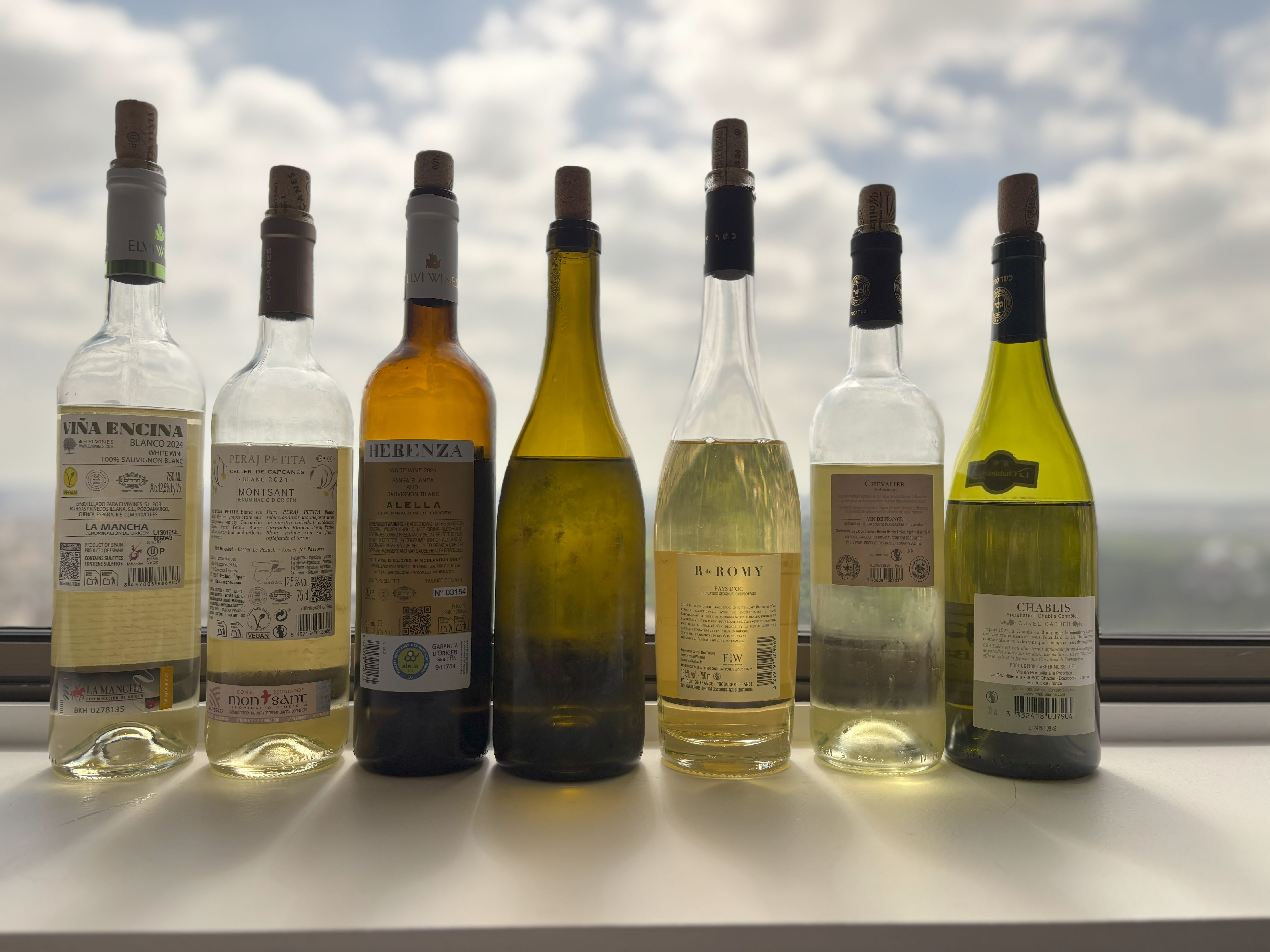
2023 Jean-Philippe Marchand Aloxe Corton, Sous Chaillots, Aloxe Corton – Score: 92 (QPR: WINNER)
The nose of this wine is solid, with pomegranate, dried cranberry, plum, cherry, rich smoke, roasted herbs, minerality, and red floral notes. The mouth of this medium-plus-bodied wine is lovely; it is ripe, not candied, more like a Pommard or Volnay, with incredible acidity, nice balance, along with layers of ripe and juicy pomegranate, dried cranberry, tart and juicy Bing cherry, all wrapped in mouth-draping tannin, rich smoke, and lovely roasted herbs. The acidity, juicy fruit, and smoke take center stage. Bravo! The finish is long, ripe, balanced with smoke, ripe, tart, and juicy fruit, with floral notes, and bitter mint flavor. Bravo! Drink by 2030, maybe longer; it feels missing in the tannin. (tasted May 2025) (in Paris, France) (ABV = 13%)
2024 Elvi Wines Vina Encina Tinto, La Mancha (M) – Score: 82 (QPR: EVEN)
The nose of this wine is a bit too ripe and shows more like a Beaujolais than a Tempranillo. Showing candied lifesaver and blue fruit. The mouth of this light-bodied wine is ripe, candied, without the acidity it needs, but it has fruit that is candied and is a bit green as well. Drink by 2025. (tasted May 2025) (in Paris, France) (ABV = 14%)
2022 Elvi Wines Adar, Ribera del Jucar (M) – Score: 91 (QPR: WINNER)
The nose of this wine is ripe, but more controlled than previous vintages, with nice minerality, smoke, soy sauce, and roasted meat aromas. The mouth of this medium-plus-bodied wine is ripe, and the acidity is great, with notes of soy sauce, sweet oak, blackberry, plum, nice graphite, soft tannin, and roasted herb. The finish is long, ripe, and candied, yet balanced with acidity, featuring notes of charcoal, sweet vanilla, roasted meat, and soy sauce. Drink by 2027. (tasted May 2025) (in Paris, France) (ABV = 13%)
2022 Elvi Wines Herenza, Crianza, Rioja – Score: 91 (QPR: WINNER)
The nose of this wine is nice, showing good acidity, pop, tart fruit, loads of smoke, intense sweet dill, hickory, ripe fruit, nice coffee, and umami. The mouth of this full-bodied wine is lovely. There is nice sweet oak, but the wine is balanced, with great acidity and smoke. At first, it is closed, but with time, it reveals blackberry, plum, and dark cherry flavors, along with a smooth mouthfeel, fine tannin, and lingering smoke. The finish is long, ripe, and balanced, with more sweet oak, intense sweet dill, lovely vanilla, and deep loam. Nice!! Drink by 2028. I think this vintage will not last as long. (tasted May 2025) (in Paris, France) (ABV = 14%)
2023 Capcanes Peraj Ha’abib, Montsant – Score: 92 (QPR: WINNER)
This is a return to what I liked about Peraj Ha’abib in the past: smoky, dirty, earthy, charcoal, and tar-driven wine, with nice red and blue fruit. The mouth of this medium-plus-bodied wine, with ripe blackberry, plum, juicy boysenberry, smoke, tar, charcoal, intense tannin, and layers of fruit that come at you, and yet you are almost refreshed – an intense experience that has the bracing acidity to pull it all off. The finish is long, spicy, with smoke, cloves, vanilla, cinnamon, and more tar and charcoal. Bravo! Drink until 2030. (tasted May 2025) (in Paris, France) (ABV = 15%)

The 2021 Kosher rose season is open and once again I am underwhelmed – scene 1
It is not yet summer and here in NorCal it feels like more like a wet winter, this year has started cold and has stayed cold throughout the country, other than in Arizona and Florida, AKA, baseball Spring Training! Normally, I would have been in Israel by now, one way or the other, and I would have also visited France, sadly, with the times we live in now, neither of those wonderful ideas is possible. Sad and strange days we live in. Also, this is scene 1, more roses are coming in, but we have seen a large number already, and yes, like last year, they are underwhelming, at BEST!
While rose wine in the non-kosher market is exploding – especially Rose wine from Provence; a wine region of France, kosher roses have ebbed and flowed. Last year, the kosher market for roses slowed down a bit. This year it has returned to absolute insanity and sadly they are all expensive and boring, again, at best.
QPR and Price
I have been having more discussions around my QPR (Quality to Price) score with a few people and their contention, which is fair, in that they see wine at a certain price, and they are not going to go above that. So, instead of having a true methodology behind their ideas, they go with what can only be described as a gut feeling. The approaches are either a wine punches above its weight class so it deserves a good QPR score. Or, this other wine has a good score and is less than 40 dollars so that makes it a good QPR wine.
While I appreciate those ideals, they do not work for everyone and they do NOT work for all wine categories. It does NOT work for roses. Look, rose prices are 100% ABSURD – PERIOD! The median rose price has stayed the same from last year, so far though many expensive roses are not here yet! So far, it is around 22 bucks – that is NUTS! Worse, is that the prices are for online places like kosherwine.com or onlinekosherwine.com, with free or good shipping options and great pricing, definitely not retail pricing.
As you will see in the scores below, QPR is all over the place and there will be good QPR scores for wines I would not buy while there are POOR to BAD QPR scores for wines I would think about drinking, but not buying, based upon the scores, but in reality, I would never buy another bottle because the pricing is ABSURDLY high.
Also, remember that the QPR methodology is based upon the 4 quintiles! Meaning, that there is a Median, but there are also quintiles above and below that median. So a wine that is at the top price point is by definition in the upper quintile. The same goes for scores. Each step above and below the median is a point in the system. So a wine that is in the most expensive quintile but is also the best wine of the group gets an EVEN. Remember folks math wins!
Still, some of the wines have a QPR of great and I would not buy them, why? Well, again, QPR is based NOT on quality primarily, it is based upon price. The quality is secondary to the price. For example, if a rose gets a score of 87 points, even though that is not a wine I would drink, if it has a price below 22 dollars – we have a GREAT QPR. Again, simple math wins. Does that mean that I would buy them because they have a GREAT QPR? No, I would not! However, for those that still want roses, then those are OK options.
Please remember, a wine score and the notes are the primary reason why I would buy a wine – PERIOD. The QPR score is there to mediate, secondarily, which of those wines that I wish to buy, are a better value. ONLY, the qualitative score can live on its own, in regards to what I buy. The QPR score defines, within the wine category, which of its peers are better or worse than the wine in question.
Finally, I can, and I have, cut and paste the rest of this post from last year’s rose post and it plays 100% the same as it did last year. Why? Because rose again is horrible. There is almost no Israeli rose, that I have tasted so far, that I would buy – no way! Now, I have not tasted the wines that many think are good in Israel, Vitkin, Oryah, and Recanati roses. In reality, there is NO QPR WINNER yet, of the 30+ roses I have tasted, not even close, sadly.
Read the rest of this entry
The 2020 Kosher rose season is open and once again I am underwhelmed – part 1
It is not yet summer but here in NorCal, it feels more like summer than spring, and the weather is making shipments really hard at this time of year. Normally, I would have been in Israel by now, one way or the other, and I would have at least had two tastings with the gang. Sadly, with the times we live in now, neither of those wonderful ideas is possible. Sad and strange days we live in. Also, this is round 1, there will be another 15 roses I will get through over the next week or so.
While rose wine in the non-kosher market is exploding – especially Rose wine from Provence; a wine region of France, the kosher market this year will be more subdued. In the past, distributors brought in as much as 60+ kosher rose wines, this year with the issues I brought up in my previous post – there is less of an appetite for all those wines.
QPR and Price
I have been having more discussions around my QPR score with a few people and their contention, which is fair, in that they see wine at a certain price, and they are not going to go above that. So, instead of having a true methodology behind their ideas, they go with what can only be described as a gut feeling. The approaches are either a wine punches above its weight class so it deserves a good QPR score. Or, this other wine has a good score and is less than 40 dollars so that makes it a good QPR wine.
While I appreciate those ideals, they do not work for everyone and they do NOT work for all wine categories. It does NOT work for roses. Look, rose prices are 100% ABSURD – PERIOD! The median rose price has gone up this year and it is around 22 bucks – that is NUTS! Worse, is that the prices are for online places like kosherwine.com or onlinekosherwine.com, with free or good shipping options and great pricing, definitely not retail pricing.
As you will see in the scores below, QPR is all over the place and there will be good QPR scores for wines I would not buy while there are POOR to BAD QPR scores for wines I would think about buying, based upon the scores, but in reality, I would never buy another bottle because the pricing is ABSURDLY high.
Also, remember that the QPR methodology is based upon the 4 quintiles! Meaning, that there is a Median, but there are also quintiles above and below that median. So a wine that is at the top price point is by definition in the upper quintile. The same goes for scores. Each step above and below the median is a point in the system. So a wine that is in the most expensive quintile but is also the best wine of the group gets an EVEN. Remember folks math wins!
Still, many of the wines have a QPR of great and I would not buy them, why? Well, again, QPR is based NOT on quality primarily, it is based upon price. The quality is secondary to the price. So, wines that are drinkable with an 88 or 89 score, though wines that I would not buy, have a low enough price to get a GOOD or GREAT score. Does that mean that I would buy them because they have a GREAT QPR? No, I would not! However, for those that really want roses, then those are solid options.
Please remember, a wine score and the notes are the primary reason why I would buy a wine – PERIOD. The QPR score is there to mediate, secondarily, which of those wines that I wish to buy, are a better value. ONLY, the qualitative score can live on its own, in regards to what I buy. The QPR score defines, within the wine category, which of its peers are better or worse than the wine in question.
Finally, I can, and I have, cut and paste the rest of this post from last year’s rose post and it plays 100% the same as it did last year. Why? Because rose again is horrible. There is almost no Israeli rose, that I have tasted so far, that I would buy – no way! Now, I have not tasted the wines that many think are good in Israel, the Netofa, Vitkin, and Recanati roses. Yes, there is ONE rose I would “buy” by my qualitative scoring approach, which is why I used the word almost above. That wine would be the 2019 Bat Shlomo Rose, but at some 28 or more dollars a bottle, it is highway robbery for that score. Read the rest of this entry

Kosher Rose wine options for 2016 – as the weather heats up
Rose wine in the non kosher market is exploding – especially Rose wine from Provence; a wine region of France. Sadly, in the kosher wine market – that is not quite the case. I did not stress my previous statement with a suffix of AT ALL, even though I am not allowed to open a bottle of rose on my Shabbos table with guests – why? Well that is simple – no one will drink it!!
Still, Gary Wartels of Skyview Wines told me recently that there is an uptick in interest, especially in the newly released Vitkin Rose 2015. I need to get back to that wine and other shmita wines, but first we need to talk about what Rose is and why the current craze in the non kosher market is just an uptick in the kosher.
Wine Color
Well simply said, rose is a wine that can best be defined as the wine world’s chameleon. Where white wine is a pretty simple concept – take white grapes squeeze them and out comes clear to green colored juice. Yes, white grape juice is clear – well so is red grape juice, but more on that in a bit.
White wine is not about color – almost all color in a white wine comes from some oak influence of some sort. So, an unoaked Sauvignon Blanc or Pinot Gris can sometimes look almost clear, depending on the region and how the wine was handled. Now oaked Chardonnay of course is what most people use as an example of a dark white wine. As the Wine folly linked above states, different wine regions oak their Chardonnay differently and as such they are sold with different hues from the start. With age – the wine patenas even more and the gold moves to auburn.
The only real exception to the stated rule above – that white grape juice without the influence of oak is somewhere in the clear to green color spectrum, is – orange wines. We have spoken about orange wines – mostly thanks to Yaacov Oryah. Outside of Yaacov’s work there really is no orange wine in the kosher world to speak about. Orange wine is made exactly like red wine, which means that the clear grape juice is left to sit on the yellow-ish to dark yellow grape skins (depending upon what varietal is used to make the orange wine).
Red wine juice – straight from the grape comes out the same color as white grapes. You see the juice from grapes is mostly clear to greenish in color. The red wine color comes from macerating the juice on the grape skins. The longer the juice sits on the grape skins (wine must) the redder in color the wine becomes until it reaches its maximum red color potential.
The only real exception to the rule of a grape’s juice color are the Teinturier varieties. The grapes are called Teinturier, a French language term meaning to dye or stain. The list of grapes whose juice is actually red, are long – but the list of kosher wine options that is a wine made from these grapes – is the Herzog Alicante Bouschet. The Gamay de Bouze is not a normal Gamay grape, it is one of those grape mutations that are very red in nature.
Rose wines are the in between story – hence the chameleon term I used above.
Rose Wine
Rose wine is made in one of three ways. I will list the most dominant manners and leave the last one for last.
Maceration:
This is the first step of the first two options and the only difference is what you do with the rest of juice after you remove it? You see, as we stated above, the color of the juice from red grapes is clear to green and for one to get the lovely red hues we all love from red wine, it requires the juice to lie on the grape skins – AKA maceration.
The rose hue depends on how long the juice macerates. I have heard winemakers say 20 minutes gives them the color they like, and some say almost half a day or longer. The longer the juice macerates the darker the color. While the wine is macerating, the skins are contributing color by leaching phenolics – such as anthocyanins and tannins, and flavor components. The other important characteristic that the skins also leach are – antioxidants that protect the wine from degrading. Sadly, because rose wines macerate for such a short period of time, the color and flavor components are less stable and as such, they lack shelf life – a VERY IMPORTANT fact we will talk about about later. Either way, drinking rose wine early – like within the year – is a great approach for enjoying rose wine at its best!
Now once you remove the liquid, after letting it macerate for the desired length of time, the skins that are left are thrown out or placed in the field to feed organic material into the vines. This is a very expensive approach indeed, because the grapes are being thrown away, instead of doing the saignee process which is described in option #2. This approach is mostly used in regions where rose wine is as important as red wines, like Provence and Languedoc-Roussillon. Mind you, the grapes used in this method are most often picked early, as they are being used solely for making rose. Read the rest of this entry

 Wine Musings Blog