Blog Archives

Incredible & Fresh new wines from Elvi Wines & Clos Mesorah in Montsant & Priorat – Dec 2024
In late November 2021, I flew to Barcelona to see Moises & Anne Cohen, and we tasted through almost every wine that they produced, minus a few. Well, fast forward to December 2024, and this time, Avi Davidowitz of Kosher Wine Unfiltered came with me! This trip was meant to be more about where the winery has come over the past 20 years than another full-tasting, though we did lots of tasting!
I have written many times about Elvi Wines, the first post I wrote about Moises and ElviWines can be found here. Truthfully, nothing has changed about that post in regards to Elvi Wines other than the labels and a few wines being dropped to streamline the marketing of the wines. My next main post on Elvi Wines was when I visited the winery with my wife. Before, in between, and after, I have consistently posted their wines in my QPR posts, wines of the year, and so on. Why? Because they make exceptional wines at reasonable prices and have a great selection of varietals under many labels. The labels have evolved, and some wines have been dropped, but overall, since I met Moises one day in San Francisco, tasting through the wines and listening to the story, the dream, nothing much has changed. Throughout it all, we have been blessed to watch the trajectory of the winery. It continues evolving, creating wonderful wines for a reasonable price while proving that Cabernet Sauvignon is not the only red wine that you can sell to the kosher wine buyer.
It is still more challenging to sell wines as diverse and different as Elvi does. There is no Cabernet, and there is no Merlot at Elvi (outside of the La Mancha wines). Sure they used to find their way into the EL26 blend (but that ended in 2017), but overall, Elvi is an expression of Spain – not an expression of the kosher wine palate. Elvi typifies Spain to the kosher buyer more than any other option and it has continued to excel in doing it. Sadly, we have seen Capcanes, which is a 5-minute drive from Clos Mesorah, take a significant step backward. They also showed Spain’s potential as a new-world wine in old-world clothing. Sadly, they have drunk from the same fountain of fruit that so many Israeli wineries have, and they have lost their way. Thankfully, Elvi Wines, Clos Mesorah, Herenza, and Vina Encina continue to execute great wines and improve and grow with new vineyards and winery plans.
Talking about new vineyards and expansion – that is what brought us to Priorat on a beautiful day in December 2024. Avi’s plane landed two hours after mine, but eventually, we found a way to meet up and then made our way to the Hertz rental desk, and off we went. Renting a car was so much better than taking the train or Uber, and it is the only way I will do it in the future. Getting OUT of the rental parking lot/area was insane, but things were fine after we were on the road. By now, Avi has already posted his take on this trip on his blog – Kosher Wine Unfiltered, but I have no desire to read that until AFTER I post this. So, if there are contradicting stories or statements, just know that mine are the truth!
Elvi Wines and Priorat
I think that people continue to see Clos Mesorah as the be-all wine for Elvi Wines, and while that may be true – on the outside – what they are missing is that Montsant essentially contains Priorat. In other words, Clos Mesorah (a winery and vineyard within Montsant) and EL26 (wine from Priorat vineyards) are twins. When the non-kosher world looks at Spain, the first region they talk about is Priorat, before they speak about Montsant, Cava, and others. Why? Because, not long ago, Priorat was almost dead. The entire story can be read on Wikipedia, and a shortened version can be read here on Jason Wilson’s recent post about Priorat wines. The takeaway is that while the region was almost dead in the late 1970s, it came storming back in the 1980s and became the darling of Spain in the 1990s. Of course, once again, Robert Parker was the person who “found” Priorat and the 100-point scores went to the most bombastic of wines.
At this point, one cannot talk about Priorat without talking about how it feels like Burgundy. Of course, not in regards to the grapes or even the wine styles, though many MWs have been tricked into thinking Grenache was a Pinot Noir. They share many characteristics, like their thin skins and light color. However, what is very interesting about Priorat is the incredible terroir, the magical steep slopes of mysterious Llicorella soil—reddish and black slate with quartz and mica particles that reflect and conserve the heat, along with clay, which holds water during the hot, dry summers. Here, Garnacha and Carignan thrive (again, Jason’s words). However, what is happening now in Priorat is that massive conglomerates are thrashing all over themselves to get a foothold into Priorat. The issue is there is just not much land out there. Priorat does not define itself by hectares or acres; it defines itself by vines. Each parcel is tiny, and they are owned by families dating far back in time. The more you read and study about the beauty and history of Priorat, the more you need to see it!
This and many other reasons brought Avi and I to Spain. I was lucky to drive up into the hills of the original Priorat vineyard, used to make EL26, with my wife in 2015, almost 10 years before this latest visit. I remember the drive up that mountain and trying to walk on it. It felt like the first time I tried walking around on a small boat in choppy waters. The experience is one you will not soon forget. The vines growing in, through, and around the magical Llicorella is just a sight to behold. The vines are literally crawling through rock, searching desperately for water. Once you taste your first EL26, you have some thoughts. Depending on the vintage, it is ordinarily HOT, ripe, almost candied; the heat of Spain is driven deep into the soul of that wine. However, given time, the heat and ripeness do calm, and the wine comes into its own. Still, this is not a wine that comes in below 14.5% ABV. Sometimes, this wine can hit 15.5% ABV. It is the nature of the beast and it is the nature of Priorat. It is this intense fruit, heat, and aging potential that captured the imagination of Robert Parker back in the early 1990s. You can get wines like the 2018 EL26, which may have been the best vintage until recently, and then you can get wines like what I had during this trip, and you start to think that there is something here, notwithstanding the incredible heat and elevated ABV.
Read the rest of this entry
A lovely and expansive vertical tasting at Elvi Wines Clos Mesorah in Montsant – Nov 2021
So, a quick recap of my life over the past 45 days. I was in Paris in November along with Avi Davidowitz of Kosher Wine Unfiltered. Avi and I tasted lots of wines and more posts about those wines are forthcoming. Avi left a few days after he arrived to return to his family in Israel for Shabbat and I stayed Shabbat in France. On Sunday I flew to Spain to taste wines with Moises and Anne, which I will be posting here. Then I flew back to Paris, hung out with family, and then flew home.
Two weeks later, I was back on a plane to Tanzania to climb Kilimanjaro. During the 2 weeks I was home I was training or working the entire time, so I barely got the Royal Wine tasting post up! Thankfully I climbed it safely and returned home. The 7 days on that mountain was the longest stretch of my adult life away from a computer, totally surreal for me! Anyway, I am now home and I will be working on my posts, God willing!
So, now back to wine, this post is about Elvi Wines, I have written many times about Elvi Wines, the first post I wrote about Moises and ElviWines is this. Truthfully, nothing has changed about that post, in regards to Elvi Wines, other than the labels and a few wines being dropped to streamline the marketing of the wines. My next main post on Elvi Wines was when I visited the winery with my wife. Before, in between, and after, I have been consistently posting their wines in my QPR posts, wines of the year, and so on. Why? Because they make exceptional wines at reasonable prices and they make a great selection of them under many labels. The labels have evolved, some wines dropped, but overall, since I met Moises one day in San Francisco, tasting through the wines, I heard the story, the dream, and we have all been blessed to watch the trajectory of the winery. It continues to evolve, creating wonderful wines for a reasonable price while proving that Cabernet Sauvignon is not the only red wine that you can sell to the kosher wine buyer.
It is still harder to sell wines as diverse and different as Elvi does. There is no Cabernet, there is no Merlot, sure they find their ways into the EL26 blend, but overall, Elvi is an expression of Spain – not an expression of the kosher wine palate. Elvi typifies Spain to the kosher buyer more than any other option and it has continued to excel in doing it. Sadly, we have seen Capcanes, which is a 5-minute drive from Clos Mesorah, take a large step backward. They too showed the potential of Spain, as a new-world wine in old-world clothing. Sadly, they have drunk from the same fountain of fruit, that so many Israeli wineries have, and they have lost their way. Thankfully, Elvi Wines, Clos Mesorah, and Vina Encina continue to not only execute with great wines they also are improving and growing with new vineyards and winery plans.

I arrived a few hours late because the train systems in Spain are massively antiquated and stopped running for a few hours. Once I arrived, we had the opportunity to start tasting through many a wine. The plan was simple, taste through the wines of Elvi, in a few verticals. A Vertical tasting, in this example, is when you taste the same wine across many vintages. After some tasting, we would have dinner and then go to sleep. The next day we would taste more, go out and see some lovely architecture, then swing by the new vineyards in Priorat, and then finish the tasting, get dinner, and then sleep early as the flight back to Paris is early.
As stated, eventually I got to the winery and the first vertical we did was all the Clos Mesorah wines from 2009 through 2019, except for the 2011 and 2012 vintages that do not exist. That was followed by a partial vertical of Herenza White (AKA InVita) wines. I appreciate tart and acidic wines like the Invita and they showed well, including some with age on them.
The tastings were really fun because tasting through Clos Mesorah is an opportunity to taste through the years of Priorat. Some vintages were very unique, while others were much akin to each other. Each one spoke of the vintage in their own ways, really inspiring. The one constant is acidity, deeply rooted, much akin to Four Gates and Chateau Malartic. Of course, Clos Mesorah is not as old-world as Chateau Malartic, but it has the acidity from its old-world terroir to balance some of its new-world fruit structure. Four Gates Merlot has the same staying power because of the acid that is so deeply core to its very being.
Tasting with Moises Cohen and Anne was a real joy. I have tasted with them before but this time the lineup was far more extensive and that gave me a chance to see what they look for in wine as they described what they thought they liked about the wines and what stood out in each of them, from their perspective. My notes are always what I taste, but my blog will attempt, at times, to emote some of what I hear from the winemaker or the host. In this case, Anne is very clearly passionate about the wine, it shows from the conversations and the notes she describes. Moises is equally passionate, but you can see him defer to Anne when it comes to the wine. Moises cut his teeth in the wine world on the vines and the terroir but eventually, that comes to the wine. The saying goes; wine is made in the vineyard. Together they make a dynamic duo that comes out in many ways. The artistry of the wine, the labels, the overall style they want – that is a duality between Anne and Moises, but Anne seems to take the lead there. In regards to the vineyards, the plushness of the wine, the weight, the overall mouthfeel, there Moises tends to lead, though Anne is side by side as well. The dance is fascinating to watch, explore, and just stand to the side and let happen. Overall, this tasting left me super happy for many reasons. First of all, Clos Mesorah is one of the most consistently great wines out there, even if the track record is a bit short. However, what stood out is the dance between Moises and Anne and the mutual respect they have for each other. Fun times indeed.
Read the rest of this entry
Wines I tasted over the past few weeks with five QPR WINNERS
My trip to Paris in November and in June showed me terroir is not enough to make good wine. There are endless shelves of useless wines, at equally high prices, just like here in the USA. Thankfully, there were a few good ones and those will be outlined over the next weeks.
However, I wanted to catch up on a few wines that people have been asking about. The new Yarden wines are all the rave. People are crowing about them, and while they are not classic Israeli Date juice, they are not very interesting at all. I opened a lovely 2018 Baron Herzog Zinfandel, and that was far more interesting, refreshing, and enjoyable, than the 2018 Yarden Cabernet Sauvignon.
There were also two lovely wines from California. First was the return of a kosher B.R. Cohn wine, this time it is not the Trestle Glen wine but a nice Cabernet Sauvignon, nonetheless. It was balanced, well made, and far more enjoyable than the Yarden, any day. Finally, I enjoyed the N.V. Hurliman Pinot Noir. It is a lovely wine made in honor of Joe Hurliman, head winemaker at Herzog Wine Cellars.
Finally, I need to once again highlight how much I like the 2020 Sheldrake Riesling, Dry, Finger Lakes, NY. It is a lovely wine, that may well be the most refreshing and enjoyable wine out there, at this moment. NO, I did not say the best wine out there. I said, refreshing and enjoyable. Some wines are elegant, unique, layered, and expressive, like the epic 2019 Chateau Pontet can’t or the almost equally impressive 2019 Chateau LaGrange. But, not every wine experience is about Pontet Canet. There are times where I want an enjoyable white wine to have during Shabbat lunch. In that case, I will either reach for sparkling wine or an acid-driven but equally refreshing white wine. Ari Lockspeiser’s 2020 Sheldrake Riesling is lovely and meets all of those requirements, nicely done buddy!
The wine notes follow below – the explanation of my “scores” can be found here and the explanation for QPR scores can be found here:

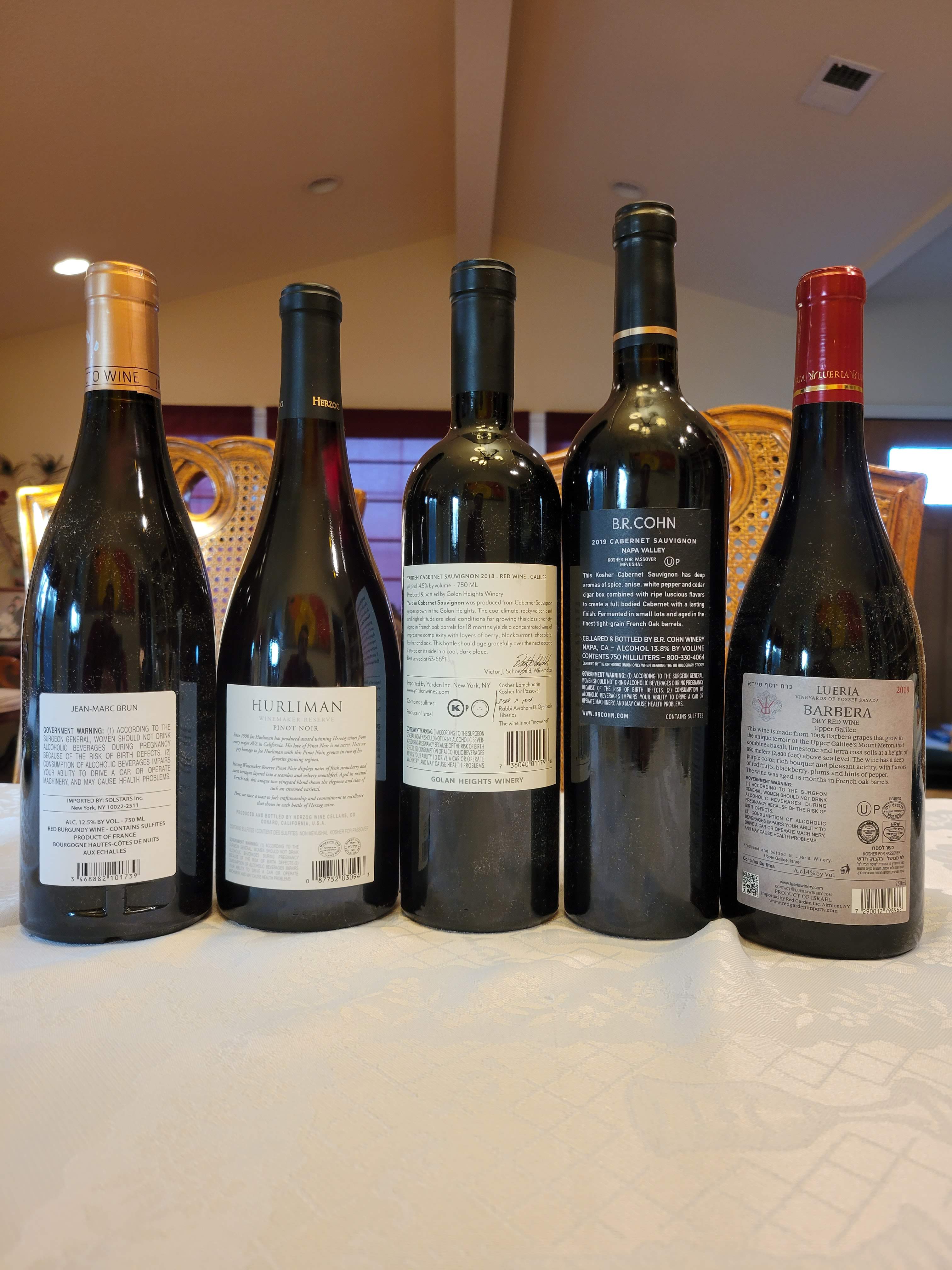
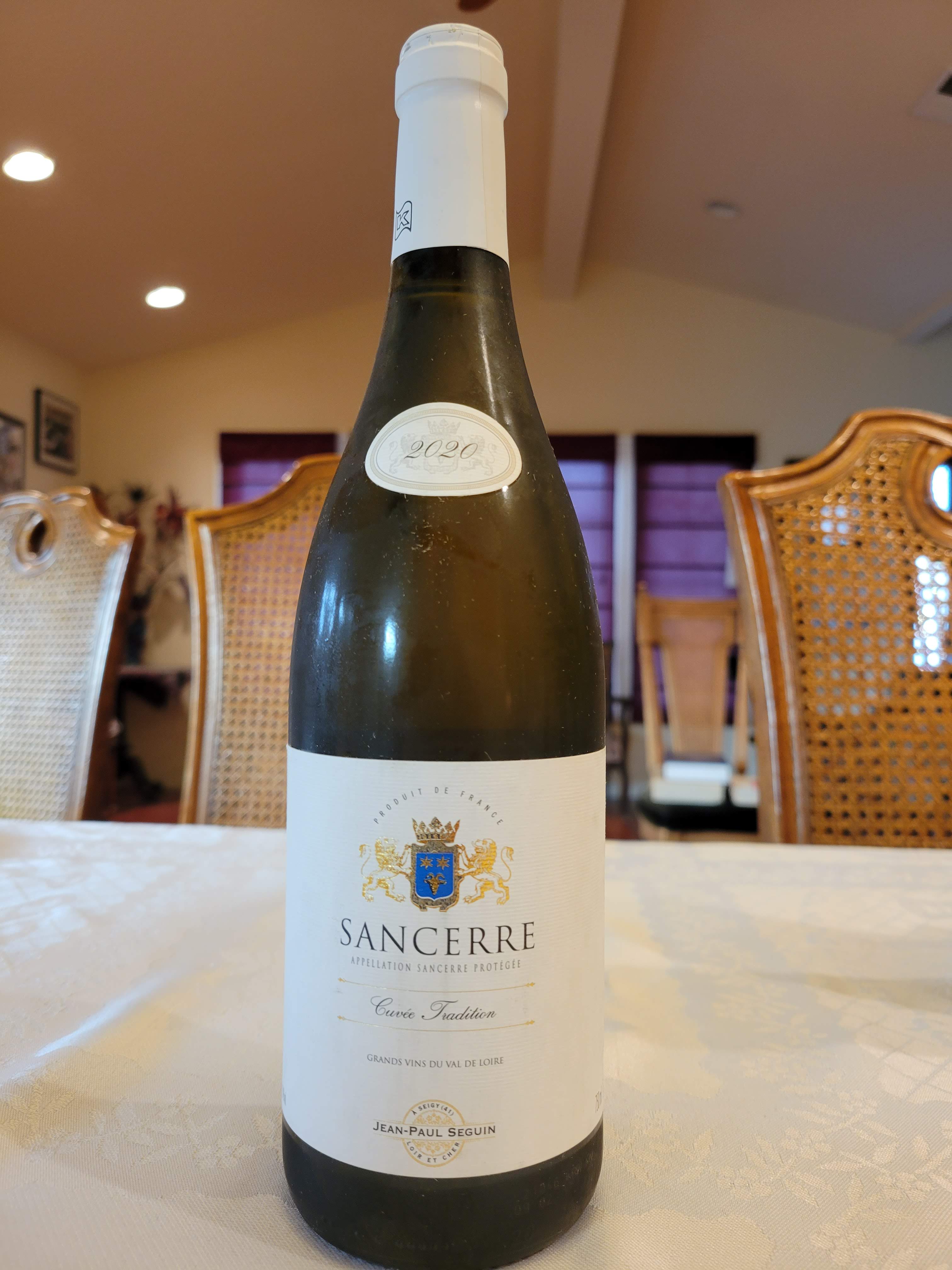
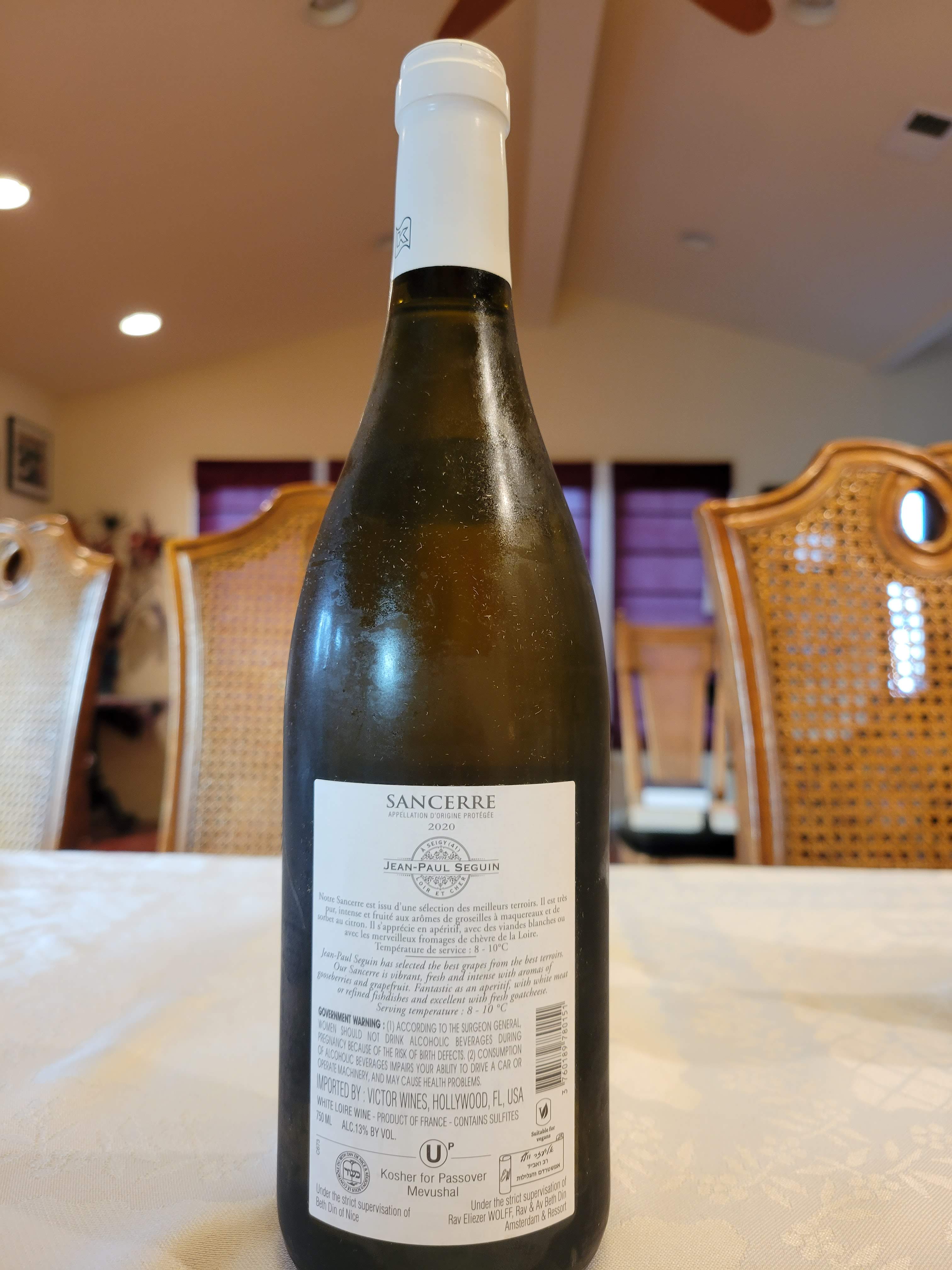
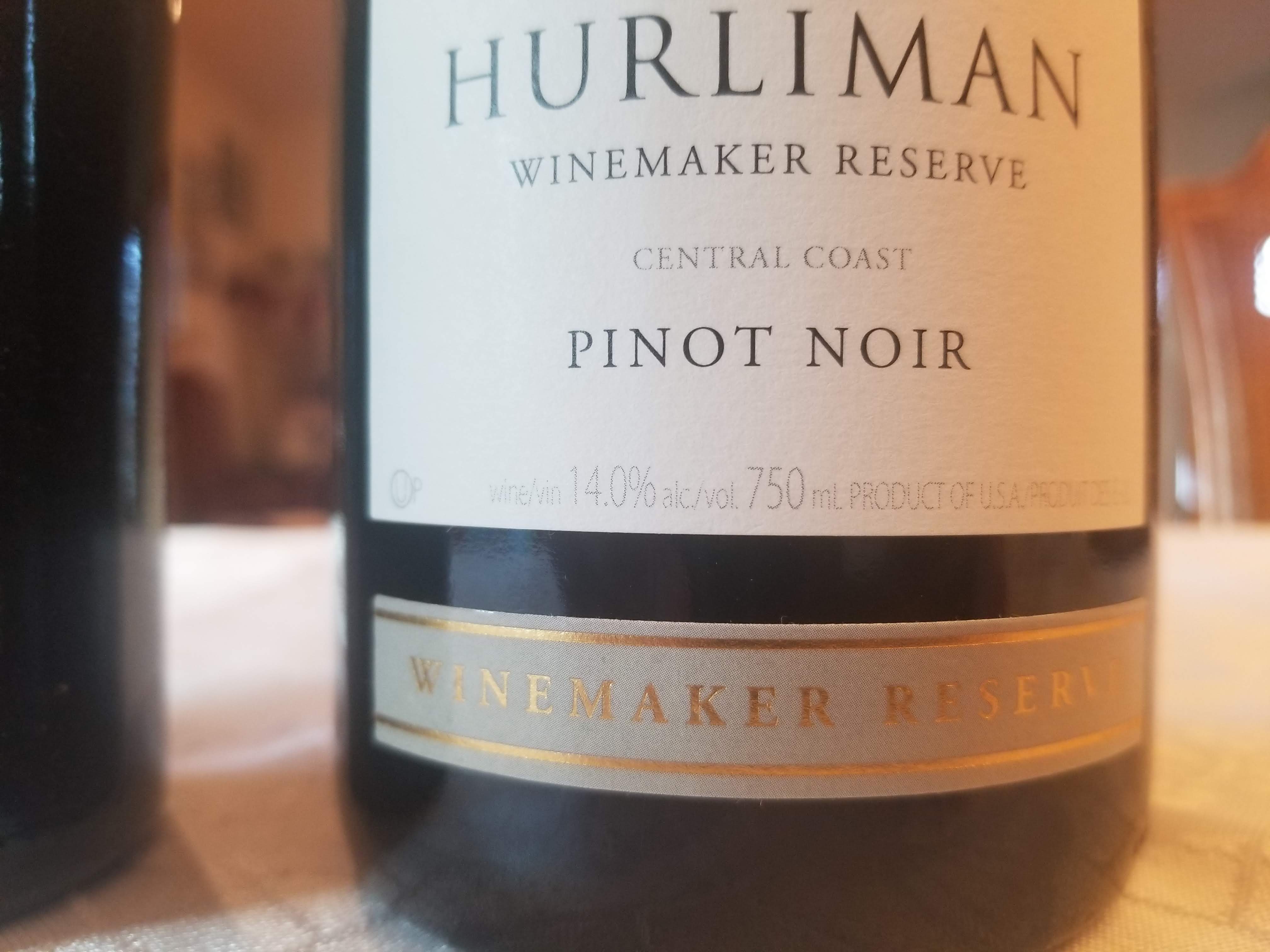
2020 Sheldrake Point Riesling, Dry, Finger Lakes, NY – Score: 91.5 (QPR: WINNER)
This is the first year that Ari Wines has made this wine and it is a true joy! First, I love the fact that he makes clear what dryness the wine has. The wine label shows an RS (Residual Sugar of 0.7 which is a bit more than I would have liked but still not within the average person’s opinion of what is “dry”. Officially, 0.5% is off-dry, but that is crazy precise, to most people below .10% you are dry, but everyone has their opinions. Finally, IMHO, this wine is not the best Riesling I have this year, nor is it the most complex wine of this year. However, and this is of great importance, this wine may well be the most refreshing wine I have tasted this year! That could well be because of either the lovely acidity, the low ABV (Alcohol By Volume), or because I love Riesling!
From open until empty this wine is always ready, enjoyable, and fun! The nose on this wine is lovely, showing notes I crave with intense honeysuckle, peach, tart citrus, honeyed notes of apple and pear, more floral notes, spices, and great minerality! The mouth on this medium-bodied wine is where this wine goes into solid WINNER status, it starts with a wave of acid, followed by a wave of balanced mouthfeel, with a weight that is lovely, not oily, but lovely, with ripe peach, tart tangerine, crab-apple like nectarine, and intense acidity. The finish is long, ripe, yet layered and expressive, with an acidic backbone, mineral, flint, rock, and intensity of mineral that makes this wine a true joy! Bravo! Drink until 2024. (tasted Novemeber 2021) (in San Jose, CA) (ABV = 11.10%)

Elvi Wine Winery Tasting
 Dr. Moises Cohen, owner and head wine maker of Elvi Wines, fell into his current love as part of his thesis defense of his other love – Agricultural Engineering, which he received from the Technion in Haifa. For the next 21 years Moises has used his degree and knowledge to build patented technology that allows vineyards to be remotely monitored on all aspects of the vine’s health and stress. Telemetry ranging from the vine’s overall health to how much water it has consumed and how much it still needs! It turns out that with some really cool technology a vine can tell you all the info you can ever imagine without damaging it in any way. The telemetry data allows the vineyard manager to control the water, fertilizer, and/or vineyard fans to cool or heat the vines.
 Moises and his wife, Anne who holds a degree in History of Art and is a Sommelier, has been consulting with wineries, all around the world, to manage their vines and to make wines. In 2003, Moises started Elvi Wines, while continuing to being a wine consultant for wineries across Spain and South America. The duality of seasons between the northern and southern hemispheres allows Moises to help each in their own wine harvest and growing seasons.
 Dr. Moises Cohen, the winemaker, is passionate about the terroir, and their winery’s name (Elvi) says it all; an abbreviation as Cohen explains it; EL (elokim or general rules or mother nature, just as you want, as you feel, as you believe) is always above VI (vino, wine). Wine is a mirror image of the vineyard and the wine maker. The more the wine maker manipulates the grapes and the wine, the more it feels and tastes fake. The more he/she lets the grapes and wine change and age naturally, the more the wine will be able to show its true terroir characteristics. All of the Elvi’s wines come from organically maintained vineyards! Further, the wines are brooding with earthy and mineral notes that show the terroir in ways that are quite enjoyable.

 Wine Musings Blog