Blog Archives

New kosher Terrenal Wines at Trader Joe’s for 2013
So in case you have walked into your local Trader Joe’s recently, you will notice that there is a new pair of kosher red wines and a lack of a new Chardonnay. The Chardonnay is on the way, so no worries there. As soon as I get one, I will hopefully post notes here, as usual.
So let us concentrate on the subject at hand – the new two 2012 Spanish kosher Terrenal wines; Cabernet Sauvignon and Tempranillo. As always, the Spanish wines are NOT mevushal, and I have noted that in the notes. On top of that the price has stayed consistent – they cost 4.99 here in Northern California. Both wines are a NO BRAINIER for five dollars, a classic QPR wine. Many will turn their nose and say – that they will not drink Terrenal. I am fine with that, I have no issue with people not liking a wine. To me what Terrenal brings to the table, when they are good, is slight complexity and attempting to raise the bar above the basic line options that are presented for 10 dollars or less at many kosher wine purveyors.
For the most part, I do not drink many of the sub 10 dollar kosher wines at wine stores, because they just taste poor and standard, at best. To be fair, ten dollars is a hard nut to crack. The cost is wrapped up in the production of the wine, the grapes, the bottling, and the kosher supervision. How, Terrenal can make a wine for 5 bucks (used to be four), is impressive and quite a coup. That said, the average wine producer – has far too much overhead and costs to be able to pay for good grapes on top of the a fore mentioned costs. That is why 10 dollar kosher wines are normally an abomination to me. There are a few exceptions, like Terrenal, but even they do not get it right.
The 2010 Terrenal Tempranillo was not very good, but it was still better than many of the sub 10 dollar wines. The 2012 Malbec has turned and it tastes like lilacs and the beautiful old blue fruit has gone the way of the dodo birds 😦
The good news is that the two new Terrenal wines from Spain are spot on! They need time to open, but once they do, they are lovely and rich and flavorful – way to go!
So, my advice, stick to the new Spanish Terrenal wines and please post here what you all think of them! I do not have the image for the Terrenal Cabernet, but they are normally side by side and look the same, excepting for the varietal name of course.


The wine notes follow below:
2012 Terrenal Tempranillo (QPR) – Score: B++ (NOT mevushal)
This wine is a real surprise! The last Tempranillo from Terrenal did not impress me that much. This wine has the attention grabbing notes and enough layering to make me take notice. Still, the clear winning aspect of this wine is the rich mouth coating tannins and bright searing acidity that makes this a great pairing for things like Tomato pasta and meatballs.
The nose on this wine opens to lovely blackberry, rose hip, floral notes, dark cherry, along with good earthy notes and cola aromas. The mouth on this medium bodied wine is a wake-up call, with nice bright acid, crazy blue and red fruit, all wrapped in a cloak of mouth coating tannins that linger long. The finish is long with dark cherry, tobacco, currants, crazy and zany cloves, black pepper, spice, along with forest floor notes that linger long!
2012 Terrenal Cabernet Sauvignon (QPR) – Score: B+ (NOT mevushal)
This wine is nice with blueberry, raspberry, dark cherry, rich earthy elements, mineral, graphite, and almost hints of peach or apricot. The mouth is medium bodied with good mouth coating tannin, nice cranberry, eucalyptus, blackcurrant, spice, and more roasted herb. The finish is long and spicy, with searing cloves, black pepper, kirsch cherry, more green notes, and spice.

The 2007 Yarden Pinot Noir and a revisied note for Terrenal Malbec
Having finally come home from my four week trip to France and Israel, I have tons to write, but more of that soon. For now, I wanted to get my notes in for this weekend’s wines. The dinner was simple and great – all at the same time. The wine was nice, but I also opened a bottle of the 2012 Terrenal Malbec, and it has taken a large step backwards. Gone is the blue and black notes, and now all that is left
2007 Yarden Pinot Noir – Score: B+ to A- (QPR)
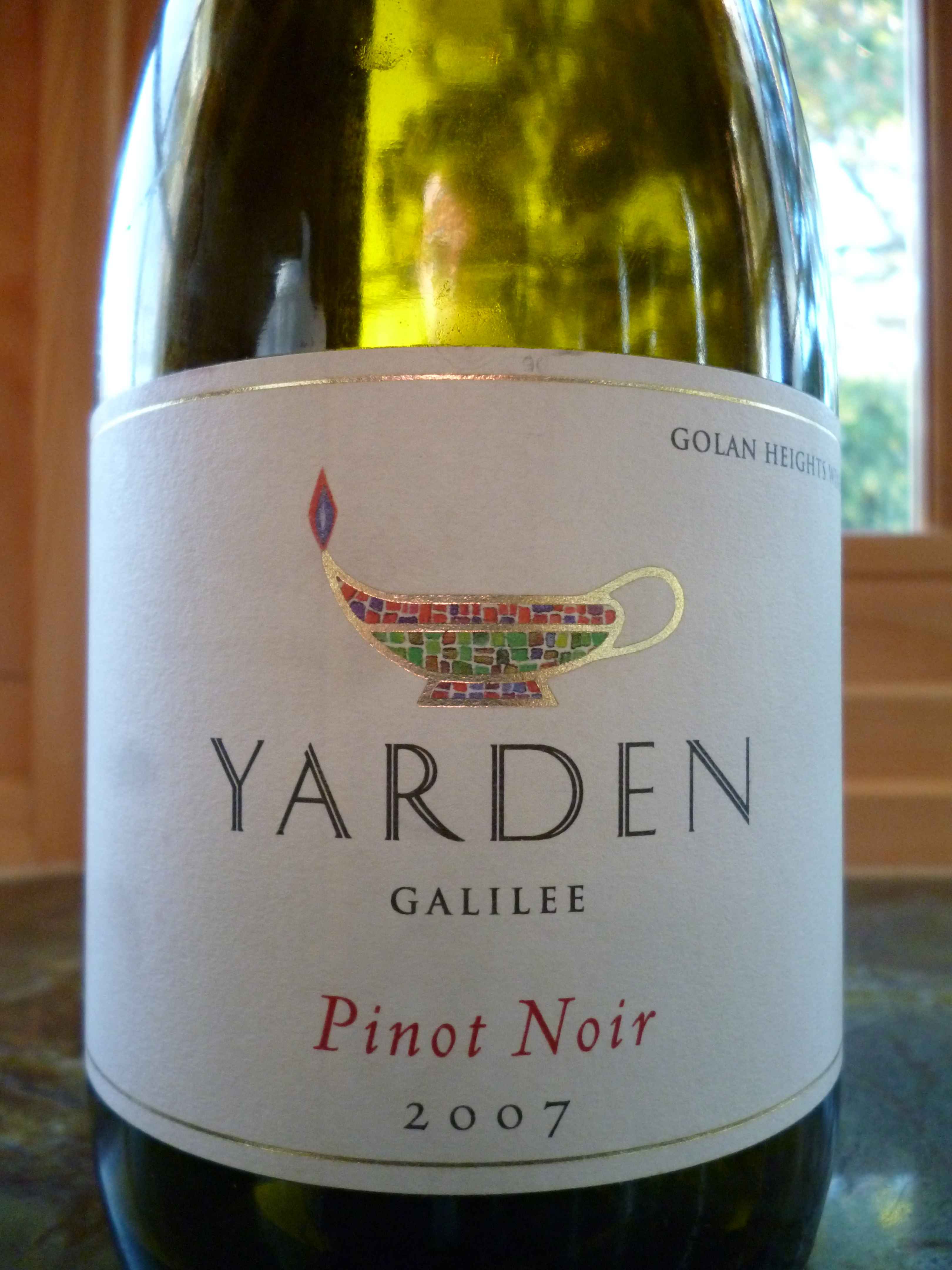 This wine is one that is sure to create controversy wherever it is poured. Why? Because the wine does not taste like a Pinot Noir! The wine is rich and lovely and more akin to a Tempranillo or Barbera than it is to a Pinot Noir.
The nose starts off hot but then cools with lovely and expressive black cherry, smoky aromas, cloves, spice, licorice, cinnamon, eucalyptus, and herb. The mouth is medium in weight with a nice and full mouth that coats the mouth with integrated tannin, sweet cedar, along with dark fruit, that is now coming together quite nicely with raspberry, blackberry, and black plum. Over time the wine’s nose shows apricot and peach along with ripe fruit. The finish is long and spicy with black pepper, caramel, butterscotch, vanilla, and a hint of date on the finish.
The wine is not a typical Pinot Noir, but please do not take that as an affront – it is a lovely and enjoyable wine. If you are looking for a Pinot Noir styled wine – look elsewhere. If you are looking for a lovely wine that works with hard cheese, chicken soup, and roast beef alike, that will please newbies and wine veterans alike, than this is the wine for you!
2012 Terrenal Malbec – Score: B+ when not a bad bottle
Friends and acquaintances have been having mixed feelings about this wine. Wine that I had stored in my house – tasted more like a blend of lilac, marzipan, black fruit, and dirt. Gone was the root beer, the deep floral notes, and overall nice edges of this wine. However, I then went to the store and picked up a bottle from the shelf and it was exactly like I have it below. I believe the issue was that I stored the bottle in a not so happy place, but I am not sure why the bottle changed into that! The place I stored it was not a hot room! I stored it in the bottom of my pantry and it was cool for this entire month. Not sure – but a new bottle from the store tastes fine – so if it tastes off, return the bottle and get a new one.
This is what the newly bought bottle tastes like, exactly what I tasted the last few times – I really do love that tea, blue, hops, and vanilla flavor that lingers.
WOW! This wine starts off with a crazy attack of floral notes and about nothing else – really it starts of smelling like a lilac, rose, and Jasmine bouquet. However, with a bit of air and time, lovely ribbons of blueberry, black cherry, black pepper, and spice appear. The mouth is smooth and round with nice ripe fruit, almost layered and definitely attention grabbing, with blackcurrant, tea, and spice. The finish is long and almost rich with more blue and black fruit, root beer, vanilla, and nice tannin that coats the mouth along with bitter hops and herb. BRAVO!!

2012 Terrenal Kosher Wines – new Vintages at Trader Joe’s
It has been only six months since we last posted about the kosher wines at Trader Joe’s. Which by the way, is very deja vu from what I said in that previous posting as well. Terrenal, has been very good at keeping up production, releasing solid QPR wines, and essentially making us all happy – until Trader Joe’s runs out of the wine and then we have to wait for 6 or so months until the next vintage arrives!
By the time I released the last posting, the 2011 Terrenal Chardonnay had essentially run dry, in all of the Trader Joe’s in my area. The good and bad about store specific wines is that, for the most part they are reasonably priced – but they have the downside of always being in high demand and in relatively low supply.
The Banero continues to not be available here in the west coast. The 2010 Cabernet Sauvignon and Tempranillo are both available in the area, but the clear winners are the new 2012 Chardonnay and Malbec.
There is ZERO comparison between the last Terrenal Malbec and this new one. All I can say is that if you blind folded me and asked me to guess the varietal of the 2012 Malbec, I would have guessed Australian Shiraz, given the crazy blueberry and floral notes. Nothing comes close to this wine, in terms of price – I mean that seriously! I have never tasted a $4.99 bottle of wine that tastes this good – period! So for a QPR brain-dead winner, get some bottles of the 2012 Terrenal Malbec, and it is mevushal to boot!
The new 2012 Chardonnay continues to impress, a wine that shows what a talented winemaker can do with unoaked chardonnay. This wine may not be a home run, but it is clearly a very solid single that could have been legged out into a double, if not for the few issues listed below. The Malbec, on the other hand was a solid single that was easily legged out into a double. Read the rest of this entry

New vintages of Trader Joe Terrenal kosher wines
 It has been only a few months since we last posted about the kosher wines at Trader Joe’s. The Banero is still only available on the east coast, but it remains in stock there. The Sara Bee is also back in stock on the east and west coasts, and doing really well. The prices have now stabilized, even though Moscato is going crazy in the wine world.
Sara Bee continues to taste as wonderful as always, but I cannot get the Banero Prosecco here on the west coast 😦 There are now two new Terrenal wines; one from Chile and one from Argentina that are both mevushal. I say this because the Spanish wines from February are not mevushal. The two new Terrenal wines continue the tradition of good kosher wine, for a reasonable price.
I am posting the previous notes as a reference, so that you do not need to go back to the older posting:
2011 Terrenal Chardonnay (Curico Valley, Chile) – Score: B++ (close to A-)
This wine is a lovely expression of unoaked Chardonnay and one that I am happy to buy often. Sure the price is also right (4.99 a pop), but price has ZERO bearings on how I score a wine. The nose screams with lemon fresche, apricot, guava, with ripe and almost sweet fruit. The mouth is really nice with sweet lemon, fig, Asian pear, apple, along with lovely and almost mouth-coating mouth. The finish is long with melon, good balanced acidity, a bit of sweet citrus zest (without the pith), along with a bit of vanilla and floral notes to close out the party.
2010 Terrenal Malbec (Mendoza, Malbec) – Score: B to B+
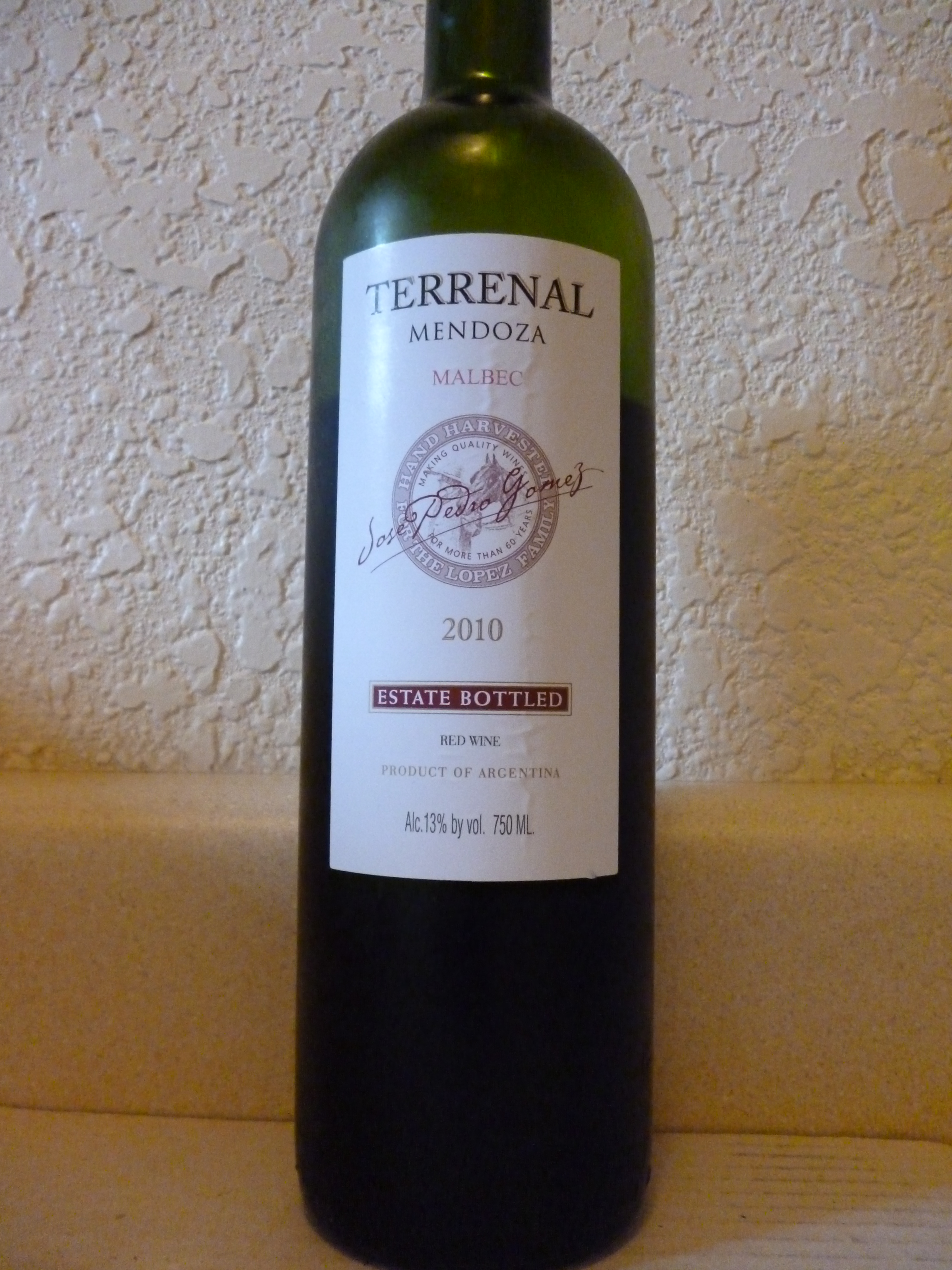 This wine is nice with a unique initial attack of butterscotch, along with blackcurrant, plum, and crushed herb. The mouth is soft and rich with a bit of raisin and blackberry, along with nicely integrated tannin. The finish is long and spicy along with good acidity, inky structure, sweet black cherry, spice, and vanilla on the rise. Read the rest of this entry
The new vintages of Trader Joe kosher wines
It has been a year since we last posted about the kosher wines at Trader Joe’s. The Banero is now only available on the east coast, but at least it is back in stock. The Sara Bee is also back in stock and doing really well. The prices have risen a bit, but I guess that is par for the course, with Moscato going crazy in the wine world.
Still, the Sara Bee tastes as wonderful as always, but I cannot get the Banero Prosecco here on the west coast 😦 There are also two new Terrenal wines from Spain that are still not mevushal. I say this because the rest of the wines are mevushal, excepting for these two. The two reds continue the tradition of good kosher wine, for a reasonable price.
I am posting the Sara Bee and Banero notes as a reference, so that you do not need to go back to the older posting:
2010 Terrenal Cabernet Sauvignon (Yecla, Spain) (not-mevushal) – Score: B+
The nose on this dark garnet colored wine is rich and vibrant with black cherry, an almost perfumed nose of blackberry, and raspberry, along with black currant, rich earth, and herb. The mouth on this medium bodied wine is a nice quaffer with enough complexity to grab your attention, with spicy fruit, almost mouth coating tannin, rich earth, and an overall mouth feel that is nothing short of quite nice. The wine’s core acidity really elevates it and the richness and spice of the finish goes a long way to making you rethink entry-level wines. I could care less what this wine costs, this is a fine wine that is tasted blind would make you do a double take, and in the end, it is quite enjoyable.
2010 Terrenal Tempranillo (Yecla, Spain) (not-mevushal) – Score: B+
The nose on this dark garnet colored wine is rich and vibrant with black cherry, strawberry, an almost perfumed nose of blackcurrant, and raspberry, earthy aromas, herb, and spice. The mouth on this medium bodied wine is a nice quaffer with enough complexity to grab your attention, with spicy fruit, nice round tannin, rich earth, and an overall mouth feel that spicy and enjoyable. The wine’s core acidity really elevates it and the round mouthed tannin, along with nice spice add to the cherry focused wine that adds a dollop of herb and vanilla on the long finish. I could care less what this wine costs, this is a fine wine that is tasted blind would make you do a double take, and in the end, it is quite enjoyable.
N.V. Sara Bee Moscato ((Italy, Puglia) – Score: B++
The nose on this effervescent light gold colored wine starts off with a powerful hit of honey and a touch of yeast. After a small bit of time, the wine explodes with summer and tropical fruits, peach, apricot, mango, pear, lychee, and papaya. This wine has a wonderful effervescence and fruity nose. The mouth on this medium plus bodied wine is lovely with nice effervescence, sweet honey, papaya, lychee, and pear. The mid palate is balanced nicely with acid and light toast, and effervescence. The finish is long and tasty with papaya, honey, and caramel, with the honey and caramel lingering long on the palate.
This is a more balanced, fuller, effervescent wine than the usual kosher blue-bottle Bartenura Moscato. Nothing against the Bartenura Moscato, but it does not compare and it is at least double to triple the price of this wonderful wine. Get a bottle or two and try it out. The Sara Bee Moscato is available at Trader Joe. Finally, as usual my score NEVER includes the price. This wine is scored what it is scored solely on its merit – irrelevant to its price, availability, or its kosher status.
N.V. Banero Prosecco – Score B+
The nose on this straw-colored Prosecco is screaming with a lovely bubble fest, along with a nice muscat nose, perfume, orange rind, yeast, toast, and honey. The mouth on this rich medium bodied wine starts off with a hit of bitterness, apple, honey, prolonged small mousse bubbles, and toast. The mid palate is core with acidity, toast, and drop of yeast, and orange peel. The finish is long and mousse-y with honey, slight bitterness, and toast. This is a wine that has a bit of beer bitterness at the start, which fades a bit, but lingers with a nice balance of perceived sweetness from the honey notes. The mouth is rich with small mousse bubbles that lie on your palate for a very long time, long after the wine is gone.

Meatballs, Panade, Linguini, and a bottle of Binyamina Zinfandel
On the weekend of August 12th we were laying low with a continued hunkering for meatballs. I cannot truly explain why I am constantly tinkering with my meatball recipe. I guess I can only say that I like to tinker, and I like to play with recipes. This one went very wrong! I normally add in shredded vegetables to make the meatballs softer, instead of using a panade. What is a panade and what do you use it for? According to Cook’s Illustrated: “A panade is a paste of milk and bread that is typically used to help foods like meatballs and meatloaf hold their shape and moisture. Starches from the bread absorb liquid from the milk to form a gel that coats and lubricates the protein molecules in the meat, much in the same way as fat, keeping them moist and preventing them from linking together to form a tough matrix. Mixing the beef and panade in a food processor helps to ensure that the starch is well dispersed so that all the meat reaps its benefits.”
Steaks can handle being eaten medium rare, my favorite temperature, because the bacteria does not penetrate the solid surface of a steak too deeply. However, ground meat can have or attract the bacteria and now it has the potential to get into every nook and cranny of the meatball or burger – which can be painful or far worse. The answer is to fully cook the ground meat dish and still have something edible in the end, which is no small feat. The panade gives you a cushion or life jacket because it allows you to cook the ground meat right to the end and maybe a bit more and not end up with ground up shoe leather.
So while the panade does wonders for ground meat recipes, it does not work in a kosher home – given the whole “meat and milk thing”. That leaves us with a need to get a substance that starts off dry and ends up soft – vegetables! This is not the first time we have made meatballs with vegetables, however, it is the first time we have done it with vegetables that I did not squeeze out! Ouch! I was lazy and tired and did not want to bother – big mistake.
The meatballs came out fine, but they were overly soft. I should have seen it when I made the mixture. A few rules about meatballs:
1) NEVER over mix them – the more you slam them around the harder and more gummy they get
2) A mixture that is correct should feel more like a stiff dough than a soft one – that is where I messed up
3) Cook the meatballs until they float in the pan (if you are braising them). They will sink to start, and the second they bob up to the surface, yank them out.
4) To be sure they are not ready, make sure to not overstuff the pan and the braise, so that the meatballs have freedom to rise to the surface when ready
There you go – I hope you all can learn from my mistakes and, lets be honest – bobbing for meatballs is so much more enjoyable than rotten apples!
To pair with this lovely tasting, albeit overly soft, meatballs, we cooked up a pot of linguini and a tossed a fresh bowl of green salad. The wine we enjoyed over the weekend was the 2007 Binyamina Zinfandel. We also enjoyed a few more wines in the same time, so I am adding them here for posterity.
 2007 Binyamina Zinfandel Special Reserve (Israel, Galilee) – Score: B to B++
The nose on this dark garnet to black colored wine starts off way to hot, however over time it calms down to expose chocolate, tobacco, cedar, raspberry, plum, blackcurrant, black cherry, crushed herbs, dirt, and mound of black pepper. The mouth on this medium bodied wine is starting to show its age with excessive date flavors that taste oxidized, plush mouth feel from nice tannin, rich loamy dirt, raspberry, plum, blackcurrant, and black cherry. The mid palate is balanced with nice acid, cedar, and vanilla. Th finish is long and spicy with heaps of black pepper, chocolate, tobacco, vanilla, blackcurrant, date, cedar, and herbs. Cedar, black pepper, date, raspberry, black currant, chocolate, and vanilla linger.
2009 Cantina Gabriele Pinot Grigio (Italy) – Score: B
This past weekend I tasted this bottle at our synagogue’s kiddush and it was lacking to say the least. The nose on this wine was totally killer! The nose on this light gold colored wine was exploding with lemon, aroma, pepper, honeyed melon, and peach. Unfortunately, that was where it ended. The mouth on this light to medium bodied wine was dead with light hints of acidity, peach, honey, and melon. The mid palate was totally flat with little bite, more sweet fruit and melon. The finish was average with a bit of bite but it faded quickly leaving only a hint of melon, honey, and light floral notes. I was so hopeful after the nose but so it goes.
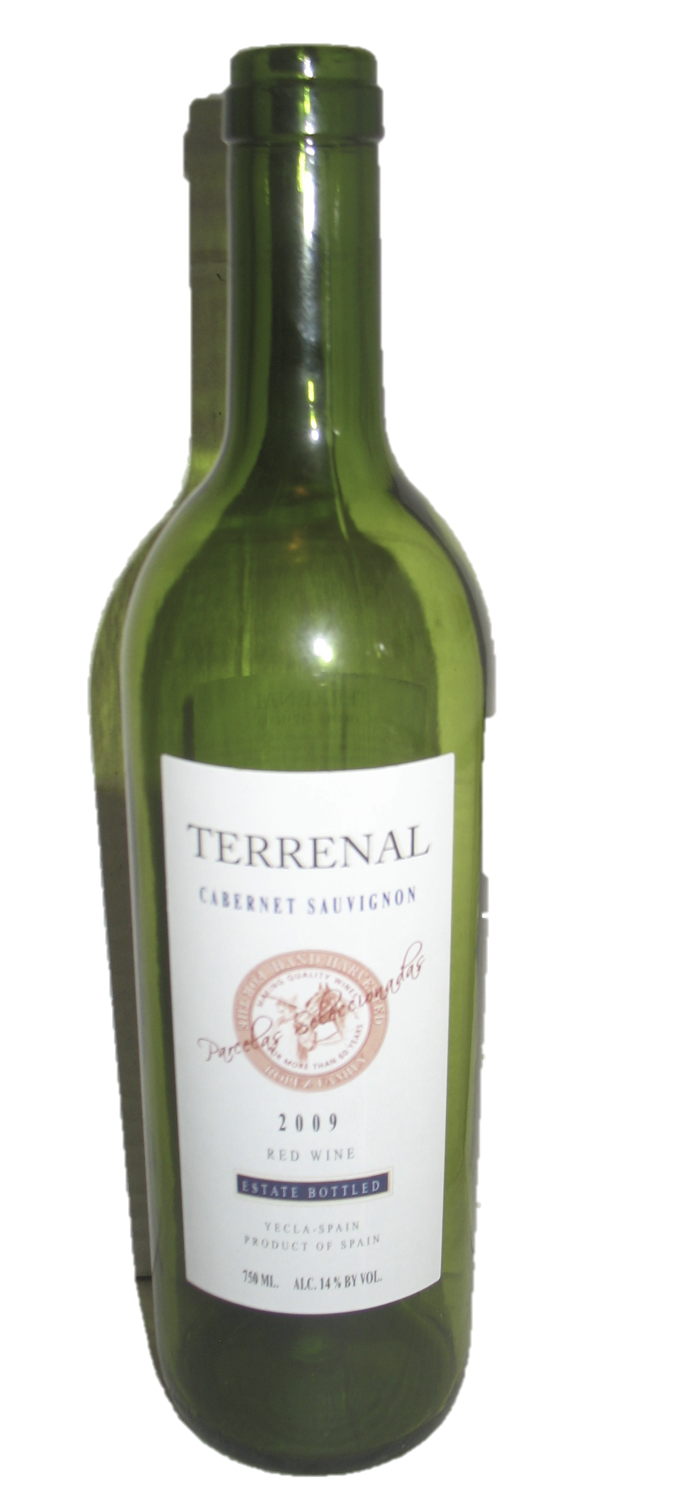 2009 Terrenal Cabernet Sauvignon Yecla (Spain, Murcia, Yecla) – Score: B to B+
Still really like this bottle especially given the cheap price. Much has stayed the same but a few new nuances have shown up. The nose on this dark garnet to black colored wine is rich with dirt, cloves, graphite, raspberry, blackberry, crushed herbs, a hint of chocolate, and black cherry. After some time blueberry also makes an appearance, however at that time the wine is starting to degrade. The mouth on this medium to full bodied wine is heavy with tannin that lends to a nice but crazy mouth feel, along with blackberry, raspberry, and black cherry. The mid palate is bone dry and acidic along with some chocolate and a fair amount of crushed herbs. The finish is long with chocolate, blackberry, black cherry, crushed herbs, mint, and some mineral. This wine is really nice for the price! (103 views)
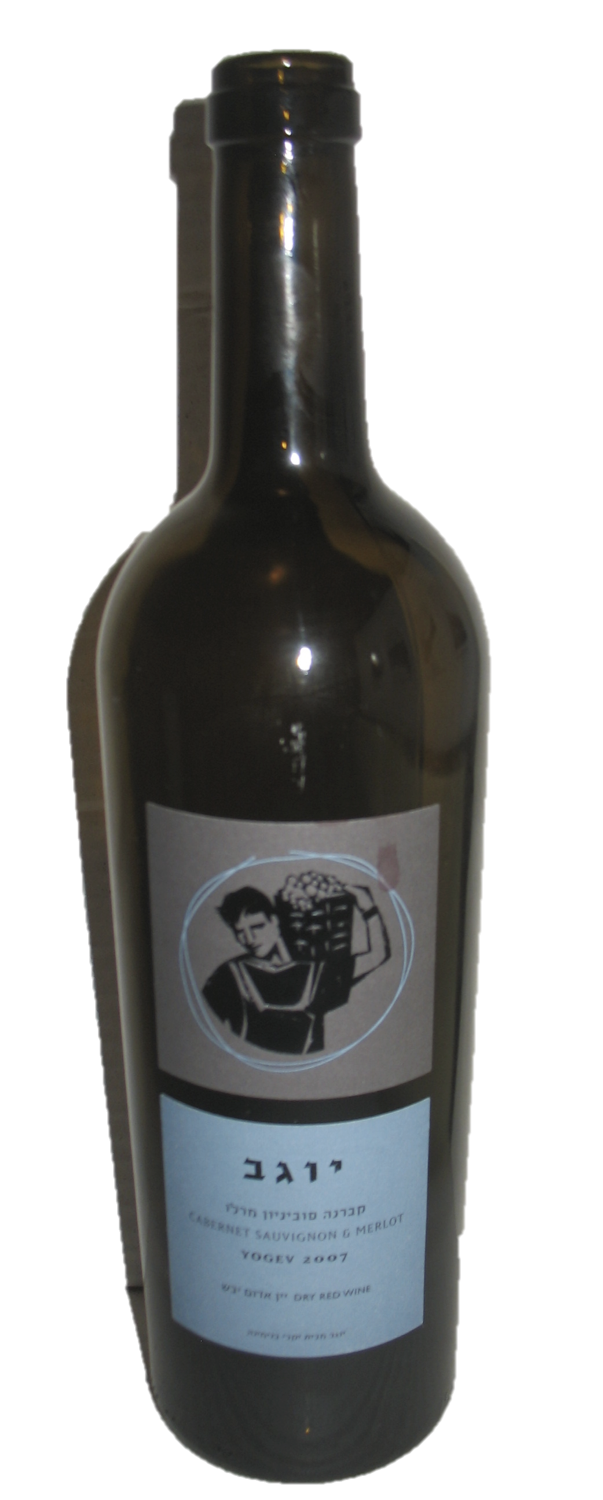 2007 Binyamina Cabernet-Merlot Yogev Kosher (Israel, Samson) – Score: B
The nose on this garnet colored wine with brown halo has an almost dead nose with chocolate, rich tobacco, dirt, mineral, blackcurrant, blackberry, black cherry, herbs, date from light oxidity, and oak. The mouth on this medium bodied wine starts to show oxidation with date flavors, blackberry, blackcurrant, herbs, soft tannin, and black cherry. The mid palate is balanced with nice acid, spicy oak, more soft tannin, and tobacco. The finish is long with date, tobacco, blackberry, blackcurrant, crushed herbs, and vanilla. This wine dies quickly, drink up or use for cooking.
2003 Four Gates Merlot Kosher (USA, California, San Francisco Bay, Santa Cruz Mountains) – Score: B++ to A-
The nose on this electric blue/purple colored wine is vibrant and expressive with rich sweet oak, smoky, vanilla, black candied cherry, raspberry, blackberry, ripe plum, bramble, chocolate, tobacco, crushed herbs, and date. The mouth on this lovely and full bodied wine is concentrated and expressive like its nose, from its fruit and tannin, with slowly integrating tannin, raspberry, blackberry, ripe plum, cherry, and crushed herbs. The mid palate has balanced acid, chocolate, sweet oak, tobacco, and nice integrating tannin. The finish is super long and spicy with acidity, rich ripe plum, chocolate, tobacco, vanilla, long and luxurious finish with dates and vanilla.
Welner Wines sells to the under 10 dollar wine segment with Panache, Chutzpah, and Quality
I have yet to have the honor to meet Shimshon Welner, in person, but Mr. Welner was very kind to take the time from his very busy schedule, as you will see soon, to talk with us about the kosher wine industry as a whole, his wine company, and the underserved market for kosher quality wine under 10 dollar. As you talk with Mr. Welner you cannot help but be impressed by his obvious passion for this industry, but also for his equally obvious self confidence and knowledge when it comes to selling into the ever growing kosher wine market.
I have recently been talking with my friends about the kosher wine market, the plethora of options, and the deep and real fear I have around the number of wineries going kosher. In Israel, for the longest time, the majority of wineries were non-kosher, while the majority of wine sold in Israel was kosher. That being on account of the largest wineries being kosher, who produce over 90% of wine in Israel:
- Carmel
- Barkan- Segal
- Golan Heights (Yarden)
- Teperberg
- Binyamina
- Galil Mountain
- Tishbi
- Dalton
- Tabor
- Recanati
Many if not all of these wineries started off kosher, for a myriad of reasons, with a strong contributor being the ability to sell the wine to anyone and anywhere. That is a fair amount of wine that needs to be sold to an already well defined and limited group of Jews. Yes, religious Jews are buying wine more than they used to, still more and more wineries are starting kosher wine production. Many of them producing wine in the category that I call “death valley”, the wines with a rating of 84-90, that cost anywhere from 18-30 or more dollars. The scary part, is that the very large majority of all kosher wine out there fall either below 85, which makes it almost unsellable, or above it, but at a price point that just adds more product to the already yawning gap of under 90 point wines. Above 90, people have a desire to try it a few times, and may well continue to buy the wine, if they like it. Under 90, the wine will be bought maybe once as a way to try something different, but once they realize the product is inferior, they will not buy it again. So why the fear? Because 10 years ago, we would have been begging and screaming for this potential nightmare, but now it is getting to be a real potential problem.
You see there are three legs to the wine selling business, price, quality, and consumer. If you have a low priced and high quality wine that anyone can drink – you have no problems. If you have a high priced and low quality product that anyone can drink, you have some issues. If however, you have a low quality product with a high price and even lower consumer base, by not making the wine kosher, you are in deep trouble. You see, there are many hundreds of thousands of bottles of wine out there that a non-kosher wine market can sell, and they are often better and cheaper than their kosher counterparts. There lies in the conundrum that I am deeply fearful of. That is why I was so excited to speak with Mr. Welner. Read the rest of this entry
Tunisian Couscous Au Poulet and an assortment of wines
On the evening of November 5th, we finally got around to making my favorite dish, Tunisian Couscous Au Poulet, whose recipe can be found in this post. When I think about couscous it reminds me of family and friends, as my mother used to make it every Friday Night at our house while I was growing up. Her recipe was a bit more authentic, but I believe I am close enough on the Couscous soup and makoud. Where I have totally taken the liberty to change things up was with the meatballs (boulette).
The thing I love about couscous is the assortment of food and options that the guests have to enjoy. The couscous starts with a chicken/meat/fish/vegetable soup, which has a large assortment of cubed vegetables. The chicken or meat of the soup is used in the makoud (potato kugel), and the couscous itself is fluffy and full of the soup flavor, as it is steamed with the soup. Along with all of that, there are cold pepper and carrot salads, and meatballs. All of these options allow the guests to eat at their own pace and enjoy the plethora of flavors that meld so well together. The contrasts that the display themselves on the palate are a product of the wonderful flavors that each dish on the menu shows. The couscous is soft and fluffy and in perfect contrast with the just firm vegetables. The meatballs are hot and a touch spicy which plays well with the couscous and cold salads. The vegetables are warm and infused with the meat or fowl’s flavor, which carries into the couscous and the rest of the plate.
The official meatball recipe is an artery clogging heart popping display of fried food at its greatest. The meatballs are each topped with a fat slice of potato and then fried in oil until golden brown and finished in the oven. Yes the original recipe sounds and tastes great but I am past the oily flavor, so we have been using a more Italian styled recipe with meatballs braised in tomato sauce. I have been playing for many years with the sauce and the texture of the meatballs. I have tried baking and braising the meatballs, and I keep coming back to braising. In the past few years we have pretty much nailed the tomato sauce that the meatballs braise in, but this week we killed on the meatballs as well. We used a combination of beef, turkey, and mounds of shredded raw vegetables. I was concerned that we put in too many vegetables and that the meatballs would be runny and messed up. Instead they were structurally firm but moist in the mouth and to the fork, while not crumbling to easily as well.
Of course if couscous is on the menu close friends cannot be far behind. Our table was filled with some friends who have been absent for too long and some old standbys. Benyamin Cantz was present and brought some lovely old Four Gates Chardonnay, along with other friends who brought a few Cabernet, but we only got around to one of them, that being a 2006 Yarden Cabernet. The wines were served from lightest to boldest, and there were no duds to be found!
Though the dishes do not call for heavy reds, the meatballs and the flavorful broth and makoud easily stood up to the mixture of reds that we served until the last one, which was an all out beast. The meal started with a pair of 1996 Four Gates Chardonnay and was followed by the only partial dud of the evening – the 2007 Hagafen Cabernet Franc Estate Bottled. We last tasted this wine, almost a year ago, at the winery and it was wonderful, full of floral notes, oak, chocolate, and red fruits. We bought two bottles from the winery and though the wine tasted fine, it lacked the fullness, polish, and finish that we remembered from a year ago. I can only guess that the wine is in some dumb period and will once again display its true potential, when it exists it dark cloud period. The third wine of the evening was the much talked about 2008 B.R. Cohn Cabernet Sauvignon, Trestle Glen Estate Vineyard. Mr. Bruce Cohn is the manager for the famous Doobie Brothers, and has been making wine for some 25 or so years. Much has been made of the wine, including a wonderful score of 92 from Daniel Rogov and a lovely write up on the wine and winery as well. For full disclosure, I did not pay for this wine. It was given to me to be tasted and the notes follow below. It was the third rated wine of the evening behind the next two. Those being the 2005 Ella Valley Cabernet Franc and the 2006 Yarden Cabernet Sauvignon. The final wine of the evening was the 2005 S’forno Monastrell Dulce, while nice, was clearly showing its age in color and palate.
The 2005 Ella Valley Cabernet Franc was not sold here in the US. I imported it during one of my visits to the Israel. I bought them at the winery, and alas, this was my last bottle. This wine is still expressive and explosive and one that is not on its last legs at all. The 2006 Yarden Cabernet Sauvignon is a pure beast, one displaying bright and powerful fruit, oak, and layers that come at you in waves. The B.R. Cohn is a polar opposite, in many ways, of the Yarden and Ella Valley wines. Where the Ella Valley and Yarden wines are explosive and highly expressive, the B.R. Cohn is more of an elegant wine with its own flair of complexity and expression. In no way is that a back handed compliment to the wine, but just a definition of its character and makeup.
The B.R. Cohn Cabernet Sauvignon was made in the Herzog Winery, some 420 miles south of the vineyard. The grapes were trucked down and the wine was pressed, fermented, and aged in the Herzog winery, under the B.R. Cohn label and the supervision of the OU. The thing I find truly fascinating, beyond the fact that Mr. Cohn wanted to make kosher wine, was how he and the winery kept it such a secret until it was released. With more and more connoisseurs looking at wines in the kosher market, it is truly hard to keep a secret. Everyone is looking for the next big or special wine to show off to their friends and family. Notwithstanding, the Herzog and B.R. Cohn wineries did a wonderful job at keeping a lid on this success, and we can only hope for more wines to be coming out of this winery in the future.
On an aside, I also served a bit of the 2009 Terrenal Cabernet Sauvignon from Spain. As discussed in my other posting, this is a wine that is available at Trader Joes and one that is really catching on in the kosher market. Look for more coming soon on Terrenal and the rest of the wines under the Trader Joes white label.
The wine notes follow below in the order they were enjoyed. My thanks again to B.R. Cohn Winery for the opportunity to taste the wine and the Allison at Coats Public Relations who was instrumental in procuring us the bottle of wine we so greatly enjoyed:
2007 Hagafen Cabernet Franc Estate Bottled Napa Valley – Score: B+ to A-
This is Hagafen’s second release of a single varietal Cabernet Franc, the other one being the 1996 vintage. This is the second time we are tasting the wine and it did not show nearly as well. The last time we tasted this wine at the winery, almost a year ago, it was showing quite nicely. This time the wine showed weaker with a more shallow finish and less body overall. We got these bottles from the winery, so I am not sure what could be wrong. We really loved the 1996 vintage, but this one was even better, though it has been around 10 years since we last tasted it.
The nose on this dark garnet to black colored wine showed a bit of floral notes, some crushed herbs, chocolate, along with a bunch of rich and ripe raspberry, black cherry, plum, and sweet oak. The mouth on this medium to full bodied starts off with mouth coating tannins, raspberry, plum, and black cherry. The mid palate is packed with balancing acidity, spicy oak, chocolate, and nice tannins. The finish is medium long and oak with chocolate, vanilla, rich ripe plum, spice, and black fruit.
2009 Terrenal Cabernet Sauvignon Yecla (Spain, Murcia, Yecla) – Score: B+
The nose on this dark garnet to black colored wine is rich with dirt, raspberry, blackberry, crushed herbs, a hint of chocolate, and black cherry. After some time blueberry also makes an appearance, however at that time the wine is starting to degrade. The mouth on this medium to full bodied wine is heavy with tannin that lends to a nice but crazy mouth feel, along with blackberry, raspberry, and black cherry. The mid palate is bone dry and acidic along with some chocolate and a fair amount of crushed herbs. The finish is long with chocolate, blackberry, black cherry, crushed herbs, and some mineral. After a few hours the tannins soften a bit and turn more mouth coating along with some nice vanilla. However, after a bit more time the wine turns totally tannic and out of balance, so be careful to drink this wine with 3 to 4 hours after opening.
2008 B.R. Cohn Cabernet Sauvignon Kosher Trestle Glen Estate Vineyard – Score: A- to A
The nose on this wine starts off closed and not very enjoyable. After quite a few hours the wine becomes very enjoyable and “elegant”. This is not a sledge hammer wine, not an overly complex or layered wine, rather this is a wine that has enjoyable characteristics. The nose on this purple colored wine starts off closed and muted. Over time it opens to display light notes of sweet oak or cedar, raspberry, black plum, eucalyptus, cranberry, tobacco, chocolate, and a hint of vanilla. The mouth on this medium to full bodied wine is elegant in its attack, again, not one that relies on shock and awe, rather a wine that attacks with ripe raspberry, plum, cranberry, lovely tannins, and a mouth feel that is luscious and attention grabbing. The mid palate is balanced with acid, tobacco, chocolate, cedar, and eucalyptus. This finish is spicy and long with ripe plum and raspberry, tobacco leaves, dark chocolate, licorice, and vanilla.
2005 Ella Valley Cabernet Franc (Israel, Judean Hills, Ella Valley) – Score: Almost A
The nose on this purple colored wine is hopping with blackberry, cranberry, raspberry, plum, sweet oak, tobacco, chocolate, meaty notes, vanilla, and nice mint. The mouth on this medium bodied wine filled out as it got more air. The mouth on this medium bodied is layered with rich oak, cranberry, blackberry, plum, and tannins that calm down as the wine sits in the glass. The mid palate is balanced with a rich mouth, just enough acidity, and not yet integrated tannins. The finish is long and luxurious with a playful amount of spice, tobacco, chocolate, and vanilla that is joined in by rich fruit. This was the winner of our Cabernet Franc lineup once again – unfortunately I do not have any more. This is a wine that still has another year or two under its belt and another winner for this wonderful winery.
2006 Yarden Cabernet Sauvignon (Israel, Galilee, Golan Heights) -Score: Almost A
This wine is not going to sneak up on you – it is more like a combination of a sledge hammer and a two-by-four hitting you right between your eyes. The nose on this massive, complex, and sledge hammer styled wine explodes with super ripe blackberry, raspberry, chocolate, herbs, rich oak, licorice, plum, tobacco, and sweet cedar. The mouth on this massive full bodied wine is now showing softly integrating tannins that give the wine a super lovely mouth feel. Please do not let the lovely mouth feel fool your perception of this wine, it is massive, aggressive, and heavily layered wine with rich ripe blackberry, plum, cassis, and dates. The mid palate is inky black fruit, massive sweet oak, dates, and balancing acid. The finish is super long and spicy, with nice spice, cassis, date, oak, chocolate, tobacco, and still gripping tannins.
2005 S’forno Monastrell Dulce (Spain, Murcia, Yecla) – Score: B+
The nose on this garnet to mahogany colored wine is hopping with spicy oak, fig, dried plum, dates, honey, spice, and fair amount of heat (alcohol). The mouth on this medium to full bodied wine is rounded and accentuated with sweetness and alcohol, but balanced with nice spiciness, along with honey, fig, date, and spice. The mouth is coating and round from the tannin, alcohol, and sweetness. The mid palate is balanced with acid, more spice, date, and dried fruit. The finish is long, spicy, and sweet, that is punctuated at the end with more dried fruit, fig, and honey. This is a nice wine that is a bit over the hill, but still showing enough qualities to make it enjoyable.
2009 Terrenal Tempranillo (Yecla Spain) – the Four Buck Welner
This past weekend we were invited to a few meals and though we had quite a few wines, I never had a chance to write my thoughts down about them, except for one. The 2009 Terrenal Tempranillo from Yecla Spain. If you live in California or where ever you can find a Trader Joe’s, you have a solid chance to buy a decent bottle of kosher wine for $3.99. This has led people to call the wine the darndest of names; Four Buck Chuck, Four Buck Feivel, or my try – Four Buck Welner. The Four Buck part is homage to the $1.99 Charles Shaw wines, also known as Two Buck Chuck, which is made exclusively for Trade Joe’s, by Fred Franzia, who bought the Charles Shaw Winery in 1990, and has been using the name in eponymous since.
My name is in honor of the man who brought us these reasonably priced wines; Shimshon Welner, a wine negotiant who creates enjoyable kosher wines at a reasonable price, from many different continents. Hence, Four Buck Welner.
To be honest, I never saw the earlier vintages, but when the Four Buck Welner(s) recently came on the scene, they were the talk of my town. Not particularly for their quality, though they were ok, but more for the price! Four Dollars! Are you kidding me? The first batch of wines came from Argentina, and was Mevushal. They were a Merlot, Cabernet Sauvignon, and a Malbec. Then they sold out and we had nothing at my local TJ for a few months. Recently, TJ has restocked, but not with Argentinean Four Buck Welner, but rather with Spanish Terrenal. Please note, these wines are not Mevushal, and have more structure and mouth feel.
The flash pasteurization process, even if sub-second, is a swift kick to the gut for these simpler wines. The best way to do the mevushal process is to do it very early in the vinification of a wine. That is how Herzog and Hagafen pasteurize their wines, early and quickly.
2009 Terrenal Tempranillo – Score: B+ (Not Mevushal)
The nose on this dark garnet colored wine is ripe with dark cherry, raspberry, plum, black fruit, bell pepper/herb, and dirt. The mouth on this medium to full bodied wine is slightly concentrated but not complex with fruit that carries over from the nose, plum, dark cherry, and raspberry. As the wine opens, the not yet integrated tannins turn a bit full in the mouth. The mid palate is acidic and balanced with not yet fully integrated tannin and dirt. The finish is long with dirt, vanilla, plum, raspberry, and a flourish of green tea. This is not a wine that will become any more complex or concentrated with time, but one that does open a bit in the glass. I recommend drinking the wine after opening and watch it change slightly as the evening progresses. Price has no bearings in my scoring and that holds true here as well. However, it is not inappropriate to state, that is a perfectly fine wine for the price, and another fine example of Shimshon’s work.

 Wine Musings Blog