Blog Archives
2009 Dalton Viognier, Reserve, Wild Yeast
This past weekend we enjoyed a quiet shabbos dinner with one of my favorite dishes, my wife’s Lemon Rosemary Pepper Flake Roasted Chicken Recipe. Along with the roasted chicken we made some lovely quinoa and fresh green salad.
To pair with the chicken and quinoa I opened a bottle of the 2009 Dalton Viognier, Reserve, Wild Yeast. Six months ago we opened one of our two bottles of this lovely Viognier elixir and it was tasting fantastic then and it is tasting great right now! It is a bottle that I have really loved for sometime and one that Dalton stopped making after the 2009 vintage. As stated here, the great news is that I tasted the new 2012 Viognier and it was awesome and it should be on the market in the next year or so. Until then we must wait and live with whatever Dalton Viognier you may have laying around or get a bottle of the 2009 Yatir Viognier.
Personally, I found the bottle to be great, even though others have said the bottle is dead or dying. It was because of these statements that I must come out and state whole wholeheartedly that “the reports of its death are greatly exaggerated”! The wine tasted lovely, it was bright, and rich with lovely summer fruit and I miss it already as it was my last bottle. Yes, I am having serious withdrawal issues, and I only finished drinking it a few hours ago. Till the new Dalton Viogniers come out, I will have to drown my sorrows in a bottle of Yatir Viognier, Teperberg Viognier, or Midbar Viognier. The other options; Yarden Viognier is too Yarden (oak), the Galil Viognier was OK (as told here), and the 2009 Goose Bay Viognier is nice but I hope they will be pouring a new vintage at the Kosher Food and Wine Experience and/or at the International Food and Wine Festival.
In the end, other than the Yatir Viognier, Teperberg Viognier, Terra, or the Midbar Viognier there really is no other kosher Viognier out there that is in the same league. It makes me so happy that the Dalton Viognier is coming back – so look for it very soon.
The note follows below:
2009 Dalton Viognier, Reserve, Wild Yeast – Score: A-
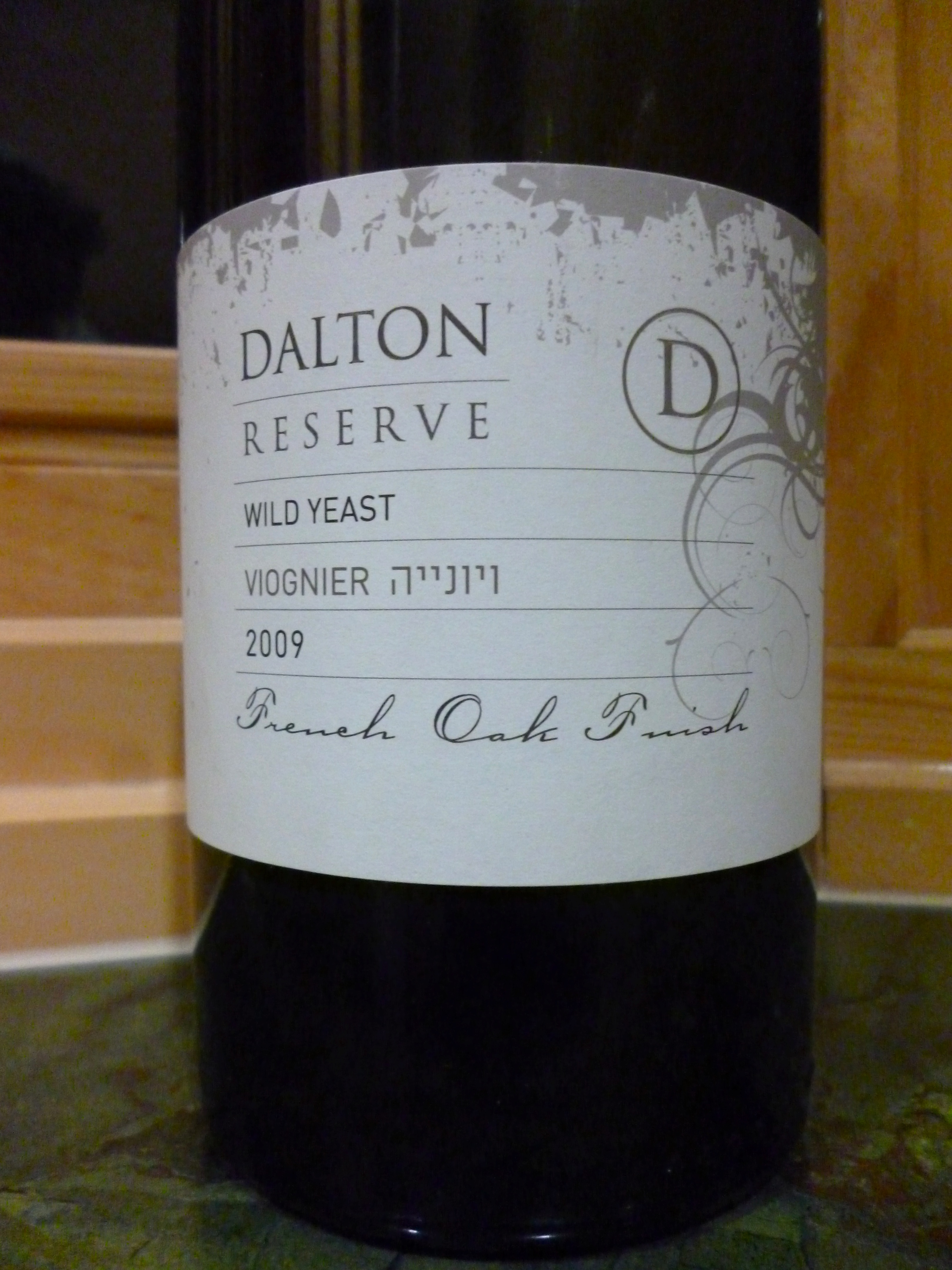 The nose on this light gold orange haloed colored wine is expressive with honeysuckle, butterscotch, toasty oak, floral notes of jasmine, peach, and apricot, with the honey, toast, lemon, and butterscotch showing itself more expressively over time. The mouth on this full bodied wine is rich and oily, layered, and textured with cut grass, grapefruit, melon, summer fruit, pineapple, all balanced well by bright citrus and acid, and mouth rounding oak. The finish is super long and spicy with smoky notes, caramel, cinnamon, rich honey, and candied fig.

Petite Sirah – it is not Petite, it is not Syrah or Shiraz, rather it is another name for Durif

Petite Sirah grape (image from Israeli Wine website)
This past weekend I was really excited to go through all the kosher Petite Sirah (PS) wines that I have. Before you ask, Petite Sirah is NOT a Syrah or Shiraz grape in any way. I hope that was informative – LOL!! You see, PS is NOT a Syrah grape with a stupid name. Rather , it is a hybrid of Syrah and an obscure grape called: Peloursin. It has some similarities to Syrah and to many it is considered more Syrah than Rhone, but it is not a Syrah grape. Dr. Carole Meredith and her colleagues at UC Davis, in 1998, ran DNA tests on thousands of grape vines throughout California and came out that PS and Durif are one the same.
But first off, I have already given away the punch line, here is the story. In the last 10 or so years petite syrah has veered from its path of being a great blending grape, to one that is a very popular and successful single varietal.
Petite Sirah has more in common with syrah and shiraz grapes then just phonics. They share viticulture roots that we will unearth as we unfold the legend of the syrah and petit sirah grapes. Our journey starts in Shiraz – a large city in the southwest of Iran. Known as the Garden City of Iran, as it flows with fruits and grapes, Shiraz was thought to be the birthplace of the shiraz/syrah grape. Winters are mild here, and its summers are moderate – which makes for an ideal climate for grapes. Legend has it that a Frenchman named Gaspard de Sterimberg took grapes he found here while crusading through Iran in the 13th century. Upon his return to southeastern France, he
planted his sapling on a rolling hill near the Rhône River. He established a sanctuary on the hill and settled down in hermit-like seclusion – from where we get the Hermitage AOC (Appellation d’origine controlee) today. This is how syrah was supposed to have become dominant in this region.
There are many different syrah wines in the Rhone Valley, but each is named for its specific place and not the grape. The wines of the Hermitage region (mineral and tannic in nature) have different styles and characteristics then syrah wines from the Cote-Rotie region (fruity and perfumed in nature). Since the 1800’s Hermitage has been one of the most famous Syrah wines in the world, though recently, syrah from Australia, California and Washington state have gained worldwide fame.
Unfortunately, the Shiraz legend is just that – all myth and no fact. In 1998, research at the French National Agronomy Archives in Montpellier and the University of California at Davis (UCD) cut through the romantic marketing and discovered the real source for the shiraz/syrah grape.
Carole Meredith from UCD and Jean-Micel Boursiquot of France tested syrah grapes. They found that syrah grapes were, in fact, indigenous to France and not a transplant from Iran. Our story of syrah ends here, but the story of petit sirah is just beginning. In the 1880’s, Dr. François Durif promoted a cross of syrah and peloursin to combat syrah’s biggest issue – powdery mildew. Dr. Durif named this grape Durif eponymously. Then In the 1890’s phylloxera decimated the syrah crops within California. When replanting started in the
late 1890’s, much of the new acreage was of this Durif. The first importer started calling the Durif grapes ‘petite sirah’, for no particular (or known) reason. It was planted because of its dark color, fragrance, and abundant yields. It became the main blending grape for the top red wines in the state. It was not until the very same Professor Carole Meredith’s study, published in 1998, that it was conclusively established that about 90 percent of the old vines known as Petite Sirah in California are actually Durif and not Syrah, Shiraz, or Sirah. Read the rest of this entry
Israel wineries I visited in the north and the state of Israeli kosher Wines
I just returned from a long and wonderful trip to Israel where I visited a total of 36 wineries in less than three weeks. To be fair, I was set to visit more, but let us just say that a family member, who will go nameless, slowed me down just a wee bit – LOL!!! All the same, it was great visiting the wineries, meeting the wine makers and owners, and getting a far deeper feel for all things wine in the land of Israel!
Yes, I brought back many bottles, and I had friends and family who helped me schlep in even more bottles. In all some 30+ bottles or so made it back to the diaspora, and I will be enjoying them in due time. Many of them are NOT available here in America and some were just too good to pass up on.
 So, let us start with the facts – there are five wine regions in the land of Israel, and I visited wineries in all of them. According to Yossie’s Israel winery page that is a mash up of Google maps and his winery data, there are some 70+ kosher wineries. The kosher wineries are bunched up in the Judean Hills, Shomron, Samson, and the Galilee. There are wineries in the other wine region; the Negev, but other than Yatir, which is really the southern tip of the Judean Hills, there is no winery that I wanted to visit in the Negev (dessert – southern wine region of Israel).
I started my wine adventure in the north and went to every kosher winery that would let me visit. One of the first things I realized about wineries in Israel is that it is a business. To me, wine and wineries are like candy and big candy store. To top it off – they are kosher and in a land I love. So, when I visit a winery, I want to know everything about it and why it exists. Others see me as a pain or as a lack of dollars and cents and as such, are not so receptive to my interests. That is fair, and as such, if I was received well I will state it and if not, or I got to taste a single wine or less, I will simply state what I tasted and move on.
The first day, I dropped my stuff off at friends in the north and drove up to Tabor Winery. Tabor Winery ha recently been bought up by the Coca-Cola company of Israel, and as such has seen a fair amount of investment in both vineyards and winery facilities.  They have some of the coolest high-tech gear out there, though a few others do rival them, including Yarden (which I did not visit this time), Yatir Winery (visited and loved it!), Shiloh Winery, and of course Carmel and Binyamina (because their size allows for more toys). I was really shocked there and then by the cold blue fruit that exists if you look for it. By cold blue fruit I mean that wines (Syrah, Malbec, Cabernet – YES CAB, Petite Verdot, and Petite Sirah) exhibit blueberry, boysenberry, and other blue colored fruit when controlled in a cold enough climate. They had some lovely wines there, though no WOW wines (wines that get an A- to A or higher score). Still, a very nice and wonderful winery well worth the visit, if you can handle the drive all the way up there.
Now before you laugh at one winery in a day, driving north from Jerusalem, even with highway 6, is a large haul and in the pouring rain, I rest my case. While driving my way up there – I noticed another aspect that I have not spoken about in the past – Israeli drivers. I think it was my nephew who brought this to my attention; they drive cars like they have no tomorrow, without hesitation, and without fear – almost like war. Drivers in Israel are more than happy to pass you going uphill, on a curve, in the pouring rain! In no way was this a singular or rare occurrence! If you drive in Israel and you blink or hesitate, you may well find yourself forced onto the other side of oncoming traffic by a public transit bus! I am not kidding – and in a not so hospitable location to boot! My point is, if you wish to drive in Israel, and to get to all the wineries in and about Israel, a car is required (or a tour guide), my best advice is pray a lot, and be very careful. Also, get full coverage on your rental car. Read the rest of this entry

More wines from this past weekend…
Well what can I say the theme continues with even more wines that I had the chance to taste this past weekend. There were some real winners and some very solid wines, without a dud in the bunch, including nothing short of heaven in a bottle, more on that in the notes below.
For now, I will leave you with a plethora of wines that I hope you can find in the your area and enjoy much like I did this past weekend with my family! Loved the food, tons of Sephardi food with many a treat!
The wines notes follow below:






2009 Tzuba Pinot Noir – Score: B+
Tasting this twice the wine showed a continuous expression of almost pure cherry, with Chica cherry cola, cherry, oak, ripe raspberry, bramble, toast, and espresso. The mouth on this medium bodied wine is ripe and tart with good acid, rich currant, medicinal cherry, nice spicy cedar, and nice integrated mouth coating tannin. The finish is long and spicy, with roasted herb, oriental spice, cherry candy, and cloves.
2007 Katlav Wadi Katlav – Score: A-
This is Katlav’s flagship wine and is a blend of 50% Cabernet Sauvignon, 35% Merlot, and 15% Petite Verdot. This wine starts of very closed and all you smell is crazy deep mineral, almost intense graphite and sulfur, quite nice but not its true self. The wine needs decanting, so go ahead and decant and fear not, unless you wish to wait a year or so more. Once it opens the wine screams with blackberry, black plum, cassis, and rich mineral, almost sulfur in its extreme, along with date and nice spice. The mouth on this medium to full bodied wine is rich with nice sweet black fruit, ripe red fruit, sweet raspberry, nice vanilla, and sweet cedar along with mouth coating tannin that lingers long. The mouth is rich, round, and sweet, showing the impact of being in oak for 24 months, but while it does not lack in acid, it lacks the zip that could make this a killer wine. The finish is long with sweet tobacco, black fruit, licorice, cassis, and spice along with mounds of sweet milk chocolate, and rich cinnamon and cloves. The wine is throwing sediment so beware if you decant. Read the rest of this entry

Dalton Alma Bordeuax Blend and sulfite free Four Gates Merlot
This past week my wife had a hunkering for risotto and the recipe is so simple that after gathering the required ingredients, I was more than happy to oblige. The risotto recipe that I used was from my blog posting in March of last year, however, in this case I roasted both the sweet potatoes and the mushrooms in the oven.
The roasted sweet potatoes really does change the flavor profile of the risotto and the roasted mushrooms bring out a further meaty and earthy flavor than just the risotto alone. That comes from the famous umami savory taste which is backed by the Glutamates. The combination of roasted flavors and the Glutamate packed mushrooms – adds a totally different dimension in flavor to plain risotto. Normally, the way to fill out the boring and plain flavored risotto rice (arborio rice) – is to finish the dish with cream, cheese, and/or pesto, along with some nice condiment or flavor addition like mushrooms or asparagus. However, because we do not eat milk and meat together and I want to enjoy my risotto with chicken, we cannot finish the dish with cheese or cream. So that leaves us with finding other ways to pump up the flavor volume with non-dairy ingredients.
Of course when it comes to chicken, I love my wife’s lemon rosemary roasted chicken, because the recipe calls for slow and low cooking which makes for tangy and “fall off the bone” moist perfect chicken. Normally I use the chicken sauce on rice and quinoa, but with risotto, I leave the sauce for another time.
To pair with this chicken I continued my Pinot Noir adventure and opened a lovely bottle of the 2009 Galil Mountain Winery Pinot Noir – which I liked a lot and wrote up in the previous posting on QPR.
We also were invited to the Rabbi’s house and I brought a bottle of the 2009 Dalton Alma Bordeaux blend. Dalton now releases three different Alma blends. One is the white blend, which does not excite me that much, along with two red blends. One is the one I enjoyed this week, a Bordeaux blend of 64% Cabernet Sauvignon, 27% Merlot, and 9% Cabernet Franc – showing its deep French roots – with crazy graphite, green notes, while also showing with pride its own terroir and climate – with lovely ripe and black fruit. The wine is a true expression of French grapes in a Mediterranean climate – Bravo Dalton! The other blend is a SMV blend of 82% Syrah 12% Mourvedre and 6% Viognier. Each of these red blends used wines that were fermented individually for 12 months in French Oak and then blended and aged an additional two months in oak before bottling. Read the rest of this entry

2009 Dalton Viognier, Reserve, Wild Yeast – ode to an awesome wine
 I cannot help but continue to wonder out loud why Dalton would give up on such a wonderful wine and go with the Dalton Alma white blend, which was OK at best? How could you stop producing a wine that is beautiful and luscious yet still balanced and rich, a wine that reminds me of a basket of fruit on an oil slick surrounded by a garden of violets and honey bees! Yeah the oil slick may be a bit off-putting, but I really wanted to get across the idea of its viscosity and mouth coating ability.
The wine is clearly one of the best kosher Viognier wines out there. For the longest time, I have lamented on the fact that there are no fantastic Viognier wines in the kosher world. Yarden’s is too – well Yarden, oaky and big, the Goose Bay is good every so often, but not to this level, and the Yatir and Galil are OK as well, but they both lack the viscosity, honeyed notes, and true fruit heft of the Dalton Viognier.
Viognier is a white grape that it is closer in style to a Chardonnay than to a Sauvignon Blanc. All wines can be operated on – but classically these are the styles that the white wines have:
1) The Sauvignon Blanc – can be as clean lined and crisp as a Sancerre and become fat and a bit ugly like in California, and everything in between. Still the classic lines of a Sauvignon Blanc are crisp clean lines, with intense fruit and floral flavors. If picked early there is more green, if picked too late there is more of a fruit bomb which winemakers turn into a fat wine because of all the sugars – or manipulate it by decreasing the alcohol. It is commonly high in acid and is not meant for a long shelf life – though many a Sancerre have lived long lives – mostly because of the crazy acid and mineral characteristics that come from the terroir.
2) The Chardonnay is the wine that we all know and can have many different lines. It is a grape which by its nature is screaming to be modified. The grape loses its crispness early on as it ripeness but in its place comes the weight, fruit, and body. The more oak that is applied the more toast, espresso, smoke, and spice flavors get introduced. The grape has less acid as it ripeness but gains more fruit. This is the real quandary with Chardonnay – when do you pick it? When it sits on the vine for too long you get a ton of fruit, little or no acid and high alcohol. To counter act that wineries will de-alcoholize the wine and add pH as well. Again – Chardonnay is a grape that is screaming to be managed. However, when done correct you can either get nice green and floral wine with less acidity than Sauvignon Blanc, but still enough to hold the wine up and enough fruit to carry the day. Or you can make it California style and lose the acid but gain nice weight and body (from the fruit, alcohol, and oak) – but pH added still tastes fake to me.
3) The Viognier grape/wine is a different beast. It is a wine that has distinct characteristics: perfume, floral notes and acidity, but it is a very picky grape. It is very easy to lose to mold and because of this wineries will plant roses next to the grape vines to act as a canary for detecting mildew early on. The grape needs to be picked late otherwise, it does not give the classic perfume that we get from the Muscat and Riesling grapes. Depending on if the wine maker puts the wine through malolactic fermentation (to give it a bit more weight) or let the wine lie in the must (to give it more perfume) or to let it have a bit of wood to give it roundness. In the end, the wine is not meant for long storage – hence the VERY early release dates on these wines and the wine should have the acidity, fruit, and perfume to make it a real winner.
The Dalton Viognier lacked the insane perfume notes but instead showed crazy honey and floral notes, maybe even more potent than perfumed and intense all at the same time. The note follows below:
2009 Dalton Viognier, Reserve, Wild Yeast – Score: A-
 WOW! This wine is like pure heaven in your mouth and drives me crazy to think that Dalton would give up on this wonder for the Alma white blend that is not in the same ballpark. The nose on this wine screams from the second it hits your glass with roses and violets (classic Viognier notes), followed by lovely lychee, pineapple, and peach. The mouth is round and so seductive with a silky smoothness that is elevated by the wine’s rich viscosity, along with lovely honey, and grapefruit, while being balanced with bright acid and cut grass. The finish is long and spicy with hints of cloves, toast, and caramel. This is a wonderful wine that has a year or so left in the tank. Drink one now and enjoy it again in 8 or so months. What a shame that it is not being made again.

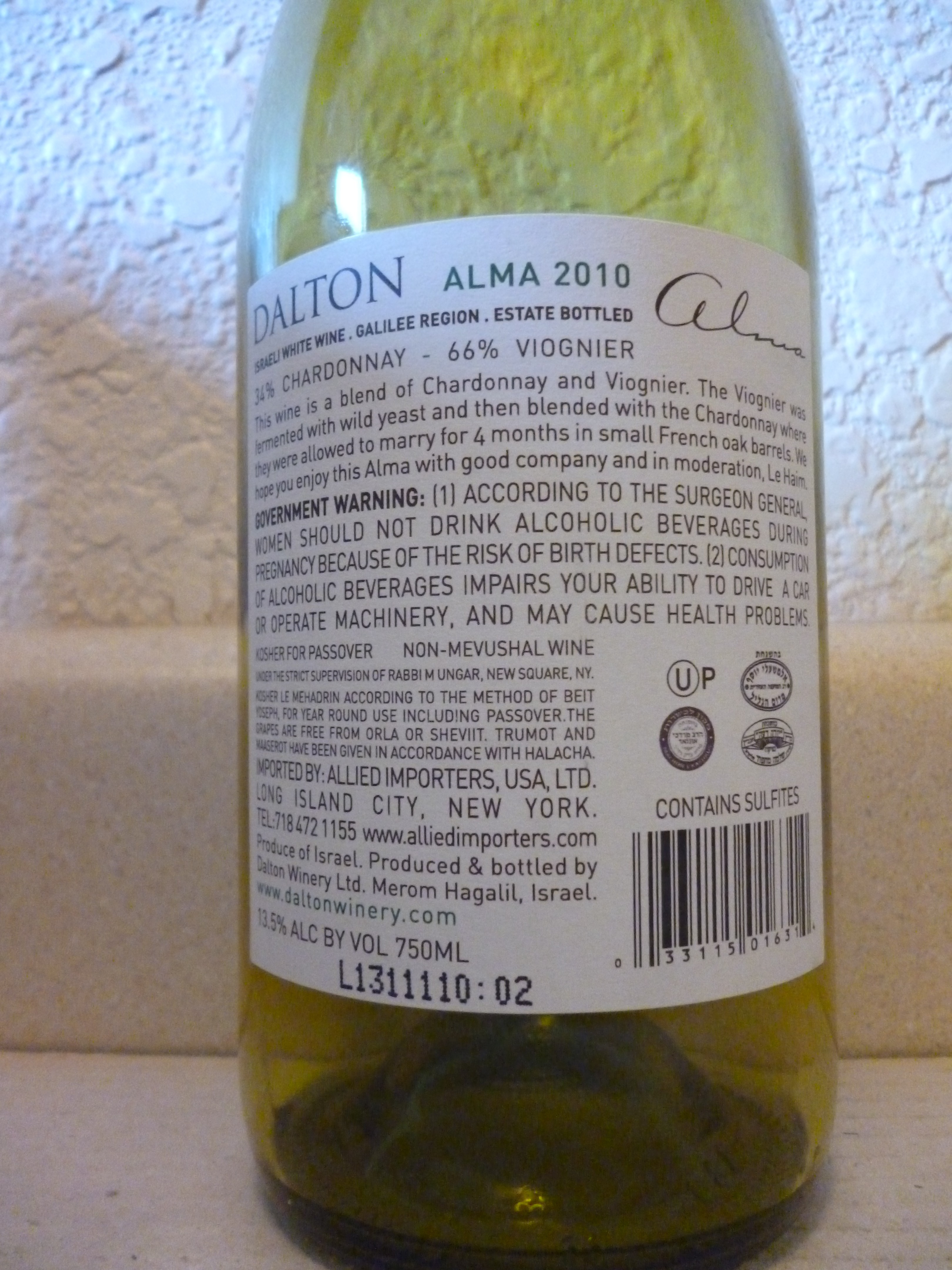
2010 Dalton Alma White Blend and Lemon Rosemary Roasted Chicken
This past week I was waffling on which white wine to open to pair with my wife’s awesome lemon and rosemary roasted chicken, which has become comfort and easy to make food for the both of us. I do go through my own mood swings in relationship to chicken and poultry, but this week I was on and truly enjoyed it as always. Along with the chicken we also enjoyed some fresh green salad and a blend of brown/red/black rice. Given the menu I wanted a solid white wine that could keep up with the chicken and rice. I was looking at opening the Dalton Viognier or the Dalton Alma, and since I had more of the Alma I opened one for the weekend.
The Haruni Family started the Dalton Winery in 1995, in the Napa Valley of Israel in the Upper Galilee. Within the massive Upper Galilee, a few areas are starting to gather fame, such as the vineyard from which Dalton sources its grapes — Kerem Ben Zimra, Yarden’s El-Rom, Ortal, and Katzrin vineyards, and Gailil Winery’s Yiron vineyard. The vineyard and winery are located minutes from each other, which is usually a great benefit to the winemaker and winery, as the winery can truly source and crush the grapes when they have reached optimal maturity. However, when there is a war going on, and that war is in your backyard, you wish you were miles away. In July and August of the year 2006, Lebanon and Israel were engaged in a bloody battle. It raged on for 34 days, before a cease fire was declared. With the winery and vineyard overlooking Mount Hermon, almost spitting distance from the Lebanese border, the winery was in the direct line of fire.
 Dalton was the hardest hit amongst the Galilee wineries, but was still able to source and crush all of its grapes within a week of the cease fire. The actual damage was not nearly as bad as the winery’s inability to prune and manage its vineyard, which caused some of the vineyards (the Chardonnay especially) to fall victim to disease and hungry wildlife. However, the winery was blessed with a bountiful harvest that easily made up for the war’s collateral damage.
Read the rest of this entry

Notes from kosher wines tasted in and around Israel
Before I left for Israel, I had a bottle of the 2008 Yarden Odem Vineyard Chardonnay. Normally this wine is killer. The 2009 vintage is lovely, the 2007 vintage was closed the last time I enjoyed it, but opened quickly enough and was lovely. Unfortunately, this bottle of the 2008 Yarden Odem Vineyard Chardonnay was clearly in a deep sleep, and one that would not open no matter what I tried. Humorously, when I came back from Israel, some three weeks later, the leftovers of the wine that I stored in the refrigerator, tasted quite nice!
In Israel, we enjoyed many wines for Passover and for other meals. Some of the wines were quite nice while some were just OK. The best two wines we enjoyed were the 2010 Dalton Zinfandel and the 2010 Saslove April. The other wines were fine but none of those were really note worthy. The 2010 Dalton Zinfandel showed far better than when I had it at the Gotham Wine Event. The Tulip White Franc was really nice, though a bit less Cabernet Franc-ish than the 2010 vintage. This is the second time I had the chance to taste April, when I enjoyed it at Sommelier last year, and it continues to impress with its light oak influence (they used staves) and interesting blend.
The only real downer for me was 2011 Galil Rose; it was OK, but nothing to write home about. I was not a huge fan of the Dalton Roses either, but hey I keep trying! I do love the Flam and Catsel Roses. The Tulip Just Cab and Merlot were lovely and continue to improve and show good varietal characteristics. I had the 2010 Galil Wines and they were average at best, which is OK, but again not wines to write home about. My father-in-law and I both enjoyed the bubbly Cabernet. Yes, I said I liked a semi-sweet bubbly Cabernet, because it was actually enjoyable. Sorry, to all the wine snobs out there, but the 2011 Tabor Pnimim (Pearls) sparkler, was enjoyable, unpretentious, and though semi-sweet, not cloyingly so in any way. No, I would not normally, bestow any praise upon a semi sweet Cabernet nor even write about it in a positive manner, as normally Cabernet and sweet do not logically go hand in hand, but Tabor did a good job, so Kudos!
Unfortunately, I did not have the opportunity to visit any wineries, but I did get a chance to see Gabriel Geller, a man I can happily call an acquaintance, and hopefully one day a friend, that now own a wine store in the heart of Jerusalem, called the Wine Mill. The wine store is located in the Wind Mill right next to the Prima Kings Hotel Jerusalem, and essentially at the corner of King George and Ramban streets. The store is laid out in a quite enjoyable and clutter free manner, with more than enough room for informal gatherings of his clients and customers. When I was there, I picked up some wines that I took home and I also had a chance to talk with both Gabriel and David Rhodes, a wine critic/writer who I have not yet had the chance to write about here in the blog, but a person who has solid wine abilities and who I have had the pleasure to talk with a few times now. The conversation inevitably came around to kosher wine, Israeli Wine, and Daniel Rogov (man I cannot believe it has been 6 months already since his passing), but hey what happens in the Wine Mill stays in the Wine Mill. I did have the chance to taste a lovely bottle of Domaine Ventura Cabernet Franc, but I did not write notes on the wine – sorry. From what I remember, it was very characteristic of Cabernet Franc, with good green notes, lovely ripe red fruit, without the raisin or date flavors, that are so characteristic of Israeli wines. The oak did not overpower though was felt and clearly present, and there was some nice extraction along with tobacco and light leather. An unofficial score would be B+ to A-. Read the rest of this entry
Dalton Petite Sirah and Gilgal Chardonnay
This past weekend I was staying with friends I tried a new wine and an older wine, though a wine I have no had before. The first wine is the 2010 Dalton Petite Sirah. we have spoken many times about the difference between the Petite Sirah and Syrah and Shiraz, for more of that check out this post.
In the end, the Dalton was quite a lovely wine indeed. It was not a massive winner, though it did score well. Instead, it is another example of the direction that Israel is pointing towards, ripe beautiful wines that do not taste hot (too alcoholic) or overly ripe (new world) in you face. It has a lovely floral, blue and black fruit nose and body, though over time the blueberry fades to a richer black plum and blackberry mouth with floral resonance. There is one quandary I had while tasting this wine and that was the finish. There is a clear flavor that lingers like mad, almost bitter and I call it bitter olive but it may well be something else. Would love to hear what others think of this one.
For comparison sakes I have included the 2009 Dalton PS, which was the first release of a singe varietal PS from the winery. The 2009 is VERY different in style. While the 2009 is elegantly muscular, the 2010 is lean and soft, with a bit of muscle but more unique in its flavors than in its body. The 2009 is rich with black fruit, tannin, oak, and leather. The 2010 is more elegant with blue and black fruit, vanilla, leather, and nice spice.
The Yarden Gilgal Chardonnay is the new name for the old wines – Gamla, which is in trademark wars with Royal, so in the US the wine is sold as Gilgal in Israel the same bottle is sold as Gamla. In the US, Gamla wines are actually made by Carmel and distributed by Royal – ah the logic and business of kosher wine!
Anyway, either way the wine starts off very closed, a bit hot, and overly oaked. As it opens, it shows lovely tropical nd summer fruit, but never quite enough complexity to grab you by the scruff of your neck and shake to awake. So, while it is a perfectly fine wine, it is not one that quite meets the A- score requirements.
The wine notes follow below:
2009 Yarden Gilgal Chardonnay – Score: B++
The wine starts off closed and stunted with little tropical fruit or summer fruit, but clear oak influence. Over time the wine opens to clean peach, brioche, melon, guava, crushed herb, and ripe and intense Meyer lemon. The mouth is round and oaky with nice toast on the edges along with good acid and bright fruit. The finish is long and spicy with lemon zest and good mineral.
2010 Dalton Petite Sirah – Score: A-
The wine starts beautifully once you open the bottle with ripe blueberry, nice blackberry, over the top ripe plum that is not overripe, lovely cinnamon, and chocolate. The mouth is full and layered with attacks of blue and black fruit, floral notes, roasted meat, and soft and integrating mouth coating tannin, all coming together quite nicely. The finish is long with nice leather, cinnamon, vanilla, boysenberry, and good bitter olives. To me this is a lovely example of Durif (Petite Sirah) expression. The wine shows nice blue and black fruit, leather and heavy tannin, but one that is restrained and not meant for very long cellaring. I would give this wine till 2013 or 2014 and then drink up. The spices and vanilla are simple extensions of the 12 months in American oak. Other than the spice, the oak is not nearly as evident as in the 2009 vintage and only helps to round the mouth and add heft to what was clearly a lighter vintage, due to the cold season.
2009 Dalton Petite Sirah – Score: A-
The wine hits you hard with its heavy oak and blackcurrant, followed by lovely cedar, chocolate, mounds of black pepper and tobacco. The mouth is rich and unctuous, much like a coiled snake ready to pounce, all wrapped in a sheath of inky structure, along with tannin that is not quite integrated, all of which helps to lift the blackberry and cassis fruit up and balances it nicely with good acidity. The finish is long and smoky with more tobacco, ripe plum, mounds of vanilla, leather and black fruit that lingers. The hardcore style of this wine will allow it to last a bit more than the 2010 vintage, probably till 2014 oor 2015 than drink up.

2010 Dalton Rose, 2010 Golan Moscato, 2009 Bravdo Coupage
 This past week was the last week in Israel, and we swung by the Bravdo Winery on Friday. I picked up a bottle of the 2009 Bravdo Coupage, which is a melange of 40% Cabernet Franc, 33% Shiraz, 27% Cabernet Sauvignon. When I was talking about this lovely wine with friends, I compared it to one of my favorite dishes, Puttanesca. There are many non-sequitur ingredients in Puttanesca that if ignored or left out ruin the dish. For example, the anchovies; add to much, and it ruins the dish, put in too little or non at all, and the dish is flat, but in the correct proportions, it is magic. It adds depth and richness to the dish, without overpowering it. Same goes for the 2009 Bravdo Coupage, the Cabernet is nice and somewhat noticeable, but it real purpose is to hold the entire, non-sequitur blend together. Cabernet Franc and Shiraz are not common bed fellows, but with the Cabernet, it all becomes a fantastic harmonious whole!
Also, we did get a chance to re-taste the 2010 Dalton Rose, and it did show better than in the previous tasting. The main difference was the finish, it was still shallow, but the tart acid lingered long. The 2010 Moscato was lovely again, with nice honey, pear, rich mouthfeel from nice residual sweetness, and slight bubbles, all of which caused the bottle to disappear quickly.
This was not the first time we tasted the Bravdo Coupage, we tasted it in April, at the Gotham Wine Event. Some of the times I wonder about wine tasting, my abilities and what we sense in wines. It is really great to taste a wine a second time, and without looking at previous notes, make new ones. I am happy to state that the wines notes once again are pretty good, and this wine is truly a monster and one that should be ready for true drinking in 6 months or a year. Stock up on the four red Bravdo wines Cabernet, Shiraz, Merlot, and Coupage), they are great, and wines that will be here for at least four or more years.
The wine notes follow below, thanks so much to my hosts and dear friends:
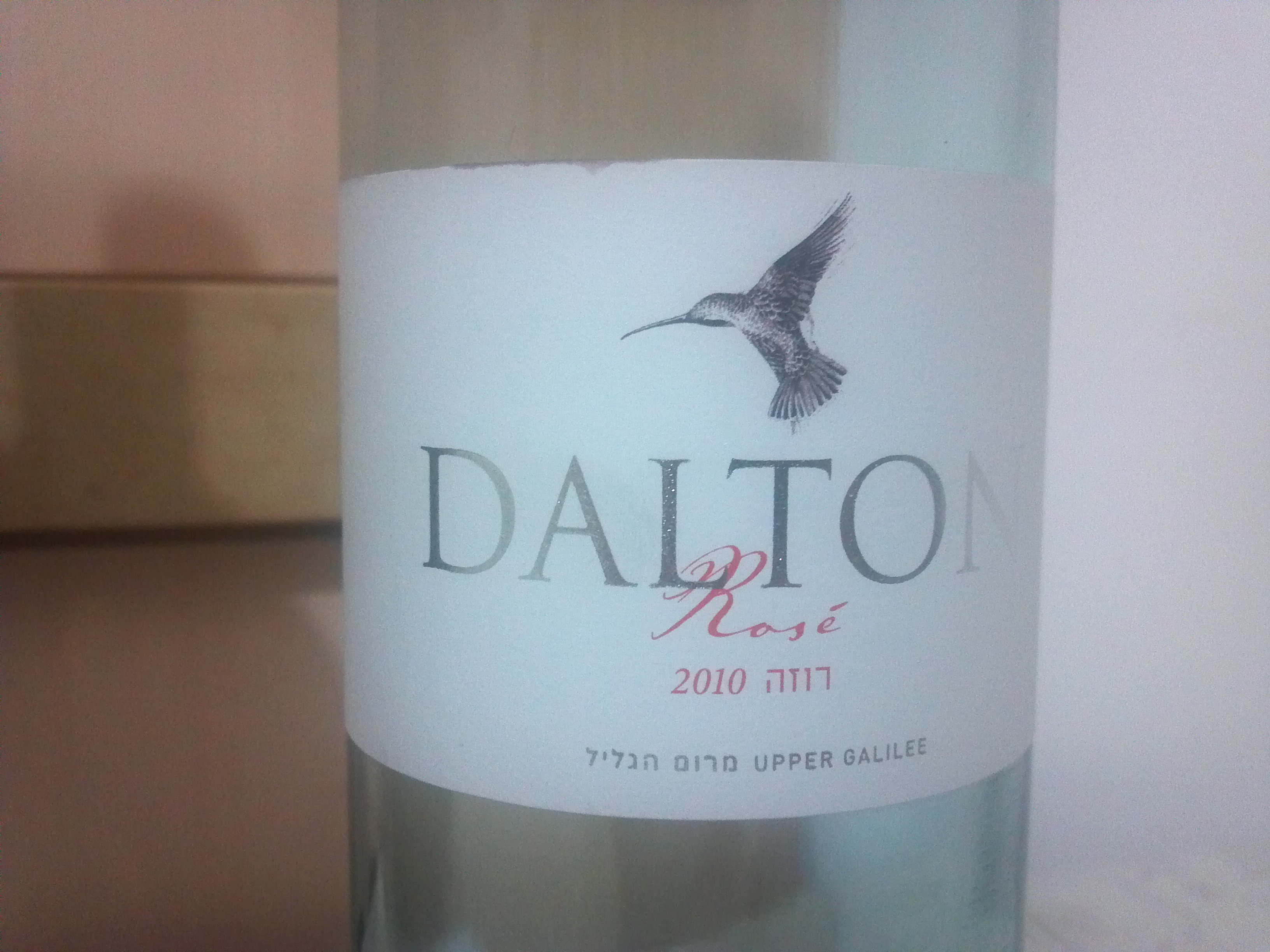 2010 Dalton Rose – Score: B+
The nose on this rose colored wine starts off nicely with peach, yellow apple, plum, strawberry, floral notes, lemon, and ripe and sweet kiwi. The mouth on this medium bodied wine starts off nicely but ends with a slightly deficient finish. The mouth starts with more yellow apple, plum, peach, kiwis, flowers, and strawberry. The mid palate is balanced with nice acid and a bit of orange peel. The finish is a bit shallow, but ends fully with a lovely tart, strawberry, and orange peel finish. I am happy we tried another bottle.
 2009 Bravdo Coupage – Score: A- to A
The nose on this deep black colored wine is rich with mineral, herbaceous, lovely floral, black cherry, and raspberry from the Cabernet Franc, heavy date, tar, and rich plum from the Shiraz, along with blackberry, alcohol, and rich chocolate. The mouth on this full bodied, rich, and layered wine is concentrated with mint, floral notes, ripe plum, raspberry, dates, and massive rich tannins that coat the mouth and make the wine feel even bigger. The mid palate is rich and follows the mouth with nice balanced acidity, chocolate, mint, raspberry, dates, vanilla, cedar, tobacco, and rich tannin. The finish is super long and rich with cedar, tar, raspberry, plum, heavy tannin, lovely vanilla, tobacco, and rich chocolate.
Over time the nose changes to expose rich cedar, tar, chocolate, crushed herbs, blackberry, and dates. The mouthfeel is still rich with softer tannins, ripe date, blackberry, tar, and crazy inky structure, along with nice plum. The finish is super long and rich with black olives, dates, blackberry, vanilla, cedar, chocolate, all the while taking a long stroll with a fat stogie in its mouth and a rich lather coat. This is a lovely wine – enjoy it for the next 4 or so years, but you can wait another 6 months till you can really start to enjoy it.
Golan 2010 Moscato – No Score – enjoyable
I again did not have the ability to note down the particulars about this wine, but it is a lovely and rich wine with nice honey, pear, rich mouthfeel from nice residual sweetness, and slight bubbles, all of which caused the bottle to disappear quickly.


 Wine Musings Blog